Langtang Gosaikunda Trek is one of Nepal's incredible trekking experiences that beautifully blends the stunning Himalayan scenery, sacred alpine lakes, and the fascinating Tamang culture. If you are a trekker looking for a less crowded mountain experience than Everest or Annapurna, this route will definitely give you an authentic mountain experience along with a rich cultural immersion.
This trek nicely links the timeless Langtang Valley Trek with the spiritually significant Gosaikunda Lake Trek, thereby making it an ideal option for nature lovers as well as cultural explorers. During the trek, hikers move through thick rhododendron forests, glacial valleys, old monasteries, and high mountain passes.
If you want a shorter alternative, check out our comprehensive guide to the Langtang Valley Trek for beginners and families.
Trip Highlights:
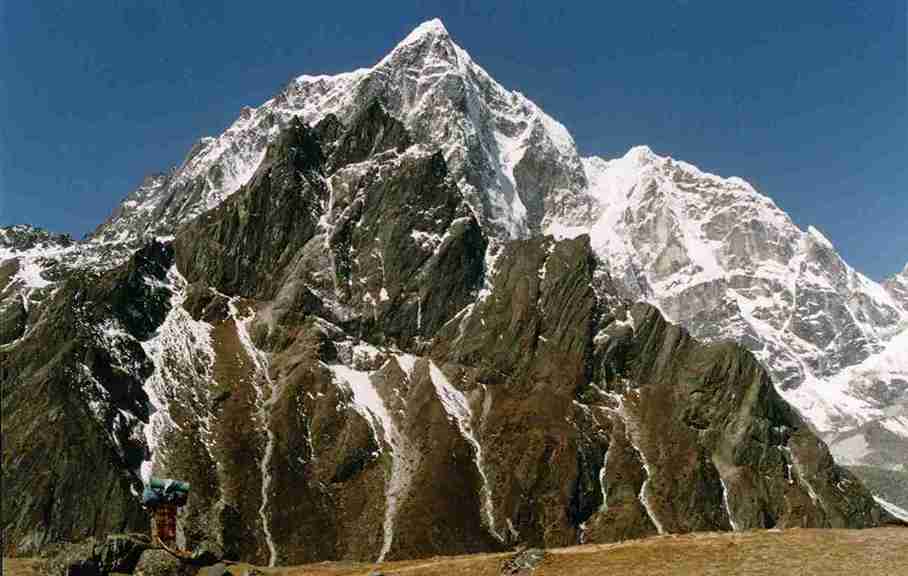
- Diverse Landscapes: Traverse through lush subtropical forests, alpine meadows, and barren high-altitude terrains.
- Glacial Beauty: Witness the raw power and serene beauty of glaciers as you ascend into the Langtang Valley.
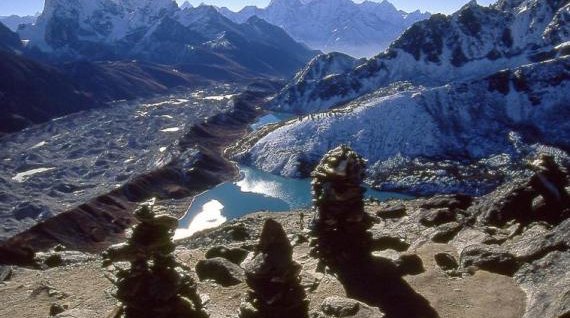
- Sacred Gosaikunda Lake: Explore the revered, turquoise waters of Gosaikunda and its surrounding lakes, believed to be created by Lord Shiva.
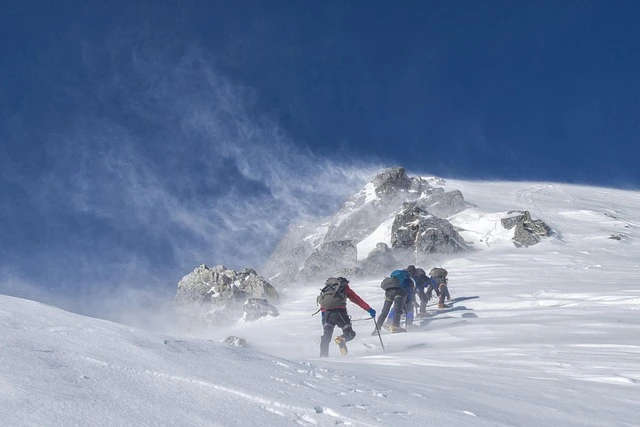
- Lauribina Pass Crossing: Conquer the challenging but rewarding Lauribina Pass (4,610m) for panoramic views.
- Cultural Immersion: Discover the unique traditions and warm hospitality of the Tamang people in their picturesque villages.
- Kyanjin Gompa Cheese Factory: Visit the famous Kyanjin Gompa and sample fresh yak cheese at its local factory.
- Tserko Ri Panorama: Ascend to Tserko Ri (around 4,984m) for breathtaking 360-degree views of the Langtang range.
- Wildlife Encounters: Keep an eye out for diverse wildlife Langtang National Park, including the elusive red panda.
Short 12-Day Itinerary:
This simplified itinerary provides a typical overview of the 12-days Langtang Gosaikunda Trek. Flexibility is often possible, and some itineraries may vary slightly in duration or specific overnight stops.
Langtang Gosaikunda Trek – 12 Days Itinerary
| Day |
Route / Activity |
Duration |
Elevation Gain / Loss |
| Day 01 |
Kathmandu → Syabru Bensi (Drive) |
7–8 hrs |
— |
| Day 02 |
Syabru Bensi → Lama Hotel |
6–7 hrs |
+1,070 m |
| Day 03 |
Lama Hotel → Langtang Village |
4–5 hrs |
+980 m |
| Day 04 |
Langtang Village → Kyanjin Gompa |
2–3 hrs |
+460 m |
| Day 05 |
Acclimatization Day at Kyanjin Gompa |
— |
— |
| Day 06 |
Kyanjin Gompa → Lama Hotel |
~6 hrs |
–1,430 m |
| Day 07 |
Lama Hotel → Syabru Bensi (Big) |
6–7 hrs |
–1,200 m |
| Day 08 |
Syabru Bensi → Sing Gompa (Chandan Bari) |
3–4 hrs |
+1,040 m |
| Day 09 |
Sing Gompa → Gosaikunda Lake |
4–6 hrs |
+1,130 m |
| Day 10 |
Gosaikunda → Sing Gompa / Chandan Bari |
~4.5 hrs |
–1,210 m |
| Day 11 |
Sing Gompa → Dhunche |
~6 hrs |
–1,290 m |
| Day 12 |
Dhunche → Kathmandu (Drive) |
6–7 hrs |
— |
Permits & Costs: Navigating the Essentials
Embarking on the Langtang Gosaikunda Trek requires specific permits to ensure your safety and contribute to the conservation efforts of the region. Understanding these requirements and their associated costs is crucial for a smooth and hassle-free journey. All trekkers must obtain the following permits:
- TIMS Card
- Entry Permit of Langtang National Park
- Shivapuri–Nagarjun Permit (Optional exit route)
Check out our complete guide on trekking permits in Nepal for the latest costs and regulations.
Important Note: It is highly recommended to arrange your permits through a reputable local trekking agency. They can ensure you have all the necessary documentation and often handle the procurement process for you, saving you time and potential hassle.
Accommodation & Logistics: Your Home Away From Home in the Himalayas
The Langtang Gosaikunda Trek is primarily a teahouse trek, meaning you'll be staying in local lodges and guesthouses along the trail. This offers a unique opportunity to experience the warm hospitality of the local communities and immerse yourself in their way of life.
Teahouse Stays
Accommodation in teahouses is generally basic but comfortable. Rooms typically offer twin-sharing beds with pillows and blankets. While lower elevations might offer slightly better facilities, the higher you go, the simpler the amenities become.
- Rooms: Expect simple, clean rooms, often with shared bathrooms. Private rooms may be available at a slightly higher cost, especially if booked in advance.
- Dining Halls: Teahouses have communal dining halls where trekkers gather, share stories, and enjoy meals. This is a fantastic way to meet fellow adventurers from around the world.
- Food: The menu is usually diverse, offering local Nepali dishes like "Dal Bhat" (lentil soup with rice and vegetables – a staple that provides excellent energy for trekking!) alongside some international options.
- Hot Showers: Hot showers are often available but may come at an extra cost (typically USD 2-5).
- Charging & Wi-Fi: Charging facilities for electronic devices are usually available, sometimes for a small fee, especially at higher altitudes. Wi-Fi can be erratic and is often paid. Consider carrying a power bank for your devices.
Need for a Guide
While it's technically possible to trek independently in the Langtang region, it is highly recommended to hire a licensed guide for the Langtang Gosaikunda Trek. Several reasons make a guide indispensable:
- Safety & Emergency Support: Guides are familiar with the local environment, weather conditions, and hazards, and if any emergency occurs, they will be the first to provide help.
- Navigation: Coools you staying on the right path, which is very important if you are in a remote or complicated area.
- Acclimatization: Paces your walk so that you can acclimatize to the high altitude and reduce the chance of getting sick from the altitude.
- Cultural Insight: Provides you with information about Tamang culture, local monasteries, and everyday life which would be a great experience of your trek.
- Logistics Assistance: Provides help in teahouse accommodation, meals, and dealing with any issues that may arise.
- Regulations Compliance: Licensed guides are those who comply with Nepal’s trekking legislations, which are highly recommended or even compulsory, in Langtang.
Why Choose the Langtang Gosaikunda Trek?
Unlike Nepal’s busier trekking routes, the Langtang Gosaikunda trail remains relatively uncrowded while still offering breathtaking scenery and excellent teahouse infrastructure. The journey takes you from lush forests to sacred high-altitude lakes, all within close proximity to Kathmandu.
Acclimatization & Difficulty: Preparing for the Himalayan Challenge
The Langtang Gosaikunda Trek is moderately tough. It does not involve any technical climbs but it is physically demanding and the trekkers should be well-informed about the proper method of acclimatization for high altitude trekking.
Acclimatization Strategy
One should do proper acclimatization to avoid the Major Mountain Sickness. Steps should be followed after the given points for the safe journey:
- Slow Rate of Climb: Don't go up more than 500–600 meters higher in a day after you are above 3,000 meters.
- Rest Days: Plan an acclimatization day like when at Kyanjin Gompa. Do a small hike to the higher point e.g. Tserko Ri and come back to sleep at the base. ("climb high, sleep low" method.)
- Hydration: Consume 3–4 liters of water daily and don't drink alcohol or take too much caffeine.
- Check Your Body's Reactions: Be alert for headache, feeling sick, dizziness, or getting tired quickly. Tell your guide about these things and if you get tired, take a break.
- Coming Down if Necessary: In case the condition is getting worse, first go down to the lower place
Trek Challenges
- Long Hours of Walking: Usually you will walk around 5–7 hours daily but the day hiking over the pass, e.g. Lauribina, will be longer.
- Steep Terrain: Be ready for going up and down the mountains especially around the high passes.
- Mixed Trails: You will see the paths made of stones, through the woods, along the glaciers' moraines, and sometimes the snow.
- Unpredictable Weather: The weather in the mountains changes fast. One should be prepared for getting all of sun, rain, snow, and wind in just one day.
Physical Fitness
Get ready by doing jogging, swimming, cycling, and other cardio exercises. Add to your workout strength exercises for legs and core for 2–3 months before your trek. Put on a backpack and go for a walk/step-up practice on the stairs or at the hills to build up endurance and leg strength.
Packing List: Essential Gear for Your Himalayan Adventure
Preparing for a multi-day high-altitude trek like the Langtang Gosaikunda Trek requires careful planning and a comprehensive packing list. The key is to pack light but smart, focusing on layers that can be added or removed as temperatures fluctuate throughout the day and with changes in altitude. Remember that you will likely be carrying your own daypack, with a porter (if you hire one) carrying your main duffel bag.
Here's a detailed packing list to help you prepare for your journey through the rhododendron forest trek and up to the sacred lakes:
Langtang Gosaikunda Trek Packing List: Essential Gear for 2026
| Category |
Items & Details |
| Base Layers (Moisture-Wicking) |
2-3 long-sleeved thermal tops (light-medium weight), 2-3 thermal bottoms. Synthetic or merino wool recommended. |
| Mid-Layers (Insulation) |
1-2 fleece jackets (mid-weight & thick), 1 light down/synthetic insulated jacket for extra warmth. |
| Outer Layers (Protection) |
1 waterproof & windproof hard-shell jacket with hood, 1 pair of waterproof trekking pants. |
| Trekking Trousers/Pants |
2-3 quick-drying trekking pants (convertible preferred). |
| Shorts |
1 pair for lower elevations or warm days (optional). |
| T-Shirts |
2-3 short-sleeved moisture-wicking t-shirts (can be used as base layers). |
| Undergarments |
5-7 pairs moisture-wicking underwear, sports bras for women. |
| Socks |
3-4 thick wool/synthetic trekking socks, 2-3 thin liner socks, 1 warm thermal pair for nights. |
| Headwear |
Warm wool/fleece hat, sun hat/baseball cap, buff or neck gaiter. |
| Gloves |
1 pair warm insulated waterproof gloves, 1 pair light fleece/liner gloves. |
| Trekking Boots |
1 pair sturdy, waterproof, well-broken-in boots with ankle support. |
| Camp Shoes/Sandals |
1 pair comfortable sandals/light shoes for evenings. |
| Gaiters |
Optional, recommended if snow or debris expected. |
| Backpack (Daypack) |
25-35L comfortable daypack for daily essentials. |
| Duffel Bag |
60-80L bag for porter to carry main luggage. |
| Sleeping Bag |
Warm, good-quality sleeping bag rated to at least -10°C / 14°F. |
| Trekking Poles |
Recommended for stability, reducing knee strain, and assisting ascents. |
| Water Bottles/Hydration Bladder |
2 x 1L bottles or 2-3L hydration bladder. |
| Water Purification |
Water purification tablets (for safe drinking water). |
Best Seasons & Wildlife: A Symphony of Nature
Choosing the right time to embark on the Langtang Gosaikunda Trek significantly enhances your experience, offering optimal weather and the best chances for wildlife encounters and vibrant flora.
Best Seasons
Best Time to Trek Langtang Gosaikunda
| Season |
Highlights |
| Spring |
Clear skies, mild weather, rhododendron blooms, stunning mountain views |
| Autumn |
Dry, crisp air, best Himalayan panoramas, local festivals |
| Off-Season |
Monsoon: rain, slippery trails; Winter: snow, extreme cold, limited teahouses |
The Langtang Gosaikunda Trek offers stunning scenery throughout the year, but planning according to the right season can make a big difference in your experience. Spring brings vibrant rhododendron forests and clear skies, while autumn offers dry weather and breathtaking Himalayan views. Monsoon and winter treks are more challenging, with rain, snow, and fewer open teahouses. For more details and to plan your trek perfectly, check our best trekking season guide for Nepal
Wildlife Langtang National Park
Langtang National Park is a biodiversity hotspot and a haven for various Himalayan species. While sightings are never guaranteed, the trek offers opportunities to spot remarkable wildlife Langtang National Park.
- Red Panda: Langtang National Park is renowned for being one of Nepal's most important habitats for the elusive red panda. These shy, arboreal creatures are best spotted in the bamboo forests, particularly around areas like Bamboo Village, often at dawn or dusk.
- Mammals: Keep an eye out for Himalayan tahr (a wild goat), ghoral, musk deer, Himalayan black bear, and various species of monkeys, including grey langurs. While rare, snow leopards are also residents of the higher reaches of the park.
- Birds: The park boasts over 250 species of birds, making it a birdwatcher's paradise. You might spot the national bird of Nepal, the colorful Himalayan monal (danphe), blood pheasants, eagles, vultures, and various other forest birds.
Respecting the park's rules and maintaining a quiet presence increases your chances of encountering these magnificent creatures in their natural habitat.
Cultural Highlights: A Journey Through Tamang Traditions and Buddhist Faith
Beyond its stunning natural beauty, the Langtang Gosaikunda Trek offers a profound cultural experience, deeply rooted in the traditions of the local Tamang and Tibetan-influenced communities.
Tamang Villages
As you trek through the Langtang region, you will pass through numerous picturesque Tamang villages. The Tamang people are one of Nepal's largest indigenous ethnic groups, with a rich cultural heritage strongly influenced by Tibetan Buddhism.
- Traditional Lifestyle: Witness their unique way of life, characterized by traditional stone houses, terraced fields, and a strong sense of community.
- Warm Hospitality: The Tamang people are renowned for their warm hospitality. Staying in teahouses run by local families provides an authentic glimpse into their daily routines and customs.
- Festivals and Rituals: If your trek coincides with local festivals, you might be lucky enough to witness vibrant celebrations, traditional dances, and religious ceremonies.
Buddhist Monasteries Langtang
Buddhism plays a central role in the lives of the Tamang people, and you'll encounter numerous chortens (Buddhist stupas), prayer flags, and mani walls (stones carved with Buddhist prayers) along the trails. The trek also takes you to significant Buddhist monasteries Langtang.
- Kyanjin Gompa: This is one of the most prominent monasteries on the trek, located at the end of the Langtang Valley. It's a spiritual hub and a fantastic place to observe monastic life and soak in the serene atmosphere. The monastery's ancient relics and vibrant wall paintings offer a glimpse into centuries of Buddhist practice.
- Shin Gompa: Further along the Gosaikunda route, Shin Gompa is another important monastery, often visited by pilgrims and trekkers. It's a peaceful spot, perfect for reflection.
- Local Monasteries: Smaller monasteries and meditation caves are dotted throughout the region, offering insights into the local spiritual landscape.
Kyanjin Gompa Cheese Factory
A unique and delightful cultural highlight is the Kyanjin Gompa cheese factory. Established with Swiss assistance in the 1950s, this factory produces delicious yak cheese, a rare Himalayan delicacy.
- Yak Cheese Production: Witness the traditional process of making yak cheese from the rich, high-fat milk of yaks and chauris (yak-cow hybrids) that graze in the high pastures.
- Tasting Opportunity: You can often sample and purchase freshly made yak cheese directly from the factory. Many teahouses in Kyanjin Gompa also serve dishes made with local cheese, such as yak cheese toast or even yak cheese pizza.
- Sustainable Income: The cheese factory provides a vital source of income for the local communities, representing a successful blend of traditional practices and sustainable development.
Engaging with the local culture, observing their customs, and appreciating their resilience, especially in the aftermath of natural disasters, adds a profound layer of meaning to the Langtang Gosaikunda Trek.
Begin Your Himalayan Adventure: Book Your Langtang Gosaikunda Trek Today!
The Langtang Gosaikunda Trek is more than just a walk; it’s an immersive experience that touches your soul, challenging your limits while rewarding you with unparalleled natural beauty and profound cultural encounters. From the spiritual serenity of Gosaikunda Lake trek to the vibrant traditions of Tamang villages, and from the panoramic vistas of Tserko Ri panorama to the tranquil trails of the rhododendron forest trek, every step is a discovery.
Are you ready to witness the majestic glaciers, explore ancient Buddhist monasteries Langtang, and perhaps even spot the elusive wildlife Langtang National Park? This unique journey offers an authentic Himalayan adventure, away from the more crowded trails, allowing for a deeper connection with Nepal's raw beauty and resilient spirit.
Don't just dream of the Himalayas; make it a reality. Contact a trusted local trekking operator today to customize your Langtang Gosaikunda Trek package. Their expertise will ensure all logistics, from permits and experienced guides to comfortable teahouse stays, are meticulously handled, allowing you to focus purely on the breathtaking landscapes and enriching experiences that await you. Your unforgettable Himalayan odyssey begins now!