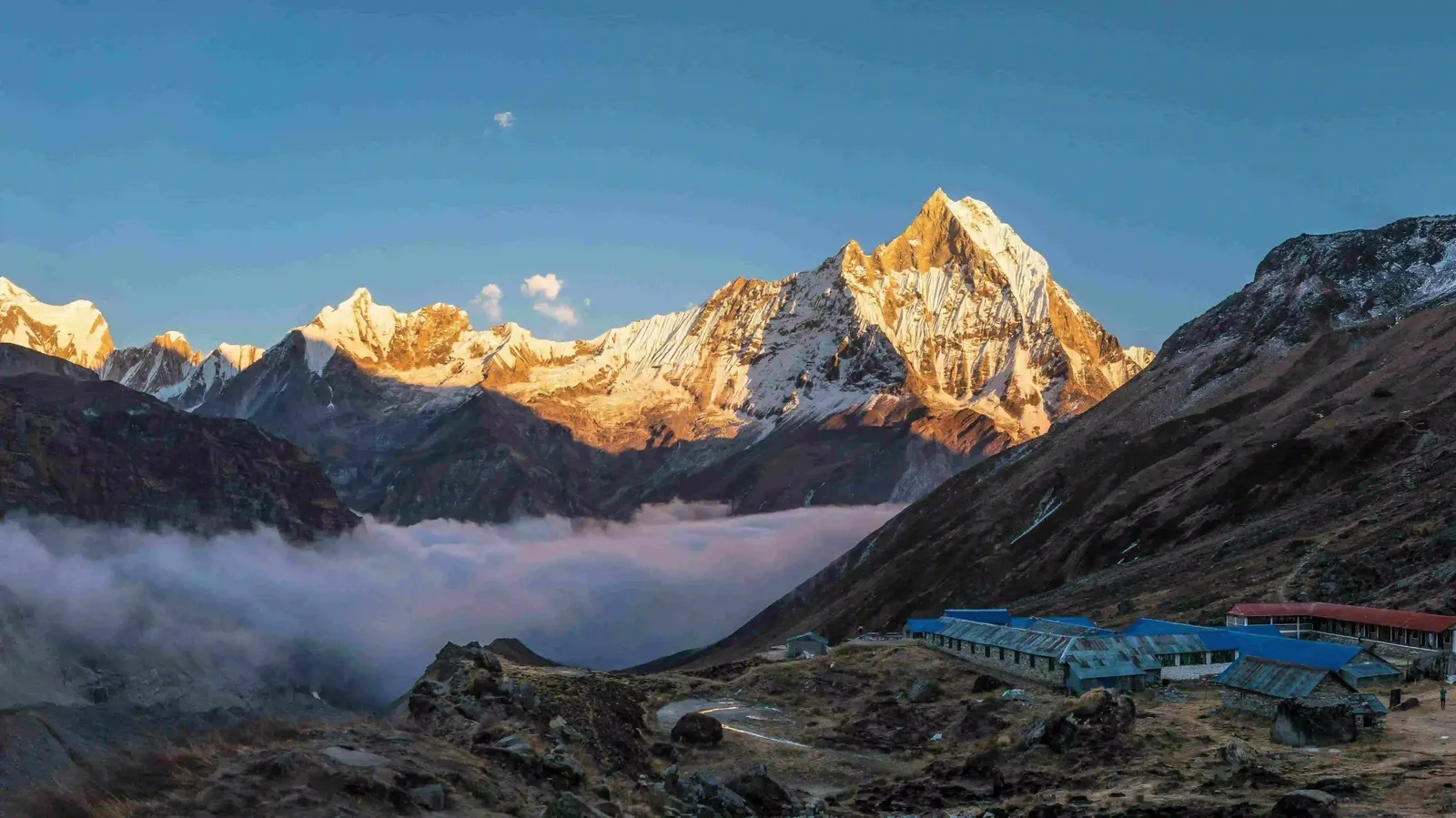
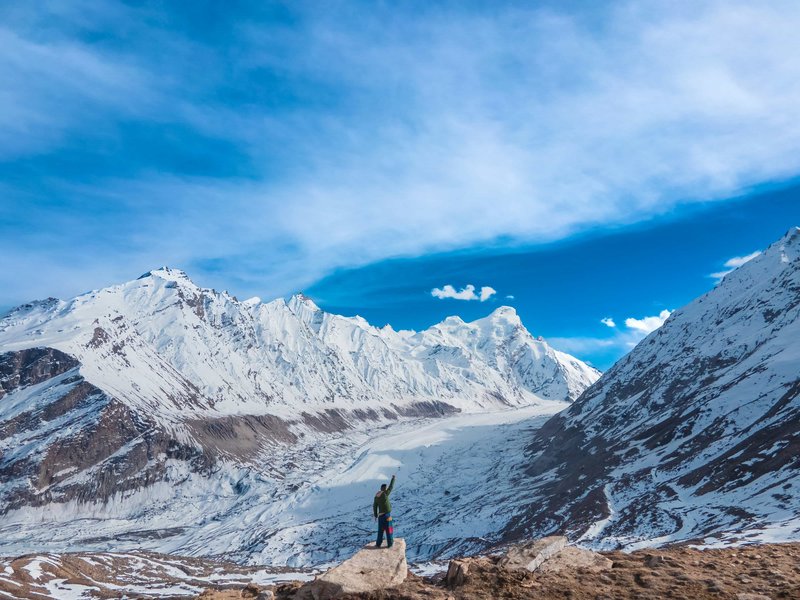
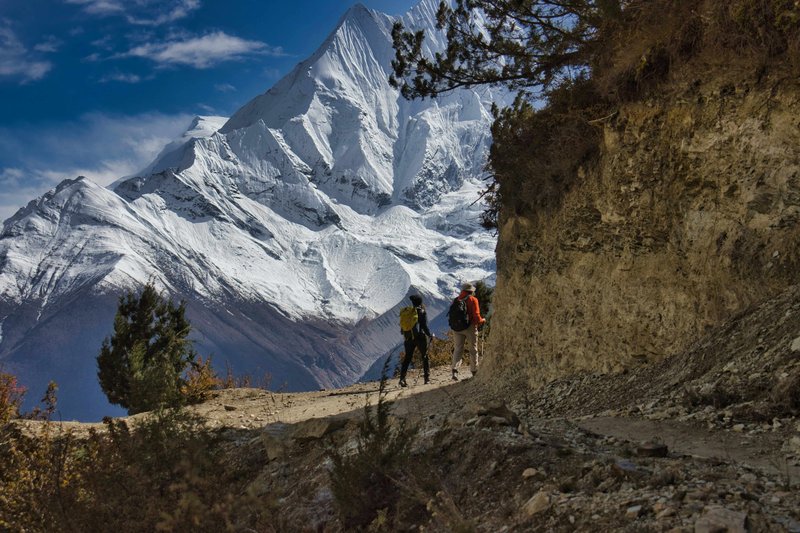
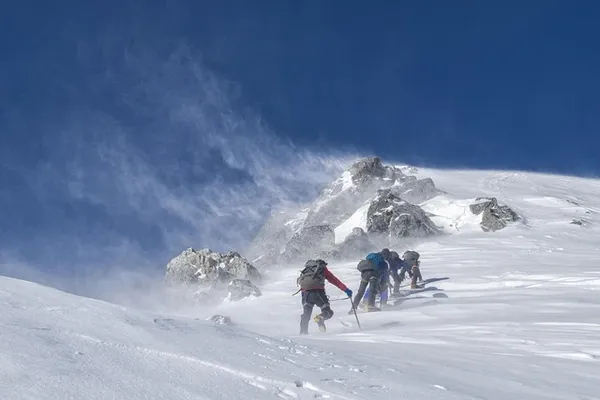
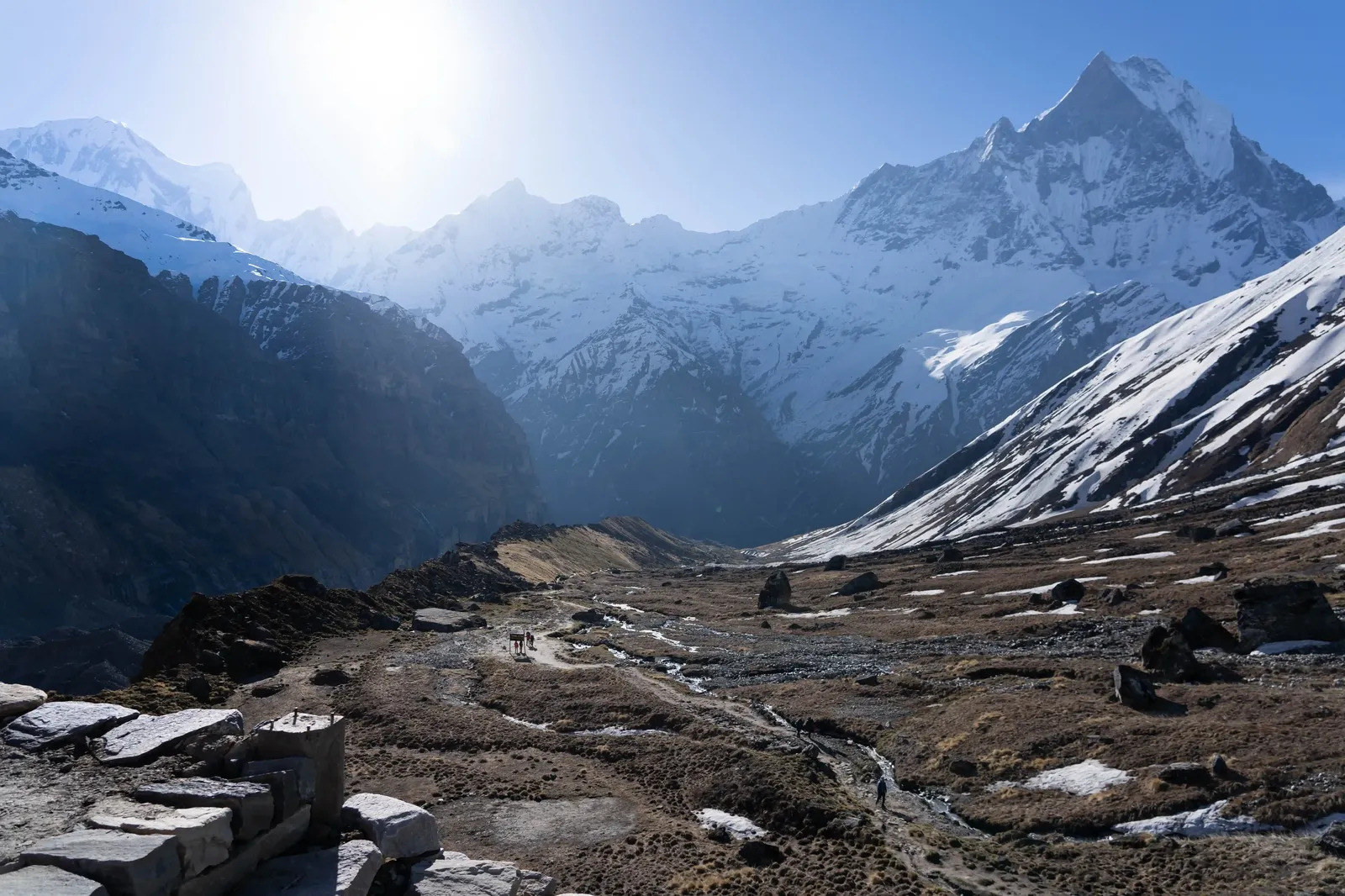
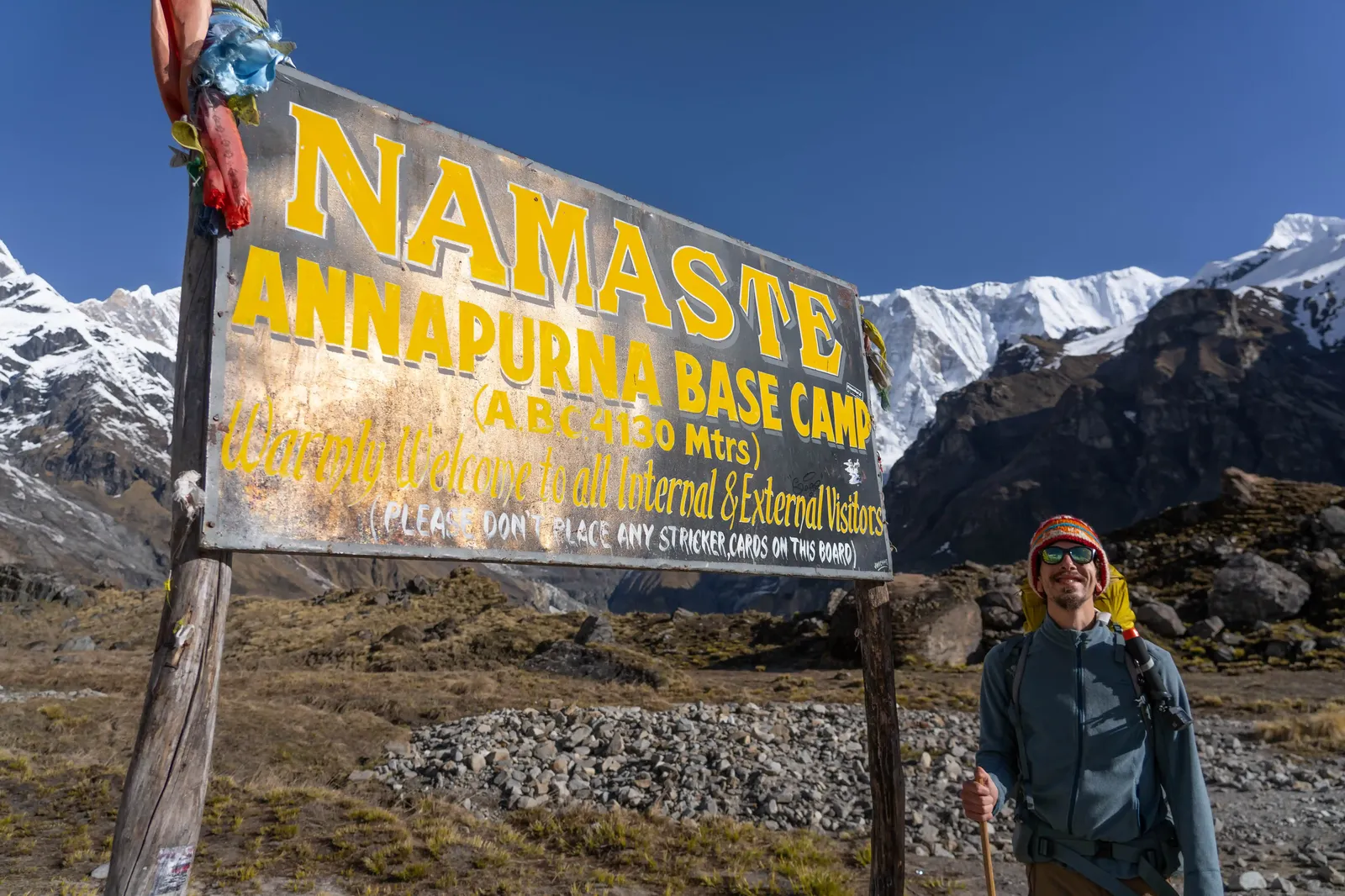
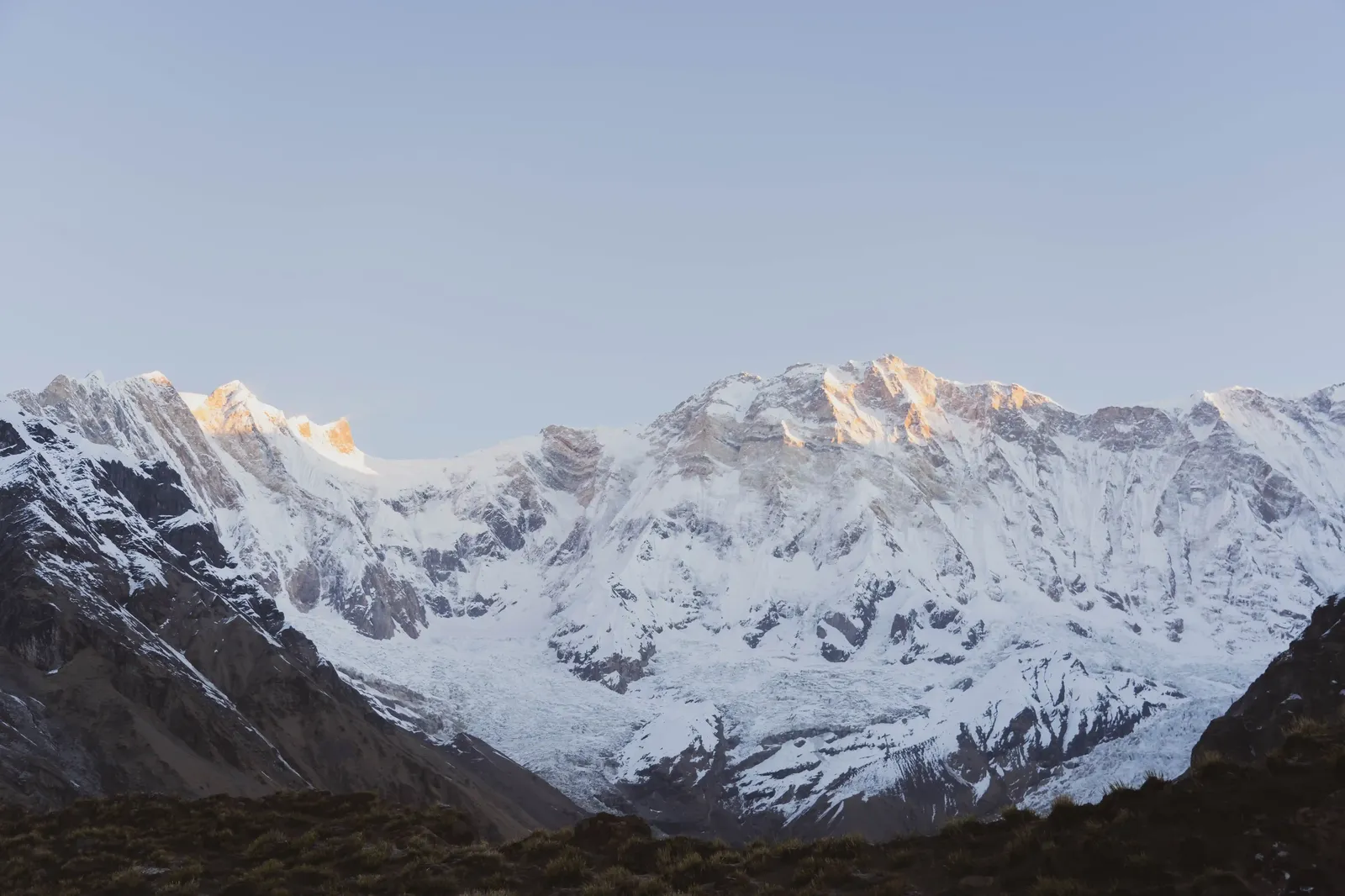
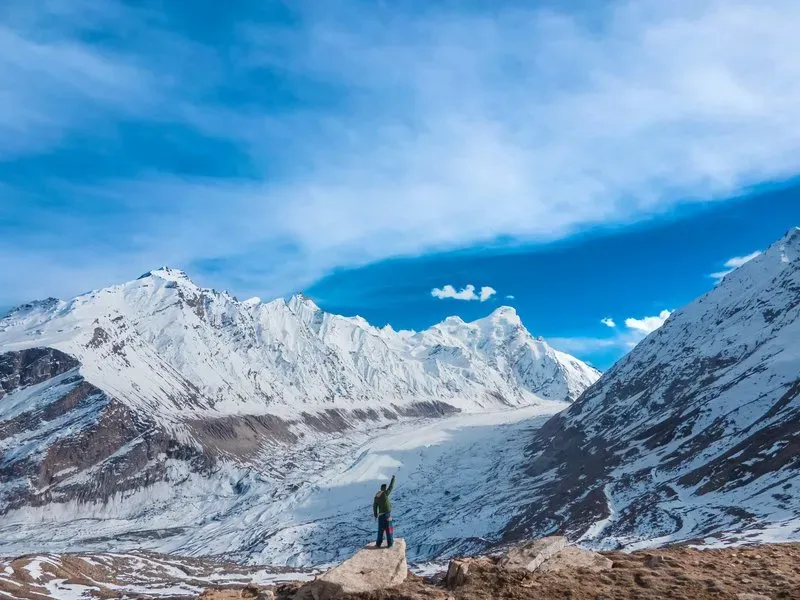
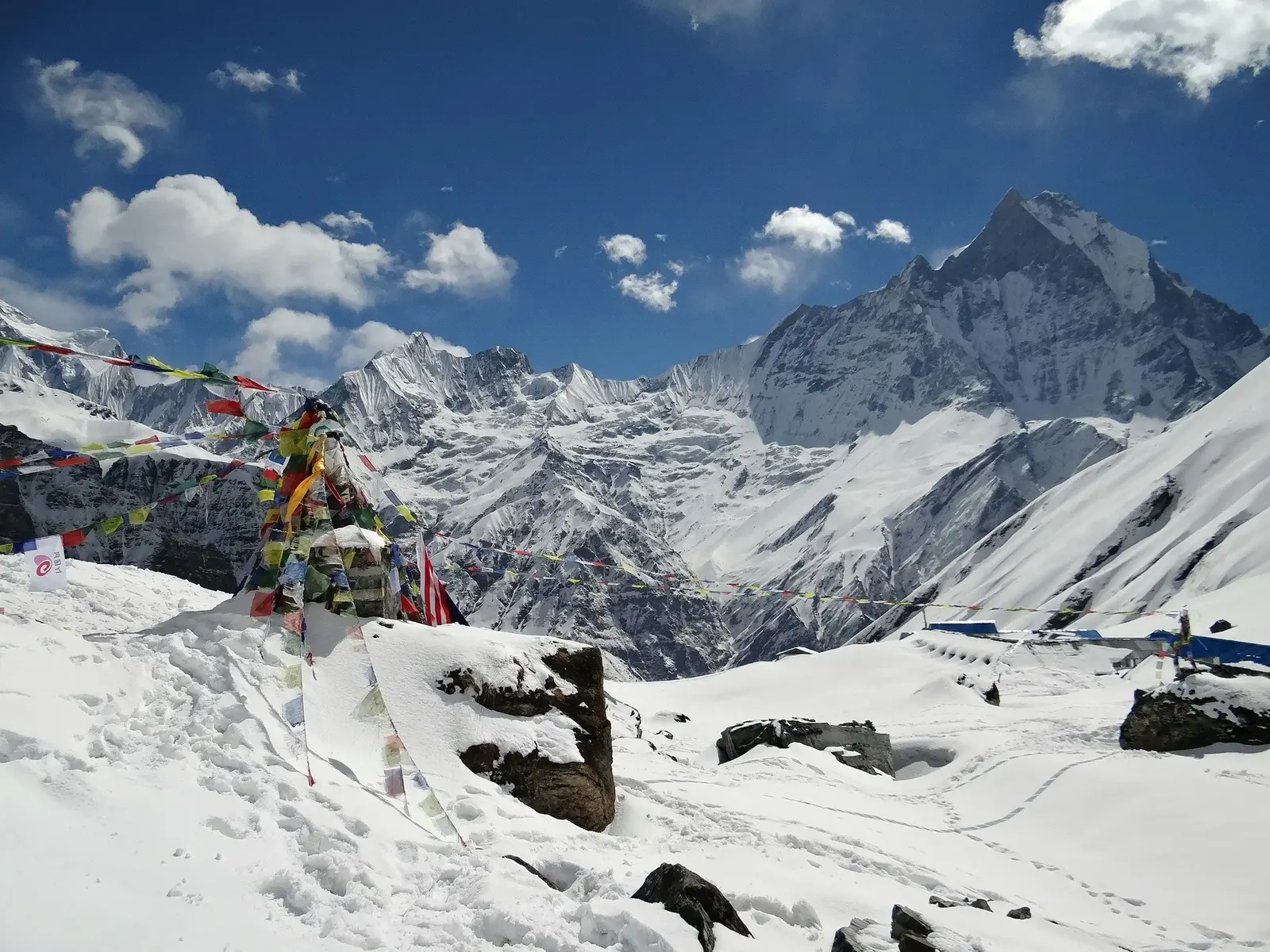
What does it actually feel like to walk into the Annapurna Sanctuary, with huge mountains rising all around you? The Annapurna Base Camp Trek is one of those journeys where the scenery keeps changing every few hours. You start in the green, warm hills around Pokhara and slowly make your way through forests, small mountain villages, stone steps and finally into the cold high mountains.
The best part is that you don’t need to be an experienced mountaineer to do it. With a reasonable level of fitness and the right preparation, the Annapurna Base Camp Trek can be a great choice for both first-time trekkers and experienced hikers. In this blog, we’ll walk through what the trek is like, from the route and scenery to the altitude, accommodation, difficulty, and what you should know before going. You’ll also get a better idea of what to expect each day, so you can decide if ABC is the right trek for you
Why Choose the Annapurna Base Camp Trek in 2026
You should choose the Annapurna Base Camp Trek in 2026 because it gives you a great mix of Himalayan scenery, local culture, adventure, and a manageable trekking experience. It is a good option if you’re trekking in Nepal for the first time, but it still has enough challenge and variety to keep experienced trekkers interested.
The ABC trek is also a popular choice because it reaches a lower altitude than Everest Base Camp, while still taking you deep into the mountains. As we walk higher, the scenery changes from green forests and terraced hills to snow-covered peaks, with Annapurna South, Machapuchare (Fishtail), and Hiunchuli becoming the main highlights. You’ll also pass through Gurung and Magar villages and have a chance to relax in the hot springs at Jhinu Danda. So, if you want a trek that feels adventurous without being too extreme, ABC is worth considering.
Key Highlights:
360° Himalayan panorama at Annapurna Base Camp
Moderate difficulty – no technical climbing skills required
Spring rhododendron blooms and autumn clear skies
Authentic cultural experience in traditional villages
Relaxing natural hot springs at Jhinu Danda
Well-established teahouse accommodations
Who should trek ABC:
First-time Himalayan trekkers
Adventure seekers and photographers
Families or small groups
Nature lovers seeking moderate trails
Annapurna Base Camp Trek Itinerary (12 Days)
Day
Activity
Elevation & Duration
Day 1
Arrival in Kathmandu
1,360 m
Day 2
Drive from Kathmandu to Pokhara
910 m / 6 hrs drive
Day 3
Trek from Pokhara to Ghandruk
1,990 m / 5 hrs walk
Day 4
Trek from Ghandruk to Chhomrong
2,210 m / 5 hrs walk
Day 5
Trek from Chhomrong to Bamboo
2,350 m / 5 hrs walk
Day 6
Trek from Bamboo to Deurali
3,140 m / 5 hrs walk
Day 7
Trek from Deurali to Annapurna Base Camp
4,130 m / 5 hrs walk
Day 8
Trek from ABC to Bamboo
2,335 m / 6 hrs walk
Day 9
Trek to Jhinu Danda (Hot Springs)
1,780 m / 4–5 hrs walk
Day 10
Trek to Nayapul & drive to Pokhara
910 m / 7 hrs total
Day 11
Drive back to Kathmandu
1,360 m / 6 hrs drive
Day 12
Rest day in Kathmandu
1,360 m
For a detailed day-by-day guide with tips, see our ABC trek itinerary.
Why This Annapurna Base Camp Trek Itinerary Works
This 12-day Annapurna Base Camp Trek itinerary works because it gives us enough time to walk at a comfortable pace, adjust to the increasing altitude, and actually enjoy the journey instead of rushing from one village to the next.
Gradual ascent: We start from Pokhara at around 910 m and gain altitude gradually before reaching Annapurna Base Camp at 4,130 m. This gives our bodies more time to adjust as we go higher.
Comfortable trekking days: Most walking days take around 5–6 hours, so we have enough time for breaks, photos, villages, and enjoying the scenery along the way.
Time to recover: Stops around Bamboo, Chhomrong, and Jhinu Danda break up the journey nicely. We can also enjoy the natural hot springs at Jhinu Danda after several days on the trail.
Room for flexibility: Mountain weather and trail conditions don't always follow our plans. We can make small changes when needed depending on weather, fitness, or how everyone is feeling.
The idea is simple: we don't want to rush you to Annapurna Base Camp. We want you to enjoy the forests, villages, mountain views and the journey itself while staying safe and comfortable.
Best Time to Trek Annapurna Base Camp
Choosing the best time for your Annapurna Base Camp Trek can make a huge difference in weather, trail conditions, mountain visibility, and overall experience. Each season offers something unique for your ABC trek adventure.
Spring (March – May)
Rhododendron forests in full bloom creating colorful landscapes.
Mild temperatures and generally stable weather make trekking comfortable.
Ideal for photographers and nature lovers.
Festivals like Holi add cultural vibrancy along the trail.
Autumn (September – November)
Crystal-clear skies and unmatched mountain visibility.
Post-monsoon trails are well-maintained and safe.
Moderate temperatures and sunny days make trekking enjoyable.
Festivals such as Dashain and Tihar allow a rich cultural experience.
Winter (December – February)
Trails are quieter, offering solitude and peaceful trekking.
Sunny days with clear skies, though nights can be very cold.
Less crowded teahouses and lower costs.
Ideal for trekkers who enjoy snow-capped landscapes and crisp weather
Monsoon (June – August)
Trails are lush and green, with waterfalls and rivers at their best.
Mountain views are often limited due to clouds and rainfall.
Risk of slippery trails and leeches below 2,500 m.
Good option for those seeking off-season adventure and fewer crowds.
Daily Operating Costs – food, accommodation, transport
Service Level Costs – guide, porter, comfort
Industry Average vs Himalayan Hero Package
Expense
Typical Industry Cost (USD)
Himalayan Hero ABC Trek Package (USD)
ACAP + TIMS Permits
50–60
Included
Accommodation (12 nights)
100–160
Included
Food (12 days)
240–360
Included
Transportation
120–180
Included
Licensed Trekking Guide
300–450
Included
Porter Service
250–400
Not included (optional)
Insurance, Admin
100–200
Included
Total
1,300–1,700
850
Why our $850 package is competitive:
Licensed guide included (no compromise on safety)
All permits, meals, accommodation, and transport handled
Optional porter service available
Efficient logistics using local suppliers
Learn more about our ABC trek cost.
Annapurna Base Camp Trek Permits
Before starting your Annapurna Base Camp Trek, it’s important to have the correct permits to enter the protected region and ensure a safe, legal trekking experience. Our packages include all required permits, pre-arranged for your convenience, so you can focus on the trek itself.
Required Permits:
ACAP Permit (Annapurna Conservation Area Permit): Mandatory for entry into the Annapurna Conservation Area, supports environmental protection and local communities.
TIMS Card (Trekkers’ Information Management System): Registers trekkers for safety monitoring and ensures you’re officially recognized on the trail.
Included in Our Packages: All permits are handled by HimalayanHero Adventures, saving you time and paperwork.
Booking with a trusted operator ensures that all permit requirements are met in advance, so you don’t face delays or issues on the trail. For complete details, see our ABC trek permits guide.
Annapurna Base Camp Trek Guide
A guide can make your Annapurna Base Camp Trek easier and more enjoyable because you have someone with local experience who knows the route, villages, weather conditions, and the practical side of trekking in the region. Our licensed, English-speaking guides are there to help with the trek while also making sure you get to know more about the local culture and places we pass through.
What Does Your Guide Do?
Handles permits and logistics: We help arrange the required permits, teahouse bookings, transportation, and other day-to-day details.
Looks after your safety: Our guides are trained in first aid and understand the challenges that can come with trekking at higher altitudes. They keep an eye on your pace and how you're feeling.
Shares local knowledge: Along the way, your guide can tell you about Gurung and Magar communities, local traditions, villages, and the history of the area.
Helps with the route: From choosing a comfortable pace to pointing out good viewpoints, your guide can make a real difference, especially when the weather or trail conditions change.
Porter service if needed: You can also hire a porter if you don't want to carry your full backpack throughout the trek.
Why Does a Guide Matter?
Having a guide means you don't have to figure everything out yourself. They can help when plans change, assist during unexpected situations, and make communication in the villages much easier. More importantly, you get someone who knows the area and can share the little things you might otherwise walk straight past.
Annapurna Base Camp Trek Difficulty & Physical Requirements
The Annapurna Base Camp Trek is a moderate trek, so you don't need technical climbing skills, but you do need good stamina, strong legs, and the ability to walk for several hours a day. It can be a good choice for fit beginners as well as experienced trekkers, but the stone steps and uphill sections can still test you.
How Difficult Is the ABC Trek?
The highest point is 4,130 m (13,550 ft), so altitude is something we still need to take seriously. Most trekking days involve around 5–7 hours of walking on a mix of stone steps, forest paths, suspension bridges, and uneven mountain trails.
The challenge is not just one steep climb. It's the several days of walking in a row. Your legs can feel tired by the time you reach the higher sections, especially on long stair climbs. Good balance and core strength also help when the trail gets uneven.
How Should You Prepare?
You don't need to become a marathon runner before the trek. A few weeks of regular training can make a big difference.
Do cardio exercises such as hiking, running, or cycling 4–5 times a week.
Add stair climbing and leg exercises to build uphill strength.
Go on longer weekend hikes with a light backpack.
Include stretching and flexibility exercises to keep your body moving comfortably.
Start increasing your walking distance gradually rather than doing one very hard hike just before the trip.
With the right preparation and a steady pace, most reasonably fit people can enjoy the Annapurna Base Camp Trek without feeling completely exhausted every day.
Food & Accommodation
Food and accommodation on the Annapurna Base Camp Trek are simple but comfortable, with teahouses providing basic rooms and local meals throughout the route. We don't get luxury hotels in the mountains, but the warm welcome, hot food, and beautiful surroundings make the experience worthwhile.
Where Do We Stay?
We usually stay in teahouses or small mountain lodges, with twin-sharing rooms in most places. Rooms are basic, and some higher-altitude lodges can be quite cold, especially at night. The common dining areas are usually the warmest place to relax after a long day of walking.
What Food Is Available?
You'll find a mix of Nepali and simple international dishes along the route. Dal bhat is a popular choice because it's filling and gives you plenty of energy for trekking. You can also find noodles, soups, pasta, momos, eggs, potatoes, and a few Western-style meals, although choices become more limited as we go higher.
What Should You Bring?
We recommend carrying a few personal snacks such as chocolate, energy bars, nuts, or dried fruit. A reusable water bottle and water purification tablets or a reliable filter are also useful, especially since you'll need to stay well hydrated throughout the trek.
Safety & Altitude Acclimatization
Your safety is our top priority: HimalayanHero Adventures ensures all trekkers are prepared and protected throughout the trek.
Key Safety Measures:
Trained Guides: All guides are licensed, experienced in high-altitude trekking, and trained in CPR, first aid, and emergency response.
Emergency Evacuation: Helicopter evacuation arrangements available at all major points if needed.
Daily Health Checks: Monitoring for signs of AMS and other altitude-related issues.
Insurance Support: Trek insurance coverage is verified to include trekking up to 4,500 m and emergency evacuation.
Altitude Acclimatization Tips:
Gradual Daily Gain: Max 400–500 m elevation per day.
Hydration: Minimum 3–4 liters per day.
Nutrition: High-carb meals for sustained energy.
Rest Days: Strategic stops at Ghorepani or Bamboo to allow the body to adapt.
Monitoring & Descent Plan: Guides monitor symptoms daily and advise descent if required.
This safety-first approach ensures you enjoy the ABC trek without compromising health.
Packing List & Gear
Packing smartly for the Annapurna Base Camp Trek ensures comfort, safety, and an enjoyable experience across varying climates and altitudes. Focus on lightweight, layered clothing, essential trekking gear, and personal care items to handle temperatures from subtropical valleys to alpine cold at ABC (4,130 m).
Clothing Essentials:
Thermal base layers, moisture-wicking t-shirts
Fleece and down jackets for warmth
Waterproof jacket and pants, rain poncho
Trekking pants/shorts, socks, gloves, sun hat, beanie
Sturdy trekking boots and camp shoes
Gear Essentials:
Daypack (30–40L) with rain cover
Sleeping bag (-10°C) with liner
Trekking poles and headlamp
Water bottles/hydration system and purification tablets
Personal Care:
Sunscreen SPF 50+, lip balm, basic first aid
Biodegradable toiletries, quick-dry towel, hand sanitizer
Pack efficiently for comfort, safety, and a smooth ABC trek experience. Check our full ABC trek gear checklist.
Local Culture & Responsible Trekking
Visit Gurung & Magar villages, monasteries, and temples
Participate in festivals: Dashain, Tihar, Holi, Buddha Jayanti
Respect customs and avoid single-use plastics
Support local artisans
Photography Tips
Ghandruk village: traditional architecture
Rhododendron forests: spring photo highlights
ABC amphitheater: 360° panorama
Annapurna Base Camp Altitude and Elevation
Annapurna Base Camp is located at 4,130 meters (13,550 feet) above sea level, and the gradual increase in elevation is one of the most important things to understand before starting the trek. The journey begins in the lower hills around Pokhara and takes us through forests, villages, and mountain valleys before reaching the high-altitude Annapurna Sanctuary.
The altitude does not increase dramatically in a single day. We gain elevation gradually as we move from one village to another, which gives the body more time to adjust. The highest point of the trek is Annapurna Base Camp itself at 4,130 meters, although Machapuchare Base Camp, at around 3,700 meters, is an important stop before reaching ABC.
Annapurna Base Camp Elevation by Route
The elevation changes quite a lot throughout the trek. This is one reason the ABC trek feels so different from the beginning to the end.
Trekking Location
Approx. Elevation
Pokhara
822 m (2,697 ft)
Nayapul / Trek Starting Area
Around 1,070 m (3,510 ft)
Ghandruk
1,940 m (6,365 ft)
Chhomrong
2,170 m (7,119 ft)
Bamboo
2,310 m (7,579 ft)
Dovan
2,600 m (8,530 ft)
Himalaya
2,920 m (9,580 ft)
Machapuchare Base Camp
3,700 m (12,139 ft)
Annapurna Base Camp
4,130 m (13,550 ft)
These elevations can vary slightly depending on the exact route and location where your trekking group stays overnight.
How High Is Annapurna Base Camp?
Annapurna Base Camp is 4,130 meters (13,550 feet) above sea level. At this height, the air contains less oxygen than at lower elevations, so walking can feel harder, especially during the final climb from Machapuchare Base Camp.
The good thing is that the ABC route does not take you directly from Pokhara to 4,130 meters. We climb through several villages and forest sections first. By the time we reach the Annapurna Sanctuary, our bodies have already had some time to adjust to the increasing altitude.
The final approach to ABC is also one of the most memorable parts of the trek. The landscape becomes more alpine, the vegetation gets thinner, and huge mountain walls start appearing much closer around us.
What Is the Highest Point on the Annapurna Base Camp Trek?
The highest point of the standard Annapurna Base Camp Trek is Annapurna Base Camp at 4,130 meters (13,550 feet). Unlike some other Himalayan treks, the route does not require crossing a very high mountain pass.
Machapuchare Base Camp is usually the last major stop before ABC and sits at approximately 3,700 meters. From there, we continue through the Annapurna Sanctuary toward the base camp.
Reaching 4,130 meters is still high enough that you should take altitude seriously. Even people who are physically fit can experience symptoms if they ascend too quickly.
How Does the Altitude Change During the ABC Trek?
The altitude increases gradually from the lower hills to 4,130 meters at Annapurna Base Camp, with the biggest elevation changes occurring during the upper sections of the trek.
In the beginning, the walk is through green hills, terraced fields, forests, and villages. As we climb toward Chhomrong and higher settlements, the air becomes cooler and the landscape starts changing.
Once we pass Bamboo, Dovan, and Himalaya, the elevation becomes more noticeable. The forest becomes thinner, and the mountain scenery becomes much more dramatic. From Machapuchare Base Camp, we enter the Annapurna Sanctuary and continue toward ABC.
This gradual change is one of the reasons the 12-day itinerary works well. It gives us time to walk at a steady pace rather than gaining too much elevation too quickly.
Does Annapurna Base Camp Altitude Cause Altitude Sickness?
Altitude sickness can occur at Annapurna Base Camp because the trek reaches 4,130 meters, but a gradual ascent and proper acclimatization can help reduce the risk.
Not everyone experiences altitude sickness in the same way. Your fitness level does not completely determine whether you will get symptoms. Even experienced trekkers can feel unwell at high altitude.
Common symptoms can include:
Headache
Dizziness
Nausea
Loss of appetite
Unusual tiredness
Difficulty sleeping
Shortness of breath
Mild symptoms can sometimes improve with rest and staying at the same altitude. However, worsening symptoms should never be ignored.
We always recommend telling your guide if you feel different from normal. Your guide can monitor your condition and decide whether you should rest, descend, or get medical help.
How Can You Prepare for 4,130 Meters?
You can prepare for the 4,130-meter altitude by building your fitness, walking regularly, ascending gradually, staying hydrated, and listening to your body during the trek.
You do not need technical climbing experience for ABC, but good stamina helps. Before the trek, regular walking, hiking, stair climbing, and cardio exercises can make the long trekking days easier.
Once on the route, do not try to walk too fast just to reach the destination early. A comfortable pace is usually better than rushing uphill. Drink enough water, eat properly, get enough sleep, and avoid pushing through serious symptoms.
The goal is not simply to reach 4,130 meters. It is to reach Annapurna Base Camp safely and enjoy the journey along the way.
Annapurna Base Camp Altitude Compared With Everest Base Camp
Annapurna Base Camp is lower than Everest Base Camp, with ABC at 4,130 meters and Everest Base Camp at about 5,364 meters. This makes the maximum altitude of the ABC trek lower, although both treks still require preparation for high-altitude walking.
ABC can be a good choice if you want a Himalayan trekking experience without going above 5,000 meters. You still get dramatic mountain scenery, high-altitude landscapes, traditional villages, and the experience of reaching a famous Himalayan base camp.
The lower maximum elevation does not mean you should ignore altitude. The final approach to ABC can still feel physically demanding, particularly if you are not used to walking at high elevation.
Why Choose HimalayanHero Adventures?
You should choose Himalayan Hero Adventures because we are a locally owned trekking company with years of experience helping travelers explore the Himalayas safely and comfortably. We know the trails, understand the local communities, and believe a good trek should be about more than simply reaching the destination.
What Makes Us Different?
Local Expertise: Our guides have strong knowledge of the Annapurna region, including its trails, villages, culture, and changing mountain conditions.
Safety First: Our guides carry first aid kits and have first aid training. We also have emergency communication support and can arrange helicopter evacuation when necessary.
Supporting Local Communities: We work with local guides, porters, and teahouses, helping tourism income reach the communities along the trekking route.
Flexible Packages: We offer different options depending on your budget, comfort level, and travel plans.
Small Groups: We keep groups small, with a maximum of 10 trekkers, so our guides can give more personal attention.
Transparent Pricing: We keep our pricing clear and explain what is included before you book, so there are fewer surprises along the way.
For us, the Annapurna Base Camp Trek is not just about getting to 4,130 meters. It is about enjoying the villages, meeting local people, walking through changing landscapes, and feeling comfortable enough to enjoy the journey. We are here to help make that experience safe, personal, and memorabl
Ready to Trek to Annapurna Base Camp?
What if you keep saying “maybe next year” and another trekking season passes without seeing the Annapurna Sanctuary for yourself? The mountains will still be there, but your time, plans, and opportunity may not always line up so easily. For many trekkers, standing at 4,130 meters, surrounded by Annapurna South, Machapuchare, and the huge walls of the sanctuary is the moment they remember for years.
We can help you turn that dream into a real plan. With experienced local guides, permits arranged in advance, teahouse accommodation, and a carefully planned itinerary, you can focus more on the mountains and less on the logistics.
If you’re thinking about trekking in 2026, now is a good time to start planning. Popular spring and autumn dates can fill up, especially for small groups.
Small deposit for flexible booking
Packages from $850, including permits, guide, accommodation, and meals
Early-bird and group discounts may be available
Don’t leave your Annapurna dream sitting on your bucket list for another year.Explore our Annapurna Base Camp Trek packages and start planning your journey with Himalayan Hero Adventures.
Your Nepal adventure begins at Tribhuvan International Airport where our team welcomes you warmly. After settling into your Thamel hotel, you'll attend an evening briefing covering trek details, weather updates, and final preparations. This is your opportunity to ask questions and complete any last-minute gear purchases.
First Day Essentials:
Airport pickup included in all packages
Hotel check-in in tourist-friendly Thamel
Trek briefing at 5 PM with your guide
Gear inspection and rental arrangements
Welcome dinner with traditional cultural show (optional)
Permit processing begins for next day
Day 2
Drive to Pokhara - (910m.) 6 Hrs Drive
The scenic drive to Pokhara follows the Trishuli and Marsyangdi rivers through Nepal's middle hills. Watch rural life unfold outside your window as terraced fields give way to gorges and forests. Arriving in Pokhara by afternoon allows time to explore the lakeside and prepare mentally for tomorrow's trek beginning.
Afternoon activities: Boating, paragliding, or café relaxation
Final shopping: Last chance for forgotten items
Early rest: Tomorrow the real adventure begins
Day 3
Pokhara to Ghandruk - (1990m) 5 hrs walk
After breakfast, drive 1.5 hours to Nayapul where your trek officially begins. The trail climbs gradually through Modi Khola valley, passing terraced fields and small settlements. Ghandruk village rewards your first day's effort with stunning close-up views of Annapurna South and Machhapuchhre.
First Trek Day Statistics:
Starting elevation: 1,070m at Nayapul
Ending elevation: 1,940m at Ghandruk
Distance covered: 11km total
Walking time: 4-5 hours excluding breaks
Terrain type: Stone steps and dirt paths
Cultural highlights: Gurung museum and traditional houses
Day 4
Trek to Chhomrung - (2210m) 5 hrs walk
Today's trail descends steeply to Kimron Khola before climbing again to Chhomrong village. This gateway to the Annapurna Sanctuary offers your last chance for supplies and ATM access. The afternoon provides stunning views across the valley to tomorrow's trail winding up the Modi Khola gorge.
Valley Crossing Day:
Morning descent: 500m down to river
Afternoon climb: 730m up to Chhomrong
Total distance: 14km of varied terrain
Duration: 5-6 hours with photo stops
Key features: Suspension bridges and waterfalls
Village facilities: Shops, bakery, and internet café
Day 5
Trek to Bamboo - (2350m) 5 hrs walk
Leave civilization behind as you enter the Modi Khola gorge proper. The trail descends through rhododendron and oak forests before following the river upstream. Bamboo lodge sits in a narrow valley surrounded by towering cliffs and dense bamboo groves that give the place its name.
Into the Sanctuary:
Forest immersion: Dense rhododendron and bamboo
Wildlife zone: Langur monkeys and various birds
Trail character: Rocky path following the river
Distance: 10km through changing vegetation
Walking time: 4-5 hours at steady pace
Atmosphere: Noticeably quieter and wilder
Day 6
Trek to Deurali - (3140m) 5 hrs walk
The valley narrows dramatically as you climb through avalanche zones (safe with established winter tracks). Vegetation thins with altitude as bamboo gives way to alpine shrubs. Deurali marks your entry into the high mountain environment where the air noticeably thins.
Altitude Gain Day:
Significant climb: 920m elevation gain
Distance: 9km through varying terrain
Duration: 5-6 hours including rest stops
Landmarks: Himalayan Hotel and Hinku Cave
Vegetation change: From forest to alpine
Weather shift: Noticeably cooler temperatures
Day 7
Trek to Annapurna Base Camp - (4130m) 5 hrs walk
Today delivers the trek's climax as you enter the Annapurna Sanctuary. After reaching Machhapuchhre Base Camp (3,700m), continue across the glacier moraine to Annapurna Base Camp. The 360-degree mountain amphitheater surrounding you defies description—this is why you came.
Summit Day Achievement:
Final push: 900m gain to base camp
Distance: 8km above treeline
Duration: 5-6 hours with photo stops
Key stops: MBC for lunch, ABC by afternoon
Mountain views: Annapurna I, III, South, Gangapurna
Celebration: Success photos and certificate
Day 8
Trek to Bamboo - (2335m) 6 hrs walk
Wake before dawn for the spectacular sunrise illuminating Annapurna I's summit. After breakfast with views, begin the long descent retracing your steps. The 1,820m descent challenges your knees but spirits remain high from your achievement.
Descent Day One:
Sunrise: 5:30 AM spectacular light show
Morning: Final photos and breakfast
Distance: 17km total descent
Duration: 6-7 hours downhill
Knee protection: Trekking poles essential
Overnight: Return to familiar Bamboo
Day 9
Trek to JhinuDanda (Hot water springs) - (1780m) 4/5 hrs walk
Continue descending to Chhomrong, then take the trail to Jhinu Danda and its famous hot springs. The natural pools beside the Modi Khola river provide perfect therapy for tired muscles. Soaking in hot mineral water while gazing at mountains is pure bliss.
Hot Springs Reward:
Morning trek: 3-4 hours to Jhinu
Hot springs walk: 20 minutes from village
Pool temperature: Perfect for sore muscles
Facilities: Basic changing rooms available
Duration: Soak as long as desired
Evening: Celebrate at riverside lodge
Day 10
Trek to Nayapul and then drive to Pokhara city. - 7 hrs walk
Your final trekking day descends gently through villages and farmland to Nayapul. The waiting vehicle returns you to Pokhara for lakeside celebration and reflection. Your body has carried you to 4,130m and back—time to celebrate this incredible achievement.
Trek Completion:
Final walk: 5-6 hours to Nayapul
Terrain: Easy trail through villages
Cultural sights: Rural farming life
Drive: 1.5 hours back to Pokhara
Celebration: Lakeside dinner and drinks
Rest: Well-earned comfort at hotel
Day 11
Drive back to Kathmandu
Morning allows for Pokhara sightseeing—perhaps Davis Falls, the Peace Pagoda, or adventure sports. The afternoon journey returns you to Kathmandu where Thamel's shops await for souvenir hunting. Your trek is complete but memories are still forming.
Return Day Options:
Morning activities: Paragliding or sightseeing
Drive option: 6-7 hours by road
Flight option: 25 minutes if weather permits
Kathmandu evening: Shopping and farewell dinner
Certificate: Receive your achievement certificate
Day 12
Rest Day in Kathmandu
Our team ensures you reach the airport three hours before your international flight. As you depart Nepal, the mountains remain in your heart. Most trekkers start planning their return before the plane leaves the runway—the Himalayas have that effect.
Departure Services:
Airport transfer: 3 hours before flight
Farewell ceremony: Traditional khada scarves
Future planning: Discuss your next Nepal adventure
Stay connected: Join our trekker alumni network
Gallery
A glimpse of what awaits on this trip
Inclusion
Airport transfers pick-up and drop-off.
2-night hotel accommodation in Pokhara with breakfast. (Hotel Mount View or Similar)
Transportation from and to Pokhara by Luxury Tourist Bus
Annapurna Conservation Area Permits.
Trekkers' Information Management System (TIMS) Permit.
Pokhara to Nayapul to Pokhara by private car
All meals (Breakfast, Lunch, Dinner) during the trek.
Transportations, accommodation, wage, food, insurance, equipment for the guide and Porter
Tea houses accommodations during the trek.
English speaking trek guide.
Porter to carry your Bags 2:1 (2 Person 1 Porter)
All necessary paper works and entry permits.
Extra Supplement by Himalayan Hero (Without Extra Cost)
Group medical supplies (First Aid kit).
Sleeping Bag
Himalayan Hero Cap
Duffle Bag for Porter
Farewell Dinner before departure.
Trek Achievement Certificate.
Exclusion
International flight tickets
Nepal visa upon arrivals
Hotel in Kathmandu
Personal Travel and Trekking insurance
Personal expenses like drinks tips and shopping
personal trekking Equipment
lunch Dinner in Kathmandu ,Pokhara
FAQs about travel in himalayanhero.com
What is the best time of year to trek to Annapurna Base Camp?
The best time to trek to Annapurna Base Camp is March to May and late September to November.
What should I pack for a 12-day Annapurna Base Camp Trek?
You should pack trekking boots, warm layers, waterproof clothing, a sleeping bag, sunscreen, personal medication, and basic trekking essentials.
What are the best trekking boots for the Annapurna Base Camp Trek?
The best boots for the ABC trek are comfortable, broken-in, waterproof, and have good grip.
How much does the Annapurna Base Camp Trek cost?
A 12-day guided Annapurna Base Camp Trek starts from around $850, depending on the package and services included.
What is included in the Annapurna Base Camp Trek cost?
The trek package generally includes a licensed guide, permits, accommodation, meals, and transportation listed in the itinerary.
Where should I book an Annapurna Base Camp Trek package in Nepal?
You should book with a registered trekking agency that provides experienced guides, clear pricing, proper permits, and reliable support.
What makes a good trekking agency for Annapurna Base Camp?
A good trekking agency provides experienced local guides, transparent pricing, proper permits, safety support, and reliable communication.
How do I get the TIMS card and ACAP permit for Annapurna Base Camp?
You can arrange the required TIMS and ACAP permits through a registered trekking agency before starting the trek.
Can beginners do the Annapurna Base Camp Trek?
Yes, beginners with reasonable fitness can complete the Annapurna Base Camp Trek with proper preparation and a steady pace.
Is a guide necessary for the Annapurna Base Camp Trek?
Yes, you should trek with a licensed guide according to Nepal's current trekking requirements.