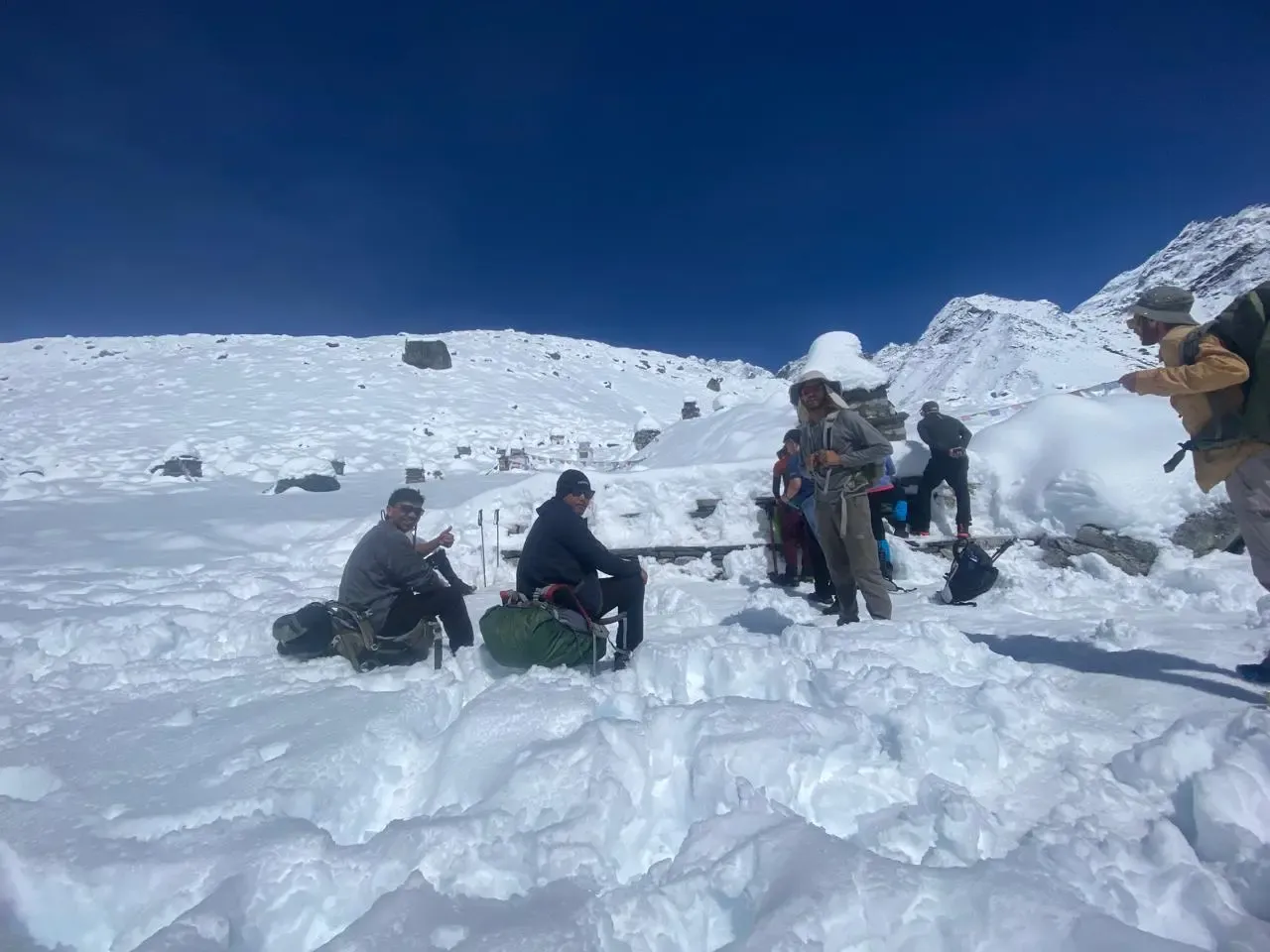
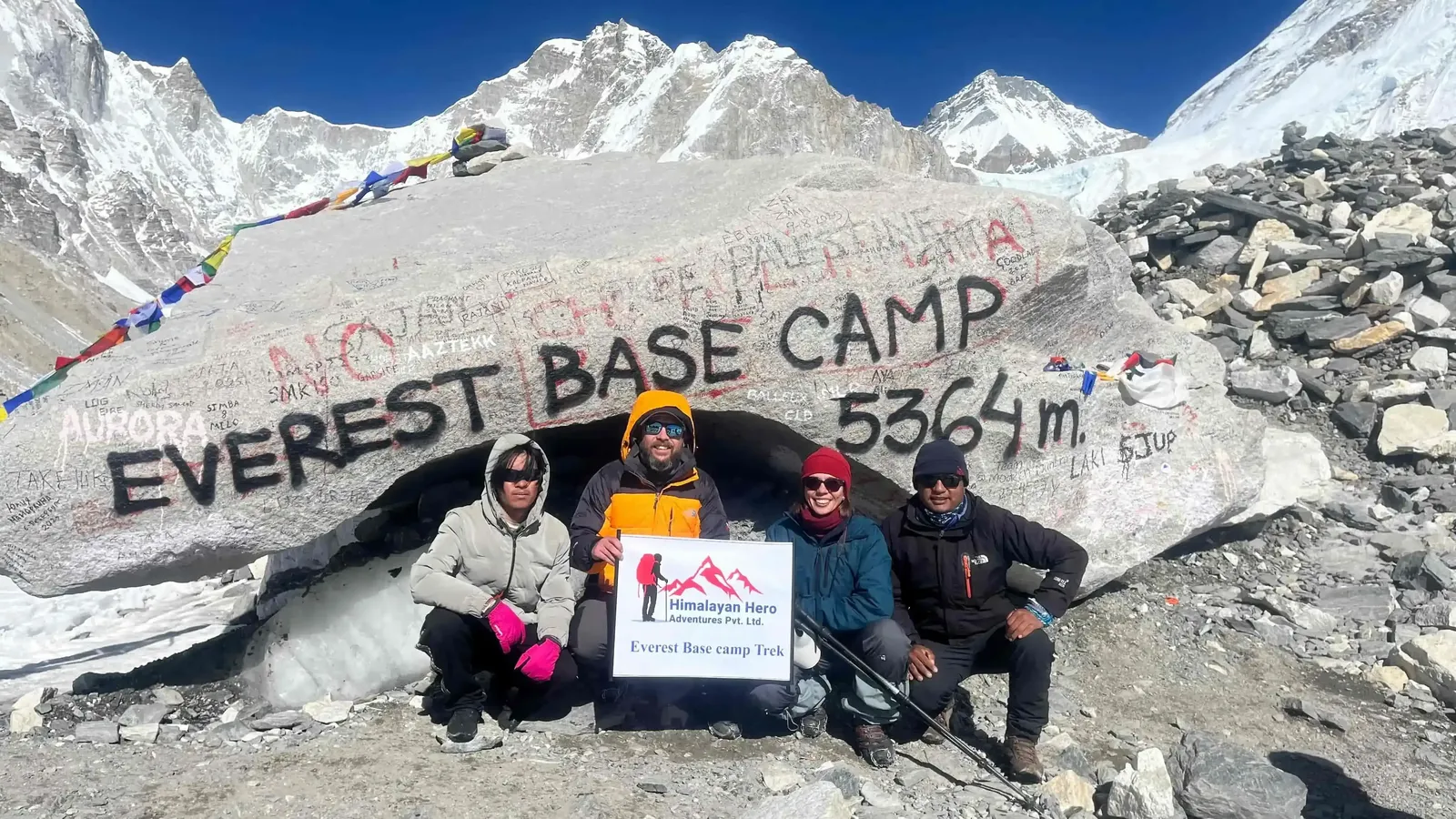
Have you ever wondered what it feels like to stand at Everest Base Camp and then continue toward the summit of a Himalayan peak? If reaching Everest Base Camp is already on your bucket list, adding the Island Peak Climb can turn an unforgettable trek into a true mountaineering adventure. From lively Sherpa villages and ancient monasteries to breathtaking glaciers and towering peaks, every day offers something new and inspiring.
The Everest Base Camp and Island Peak Climb is one of Nepal's most rewarding adventures for trekkers who want to take the next step beyond hiking. While it requires good fitness, proper acclimatization, and basic climbing skills, it is achievable for many first-time climbers with the support of experienced guides. This guide explains everything you need to know, including the route, itinerary, difficulty, permits, costs, training, gear, and expert tips to help you prepare with confidence.
What Is the Everest Base Camp and Island Peak Climb?
The Everest Base Camp and Island Peak Climb is a Himalayan adventure that combines Nepal's most iconic trekking route with one of its most popular beginner-friendly climbing peaks. The journey usually takes 19 to 21 days, allowing enough time to trek to Everest Base Camp, acclimatize at high altitude, and climb Island Peak (Imja Tse). It is an excellent choice for trekkers who want to experience both the legendary Everest trail and the excitement of standing on a 6,000-meter summit.
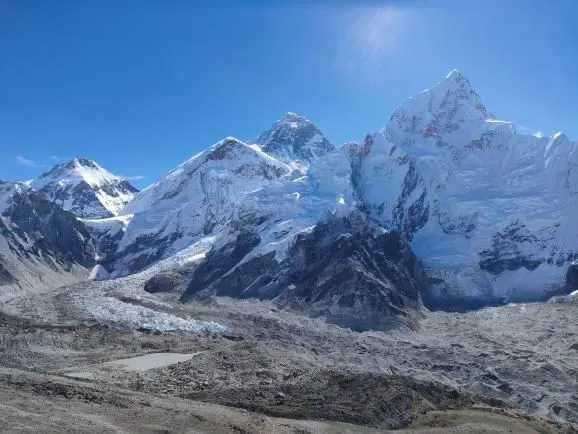
Along the way, you'll pass through famous Sherpa villages like Namche Bazaar, Tengboche, Dingboche, and Chhukung while enjoying spectacular views of Everest, Lhotse, Ama Dablam, Nuptse, and other Himalayan giants. The climb involves trekking, glacier travel, and the use of basic mountaineering equipment under the guidance of experienced climbing guides.
Where Is Island Peak (Imja Tse)?
Island Peak, officially known as Imja Tse, is located in Nepal's Everest region inside Sagarmatha National Park. Standing at 6,189 meters (20,305 feet), it lies above the beautiful Imja Valley, close to Chhukung Village and just a short distance from Everest Base Camp. British mountaineer Eric Shipton named it "Island Peak" in 1953 because it appeared like an island rising from a sea of ice when viewed from Dingboche.
Despite being one of Nepal's lower trekking peaks, Island Peak offers breathtaking panoramic views of Mount Everest, Lhotse, Makalu, Ama Dablam, Baruntse, and many other snow-covered peaks. Its location makes it a natural extension after completing the Everest Base Camp Trek.
Why Combine Everest Base Camp With Island Peak?
Combining Everest Base Camp with Island Peak allows you to experience the best of trekking and climbing in a single expedition. Since both destinations are in the same region, you can acclimatize naturally while trekking before attempting the summit, increasing your chances of a safe and successful climb.
Instead of returning after visiting Everest Base Camp, the route continues toward Chhukung and Island Peak Base Camp. This gives you the opportunity to gain basic mountaineering experience, use climbing equipment such as crampons and fixed ropes, and enjoy the satisfaction of reaching a Himalayan summit without planning a separate climbing trip.
Who Should Choose This Adventure?
The Everest Base Camp and Island Peak Climb is ideal for adventurous trekkers who want to take their first step into Himalayan mountaineering. You do not need to be an expert climber, but you should have good physical fitness, enjoy long days of walking, and be comfortable at high altitude.
This adventure is especially suitable for Everest Base Camp trekkers looking for a bigger challenge, hikers preparing for future high-altitude expeditions, and anyone seeking a rewarding combination of trekking, climbing, and unforgettable mountain scenery. With proper preparation and support from experienced guides, many first-time climbers successfully complete this expedition every year.
Why Is Island Peak One of Nepal's Most Popular Climbing Peaks?
Island Peak has earned its reputation as one of Nepal's most popular trekking peaks because it offers the perfect introduction to Himalayan mountaineering. While the climb is physically demanding, it is less technical than many higher peaks, making it a realistic goal for fit trekkers with proper training and guidance. Its location in the Everest region also allows climbers to combine the ascent with the famous Everest Base Camp Trek, creating an unforgettable adventure.
History of Island Peak
Island Peak, officially known as Imja Tse, was named by members of the 1953 British Everest Expedition led by Eric Shipton. From a distance, the mountain looked like an island surrounded by a sea of glaciers, which inspired its popular name. The peak was first climbed in 1953 by Tenzing Norgay, Charles Evans, Alfred Gregory, Charles Wylie, and seven Sherpa climbers as part of their preparation for the successful Mount Everest expedition.
Today, Island Peak is recognized by the Nepal Mountaineering Association (NMA) as one of Nepal's designated trekking peaks. Every year, it attracts climbers from around the world who want to experience their first Himalayan summit.
Height and Location
Island Peak stands at 6,189 meters (20,305 feet) above sea level and is located in the Imja Valley within Sagarmatha National Park, eastern Nepal. The mountain lies close to Chhukung Village, making it an easy addition to the Everest Base Camp route.
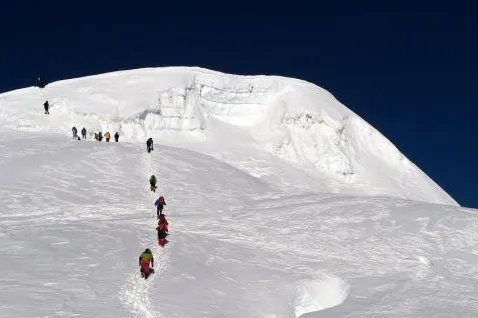
From Island Peak Base Camp, climbers follow a route across rocky terrain, snowfields, and a glacier before reaching the summit ridge. Although the climb involves fixed ropes and basic mountaineering equipment, it remains one of the most accessible 6,000-meter peaks in the Himalayas.
Why It Is Ideal for Beginner Mountaineers
Island Peak is often recommended as a first climbing peak because it offers valuable mountaineering experience without requiring advanced technical skills. Climbers learn how to use crampons, harnesses, helmets, ascenders, and fixed ropes while being supported by experienced climbing guides.
The gradual acclimatization gained during the Everest Base Camp Trek also helps improve safety and increases the chances of a successful summit. With consistent training, good physical fitness, and a positive attitude, many first-time climbers reach the top each climbing season.
Views From the Summit
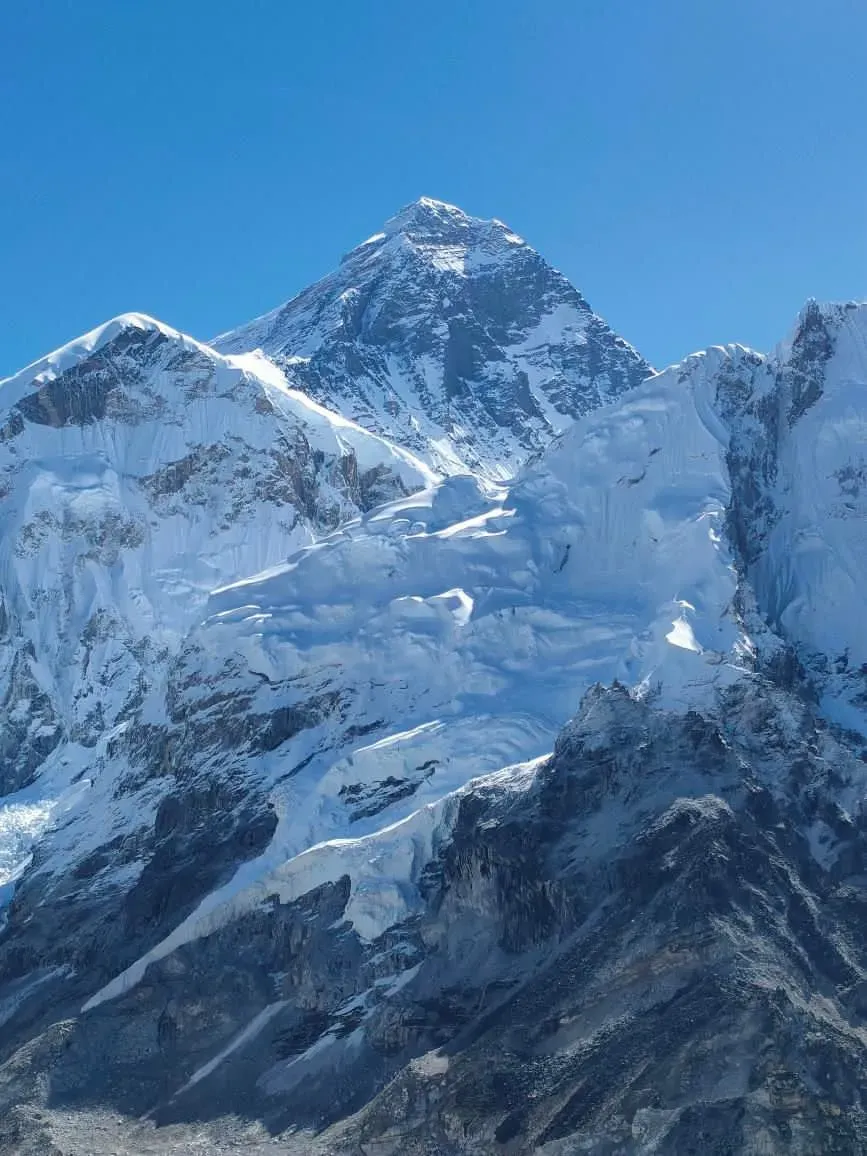
Reaching the summit of Island Peak rewards climbers with one of the finest mountain panoramas in the Everest region. On a clear day, you can enjoy breathtaking views of Mount Everest (8,848.86 m), Lhotse (8,516 m), Makalu (8,485 m), Ama Dablam (6,812 m), Baruntse (7,129 m), Nuptse (7,861 m), and countless surrounding Himalayan peaks.
Standing on the summit after days of trekking and climbing is a moment many adventurers never forget. Watching the sun rise over the snow-covered mountains while looking across the Khumbu Glacier makes every step of the journey feel worthwhile.
How Difficult Is the Everest Base Camp and Island Peak Climb?
The Everest Base Camp and Island Peak Climb is considered a moderately challenging to difficult adventure. The trek to Everest Base Camp is physically demanding because of the long walking days and high altitude, while Island Peak adds a technical climbing section that requires basic mountaineering skills. With proper preparation, acclimatization, and guidance from experienced climbing guides, many fit first-time climbers successfully complete the expedition each year.
Trekking Difficulty
The trekking portion follows the classic Everest Base Camp trail and involves walking for 5 to 8 hours most days. As you gain elevation, the thinner air makes even gentle climbs feel more demanding. The highest trekking point before the climb is Kala Patthar at 5,545 meters, where altitude can significantly affect your energy levels.
The trail itself is well established and does not require technical climbing skills. However, you should be prepared for steep ascents, rocky paths, suspension bridges, and changing mountain weather throughout the journey.
Technical Climbing Difficulty
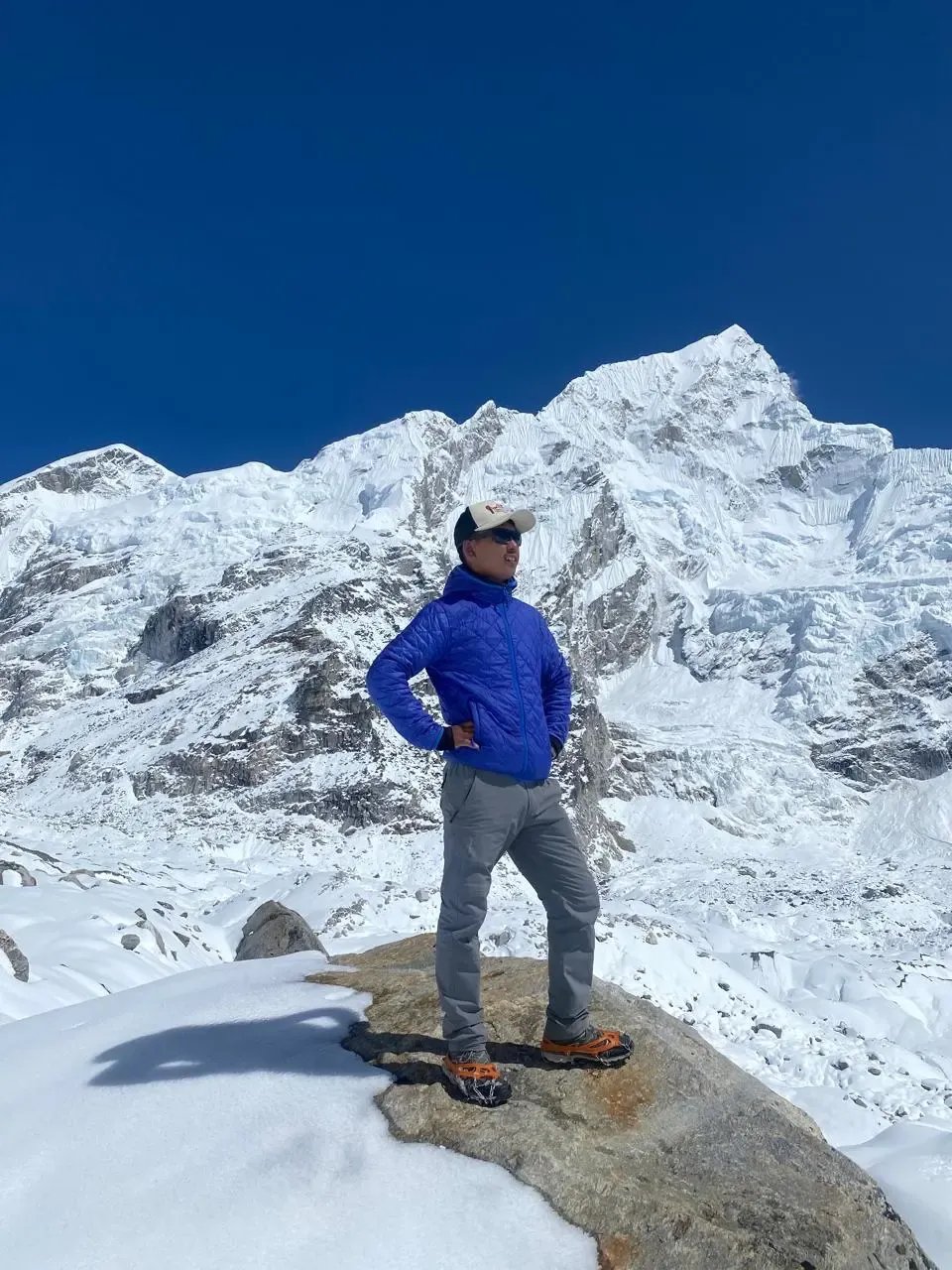
Island Peak is one of Nepal's most popular trekking peaks, but it should not be underestimated. The summit route includes glacier travel, snow slopes, and a steep headwall where fixed ropes are used. Climbers wear crampons, harnesses, helmets, and use ascenders while following the guidance of their climbing team.
Although the climb is considered beginner-friendly compared to higher Himalayan peaks, it still requires confidence, careful footwork, and the ability to follow climbing instructions. Most guided expeditions include a training session at Base Camp before the summit attempt.
Required Fitness Level
Good physical fitness is one of the biggest factors in a successful climb. You do not need to be an elite athlete, but you should be comfortable hiking for several consecutive days while carrying a light daypack. Regular cardio training, strength exercises, and practice hikes with elevation gain can make a noticeable difference during the expedition.
Many climbers begin preparing at least three to four months before their trip. Activities such as hiking, running, cycling, stair climbing, and strength training help build the endurance needed for long days at high altitude.
Previous Experience Needed
Previous trekking experience is helpful but not always required. If you have completed multi-day hikes or high-altitude treks, you'll likely adapt more easily to the demands of the expedition. However, many first-time climbers reach the summit of Island Peak each year after following a structured training plan and joining a professionally guided expedition.
You do not need advanced mountaineering experience before arriving in Nepal. Your climbing guides will teach you how to use essential equipment, including crampons, harnesses, fixed ropes, and ice axes before summit day.
Mental Preparation
Physical fitness alone is not enough for a successful expedition. Long trekking days, freezing temperatures, early morning summit attempts, and unpredictable mountain weather can test your patience and determination. Staying positive, following your guide's advice, and moving at a steady pace are just as important as being physically strong.
The weather may change quickly, and summit plans sometimes need to be adjusted for safety. Being flexible and understanding that mountain conditions always come first will help you enjoy the experience, regardless of the final outcome.
Also Read : Everest Difficulty,
16-Day Everest Base Camp and Island Peak Itinerary
| Day |
Activity |
Highlights |
| 1 |
Arrival in Kathmandu |
Trip briefing & preparation |
| 2 |
Fly to Lukla – Trek to Phakding |
Scenic flight, Dudh Koshi Valley |
| 3 |
Trek to Namche Bazaar |
Sherpa capital, Everest views |
| 4 |
Acclimatization in Namche |
Everest View Hotel hike |
| 5 |
Trek to Tengboche |
Monastery & Himalayan panorama |
| 6 |
Trek to Dingboche |
Ama Dablam & Imja Valley |
| 7 |
Acclimatization Day |
Short hikes for altitude |
| 8 |
Trek to Lobuche |
Glacial moraines |
| 9 |
Everest Base Camp – Gorak Shep |
Khumbu Icefall views |
| 10 |
Kala Patthar Sunrise – Dingboche |
Everest sunrise |
| 11 |
Trek to Island Peak Base Camp |
Summit preparation |
| 12 |
Island Peak Summit Day |
6,189m summit |
| 13 |
Trek to Namche Bazaar |
Celebration day |
| 14 |
Trek to Lukla |
Final trekking day |
| 15 |
Fly to Kathmandu |
Farewell dinner |
| 16 |
Departure |
End of trip |
What Is the Best Time for Everest Base Camp and Island Peak Climbing?
The best time for the Everest Base Camp and Island Peak Climb is during spring (March to May) and autumn (September to November). These seasons offer stable weather, clear mountain views, comfortable temperatures, and the safest climbing conditions. Although winter and monsoon expeditions are possible, they come with additional challenges that require more experience and flexibility.
Spring Season
Spring is the most popular season for the Everest Base Camp and Island Peak Climb. From March to May, the weather is generally stable, and the days become warmer as the season progresses. Clear skies provide excellent views of Everest, Lhotse, Ama Dablam, and other Himalayan peaks, making it one of the best times for photography.
Spring is also the main Everest climbing season, so you'll see expedition teams preparing at Everest Base Camp. Rhododendron forests bloom at lower elevations, adding vibrant colors to the trekking trails. Because of the favorable conditions, accommodations and flights can fill up quickly, so booking in advance is recommended.
Autumn Season
Autumn, from September to November, is another excellent time for this adventure. After the summer monsoon, the air becomes fresh and clean, offering some of the clearest mountain views of the year. The trails are dry, visibility is outstanding, and the weather remains stable for both trekking and climbing.
Daytime temperatures are pleasant for hiking, while nights become colder at higher elevations. Autumn is a busy trekking season in the Everest region, creating a lively atmosphere in tea houses and villages along the route.
Winter Climbing
Winter expeditions are possible between December and February, but they are more demanding. Temperatures often drop well below freezing, especially at higher elevations and during summit day. Snow and ice can make the climbing route more challenging, and shorter daylight hours reduce the time available for trekking.
Despite these conditions, winter offers quieter trails and spectacular snow-covered landscapes. Experienced trekkers who are prepared for extreme cold may enjoy the peaceful mountain environment, but proper winter gear is essential.
Monsoon Challenges
The monsoon season, which usually lasts from June to August, is generally the least favorable time for the Everest Base Camp and Island Peak Climb. Heavy rainfall affects flights to Lukla, increases the risk of delays, and makes lower trails muddy and slippery. Clouds often hide the mountain views, reducing visibility throughout the trek.
While the upper Everest region receives less rainfall than lower areas of Nepal, climbing conditions can still be unpredictable due to wet snow, unstable weather, and limited visibility. Unless you have a specific reason to travel during this season, spring or autumn remains the better choice for a safer and more enjoyable expedition.
What Permits Are Required?
To complete the Everest Base Camp and Island Peak Climb, you'll need several permits issued by the Nepalese authorities. These permits help protect the Everest region, support local communities, and regulate trekking and climbing activities. Most trekking companies arrange them as part of the package, but it's useful to understand what each permit covers.
| Permit |
Who Issues It |
Required For |
Description |
| Sagarmatha National Park Permit |
Nepal Tourism Board (NTB) |
All trekkers entering Sagarmatha National Park |
Required to enter the national park and supports conservation, wildlife protection, and trail maintenance within this UNESCO World Heritage Site. |
| Khumbu Pasang Lhamu Rural Municipality Permit |
Khumbu Pasang Lhamu Rural Municipality |
All trekkers in the Everest region |
A mandatory local permit that helps fund community development, trekking infrastructure, rescue services, and tourism management. |
| Island Peak Climbing Permit |
Nepal Mountaineering Association (NMA) |
Climbers attempting Island Peak (Imja Tse) |
Required for all Island Peak summit attempts. Permit fees vary by season, with spring generally being the most expensive. |
| TIMS Card |
Trekking Agencies' Association of Nepal (TAAN) / Nepal Tourism Board |
Not normally required for the standard Everest Base Camp and Island Peak route |
The TIMS Card has largely been replaced by the Khumbu Pasang Lhamu Rural Municipality Permit for trekkers in the Everest region. Always verify the latest regulations before traveling. |
Note: Permit regulations and fees may change. Check the latest information with the Nepal Tourism Board (NTB), the Nepal Mountaineering Association (NMA), or your licensed trekking agency before your trip.
How Much Does the Everest Base Camp and Island Peak Climb Cost?
The Everest Base Camp and Island Peak Climb typically costs between USD 2,200 and USD 4,000 per person, depending on several factors such as the length of the itinerary, trekking season, group size, accommodation standard, guide experience, and the services included in the package. Budget-friendly trips usually provide basic tea house accommodation and shared climbing support, while premium packages often include experienced climbing guides, better logistics, quality equipment, and additional safety measures.
When comparing packages, it's important to look beyond the total price. Some operators include permits, domestic flights, meals, accommodation, guide and porter services, climbing gear, and airport transfers, while others charge extra for these essentials. Personal expenses such as travel insurance, equipment rental, tips, snacks, hot showers, Wi-Fi, battery charging, and drinks are often not included. Understanding these costs in advance will help you choose the right package and avoid unexpected expenses during the expedition. If you're still deciding which climbing adventure suits you best, our guide to the Everest Three Pass Trek with Island Peak offers a helpful comparison and may help you plan the right journey.
| Expense |
Estimated Cost (USD) |
Description |
| Permits |
$350–$500 |
Trekking and climbing permits |
| Guide & Porter |
$800–$1,500 |
Licensed guide and porter services |
| Accommodation |
$250–$450 |
Tea houses and base camp tents |
| Meals |
$350–$600 |
Three meals per day |
| Flights |
$400–$500 |
Round-trip Lukla flights |
| Climbing Gear |
$100–$300 |
Equipment rental |
| Travel Insurance |
$150–$300 |
High-altitude coverage |
| Tips |
$150–$300 |
Guides and porters |
Sample Budget
| Package Type |
Estimated Cost (USD) |
Suitable For |
| Budget |
$2,200–$2,700 |
Budget-conscious trekkers |
| Standard |
$2,700–$3,300 |
Most travelers |
| Premium |
$3,300–$4,000+ |
Maximum comfort and support |
Note: Most guided packages include permits, guides, accommodation, meals, and domestic flights. Always confirm what is included before booking to avoid unexpected expenses.
Island Peak Climbing Equipment Checklist
Packing the right equipment is essential for a safe and comfortable Everest Base Camp and Island Peak Climb. You'll experience everything from warm days in the lower valleys to freezing temperatures above 6,000 meters. Bringing appropriate trekking and climbing gear will help you stay comfortable, reduce the risk of injury, and improve your chances of a successful summit. While most technical climbing equipment can be rented in Kathmandu, it's best to bring well-fitting clothing and personal items from home.
Trekking Gear
These items are needed throughout the trek to Everest Base Camp and back.
- Trekking backpack (30 to 40 liters)
- Duffel bag for porter
- Waterproof backpack cover
- Trekking poles
- Water bottles or hydration bladder
- Headlamp with spare batteries
- Sunglasses with UV protection
- Sunscreen (SPF 50+)
- Lip balm with SPF
- Reusable water purification tablets or filter
Climbing Gear
Technical equipment is required for the Island Peak summit. Most of these items can be rented in Kathmandu if you don't own them.
- Mountaineering boots
- Crampons
- Climbing harness
- Helmet
- Ice axe
- Ascender (Jumar)
- Descender (Figure 8 or ATC)
- Locking and non-locking carabiners
- Safety sling
- Climbing rope (provided by the expedition)
- Gaiters
Clothing Layers
Layering helps you stay comfortable as temperatures change throughout the expedition.
| Layer |
Recommended Items |
| Base Layer |
Thermal top and bottom |
| Mid Layer |
Fleece jacket or insulated hoodie |
| Insulation Layer |
Down jacket |
| Outer Layer |
Waterproof jacket and pants |
| Trekking Pants |
2 pairs |
| Trekking Shirts |
Moisture-wicking shirts |
| Gloves |
Inner gloves and insulated gloves |
| Hat |
Warm beanie and sun hat |
| Socks |
4 to 5 pairs of trekking socks |
Sleeping Equipment
Although tea houses provide blankets, having your own sleeping gear offers extra warmth and comfort at higher elevations.
- Four-season sleeping bag (-15°C to -20°C)
- Sleeping bag liner
- Inflatable or compressible pillow (optional)
- Sleeping mat (usually provided at Base Camp)
Personal Essentials
Don't forget the small items that make your journey easier and more comfortable.
- Passport and permit copies
- Travel insurance documents
- Personal medications
- Basic first aid kit
- Hand sanitizer
- Wet wipes
- Toothbrush and toothpaste
- Quick-dry towel
- Toilet paper
- Power bank
- Charging cables
- Camera or smartphone
- Energy bars or snacks
- Cash in Nepalese Rupees
Packing Tip: Pack only what you need. Your main duffel bag is usually limited to 10–15 kg when carried by a porter, while your daypack should weigh around 5–7 kg for a more comfortable trekking experience.
Accommodation and Food During the Expedition
During the Everest Base Camp and Island Peak Climb, you'll spend most nights in traditional tea houses and one night at Island Peak Base Camp before the summit attempt. Meals are freshly prepared throughout the journey to provide the energy needed for high-altitude trekking and climbing.
- Tea Houses: Tea houses are family-run mountain lodges that provide basic but comfortable accommodation. Most rooms are twin-sharing with simple beds, blankets, and pillows, while bathrooms are usually shared. Many tea houses also offer hot showers, Wi-Fi, battery charging, and laundry services for an additional fee. The dining hall is a warm gathering place where trekkers enjoy meals and relax after a day's hike.
- Base Camp Tents: The night before the summit is spent in shared expedition tents at Island Peak Base Camp. The climbing crew prepares meals, sets up the campsite, and conducts a final climbing briefing and equipment check before the early morning summit push.
- Typical Meals: Tea houses serve a variety of nutritious meals, including dal bhat, fried rice, noodles, pasta, momos, soups, potatoes, eggs, porridge, pancakes, and toast. Hot drinks such as tea, coffee, ginger tea, and hot chocolate are also widely available. Dal bhat is the most popular choice because it provides plenty of energy and is often served with free refills.
- Drinking Water: Safe drinking water is available at most tea houses in the form of boiled or filtered water. Many trekkers also carry reusable water bottles with purification tablets or portable filters. Drinking 3 to 4 liters of water daily is recommended to stay hydrated and reduce the risk of altitude sickness. Using refillable bottles also helps reduce plastic waste in the Everest region.
Altitude Sickness and Safety Tips
Altitude sickness is one of the biggest risks during the Everest Base Camp and Island Peak Climb because the journey reaches elevations above 6,000 meters. As you climb higher, oxygen levels decrease, making it more difficult for your body to function normally. The best way to stay safe is to follow a gradual itinerary, listen to your guide, stay hydrated, and recognize the early signs of altitude sickness.
- Common Symptoms: Mild altitude sickness usually begins above 2,500 meters. Common symptoms include headache, dizziness, nausea, fatigue, loss of appetite, difficulty sleeping, and shortness of breath. If symptoms become severe, such as confusion, difficulty walking, or persistent coughing, you should descend immediately and seek medical assistance.
- Acclimatization Strategy: Proper acclimatization is essential for a safe climb. Most itineraries include rest days at Namche Bazaar and Dingboche, allowing your body time to adjust to the higher altitude. Walk at a steady pace, drink 3 to 4 liters of water daily, eat nutritious meals, and avoid alcohol and smoking during the expedition.
- Emergency Evacuation: In the event of severe altitude sickness or a serious injury, a helicopter evacuation may be necessary. Professional guides regularly monitor climbers for symptoms and will arrange emergency rescue if required. Weather conditions can sometimes delay flights, so early recognition of symptoms is very important.
- Travel Insurance Requirements: Before traveling to Nepal, purchase comprehensive travel insurance that covers high-altitude trekking above 6,000 meters, Island Peak climbing, emergency helicopter evacuation, medical treatment, and trip cancellations or interruptions. Always read the policy carefully to ensure peak climbing activities are included in your coverage.
Everest Base Camp Trek vs Everest Base Camp and Island Peak Climb
Both adventures follow the famous Everest trail, but they offer very different experiences. The Everest Base Camp Trek is a classic high-altitude trek suitable for most fit travelers, while the Everest Base Camp and Island Peak Climb adds a challenging summit of a 6,189-meter trekking peak. If you're looking for your first Himalayan climbing experience, combining Island Peak with Everest Base Camp is an excellent choice.
| Feature |
Everest Base Camp Trek |
Everest Base Camp + Island Peak Climb |
| Duration |
12–14 days |
19–21 days |
| Maximum Altitude |
5,545 m (Kala Patthar) |
6,189 m (Island Peak) |
| Technical Skills |
Not required |
Basic climbing skills required |
| Cost |
USD 1,200–2,000 |
USD 2,200–4,000 |
| Physical Demand |
Moderate to challenging |
Challenging to strenuous |
| Equipment |
Standard trekking gear |
Trekking gear plus climbing equipment |
| Guide Requirement |
Highly recommended |
Essential for a safe climb |
| Accommodation |
Tea houses |
Tea houses and one night at Base Camp tents |
| Summit Experience |
Everest Base Camp and Kala Patthar |
Everest Base Camp, Kala Patthar, and Island Peak summit |
| Best For |
Trekkers seeking a classic Everest experience |
Adventurers wanting their first Himalayan peak climb |
Island Peak vs Lobuche East: Which Peak Should You Choose?
Island Peak and Lobuche East are two of Nepal's most popular trekking peaks, and both offer an exciting introduction to Himalayan mountaineering. Island Peak is generally recommended for first-time climbers because of its gradual approach and structured climbing route, while Lobuche East is steeper and more technical, making it better suited to those with some prior climbing experience.
| Feature |
Island Peak (Imja Tse) |
Lobuche East |
| Height |
6,189 m (20,305 ft) |
6,119 m (20,075 ft) |
| Difficulty |
Moderate to challenging |
Challenging to difficult |
| Technical Section |
Glacier crossing and fixed ropes |
Steeper rock, snow, and fixed ropes |
| Success Rate |
Higher for prepared beginners |
Lower due to technical terrain |
| Scenic Value |
Excellent views of Everest, Lhotse, Ama Dablam, and Makalu |
Outstanding views of Everest, Nuptse, Pumori, and Khumbu Glacier |
| Experience Needed |
Good fitness; no previous climbing experience required with proper guidance |
Previous trekking or basic climbing experience recommended |
| Best Combined With |
Everest Base Camp Trek |
Everest Base Camp Trek or Three Passes Trek |
| Best For |
First-time Himalayan climbers |
Climbers seeking a more technical challenge |
Which peak is right for you? If you're looking for your first Himalayan summit, Island Peak is usually the better choice thanks to its beginner-friendly climbing route and excellent training opportunities. If you've already completed high-altitude treks or have some mountaineering experience and want a more technical ascent, Lobuche East offers a greater challenge with equally spectacular mountain scenery.
What Are the Biggest Challenges?
The Everest Base Camp and Island Peak Climb is a rewarding adventure, but it also comes with several challenges that require careful preparation. From high altitude and freezing temperatures to long summit days and unpredictable mountain weather, understanding these difficulties in advance will help you prepare both physically and mentally for a safer and more enjoyable expedition.
- High Altitude: The expedition reaches a maximum elevation of 6,189 meters, where oxygen levels are significantly lower than at sea level. This can lead to fatigue and altitude sickness if you ascend too quickly. A proper acclimatization schedule, staying hydrated, and maintaining a slow, steady pace are essential for a successful climb.
- Cold Weather: Temperatures in the Everest region can drop well below freezing, especially at night and during the summit push. Strong winds and snow can make conditions feel even colder. Wearing proper layered clothing, insulated gloves, and quality mountaineering boots will help keep you warm and comfortable.
- Summit Day Fatigue: Summit day is the most physically demanding part of the expedition. Climbers usually begin around midnight or 1:00 a.m. and spend many hours ascending and descending in cold conditions. Building endurance before your trip and conserving energy throughout the trek can make summit day more manageable.
- Glacier Travel: The route to the summit crosses snowfields and glaciers where climbers use crampons, fixed ropes, harnesses, and ice axes. While professional climbing guides provide training and support, following instructions carefully and moving confidently are important for safe glacier travel.
- Weather Delays: Weather in the Himalayas can change quickly, affecting flights to and from Lukla as well as summit attempts. Strong winds, snowfall, or poor visibility may delay your itinerary for safety reasons. Adding one or two extra days to your travel schedule gives you flexibility if unexpected weather causes delays.
Common Mistakes Climbers Should Avoid
Even experienced trekkers can make mistakes that affect their safety, comfort, or chances of reaching the summit. Knowing the most common errors before starting the Everest Base Camp and Island Peak Climb can help you prepare better and enjoy a smoother expedition.
- Underestimating the Climb: Island Peak is often described as a beginner-friendly trekking peak, but it is still a serious high-altitude climb. Many climbers focus only on the trekking portion and overlook the physical and mental demands of summit day. Train well in advance and take the climb seriously.
- Skipping Acclimatization: Trying to reach higher elevations too quickly increases the risk of altitude sickness. Follow an itinerary that includes acclimatization days at places like Namche Bazaar and Dingboche, and avoid rushing even if you feel strong during the first few days.
- Poor Hydration: Dehydration is common at high altitude and can make altitude sickness symptoms worse. Drink 3 to 4 liters of water each day, even if you don't feel thirsty. Hot soups, herbal teas, and electrolyte drinks can also help maintain proper hydration.
- Packing Too Much: Carrying unnecessary gear makes trekking more difficult and tiring. Pack only essential clothing, equipment, and personal items. If you're hiring a porter, keep your duffel bag within the recommended weight limit and carry only daily essentials in your backpack.
- Choosing the Cheapest Operator: A low price may seem attractive, but it can sometimes mean less experienced guides, poor-quality equipment, or limited safety support. Choose a licensed and reputable trekking company with experienced climbing guides, a strong safety record, and positive customer reviews to ensure a safer and more enjoyable experience.
Expert Tips for a Successful Island Peak Climb
A successful Island Peak climb depends on more than just physical strength. Careful preparation, the right equipment, and smart decisions on the mountain can make a big difference. The following tips will help you improve your chances of reaching the summit safely while enjoying the entire Everest Base Camp and Island Peak adventure.
- Improve Fitness Before Arrival: Start training at least 3 to 4 months before your trip. Focus on cardio exercises such as hiking, running, cycling, or stair climbing, along with strength training for your legs and core. Building endurance before arriving in Nepal will make long trekking days and summit day much easier.
- Rent vs Buy Equipment: If you don't regularly climb mountains, renting technical climbing gear in Kathmandu is usually the most practical and cost-effective option. However, it's worth bringing your own trekking boots, backpack, clothing layers, and other personal gear to ensure the best fit and comfort throughout the expedition.
- Practice With Crampons: If possible, learn the basics of walking with crampons, using an ice axe, and moving on fixed ropes before your expedition. Even a short practice session can boost your confidence. Most climbing guides also provide equipment training at Island Peak Base Camp before the summit attempt.
- Listen to Your Guide: Your climbing guide has valuable experience with the mountain, weather conditions, and altitude. Follow their advice on pacing, hydration, safety procedures, and summit timing. If your guide recommends turning back because of weather or health concerns, it's always best to follow their decision.
- Add Extra Acclimatization Days: If your schedule allows, consider adding an extra acclimatization day in the Everest region. Spending more time at altitude helps your body adjust naturally, reduces the risk of altitude sickness, and can improve your chances of a safe and successful summit.
Why Choose Himalayan Hero for Your Everest Base Camp and Island Peak Climb?
Choosing the best trekking company is just as important as preparing for the climb itself. A well-organized expedition with experienced guides, proper safety measures, and reliable support can make your journey more enjoyable and increase your chances of reaching the summit. At Himalayan Hero, we focus on delivering safe, well-planned, and personalized adventures for every climber.
- Experienced Climbing Guides: Our licensed trekking and climbing guides have years of experience leading expeditions in the Everest region. They provide route guidance, climbing instruction, altitude monitoring, and local knowledge to help you complete the journey with confidence.
- Safety-First Approach: Your safety is our highest priority. We follow carefully planned itineraries with proper acclimatization days, monitor your health throughout the trek, conduct climbing briefings before summit day, and are prepared to respond quickly in case of emergencies.
- Small Group Departures: We keep our groups small to provide better support, a comfortable trekking pace, and more personal attention from our guides. Smaller groups also make it easier to adapt the itinerary when needed and create a more enjoyable experience on the trail.
- Quality Equipment Support: We assist climbers with the technical equipment needed for Island Peak, including guidance on what to bring, what to rent in Kathmandu, and how to use climbing gear safely. Before the summit attempt, our guides also provide practical training with essential equipment.
- Personalized Service: Every traveler has different goals and experience levels. Whether you're a first-time climber or an experienced trekker, we tailor our support to your needs. From trip planning and permit arrangements to airport transfers and assistance throughout the expedition, our team is committed to making your Everest Base Camp and Island Peak Climb a memorable and rewarding experience.