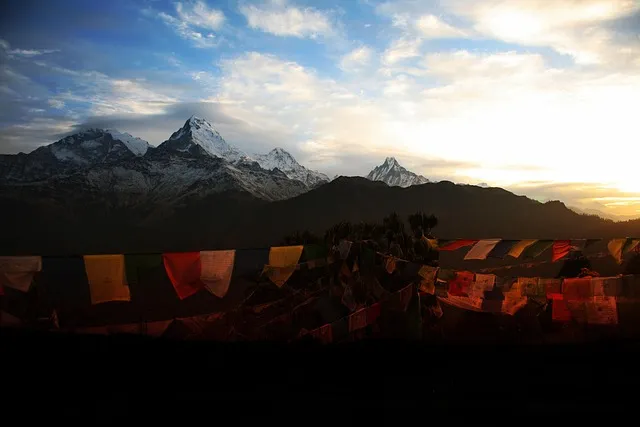
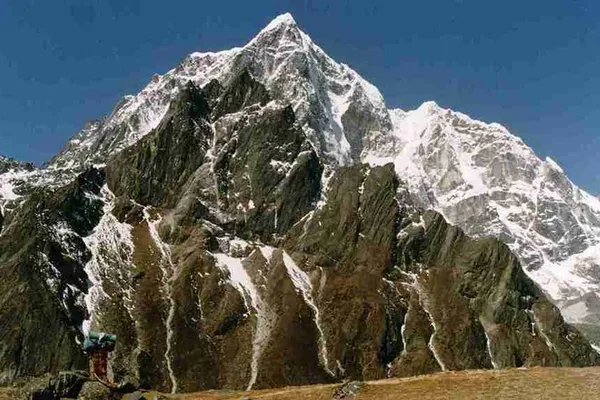
The Annapurna Base Camp with Poon Hill trek is one of the most popular trekking routes in Nepal. Combining the famous Poon Hill sunrise viewpoint with the breathtaking Annapurna Sanctuary, this ABC with Poon Hill trek offers the perfect mix of mountain scenery, cultural villages, and gradual acclimatization for beginners and experienced trekkers alike.
Walking to the foot of the world's tenth-highest mountain is a dream for many hikers. This specific Annapurna Base Camp with Poon Hill trek is a great way to see the Himalayas because it mixes two famous routes into one trip. You get to stand on top of Poon Hill to watch the sun come up over the peaks before heading deep into the high-altitude sanctuary. It is a perfect choice if you want to see the giant mountains from far away and then stand right underneath them a few days later.
The journey takes you through quiet forests filled with rhododendron trees and cozy villages where the local Gurung people live. Because the trail goes through different heights, you get to see everything from green jungles to massive glaciers. This guided trip is designed to be steady and safe, giving your body plenty of time to get used to the thin air. Whether you are a first-time hiker or have been on many trails, the views from the base camp will stay with you forever.
Overview
The Annapurna Base Camp with Poon Hill trek is arguably the most complete adventure in the region. By adding the Poon Hill loop to the standard route, you get a much better chance for your body to adjust to the elevation while enjoying a visual warm-up of the Dhaulagiri and Annapurna ranges. It is an ideal choice for travelers who want a balance of physical challenge and cultural immersion without needing any technical climbing experience.
Choosing the Poon Hill and Annapurna Base Camp trek combined route allows you to see the mountains from two very different perspectives. First, you enjoy the wide, panoramic views from the lower foothills, and then you trek deep into the heart of the glacial sanctuary. This itinerary ensures you don't miss out on the famous sunrise views that make the area so popular, all while keeping the journey manageable and rewarding.
Why Choose This Trek?
The Annapurna Base Camp via Poon Hill is the ultimate choice for those who want a complete Himalayan experience without the rush. Unlike direct routes that head straight for the high mountains, this combined journey offers a gradual ascent through the foothills, which significantly improves your body's ability to acclimatize to the rising altitude.
This trek isn't just about the final destination; it is about the transition from the lush, subtropical "cloud forests" of the lower Annapurna to the high-alpine glaciers of the Sanctuary. It is the perfect balance for photographers, nature enthusiasts, and first-time trekkers who want to see every layer of Nepal's geography.
The Beauty of the Journey
- The Best of Both Worlds: You get the wide-angle, panoramic sunrise views from the lower hills and the intimate, "inside-the-mountain" feel of the base camp.
- Cultural Depth: Spend more time in iconic villages like Ghorepani and Chhomrong, where you can experience the authentic hospitality and traditions of the Gurung and Magar communities.
- A Natural Stairway: The trail features thousands of ancient stone steps that wind through terraced farms, offering a unique look at how mountain life has existed for centuries.
- Wildlife and Flora: Walking through the world's largest rhododendron forests is a highlight in spring, and keep an eye out for langur monkeys and exotic birds in the dense canopy.
- The Sanctuary Effect: There is nothing quite like waking up at 4,130 m, surrounded by a 360-degree wall of white peaks that seem close enough to touch.
Trek Highlights
- Poon Hill Sunrise: Experience a 360-degree panoramic view of Dhaulagiri (8,167 m) and the Annapurna range.
- The Sanctuary: Stand in a 360-degree bowl of 7,000 m and 8,000 m peaks at Annapurna Base Camp.
- Cultural Immersion: Stay in traditional Gurung and Magar villages like Ulleri and Ghorepani.
- Jhinu Hot Springs: Relax your muscles in natural riverside geothermal pools on your descent.
- Biodiversity: Walk through varying climate zones, from subtropical jungles to alpine glaciers.
Who Is the Annapurna Base Camp with Poon Hill Trek Best For?
The Poon Hill and Annapurna Base Camp trek is one of the most versatile routes in Nepal, appealing to a wide range of trekkers. Here's who will love it the most:
- Beginners: The gradual ascent via Poon Hill provides an ideal warm-up for the higher-altitude sections of the trail, making it one of Nepal's most beginner-friendly high-altitude treks.
- Photographers: The combination of the wide panoramic sunrise at Poon Hill and the intimate, enclosed feel of the Annapurna Sanctuary offers extraordinary visual variety.
- Couples: The mix of romantic sunrise moments, cozy tea house evenings, and the reward of the Jhinu hot springs makes this a favorite for couples.
- Solo Trekkers: The trail is well-marked and social, especially in peak season, making it easy and safe to trek with a guided group.
- Older Trekkers: Many trekkers over 50 and even over 60 have successfully completed this route thanks to its steady pace and excellent tea house infrastructure.
- Families: With no technical climbing required and family-friendly lodges throughout, this trek is suitable for older children and teens (age 12+) with a reasonable fitness base.
Annapurna Base Camp with Poon Hill Trek Itinerary
This Annapurna Base Camp with Poon Hill trekking plan is designed to give you the best of the Himalayas. By following this Poon Hill and ABC route, you ensure a safe and steady climb through the Annapurna Conservation Area, moving from low-lying jungles to the high-altitude glaciers of the Annapurna Sanctuary.
The ABC trek via Poon Hill is a 12-day odyssey that transitions from the subtropical lowlands of Nepal to the heart of a high-altitude glacial sanctuary. This route is renowned for its "triple threat" of highlights: the sunrise over the Dhaulagiri range from Poon Hill, the cultural immersion in Gurung villages, and the final 360-degree mountain arena at Base Camp.
Annapurna Base Camp with Poon Hill Trek Cost
The cost of the Annapurna Base Camp with Poon Hill trek typically ranges between $750 and $950 USD, depending on group size, accommodation standard, guide services, and transportation preferences.
What Is Included?
- ACAP and TIMS permits
- Licensed, experienced trekking guide
- Tea house accommodation (twin-sharing)
- Tourist bus transportation (Kathmandu–Pokhara–Kathmandu)
- Three meals per day (breakfast, lunch, and dinner during the trek)
- Airport transfers in Kathmandu
Extra Costs to Budget For
- Hot showers at tea houses ($1–$2 per shower)
- Wi-Fi and phone/camera charging ($2–$5 per day)
- Snacks, energy bars, and personal drinks
- Porter services (if required, approx. $20–$25/day)
- Travel and emergency evacuation insurance (mandatory)
- Tips for guides and porters (standard: $10–$15/day for guides, $7–$10/day for porters)
- Optional Pokhara–Kathmandu flight upgrade (~$120 USD)
Average Daily Spending
Trekkers should budget around $20–$35 USD per day for personal expenses on the trail.
Private treks offer more flexibility on departure dates and daily pace, while group treks are more cost-effective and socially vibrant.
Transportation Options for the ABC with Poon Hill Trek
Getting to and from the trailhead is a key part of planning your Annapurna Base Camp with Poon Hill trek. Here are your main options:
Kathmandu to Pokhara: The most popular option is the luxury tourist "Sofa Bus," which takes 7–8 hours and costs approximately $15–$20 USD. For a faster option, a 25-minute domestic flight is available for around $100–$120 USD one way — a worthwhile upgrade if time is short or the scenic drive doesn't appeal on the return leg.
Pokhara to Nayapul (Trailhead): A private jeep or taxi from Pokhara to the Nayapul/Birethanti trailhead takes about 1.5 hours and costs $25–$40 USD. This is typically included in guided packages.
Descent by Jeep (Jhinu Danda to Pokhara): On Day 10, after the hot springs, a shared or private jeep ride back to Pokhara takes roughly 2–3 hours and is a welcome relief for tired legs.
Best Time for the Annapurna Base Camp with Poon Hill Trek
Choosing the right month is the single most important factor for a successful Poon Hill with Annapurna Base Camp adventure. Because this route covers both the lower foothills and high-altitude glacial basins, the weather can vary significantly between the two. To help you plan, you can read our detailed guide on the best time for the Mardi Himal Trek, which shares many of the same weather patterns.
Spring (March to May) — The Season of Color
Spring is a magical time for the Poon Hill with ABC trek. As the winter snow recedes, the lower elevations explode with color.
- The Bloom: Walking through the world's largest rhododendron forests between Ghorepani and Tadapani is a highlight. You'll see shades of deep red, pink, and white.
- Conditions: The weather is mild, with daytime temperatures between 10°C and 20°C. While clouds may gather in the afternoons, the mornings are usually clear for spectacular mountain views.
Autumn (September to November) — The Gold Standard
This is widely considered the peak season for an Annapurna Base Camp with Poon Hill journey. After the monsoon rains, the air is scrubbed clean of dust, offering the sharpest visibility of the entire year.
- The Views: If you are a photographer, this is your window. The skies are a deep, piercing blue, and the peaks of Annapurna I and Machhapuchhre are visible in high definition.
- The Atmosphere: This is the most social time on the trail. You will meet fellow trekkers from around the globe in the vibrant tea houses along the Poon Hill with Annapurna Base Camp route.
Winter (December to February) — Cold & Clear
Winter is for those who seek solitude and don't mind the chill.
- The Vibe: The trails are much quieter, and the daytime skies are often flawlessly clear. However, temperatures at the base camp can drop to -15°C at night.
- Risk Factor: Heavy snow can sometimes make the section between Deurali and ABC difficult. You must have high-quality thermal gear and a warm sleeping bag.
Monsoon (June to August) — Lush & Raw
The monsoon is the most challenging time for a Poon Hill with ABC trek.
- The Challenges: Frequent rain leads to slippery trails and leeches in the forest sections. Clouds often hide the peaks you've worked so hard to see.
- The Rewards: For those who prioritize solitude and botany, the landscape is at its most lush and green, and the waterfalls along the Modi Khola are roaring at full capacity.
How Difficult Is the ABC with Poon Hill Trek?
The Annapurna Base Camp with Poon Hill trek is officially rated as a moderate challenge, making it accessible to most healthy hikers. While you won't need ropes, crampons, or technical mountaineering skills, you should not underestimate the physical demand of the terrain. The 3,000 stone steps leading up to Ulleri on the third day is a famous test of leg strength and mental grit. Additionally, the route involves walking for 5 to 7 hours daily across undulating hills, which requires solid cardiovascular endurance and steady knees for the long descents.
As you move from the lower foothills toward the heart of the sanctuary, altitude becomes the primary factor. Reaching a maximum elevation of 4,130 m (13,550 ft) means the air becomes significantly thinner, which can make even simple movements feel much more taxing. To ensure you enjoy the scenery rather than just struggling for breath, we recommend starting a training program 2–3 months before your arrival. Incorporating consistent cardio like swimming, cycling, or stair-climbing will prepare your lungs and legs for the high-altitude reality of the Poon Hill and Annapurna Base Camp trek.
Altitude Sickness on the ABC and Poon Hill Trek
Altitude sickness is one of the most important topics to understand before undertaking the Annapurna Base Camp with Poon Hill trek. Although the maximum elevation of 4,130 m is far below the altitude of Everest Base Camp, the thin air at that height is enough to affect trekkers who ascend too quickly or don't hydrate properly.
Common Symptoms to Watch For
- Persistent headache that worsens rather than improves
- Dizziness and loss of balance
- Nausea or vomiting
- Fatigue disproportionate to physical exertion
- Loss of appetite
- Difficulty sleeping
Prevention & Acclimatization Tips
- Walk slow (Bistari Bistari): This Nepali phrase, meaning "slowly slowly," is the mantra of the mountains. Resist the urge to rush, especially above 3,000 m.
- Hydrate aggressively: Drink a minimum of 4 liters of water per day at altitude.
- No rapid ascent: The Poon Hill loop is specifically designed to allow gradual altitude gain, which is one of the primary reasons this route is safer than the direct ABC trail.
- Follow your guide: Our licensed guides are trained to recognize early symptoms and will recommend rest or descent if necessary.
- Medication: Consult your doctor about Diamox (acetazolamide) as a preventative measure before your trip.
- Avoid alcohol: Alcohol dehydrates you and impairs your body's ability to acclimatize.
The good news is that the Poon Hill and Annapurna Base Camp route is one of the best-designed itineraries for altitude safety. The gradual ascent profile, combined with experienced guide support, means that most trekkers complete the journey without serious altitude-related issues.
Permits and Requirements
To go on the Annapurna Base Camp with Poon Hill trek, you need two special permits.
ACAP Permit (Annapurna Conservation Area Permit): Think of this as your entry ticket to one of Nepal's most treasured protected landscapes. The funds from this permit directly support local communities, trail maintenance, and wildlife conservation. To obtain it, you need a copy of your passport and two passport-sized photos. It can be acquired in Kathmandu or Pokhara.
TIMS Card (Trekkers' Information Management System): This functions as a safety tracker. It registers your identity and intended route with mountain authorities, ensuring that rescue teams know exactly where to look in the event of an emergency. It is a critical part of your permit package for the Annapurna Base Camp with Poon Hill trek.
For full details on the paperwork, you can check our guide on getting your ACAP and TIMS permits to make sure you have everything ready.
Quick Permit Checklist
- Photos: 4 small passport-sized photos
- Passport: A clear photocopy of your official travel document
- Checkpoints: Permit inspection huts are located at intervals along the trail; always carry your permits accessible
- Insurance: Documentation of emergency helicopter evacuation coverage up to 5,000 meters is required
Packing List for the ABC with Poon Hill Trek
When preparing for the Annapurna Base Camp with Poon Hill trek, your gear strategy can make or break your experience. Since you will be moving from the humid lower foothills to the freezing alpine zone at 4,130 m, layering is key. You need a versatile system that allows you to add or remove clothing as your body temperature and the mountain weather shift. For a detailed breakdown, see our complete Mardi Himal Trek packing list, as the requirements for both routes are very similar.
Essential Gear
- Moisture-Wicking Base Layers: Avoid cotton at all costs; use synthetic or merino wool tops and bottoms.
- Insulation Layer: A high-quality fleece or a "puffer" jacket to trap body heat during mid-day breaks.
- Warm Down Jacket: Essential for the freezing mornings at Poon Hill and the cold nights at Annapurna Base Camp.
- Waterproof Shell: A breathable rain jacket and trousers to protect against unexpected mountain showers or wind.
- Sturdy Trekking Boots: Ensure they are well broken-in before you arrive and offer good ankle support for the stone steps.
- 4-Season Sleeping Bag: Rated for -10°C — vital for hygiene and warmth at high altitudes even where blankets are provided.
- Accessories: Warm wool hat, UV-protection sunglasses, waterproof gloves, and a reliable headlamp for the early morning hike to Poon Hill.
Accommodation and Meals
On your Poon Hill with ABC trek, you will stay in charming mountain lodges called tea houses. These are rustic, family-run guesthouses that provide a cozy bed and a warm communal dining hall where trekkers gather at night. While rooms are simple and unheated, the hospitality is world-class. As you climb higher toward Annapurna Base Camp, the lodges become more basic, but the views from your window only get better.
The food on the Poon Hill and Annapurna Base Camp route is designed to keep your energy high. You must try the famous Dal Bhat (lentil soup and rice), which comes with free refills and is the ultimate "mountain fuel." Most menus also offer international favorites like pasta, eggs, pancakes, and even pizza. For the best experience, stick to vegetarian meals at higher altitudes to stay healthy and energized for the trail.
Quick Food & Stay Guide
- Sleeping: Twin-sharing rooms; bring a warm sleeping bag for the cold nights at ABC.
- Charging: Available in dining halls for a small fee (around $2–$3).
- Water: Purchase boiled water or use purification tablets with tap water to stay eco-friendly.
- The Lodge Rule: It is traditional (and often required) to eat dinner and breakfast at the same lodge where you sleep.
Can Beginners Do the Poon Hill and Annapurna Base Camp Trek?
Yes, absolutely. The Annapurna Base Camp with Poon Hill trek is a great choice for people who are new to hiking in the mountains. You don't need to be a professional climber or have special skills. The paths are very clear, and there are many cozy tea houses to rest in along the way. Because the trail gains altitude gradually, your body gets plenty of time to adjust to the thinner mountain air.
Even though it is beginner-friendly, you still need to prepare for two key challenges. First, there are many stone stairs that go up and down — it is like being on a giant stair-master for a few days. Second, you will be walking for about 5 or 6 hours every day. If you enjoy regular walking or already take the stairs over the elevator, you are already on the right track.
Top Tips for Beginner Trekkers
- Walk Slow: This is not a race. Walking slowly helps you breathe better and enjoy the views on the Annapurna Base Camp with Poon Hill trek.
- Drink Lots of Water: Staying well-hydrated is the single best way to feel good as you gain altitude.
- Train at Home: Aim for 1–2 hours of walking daily for at least a month before arrival.
- Wear Good Boots: Make sure your hiking boots are comfortable and already worn-in before you arrive.
The Adventure of a Lifetime Awaits
The Annapurna Base Camp with Poon Hill trek is more than just a walk in the woods; it is a life-changing journey into the heart of the world's most spectacular mountains. From the golden sunrise at Poon Hill to the towering icy walls of the Annapurna Base Camp, every step offers a new perspective on nature and yourself. Whether you are a first-time trekker or a seasoned explorer, this trail promises memories that will last a lifetime.
Are you ready to trade the noise of the city for the silence of the Himalayas? Whether you choose the iconic Annapurna Base Camp with Poon Hill or the shorter, ridge-top views of the Mardi Himal Trek, your Himalayan story starts here. Don't just dream about the mountains — stand among them.
Ready to Book Your Annapurna Base Camp with Poon Hill Trek?
We offer fixed departures throughout Spring and Autumn, a fully customizable itinerary, and the option for private or group departures. All permits, guide services, and logistics are handled entirely for you.
- Fixed group departures every week in peak season
- Customizable private trek dates year-round
- Expert local guides with 10+ years of Annapurna experience
- All ACAP and TIMS permits included
- 24/7 support throughout your journey
Book your Annapurna Base Camp with Poon Hill trek today and take the first step toward the sanctuary.
Why Book With Us?
- Expert Guides: Local guides who know every rock, story, and shortcut on the trail.
- Safety First: We prioritize your health with a proper acclimatization schedule and 24/7 support.
- Authentic Experience: Hand-picked tea houses serving local, high-energy meals.
- Small Groups: We keep groups small to ensure you get the personalized attention you deserve.