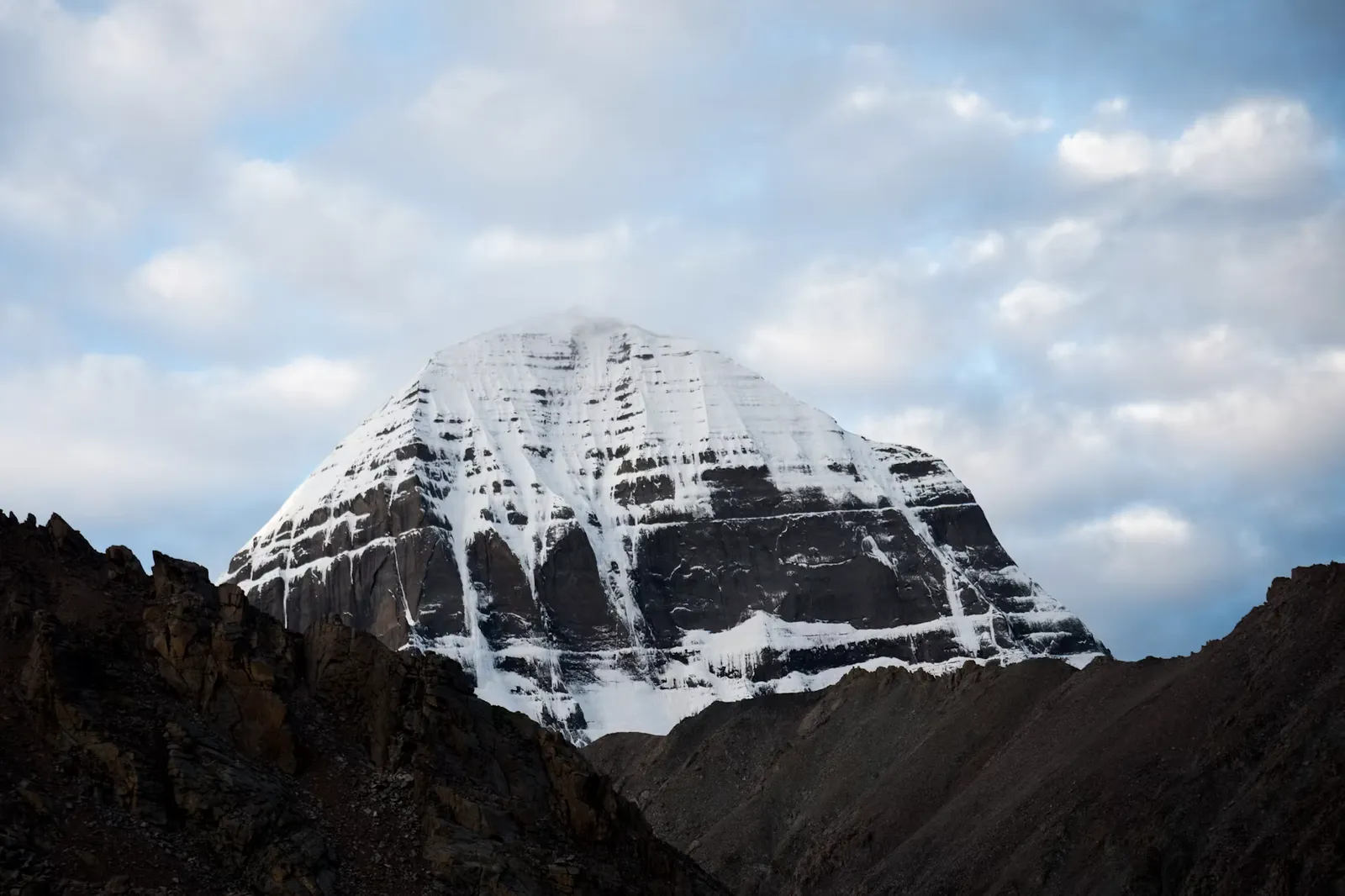
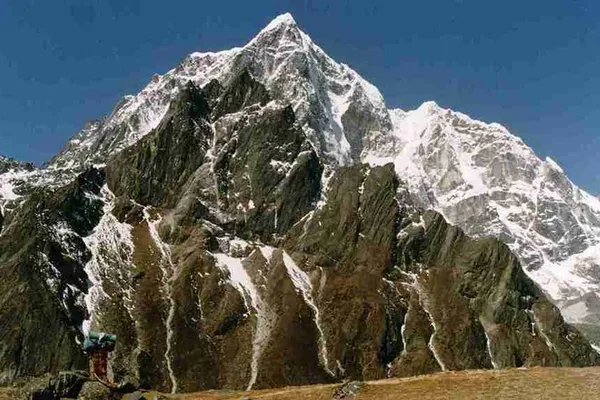
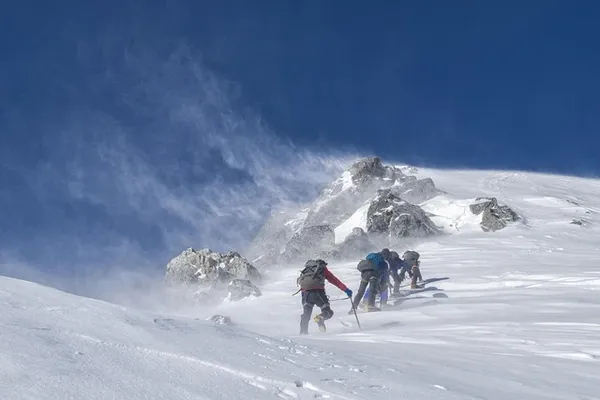
For many pilgrims, the Kailash Mansarovar Yatra is more than a journey. It is a dream carried for years, a chance to stand before sacred Mount Kailash and Lake Mansarovar with a heart full of faith. But behind that dream is a real fear of altitude, unfamiliar roads, permits, changing weather and the thought of something going wrong far from home. That is why being fully prepared matters.
At Himalayan Hero, we prepare your journey with those realities in mind. From Kathmandu arrangements and travel permits to transportation, accommodation, acclimatization and support during the Kailash parikrama, we take care of the details so you can focus on your pilgrimage. Travel with preparation, not uncertainty, and take your step toward a dream you may have been waiting years to fulfill.
Kailash Mansarovar Yatra Highlights
- Sacred Mount Kailash & Lake Mansarovar for a meaningful spiritual pilgrimage.
- Kailash Parikrama including the challenging Dolma La Pass at around 5,630 m.
- Kailash Mansarovar Yatra from Nepal starting from Kathmandu with organized travel support.
- Permits & Border Formalities with guidance throughout the journey.
- High-Altitude Acclimatization included to help you adjust to the demanding elevation.
- Experienced Local Team providing guidance and support throughout the pilgrimage.
- Accommodation & Meals arranged along the route for a smoother journey.
- Safety & Emergency Support with preparation for altitude, weather and unexpected delays.
Kailash Mansarovar Yatra Itinerary: 10 Days from Kathmandu to Kailash
| Day |
Itinerary |
Distance / Altitude |
Approx. Time |
| Day 01 |
Drive from Kathmandu to Kyirung |
Road journey to Kyirung |
Full day |
| Day 02 |
Rest and Acclimatization in Kyirung |
Kyirung |
Rest day |
| Day 03 |
Drive from Kyirung to Saga |
232 km / 4,450 m |
Full day |
| Day 04 |
Drive Saga to Paryang to Lake Mansarovar |
Paryang 4,558 m / Mansarovar 4,600 m / 507 km |
8–9 hrs |
| Day 05 |
Drive to Darchen |
40 km / 14,975 ft (approx. 4,565 m) |
Half to full day |
| Day 06 |
Trek to Dirapuk |
Near 5,000 m |
Full day |
| Day 07 |
Trek Dirapuk to Zuthul Puk |
18 km / 550 m ascent / 600 m descent |
6–7 hrs |
| Day 08 |
Complete Kailash Parikrama and Drive to Saga |
End of parikrama |
Full day |
| Day 09 |
Drive from Saga to Kyirung |
232 km |
6–7 hrs |
| Day 10 |
Drive from Kyirung to Kathmandu |
150 km |
Full day |
When is the Best Time for Kailash Mansarovar Yatra?
The best time for the Kailash Mansarovar Yatra is usually from June to September, when the weather is relatively more manageable and the routes across the Tibetan plateau are generally more accessible. Even during these months, the region remains cold, windy, and unpredictable, especially at higher elevations.
Among these months, June, July, and August are commonly preferred for pilgrimage journeys, while September can be cooler with changing weather. However, the actual travel season can vary from year to year depending on border access, permits, weather, road conditions, and the operating schedule of the yatra. It is always better to check the latest arrangements before booking your trip.
Which Month Is Best for Kailash Mansarovar Yatra?
June to September is generally the main travel window for the Kailash Mansarovar Yatra. June and July often offer relatively favorable conditions, while August can also be suitable. September is cooler and may bring more variable weather, so the best choice depends on the current year's route, permits, weather, and travel schedule.
| Month |
General Conditions |
| May |
Cold conditions; access may still be limited |
| June |
Start of the main pilgrimage season in many years |
| July |
Popular period with relatively favorable travel conditions |
| August |
Suitable for travel, although weather can change |
| September |
Cooler conditions and more variable weather |
| Winter |
Generally unsuitable for standard Kailash pilgrimage trips |
How Difficult Is the Kailash Mansarovar Yatra?
The Kailash Mansarovar Yatra is physically demanding, mainly because of the high altitude, long travel days, cold weather, and the Kailash parikrama. You do not need mountaineering experience, but you should be comfortable walking for several hours in thin air and prepared for basic conditions in remote areas.
The biggest challenge is usually the altitude rather than the walking distance alone. The journey involves spending time above 4,000 metres and crossing Dolma La Pass at around 5,630 metres. Good acclimatization, a steady pace, and knowing when to stop are important for completing the Yatra safely.
The main factors that make the journey challenging include:
- High altitude and reduced oxygen
- Long road journeys
- Cold and changing weather
- Rough or tiring road conditions
- Several hours of walking during the parikrama
- The steep and demanding section around Dolma La Pass
- Limited medical facilities in remote areas
The Kailash parikrama is not a technical mountain climb. Pilgrims walk around Mount Kailash rather than attempting to climb the mountain.
Who Can Do the Kailash Mansarovar Yatra?
People who are reasonably fit and medically suitable for high-altitude travel can potentially undertake the Yatra. However, suitability varies from person to person and depends on factors such as age, fitness level, medical history, and how the body responds to altitude.
If you have a medical condition that could be affected by high altitude, it is sensible to speak with a qualified medical professional before planning the journey. Older travelers and anyone with heart, lung, or other relevant health concerns should take particular care.
Being fit at home does not automatically mean you will have an easy time at 4,500 metres or higher. The body reacts differently to altitude, so listen to your guide and do not try to push through serious symptoms just to stay on schedule.
If you are planning an unforgettable journey across the high plateau to view Mount Everest from the north side, turning your dream to book the Tibet Everest Base Camp Tour into reality is an experience like no other, offering rich Tibetan culture and breathtaking Himalayan vistas.
Why Is Altitude a Major Concern on the Yatra?
Altitude is one of the main challenges because the amount of available oxygen decreases as you climb higher. Spending several days at elevations above 4,000 metres can cause altitude sickness, particularly if the body has not had enough time to adjust.
Common symptoms can include:
- Headache
- Nausea
- Dizziness
- Unusual tiredness
- Loss of appetite
- Shortness of breath
Mild symptoms should be reported to your guide rather than ignored. Severe or worsening symptoms can require immediate descent and medical attention. A sensible approach is to gain altitude gradually where the itinerary allows, stay hydrated, avoid alcohol during acclimatization, walk slowly, and follow the advice of your guide.
What Is the Kailash Parikrama?
The Kailash parikrama, also called the kora, is the traditional circumambulation of Mount Kailash. It is generally completed over three days and is considered the most physically demanding part of the Yatra, particularly because the route crosses the high Dolma La Pass.
The full walking distance is commonly described as around 50 to 55 kilometres, although the exact figure can vary depending on how the route and starting points are measured.
| Day |
Main section |
General difficulty |
| Day 1 |
Start of the parikrama to the overnight stop |
Moderate |
| Day 2 |
Dolma La Pass and descent |
Most demanding |
| Day 3 |
Remaining route and completion |
Moderate |
The second day is usually the toughest because it combines a high pass, steep sections, thin air, cold conditions, and fatigue from the previous day's walking.
Why Is Dolma La Pass the Hardest Part?
Dolma La Pass is the highest point of the Kailash parikrama, at approximately 5,630 metres. The combination of extreme altitude, steep sections, cold weather, and reduced oxygen makes this section particularly challenging for many pilgrims.
There is no advantage in trying to walk quickly here. A slow and steady pace is usually more sensible. Take breaks when needed, stay close to your group and follow your guide's instructions. If you develop serious altitude-related symptoms, completing the parikrama should not take priority over your safety.
How Much Does the Kailash Mansarovar Yatra Cost?
The cost of a Kailash Mansarovar Yatra package depends on the route, number of days, transportation, accommodation, permits, group size, and services included. There is no single fixed price for every traveler, so it is better to compare what is included in the package rather than choosing one based only on the advertised starting cost.
Your main expenses may include:
- Accommodation in Kathmandu and Tibet
- Tibet transportation
- Required permits and border arrangements
- Hotels, guesthouses, or camps
- Meals during the journey
- Guides and support staff
- Transportation and arrangements for the Kailash parikrama
- Local transportation
- Government or administrative fees
- Basic emergency support
You should also keep a separate budget for expenses that may not be included in the package, such as international flights to Nepal, Nepal visa fees, travel insurance, medicines, personal expenses, tips, extra accommodation, and possible delays.
Why Is the Kailash Mansarovar Yatra Expensive?
The Kailash Mansarovar Yatra can be expensive because it involves high-altitude travel, restricted routes, permits, border procedures, remote transportation, and limited infrastructure. Organizing the journey also requires coordination between different locations and services, which adds to the overall cost.
When comparing packages, do not look only at the cheapest advertised price. Check whether permits, meals, accommodation, transportation, guide services, parikrama arrangements, and emergency support are included. A package that looks cheaper at first can cost more later if important services are charged separately.
What Extra Expenses Should You Budget For?
Apart from the package price, it is wise to keep some extra money for personal and unexpected expenses. Delays caused by weather, road conditions, border procedures, or other travel disruptions can sometimes require additional accommodation or meals.
Common additional expenses include:
- International flights to and from Nepal
- Nepal visa fees
- Travel and medical insurance
- Personal medicines
- Extra nights due to delays
- Horse or porter services, where available
- Tips for guides and support staff
- Snacks and personal purchases
- Additional transportation
- Emergency or medical expenses
Before booking, ask the operator for a clear list of inclusions and exclusions and keep a contingency budget for unexpected costs. If you're looking to turn your Himalayan dream into reality, you can book the Nepal To Tibet Tour Package for an extraordinary overland journey combining Kathmandu's rich culture, scenic border crossings, and the magnificent trans-Himalayan landscapes leading to Lhasa.
What Permits and Documents Are Required for Kailash Mansarovar?
Traveling to Mount Kailash and Mansarovar in Tibet requires the correct travel permissions and documentation, and these arrangements are usually coordinated through an authorized travel operator. The exact requirements can vary depending on your nationality, route, border crossing, and the rules in effect for the travel season.
Travelers may need to provide:
- A valid passport with sufficient validity
- The required visa or entry documentation
- Tibet travel permits
- Border and immigration documents
- Passport-size photographs and required forms
- Travel insurance
- Medical documents, if requested
- Other documents required by the operator or authorities
Who Arranges the Kailash Mansarovar Permits?
In most organized Kailash Mansarovar journeys, the travel operator handles the main permit and Tibet travel arrangements on behalf of the group. Travelers generally need to submit their passport and other required documents within the requested timeframe so the applications can be processed.
Do not assume that having a visa alone gives you permission to travel freely in the Kailash region. Special travel permissions may be required for restricted areas, and the operator should explain which documents are included in the package.
What Documents Should You Prepare Before the Yatra?
Start by preparing your passport, visa-related documents, photographs, insurance details, and any medical documents requested for the journey. Keep both physical and digital copies of important documents where practical.
Requirements can change from one season to another, so avoid relying on an old checklist found online. For a 2026 Kailash Mansarovar Yatra, confirm the latest visa, permit, border, health, and entry requirements with your authorized operator and the relevant authorities before making non-refundable travel arrangements.
How Should You Prepare for the Kailash Mansarovar Yatra?
Preparing for the Kailash Mansarovar Yatra is about more than simply being able to walk long distances. You need to be ready for high altitude, cold weather, long road journeys, basic facilities, and days when the itinerary may not go exactly as planned. Building your fitness gradually and understanding what the journey is really like can make the experience much more manageable.
Start preparing several weeks before departure. Regular walking, uphill walks, stair climbing, and moderate cardio can help build endurance. It is also useful to practice longer walks while carrying a small daypack. You do not need to train like a mountaineer, but being comfortable walking for a few hours will make the parikrama easier.
How Can You Prepare Physically for the Yatra?
Focus on walking endurance, cardiovascular fitness, and leg strength rather than intense training. Try to make your walks gradually longer and include some uphill sections if possible.
Useful preparation includes:
- Regular brisk walking
- Uphill walking and stair climbing
- Moderate cardio exercises
- Longer walks on weekends
- Practicing with the daypack you will use
- Basic leg and core strengthening
- Getting used to walking at a steady, comfortable pace
Avoid suddenly starting very hard workouts shortly before departure. Consistent preparation over several weeks is more useful than trying to become extremely fit at the last minute.
How Should You Prepare Mentally for the Yatra?
Mental preparation is just as important because the Yatra can be tiring even when you are physically fit. Long drives, basic accommodation, cold conditions, limited facilities, and unexpected delays are all part of traveling through a remote high-altitude region.
You should be prepared for:
- Slow travel days
- Long road journeys
- Simple accommodation and food
- Cold and uncomfortable weather
- Limited privacy in some places
- Delays caused by weather or road conditions
- Physical tiredness
- Changes to the planned schedule
A flexible mindset can make a big difference. The Yatra is not a trip where everything will necessarily happen exactly according to the original timetable, so patience is an important part of being prepared.
What Accommodation and Food Can You Expect?
Accommodation on the Kailash Mansarovar Yatra is generally basic, especially once you leave Kathmandu and travel into remote parts of Tibet. Hotels in Kathmandu usually offer more comfort and facilities, while accommodation closer to the Kailash parikrama may be simpler, with shared rooms and limited hot water or other amenities. It is better to expect practical accommodation rather than luxury.
Food is also usually simple and arranged around the needs of the pilgrimage group. Vegetarian meals are commonly provided, but the variety can be more limited in remote areas. If you have allergies, dietary restrictions, or specific food preferences, tell your operator before the journey rather than assuming suitable options will always be available.
What Should You Check About Accommodation?
Accommodation can vary considerably between different sections of the journey and from one package to another. Before booking, ask the operator exactly what is included rather than relying on general descriptions.
Check whether:
- Hotels are private or shared
- Private bathrooms are available
- Hot water is available and reliable
- Blankets or bedding are provided
- Heating is available where needed
- Accommodation near the parikrama is included
- Meals are included with the accommodation
- Alternative arrangements are available if the planned hotel is unavailable
What Kind of Food Is Available During the Yatra?
Most organized pilgrimage groups provide simple meals suitable for long days of travel and walking. Vegetarian food is commonly available, particularly for pilgrimage groups, but choices may become more limited in remote areas.
If you have food allergies or follow a particular diet, discuss your requirements with the operator before departure. Carrying a few familiar snacks can also be useful, especially during long travel days or the parikrama when food choices may be limited.
How Safe Is the Kailash Mansarovar Yatra?
The Kailash Mansarovar Yatra can be undertaken safely by many travelers, but it is important to understand that this is a high-altitude journey through a remote region. Altitude sickness, cold weather, rough roads, dehydration, exhaustion, and limited access to advanced medical care are some of the main risks. Good preparation and a responsible operator can reduce these risks, but they cannot remove them completely.
Safety should be taken seriously throughout the journey. Before booking, check whether the operator has experienced guides, reliable transportation, emergency communication, and a clear plan for dealing with altitude-related illness. It is also worth checking your travel insurance carefully to make sure it covers high-altitude travel and any activities included in your itinerary.
What Are the Main Safety Risks During the Yatra?
The biggest concern for many travelers is altitude, particularly when spending time above 4,000 metres and crossing Dolma La Pass. Other risks can come from changing weather, long road journeys, fatigue, dehydration, and the limited medical facilities available in remote areas.
Important risks include:
- Altitude sickness
- Severe cold and changing weather
- Rough or tiring road journeys
- Dehydration
- Physical exhaustion
- Slips or falls during the parikrama
- Delays caused by weather or road conditions
- Limited access to advanced medical facilities
What Should You Do If You Feel Sick at High Altitude?
If you start feeling unwell, tell your guide immediately rather than trying to hide the symptoms so you can complete the pilgrimage. Depending on the situation, you may need to rest, stop gaining altitude, receive medical attention, or descend to a lower elevation.
Symptoms such as a headache, nausea, dizziness, or unusual tiredness should not simply be ignored. More serious warning signs, including confusion, difficulty walking, severe breathlessness while resting, or rapidly worsening symptoms, require urgent attention and may require descent or evacuation.
What Should You Check Before Booking for Safety?
Ask the operator how they handle altitude-related emergencies and unexpected delays before you book. A responsible operator should be able to explain the emergency procedure clearly rather than giving vague assurances about safety.
Check whether the package includes or provides:
- Experienced high-altitude guides
- Emergency communication
- A clear altitude-sickness protocol
- Reliable transportation
- Access to local medical facilities
- Emergency evacuation arrangements
- Contingency plans for delays
Also read your travel insurance policy carefully. Make sure it covers the altitude you will reach and the type of travel included in your Kailash Mansarovar itinerary.
What Should You Pack for Kailash Mansarovar Yatra?
Packing for the Kailash Mansarovar Yatra requires a little more thought than packing for a normal holiday. You need to be ready for cold temperatures, strong sunlight, wind, high altitude, long travel days, and basic facilities in remote areas. Layering is the best approach, as temperatures can change during the day and you may need to add or remove clothing while walking.
Keep your important documents, medicines, valuables, and a few essential personal items in your daypack or hand luggage. Your main baggage may not always be immediately accessible, particularly during long travel days or the Kailash parikrama.
What Are the Essential Things to Pack?
A practical packing list should cover clothing, sun protection, personal medication, documents, and basic items for walking and remote travel.
- Passport and required travel documents
- Travel insurance details
- Warm down or insulated jacket
- Thermal base layers
- Fleece or other warm mid-layer
- Waterproof and windproof outer layer
- Warm trekking trousers
- Comfortable walking shoes or trekking boots
- Warm and spare socks
- Warm gloves
- Wool or fleece hat
- Sunglasses with good UV protection
- Sunscreen and lip balm
- Reusable water bottle
- Headlamp with spare batteries
- Personal medicines
- Basic first-aid supplies
- Toiletries and personal hygiene items
- Hand sanitizer
- Power bank
- Small daypack
- Trekking poles
- High-energy snacks
- Waterproof bags for documents and electronics
What Should You Keep in Your Hand Luggage?
Keep your passport, permits or important travel documents, medicines, insurance information, valuables, and essential electronics with you rather than placing them in your main luggage.
It is also useful to keep one warm layer and basic personal items easily accessible. This way, you are not left without essential items if your main baggage is delayed or stored separately during part of the journey.
What Are the Most Common Mistakes Travelers Make?
Many difficulties during the Kailash Mansarovar Yatra come from poor preparation rather than the walking itself. Travelers sometimes underestimate the effect of altitude, choose a package only because it is cheap, or assume that the published itinerary will remain unchanged. A little planning beforehand can prevent many avoidable problems during the journey.
What Mistakes Should You Avoid During the Yatra?
- Choosing the cheapest package
Do not compare prices without checking what each package includes. A cheaper package may have fewer services or more additional costs. - Underestimating altitude
Being physically fit does not make you immune to altitude sickness. Take acclimatization seriously and follow your guide's advice. - Packing too much
Heavy and unnecessary luggage can make remote travel more difficult. Focus on warm, practical, and essential items. - Not checking travel insurance
Make sure your insurance covers high-altitude travel and emergency evacuation if required. - Relying on an old itinerary
Border procedures, permits, routes, and operating schedules can change. Always confirm the current arrangements. - Walking too fast
There is no benefit in rushing at high altitude. Maintain a slow, comfortable pace and take breaks when needed. - Hiding symptoms
Tell your guide if you feel unwell. Trying to continue despite serious altitude symptoms can put you at greater risk. - Forgetting contingency days
Weather, road conditions, border procedures, and other unexpected delays can affect the schedule. Leave some flexibility in your overall travel plan.
What Should You Check Before Booking a Kailash Mansarovar Package?
Before paying a deposit, check the complete itinerary, inclusions, permits, accommodation, transportation, emergency arrangements, and cancellation terms. Do not assume that services such as parikrama support, extra accommodation, or emergency transportation are automatically included.
Use this checklist when comparing packages:
- Confirm the exact travel dates.
- Ask which route the package uses.
- Check the total number of days.
- Read the complete day-by-day itinerary.
- Confirm who handles the required permits.
- Check the accommodation standards.
- Ask which meals are included.
- Confirm transportation arrangements.
- Ask what support is provided during the parikrama.
- Understand the emergency and evacuation procedures.
- Check the insurance requirements.
- Read the cancellation and refund policy.
- Ask about possible additional expenses.
- Keep a separate contingency budget.
Expert Tips for a Better Kailash Mansarovar Yatra
A comfortable Kailash Mansarovar Yatra is less about trying to finish everything quickly and more about preparing well and staying flexible. High altitude, long travel days, changing weather, and remote conditions can make simple things feel harder than expected. A few practical habits can make the journey easier and more enjoyable.
Expert Tip 1: Treat Altitude as the Main Challenge
Altitude is one of the biggest challenges of the Kailash Mansarovar Yatra, so do not judge the journey only by walking distance. A short section above 5,000 metres can feel much harder than a longer walk at a lower elevation because there is less oxygen in the air.
Walk slowly, avoid unnecessary rushing, and give your body enough time to adjust. During the Kailash parikrama, follow your guide's advice and tell them if you feel unwell. Being physically fit helps, but it does not guarantee protection from altitude sickness.
Expert Tip 2: Keep Your Daypack Light
You do not need to carry everything with you while walking. Keep your daypack light and pack only the things you may need during the day's journey. A heavy bag can make walking at high altitude more tiring than it needs to be.
Keep water, personal medicines, snacks, sunscreen, sunglasses, important documents, and an extra warm layer within easy reach. Your main luggage can hold the items you will not need during the day's walk.
Expert Tip 3: Protect Yourself From the Sun
The Tibetan plateau can have strong sunlight and high UV exposure, even when the temperature feels cold. At high altitude, the sun can be particularly harsh, so basic sun protection should not be overlooked.
Wear good-quality sunglasses and a hat, and apply sunscreen to exposed skin regularly. Lip balm with sun protection can also be useful, especially during the Kailash parikrama when you may spend several hours outdoors.
Expert Tip 4: Keep Emergency Flexibility
Do not plan your return so tightly that a one-day delay creates a major problem. Weather, road conditions, border procedures, or other unexpected issues can affect the Yatra schedule.
If possible, keep a buffer between your expected return and any important international flight or onward travel. Having extra time gives you more flexibility and avoids unnecessary pressure if the journey takes longer than planned.
Expert Tip 5: Ask Questions Before Booking
Before paying for a Kailash Mansarovar package, make sure you understand exactly what you are booking. A reliable operator should be able to explain the route, altitude profile, permits, accommodation, transportation, emergency procedures, and package exclusions clearly.
Ask about anything that is unclear, including extra costs, parikrama support, insurance requirements, and what happens if the itinerary changes. Getting these details confirmed before departure can prevent unpleasant surprises during the Yatra.
Key Takeaways
- Kailash Mansarovar Yatra is a high-altitude pilgrimage, not a regular sightseeing trip.
- Lake Mansarovar sits at approximately 4,590 metres above sea level.
- Mount Kailash rises to approximately 6,638 metres.
- The Dolma La Pass on the Kailash parikrama reaches around 5,630 metres.
- A Nepal-based Yatra can take around two to three weeks, depending on the route and itinerary.
- Travelers need the appropriate travel permits and documentation for the current route.
- Altitude is the biggest physical challenge, particularly during the Kailash parikrama.
- Package prices vary based on the route, services, transportation, accommodation, and inclusions.
- Always compare what is included in the package, rather than choosing only by the advertised price.
- For the 2026 season, confirm current permits, border procedures, operating dates, and travel conditions before booking.
- Prepare properly for cold weather, high altitude, long travel days, and basic facilities.
- A reliable package should clearly explain the itinerary, inclusions, exclusions, altitude profile, safety arrangements, and cancellation policy.
Plan Your Kailash Mansarovar Yatra With Confidence
Kailash Mansarovar is a journey that deserves careful planning, especially when it comes to altitude, permits, route conditions, and the practical details of traveling through Tibet. Taking time to understand these things before departure can make the experience much more comfortable and meaningful.
If you are considering the Kailash Mansarovar Yatra from Nepal, you can explore the available itinerary, travel arrangements, inclusions, and current trip details with Himalayan Hero Adventures. Take a look at the options, compare what suits your travel plans, and reach out when you are ready to discuss your journey.