🌄 Introduction
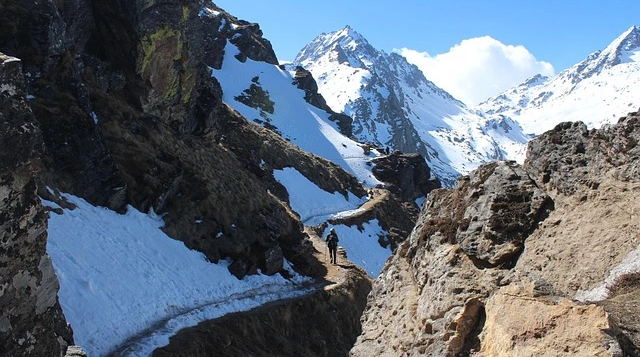
Ever dream of standing way above the clouds, with dazzling Himalayan peaks all around and prayer flags flapping in the wind? You could make that happen on the Kyanjin Ri Trek. Just a short hop north of Kathmandu, this trail leads you through lush forests, quiet mountain villages, and some of the best panoramas in Nepal—without the exhausting crowds or technical climbing.
If you want mountain magic without slogging for weeks or scrambling up risky slopes, this trek is the sweet spot. Picture yourself sipping tea among local Tamang villagers, waking up in cozy teahouses, then watching sunrise bathing glaciers in gold from Kyanjin Ri’s summit. Also, you get stories, wildlife, and yak cheese along the way. Curious yet? Let’s see why so many people say Kyanjin Ri is the best viewpoint of Langtang Valley—and why it could become your new favorite Himalayan adventure.
🏔️ Introduction to Kyanjin Ri and Langtang Valley
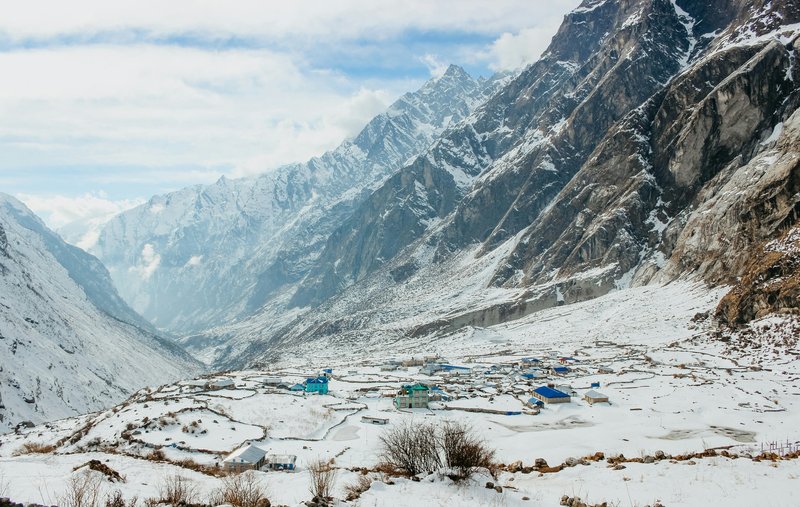
Kyanjin Ri rises to 4,773 meters within the breathtaking Langtang National Park, only 80 kilometers north of the Kathmandu Valley. This spot isn’t just a high hill, though—it’s the chief balcony over Langtang Valley, giving you spectacular, 360-degree views of snowcapped giants like Langtang Lirung, Yala Peak, Dorje Lakpa, and glimmering glaciers below.
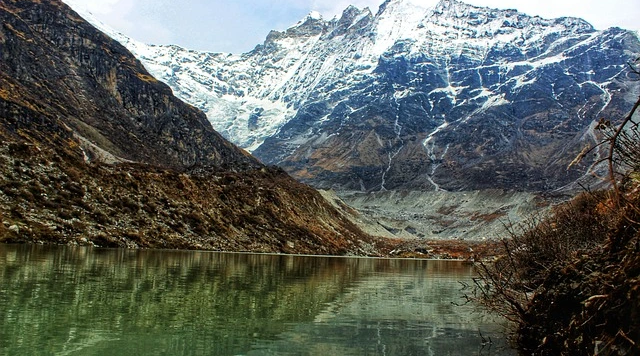
The journey is set entirely in Langtang National Park, a protected area known for rhododendron forests, wildlife like the red panda and Himalayan tahr, and pristine rivers flowing from centuries-old ice. The region feels unspoiled, yet it’s more accessible than most high-altitude treks in Nepal.
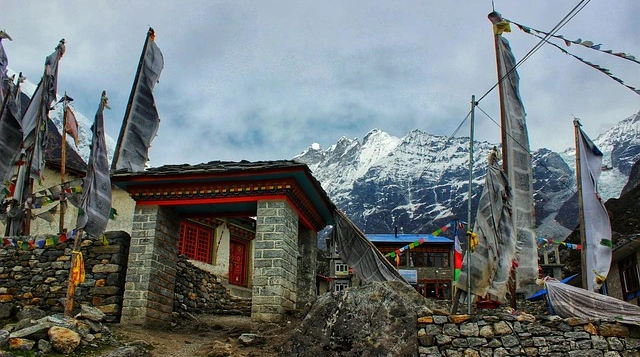
You’re also not walking through empty wilderness—this is home to the warm and resilient Tamang people. Their stone-built villages, prayer walls, and the ancient monastery of Kyanjin Gompa (believed to be around 700 years old) add culture and character to every step.
What’s especially lovely is the balance here: the mountain views genuinely impress, but so does the sense of calm and community. If you want the Himalayas at your feet without tackling technically tough trails, Kyanjin Ri is your ideal destination.
🥾 Trekking Route and Major Destinations
🚗 Kathmandu to Syabrubesi (1,550 m)
Your Kyanjin Ri adventure starts in Kathmandu, usually with a 7–8 hour drive north to Syabrubesi. You’ll pass deep river gorges and terraced fields, the Trishuli River rushing beside winding mountain roads—a journey that’s an adventure already.
🌲 Syabrubesi to Lama Hotel
From here, you begin walking alongside the Langtang Khola River. The first big stop is Lama Hotel, set deep in the forest and surrounded by pine, rhododendron, and the sound of sweet water. Trekkers often spend the night here, enjoying simple teahouse food and good rest.
🏡 Lama Hotel to Langtang Village
Ascending higher, you cross Langtang Village—home to Tamang families, stone cottages, and a pulse of everyday Himalayan life. The path widens, opening to meadows dotted with yaks, wildflowers, and those first tantalizing glimpses of snow peaks.
🕉️ Langtang Village to Kyanjin Gompa (3,870 m)
After crossing through ancient mani walls and Buddhist chortens, you arrive at Kyanjin Gompa. This peaceful village is both a spiritual retreat and a practical stopover for acclimatization—and yes, it boasts a yak cheese factory established with Swiss help. Many rest here a day, exploring glaciers or side trails.
⛰️ Kyanjin Gompa to Kyanjin Ri Summit (4,773 m)
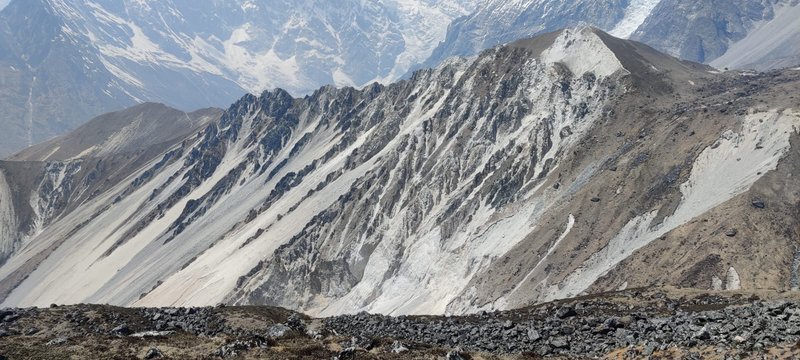
The final push is a day hike from Kyanjin Gompa to the upper crest of Kyanjin Ri. The climb is steady and quite steep, usually taking 3 to 5 hours round trip. Along the way, you’ll pass the “Kyanjin Ri Lookout,” a lesser summit where many snap their first photos. But carrying on to the true top brings a reward nothing else compares to: endless mountains, glaciers, villages, and sky.
Finishing up at the summit, you retrace your steps back through Kyanjin Gompa, down to the forests and villages, your head full of new stories.
🧭 Trek Duration, Difficulty, and Preparation
Despite its stunning rewards, Kyanjin Ri Trek is considerably shorter and more approachable than many big Himalayan hikes. Expect the full round-trip journey from Kathmandu to take between 6 to 8 days, including time for essential acclimatization.
Daily walks typically range from 5 to 7 hours, and the most physically demanding stretch is the final climb up Kyanjin Ri itself. While steep, it doesn’t require mountaineering gear—just determination, steady effort, and awareness of altitude.
You’ll gain elevation gradually, but the air grows noticeably thin above Kyanjin Gompa. Staying one or two nights here is key. Short acclimatization hikes help your body adjust safely.
Good physical health matters. Cardio, leg strength, and endurance hikes before your trip will help a lot. If you have no altitude experience, just go slow—it’s not a race.
🌅 Views, Sights, and Cultural Highlights
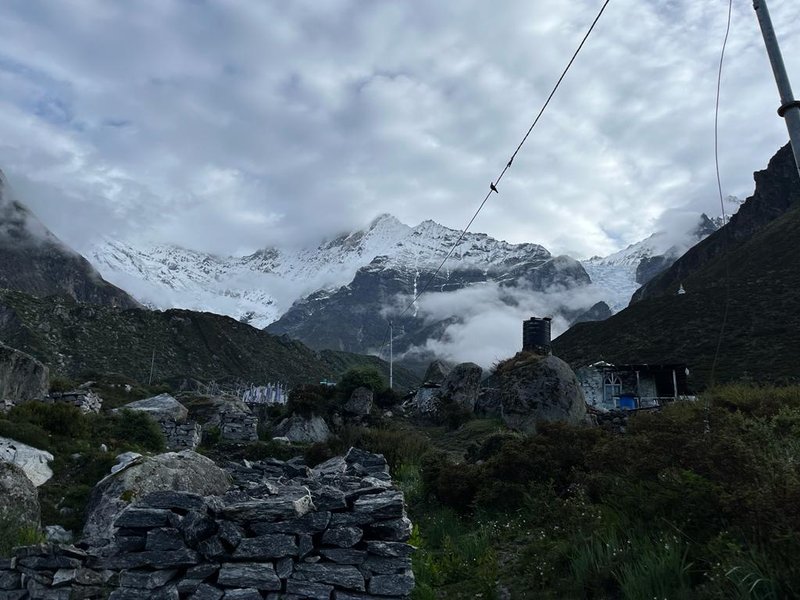
The reason Kyanjin Ri is famous is simple: the views will bowl you over.
On clear mornings, Langtang Lirung rises directly in front of you, its glacier sparkling beneath your feet. Turn around and you’ll see Yala Peak, Dorje Lakpa, Ganchenpo, and distant Tibetan mountains. Below, glaciers wind through the valley like frozen rivers.
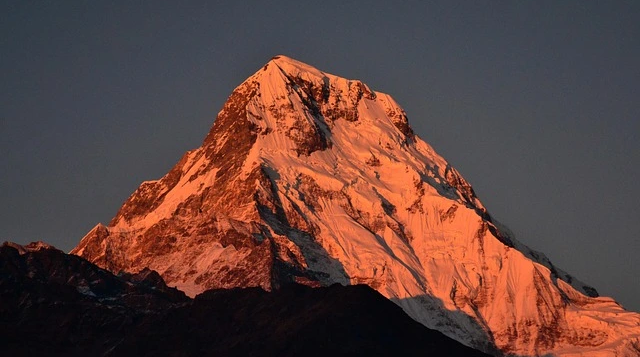
Sunrise and sunset are pure magic. The light paints the mountains pink, gold, and purple as prayer flags snap in the cold wind. Many start the climb early to catch this moment.
The valley is rich with Tibetan Buddhist culture. Prayer walls, chortens, monasteries, and the famous yak cheese factory add meaning to every step.
Spring brings blooming rhododendrons, and if you’re lucky, you might spot Himalayan tahr, monkeys, or even a red panda.
🌸 Best Time to Trek and Seasonal Considerations
Spring (March–May) offers blooming forests and mild temperatures.
Autumn (September–November) brings the clearest skies and best visibility.
Winter is quiet but cold, with possible snow. Monsoon season is wet, muddy, and cloudy, making views less reliable. No matter the season, early mornings offer the best light and clarity.
🎒 Permits, Logistics, and Trekking Tips
You need:
- Langtang National Park Entry Permit
- TIMS card
These can be arranged in Kathmandu or through trekking agencies.
Transport to Syabrubesi is available by bus or jeep. Most trekkers prefer agencies for ease, safety, and cultural insight.
Pack light but smart: layered clothes, a down jacket, gloves, trekking boots, sun protection, water bottles, and a first-aid kit.
Walk “bistari, bistari” (slowly, slowly), drink water, eat well, and respect local customs. Leave nothing but footprints.
❤️ Why Kyanjin Ri is Worth It
Kyanjin Ri isn’t just another viewpoint. It’s a near-perfect slice of Himalayan trekking—short, striking, and full of authentic culture.
You don’t need to be a hardcore mountaineer, but you’ll leave feeling like you conquered something meaningful. If sunrise over Langtang Lirung, yak cheese tea, and quiet mountain villages sound like your kind of adventure, Kyanjin Ri deserves a place on your travel radar.
❓ Frequently Asked Questions
How long does the Kyanjin Ri trek take from Kathmandu?
The full trek typically takes 6–8 days round-trip, including walking and acclimatization days.
How difficult is the trek to Kyanjin Ri?
It’s moderate, with a steep final climb at high altitude but no technical gear needed.
What permits do I need?
Langtang National Park Entry Permit and a TIMS card.
When’s the best time to trek?
Spring and autumn are best for weather, views, and trail conditions.
Can you trek without a guide?
Yes, the trail is well-marked, but guides improve safety and cultural understanding.
What should you pack?
Layered clothing, warm jacket, trekking boots, sun protection, first aid, snacks, and essentials.