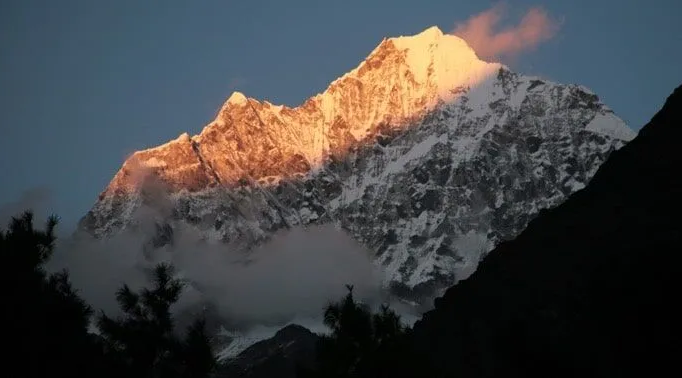
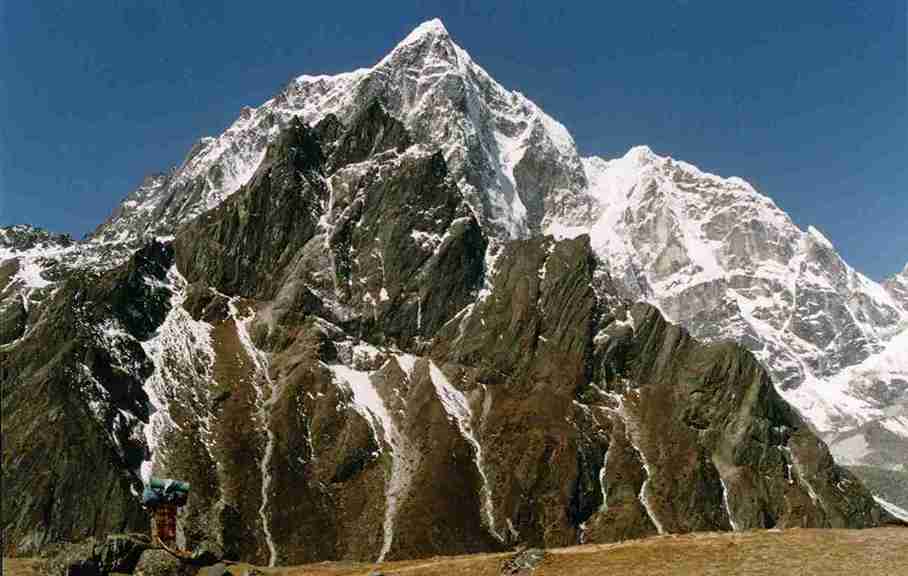
The Ganesh Himal trek remains one of Nepal's most extraordinary yet overlooked trekking experiences, offering adventurous souls a chance to explore pristine wilderness far from the tourist crowds that dominate Everest and Annapurna. Named after Lord Ganesh, the elephant-headed Hindu deity whose profile the mountain range resembles, this remote corner of central Nepal delivers authentic Himalayan experiences that more popular routes simply cannot match.
What makes the Ganesh Himal trek particularly special is its position as a bridge between two famous trekking regions. The route connects the Manaslu area with Langtang, crossing through the legendary Ruby Valley where rubies were once mined centuries ago. Today, instead of precious stones, trekkers discover something equally valuable—untouched Tamang villages, dense rhododendron forests, and mountain panoramas witnessed by only a handful of visitors each season.
Why trekkers choose Ganesh Himal:
- Fewer than 500 trekkers visit annually compared to 50,000+ on Everest Base Camp
- Authentic Tamang and Gurung village experiences without tourist infrastructure
- Views of four 7,000m+ peaks in the Ganesh Himal massif
- Natural hot springs for post-trek relaxation
- Sing La Pass crossing provides genuine adventure without extreme altitude
Ganesh Himal Trek Overview and Route Specifications
Understanding the Ganesh Himal trek specifications helps you prepare appropriately for this rewarding adventure. Our 13-day itinerary follows the classic Sing La Pass crossing route, considered the most scenic and culturally immersive option available.
The trek begins with a scenic drive from Kathmandu to the roadhead, then ascends gradually through terraced farmland and traditional villages before reaching the high point at Sing La Pass. From there, you descend through the Somdang valley with its stunning Ganesh Himal views before returning to Kathmandu. This circular route means you experience constantly changing landscapes rather than retracing your steps.
Essential trek specifications:
- Total duration: 13 days (10 trekking days)
- Maximum elevation: 4,050m at Sing La Pass
- Total trekking distance: Approximately 95-110 kilometers
- Daily walking hours: 5-7 hours average
- Trek style: Mixed teahouse and camping
- Starting point: Syabrubesi or Arughat Bazaar
- Ending point: Syabrubesi (circular route)
- Difficulty rating: Moderate
The Ganesh Himal trek distance varies depending on your specific itinerary and any optional excursions. Our 13-day package covers the essential highlights while allowing proper acclimatization time. Some operators offer shorter 8-day versions that skip cultural highlights, while extended 17-day itineraries add the Ganesh Himal Base Camp excursion.
Ganesh Himal Trek Difficulty: What to Realistically Expect
The Ganesh Himal trek difficulty rates as moderate on Nepal's trekking scale, making it accessible to reasonably fit individuals while still providing genuine adventure. Understanding exactly what "moderate" means helps you prepare appropriately.
The physical demands center on sustained daily walking over varied terrain. Most days involve 5-7 hours of trekking with elevation changes ranging from 500-1,000 meters. The Sing La Pass day presents the greatest challenge with approximately 1,650 meters of ascent followed by significant descent. However, this remains far less demanding than technical passes like Ganja La or Thorung La.
Physical requirements for Ganesh Himal trek:
- Ability to walk 5-7 hours daily for 10 consecutive days
- Comfort with sustained uphill and downhill sections
- Basic fitness equivalent to regular hiking or gym exercise
- No prior high-altitude trekking experience required
- Healthy cardiovascular system without serious conditions
The maximum altitude of 4,050 meters at Sing La Pass sits well below the threshold where serious altitude problems typically occur. With our carefully designed acclimatization schedule, most trekkers cross the pass without difficulty. However, awareness of altitude sickness symptoms remains important throughout.
Who should consider Ganesh Himal trek:
- First-time Himalayan trekkers seeking authentic experience
- Experienced trekkers wanting uncrowded trails
- Cultural enthusiasts interested in Tamang heritage
- Photographers seeking unique mountain perspectives
- Adventure seekers preferring remote over popular
Who might prefer easier alternatives:
- Complete beginners to trekking of any kind
- Those uncomfortable with basic accommodation
- Travelers requiring consistent WiFi/phone connectivity
- Anyone unable to walk 5+ hours on multiple consecutive days
Ganesh Himal Trek Cost: Complete Package Breakdown
Understanding the Ganesh Himal trek cost structure helps you budget effectively and recognize true value when comparing operators. Our comprehensive package at USD $1,065 per person represents exceptional value in the current market.
The Nepal trekking industry features significant price variation for similar itineraries. Budget operators sometimes quote lower prices but exclude essential items, while premium operators charge double for comparable services. Our $1,065 price point delivers premium service quality at mid-market pricing—what we call the "value leader" position.
Best Time for Ganesh Himal Trek: Seasonal Planning Guide
Choosing the best time for Ganesh Himal trek significantly impacts your experience. Two primary seasons offer optimal conditions, each with distinct characteristics.
Autumn Season (September to November)
Autumn represents the premier trekking season across Nepal, and Ganesh Himal proves no exception. Post-monsoon skies deliver exceptional clarity, with mountain views at their absolute best. September sees diminishing rainfall while October and November offer stable, dry conditions with comfortable temperatures.
The autumn period coincides with major Nepali festivals including Dashain and Tihar. Experiencing these celebrations in remote Tamang villages provides cultural immersion unavailable during other seasons. Village life reaches its most vibrant during festival periods, with traditional dances, special foods, and community gatherings.
Spring Season (March to May)
Spring brings warming temperatures and spectacular natural displays. Rhododendron forests explode with color from mid-March through April, painting hillsides in shades of red, pink, and white. Wildflowers carpet alpine meadows, creating excellent photography opportunities.
Spring temperatures run warmer than autumn, particularly at lower elevations. This makes the hot springs at Tatopani even more enjoyable as a contrast to the heat. Mountain views remain excellent though occasional pre-monsoon haze may appear in May.
Seasonal considerations summary:
- Autumn (Sept-Nov): Best visibility, festivals, stable weather, peak season pricing
- Spring (Mar-May): Rhododendron blooms, warmer temps, fewer crowds than autumn
- Winter (Dec-Feb): Cold but possible, Sing La may have snow, very few trekkers
- Monsoon (Jun-Aug): Not recommended—heavy rain, leeches, obscured views
Our recommendation: October and November offer the optimal combination of weather, visibility, and cultural experiences. Book 3-6 months ahead for these prime months.
Required Permits for Ganesh Himal Trek
Trekking in Nepal's protected areas requires specific permits, and the Ganesh Himal region is no exception. All necessary permits are included in our package price and processed on your behalf.
The Ganesh Himal trek passes through Langtang National Park, Nepal's first Himalayan national park established in 1976. This protected area harbors diverse ecosystems from subtropical forests to alpine meadows, sheltering wildlife including red pandas, Himalayan black bears, and the elusive snow leopard.
Required permits and documentation:
- Langtang National Park Entry Permit: Required for all foreign trekkers
- TIMS Card (Trekkers Information Management System): Mandatory registration for safety tracking
- Local area permits: May be required depending on specific route variations
- Valid passport: Minimum 6 months validity with Nepal visa
All permits are processed in Kathmandu before trek departure. When booking with Himalayan Hero Adventures, permit arrangements are handled completely—you simply provide passport copies and photos, and we manage the paperwork.
Permit processing notes:
- Two passport-sized photos required
- Passport copy (photo and visa pages)
- Processing takes 1-2 business days
- Permits checked at national park entrance
- TIMS provides emergency tracking capability
Ganesh Himal vs Langtang Trek: Which Should You Choose?
Many trekkers debate between Ganesh Himal and Langtang Valley treks, as both regions lie adjacent to each other north of Kathmandu. Understanding the differences helps you select the right adventure for your preferences.
The Langtang Valley trek follows a well-established route with consistent teahouse accommodation throughout. It reaches the impressive Kyanjin Gompa at 3,870m with options for additional hikes to Tserko Ri or the Langtang Glacier. The trail sees moderate traffic, providing some social atmosphere while remaining far less crowded than Everest or Annapurna regions.
Ganesh Himal trek ventures into genuinely remote territory where other trekkers are rare sightings. The route requires camping in some sections and crosses the 4,050m Sing La Pass, adding adventure elements absent from standard Langtang. Cultural immersion runs deeper in Ganesh Himal's rarely-visited Tamang villages.
Choose Ganesh Himal if:
- You want genuine off-the-beaten-path experience
- Cultural immersion matters more than mountain proximity
- You're comfortable with basic camping
- You have 13+ days available
- Previous Langtang visitors seeking new territory
Choose Langtang if:
- First Himalayan trek with limited time
- Prefer consistent teahouse comfort
- Want higher altitude options (Tserko Ri)
- Seeking the rebuilt Langtang Village experience
- Only 7-10 days available
Both treks depart from the same gateway town of Syabrubesi, making them easy to compare logistically. Some experienced trekkers combine both regions in extended itineraries.
Essential Gear and Packing for Ganesh Himal Trek
Proper equipment ensures comfort and safety throughout your Ganesh Himal adventure. The mixed teahouse and camping nature of this trek requires slightly more gear than pure teahouse routes.
The key packing principle balances preparedness against weight. You'll carry a daypack during trekking while porters transport your main bag (maximum 15kg). Everything in your daypack should support immediate needs—water, snacks, rain gear, camera, and warm layer.
Essential clothing layers:
- Moisture-wicking base layers (2-3 sets)
- Insulating mid-layers (fleece jacket, down vest)
- Waterproof outer shell (jacket essential, pants recommended)
- Warm down jacket for evenings and pass crossing
- Trekking pants (zip-off style versatile)
- Warm hat and sun hat
- Gloves (lightweight and insulated pairs)
- Comfortable camp clothes
Footwear requirements:
- Broken-in waterproof trekking boots
- Camp shoes or sandals for evenings
- Gaiters optional but useful in wet conditions
- Multiple pairs of wool/synthetic hiking socks
Essential equipment:
- Daypack (25-35 liters)
- Main duffle bag (for porter)
- Sleeping bag rated to -10°C (can rent locally)
- Headlamp with spare batteries
- Trekking poles (highly recommended)
- Water bottles (2 liters capacity)
- Water purification (tablets or SteriPen)
- Sunglasses with UV protection
- Sunscreen SPF 50+
- Personal first aid kit
- Camera with spare batteries
Optional but recommended:
- Kindle or book for rest days
- Playing cards for evening entertainment
- Binoculars for wildlife and peak viewing
- Journal for recording experiences
- Portable battery bank for charging
Altitude Acclimatization Strategy for Sing La Pass
Proper acclimatization prevents altitude-related problems and ensures you enjoy the Ganesh Himal trek rather than suffering through it. Our itinerary builds in essential adjustment time before the 4,050m pass crossing.
Altitude sickness can affect anyone regardless of fitness level. The key factor is ascent rate—how quickly you gain elevation day to day. Our itinerary follows the mountaineering principle of "climb high, sleep low," with gradual elevation gains and a dedicated rest day before the pass.
Acclimatization protocol built into our itinerary:
- Gradual daily elevation gains (500-700m maximum)
- Rest day at Thuman before Sing La Pass
- Early starts on big ascent days
- Ample hydration reminders from guides
- Flexible schedule if symptoms appear
- Descent capability if serious symptoms develop
Altitude sickness prevention tips:
- Hydrate constantly (3-4 liters daily above 2,500m)
- Avoid alcohol, especially at altitude
- Eat well even if appetite decreases
- Move at sustainable pace—never race
- Communicate any symptoms to guide immediately
- Consider Diamox as preventive (consult doctor)
Recognizing altitude sickness symptoms:
- Mild: Headache, fatigue, mild nausea, disturbed sleep
- Moderate: Severe headache, vomiting, decreased coordination
- Severe: Confusion, difficulty walking, shortness at rest (descend immediately)
The maximum altitude of 4,050m sits below the threshold where severe problems typically occur. With proper acclimatization, most trekkers cross Sing La Pass without significant issues.
Begin Your Ganesh Himal Adventure
The Ganesh Himal trek offers something increasingly rare in Nepal's trekking landscape—genuine adventure through rarely-visited territory where traditional mountain life continues largely unchanged. While the famous routes of Everest and Annapurna draw tens of thousands annually, Ganesh Himal rewards those seeking authentic experiences over Instagram moments.
Our 13-day package at USD $1,065 delivers this extraordinary experience with professional support, transparent pricing, and attention to both adventure and comfort. The Sing La Pass crossing provides real accomplishment, while Tamang village stays offer cultural depth impossible on more developed trails.
What sets Himalayan Hero's Ganesh Himal package apart:
- Competitive pricing at 46% below premium competitors
- Experienced local guides with intimate regional knowledge
- Optimal 13-day duration balancing experience and efficiency
- Small group sizes ensuring personalized attention
- Sing La Pass crossing for genuine adventure
- Cultural immersion in rarely-visited Tamang communities
- Comprehensive inclusions with transparent pricing
Whether you're a first-time Himalayan trekker seeking authentic experience or a veteran looking to escape the crowds, Ganesh Himal delivers rewards that more famous routes cannot match. The mountain views rival any in Nepal, the cultural encounters feel genuine rather than staged, and the sense of exploration remains palpable throughout.
For complete package details, available departure dates, and booking information, visit our Ganesh Himal Trek page or contact our team directly.