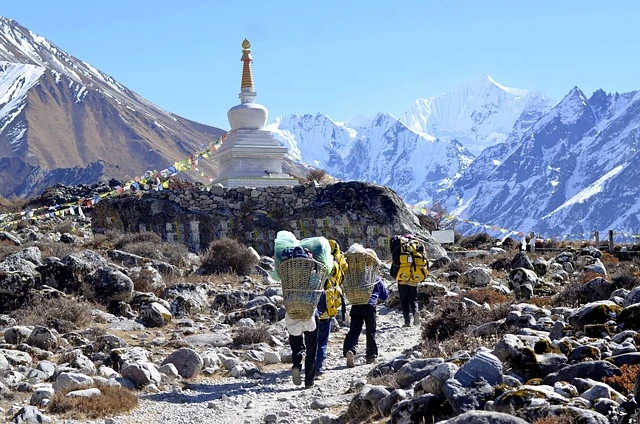
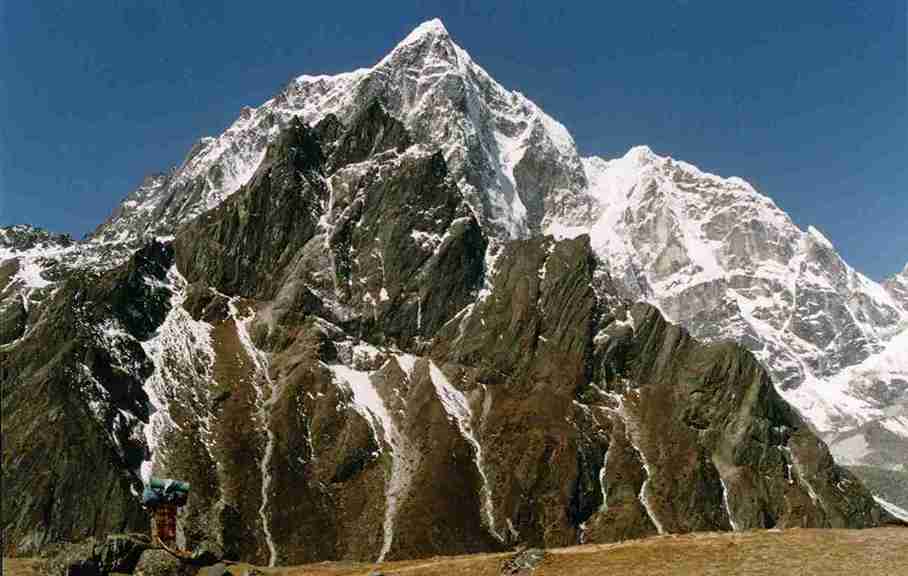
The Langtang Valley Trek is one of the most rewarding Himalayan treks in Nepal — and one of the most underrated. Tucked into the Langtang National Park just 60 kilometres north of Kathmandu, this trek takes you through ancient Tamang villages, dense rhododendron forests, and open alpine meadows with views of Langtang Lirung (7,227m) rising directly above the valley.
Unlike the busier routes to the east, the Langtang trek in Nepal offers a quieter, more intimate mountain experience. The trails are less congested, the teahouses are family-run, and the cultural connection with the Tamang communities along the route feels genuine rather than tourist-facing.
- Located in Langtang National Park, Bagmati Province, north-central Nepal
- One of the closest major trekking destinations to Kathmandu, accessible by road
- No domestic flight required — reach the trailhead by jeep or bus in 6–7 hours
- Home to the Tamang people, with deep Tibetan Buddhist cultural roots
- Rebuilt and thriving after the 2015 earthquake — a testament to community resilience
Our 8-day Langtang Valley Trek package is designed to cover the full route at the right pace — enough time to acclimatise properly, explore Kyanjin Gompa, and experience the valley without rushing.
About the Langtang Valley Trek
The Langtang Valley trekking route follows the Langtang Khola river northward from the trailhead at Syabrubesi (1,460m), rising steadily through subtropical forest and traditional villages before opening into the wide, glacier-fed Langtang Valley at around 3,400m.
The trail reaches its cultural and scenic centrepiece at Kyanjin Gompa (3,870m) — a cluster of stone buildings surrounding a working Buddhist monastery, with a renowned yak cheese factory and direct views of Langtang Lirung's ice face. From here, trekkers with energy and acclimatisation can push to Tserko Ri at 4,984m for a 360-degree panorama that rivals any viewpoint in the Himalayas.
- Starting point: Syabrubesi (1,460m) — 6–7 hours from Kathmandu by road
- Highest point: Tserko Ri (4,984m) — optional summit hike from Kyanjin
- Standard duration: 7–10 days (our package: 8 days)
- Difficulty: Moderate — no technical climbing, manageable altitude profile
- Trek type: Valley trek with a clear out-and-back route — easy to navigate
- Permits required: Langtang National Park entry permit + TIMS card (both included in our package)
What makes the Langtang Valley Trek distinct is the combination of altitude, culture, and accessibility in a single compact route. You gain genuine high-altitude Himalayan experience without the logistics of a Lukla flight or a two-week time commitment. For trekkers asking whether it is possible to have an authentic Nepal mountain experience in under 10 days, Langtang is the answer.
The valley was one of the areas most severely affected by the April 2015 earthquake. The communities here rebuilt largely through their own effort, and trekking in Langtang today is one of the most direct ways to support that recovery. Every teahouse night and meal you pay for goes directly to a local family.
Why Choose Langtang Valley Trek Over Other Routes?
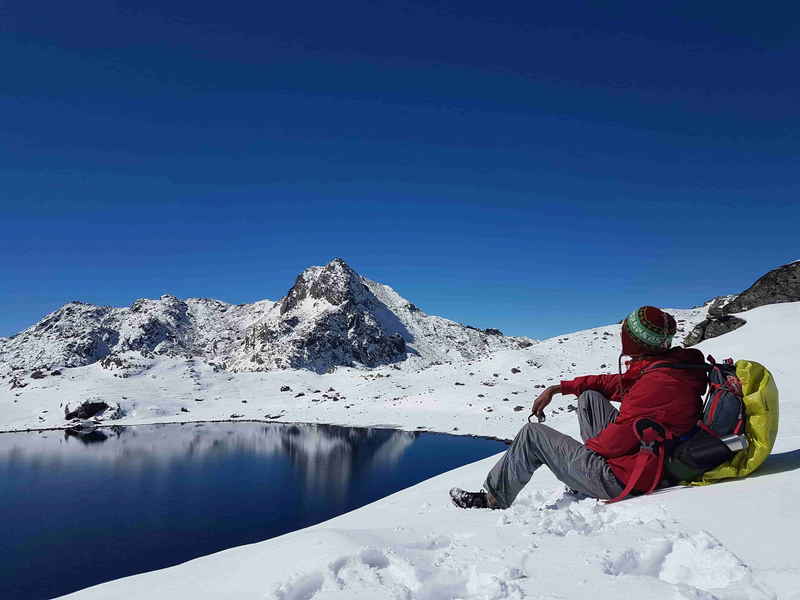
Trekkers planning their Himalayan adventure often default to Everest Base Camp or Annapurna Circuit without considering alternatives that may better suit their time, budget, and experience preferences. The Langtang Valley Trek offers compelling advantages that make it increasingly popular among informed travelers.
The Langtang Himal from Kathmandu accessibility stands out immediately. Unlike Everest treks requiring flights to Lukla (notorious for weather delays and cancellations) or Annapurna routes involving long overland journeys, Langtang starts with a single 7-8 hour drive on increasingly improved roads. This eliminates the stress and expense of mountain flights while providing scenic journey through terraced farmlands and riverside valleys. "Experienced trekkers seeking technical challenge can attempt the Ganja La Pass Trek, crossing a demanding 5,122m pass that connects Langtang to the Helambu region."
Langtang Valley and other treks
| Factor |
Langtang Valley |
Everest Base Camp |
Annapurna Base Camp |
| Duration |
8-10 days |
12-14 days |
10-12 days |
| Max Altitude |
4,984m (Tserko Ri) |
5,364m |
4,130m |
| Flights Required |
None |
Yes (Lukla) |
Optional |
| Trail Traffic |
Low-Moderate |
Very High |
High |
| Package Cost |
$499-800 |
$1,200-1,800 |
$900-1,400 |
| Difficulty |
Moderate |
Challenging |
Moderate |
| Cultural Focus |
Tamang Buddhist |
Sherpa Buddhist |
Gurung Hindu/Buddhist |
| Crowding |
Quiet trails |
Very crowded |
Crowded |
The Langtang Trek Package delivers maximum value for budget-conscious trekkers without compromising experience quality. Lower costs stem from ground transportation, shorter duration, and less-developed tourism infrastructure that hasn't inflated prices to Everest levels. Yet accommodation remains comfortable, food plentiful, and mountain views equally spectacular.
Why Trekkers Choose Langtang:
- Time efficiency: Complete a genuine Himalayan trek in 8 days including travel
- Cost savings: 30-50% less expensive than Everest or Annapurna equivalents
- Authentic culture: Tamang villages maintain traditional lifestyles and customs
- Quieter experience: Far fewer trekkers means personal connection with landscape
- Easier logistics: No flight complications or weather-delay buffers needed
- Environmental impact: Lower-traffic trail system reduces ecological pressure
- Community support: Tourism revenue directly benefits earthquake-affected villages
The moderate difficulty makes the Langtang Valley Trek Guide recommendations accessible to prepared first-time Himalayan trekkers. While Everest Base Camp demands exceptional fitness and altitude tolerance, Langtang's lower maximum sleeping altitude (3,870m vs 5,164m at Gorak Shep) significantly reduces altitude sickness risk while still providing challenging high-altitude exposure.
Cultural immersion distinguishes Langtang from more commercialized routes. Tamang communities in villages like Langtang and Kyanjin Gompa welcome trekkers into their Buddhist traditions with genuine warmth rather than transactional tourism relationships. You'll witness daily rituals at ancient monasteries, sample traditional yak cheese produced in century-old methods, and stay in family-run teahouses where conversation flows naturally.
Perfect for These Trekkers:
- First-time Himalayan visitors wanting authentic experience without extreme difficulty
- Budget travelers maximizing adventure within financial constraints
- Time-limited travelers with 7-10 day vacation windows
- Photographers seeking uncrowded viewpoints and genuine cultural scenes
- Environmentally conscious travelers preferring lower-impact routes
- Those specifically interested in Tamang Buddhist culture and traditions
Consider Alternatives If:
- You specifically want the Everest Base Camp achievement and name recognition
- Luxury accommodation and extensive amenities are non-negotiable
- Very limited fitness or unwillingness to prepare physically
- Preference for warmer lowland temperatures over alpine conditions
- Desire for highly developed tourist infrastructure and services
The 2015 earthquake devastated Langtang Village, killing hundreds and destroying much of the settlement. The community has since rebuilt with extraordinary resilience, relocating slightly and constructing earthquake-resistant lodges. Choosing the Langtang Valley Trek in Nepal directly supports this recovery, making your adventure meaningful beyond personal achievement.
Langtang Valley Trek Cost and Package Details (2026 Update)
Understanding the Langtang Valley Trek Cost and Itinerary financial breakdown helps budget planning and package value assessment. Costs vary significantly based on group size, service level, season, and whether you trek independently or join organized packages.
The Langtang Trek Package market offers options from budget independent trekking ($450-600) to premium full-service packages ($800-1,200). Mid-range guided packages ($599-750) represent the best value balance, including essential services while maintaining reasonable pricing.
General Cost Ranges:
| Trek Style |
Cost Range |
What's Included |
Best For |
| Budget Independent |
$450-600 |
Permits, accommodation, food only |
Experienced trekkers, flexible schedules |
| Standard Guided |
$599-800 |
Guide, permits, accommodation, meals, transport |
Most trekkers, first-timers |
| Premium Package |
$800-1,200 |
All standard plus porter, better lodges, extras |
Comfort-focused travelers |
| Trek Style |
Cost Range |
What's Included |
Best For |
| Budget Independent |
$450-600 |
Permits, accommodation, food only |
Experienced trekkers, flexible schedules |
| Standard Guided |
$599-800 |
Guide, permits, accommodation, meals, transport |
Most trekkers, first-timers |
Our 8-Day Langtang Valley Trek Package: USD $599 Per Person
Our comprehensive Langtang Valley Trek Package provides complete logistics for $599 per person (based on minimum 2 people). This mid-range pricing delivers professional guiding, quality accommodation, and ethical treatment of staff while keeping costs accessible for budget-conscious travelers.
Cost Breakdown Analysis
Understanding where your money goes demonstrates package value and helps independent trekkers budget accurately.
Typical 8-Day Trek Cost Components:
- Permits: $30-40 (Langtang National Park + TIMS)
- Transportation: $30-40 (Kathmandu-Syabrubesi round trip bus)
- Accommodation: $60-90 (7-8 nights at $8-12 per night average)
- Food: $200-280 (Meals $25-35 daily for 8 days)
- Guide fee: $240-280 ($30-35 per day for 8 days)
- Guide accommodation/food: Included in your teahouse bills
- Miscellaneous: $50-100 (charging, showers, tips, extras)
- Total independent cost: $610-830
The organized package at $599 delivers comparable value while eliminating logistical hassles, providing professional guidance, ensuring ethical treatment of staff, and offering emergency support if needed.
Factors Affecting Cost:
- Group size: Solo trekkers pay premium; groups of 4+ reduce per-person costs
- Season: Peak season (October-November, April-May) commands higher prices
- Service level: Porter support adds $160-200 to total costs
- Accommodation quality: Budget lodges vs. better rooms with attached bathrooms
- Food choices: Dal bhat (unlimited refills) vs. western menu items
- Extras: Hot showers ($2-3), device charging ($2-3), WiFi ($3-5 daily)
Budget-conscious trekkers can reduce costs further by sharing rooms, choosing dal bhat meals (best value with unlimited refills), minimizing hot showers and device charging, bringing water purification instead of buying bottled water, and trekking in shoulder seasons (March, September) when prices drop slightly.
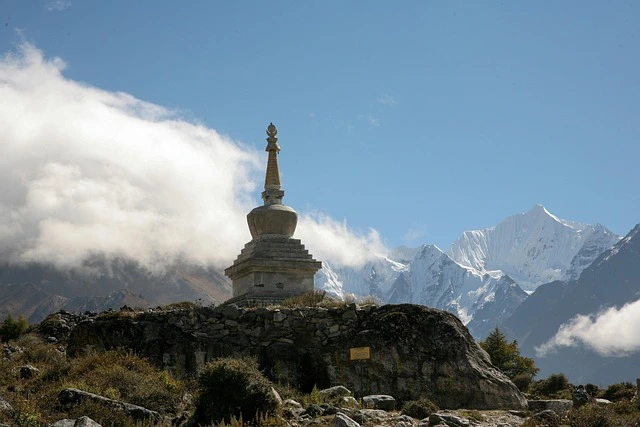
Langtang Valley Trek Elevation Profile and Difficulty Assessment
The Langtang Valley Trek Elevation progression requires understanding for proper physical preparation and realistic expectations. The trek's moderate difficulty rating applies to the overall journey, though specific sections demand significant physical effort and altitude tolerance.
Elevation and Difficulty
| Location |
Altitude |
Elevation Gain/Loss |
Difficulty Rating |
| Syabrubesi |
1,550m |
Starting point |
Easy |
| Lama Hotel |
2,470m |
+920m gain |
Moderate |
| Langtang Village |
3,430m |
+960m gain |
Moderate-Challenging |
| Kyanjin Gompa |
3,870m |
+440m gain |
Easy-Moderate |
| Tserko Ri |
4,984m |
+1,114m gain |
Challenging-Strenuous |
| Back to Lama Hotel |
2,470m |
-1,400m loss |
Moderate (knee stress) |
| Back to Syabrubesi |
1,550m |
-920m loss |
Easy-Moderat |
The maximum elevation of 4,984 meters at Tserko Ri places you in the "high altitude" category where oxygen availability drops to approximately 55% of sea level. The highest sleeping altitude at Kyanjin Gompa (3,870m) sits below the critical 4,000-meter threshold where altitude sickness becomes significantly more common, making this trek more manageable than higher routes.
Total Elevation Statistics:
- Net elevation gain: 3,434m (Syabrubesi to Tserko Ri summit)
- Cumulative elevation gain: ~4,500-5,000m (including all ups and downs)
- Maximum single-day gain: 1,114m (Kyanjin Gompa to Tserko Ri)
- Average daily walking: 5-6 hours (range 3-7 hours)
- Longest day: Day 5 Tserko Ri summit (5-6 hours)
- Total trekking distance: ~70km (approximately 45km ascent, 25km descent)
Difficulty Level Breakdown
The Langtang Valley Trek Guide difficulty assessment considers multiple factors beyond simple altitude numbers: daily duration, terrain type, weather exposure, and acclimatization pacing all contribute to overall challenge.
Physical Demands:
- Ability to walk 5-7 hours daily on uneven terrain
- Comfortable hiking uphill 3-4 hours consecutively
- Capacity to climb 30-50 flights of stairs without significant distress
- Healthy knees for sustained descents on stone steps
- Basic coordination for stream crossings and rocky sections
- Mental resilience for basic accommodation and changing weather
Most Challenging Sections:
- Day 3 to Langtang Village: Sustained 960m climb over 5-6 hours
- Day 5 Tserko Ri summit: 1,114m gain at altitude above 4,500m
- Day 6 descent: Long downhill stressing knees and joints
The moderate overall rating makes this trek accessible to prepared beginners, but "moderate" doesn't mean "easy." You'll work hard, breathe heavily at altitude, and feel thoroughly exercised each evening. However, no technical climbing, rope work, or mountaineering skills are required—just fitness, determination, and proper preparation. "Learn comprehensive prevention strategies in our altitude sickness prevention guide."
Acclimatization Strategy and Altitude Sickness Prevention
Proper acclimatization distinguishes successful treks from miserable experiences or dangerous situations. The Langtang Trek Itinerary 8 Days incorporates smart pacing that allows gradual altitude adjustment, significantly reducing altitude sickness risk.
Acclimatization Built Into Itinerary:
- Day 2: Sleep at 2,470m after starting at 1,550m (920m gain, comfortable pace)
- Day 3: Sleep at 3,430m (960m gain, appropriate but noticeable)
- Day 4: Sleep at 3,870m (only 440m gain, acclimatization day)
- Day 5: Climb to 4,984m but return to sleep at 3,870m ("climb high, sleep low")
The classic mountaineering principle "climb high, sleep low" is perfectly demonstrated on Day 5. You push to 4,984 meters for summit experience but return to sleep at 3,870 meters, allowing your body to process the altitude exposure while recovering in thicker air.
Essential Acclimatization Practices:
- Hydrate 3-4 liters daily above 2,500m (clear urine indicates proper hydration)
- Avoid alcohol above 3,000m (dehydrates and masks symptoms)
- Walk slowly with deliberate "bistari bistari" (slowly slowly) pacing
- Eat regular carbohydrate-rich meals even when appetite decreases
- Report any symptoms immediately to guide (don't hide problems)
- Consider Diamox prophylaxis (consult physician before trek)
- Rest properly during short walking days
- Never ascend with altitude sickness symptoms
Altitude Sickness Warning Signs:
- Persistent headache unrelieved by standard pain medication
- Nausea or vomiting
- Loss of appetite lasting multiple meals
- Extreme fatigue or weakness
- Dizziness or lightheadedness at rest
- Difficulty sleeping or breathing during sleep
- Loss of coordination or confusion
If symptoms develop and don't improve with rest and hydration, immediate descent is the only reliable cure. Your guide monitors all group members daily and maintains authority to adjust itinerary or arrange evacuation if necessary. The relatively close road access means helicopter evacuation (if required) is faster and cheaper than from remote treks like Everest.
Is Langtang Valley Trek Suitable for Beginners?
Yes, with important qualifications. The Langtang Valley Trek represents one of Nepal's most suitable introductions to high-altitude Himalayan trekking for properly prepared beginners. The moderate difficulty, teahouse accommodation, no-flight logistics, and lower maximum sleeping altitude make it accessible to first-timers who invest in physical preparation.
Beginner-Friendly Factors:
- Gradual altitude gain allows progressive acclimatization
- Well-maintained trails with clear paths (no navigation challenges)
- Comfortable teahouse accommodation (no camping required)
- Professional guiding ensures safety and proper pacing
- Road access provides faster evacuation if problems arise
- Shorter duration suits limited vacation time
- No technical skills, ropes, or special equipment needed
Essential Prerequisites for Beginners:
- 6-8 weeks pre-trek fitness training (cardiovascular exercise, hiking practice)
- Comfortable walking 5-7 hours with daypack
- Basic outdoor experience (camping, hiking, multi-day trips helpful)
- Realistic expectations about basic accommodation and simple food
- Willingness to listen to guide advice and trek at conservative pace
- Proper travel insurance including helicopter evacuation coverage
- Quality equipment and appropriate clothing layers
Beginners Should Skip Langtang If:
- Unable or unwilling to walk 5+ hours daily
- Expecting luxury accommodation standards
- Serious uncontrolled health conditions (heart, respiratory)
- Zero previous outdoor or hiking experience
- Unwilling to physically prepare for 6-8 weeks pre-trek
First-time Himalayan trekkers often ask about extending to a 10-day itinerary for extra acclimatization. This option adds security through slower pacing and provides buffer days for weather or slower-than-expected progress. The $599 package can be customized to 10 days for an additional modest cost.
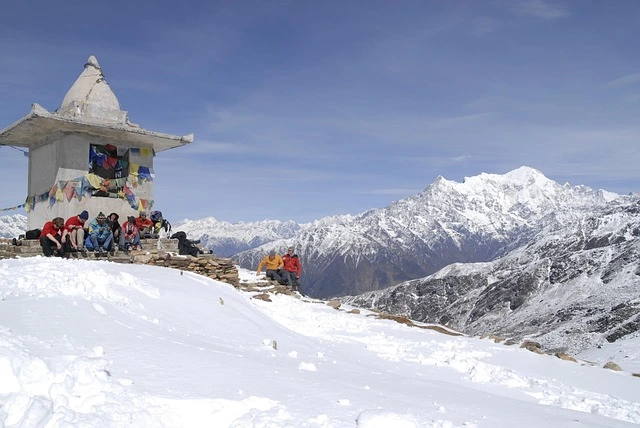
Best Time for Langtang Valley Trek – Season Comparison
Timing dramatically impacts your Langtang Valley Trek experience. Nepal's seasonal patterns create distinct trekking windows, each offering unique advantages and challenges.
Autumn Season (September-November): Peak Conditions
Autumn represents Nepal's most popular trekking season, and for good reasons. The post-monsoon period delivers crystal-clear visibility, stable weather patterns, and comfortable temperatures that create near-perfect trekking conditions.
Why Autumn Excels:
- Visibility: Post-monsoon air washing creates exceptional mountain clarity
- Weather: Most stable patterns with minimal precipitation
- Temperature: Comfortable daytime (15-20°C), cold but manageable nights (-5 to -10°C at Kyanjin Gompa)
- Trail conditions: Dry paths, excellent footing
- Flora: Golden grasslands, clear skies enhance photography
- Festivals: Dashain and Tihar celebrations add cultural richness
Autumn Considerations:
- Peak season: Higher prices, more trekkers (though Langtang remains less crowded than Everest/Annapurna)
- Booking: Popular dates fill quickly, advance reservation recommended
- Temperature: Cold nights at altitude require quality sleeping bags
- Crowds: October especially busy, early November offers balance
Seasonal Comparision
| Autumn Factors |
September |
October |
November |
| Visibility |
Very Good |
Excellent |
Excellent |
| Day Temp |
18-22°C |
15-20°C |
12-18°C |
| Night Temp (Kyanjin) |
0 to -5°C |
-5 to -10°C |
-10 to -15°C |
| Rainfall |
Occasional early month |
Minimal |
Rare |
| Trail Traffic |
Moderate |
High |
Moderate |
| Overall Rating |
★★★★☆ |
★★★★★ |
★★★★★ |
Spring Season (March-May): Rhododendron Blooms
Spring offers Langtang's second optimal window, bringing warming temperatures, increasing daylight hours, and the spectacular rhododendron blooms that transform mid-elevation forests into colorful wonderlands.
Spring Advantages:
- Flora: Rhododendron blooms (March-April) paint forests red, pink, white
- Temperature: Warmer than autumn, especially pleasant at lower elevations
- Daylight: Longer days provide flexible scheduling
- Wildlife: More active after winter, bird migration visible
- Weather: Generally good, improving through season
- Crowds: Moderate, less than autumn peak
Spring Challenges:
- Visibility: Slightly hazier than autumn, afternoon clouds more common
- Weather: Occasional pre-monsoon showers late May
- Pollen: Higher levels may affect allergy sufferers
- Afternoon clouds: Morning starts recommended for clearest views
- Warming: Late May can feel hot at lower elevations
| Spring Factors |
March |
April |
May |
| Visibility |
Good |
Very Good |
Good |
| Day Temp |
15-20°C |
18-25°C |
20-28°C |
| Night Temp (Kyanjin) |
-5 to 0°C |
0 to 5°C |
3 to 8°C |
| Rainfall |
Minimal |
Occasional |
Increasing late month |
| Rhododendrons |
Beginning |
Peak bloom |
Fading |
| Overall Rating |
★★★★☆ |
★★★★★ |
★★★★☆ |
Monsoon Season (June-August): Off-Peak Adventure
Summer monsoon brings heavy rainfall, making this Langtang's least popular season. However, adventurous trekkers willing to accept challenges find unique rewards: dramatically lower costs, nearly empty trails, and lush green landscapes.
Monsoon Realities:
- Rain: Frequent, often heavy afternoon/evening downpours
- Visibility: Mountains obscured by clouds most days
- Leeches: Active below 3,000m, particularly annoying
- Trails: Muddy, slippery, stream crossings more challenging
- Landslides: Road access occasionally blocked
- Accommodation: Some teahouses close due to low traffic
Monsoon Advantages:
- Costs: 20-30% lower than peak season
- Solitude: Nearly empty trails, authentic experience
- Flora: Lush green forests, wildflowers blooming
- Budget: Best rates for budget-conscious trekkers
- Cultural: More genuine local interaction without crowds
Only experienced trekkers comfortable with uncertainty, rain gear, and compromised views should consider monsoon trekking. The Langtang Valley Trek Latest accessibility improvements mean road access usually remains passable, but landslide delays occur occasionally.
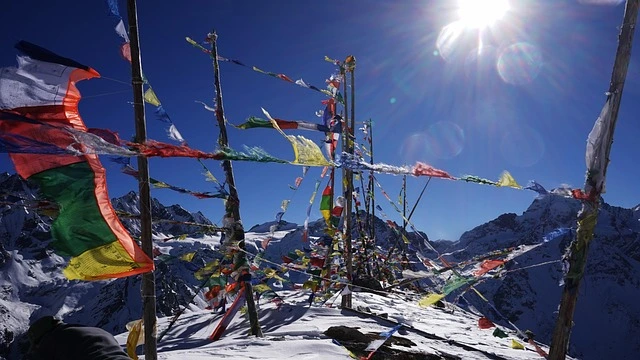
Winter Season (December-February): Cold but Clear
Winter brings extreme cold and potential snow, making it challenging but rewarding for properly equipped trekkers. Clear skies rival autumn visibility, though frigid temperatures and shortened days demand respect.
Winter Characteristics:
- Visibility: Crystal clear, often surpassing autumn
- Temperature: Very cold, especially nights (-15 to -20°C at Kyanjin Gompa)
- Snow: Possible above 3,500m, Tserko Ri may be inaccessible
- Crowds: Very few trekkers, genuine solitude
- Costs: Lower than peak seasons
- Challenges: Cold testing, some lodges closed
Winter trekking suits only those with cold-weather experience, quality gear (-15°C rated sleeping bags minimum), and flexibility to adjust plans based on snow conditions.
Seasonal Recommendation
Best overall: October for ultimate conditions, April for blooms and warmth
Budget travelers: June-September (monsoon) or December-February (winter)
Photographers: October-November for clarity, March-April for color
Solitude seekers: January-February or June-August
First-timers: October or April when conditions favor success
Langtang National Park: Conservation and Biodiversity
Understanding Langtang National Park transforms your trek from simple physical challenge into meaningful engagement with one of Nepal's most important conservation areas. The park protects extraordinary ecological diversity, endangered species, and traditional cultural practices within its 1,710 square kilometers.
Established in 1976 as Nepal's first Himalayan national park, Langtang safeguards an exceptional vertical gradient from 1,000 meters to Langtang Lirung's 7,227-meter summit. This 6,227-meter elevation range encompasses multiple climate zones from subtropical to alpine tundra, creating habitat diversity that supports remarkable biodiversity.
Park Statistics:
- Total protected area: 1,710 sq km core + 420 sq km buffer zone
- Elevation range: 1,000m to 7,227m (over 6,200m vertical)
- Location: Rasuwa and Nuwakot Districts, Bagmati Province
- Borders: Tibet (China) to north, buffer zones to south
- Major peaks: Langtang Lirung (7,227m), Gangchenpo (6,387m), Dorje Lakpa (6,966m)
- Established: 1976 (Nepal's first Himalayan protected area)
Wildlife and Biodiversity
Langtang National Park protects approximately 1,000 plant species, 250 bird species, and 46 mammal species across its diverse elevation zones. The park holds particular conservation significance for endangered Himalayan fauna including red pandas, snow leopards, Himalayan black bears, and musk deer.
Notable Mammal Species:
- Red panda: Endangered icon, bamboo forest habitat 2,500-4,000m
- Himalayan black bear: Occasionally spotted, forest zones
- Himalayan tahr: Wild goat, rocky terrain above treeline
- Musk deer: Rare and shy, forested areas
- Snow leopard: Extremely rare, highest elevations (rarely seen)
- Yellow-throated marten: Occasionally visible, forest hunter
- Langur monkeys: Common at lower elevations
- Himalayan pika: Small rabbit relative, alpine zones
The red panda population makes Langtang particularly significant for global conservation efforts. These elusive creatures (unrelated to giant pandas) inhabit bamboo-rich forests between 2,500-4,000 meters—exactly the elevation zone you'll trek through between Syabrubesi and Kyanjin Gompa. Dawn and dusk offer best sighting opportunities, though encounters remain rare. Your guide knows likely areas and can identify tracks and feeding signs.
Bird Diversity:
- Blood pheasant, Impeyan pheasant (national bird of Nepal)
- Himalayan griffon, lammergeier (bearded vulture)
- Snow partridge, red-billed chough
- Diverse warbler, thrush, and finch species
Flora and Forest Zones
Vegetation zones transition dramatically with elevation, creating distinct ecological communities visible during your trek.
Forest Succession by Altitude:
- 1,000-2,000m: Subtropical forest (oak, laurel, maple)
- 2,000-3,000m: Temperate forest (rhododendron, oak, hemlock, bamboo)
- 3,000-4,000m: Alpine scrub (juniper, rhododendron, birch)
- 4,000-5,000m: Alpine meadows and tundra
- Above 5,000m: Barren, high-altitude desert
Rhododendron forests between 2,500-3,500 meters create spectacular spring displays when Nepal's national flower blooms in shades of red, pink, and white (March-April). The Langtang Valley particularly excels in rhododendron diversity with multiple species creating colorful forest canopies.
Cultural Heritage and Tamang Communities
Langtang National Park protects not only natural ecosystems but also the traditional territories and cultural practices of Tamang Buddhist communities who have inhabited these valleys for centuries. Villages like Langtang and Kyanjin Gompa maintain traditional lifestyles, architectural styles, and religious practices that provide trekkers with authentic cultural immersion.
The Tamang people trace their origins to Tibetan Buddhist traditions, speaking a Tibeto-Burman language and practicing Buddhism integrated with ancient Bon spiritual beliefs. Stone houses with ornately carved wooden windows, ancient monasteries, prayer walls, and spinning prayer wheels mark the cultural landscape you'll traverse.
Cultural Conservation Efforts:
- Traditional stone architecture preservation
- Monastery maintenance and religious practice continuation
- Yak cheese production using century-old methods
- Tibetan Buddhist rituals and festivals
- Traditional weaving and handicraft skills
- Indigenous plant use and traditional medicine knowledge
Your permit fees and tourism spending directly support both conservation efforts and local community development, making your trek meaningful beyond personal achievement.
Permits and Regulations for Langtang Valley Trek (2026 Update)
Trekking in the Langtang Region Trek requires specific permits and adherence to updated regulations, all handled by your trekking agency when joining organized packages.
Required Permits
| Permit Type |
Cost |
Issuing Authority |
Validity |
| Langtang National Park Entry |
NPR 3,000 (~$23) |
Department of National Parks |
Trek duration |
| TIMS Card (Group) |
NPR 1,000 (~$8) |
Nepal Tourism Board |
Trek duration |
| TIMS Card (Individual) |
NPR 2,000 (~$15) |
Nepal Tourism Board |
Trek duration |
Total permit cost: Approximately $30-40 USD depending on trekking style (group vs. independent). These fees are included in the $599 package price.
The Langtang Valley Trek Latest permit regulations remain stable, though procedures occasionally update. The TIMS (Trekkers' Information Management System) card requirement helps authorities track trekkers for safety and rescue coordination if necessary.
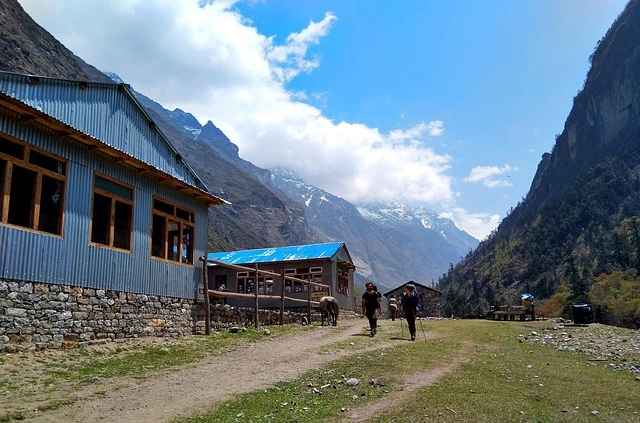
Latest Infrastructure Updates (2026)
Road Improvements:
- Kathmandu-Syabrubesi road fully paved, reducing journey to 7-8 hours
- More comfortable buses with better suspension
- Year-round accessibility
Trail and Lodge Upgrades:
- Earthquake-damaged sections fully reconstructed
- Langtang Village rebuilt with earthquake-resistant construction
- Solar panels provide electricity at most lodges
- Mobile network coverage extended to Kyanjin Gompa
- WiFi available at major stops ($3-5 daily)
These improvements enhance comfort and safety while maintaining authentic Himalayan character.
Who Should Choose the Langtang Valley Trek?
Perfect For:
First-Time Himalayan Trekkers: Lower maximum sleeping altitude (3,870m vs. 5,164m at Everest) with gradual acclimatization makes this ideal for prepared beginners.
Time-Limited Travelers: Efficient 8-day itinerary fits standard vacation windows without flight delays.
Budget Adventurers: $599-800 packages cost 30-50% less than Everest/Annapurna while delivering comparable scenery.
Cultural Seekers: Authentic Tamang Buddhist communities with less commercial pressure than mainstream routes.
Photographers: Uncrowded viewpoints—sunrise at Tserko Ri shared with 5-10 people vs. 100+ at Everest spots.
Consider Alternatives If:
- Specifically wanting Everest Base Camp's global recognition
- Requiring luxury accommodation and extensive amenities
- Unable to walk 5-7 hours daily or unwilling to prepare physically
- Strongly dislike cold temperatures
- Prefer established tourist infrastructure over authentic simplicity
"Trekkers seeking even greater solitude can explore the nearby Ganesh Himal Trek, a remote wilderness route through virtually untouched Tamang villages."
Packing Essentials for Langtang Valley Trek
Porters carry main bags (10-12kg), you carry only daypacks during trekking.
Clothing Essentials:
Base & Insulation Layers:
- 2-3 moisture-wicking t-shirts (synthetic/merino wool)
- 2 trekking pants, 1 thermal underwear
- 4-5 pairs of trekking socks, 4-5 pairs of underwear
- Fleece jacket and down/insulated jacket (essential)
- Waterproof shell jacket and rain pants
Accessories:
- Warm beanie, sun hat, lightweight + insulated gloves
- Neck gaiter, UV sunglasses (category 3-4)
Footwear:
- Broken-in waterproof trekking boots (ankle support essential)
- 2 pairs of trekking socks
- Lightweight camp shoes (sandals/crocs)
Critical: Break in boots 50+ km before trek. Blisters ruin experiences.
Equipment:
Bags:
- 60-80L duffel for porter carrying
- 25-35L daypack (you carry daily)
Technical Gear:
- Headlamp with extra batteries (pre-dawn starts)
- 2-3 water bottles, purification tablets
- Trekking poles (reduce knee stress 30%)
- Sleeping bag (-15°C minimum, -20°C winter)
Personal Items:
- Toiletries: Toothbrush, biodegradable soap, quick-dry towel, toilet paper, hand sanitizer
- Sun protection: SPF 50+ sunscreen, lip balm, moisturizer
- Medications: Altitude meds (Diamox if prescribed), pain relievers, anti-diarrheal, antibiotics, blister treatment
Documents & Money:
- Passport, Nepal visa, travel insurance details, passport photos
- Cash in Nepali Rupees (small denominations)
- USD backup, credit card (Kathmandu only)
No ATMs beyond Kathmandu. Bring sufficient cash plus 20% buffer. Budget $10-15 daily for extras.
What NOT to Bring:
- Cotton clothing, excessive electronics, valuables, hair dryer, perfumes
Total weight: 12-15kg in duffel, 5-7kg in daypack.
Why Book With Himalayan Hero Adventures
Our Specialized Strengths:
Local Expertise: Guides from the Rasuwa district with family connections to the Tamang communities, speaking the local language and maintaining teahouse relationships.
Post-Earthquake Support: Continuous presence since 2015, ensuring tourism revenue supports community recovery.
Safety Standards: All guides hold Nepal Tourism Board licenses, wilderness first aid certification, and insurance. 99% trek completion rate, zero serious incidents.
Ethical Treatment: Fair porter wages, proper equipment, 20kg weight limits enforced, comprehensive insurance, respectful team treatment.
Small Groups: Maximum 10 trekkers for personalized attention and an intimate atmosphere.
Quality Commitments:
- 24/7 Kathmandu support during trek
- Emergency evacuation protocols
- Transparent pricing—no hidden fees
- Environmental awareness and waste management
- 4.9/5 average rating, 15% repeat client rate
Guides handle all logistics—navigation, lodges, weather, altitude monitoring, cultural interpretation. You simply walk and enjoy.
Booking Process
Step 1: Contact us with dates and participant number—24-hour response
Step 2: Pay 25% deposit ($150/person) via bank transfer, PayPal, or credit card
Step 3: Receive packing list, preparation guide, and insurance requirements
Step 4: Balance payment (75%) upon Kathmandu arrival
Step 5: Pre-trek briefing evening before departure