Makalu Base Camp Trek
Trip Duration
14 Days
Location
--
Grading
--
Best Season
Oct-Nov-Dec/Mar-Apr-May
Max Altitude
4840m
Starts from
Kathmandu
Ends at
Kathmandu

Makalu Base Camp Trek – 14 Days Complete Package Guide

Journey to the base of the world's fifth-highest mountain through the sacred Barun Valley — one of Nepal's most remote and pristine wilderness corridors, where fewer than 500 trekkers venture annually.

Makalu Base Camp Trek – Overview

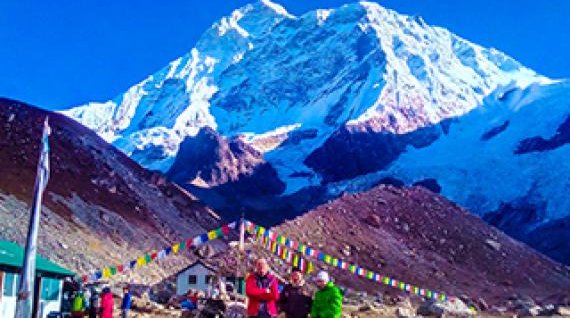
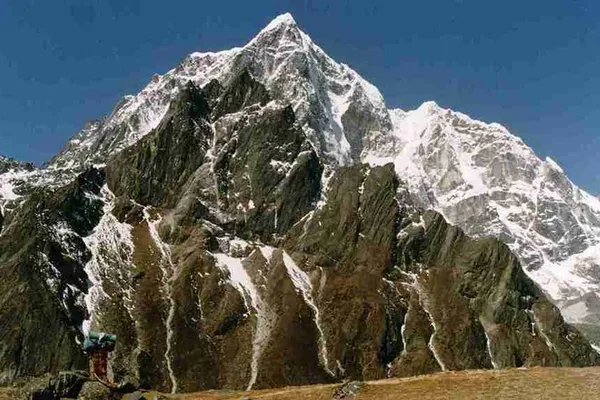
The Makalu Base Camp trek takes you to the foot of the world's fifth-highest mountain (8,485m) through one of the last true wilderness areas in the Himalaya. This 14-day journey through Makalu Barun National Park delivers what mainstream trekking routes cannot: genuine remoteness, extraordinary biodiversity, and mountain panoramas witnessed by only a handful of trekkers each year.

Unlike the well-worn paths of the Khumbu or Annapurna regions, the Makalu Base Camp trail threads through the Barun Valley — a glacially carved corridor largely untouched by commercial tourism. The trek culminates at 4,870 meters, where the southeast face of Makalu towers overhead.

What Makes This Trek Exceptional:

  • Fewer than 500 international trekkers annually (versus 50,000+ at Everest Base Camp)
  • Passage through the sacred Barun Valley and Makalu Barun National Park
  • Views of four 8,000-meter peaks: Makalu, Everest, Lhotse, Baruntse
  • Diverse ecosystems from subtropical forest to high alpine terrain
  • Indigenous Rai, Limbu, and Sherpa communities along the trail
  • No airport crowds or permit queues — authentic Himalayan solitude

This 14-day Makalu Base Camp trek itinerary balances efficient travel with adequate acclimatization, taking you from the Arun River valley to the glacial amphitheater beneath Makalu's summit.

Makalu Base Camp Itinerary Summary

Day Route Altitude Highlights
Day 1 Arrive Kathmandu 1,300m Airport transfer, trek briefing
Day 2 Fly Tumlingtar → Drive Num 1,772m Scenic flight, Arun Valley drive
Day 3 Num → Tashi Gaon 2,100m Descend to Arun River, climb to village
Day 4 Seduwa → Tashigaon 2,100m Forest trail, Rai village culture
Day 5 Tashigaon → Khongma Danda 3,500m Major altitude gain, rhododendron forest
Day 6 Khongma Danda → Dobate 3,650m Ridge walking, mountain views emerge
Day 7 Dobate → Yangri Kharka 3,557m Enter Barun Valley, alpine meadows
Day 8 Yangri Kharka → Langmale Kharka 4,410m High altitude terrain, Makalu views
Day 9 Langmale Kharka → Makalu Base Camp 4,870m Summit day, glacier approach
Day 10 Exploration Day at Base Camp 4,870m Acclimatization, viewpoint hikes
Day 11 Makalu Base Camp → Yangri Kharka 3,557m Descent begins, altitude relief
Day 12 Yangri Kharka → Tashigaon 2,100m Long descent, forest zones
Day 13 Tashigaon → Tumlingtar 460m Final trek, vehicle connection
Day 14 Tumlingtar → Kathmandu 1,300m Flight return, departure

Why Choose the Makalu Base Camp Trek

Many trekkers overlook the Makalu region, drawn to the familiar names of Everest and Annapurna. Yet those who venture to Nepal's eastern wilderness discover experiences that popular routes cannot deliver.

The Makalu Advantage

Key Benefits of the Makalu Route:

  • Authentic wilderness immersion away from teahouse tourism
  • Deep cultural encounters with Rai, Limbu, and Sherpa communities
  • World-class mountain photography with no competing trekkers
  • Pristine ecosystems within Makalu Barun National Park
  • Connection to early Himalayan exploration history

Who Should Choose Makalu Base Camp Trek

Ideal for: Experienced high-altitude trekkers, wilderness seekers, wildlife enthusiasts, cultural travelers, photographers seeking uncrowded viewpoints

Consider alternatives if: No prior high-altitude experience, comfortable teahouse accommodation essential, limited physical fitness, strict timelines

Why Choose Makalu Trekking

Factor Makalu Base Camp High-Traffic Treks
Annual Trekkers ~500 30,000-50,000
Trail Traffic Very Low Moderate to High
Accommodation Basic teahouses Established lodges
Difficulty Grade Strenuous Moderate

Makalu Barun National Park: The Sacred Barun Valley

Understanding Makalu Barun National Park transforms this trek into an ecological pilgrimage through one of the Himalaya's most biologically diverse areas.

Geography and Conservation

Makalu Barun National Park encompasses 1,500 square kilometers of protected wilderness in Sankhuwasabha District, eastern Nepal. Established in 1992, the park protects an extraordinary vertical gradient from 435 meters to Makalu's summit at 8,485 meters.

Park Facts:

  • Elevation range: 435m to 8,485m
  • Total area: 1,500 sq km (park) + 830 sq km (buffer zone)
  • Location: Sankhuwasabha District, Koshi Province
  • Established: 1992

The Barun Valley — the heart of this trek — was carved by glacial action over millennia and remains one of South Asia's most pristine wilderness corridors.

Biodiversity

Makalu Barun contains approximately 3,128 species of flowering plants, 440 bird species, and 88 mammal species including snow leopard (50-75 individuals), red panda, Himalayan black bear, and musk deer.


Makalu Base Camp Trek Difficulty & Physical Requirements

The Makalu Base Camp trek difficulty is rated strenuous — this is not a beginner's route. The combination of altitude, remoteness, and terrain demands significant preparation and prior experience.

Difficulty Assessment by Section

Days 1-2: Easy Hotel and vehicle travel. Use this time for final gear organization and mental preparation.

Days 3-4: Moderate-Challenging Significant elevation changes through steep terrain. The Day 3 descent and re-ascent provides an early indication of trek demands.

Days 5-6: Challenging Major altitude gain (+1,400m on Day 5). Body begins adjusting to reduced oxygen. Pace becomes critical.

Days 7-9: Strenuous High-altitude terrain with glacial moraine. Maximum exertion required for Base Camp arrival. Altitude effects peak.

Days 10-14: Moderate Descent eases physical demands but remains long. Knee and joint stress from sustained downhill travel.

Physical Fitness Requirements

The Makalu Base Camp trek demands excellent cardiovascular fitness, lower body strength, and mental resilience.

Minimum Fitness Benchmarks:

  • Ability to walk 7-8 hours on uneven terrain
  • Comfortable hiking uphill for 4+ hours with elevation gain
  • Prior high-altitude experience above 4,000m strongly recommended
  • No serious cardiovascular or respiratory conditions
  • Mental preparation for basic facilities and uncertain conditions

Recommended Pre-Trek Preparation (8-12 weeks):

  • Cardiovascular training: Running, cycling, stair climbing 4-5 times weekly
  • Stair climbing: 30-45 minute sessions with loaded pack
  • Hiking with weight: Weekend walks with 8-12kg backpack
  • Leg strength: Squats, lunges, step-ups for ascent/descent endurance
  • Core stability: Planks, balance exercises for uneven terrain

Is Makalu Base Camp Trek Suitable for Beginners?

No — the Makalu Base Camp trek is not recommended for first-time Himalayan trekkers. The combination of remoteness, altitude, and basic facilities creates challenges that require prior experience to manage safely.

Prior Experience Recommended:

  • Previous trek above 4,000m (Everest Base Camp, Annapurna Circuit, or similar)
  • Multi-day wilderness camping experience
  • Comfort with uncertain conditions and schedule flexibility
  • Understanding of altitude sickness symptoms and response

Altitude & Acclimatization Strategy

Altitude management on the Makalu Base Camp trek requires careful attention. The maximum altitude of 4,870m presents moderate acute mountain sickness (AMS) risk that proper acclimatization minimizes.

Day Location Altitude Risk Level
2 Num 1,772m None
3 Tashi Gaon 2,100m Minimal
4 Tashigaon 2,100m Minimal
5 Khongma Danda 3,500m Moderate
6 Dobate 3,650m Moderate
7 Yangri Kharka 3,557m Moderate
8 Langmale Kharka 4,410m High
9-10 Makalu Base Camp 4,870m High

Acclimatization Best Practices

Critical Days: Days 5, 8, and 9 require particular attention. The rapid gain to Khongma Danda (Day 5) and the push to Langmale/Base Camp (Days 8-9) present the highest AMS risk.

Prevention Strategies:

  • Hydrate consistently: 3-4 liters daily above 3,000m
  • Avoid alcohol entirely above 3,000m
  • Walk slowly — "pole pole" (Swahili) or "bistari bistari" (Nepali) — slowly, slowly
  • Eat regular carbohydrate-rich meals even without appetite
  • Report headache, nausea, or unusual fatigue immediately to guide
  • Consider Diamox (acetazolamide) prophylaxis — consult physician before trek

Warning Signs Requiring Attention:

  • Persistent headache not relieved by ibuprofen and rest
  • Nausea or vomiting
  • Loss of appetite beyond normal altitude effects
  • Extreme fatigue or lethargy
  • Confusion or disorientation
  • Difficulty breathing at rest

Your guide monitors group members daily and maintains authority to adjust itinerary or evacuate if AMS symptoms develop.

Best Time for Makalu Base Camp Trek

Timing significantly impacts the Makalu Base Camp trek experience. Two optimal windows exist.

Autumn Season (September-November)

Peak Months: October and November

Autumn offers clearest mountain visibility and most stable weather. Post-monsoon air clarity creates exceptional photography conditions.

Advantages: Clear views (visibility 200km+), stable weather, comfortable daytime temperatures, optimal Base Camp exploration conditions

Considerations: Cold nights (-5 to -15°C at Base Camp), early November may see first snow

Spring Season (March-May)

Peak Months: April and May

Spring brings warming temperatures and spectacular rhododendron blooms in mid-elevation forests.

Advantages: Rhododendron blooms, warmer temperatures, longer daylight, good visibility

Considerations: Increasing afternoon clouds, pre-monsoon rain possible late May

Best Time for Makalu Trekking

Factor Autumn Spring
Visibility Excellent Very Good
Night Temps (BC) -5 to -15°C 0 to -10°C
Flora Golden grasslands Rhododendron blooms

Avoid: Monsoon (June-August) and Winter (December-February) unless experienced.

Makalu Base Camp Trek Permits & Regulations

Trekking in the Makalu region requires multiple permits, all included in package arrangements.

Required Permits

Permit Cost Issuing Authority
Makalu Barun National Park ~USD $23 DNPWC
Makalu Rural Municipality ~USD $15 Local government
TIMS Card ~USD $10-15 Nepal Tourism Board

Guide Requirements

As of April 2023, Nepal requires all trekkers in national parks to be accompanied by licensed guides. Solo trekking without a guide is no longer permitted in the Makalu region.

Role of Guides & Porters

In the remote Makalu region, experienced guides aren't a luxury — they're essential for safety, navigation, and cultural access.

Why Guides Matter on Makalu:

  • Trail markings minimal compared to popular routes
  • Weather changes rapidly with limited shelter
  • Altitude sickness assessment requires experience
  • No cell coverage for much of trek
  • Emergency evacuation coordination if needed

Guide Qualifications (Himalayanhero Standard): Nepal Tourism Board licensed, wilderness first aid trained, multiple Makalu completions, fluent English, local community relationships.

Porter Support: 1 porter per 2 trekkers, maximum 20kg per bag, fair wages and proper equipment provided.

Wildlife and Natural Heritage

Makalu Barun National Park protects extraordinary biodiversity spanning subtropical to alpine ecosystems.

Vegetation Zones

The trek traverses four distinct zones: subtropical sal forest (below 2,000m), temperate oak-rhododendron forest (2,000-3,000m) with prime red panda habitat, subalpine birch-rhododendron scrub (3,000-4,000m), and alpine meadows (above 4,000m) with medicinal herbs and blue sheep grazing.

Wildlife Encounters

Commonly Seen: Himalayan tahr, blue sheep, langur monkeys, diverse pheasants, raptors including lammergeier

Occasionally Seen: Red panda (dawn/dusk), Himalayan black bear, musk deer

Rarely Seen: Snow leopard (present but extremely elusive)

Cultural Encounters Along the Trail

The Makalu region remains home to indigenous communities maintaining traditions developed over centuries.

Indigenous Communities

Rai People: Among Nepal's oldest inhabitants with animist traditions and distinctive festivals.

Limbu People: Closely related to Rai, maintaining distinct language, dress, and religious practices.

Sherpa People: At higher elevations, preserving Tibetan Buddhist traditions with prayer flags, mani walls, and monasteries.

Respectful Behavior: Ask permission before photographing people, walk clockwise around mani walls and chortens, remove shoes in homes or monasteries, accept hospitality graciously, dress modestly in religious sites.


Why Choose Himalayanhero Adventures

For demanding remote treks like Makalu Base Camp, operator selection directly impacts safety and experience quality.

Our Advantages:

  • Guides with multiple Makalu completions understanding regional challenges
  • Emergency communication equipment and evacuation protocols
  • Relationships with Rai, Limbu, and Sherpa communities
  • Leave-no-trace practices and fair porter treatment

Book Your Makalu Base Camp Trek

The Makalu Base Camp trek delivers Nepal's most authentic wilderness experience — genuine remoteness, extraordinary biodiversity, and the profound satisfaction of reaching a destination few travelers ever witness.

This 14-day itinerary provides the careful balance of efficiency and acclimatization that this demanding route requires, with experienced support throughout.

Ready to discover Nepal's hidden Himalayan gem?

📧 [email protected]
📱 WhatsApp: +977 9801127073
🌐 himalayanhero.com

Itinerary


Day 1 Arrive in Kathmandu then transfer to hotel

Your Makalu Base Camp trek begins with arrival at Tribhuvan International Airport. Our representative meets you outside the terminal and transfers you to your hotel in Thamel.

The evening includes a comprehensive trek briefing covering the itinerary, gear verification, and what to expect in the remote Makalu region. This session addresses questions about difficulty, altitude management, and the unique challenges of trekking in eastern Nepal.

Day 1 Highlights:

  • Airport pickup and hotel transfer
  • Trek briefing and gear inspection
  • Permit document collection
  • Equipment rental arrangements (if needed)
  • Team introduction

Day 2 Fly to Tumlingtar (40 -35 minutes) Drive to Num ( 4/5 hours )1772 meters O/N at Tea House

The early morning flight from Kathmandu to Tumlingtar offers stunning aerial views of the eastern Himalaya — weather permitting. Tumlingtar sits in the Arun River valley, Nepal's deepest valley system, carved between the Everest and Kanchenjunga massifs.

From Tumlingtar, a 4-5 hour jeep drive climbs through terraced hillsides and scattered villages to Num, the gateway to the Makalu region. The road is rough but passable, winding through the heartland of Rai agricultural communities.

Day 2 Details:

  • Flight duration: 35-40 minutes
  • Drive duration: 4-5 hours
  • Altitude: 1,772m
  • Terrain: River valley to hillside village
  • Cultural note: Enter Rai ethnic territory
  • Accommodation: Teahouse in Num

Day 3 Num to Tasi Gaon (2100 meters)7/8 Hours O/N at Tea House

The first trekking day descends steeply to the Arun River before climbing equally steeply to Tashi Gaon. This demanding 7-8 hour day introduces the physical reality of Makalu trekking — significant elevation changes through challenging terrain.

The descent passes through terraced farmland and subtropical forest. After crossing the Arun River via suspension bridge, the trail climbs relentlessly through Seduwa village toward Tashi Gaon, a traditional Sherpa settlement marking the transition to higher country.

Day 3 Details:

  • Trek duration: 7-8 hours
  • Distance: Approximately 12 kilometers
  • Elevation change: Descent 900m, ascent 1,200m
  • Terrain: Steep trails, suspension bridge crossing
  • Villages: Seduwa, Tashi Gaon
  • Accommodation: Teahouse in Tashi Gaon

Day 4 Seduwa to Tashigaon (2,100m)

Today's trek continues through the transition zone between the Arun Valley lowlands and the high Barun Valley. The trail passes through mixed forest — rhododendron, oak, and bamboo — that provides habitat for the region's diverse wildlife.

Tashigaon represents the last permanent settlement before the high country. The village's stone houses and terraced fields mark centuries of adaptation to this steep terrain. Take time to observe traditional Sherpa agricultural practices.

Day 4 Details:

  • Trek duration: 5-6 hours
  • Distance: Approximately 10 kilometers
  • Elevation: Maintain at 2,100m
  • Terrain: Forest trail, village paths
  • Cultural highlight: Last permanent village before high country
  • Accommodation: Teahouse in Tashigaon

Day 5 Tashigaon to Khongma Danda (3,500m)

The significant altitude gain today demands careful pacing. The trail climbs 1,400 meters through dense rhododendron forest to Khongma Danda, a ridge settlement with the first major mountain views of the trek.

This section passes through prime red panda habitat — bamboo understory beneath rhododendron canopy. While sightings are rare, the ecological richness is evident in bird activity and forest structure.

Day 5 Details:

  • Trek duration: 6-7 hours
  • Distance: Approximately 8 kilometers
  • Elevation gain: +1,400m
  • Terrain: Steep forest ascent, exposed ridge
  • Wildlife zone: Red panda, Himalayan black bear habitat
  • Flora: Rhododendron forest (spectacular in spring)
  • Accommodation: Basic teahouse at Khongma Danda

Day 6 Khongma Danda to Dobate (3,650m)

The trail traverses the ridge system connecting lower valleys to the Barun watershed. Views improve steadily as forest gives way to alpine scrub. Makalu appears for the first time — distant but commanding.

Dobate offers basic camping facilities at a strategic altitude for acclimatization. The surrounding alpine meadows support grazing yak herds during summer months.

Day 6 Details:

  • Trek duration: 5-6 hours
  • Distance: Approximately 10 kilometers
  • Elevation gain: +150m
  • Terrain: Ridge walking, alpine scrub
  • Mountain views: First clear Makalu sighting
  • Vegetation transition: Forest to alpine meadow
  • Accommodation: Teahouse/camping at Dobate

Day 7 Dobate to Yangri Kharka (3,557m)

Entry into the Barun Valley proper marks a significant transition. The landscape opens dramatically as you descend slightly into the glacially carved corridor leading to Makalu's base.

Yangri Kharka is a seasonal herding settlement with basic shelter. The surrounding meadows host summer grazing, while the valley walls rise steeply toward snow-covered ridges.

Day 7 Details:

  • Trek duration: 5-6 hours
  • Distance: Approximately 11 kilometers
  • Elevation change: -100m (slight descent)
  • Terrain: Alpine meadow, valley floor
  • Key landmark: Enter Barun Valley
  • Cultural note: Seasonal herding settlement
  • Accommodation: Basic shelter/camping at Yangri Kharka

Day 8 Yangri Kharka to Langmale Kharka (4,410m)

The push to high altitude begins in earnest. The 850-meter gain requires careful pacing and attention to hydration. The trail follows the Barun River upstream through increasingly stark terrain.

Langmale Kharka sits at the edge of the glacial zone. Views of Makalu's southeast face dominate the horizon. This camp serves as the final staging point before Base Camp.

Day 8 Details:

  • Trek duration: 6-7 hours
  • Distance: Approximately 9 kilometers
  • Elevation gain: +850m
  • Terrain: High altitude moraine, glacial approach
  • Altitude concern: Above 4,000m — monitor for AMS symptoms
  • Mountain views: Makalu, Chamlang, Peak 6, Peak 7
  • Accommodation: Basic shelter/camping at Langmale Kharka

Day 9 Langmale Kharka to Makalu Base Camp (4,870m)

Summit day on the Makalu Base Camp trek delivers the journey's defining experience. The 460-meter ascent crosses glacial moraine and approaches the Lower Barun Glacier system.

Makalu Base Camp sits in a natural amphitheater beneath the mountain's massive south face. The setting rivals any in the Himalaya — Makalu rises 3,600 meters directly overhead while neighboring peaks frame the horizon in every direction.

Makalu Base Camp Arrival:

  1. Early departure (6:00-7:00 AM): Cool temperatures, stable conditions
  2. Glacial moraine crossing (2-3 hours): Careful navigation required
  3. Base Camp arrival (4,870m): Setup, photography, exploration
  4. Afternoon acclimatization: Short walks, hydration focus
  5. Sunset views: Alpenglow on Makalu's summit pyramid

Day 10 Exploration Day at Makalu Base Camp

A full day at Base Camp allows altitude acclimatization and exploration of this extraordinary environment. Optional hikes to higher viewpoints (up to 5,300m) reward fit trekkers with even more dramatic perspectives.

Exploration Options:

  • Higher viewpoint hike (5,000-5,300m) for enhanced panoramas
  • Lower Barun Glacier exploration
  • Photography of Makalu, Chamlang, Baruntse
  • Rest and acclimatization at Base Camp
  • Mountain weather observation

The exploration day builds important altitude adaptation before the descent while allowing full appreciation of this remarkable location.

Day 11 Makalu Base Camp to Yangri Kharka (3,557m)

Descent begins with a long day dropping 1,300 meters from Base Camp to Yangri Kharka. The altitude loss provides noticeable relief from high-elevation breathing difficulties.

The trail retraces the ascent route, offering new perspectives on terrain covered during the climb. Late afternoon arrival allows rest and recovery.

Day 11 Details:

  • Trek duration: 6-7 hours
  • Distance: Approximately 15 kilometers
  • Elevation loss: -1,313m
  • Terrain: Glacial moraine to alpine meadow
  • Physical note: Long descent, knee stress possible
  • Accommodation: Yangri Kharka

Day 12 Yangri Kharka to Tashigaon (2,100m)

Another substantial descent day drops from alpine meadow back to the forested zone. The 1,457-meter elevation loss spans multiple vegetation bands, from sparse alpine scrub through rhododendron forest to temperate woodland.

Return to Tashigaon provides the first substantial teahouse accommodation since departing the village days earlier.

Day 12 Details:

  • Trek duration: 7-8 hours
  • Distance: Approximately 20 kilometers
  • Elevation loss: -1,457m
  • Terrain: Alpine to temperate forest
  • Villages: Re-enter permanent settlement zone
  • Accommodation: Teahouse in Tashigaon

Day 13 Tashigaon to Tumlingtar

The final trekking day combines trail walking with vehicle transport to return to Tumlingtar airstrip. The trail descends through familiar terrain, passing Seduwa and crossing the Arun River before vehicle connection.

Arrival in Tumlingtar marks trek completion. The evening offers hot showers and celebratory dinner.

Day 13 Details:

  • Trek duration: 6-7 hours plus vehicle
  • Elevation loss: Return to 460m
  • Terrain: Forest descent, river crossing
  • Transport: Vehicle from Num area to Tumlingtar
  • Evening: Celebration dinner, hot shower
  • Accommodation: Guesthouse in Tumlingtar

Day 14 Tumlingtar to Kathmandu, Departure

Morning flight returns to Kathmandu, weather permitting. The 40-minute flight offers final Himalayan views before descent to the capital.

Trek concludes with an airport transfer according to the international flight schedule. For travelers with later departures, optional Kathmandu sightseeing can be arranged.

Day 14 Details:

  • Flight duration: 35-40 minutes
  • Note: Weather delays possible — maintain schedule flexibility
  • Airport transfer included
  • Optional: Kathmandu sightseeing for late flights

Inclusion

  • Pick up and drop from International and domestic airport by privet vacule
  • 3 Star Hotel in Kathmandu with breakfast , Lunch ,Dinner
  • Kathmandu - Tumlingtar - Kathmandu both way flight domestic flight tickets
  • Official trekking guide during the trek with his all personal expenses like Food , Insurance ,Transportation /flight Equipment ,sleep
  • offical Trekking Potter( carry 15 kg max) with his all personal expenses like Food , Insurance ,Transportation /flight Equipment ,sleep
  • Accommodation during the trek with tea or coffee
  • first aid kit for the client,s and our trekking staff
  • All local transportation like bus , jeep ,taxi before trek and after trek
  • Dinner with trekking certificate at end of trekking
  • All government taxes and our service charges.

Exclusion

  • International flight tickets
  • Personal expenses like shopping Tips and drinks
  • Trekking and Travels insurance

FAQs about travel in himalayanhero.com

How difficult is the Makalu Base Camp Trek?

The Makalu Base Camp Trek is a demanding trekking expedition requiring trekkers to walk around 6-8 hours on average on difficult terrains and have very good physical fitness with regular exercising routine. This trek ranks among Nepal's most challenging routes due to: High Altitude: Maximum elevation of 4,870m with rapid altitude gain Technical Terrain: Rocky, loose surfaces and glacial crossings Duration: 14+ days of sustained physical effort Remote Location: Limited rescue options and basic facilities Weather Exposure: Unpredictable mountain weather conditions Recommendation: Only attempt if you have previous high-altitude trekking experience and excellent physical fitness.

How difficult is the Makalu Base Camp Trek?

The Makalu Base Camp Trek ranks among Nepal's most challenging routes, requiring 6-8 hours of daily trekking over technical terrain. You'll face high altitudes up to 4,870m, rocky surfaces, glacial crossings, and unpredictable weather conditions. This demanding expedition requires previous high-altitude experience and excellent physical fitness. Only attempt this trek if you've successfully completed other challenging routes like Everest Base Camp.

What is the best time for Makalu Base Camp Trek?

The optimal seasons for Makalu Base Camp Trekking are spring (March-May) and autumn (September-November). Spring offers stable weather and spectacular rhododendron blooms, while autumn provides crystal-clear mountain views and comfortable temperatures. Avoid monsoon season (June-August) due to dangerous trails and winter (December-February) because of extreme cold and heavy snowfall.

How much does the Makalu Base Camp Trek cost?

Makalu Base Camp Trek cost ranges from $1,200-$3,500+ per person depending on service level. Budget options ($1,200-$1,800) include basic accommodation and local guides. Standard packages ($1,800-$2,500) offer better facilities and English-speaking guides. Premium services ($2,500-$3,500+) provide superior accommodation and comprehensive insurance. Additional costs include flights ($200-300), permits ($60), and personal equipment.

What permits are required for Makalu Base Camp Trek?

You'll need three essential Makalu Base Camp Trek permits: Makalu Barun National Park Permit ($30), TIMS Card ($20), and Restricted Area Permit ($10 per week). Processing requires a valid passport with 6+ months validity, passport photos, and travel insurance documentation. Allow 2-3 days for processing in Kathmandu, and always verify current requirements as regulations can change.

. Is the Makalu Base Camp Trek suitable for beginners?

No, the Makalu Base Camp Trek is NOT suitable for beginners. This expedition demands previous high-altitude trekking experience above 4,000m, exceptional physical fitness, wilderness camping skills, and mental preparation for challenging conditions. Better beginner options include Everest Base Camp, Annapurna Base Camp, or Langtang Valley treks. Complete 2-3 easier high-altitude treks before attempting Makalu Base Camp.

What is the maximum altitude of Makalu Base Camp Trek?

The Makalu Base Camp Trek altitude reaches 4,870 meters (15,978 feet) at base camp. The trek starts at Tumlingtar (400m), passes through Num (1,560m), Tashigaon (2,100m), and Khongma Danda (3,500m) before reaching the highest point. The itinerary includes gradual ascent and rest days for proper acclimatization to minimize altitude sickness risks.

Can I do Makalu Base Camp Trek without a guide?

While technically possible, solo trekking to Makalu Base Camp is strongly discouraged. The remote location offers limited rescue options, indistinct trails, technical river crossings, and communication challenges. Emergency response is difficult, and some permit sections are easier obtained through agencies. Even experienced trekkers should hire local guides for safety, navigation, and authentic cultural insights.

What equipment do I need for Makalu Base Camp Trek?

Essential Makalu Base Camp Trek equipment includes a 4-season sleeping bag (-15°C rating), insulated mountaineering boots, waterproof shell jacket and pants, down insulation layers, and moisture-wicking base layers. Technical gear requires trekking poles, high-altitude sunglasses, headlamp with extra batteries, water purification system, and comprehensive first aid kit. Most equipment is available for rent in Kathmandu, though quality varies.

Are there tea houses on the Makalu Base Camp Trek route?

Tea house availability is extremely limited on the Makalu Base Camp Trek route. Basic tea houses exist from Num to Tashigaon, but options become very scarce above Tashigaon. Higher elevations require camping with basic shelters only. Tea houses are simple with minimal amenities, rare hot showers, and limited food options compared to popular routes. Ensure your agency provides comprehensive camping services.

How physically fit do I need to be for Makalu Base Camp Trek?

Exceptional physical fitness is absolutely required for the Makalu Base Camp Trek. You must handle 6-8 hours of daily trekking for 14+ consecutive days with cardiovascular endurance for high-altitude exertion. Essential fitness includes leg strength for steep terrain, core stability, and mental resilience. Start training 6+ months in advance with cardio, strength training, and practice treks carrying heavy packs. This trek demands significantly more fitness than popular routes like Everest Base Camp.

USD 1474.00 per person

Secure Your Booking with Just 10% Down!