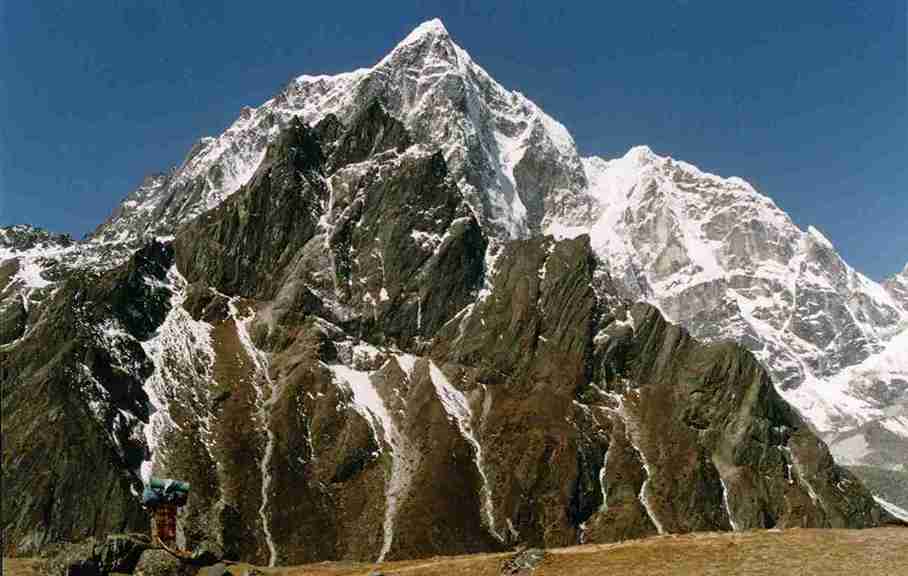
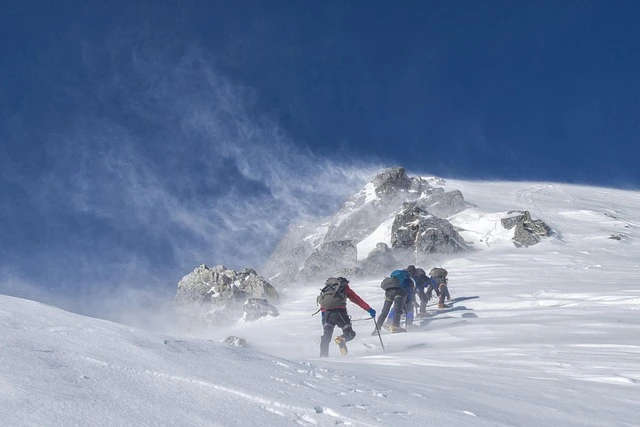
Nepal's Langtang Helambu Trek Package is an amazing 15-day expedition that mixes trekking in the beautiful Langtang Valley, visiting the holy lakes of Gosaikunda, and soaking up the cultural vibes of the Helambu Valley. The Langtang Gosaikunda Helambu Trek is a great choice for those who want to go to spectacular places, see traditional Himalayan villages, and get in touch with the spirit, but without the crowds of Everest or Annapurna.
The trek to be suitable for trekkers is packed with the beauty of the high Himalayan passes, beautiful alpine lakes and majestic mountain views. Plus you get to know a tiny bit of the Tamang and Hyolmo culture. No need for domestic flights or overcrowded trails for this trek. It is a quieter option if you want to do Everest and Annapurna treks.
Langtang Helambu Trek Overview
The Langtang Gosaikunda Helambu Trek brings together the best parts of three totally different experiences:
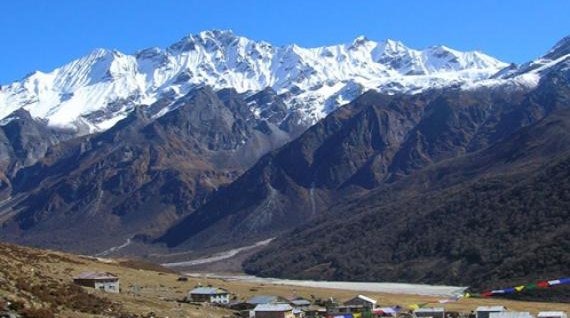
Langtang Valley Trek: Visit Langtang Village, alpine meadows, and glacial rivers and enjoy the sights of towering peaks like Langtang Lirung and Dorje Lakpa.
Gosaikunda Lakes: This is a trip to the feature lakes that both Hindu and Buddhist believers admire most, and the path goes up to the main Gosaikunda lake by passing the Laurebina La Pass (4,610 m).
Helambu Valley: You will go down alongside the Hyolmo villages and the terraced hills, enjoying the local culture and the monastery there.
Begins from the north of Kathmandu and finishes near the Kathmandu Valley, the whole trail is open to road traffic so it is much more convenient to access than some of the treks which depend entirely on flights for journeys.Although the access is easier, the trail leads rapidly into very isolated mountain areas within Langtang National Park.
This trek is ideal for beginners with good fitness, offers moderate difficulty, and provides a quieter alternative to Everest Base Camp and Annapurna Circuit.
Langtang Helambu Trek Highlights
- Trekking through Langtang National Park, which is inhabited by red pandas and other wild Himalayan animals.
- Paying a visit to the sacred Gosaikunda / Gosainkunda Lakes, which is a major pilgrimage site.
- Traversing Laurebina La Pass (4,610m),
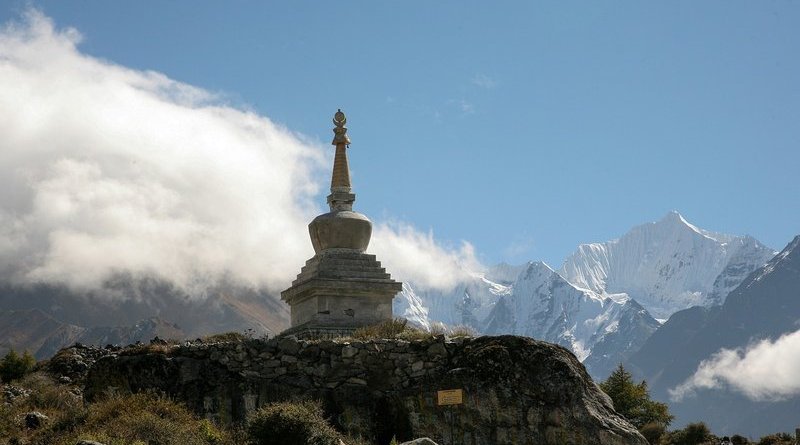
- Exploring traditional Tamang and Hyolmo villages
- Panoramic mountain views of Langtang Lirung, Dorje Lakpa, Ganesh Himal
- Side hikes to Kyanjin Ri or Tserko Ri the highest point of the trek
- Visiting Kyanjin Gompa and its famous yak cheese factory
- Enjoy the less crowded trails compared to Everest and Annapurna regions.
- Complete your trek near Kathmandu without having to do the reverse trek
15-Day Langtang Gosaikunda Helambu Trek Itinerary
15-Day Langtang Gosaikunda Helambu Trek Itinerary Overview
| Day |
Trek Route |
Elevation (m) |
Key Experience |
| Day 1 |
Drive Kathmandu → Syabrubesi |
1,462 |
Scenic drive, trek briefing |
| Day 2 |
Trek to Lama Hotel |
2,500 |
Forest and river valley trails |
| Day 3 |
Trek to Mundu Village via Langtang Village |
3,543 |
Rhododendron forests, mountain views |
| Day 4 |
Trek to Kyanjin Gompa |
3,798 |
Acclimatization, alpine scenery |
| Day 5 |
Rest & exploration at Kyanjin Gompa |
3,798 |
Optional Kyanjin Ri / Tserko Ri hike |
| Day 6 |
Trek back to Lama Hotel |
2,500 |
Scenic descent |
| Day 7 |
Trek to Thulo Syabru |
2,250 |
Transition to Helambu route |
| Day 8 |
Trek to Sing Gompa (Chandanbari) |
3,250 |
Forest monastery trail |
| Day 9 |
Trek to Gosaikunda Lake |
4,300 |
Sacred alpine lake, spiritual visit |
| Day 10 |
Cross Laurebina La Pass → Ghopte |
4,610 (pass) |
Highest pass, panoramic mountain views |
| Day 11 |
Trek to Melamchi Gaon / Melamchigaon |
3,490 |
Mountain ridge and village life |
| Day 12 |
Trek to Tarkeghyang / Tarke Ghyang |
2,743 |
Hyolmo culture and terraced fields |
| Day 13 |
Trek to Sermathang / Shermathang |
2,621 |
Traditional village trekking |
| Day 14 |
Trek to Melamchi Pul Bazaar |
846 |
End of trek in mid-hill region |
| Day 15 |
Drive back to Kathmandu |
1,300 |
Departure and airport transfer |
If you are short on time, check out these options:
Langtang 8 Days Trek Package – This concentrates on Langtang Valley and Kyanjin Gompa as the main highlights.
12 Days Langtang Gosaikunda Trek – This is a great option for those who want to focus on the lakes of high spiritual significance and the beautiful scenery at high altitude.
The 15-day itinerary is a comprehensive extension of the Langtang Gosaikunda Trek, with the addition of the cultural descent of Helambu Valley.
How Difficult is the Langtang Helambu Trek?
The overall Langtang Helambu Trek difficulty is generally considered moderate.
- Good fitness level is essential for beginners
- No technical climbing is needed
- The most challenging parts are the long climbs and descents around Gosaikunda and Laurebina La Pass
- Altitudes get to a minimum, if not totally eliminating, risk and a well-paced itinerary makes it possible
If you have experience in hiking, this trek will give you the pleasure of the beauty of the route as well as the knowledge-loving nature of the animals that inhabit the path, but it will still be perfectly manageable for you. The addition of the days for acclimatization makes it safer than many other treks to high-altitude places of similar elevation.
Experience Tamang & Hyolmo Village Life
The trek offers a unique opportunity to immerse in local Himalayan culture:
- Monasteries & Temples: Ancient sites and spiritual hubs in Tamang & Hyolmo villages
- Festivals & Rituals: Colorful celebrations if your trek coincides with local events
- Cuisine & Handicrafts: Sample Tibetan bread, yak cheese, and buy handmade scarves and prayer flags
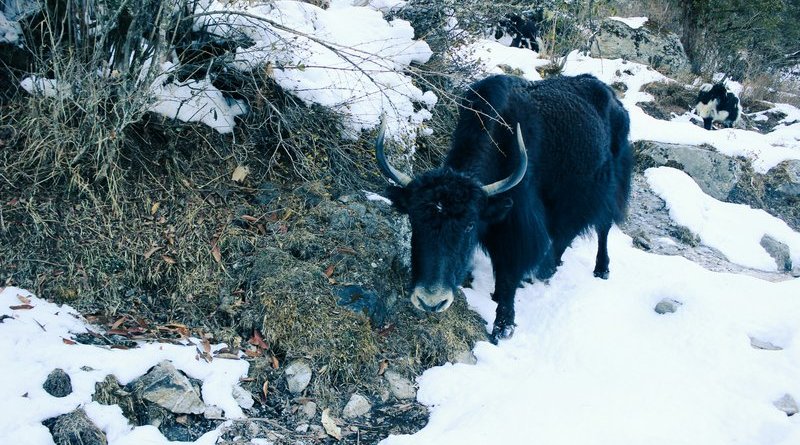
- Daily Village Life: Observe farming, yak grazing, and terraced agriculture along the trail
Pro Tip: Rest days in Sermathang or Tarkeghyang are perfect for cultural immersion.
Optional Hikes & Scenic Detours
- Kyanjin Ri / Tserko Ri – Panoramic views of Langtang Lirung, Dorje Lakpa, and Ganesh Himal
- Melamchi Gaon Ridge Trail – Less crowded, scenic village and mountain views
- Forest Walks near Sing Gompa – Oak & rhododendron forests, birdwatching
Discuss these with your guide for safe acclimatization.
Packing List for Langtang Helambu Trek
Packing light but smart is key for your 15-day Langtang Gosaikunda Helambu Trek. Layered clothing, sturdy footwear, and essential trekking gear ensure comfort in varying temperatures from Langtang Valley to Gosaikunda Lake and Helambu villages. Bring personal items, basic first aid, and optional accessories like snacks or a camera for a smooth trek.
Essential Packing List for Langtang Helambu Trek
| Category |
Essentials |
| Clothing |
Thermal base layers, fleece/down jacket, waterproof jacket & pants, trekking shirts & pants, hat & gloves, socks |
| Footwear |
Waterproof trekking boots, camp shoes/slippers, gaiters, trekking sandals |
| Gear & Accessories |
Backpack (40–50L), daypack, sleeping bag (-10°C), trekking poles, headlamp, sunglasses, water bottles, personal first aid |
| Personal Items |
Passport, permits, ID, travel insurance, cash, mobile phone & power bank, toiletries |
| Optional Items
|
Snacks/energy bars, notebook, binoculars, camera, lightweight entertainment |
Safety, Altitude & Acclimatization on Langtang Helambu Trek
When going on a trek in the Langtang Gosaikunda Helambu region, safety and proper acclimatization become highly important factors, and especially so if you are planning a visit to Laurebina La Pass (4,610m). Symptoms of altitude mountain sickness (AMS) can be prevented by going up slowly, resting sufficiently, and being aware of the signs. 24/7 support, symptom monitoring and emergency protocol are provided by licensed guides and porters.
Safety, Altitude & Acclimatization Guide for Langtang Helambu Trek
| Focus Area |
Tips & Recommendations |
| Acclimatization |
Include rest days (e.g., Kyanjin Gompa), ascend gradually, avoid rapid altitude gain |
| Altitude Sickness (AMS) |
Watch for headache, nausea, dizziness; report symptoms to guides immediately |
| Hydration & Nutrition |
Drink 3–4L water/day, eat high-energy meals, avoid alcohol and heavy meals at high altitude |
| Emergency Protocols |
Guides carry oxygen, first-aid kits, and communication devices; evacuation plans in place |
| Safety Practices |
Trek with licensed guides, stick to marked trails, check weather updates, wear proper gear |
| Post-Earthquake Updates |
Trails, bridges, and lodges repaired; safe trekking routes verified |
Langtang Helambu Trek Cost – Average Industry Rates
Average Langtang Helambu Trek Cost Breakdown (Industry Standard)
| Item |
Avg Cost (USD) |
| Guide |
350-450 |
| Porter |
250-300 |
| Accommodation |
150–250 |
| Meals |
300–400 |
| Transport |
40-60 |
| Permits |
30–40 |
| Insurance / First Aid |
150–250 |
| Contingency |
150–250 |
Why USD 1,299 is the Best Value with Himalayan Hero
- All-Inclusive Package – The less costly packages may overlook a guide or permits but personal expenses are reduced to a minimum in this package, as it includes all the essentials
- Experienced Guides & Porters – Safety and high-altitude expertise, supported with Laurebina La Pass (4,610 m) and Kyanjin Gompa acclimatization assistance.
- Comfort & Meals – Carefully selected teahouses with meals (breakfast, lunch, and dinner), and clean twin-sharing rooms.
- Road-Accessible
Trek – No flights required; therefore, the uncertainties or the risks associated with the travel are minimized along with the cost. - Community & Eco Support – Himalayan Hero runs projects for post-Langtang earthquake recovery and for sustainable trekking practices for local communities along the trekking route.
- Flexible & Personalized Experience – Small group size, optional hikes, custom itinerary adjustments, etc. are like icing on the cake of your Himalayan adventure.
For a detailed breakdown of expenses, check out our Langtang Gosaikunda trek cost blog.
Permits
Permits necessary for Langtang Helambu Trek
- Langtang National Park Permit
- TIMS Card (Trekker Information Management System)
- Shivapuri Nagarjun National Park Permit (if route includes it)
- All permits arranged by Himalayan Hero for hassle-free trekking
Accommodation and Food on the Langtang Helambu Trail
Most nights you will stay at traditional teahouse lodges along the trail. The rooms are basic but comfortable, usually twin sharing.
The meals are hearty and made with the trekkers in mind. You will see Dal Bhat, rice dishes, noodles, soups, Tibetan bread, eggs, and fresh vegetables on most menus. As you go further down to the Helambu villages, it will be easier to find anything.
In most villages, there will be an option to use WiFi and charging facilities, but it will be very limited, and you will need to pay extra.
Guide, Safety, and Trekking Experience
A guided Langtang Helambu Trek is definitely safer, offers a better cultural experience and simply makes the entire journey more enjoyable. Experienced local guides help you with altitude, finding the way, and dealings with lodge owners.
The trail has been completely restored, and it is now one of the best maintained trails in Nepal. The whole area is safe and stable, and the local people are welcoming.
Best Time to Trek Langtang Helambu
Best Time to Trek Langtang Helambu – Season & Weather Overview
| Season |
Highlights |
| Spring (Mar–May) |
Rhododendron blooms, mild weather, clear mountain views |
| Autumn (Sep–Nov) |
Best visibility, festivals, moderate temperatures |
| Winter (Dec–Feb) |
Fewer crowds, cold nights, snow-capped peaks |
| Monsoon (Jun–Aug)
|
Trails slippery, high passes not recommended
|
Final Thoughts – Embark on the Langtang Helambu Trek
The 15 Days Langtang Gosaikunda Helambu Trek is a journey through Nepal’s pristine alpine landscapes, sacred lakes, and vibrant Himalayan villages. From the Langtang Valley to the sacred Gosaikunda lakes, crossing Laurebina La Pass, and exploring Helambu’s cultural trails, this trek offers a unique, less-crowded alternative to Everest and Annapurna treks.
With experienced guides and porters, trekkers can have a safe and comfortable high-altitude adventure. Proper gear, layered clothing, and understanding safety tips help both beginners and experienced trekkers have a smooth experience.
Why Choose Himalayan Hero:
- Nepal-based local travel company
- 15+ years Himalayan trekking expertise
- Expert local guide and porter for safety & cultural insight
- Road-access trek (no domestic flights needed)
- All-inclusive, transparent packages (permits, meals, accommodation, transport)
- Community & eco-friendly support in Langtang
- Flexible & personalized itinerary with optional hikes
- Safety-first approach with oxygen & first-aid support
Take the first step toward this unforgettable adventure. Book your Langtang Helambu Trek today, customize your itinerary, or WhatsApp a trekking expert for personalized guidance.