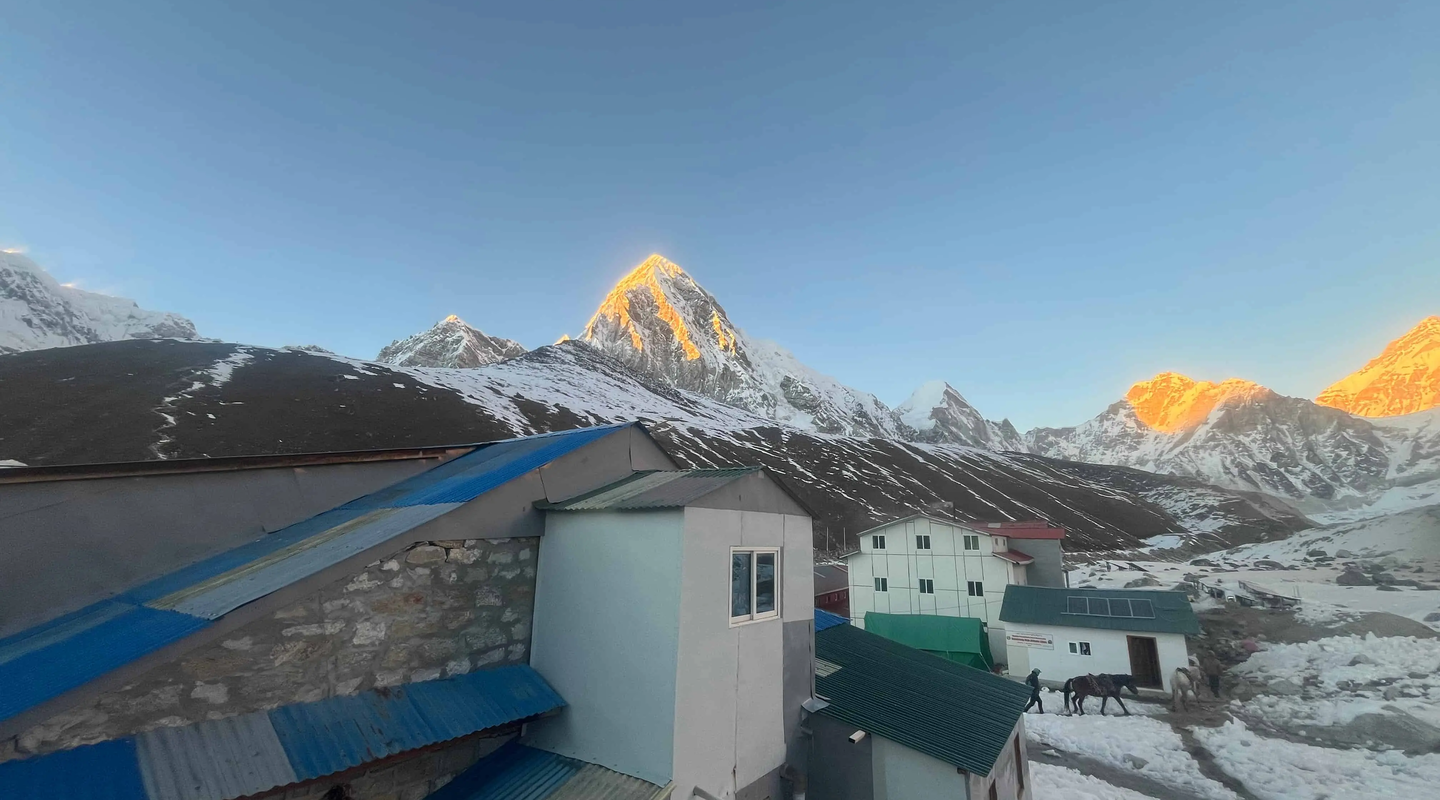
Is the North Annapurna Base Camp trek difficult?
Short answer:
Yes — it is significantly more challenging and remote than the classic Annapurna Base Camp trek.
But the real answer depends on your fitness level, trekking experience, and preparation.
Let’s break it down clearly and honestly.
The North Annapurna Base Camp trek beckons adventurers with its pristine trails, untouched wilderness, and spectacular views of the Annapurna massif peaks. Unlike its popular southern counterpart, this remote route offers an authentic Himalayan experience through traditional Gurung villages and dense rhododendron forests. But how challenging is this lesser-known path to the Annapurna Sanctuary? This comprehensive guide breaks down every aspect of the trek's difficulty, from physical demands to altitude acclimatization requirements, helping you prepare for one of Nepal's most rewarding adventures.
North Annapurna Base Camp Trek Difficulty Level
This trek is rated moderate to challenging, depending on conditions.
Why it’s harder than classic ABC:
✔ More remote trail
✔ Limited infrastructure
✔ Steeper ascents
✔ Basic accommodation or camping
✔ Less crowded and less supported
If you are comparing:
- Classic ABC → Moderate
- North ABC → Moderate to Hard
Previous trekking experience is strongly recommended.
Who Should Do the North Annapurna Base Camp Trek?
This trek is ideal for:
✔ Experienced trekkers
✔ Adventure seekers
✔ Those who prefer less crowded trails
✔ Trekkers are comfortable with basic facilities
It may not be suitable for:
✘ Complete beginners
✘ Luxury-focused travelers
✘ Those uncomfortable with remote conditions
Physical Demands: What Your Body Needs to Handle
The North Annapurna Base Camp trek rates as moderate to challenging, requiring solid physical stamina training before departure. You'll walk 5-6 hours daily across varied terrain, covering approximately 70-80 kilometers total with significant elevation changes.
Daily Walking Requirements:
- Average daily distance: 8-12 km
- Walking duration: 5-7 hours (including breaks)
- Elevation gain: 300-800 meters per day
- Maximum altitude: 4,130 meters at base camp
The trek's physical challenges stem from continuous uphill climbs, particularly the notorious stone staircases trail sections between villages. Your legs will work overtime navigating steep ascents that can feel endless, especially when carrying a daypack. However, the route's gradual altitude gain allows better acclimatization compared to rapid ascent treks.
Fitness Level Requirements:
- Moderate cardiovascular fitness essential
- Strong leg muscles for sustained climbing
- Core strength for balance on uneven terrain
- Mental endurance for consecutive trekking days
- Previous hiking experience helpful but not mandatory
Technical Aspects: Beyond Just Walking
While the North ABC trek doesn't require mountaineering skills, several technical challenges distinguish it from casual hikes. Understanding these aspects helps set realistic expectations for your journey.
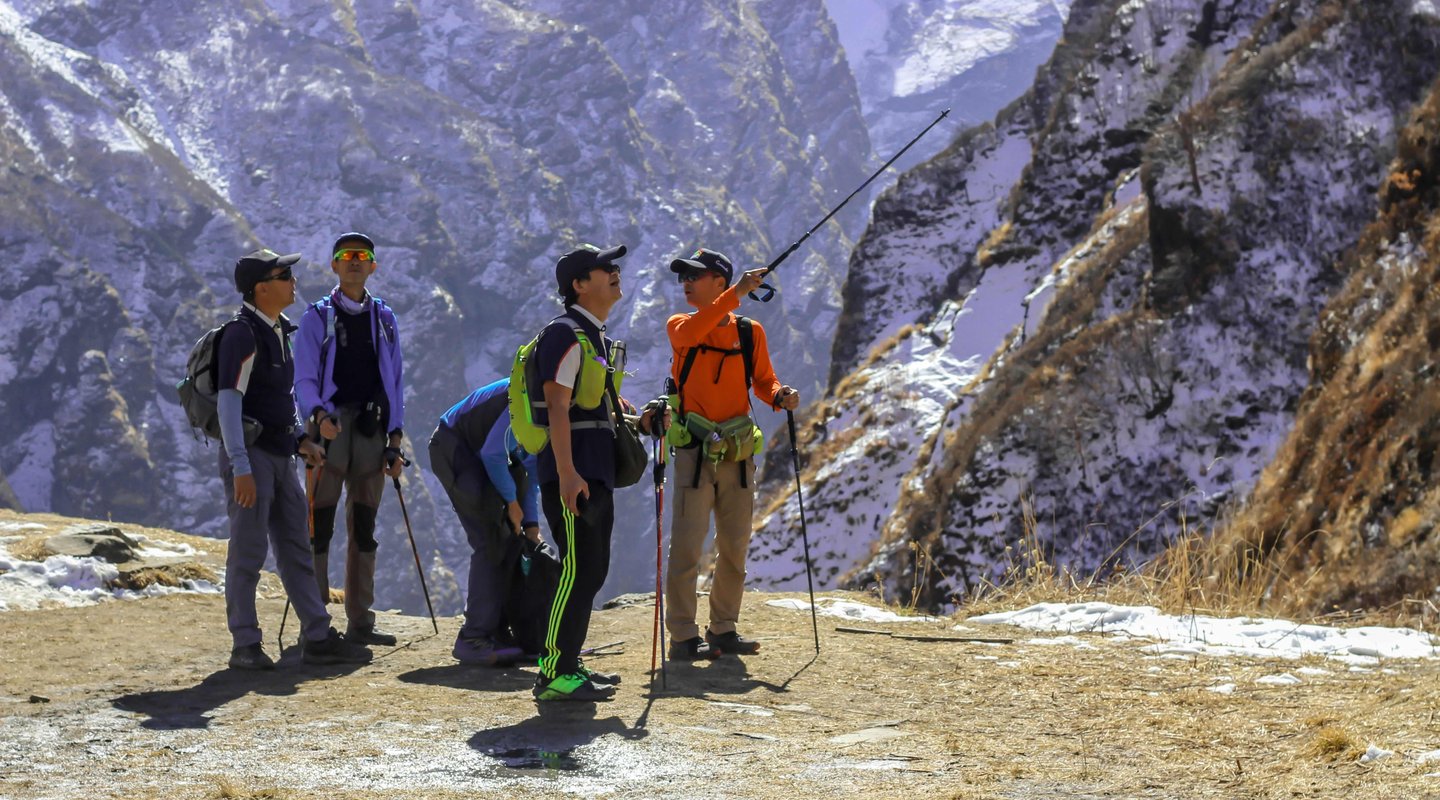
Terrain Challenges: The trail alternates between well-maintained paths and rugged sections requiring careful footing. Rocky outcrops, loose gravel, and wet stones during seasonal weather Nepal patterns create slip hazards. Trekking poles usage becomes invaluable for stability, especially during descents.
Weather and Climate Factors:
- Spring (March-May): Clear skies but crowded trails
- Autumn (September-November): Stable weather, perfect visibility
- Winter: Extreme cold, possible snow blocks
- Monsoon: Slippery trails, leech presence
Permit and Logistics: Securing trekking permits Nepal adds administrative complexity. You'll need:
- Annapurna Conservation Area Permit (ACAP)
- Trekkers' Information Management System (TIMS) card
- Valid passport and visa
- Travel insurance covering high altitude
Porter Services Himalayas prove invaluable for reducing physical strain. Local porters carry main luggage, allowing trekkers to focus on the journey with just daypacks containing essentials.
Fitness Preparation: Your 8-Week Training Program
Success on the North ABC trek depends heavily on pre-trek conditioning. This comprehensive program targets specific muscle groups and builds endurance for mountain conditions.
Weeks 1-2: Foundation Building
- 30-minute daily walks on flat terrain
- Basic bodyweight exercises (squats, lunges)
- Core strengthening planks (3 sets, 30 seconds)
- Flexibility stretching routines
Weeks 3-4: Intensity Increase
- 45-60 minute hikes with elevation
- How to train for Annapurna Base Camp trek stairs: Find local stairs or stadium steps, climb for 20-30 minutes
- Weighted backpack training (5-7kg)
- Yoga for balance and flexibility
Weeks 5-6: Endurance Focus
- 2-3 hour weekend hikes on varied terrain
- Interval training for cardiovascular fitness
- Strength training with weights
- Practice with trekking poles usage
Weeks 7-8: Peak Preparation
- Back-to-back hiking days simulating trek conditions
- Full daypack weight (8-10kg)
- Altitude simulation if available
- Mental preparation exercises
North ABC vs South ABC: Difficulty Comparison
Understanding the differences between routes helps choose the right adventure for your abilities and preferences.
North Annapurna Base Camp Route:
- Duration: 8-10 days typical
- Crowds: Minimal, authentic experience
- Elevation gain: Gradual, better acclimatization
- Infrastructure: Basic Himalayan teahouses, some camping
- Technical difficulty: Moderate with rough sections
- Cultural immersion: Excellent cultural experiences Annapurna
- Permit complexity: Standard ACAP and TIMS
South (Traditional) Annapurna Base Camp Route:
- Duration: 7-9 days standard
- Crowds: Heavy, especially peak season
- Elevation gain: Steeper in sections
- Infrastructure: Well-developed teahouse network
- Technical difficulty: Easier, maintained trails
- Cultural immersion: Good but more commercialized
- Permit complexity: Same requirements
Difficulty comparison North vs South Annapurna Base Camp reveals the northern route demands better self-sufficiency and wilderness comfort, while the southern route offers more amenities but less solitude.
Day-by-Day Difficulty Breakdown
Understanding daily challenges helps mental preparation and pacing strategies for the trek.
Day 1: Kathmandu to Dharapani (1,960m)
- Difficulty: Easy
- 8-hour scenic drive through rural Nepal
- Acclimatization begins naturally
- Evening walk to stretch legs
Day 2: Dharapani to Danakyu (2,300m)
- Difficulty: Moderate
- 5-6 hours trekking
- First taste of uphill climbing
- Cross suspension bridges
Day 3: Danakyu to Timang (2,750m)
- Difficulty: Moderate-Challenging
- Steep ascents through forests
- Rhododendron forests bloom in spring
- Traditional Gurung villages exploration
Day 4: Timang to Thanchok (3,100m)
- Difficulty: Challenging
- Altitude effects noticeable
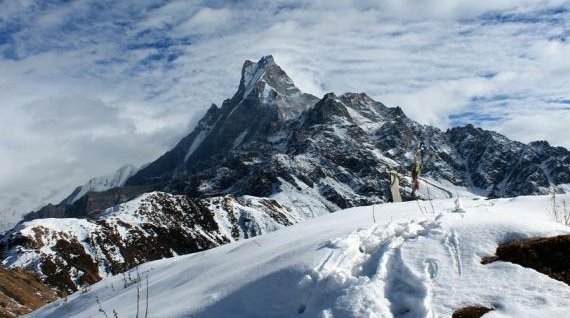
- Stunning Machapuchare views emerge
- Altitude sickness prevention crucial
Day 5: Thanchok to Koto (3,200m)
- Difficulty: Moderate
- Acclimatization day with shorter walk
- Cultural immersion Gurung communities
- Rest and hydration focus
Day 6: Koto to North Base Camp (4,130m)
- Difficulty: Very Challenging
- Longest day, 7-8 hours
- Final push to base camp
- Panoramic Himalayan vistas reward
Day 7-8: Return Journey
- Difficulty: Moderate
- Faster descent but hard on knees
- Post-trek recovery tips implementation
- Optional hot springs Jhinu Danda detour
Altitude & Elevation Profile
North Annapurna Base Camp sits at approximately 4,190 meters.
Altitude challenges include:
- Thinner oxygen levels
- Risk of Acute Mountain Sickness (AMS)
- Cold temperatures at night
Proper acclimatization is important, even though it’s below 5,000m
Seasonal Considerations and Best Timing
Best time for North Annapurna Base Camp trek difficulty varies by season, each offering unique challenges and rewards.
Spring (March-May):
- Pros: Rhododendron blooms, clear mountain views
- Cons: Busier trails, warmer days
- Difficulty impact: Moderate, good for beginners
Autumn (September-November):
- Pros: Crystal clear skies, stable weather
- Cons: Cold nights, popular season
- Difficulty impact: Ideal conditions
Winter (December-February):
- Pros: Solitude, snow-capped peaks
- Cons: Extreme cold, possible trail closures
- North Annapurna Base Camp trek in winter: Only for experienced trekkers
Monsoon (June-August):
- Pros: Lush landscapes, fewer crowds
- Cons: Slippery trails, leeches, clouds
- North Annapurna Base Camp trek after rain hardness: Significantly increased
Special Considerations for Different Trekkers
Is North Annapurna Base Camp trek suitable for beginners? Yes, with proper preparation. The gradual ascent and moderate daily distances make it achievable for first-time high-altitude trekkers who train adequately.
Annapurna Base Camp trek for seniors difficulty level: Active seniors in good health can complete this trek. Consider:
- Extended itinerary for shorter daily walks
- Porter services Himalayas for all gear
- Private guide for personalized pacing
- Comprehensive travel insurance
North Annapurna Base Camp trek with kids feasibility: Children above 10 years with hiking experience can attempt with:
- Very gradual itinerary (12-14 days)
- Lower maximum altitude considerations
- Engaging activities and flexible schedule
- Emergency evacuation plans
Solo trekking North Annapurna Base Camp difficulty:
- Women solo North Annapurna Base Camp trek safety: Generally safe with precautions
- North Annapurna Base Camp trek without guide possible: Yes, but guide recommended for safety and navigation
- Solo considerations: Join other trekkers, inform someone of plans, carry communication device
North Annapurna Base Camp trek for overweight hikers: Achievable with extended preparation:
- Start training 3-4 months prior
- Focus on gradual weight loss
- Build endurance slowly
- Consider longer itinerary
Gear Essentials and Packing Strategy
Proper equipment significantly impacts trek difficulty and enjoyment.
Essential Gear List:
- Quality hiking boots (broken in)
- Layered clothing system
- Down jacket for high altitude
- Trekking poles (reduce knee strain 30%)
- Sleeping bag rated -10°C
- Water purification system
- First aid and medications
- Sun protection (hat, sunglasses, cream)
North Annapurna Base Camp trek hydration tips:
- Carry 2-3 liter capacity
- Purification tablets or filter
- Electrolyte supplements
- Warm water bottles for cold nights
Safety Measures and Emergency Protocols
Safety and emergency tips can make the difference between adventure and misadventure.
Risk Management:
- Avalanche risks Annapurna: Minimal on standard route
- Altitude sickness: Most common issue
- Weather changes: Prepare for sudden shifts
- Trail conditions: Watch for loose rocks
Emergency Protocols:
- Helicopter evacuation available (insurance essential)
- Communication devices in major villages
- Basic medical facilities at key points
- Guide's local knowledge invaluable
Cultural Experiences and Environmental Responsibility
The North ABC trek offers authentic cultural experiences Annapurna region.
Cultural Highlights:
- Traditional Gurung hospitality
- Buddhist monasteries and prayer wheels
- Local festivals if timing aligns
- Cultural etiquette on Annapurna treks: Remove shoes indoors, walk clockwise around religious sites
Environmental conservation Nepal:
- Pack out all trash
- Use designated toilet facilities
- Respect wildlife and biodiversity Annapurna region
- Support local economy through teahouses
Post-Trek Considerations
Post-trek recovery tips ensure smooth transition back to normal life:
- Gradual return to sea level
- Protein-rich diet for muscle recovery
- Gentle stretching and yoga
- Adequate rest before flying
Post-trek extensions:
- Relaxation at hot springs Jhinu Danda
- Pokhara lakeside recovery
- Chitwan National Park safari
- Comparison North Annapurna to Poon Hill difficulty: Poon Hill serves as excellent warm-down
Mental Preparation and Motivation
Mental preparation for North Annapurna Base Camp challenges proves equally important as physical training.
Psychological Strategies:
- Visualize success daily
- Break trek into manageable segments
- Celebrate small victories
- Prepare for discomfort acceptance
- Build resilience through training
Wildlife encounters on North Annapurna trek provide motivation:
- Himalayan tahr sightings
- Colorful pheasants
- Langur monkeys in forests
- Eagles soaring overhead
Budget Considerations
Budget tips for North Annapurna Base Camp difficulty guide:
- Teahouse accommodation: $5-10/night
- Meals increase with altitude: $3-15
- Porter costs: $20-25/day
- Guide fees: $25-30/day
- Permits and transportation: $100-150
- Total budget: $500-1000 depending on services
Comparing Regional Trek Difficulties
North Annapurna Base Camp vs Everest Base Camp hardness:
- ABC: Shorter, lower altitude, less crowded
- EBC: Longer, higher altitude, better infrastructure
- Difficulty verdict: ABC slightly easier overall
Alternative routes comparison:
- Manaslu Circuit: More challenging, higher passes
- Langtang Valley: Similar difficulty, different scenery
- Thorong La Pass: Significantly harder at 5,416m
North Annapurna Base Camp Trek – Latest Updates
Trekkers often search “north annapurna trek latest.”
Currently:
- Trail conditions remain seasonal
- Limited but improving infrastructure
- Growing popularity among adventure trekkers
However, it is still far less crowded than the classic ABC route.
Final Thoughts – How Hard Is North Annapurna Base Camp Trek?
The North Annapurna Base Camp trek is:
- More remote
- More physically demanding
- Less commercial
- More adventurous
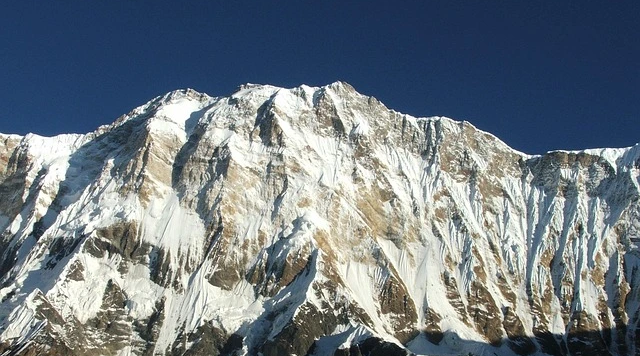
If you want a quieter and more rugged Himalayan experience with dramatic views of Annapurna I, this trek delivers something truly special.
But if you're new to high-altitude trekking, the classic Annapurna Base Camp route may be a safer starting point.
Ready to take the first step? Begin your journey with our expertly guided North Annapurna Base Camp trek packages to ensure your trek becomes the adventure of a lifetime.
Contact Information: