Planning a trip to Upper Mustang starts with understanding the Upper Mustang permit cost, permit rules, and application process. Whether you are researching the Upper Mustang permit for Indian travelers, the Upper Mustang permit cost for Nepali citizens, or the requirements for international visitors, knowing the latest regulations can help you avoid delays and plan your trek with confidence. Since Upper Mustang is a restricted area in Nepal, every foreign traveler must obtain special permits before entering this unique Himalayan region.
Upper Mustang, often called the Last Forbidden Kingdom of Nepal, is famous for its ancient Tibetan culture, dramatic desert landscapes, centuries-old monasteries, and remote mountain villages. Because of its cultural and geographical significance, the Nepal Government regulates entry through a Restricted Area Permit (RAP) and other required permits. In this guide, you'll learn about the latest Upper Mustang permit costs, permit requirements for Indians, Nepali citizens, and foreigners, required documents, the application process, and everything you need to know before visiting Upper Mustang in 2026.
📅 Planning your trip? Explore the Upper Mustang Trek itinerary and reserve your preferred departure.
Quick Facts About Upper Mustang Permits
If you are planning your trek, here are the most important things to know before applying for an Upper Mustang permit.
- Restricted Area Permit (RAP): Mandatory for foreign nationals entering Upper Mustang.
- Annapurna Conservation Area Permit (ACAP): Required because the trekking route passes through the Annapurna Conservation Area.
- Solo trekking: Not permitted in the restricted area.
- Licensed guide: Mandatory for all foreign trekkers.
- Minimum group size: Two trekkers are generally required for the Restricted Area Permit.
- Permit validity: RAP is issued for 10 days initially and can be extended.
- Application: Only a registered Nepal trekking agency can apply for the Restricted Area Permit.
Understanding these basic rules before booking your trip makes the permit process much smoother and helps ensure your trek follows Nepal's latest regulations.
What Permits Are Required for Upper Mustang?
Upper Mustang is a restricted trekking destination, so travelers must obtain specific permits before entering the region. The permits help regulate tourism, protect cultural heritage, and support conservation efforts. Depending on your nationality and itinerary, you may need a Restricted Area Permit (RAP) and an Annapurna Conservation Area Permit (ACAP).
The Restricted Area Permit is the primary permit required to enter Upper Mustang beyond Kagbeni. Since the trekking route also passes through the Annapurna Conservation Area, trekkers must obtain an ACAP permit as well. Permit requirements may change over time, so it is always recommended to confirm the latest regulations through a licensed trekking agency before your departure.
Restricted Area Permit (RAP)
The Restricted Area Permit (RAP) is the most important permit for trekking in Upper Mustang. It is issued by Nepal's Department of Immigration and is mandatory for foreign visitors entering the restricted zone. Individual travelers cannot apply for this permit independently. Applications must be submitted through a registered trekking agency in Nepal.
The RAP is issued for a fixed travel period based on your itinerary. If your trek extends beyond the initial validity, additional daily fees apply. Immigration officials check this permit at multiple checkpoints during the trek, so travelers should always carry both the original permit and a copy.
Annapurna Conservation Area Permit (ACAP)
The Annapurna Conservation Area Permit (ACAP) is required because Upper Mustang lies within Nepal's largest protected conservation area. The permit supports environmental conservation, trail maintenance, local communities, and sustainable tourism throughout the Annapurna region.
Unlike the Restricted Area Permit, the ACAP remains valid for the duration of your trek within the conservation area. It is issued by the Nepal Tourism Board or the Annapurna Conservation Area Project office and is usually arranged by your trekking agency along with your other travel permits.
Note: TIMS (Trekkers' Information Management System) requirements may vary depending on current Nepal Tourism Board regulations and your trekking itinerary. Check with your licensed trekking agency for the latest guidance before your trip.
📖 Learn More: What Permits Are Needed for an Upper Mustang Motorbike before planning your ride through Nepal's Forbidden Kingdom.
Why Is Upper Mustang a Restricted Area?
Upper Mustang remained closed to foreign visitors until 1992, helping preserve one of the world's last remaining Tibetan Buddhist kingdoms. Today, the region remains a restricted area because of its historical significance, sensitive border location, and fragile mountain environment. The permit system helps balance tourism with cultural and environmental protection.
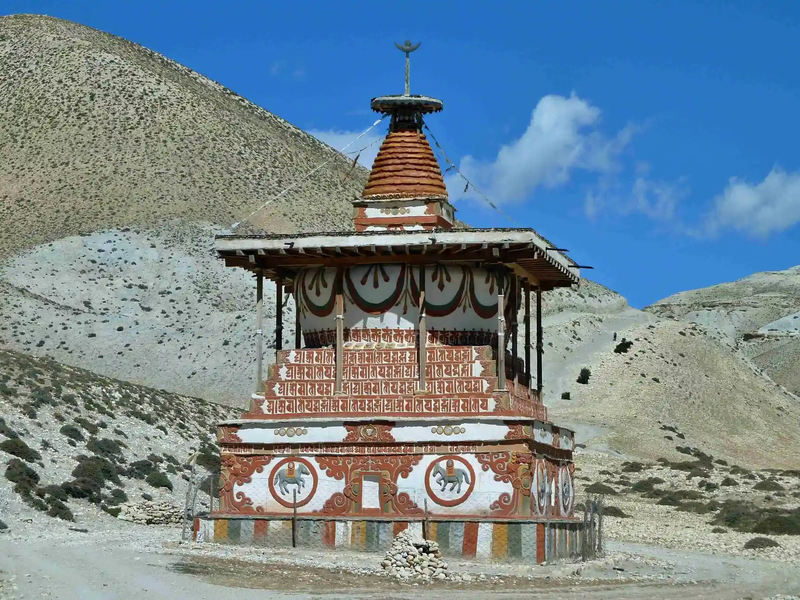
By limiting visitor numbers and requiring licensed guides, Nepal aims to preserve ancient monasteries, traditional villages, and centuries-old customs while ensuring tourism benefits local communities. The restrictions also help authorities monitor visitors traveling near the international border with Tibet.
Border Security
Upper Mustang shares a remote border with the Tibet Autonomous Region of China. Because of its strategic location, the Government of Nepal closely regulates travel into the area. The Restricted Area Permit allows immigration authorities to monitor visitor movement and maintain security throughout the region.
Travelers must follow their approved itinerary and pass through official checkpoints where permits are inspected. Entering restricted areas without valid permits can result in fines, denied entry, or legal action under Nepal's immigration laws.
Protecting Local Culture
Upper Mustang is home to centuries-old monasteries, traditional mud-brick villages, and a unique Tibetan Buddhist culture that has remained largely unchanged for generations. Restricting visitor numbers helps protect religious sites, local traditions, and the daily lifestyle of the communities living in Lo Manthang and surrounding villages.
Responsible tourism also encourages visitors to respect local customs, support community-based businesses, and contribute to preserving one of Nepal's most culturally significant trekking destinations.
Environmental Conservation
Upper Mustang's high-altitude desert ecosystem is both beautiful and fragile. Limited rainfall, unique wildlife, and delicate landscapes make environmental protection an important priority. Permit fees contribute to conservation projects, trail maintenance, waste management, and sustainable tourism initiatives across the Annapurna Conservation Area.
By controlling visitor numbers and requiring organized trekking through licensed agencies, Nepal helps reduce environmental impact while protecting the region for future generations of trekkers.
Upper Mustang Permit Cost in 2026
Understanding the Upper Mustang permit cost is one of the first steps when planning your trek. Permit fees are set by the Government of Nepal and help protect the region's cultural heritage, maintain trekking trails, and support conservation projects. The total amount you pay depends on your nationality, the duration of your stay, and the permits required for your itinerary.
For most trekkers, two permits are required: the Restricted Area Permit (RAP) and the Annapurna Conservation Area Permit (ACAP). The RAP is the major expense and is mandatory for entering Upper Mustang beyond Kagbeni. If you plan to stay longer than 10 days, additional daily charges apply.
Upper Mustang Permit Cost Table (2026)
| Permit |
Cost |
Validity |
| Restricted Area Permit (RAP) |
USD 500 |
First 10 days |
| Additional RAP Fee |
USD 50 |
Per extra day |
| Annapurna Conservation Area Permit (ACAP) |
Latest government fee |
Entire trek |
Note: Permit fees are determined by the Government of Nepal and may change. Always confirm the latest charges through your licensed trekking agency before booking.
Do Indian Citizens Need an Upper Mustang Permit?
Yes. Indian citizens need an Upper Mustang permit to enter the restricted area, even though they do not require a visa to travel to Nepal. Upper Mustang follows the same restricted area regulations for Indian and foreign trekkers, meaning entry is only allowed with the required permits and a licensed trekking guide.
Indian travelers must obtain the Restricted Area Permit (RAP) and the Annapurna Conservation Area Permit (ACAP) before starting the trek. The RAP costs USD 500 for the first 10 days, with an additional USD 50 per day for extended stays. Although Indian citizens are exempt from a Nepal visa, they must carry valid identification when applying for permits.
Travel Documents for Indian Citizens
Indian travelers should carry one of the following government-approved identification documents:
- Valid Indian Passport
- Original Indian Voter ID Card
Your trekking agency will require copies of these documents, passport-sized photographs, and your travel itinerary to process the permit application. Since the Restricted Area Permit can only be issued through a registered Nepal trekking agency, individual applications are not accepted.
Do Nepali Citizens Need an Upper Mustang Permit?
Permit requirements for Nepali citizens are different from those for foreign travelers. Since regulations may be updated periodically by the Government of Nepal, Nepali travelers should always verify the latest requirements with the Department of Immigration or a registered trekking agency before planning their trip.
If you are a Nepali citizen, you should carry a valid Nepal Citizenship Certificate or another officially accepted government-issued identification document while traveling. Depending on the latest regulations and your planned itinerary, additional permissions may be required before entering restricted sections of Upper Mustang. Checking the current rules in advance helps avoid unexpected delays during your journey.
What Documents Are Required for an Upper Mustang Permit?
Applying for an Upper Mustang permit is straightforward when you have all the required documents prepared in advance. Your trekking agency will collect these documents and submit the application on your behalf to the relevant government offices.
Although document requirements vary slightly depending on nationality, travelers should ensure that all information matches their passport or official identification to avoid processing delays.
Required Documents by Traveler Type
| Traveler |
Required Documents |
| Indian Citizens |
Valid Passport or Original Voter ID Card |
| Foreign Nationals |
Passport with valid Nepal Tourist Visa |
| Nepali Citizens |
Nepal Citizenship Certificate or officially accepted government ID |
Additional Documents Required
Most trekking agencies will also request the following:
- Recent passport-sized photographs
- Completed permit application form
- Confirmed trekking itinerary
- Hotel details in Nepal (if requested)
- Emergency contact information
- Travel insurance details (recommended for high-altitude trekking)
Preparing these documents before arriving in Nepal allows your trekking agency to process your permits more efficiently and helps prevent delays, especially during the busy spring and autumn trekking seasons.
How Can You Apply for an Upper Mustang Permit?
Applying for an Upper Mustang Permit is a straightforward process, but it cannot be done independently. Since Upper Mustang is a restricted trekking region, the Government of Nepal only issues the Restricted Area Permit (RAP) through licensed trekking agencies registered in Nepal. Most agencies complete the paperwork on your behalf, making the process simple and hassle-free.
Before applying, make sure your travel dates, passport details, and trekking itinerary are finalized. Once your documents are submitted, the agency coordinates with the Department of Immigration and obtains the necessary permits before your trek begins.
Step-by-Step Application Process
Follow these simple steps to obtain your Upper Mustang permits:
- Choose a licensed trekking agency registered with the Government of Nepal.
- Share the required documents, including your passport or valid ID, passport-sized photos, and travel itinerary.
- Confirm your trekking dates and itinerary with the agency.
- The agency submits your application to the Department of Immigration on your behalf.
- Pay the required permit fees after your application is approved.
- Receive your permits before departing for Upper Mustang.
Most agencies complete the application within one to two working days, provided all required documents are accurate and complete.
Where Can You Apply for an Upper Mustang Permit?
Upper Mustang permits are issued only through authorized government offices in Nepal. Individual travelers cannot obtain permits directly at checkpoints or while traveling to Mustang. Working with a licensed trekking agency ensures the application is completed correctly and on time.
Most trekkers begin their journey from Kathmandu or Pokhara, where agencies process permits before the trek starts. This allows travelers to focus on preparing for the adventure while the agency handles the paperwork.
Permit Application Locations
Upper Mustang permits can be arranged through:
- Kathmandu: Department of Immigration and Nepal Tourism Board
- Pokhara: Department of Immigration office and authorized trekking agencies
- Licensed Trekking Agency: The easiest and most recommended option, as agencies handle the complete permit process on your behalf
Applying a few days before your scheduled departure is recommended, especially during the busy spring and autumn trekking seasons.
Can You Apply for an Upper Mustang Permit Online?
No. Individual travelers cannot apply for an Upper Mustang Restricted Area Permit online. The permit application must be submitted through a licensed trekking agency registered with the Government of Nepal.
While trekking agencies complete much of the application process electronically, travelers cannot directly apply or pay for the Restricted Area Permit through an official online portal. Your chosen agency will collect your documents, submit the application to the Department of Immigration, and provide the approved permits before your trek begins.
Upper Mustang Permit Rules
Upper Mustang has strict trekking regulations designed to protect its cultural heritage, maintain border security, and preserve its unique environment. Understanding these rules before your trip helps ensure a smooth trekking experience and prevents unnecessary issues at permit checkpoints.
Always carry your permits during the trek, follow your approved itinerary, and travel with an authorized guide. Immigration officials regularly inspect permits at designated checkpoints along the route.
Important Rules to Know
- A licensed trekking guide is mandatory for foreign trekkers entering Upper Mustang.
- The Restricted Area Permit (RAP) is required before traveling beyond Kagbeni.
- Trekkers must follow the approved trekking route listed on their permit.
- Permit inspections are conducted at official checkpoints, including the entrance to the restricted area.
- The RAP is valid for the dates specified on your permit and is not transferable.
- If you plan to stay longer than the original validity period, you must obtain a permit extension and pay the applicable additional fee before the permit expires.
- Carry both your original permit and a copy throughout the trek.
- Respect local customs, monasteries, and community regulations while visiting villages in Upper Mustang.
Following these permit rules not only keeps your trek compliant with Nepal's regulations but also helps protect one of the country's most culturally significant and environmentally sensitive trekking destinations.
Best Time to Visit Upper Mustang
Choosing the best time to visit Upper Mustang can make a big difference to your trekking experience. Unlike many trekking regions in Nepal, Upper Mustang lies in the rain shadow of the Himalayas, which means it receives much less rainfall during the monsoon. This makes it one of the few destinations where trekking is possible even in summer.
Spring and autumn remain the most popular seasons because of their pleasant temperatures, clear mountain views, and stable weather. However, each season offers a different experience depending on your preferences.
| Season |
Weather |
Trail Conditions |
Best For |
| Spring (March to May) |
Mild and stable |
Dry trails with blooming landscapes |
Excellent weather and photography |
| Summer/Monsoon (June to August) |
Warm with little rainfall |
Dry due to rain shadow |
Unique choice for monsoon trekking |
| Autumn (September to November) |
Clear skies and comfortable temperatures |
Excellent trail conditions |
Peak trekking season |
| Winter (December to February) |
Cold with occasional snow |
Some lodges may close |
Experienced trekkers seeking solitude |
Recommendation: Spring and autumn offer the best overall trekking conditions, while summer is surprisingly suitable because Upper Mustang remains relatively dry compared to other trekking regions in Nepal.
Common Mistakes When Applying for Upper Mustang Permits
Applying for an Upper Mustang permit is straightforward when you understand the process. However, many trekkers make avoidable mistakes that can delay permit approval or affect their travel plans. It's equally important to prepare for high-altitude conditions and understand the Upper Mustang trek medical safety guide before starting your journey. Preparing your documents early and following the latest government regulations helps ensure a smooth journey.
Avoid these common mistakes before your trek:
- Waiting until the last minute to apply for permits.
- Assuming you can apply for the Restricted Area Permit independently.
- Carrying incorrect or expired travel documents.
- Booking flights before confirming your permits.
- Purchasing travel insurance that does not cover high-altitude trekking.
- Planning an itinerary that exceeds your permit validity.
- Forgetting to carry printed copies of your permits during the trek.
- Choosing an unregistered trekking operator instead of a licensed agency.
Planning ahead and working with an experienced trekking company can help you avoid these issues and enjoy a hassle-free adventure in Upper Mustang.
Explore More Mustang Adventures
If you're planning to explore the Mustang region, there are several incredible ways to experience its unique landscapes, rich culture, and Himalayan scenery. Depending on your interests, fitness level, and travel style, you can choose from the following adventures:
- Upper Mustang Motorbike Tour – A great choice for travelers who want to explore Upper Mustang's remote villages, dramatic landscapes, and historic sites without undertaking a long trek.
- Lower Mustang Trek – Enjoy a shorter and easier trekking experience through traditional villages, apple orchards, and scenic trails while discovering the natural beauty of the lower Mustang region.
- Jomsom Muktinath Trek – Visit the sacred Muktinath Temple, explore the charming town of Jomsom, and enjoy breathtaking views of the Annapurna and Dhaulagiri mountain ranges on one of Nepal's most popular pilgrimage and trekking routes.
Whether you're looking for a challenging high-altitude trek, a cultural journey, or a comfortable adventure by road, the Mustang region offers an unforgettable experience for every traveler.
Conclusion
Understanding the Upper Mustang permit cost, application process, and trekking regulations is essential before visiting Nepal's hidden Himalayan kingdom. By arranging the correct permits, preparing your travel documents, and following the latest government guidelines, you can focus on exploring the ancient monasteries, dramatic landscapes, and unique Tibetan culture that make Upper Mustang one of Nepal's most remarkable trekking destinations.
For a smooth and worry-free experience, it's best to travel with an experienced local operator who can manage your permits, itinerary, transportation, accommodation, and licensed guide. If you're planning your adventure, explore our services at the best trekking company in Nepal and let our local experts help you discover Upper Mustang with confidence.
Frequently Asked Questions
1. What permits are required for Upper Mustang?
Foreign trekkers generally need a Restricted Area Permit (RAP) and an Annapurna Conservation Area Permit (ACAP) to enter Upper Mustang. Permit requirements should always be confirmed with a licensed trekking agency before travel.
2. How much is the Upper Mustang permit in 2026?
The Restricted Area Permit costs USD 500 for the first 10 days, with an additional USD 50 per day for longer stays. Separate fees apply for the Annapurna Conservation Area Permit.
3. Why is Upper Mustang a restricted area?
Upper Mustang is a restricted area because of its location near the Nepal-China border, its centuries-old Tibetan Buddhist culture, and the need to protect its fragile environment and cultural heritage.
4. Can Indian citizens visit Upper Mustang?
Yes. Indian citizens can visit Upper Mustang after obtaining the required permits through a licensed trekking agency. Although Indians do not need a Nepal visa, they must carry valid identification and comply with permit regulations.
5. Do Nepali citizens need an Upper Mustang permit?
Permit requirements for Nepali citizens may differ from those for foreign visitors. Travelers should confirm the latest regulations with the Department of Immigration or an authorized trekking agency before visiting Upper Mustang.
6. Can I apply for an Upper Mustang permit online?
No. Individual travelers cannot apply for the Restricted Area Permit online. Applications must be submitted through a registered trekking agency in Nepal.
7. How long does it take to process an Upper Mustang permit?
The Restricted Area Permit is typically processed within 1 to 2 working days after all required documents have been submitted. Processing times may vary during peak trekking seasons.
8. Is a licensed guide mandatory for Upper Mustang?
Yes. Foreign trekkers must be accompanied by a licensed trekking guide when entering the restricted area. This rule helps ensure visitor safety and supports responsible tourism.