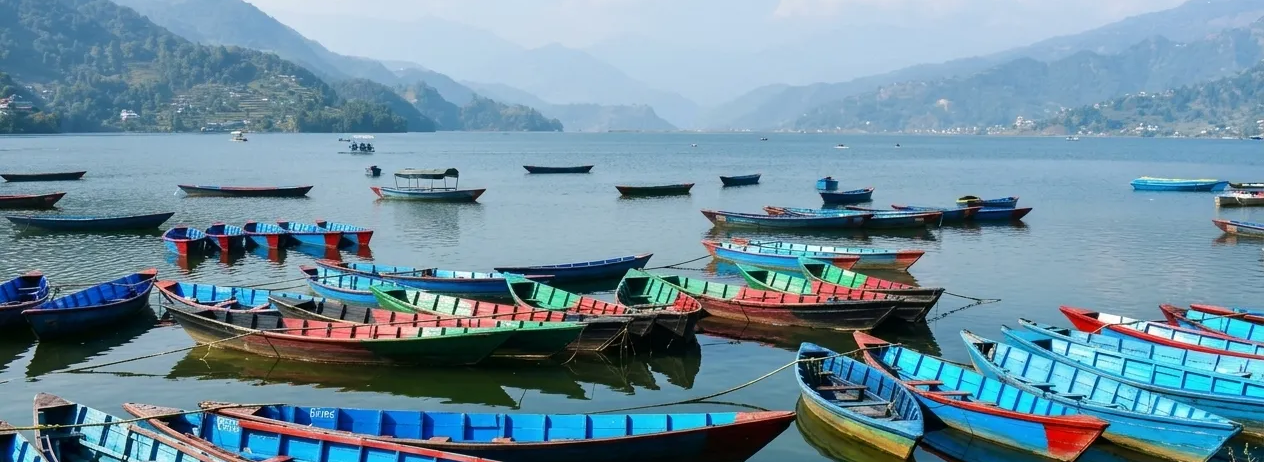
Surrounded by green hills and offering stunning views of the Annapurna range, Phewa Lake in Pokhara is one of the city's most popular attractions. Known for its calm waters, traditional wooden boats, and peaceful lakeside atmosphere, the lake lets visitors boat, explore nearby attractions, and experience Pokhara's natural beauty. From visiting the famous Tal Barahi Temple to enjoying a relaxing walk along Lakeside, there are plenty of ways to make the most of your visit.
In this blog, we will explore the best things to do around Phewa Lake, including boating experiences, popular attractions, nearby activities, and essential visitor information. Whether you are planning a relaxing getaway or looking for a place to unwind before or after a Himalayan trek, this guide will help you plan your visit and make the most of your time in Pokhara.
Where Is Phewa Lake in Pokhara?
Phewa Lake, also known as Fewa Lake or Phewa Tal, is located in the southern part of Pokhara Valley in Nepal's Gandaki Province. Situated close to the popular Pokhara Lakeside area, it is easily accessible from the city's main tourist hotels, restaurants, and shopping streets.
Surrounded by green hills, forested slopes, and scenic mountain landscapes, the lake offers a beautiful setting for visitors. On clear days, its calm waters reflect the Annapurna range and the iconic Machhapuchhre (Fishtail Mountain). Its convenient location, natural beauty, and recreational activities make Phewa Lake a popular destination for both domestic and international travelers exploring Pokhara.
Things to Do Around Phewa Lake
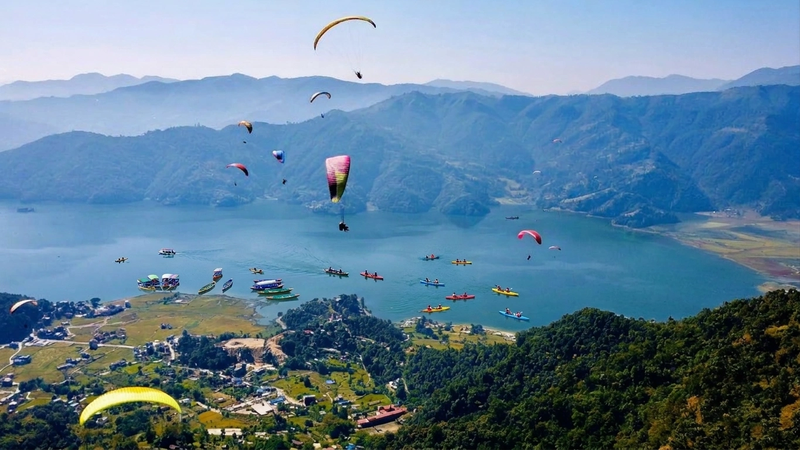
Phewa Lake offers more than beautiful scenery, with several activities that allow visitors to experience Pokhara's natural beauty and local culture. Whether you prefer a peaceful boat ride, kayaking, sightseeing, or relaxing by the waterfront, there are plenty of things to do around Phewa Lake. You can also explore the nearby restaurants and enjoy traditional Nepali dishes while taking in the lakeside atmosphere.
Enjoy a Boating Experience on Phewa Lake
Boating is one of the most popular activities at Phewa Lake. Visitors can rent traditional wooden rowing boats, hire a local boat operator, or choose shared services depending on their preferences. A boat ride offers a closer look at the lake's surroundings, with opportunities to enjoy mountain views, explore quieter areas, and photograph the beautiful landscape. It is also a convenient way to reach Tal Barahi Temple, located on a small island in the middle of the lake.
Try Kayaking on Phewa Lake
Kayaking is another enjoyable way to explore Phewa Lake and experience its calm waters. Visitors can rent kayaks and paddle across different parts of the lake while enjoying views of the surrounding hills and mountains. It offers a more active experience than traditional boating and is suitable for visitors looking to spend time on the water independently. Beginners should follow the rental operator's safety instructions and wear a life jacket before getting started.
Visit Tal Barahi Temple
Tal Barahi Temple is one of the most recognized cultural attractions in Pokhara. Situated on an island in Phewa Lake, this two-storey pagoda-style temple is dedicated to Goddess Barahi and holds religious significance for Hindu devotees. Visitors can reach the temple by taking a short boat ride from the lakeside area. It is worth spending some time exploring the temple surroundings and observing the local religious traditions. Visitors should dress respectfully and follow temple guidelines during their visit.
Walk Along Pokhara Lakeside
A leisurely walk along Pokhara Lakeside is another enjoyable way to experience the area. The waterfront streets feature numerous cafes, restaurants, shops, and small businesses where visitors can enjoy local food, refreshments, and souvenir shopping. During the evening, the area becomes lively as travelers gather to enjoy the lakeside atmosphere and mountain views. For trekkers returning from the mountains, it is also a relaxing place to rest, enjoy a meal, and spend time away from demanding trails.
Experience Paragliding in Pokhara
Paragliding is one of the most exciting adventure activities visitors can enjoy while staying around Phewa Lake. Sarangkot is the main take-off point, offering spectacular aerial views of Phewa Lake, Pokhara Valley, and the Annapurna mountain range. During the flight, visitors can enjoy a bird's-eye view of the lake and surrounding landscapes while flying with a certified tandem pilot. The experience is suitable for beginners, as no previous paragliding experience is required for tandem flights. Morning flights are generally popular for favourable flying conditions, although schedules depend on weather and operator decisions.
Taste Local Nepali Food Around Lakeside
Exploring the local food scene is another enjoyable part of visiting Phewa Lake. Restaurants around Pokhara Lakeside serve a variety of traditional Nepali dishes, including dal bhat, momo, thukpa, sel roti, and Nepali khaja sets. You can also try local snacks and enjoy a cup of Nepali tea at a lakeside café. Whether you are looking for a filling meal after boating or a relaxed dinner overlooking the lake, the area offers plenty of opportunities to experience Nepal's food culture.
Enjoy Photography and Mountain Views
Phewa Lake provides excellent opportunities for photography, particularly when the surrounding mountains are reflected in its calm waters. Early mornings often offer clearer reflections and peaceful surroundings, while late afternoons provide beautiful natural light for landscape photography. On clear days, visitors can capture views of the Annapurna range and Machhapuchhre from different points along the shoreline. However, visibility can vary depending on weather conditions and the season.
Phewa Lake Boating Cost and Available Activities
Boating is one of the main attractions of Phewa Lake, with several options available for visitors depending on their budget, interests, and preferred experience. From traditional wooden boats to kayaking and paddleboarding, visitors can explore the lake at their own pace.
Types of Boating Experiences
Traditional wooden rowing boats, locally known as doongas, are a popular choice for exploring Phewa Lake. Visitors can either row themselves or hire a local boatman to enjoy a more relaxed ride. Shared boat services are also available for those visiting Tal Barahi Temple. For visitors interested in other water activities, kayaking and stand-up paddleboarding (SUP) offer alternative ways to experience the lake.
How Much Does Boating Cost?
The Phewa Lake boating price depends on the boat type, rental duration, and whether a boatman is included. Recently, travel guides report approximate rates of NPR 400–800 per hour for self-rowing boats, NPR 700–1,500 for boats with a boatman, and NPR 100–300 per person for shared temple trips. Kayaking and paddleboarding may cost around NPR 400–800 per hour. These are indicative estimates, not guaranteed official rates. Visitors should confirm the total Phewa Lake boat ride cost, including duration and any additional charges, before boarding.
Places to Visit Near Phewa Lake
Beyond boating and lakeside activities, visitors can explore several nearby attractions that offer beautiful views, cultural experiences, and opportunities to learn more about Pokhara. From hilltop viewpoints and peaceful religious sites to waterfalls, caves, and museums, there are plenty of places to add to your itinerary. Popular options include the World Peace Pagoda, Sarangkot, Davis Falls, Gupteshwor Cave, and the International Mountain Museum.
World Peace Pagoda
Located on a hilltop overlooking Phewa Lake, the World Peace Pagoda is a popular Buddhist monument offering panoramic views of Pokhara Valley, the lake, and the Annapurna range. Visitors can reach the pagoda by hiking from the lakeside area or using local transportation for part of the journey. It is an excellent place to enjoy peaceful surroundings and scenic photography.
Sarangkot Viewpoint
Sarangkot is another popular destination near Phewa Lake, particularly known for its sunrise views over the Annapurna range and Machhapuchhre. Visitors can reach the viewpoint by road, cable car, or hiking routes from Pokhara. The area is also well known for paragliding, with takeoff locations overlooking the valley and landing areas near Phewa Lake. It is a worthwhile addition to a Pokhara sightseeing itinerary.
Davis Falls
Davis Falls, also known as Patale Chhango, is a popular waterfall in Pokhara where water flows into an underground tunnel and disappears into a narrow gorge. The waterfall is particularly impressive during the monsoon season when water levels are higher. Located a short drive from Lakeside, it is an interesting stop for visitors exploring Pokhara's natural attractions.
Gupteshwor Mahadev Cave
Located directly opposite Davis Falls, Gupteshwor Mahadev Cave is a religious and natural attraction known for its underground passages and shrine dedicated to Lord Shiva. Visitors can explore sections of the limestone cave and see the natural formations inside. The cave's location makes it convenient to combine with a visit to Davis Falls.
Pumdikot Shiva Statue
Pumdikot is a hilltop attraction featuring a large statue of Lord Shiva and a religious complex overlooking Pokhara Valley. It offers impressive views of Phewa Lake, the surrounding hills, and the Himalayan mountains on clear days. Visitors can reach the site by road and combine it with a trip to the nearby World Peace Pagoda.
International Mountain Museum
For visitors interested in Nepal's mountaineering history, the International Mountain Museum is well worth exploring. The museum features exhibitions about the Himalayas, mountain communities, famous climbing expeditions, and the history of mountaineering in Nepal. It is particularly interesting for trekkers who want to learn more about the mountains and cultures they encounter during their journeys.
Bindhyabasini Temple and Old Bazaar
Bindhyabasini Temple is one of Pokhara's important Hindu religious sites, dedicated to Goddess Durga. Located in the older part of the city, the temple offers a peaceful atmosphere and views of the surrounding valley. Visitors can also explore the nearby Old Bazaar, where traditional architecture, local shops, and everyday Nepali life provide a glimpse into Pokhara's cultural heritage.
Begnas Lake
Located on the eastern side of Pokhara Valley, Begnas Lake is a quieter alternative to the busy Phewa Lake area. Surrounded by green hills and traditional settlements, it offers a peaceful setting for boating, fishing, photography, and relaxing by the water. Although it is farther from Lakeside than the other attractions, it makes a pleasant half-day trip for visitors with extra time in Pokhara.
Hiking and Walking Trails Near Phewa Lake
The main hiking and walking trails near Phewa Lake include the World Peace Pagoda hike, Phewa Lake Lakeside Walk, and village trails around Pumdi Bhumdi. These routes offer different experiences, from relaxing lakeside strolls to uphill hikes with panoramic views of Phewa Lake, Pokhara Valley, and the surrounding Himalayan mountains.
Popular Walking Routes Around the Lake
The Lakeside waterfront is one of the easiest places to enjoy a leisurely walk, with scenic views, cafés, and shops along the way. One of the main hiking highlights is the World Peace Pagoda (Shanti Stupa) hike, which takes visitors uphill through forested trails to a peaceful hilltop overlooking Phewa Lake, Pokhara Valley, and the surrounding Himalayan peaks. Visitors can either hike from the Lakeside area or take a short boat ride across Phewa Lake before starting the uphill walk. Nearby village trails around Pumdi Bhumdi also offer opportunities to experience rural landscapes and local life away from the busy tourist areas.
How Difficult Are the Hiking Trails?
The difficulty depends on the route you choose. Walking around Lakeside is generally easy, with mostly flat paths and minimal elevation gain. In contrast, the hike to the World Peace Pagoda involves a noticeable uphill climb, with some steep and uneven sections. Village trails may also include slopes and rough surfaces. A basic level of fitness is usually sufficient for shorter walks, but comfortable footwear and a steady pace are important for uphill hikes.
What to Carry for a Short Hike
Even for a short hike, carrying a few essentials can make your experience more comfortable. Wear comfortable walking shoes with a good grip, bring enough drinking water, and use sunscreen, sunglasses, or a hat for sun protection. An offline map can also help you follow the route, particularly when exploring village paths or less familiar trails.
Best Time to Visit Phewa Lake, Pokhara
The best time to visit Phewa Lake is during spring (March–May) and autumn (October–November), when the weather is generally pleasant, skies are clearer, and mountain views are more visible. These seasons offer favourable conditions for boating, sightseeing, lakeside walks, and photography. However, Phewa Lake is accessible throughout the year, with each season offering a different experience, from lush green surroundings during the monsoon to peaceful mornings and cooler weather in winter.
Spring (March–May)
Spring is one of the pleasant seasons to visit Phewa Lake, with warmer temperatures and comfortable conditions for outdoor activities. The surrounding hills become greener, and visitors can enjoy boating, lakeside walks, and short hikes. On clear days, the Annapurna range and Machhapuchhre are also visible, making spring a good time for photography and sightseeing.
Summer and Monsoon (June–September)
The monsoon season brings frequent rainfall, lush green landscapes, and cloudy skies to Pokhara. While the surroundings look beautiful, heavy rain can affect boating conditions and outdoor activities. Mountain visibility is often limited due to cloud cover, and the lake water may become muddy or less clear after rainfall. Visitors planning water activities should check local weather conditions before heading out.
Autumn (October–November)
Autumn is generally considered one of the best times to visit Phewa Lake. The weather is usually pleasant, skies are often clearer, and visibility of the surrounding Himalayan mountains improves. These conditions make it an excellent season for boating, photography, lakeside walks, and exploring nearby attractions. It is also a popular trekking season, so Pokhara tends to welcome more visitors during these months.
Winter (December–February)
Winter brings cooler temperatures, particularly during early mornings and evenings, but often offers clear skies and peaceful lakeside surroundings. Visitors can enjoy quieter boat rides, scenic walks, and photography, especially when the mountain reflections are visible on calm mornings. It is a good season for those who prefer fewer crowds, although carrying warm clothing is recommended.
How to Reach Phewa Lake from Kathmandu and Pokhara
Phewa Lake is easy to reach from different parts of Nepal, particularly for visitors travelling from Kathmandu to Pokhara. Whether you arrive by domestic flight, tourist bus, or private vehicle, several transportation options are available to reach the Lakeside area. Once in Pokhara, getting around the lake and nearby attractions is also relatively convenient.
Getting to Pokhara from Kathmandu
There are three main ways to travel from Kathmandu to Pokhara. A domestic flight is the quickest option, with an approximate flight time of 25–30 minutes, depending on the flight schedule and conditions. Tourist buses are a more affordable alternative, generally taking around 7–10 hours depending on road conditions and traffic. Visitors who prefer flexibility can also hire a private vehicle, allowing them to travel at their own pace and stop along the way. However, journey times by road can vary due to traffic, construction, and weather.
Reaching Phewa Lake from Pokhara Airport
Phewa Lake is easily accessible from Pokhara International Airport, with the Lakeside area approximately 10–15 minutes away by taxi or private vehicle, depending on traffic. Taxis are readily available outside the airport, while some hotels also arrange airport transfers for their guests. Visitors arriving at the airport can reach the main Lakeside area directly and access the waterfront on foot.
Getting Around Phewa Lake
Walking is one of the easiest ways to explore the Lakeside area, as many restaurants, shops, hotels, and waterfront attractions are within walking distance. For exploring the lake itself, visitors can rent traditional wooden boats or join shared boat services. Taxis and local transportation are also available for reaching nearby attractions such as the World Peace Pagoda, Davis Falls, and Sarangkot. Choosing the right transport depends on your itinerary, budget, and the places you plan to visit.
History and Cultural Significance of Phewa Lake
Phewa Lake is more than a popular tourist attraction. It has a long geological history and plays an important role in Pokhara's religious traditions, local culture, and economy.
How Was Phewa Lake Formed?
Phewa Lake was formed through natural geological processes over thousands of years. Ancient debris flows from the Annapurna region deposited large amounts of gravel and sediment across the Pokhara Valley, creating natural barriers that helped form several lakes, including Phewa Lake. Over time, sediment deposits and human activities continued to change the lake's shape and depth.
Religious Importance of Tal Barahi Temple
Located on a small island in Phewa Lake, Tal Barahi Temple is dedicated to Goddess Barahi, a form of Goddess Durga. It is an important Hindu religious site where local devotees and pilgrims gather throughout the year. The temple remains a significant part of Pokhara's cultural and spiritual identity.
Phewa Lake and the Local Community
Phewa Lake supports the livelihoods of many local residents through fishing, boating, tourism, and hospitality businesses. Boat operators, restaurants, hotels, and small shops benefit from visitors exploring the area. The lake is also an important recreational space for local communities.
Wildlife and Natural Environment Around Phewa Lake
Phewa Lake is an important freshwater wetland that supports various bird species, aquatic life, and vegetation. Its natural environment contributes to Pokhara's biodiversity and provides valuable resources for local communities.
Birds Found Around Phewa Lake
Phewa Lake attracts several types of wetland birds, including resident waterbirds and seasonal migratory species. Visitors may spot birds resting, feeding, or swimming near the shoreline. Early mornings are a good time for birdwatching.
Aquatic Life and Vegetation
The lake supports different fish species and aquatic habitats. Its surroundings also include wetland plants, lakeside vegetation, and natural habitats that support local wildlife. These plants and habitats help maintain the ecological balance of the lake.
Why Phewa Lake Matters to Pokhara's Ecosystem
Phewa Lake provides important benefits beyond tourism. It supports fisheries, irrigation, recreation, and local biodiversity. As part of the Pokhara Valley lake cluster, it also plays a role in maintaining the region's natural environment and supporting local livelihoods.
Environmental Challenges Facing Phewa Lake
Despite its natural beauty and importance to Pokhara, Phewa Lake faces growing environmental challenges. Sedimentation, pollution, and declining water quality are putting pressure on its ecosystem and surrounding communities.
Sedimentation and Shrinking Lake Area
Soil erosion, landslides, and road construction in the surrounding watershed carry large amounts of sediment into Phewa Lake, particularly during the monsoon. Over time, this silt builds up on the lakebed, reducing its depth and storage capacity. Research has also identified sedimentation as a major factor contributing to the lake's shrinking area.
Water Pollution and Microplastics
Untreated sewage, urban drainage, and poorly managed plastic waste contribute to water pollution in Phewa Lake. Scientific studies have detected microplastic particles in both lake water and shoreline sediments. Littering, wastewater discharge, and runoff from nearby settlements are among the identified sources.
Eutrophication and Water Quality
Eutrophication occurs when excess nutrients, particularly nitrogen and phosphorus, enter a lake and encourage excessive algae and aquatic plant growth. A 2025 study found moderate nutrient enrichment in Phewa Lake, with some areas showing higher levels of eutrophication. Researchers use chlorophyll-a, an indicator of algal biomass, to help assess these changes. Water quality can also vary across locations and seasons.
How Is Phewa Lake Being Protected?
Protecting Phewa Lake requires better waste management, pollution control, and watershed conservation. Proposed measures include maintaining forests, stabilizing erosion-prone slopes, managing sediment through siltation dams, and improving drainage and wastewater treatment. Responsible tourism and reducing litter around the shoreline are also important steps towards protecting the lake for future generations.
Responsible Tourism: How Visitors Can Protect Phewa Lake
Visitors can help protect Phewa Lake by following simple responsible tourism practices. Small actions can reduce pollution, support local communities, and preserve the lake's natural and cultural value.
Avoid Throwing Plastic and Waste Into the Lake
Avoid throwing plastic bottles, food wrappers, or other waste into the lake or along its shoreline. Use designated bins and carry reusable water bottles to reduce plastic waste.
Follow Boating and Water Safety Rules
Always wear a life jacket while boating and follow instructions from local boat operators. Avoid overcrowding boats, respect boating rules, and check weather conditions before heading onto the water.
Respect Religious and Cultural Sites
When visiting Tal Barahi Temple, dress respectfully, follow local customs, and avoid disturbing worshippers. Keep the surroundings clean and respect religious activities.
Support Local Businesses and Communities
Choose local boat operators, restaurants, guides, and shops whenever possible. Supporting small businesses helps local families benefit from tourism while making your visit more meaningful.
Essential Tips for Visiting Phewa Lake
A little preparation can make your visit to Phewa Lake safer and more enjoyable. If you plan to go boating, always wear a life jacket and check weather conditions before heading onto the water, as rain and strong winds can affect boating activities. Confirm the boat rental price, duration, and any additional charges with the operator before boarding. Carry some cash for boat rentals, local shops, and small purchases around Lakeside. When visiting Tal Barahi Temple, respect local religious customs and follow the temple's guidelines. Visitors should also avoid throwing rubbish into the lake and use designated waste bins to help protect its natural environment. Finally, follow local boating regulations and safety instructions throughout your visit.
Is Phewa Lake Worth Visiting for First-Time Travellers?
Yes. Phewa Lake is one of Pokhara's most recognisable attractions, offering boating, cultural experiences, beautiful mountain views, and easy access to Lakeside restaurants and nearby sightseeing spots.
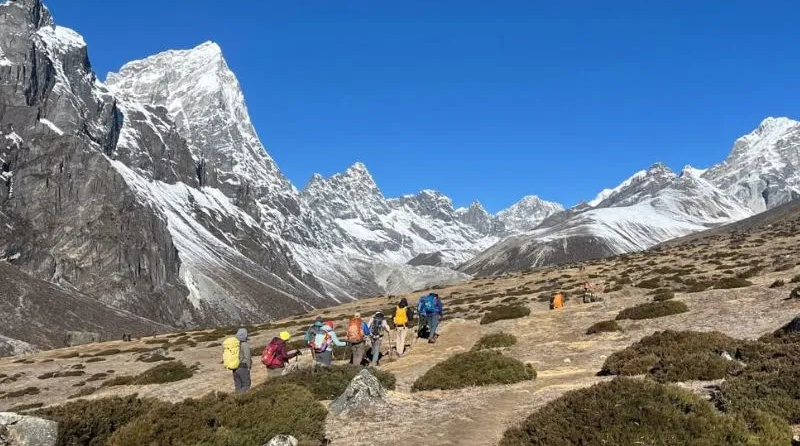
It is a great place for first-time visitors to Nepal, families, couples, photographers, and nature lovers. Pokhara is also a starting point for several popular trekking adventures, including:
Many trekkers visit Phewa Lake before or after their journeys to relax, enjoy a boat ride, explore Lakeside, and recover from long days on mountain trails. Whether you are preparing for a trek or celebrating its completion, Phewa Lake offers a peaceful change of pace. Its combination of natural beauty, local culture, and convenient location makes it a worthwhile stop on any Pokhara trip.
Final Thoughts
Phewa Lake is more than just a scenic attraction; it is a place to slow down, enjoy boating, explore local culture, and appreciate Pokhara's natural beauty. Whether you visit before or after a Himalayan trek, it adds a memorable experience to your journey through Nepal. With Himalayan Hero helping you explore the mountains, make sure you leave some time to enjoy the peaceful charm of Phewa Lake too.
Frequently Asked Questions About Phewa Lake
Where is Phewa Lake located?
Phewa Lake is located in Pokhara, Kaski District, Gandaki Province, Nepal. It is close to the popular Lakeside area, making it easily accessible from most hotels and tourist accommodations in Pokhara.
Is there an entry fee to visit Phewa Lake?
There is generally no entry fee for accessing the public lakeside area. However, visitors need to pay separately for activities such as boating, kayaking, and other recreational services.
How much time is needed to explore Phewa Lake?
Most visitors can spend around two to four hours enjoying Phewa Lake. This allows enough time for boating, visiting Tal Barahi Temple, and walking along the Lakeside waterfront. You may need additional time if you plan to hike to the World Peace Pagoda.
Can you visit Phewa Lake without boating?
Yes. You can enjoy Phewa Lake without renting a boat. Walking along the waterfront, relaxing at lakeside cafés, enjoying mountain views, and exploring nearby attractions are all possible without participating in water activities.
Which mountains can you see from Phewa Lake?
On clear days, visitors can enjoy views of the Annapurna mountain range, including Machhapuchhre (Fishtail). The visibility of the mountains depends on weather conditions, cloud cover, and the time of day.
Can you reach the World Peace Pagoda from Phewa Lake?
Yes. You can reach the World Peace Pagoda by hiking from the Lakeside area or taking a boat across Phewa Lake and walking uphill from the other side. The hike offers scenic views of the lake and Pokhara Valley.
Is Phewa Lake suitable for families and children?
Yes. Phewa Lake is suitable for families, with activities such as boating, sightseeing, lakeside walks, and visiting Tal Barahi Temple. Families with children should follow boating safety instructions and ensure everyone wears a life jacket.
What is the best time to visit Phewa Lake?
Spring (March–May) and autumn (September–November) are generally the best seasons to visit Phewa Lake. These months usually offer pleasant weather and better opportunities to enjoy mountain views, boating, and outdoor activities.
What other activities can you enjoy near Phewa Lake?
Apart from boating and sightseeing, visitors can enjoy kayaking, paragliding from Sarangkot, hiking to the World Peace Pagoda, exploring Pokhara Lakeside, and tasting traditional Nepali food at nearby restaurants.