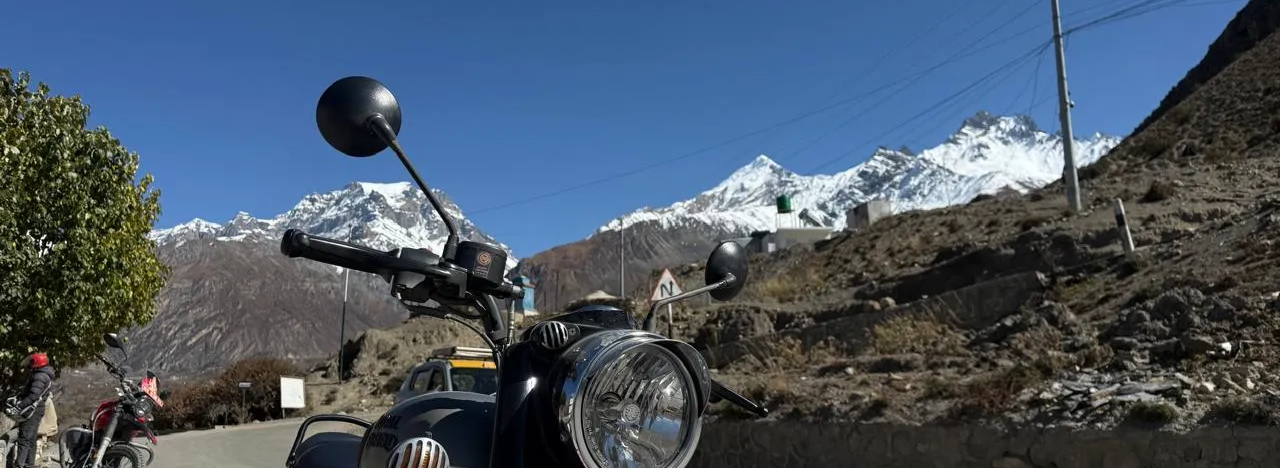
The best time for an Upper Mustang ride is generally spring (March to May) and autumn (September to November). These seasons offer more stable weather, clearer mountain views, and better riding conditions on the region’s dry, rugged roads. April and October are particularly good choices for riders who want comfortable daytime temperatures and fewer weather-related disruptions.
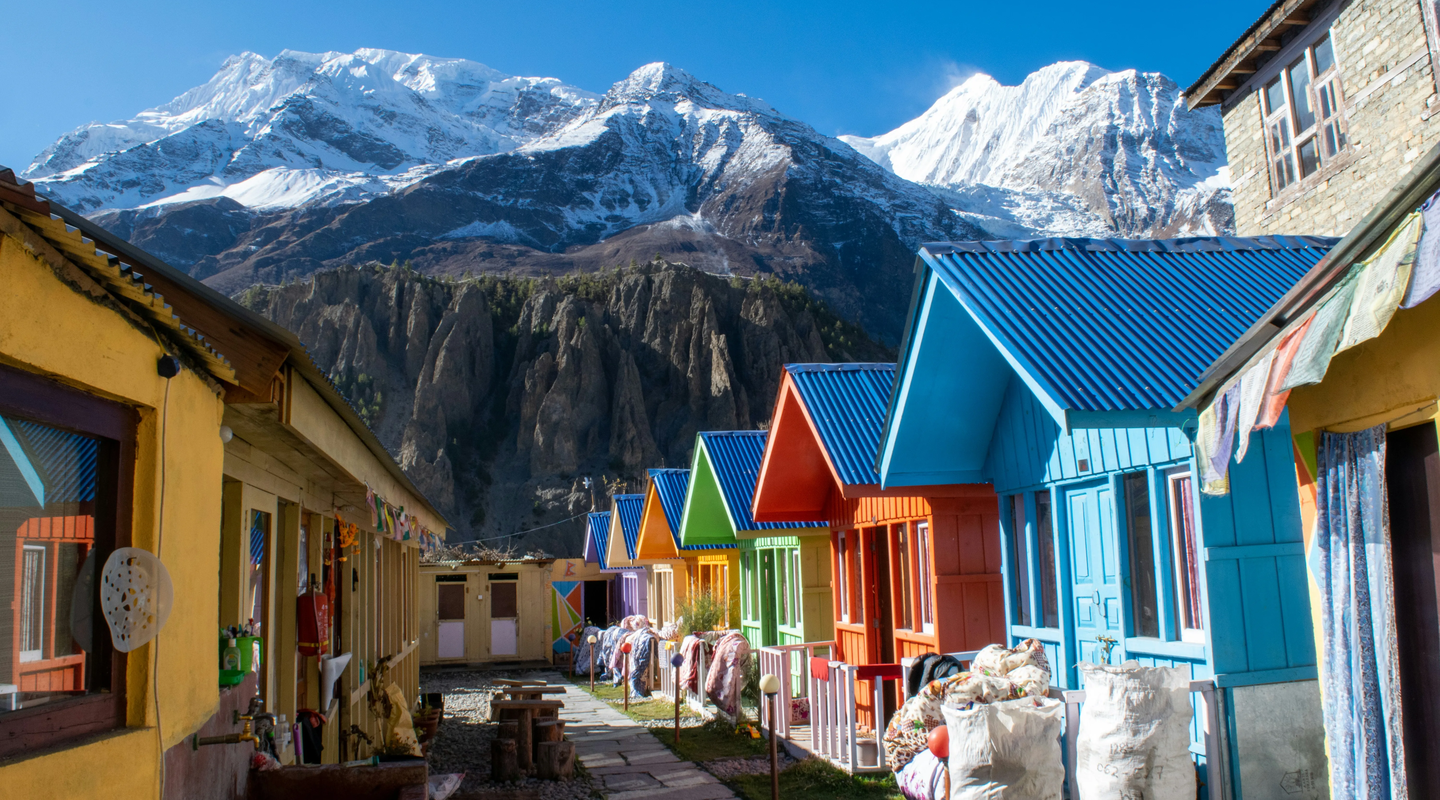
Upper Mustang has a different climate from much of Nepal because the Annapurna and Dhaulagiri ranges create a rain-shadow effect. This means the region receives less rainfall during the summer monsoon, making it possible to ride in months when other parts of Nepal experience heavy rain. However, the road from Pokhara and Beni towards Jomsom can still be affected by monsoon rainfall, landslides and muddy sections. Upper Mustang offers a different riding experience from Nepal's greener hill regions, with dry valleys, rocky landscapes and traditional Tibetan-influenced villages. Before choosing your travel dates, it helps to understand what it feels like to ride through Upper Mustang, including the landscape, local settlements and conditions along the route.
Understanding Upper Mustang’s Climate and Geography
Upper Mustang lies in the rain-shadow area north of the Annapurna and Dhaulagiri ranges, close to the Tibetan Plateau. The Kali Gandaki Valley forms a major part of the region’s landscape, with dry hills, rocky cliffs, open valleys and traditional settlements. Because the mountains block much of the moisture coming from the south, Upper Mustang receives considerably less rainfall than many other parts of Nepal.
This dry climate makes Upper Mustang suitable for motorcycle travel during several months of the year. However, dry weather does not always mean easy riding. Strong winds, loose gravel, dust, cold mornings, and sudden temperature changes can affect the journey, especially at higher elevations. Riders should consider the entire route from Pokhara or Kathmandu rather than looking only at the weather in Lo Manthang. Travellers who prefer exploring the region on foot rather than by motorcycle can consider the Upper Mustang trekking route, which offers a different way to experience its remote villages and landscapes.
How the Rain-Shadow Effect Changes Riding Conditions
The rain-shadow climate makes Upper Mustang different from many other destinations in Nepal, but it does not remove the challenges of mountain travel. Riders should also understand the challenging road conditions on the Upper Mustang route, particularly when planning a trip during or shortly after the monsoon.
However, the lower approach to Upper Mustang follows river valleys and mountain roads that receive more rainfall. The route from Pokhara through Beni, Tatopani and Jomsom can experience muddy tracks, landslides, road damage and swollen streams during the monsoon. A dry destination does not guarantee a trouble-free journey, so riders should check road conditions before departure.
Upper Mustang Weather Compared With Other Parts of Nepal
Upper Mustang has a drier and more desert-like climate than destinations such as Pokhara, Kathmandu and Chitwan. While these lower areas receive substantial monsoon rainfall, Upper Mustang often remains relatively dry. Its high elevation, however, creates colder conditions, particularly at night and during winter.
The difference is important when planning a motorcycle tour. You may experience warm conditions in Pokhara, rain along the lower route and cold winds after reaching Jomsom or Lo Manthang. Carrying suitable riding gear for several weather conditions is more practical than preparing for one type of climate.
Spring in Upper Mustang (March to May)
Spring is one of the best seasons for an Upper Mustang ride because the weather gradually becomes warmer and road conditions are generally favourable. Daytime temperatures become more comfortable, snow from some lower sections begins to clear, and the surrounding hills offer clear views on many days. March can still bring cold mornings, while April and May usually provide warmer riding conditions.
This season also offers opportunities to experience local culture and festivals. The Tiji Festival in Lo Manthang is one of Upper Mustang’s most recognised cultural events and usually takes place in May, although the exact dates change each year. Riders planning their trip around the festival should check the confirmed dates before arranging permits, accommodation and transport.
Riding Conditions During Spring
Spring usually provides a good balance between temperature, visibility and road conditions. The lower sections of the route can become dusty as the weather gets drier, while higher areas may still have snow or cold patches early in the season. Riders should be prepared for changing conditions as the route climbs from the lower Kali Gandaki Valley towards Lo Manthang.
April is often a particularly suitable month because temperatures are generally more comfortable than in early spring, and the monsoon has not yet arrived. May can also be a good choice, but afternoon winds may become stronger in some sections of the valley. Starting rides early in the day can help reduce exposure to strong winds and afternoon weather changes.
- March: Cold mornings and evenings, with a possibility of snow or icy patches at higher elevations.
- April: Generally comfortable daytime temperatures and favourable conditions for riding.
- May: Warmer weather and an opportunity to experience the Tiji Festival in Lo Manthang.
- Road conditions: Mostly dry, although loose gravel and dust can be present.
- Visibility: Often good, depending on local weather and wind conditions.
Tiji Festival and Spring Cultural Experiences
The Tiji Festival is a major cultural event in Lo Manthang, usually celebrated over three days in May. It includes traditional masked dances and religious performances connected with Tibetan Buddhist traditions. The festival attracts local communities and visitors who come to observe the ceremonies and experience the cultural heritage of the former Kingdom of Lo.
A spring ride can therefore offer more than mountain scenery and challenging roads. It provides an opportunity to explore villages, monasteries and local traditions while travelling through the region. Since the festival dates and accommodation demand can vary each year, riders should confirm the schedule and plan their stay in Lo Manthang in advance.
Summer and Monsoon in Upper Mustang (June to August)
Upper Mustang is one of the few trekking and riding destinations in Nepal that can remain accessible during the summer monsoon. Its location behind the Annapurna and Dhaulagiri ranges protects much of the region from heavy rainfall, so places such as Kagbeni and Lo Manthang are often drier than Pokhara and other lower destinations. This makes summer a possible option for experienced riders who want to explore the region outside the main spring and autumn seasons.
However, the approach route can be more difficult during these months. Heavy rain in lower areas may cause landslides, muddy roads, damaged surfaces and river crossings along the way to Jomsom. Even when Upper Mustang itself is dry, reaching it can be challenging. Riders should check recent road reports and allow flexibility in their itinerary rather than assuming that the rain-shadow climate guarantees safe access.
Is Upper Mustang Suitable for Riding During the Monsoon?
Upper Mustang can be suitable for riding during the monsoon, but the conditions depend heavily on the road leading into the region. The upper section beyond Kagbeni may remain relatively dry, while lower sections around Beni and the route towards Jomsom can be affected by rainfall. This difference makes route planning especially important for summer motorcycle trips.
Monsoon riding is better suited to riders with experience on uneven mountain roads and changing weather conditions. A support vehicle, suitable tyres, protective riding equipment and a flexible schedule can help manage unexpected delays. It is also important to avoid crossing swollen streams or attempting damaged road sections when conditions are unsafe.
- June: The monsoon begins to affect lower parts of Nepal, while Upper Mustang may remain relatively dry.
- July: Rainfall can create difficult conditions on the approach roads, especially around lower river valleys.
- August: Weather conditions can remain unpredictable, although rainfall may begin to decrease towards the end of the month.
- Road conditions: Dry and dusty in some upper sections, but muddy, slippery or damaged in lower areas.
- Visibility: Can vary because of clouds, rain and dust.
Temperature and Weather During Summer
Summer temperatures in Upper Mustang are generally warmer than in winter, making daytime riding more comfortable. However, the region can still experience cold mornings, strong winds and sudden changes in weather because of its elevation. Riders should not assume that summer conditions will be warm throughout the day.
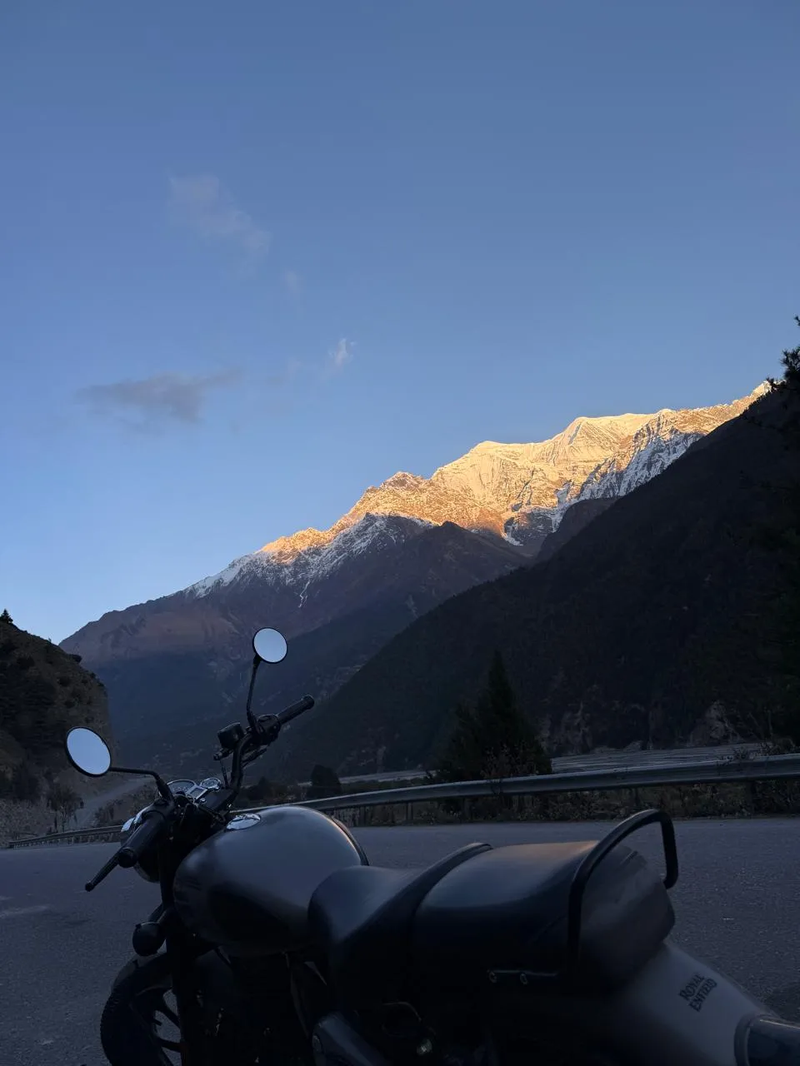
The biggest concern is often the difference between the upper and lower parts of the route. You may encounter rain and humid conditions around Pokhara, followed by drier weather in the Mustang region. Waterproof luggage covers, rain protection and breathable riding layers can help you manage these changes.
Autumn in Upper Mustang (September to November)
Autumn is another excellent season for an Upper Mustang ride. The monsoon gradually withdraws from Nepal, skies often become clearer and road conditions can improve as rainfall decreases. The surrounding mountains, dry valleys and traditional settlements are particularly attractive during this period, making autumn a popular choice for motorcycle travellers.
October is often considered one of the best months for the ride because it usually offers a favourable combination of weather, visibility and road conditions. September can still experience occasional rainfall, particularly in the lower approach areas, while November becomes colder as winter approaches. Riders should choose their dates based on their comfort with cold temperatures and the latest road conditions.
Why October Is a Popular Month for an Upper Mustang Ride
October generally offers stable weather and good visibility across much of the region. The monsoon has usually ended, and the roads are often in better condition than during the rainy months. Daytime temperatures can be suitable for riding, although mornings and evenings remain cold at higher elevations.
The clearer weather also improves the chances of enjoying views of the surrounding Himalayan landscape. However, conditions are not guaranteed to be the same every year. Recent rainfall, road maintenance and local weather patterns can still affect the journey, so it is sensible to check conditions before setting out.
- September: The monsoon may continue in lower areas, but conditions often improve as the month progresses.
- October: Generally one of the most favourable months for visibility and riding conditions.
- November: Cooler temperatures, particularly in the mornings and evenings, with increasing winter conditions.
- Road conditions: Usually more stable after the monsoon, although loose gravel and dust remain common.
- Visibility: Often good, especially during clear autumn days.
Local Life and Harvest Season in Autumn
Autumn is also a rewarding time to observe daily life in Mustang’s villages. Local communities continue their agricultural activities, and the dry landscape offers a different experience from the greener lower regions of Nepal. Travelling through Kagbeni, Ghami, Charang and Lo Manthang allows visitors to see traditional settlements, monasteries and the distinctive architecture of the region.
The season can also be busy because autumn is a popular travel period across Nepal. Accommodation in smaller settlements may have limited availability, especially when several groups arrive around the same time. Planning overnight stops in advance can make the ride more comfortable.
Winter in Upper Mustang (December to February)
Winter is generally the most challenging season for an Upper Mustang ride. Temperatures drop significantly at higher elevations, and cold winds can make long hours on a motorcycle uncomfortable. Snowfall and icy sections may affect some parts of the route, while local services and accommodation options can become limited as residents move to warmer areas.
Experienced riders may still consider a winter trip, but it requires careful preparation and a flexible schedule. Cold-weather riding equipment, suitable tyres and reliable local support become especially important. Riders should also confirm road accessibility before departure because snow, ice and poor weather can make some sections unsafe.
Cold Weather, Snow and Road Conditions
Winter brings freezing temperatures to higher settlements such as Lo Manthang. Even when there is no snowfall, icy patches can form during cold mornings, particularly in shaded areas. These conditions reduce tyre grip and increase the risk of slipping on uneven roads.
Snowfall can also affect access to higher sections, while strong winds may make riding difficult in exposed valleys. It is important to avoid riding on icy roads and to adjust the itinerary according to local advice. If conditions become unsafe, delaying the journey is better than taking unnecessary risks.
- December: Cold conditions begin to become more severe, especially at night.
- January: Usually one of the coldest months, with a higher chance of snow and icy roads.
- February: Temperatures may begin to rise gradually, but winter conditions can continue at higher elevations.
- Road conditions: Possible snow, ice and frozen sections, depending on weather.
- Visibility: Can be good on clear days, but snow and wind may reduce visibility.
Is a Winter Ride Recommended?
A winter ride is not the best choice for most travellers because cold temperatures and uncertain road conditions can affect comfort and safety. Accommodation and other services may also be less available than during the main riding seasons. Riders who are unfamiliar with high-altitude mountain roads should consider spring or autumn instead.
If you are planning a winter trip, speak with local operators about current access conditions and the availability of accommodation. Carry insulated gloves, thermal layers, windproof outerwear and suitable riding boots. Keep the schedule flexible and be prepared to change your route if snow or ice makes riding unsafe.
Upper Mustang Weather and Riding Conditions by Month
Choosing the right month can help you prepare for temperature changes, road conditions and visibility. The table below provides a general seasonal guide rather than a fixed weather forecast. Conditions can change from year to year, and the lower approach route may experience different weather from Upper Mustang itself.
The best month also depends on your riding experience and travel priorities. April and October are strong choices for generally favourable conditions, while May may suit travellers interested in the Tiji Festival. Summer can be considered by experienced riders who understand the risks of monsoon-affected approach roads.
| Month |
General Weather |
Road Conditions |
Riding Suitability |
| January |
Very cold, possible snow |
Ice and snow may affect higher sections |
Difficult |
| February |
Cold, with gradual warming |
Possible icy patches |
Challenging |
| March |
Cold mornings, milder days |
Conditions generally improve |
Good |
| April |
Mild to warm days, cold nights |
Mostly dry, with dust and gravel |
Excellent |
| May |
Warmer, occasional strong winds |
Generally dry |
Excellent |
| June |
Warmer, monsoon begins in lower Nepal |
Upper Mustang may be dry; approach roads can be affected |
Variable |
| July |
Monsoon conditions in lower areas |
Mud, landslides and damaged sections possible |
Challenging |
| August |
Unpredictable monsoon conditions |
Road conditions vary |
Variable |
| September |
Weather gradually clears |
Conditions often improve |
Good |
| October |
Generally clear and stable |
Usually favourable |
Excellent |
| November |
Colder, especially at night |
Often dry, but temperatures fall |
Good |
| December |
Very cold |
Ice and snow may affect higher sections |
Difficult |
How Seasonal Changes Affect Upper Mustang Road Conditions
Road conditions are just as important as weather when planning a motorcycle journey to Upper Mustang. The route includes paved sections, gravel roads, rocky tracks, dusty surfaces and uneven mountain paths. The condition of each section can change after rainfall, road maintenance or landslides, so the same route may feel very different in different seasons.
Spring and autumn usually provide more favourable riding conditions because rainfall is limited and the roads are generally more stable. Summer can bring mud and road damage along lower sections, while winter may create icy patches at higher elevations. Riders should be prepared for changing surfaces throughout the journey, even during the recommended seasons.
Dust and Loose Gravel During Dry Months
Dust and loose gravel are common on dry sections of the Upper Mustang route, particularly during spring and autumn. Passing vehicles can reduce visibility by raising dust, while loose stones can affect traction when turning or braking. Riders should maintain a safe distance from other vehicles and reduce speed on rough surfaces.
Protective equipment is important in these conditions. A full-face helmet, goggles or a suitable visor, gloves and protective riding clothing can reduce exposure to dust and road debris. Riders should also avoid sudden braking or sharp turns on loose gravel, especially when travelling downhill.
Mud, Landslides and River Crossings During the Monsoon
During the monsoon, heavy rain can affect the lower approach route to Upper Mustang. Muddy surfaces, landslides and swollen streams may create delays or make some sections unsafe. These problems are more likely in areas that receive heavier rainfall than the upper Mustang region.
Riders should check local road reports before starting each day and follow advice from experienced local guides. Never attempt to cross a swollen river or stream if the water level or current looks dangerous. A flexible itinerary and a support vehicle can help manage delays, but neither can make an unsafe road safe.
Snow and Ice During Winter
Snow and ice can create serious riding challenges during winter, especially on shaded roads and higher sections. Even a thin layer of ice can reduce tyre grip and make braking difficult. Cold temperatures can also affect the rider’s concentration and physical comfort.
If snow or ice is present, avoid riding until local conditions improve. Check with people who know the route, and do not rely only on weather forecasts from lower towns. A road that appears clear in Jomsom may have very different conditions farther north.
How Altitude Affects an Upper Mustang Ride
Altitude is an important factor when planning an Upper Mustang motorcycle tour. The route climbs from lower elevations around Pokhara towards settlements located above 3,000 metres. Lo Manthang sits at approximately 3,840 metres, where the air contains less oxygen than at lower elevations. Riders may feel the effects of altitude even when travelling by motorcycle rather than walking.
Travelling quickly to higher elevations can increase the risk of altitude sickness. Headaches, nausea, dizziness, tiredness and difficulty sleeping are possible symptoms. Riders should allow time to adjust, avoid overexertion and pay attention to how they feel. Anyone experiencing worsening symptoms should stop ascending and seek medical advice.The route reaches elevations above 3,000 metres, so riders should prepare for possible altitude-related symptoms even when travelling by motorcycle. Read our guide to medical preparation for high-altitude travel for more information about altitude sickness, health precautions and emergency planning.
Key Elevations Along the Upper Mustang Route
The elevation changes along the route can help you understand where the ride becomes more demanding. The following figures are approximate and may vary slightly depending on the exact location or route.
| Location |
Approximate Elevation |
| Pokhara |
822 m |
| Beni |
899 m |
| Jomsom |
2,720 m |
| Kagbeni |
2,800 m |
| Chele |
3,050 m |
| Charang |
3,560 m |
| Lo Manthang |
3,840 m |
How to Prepare for Altitude
A motorcycle reduces the physical effort needed to cover distance, but it does not prevent altitude sickness. Riders still spend time at high elevations and may experience symptoms, especially if they ascend too quickly. A sensible itinerary should include enough time to adjust and should avoid rushing directly to the highest settlements.
Drink enough water, eat regular meals and avoid alcohol during the initial days at altitude. Keep your riding schedule manageable and tell your guide or travel companions if you feel unwell. Severe symptoms, including difficulty breathing at rest, confusion or loss of coordination, require urgent medical attention and descent.
What to Pack for an Upper Mustang Ride
Packing for Upper Mustang requires preparation for both warm daytime conditions and cold mornings or evenings. The weather can change quickly as the route gains elevation, and riders may encounter dust, wind, rain or snow depending on the season. Instead of relying on one heavy jacket, use layers that can be added or removed as temperatures change.
Your motorcycle gear should also protect you from rough road surfaces and dust. A comfortable helmet, gloves, riding boots and protective clothing are essential for a long journey on mountain roads. Waterproof protection is useful during the monsoon and for unexpected rain, while insulated layers are especially important in spring, autumn and winter. Your packing list should account for changing temperatures, dust, wind and possible rainfall. For a more detailed checklist, see our guide to motorcycle gear and packing essentials for Upper Mustang.
Essential Riding Gear
- Full-face helmet with a clear visor
- Protective motorcycle jacket and trousers
- Riding gloves suitable for changing temperatures
- Waterproof riding layer or rain suit
- Strong riding boots with ankle protection
- Knee and elbow protection, if not built into your gear
- Dust mask or suitable face protection
- Sunglasses or riding goggles
- Thermal base layers for cold mornings
- Warm socks and an insulated mid-layer
Personal Items and Safety Equipment
- Sunscreen and lip balm
- Reusable water bottle
- Basic first-aid kit
- Personal medication
- Headlamp or torch
- Power bank and charging cables
- Waterproof bags for electronics and important documents
- High-altitude travel insurance details
- Cash for smaller settlements where card payments may not be available
Practical Planning for an Upper Mustang Motorcycle Tour
A successful Upper Mustang ride requires more than choosing the right month. Riders must also plan permits, accommodation, motorcycle arrangements and access to the region. Upper Mustang is a restricted area, so foreign visitors must follow the current permit rules and travel arrangements set by the relevant authorities. Requirements can change, and travellers should confirm the latest regulations before departure.
It is also important to decide whether to travel with a local guide, support vehicle or organised motorcycle tour. A local team can help with route information, accommodation arrangements and unexpected road conditions. This is particularly useful in remote sections where mechanical services, fuel and other facilities may be limited.Your total budget depends on the motorcycle, tour duration, accommodation, permits, guide services and other travel arrangements. Before setting your budget, review our breakdown of Upper Mustang bike trip costs to understand the main expenses involved.
Restricted Area Permit and Travel Requirements
Upper Mustang is a restricted area in Nepal, and foreign visitors need the required permits before entering the region. The rules generally require foreign trekkers to arrange travel through a registered agency and be accompanied by a licensed guide. Minimum group requirements and permit conditions can change, so travellers should verify the current rules with Nepal’s Department of Immigration or a registered local operator.
Do not rely on old permit prices or outdated travel information when preparing your budget. Confirm the current permit fee, required documents, and group conditions before booking. Nepali citizens and foreign visitors may have different requirements, so the applicable rules should be checked according to nationality. Foreign visitors must arrange the required permits before entering Upper Mustang and follow the current restricted-area travel rules. Read our detailed explanation of the permits required for an Upper Mustang motorbike tour before making your travel arrangements.
Motorcycle, Guide and Support Vehicle
A suitable motorcycle is essential for riding on Upper Mustang’s uneven mountain roads. The best choice depends on your experience, riding style and the condition of the route. Before departure, check the tyres, brakes, chain, suspension, lights and other important components. Carrying basic tools and arranging access to mechanical support can help manage minor problems.
A local guide can provide useful information about road conditions, villages, accommodation and cultural sites. A support vehicle may also carry luggage, spare parts and emergency supplies, depending on the tour arrangement. For longer rides through remote areas, these arrangements can make the journey more manageable.
Reaching Upper Mustang From Kathmandu or Pokhara
Most motorcycle itineraries reach Upper Mustang through Pokhara and the Kali Gandaki Valley. From Pokhara, riders generally travel towards Beni, Tatopani, Ghasa, Marpha and Jomsom before continuing north towards Kagbeni and Lo Manthang. The route and travel time depend on road conditions, stops and the starting point.
Travellers beginning in Kathmandu usually need to reach Pokhara first, either by road or flight, before continuing towards Mustang. Road access can be affected by weather and maintenance, especially during the monsoon. Allow enough time for the journey and avoid planning the itinerary around unrealistic daily distances.For travellers visiting the lower Mustang region, a helicopter tour to Jomsom and Muktinath is another alternative to travelling by road.
Responsible Riding and Sustainable Tourism in Upper Mustang
Upper Mustang has a fragile high-altitude environment and a strong cultural identity shaped by Tibetan Buddhist traditions. Motorcycle travel can bring visitors and income to local communities, but it can also create dust, noise and pressure on local resources. Travelling responsibly helps reduce these effects and supports the places that make the journey special.
Riders should respect local customs, follow designated routes and avoid disturbing wildlife or damaging the landscape. Supporting locally owned accommodation, restaurants and services can help keep tourism income within the community. Small choices, such as carrying reusable water bottles and disposing of waste properly, also make a difference.
Respecting Local Culture and Communities
Villages such as Kagbeni, Ghami, Charang and Lo Manthang have distinctive architecture, monasteries and religious sites. Visitors should dress respectfully when entering monasteries and ask permission before photographing people or religious ceremonies. Follow local guidance around prayer flags, chortens, mani walls and other cultural features.
Riding slowly through villages also helps reduce noise and dust. Avoid revving engines unnecessarily near homes, monasteries and public spaces. Taking time to interact respectfully with local residents can make the journey more meaningful than simply passing through each settlement.
Reducing the Environmental Impact of Motorcycle Travel
Motorcycle travel has an environmental impact, but responsible planning can help reduce unnecessary damage. Stay on established roads, avoid creating new tracks and do not leave rubbish along the route. Carry reusable containers where practical and take non-biodegradable waste back to places where it can be disposed of properly.
Choose local services when possible and follow the advice of guides who understand the region. Respecting the landscape and local communities helps protect Upper Mustang for future visitors and residents.
Final Thoughts: Choose the Right Season for Your Upper Mustang Ride
Spring and autumn are generally the best seasons for an Upper Mustang ride because they offer a good balance of weather, visibility and road conditions. April and October are particularly strong choices for most riders. May is worth considering if you want to experience the Tiji Festival, while September can be suitable as the monsoon gradually retreats.
Summer is possible because Upper Mustang receives less rainfall than much of Nepal, but the approach roads can still be affected by monsoon conditions. Winter brings colder temperatures and a greater chance of snow and ice, making it a more demanding option. Whichever season you choose, check current road conditions, prepare for altitude and carry suitable riding gear. A well-planned journey gives you more time to enjoy Mustang’s dramatic landscapes, traditional villages and distinctive culture. For reliable guidance and well-organised Himalayan adventures, explore why Himalayan Hero is considered among the best trekking companies in Nepal.
Frequently Asked Questions About the Best Time for an Upper Mustang Ride
What is the best month for an Upper Mustang ride?
October is generally the best month for an Upper Mustang ride because it offers clear skies, dry roads, and favourable riding conditions.
Can you ride to Upper Mustang during the monsoon?
Yes, you can ride to Upper Mustang during the monsoon, but heavy rain can affect the lower approach roads through Beni and Jomsom.
Does it rain in Upper Mustang during July?
Upper Mustang receives relatively little rainfall in July due to the rain-shadow effect of the Annapurna and Dhaulagiri ranges.
Is Upper Mustang very cold in winter?
Yes, Upper Mustang experiences freezing temperatures in winter, particularly at night and in higher settlements such as Lo Manthang.
How many days are needed for an Upper Mustang motorcycle tour?
An Upper Mustang motorcycle tour generally takes 10 to 14 days from Kathmandu, depending on the route and itinerary.
Is Upper Mustang suitable for beginner motorcycle riders?
Upper Mustang is better suited to riders with off-road experience because the route includes gravel, rocky tracks and uneven mountain roads.
What is the highest point of an Upper Mustang motorcycle ride?
Lo Manthang, at approximately 3,840 metres above sea level, is one of the highest major settlements on a typical Upper Mustang motorcycle tour.
Do I need a guide for an Upper Mustang motorbike tour?
Foreign travellers generally need a licensed guide and must follow Nepal's restricted-area permit requirements to visit Upper Mustang.