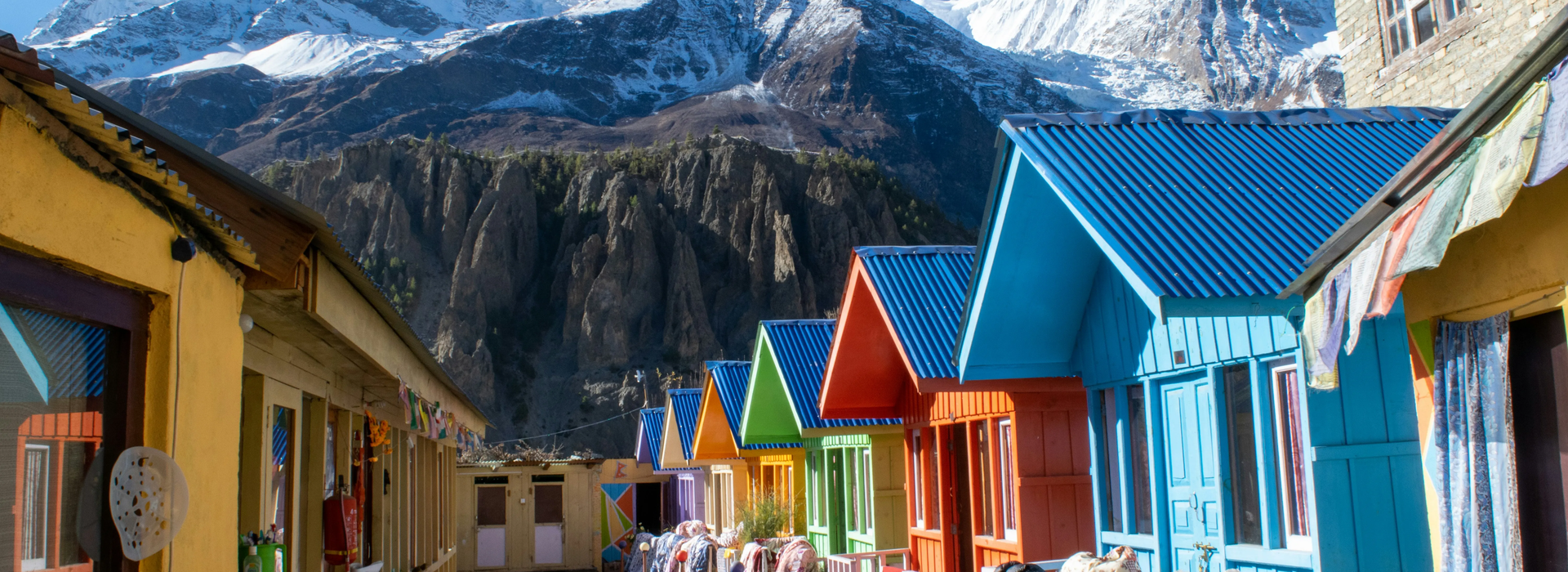
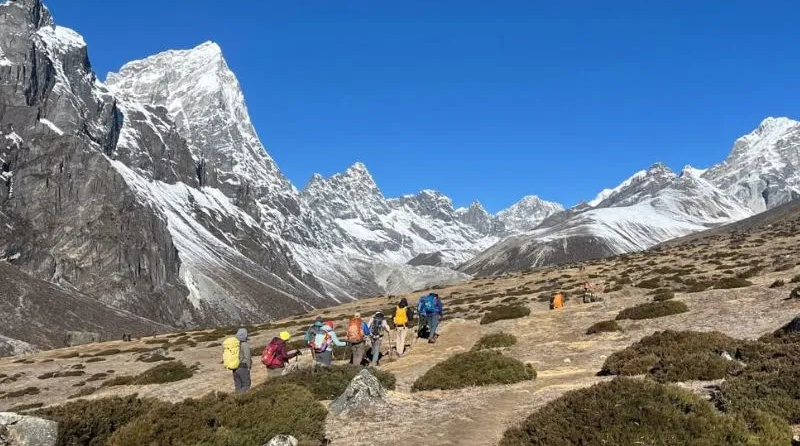
Manang is one of the best-known mountain destinations in Nepal's Annapurna region. Located north of the Marshyangdi River valley, it is known for its traditional stone villages, Buddhist monasteries, high-altitude lakes, and views of the Annapurna range. Its dry mountain landscape also looks different from the greener valleys and forests found along the lower sections of the Annapurna Circuit.
Manang is a mountain region in Nepal's Gandaki Province, known for its traditional villages, Buddhist monasteries, high-altitude lakes, and its location along the Annapurna Circuit. The name can refer to Manang District, Manang Valley, or Manang Village, depending on the context. Manang Village is a major stop for trekkers crossing the Annapurna Circuit and a starting point for several popular side trips.
Whether you are trekking through the region or visiting its villages and lakes, Manang offers a closer look at the landscapes and culture of Nepal's high Himalayas.
Where Is Manang in Nepal?
Manang is in Manang District of Gandaki Province, in north-central Nepal. It lies within the Annapurna region, north of the main Himalayan range and close to the border with Tibet, China. The district includes high mountain valleys, settlements, glaciers, and some of Nepal's most recognized trekking routes.
The Marshyangdi River flows through the lower valley, connecting settlements such as Besisahar and Chame with the higher villages towards Manang. The landscape changes as the route gains elevation. Green hills and forests give way to drier slopes, rocky terrain, and snow-covered peaks.
Chame is the administrative headquarters of Manang District. It is an important settlement on the road and trekking route to Manang Village. The village of Manang lies farther north, at approximately 3,519 meters above sea level.
It helps to understand the difference between three commonly used place names:
- Manang District: The wider administrative area in Gandaki Province.
- Manang Valley: The mountain valley and surrounding settlements associated with the upper Marshyangdi region.
- Manang Village: The main settlement commonly used as an acclimatisation stop on the Annapurna Circuit.
The Annapurna range, Gangapurna, Tilicho Peak, and other surrounding mountains shape the region's landscape. Their glaciers feed high-altitude lakes and streams, while the villages occupy relatively sheltered slopes and valley floors.
What Makes Manang Special?
Manang stands out for its combination of mountain scenery, traditional settlements, and Tibetan Buddhist heritage. It is also an important part of the Annapurna Circuit, where trekkers spend time adjusting to the altitude before continuing towards Thorong La Pass.
Several features make the region worth exploring.
Traditional Himalayan settlements: Villages such as Manang, Braga, Ngawal, and Ghyaru have stone houses, narrow lanes, and buildings designed for mountain conditions. Their architecture reflects the region's climate and cultural history.
Tibetan Buddhist influence: Monasteries, prayer flags, mani walls, and chortens are visible throughout the area. These features reflect the Buddhist traditions that have shaped local religious and community life.
High-altitude lakes: Gangapurna Lake, Ice Lake, and Tilicho Lake are among the region's best-known natural attractions. Each has a different setting and requires a different level of effort to reach.
Dry mountain landscape: The upper Manang region lies in the rain shadow of the Annapurna range. Compared with Nepal's wetter southern slopes, it often has less vegetation, open hillsides, and a more rugged appearance.
Annapurna Circuit location: Manang is a key stop before the route crosses Thorong La Pass. Its altitude makes it an important place for acclimatization and preparation.
Best Places to Visit in Manang
There are several places to explore in and around Manang Village. Some are suitable for shorter walks, while others require a full day or more and careful planning at high altitude.
Elevations are approximate. Published figures can vary by measurement point and source.
Manang Village
Manang Village is one of the main settlements in the upper Marshyangdi valley. At approximately 3,519 meters, it is an important overnight stop on the Annapurna Circuit and a common place for trekkers to take an acclimatization day.
The village has traditional stone houses, flat-roofed buildings, and narrow paths. Its architecture reflects the cold, dry conditions of the high mountains. You can also find lodges, teahouses, small shops, and places to eat, making it one of the better-equipped settlements along this part of the route.
Manang offers views of the surrounding mountain slopes and peaks, including the landscape around Gangapurna. The village is also a useful base for exploring nearby cultural sites and walking routes.
Visitors can use their time here to:
- Walk through the traditional settlement and observe local architecture.
- Visit nearby monasteries and cultural sites.
- Explore the area around Gangapurna Lake.
- Take an acclimatisation walk before continuing to higher elevations.
- Rest, check trail conditions, and prepare for the next stage of the Annapurna Circuit.
Although Manang has more visitor facilities than many smaller villages in the region, it remains a remote mountain settlement. Services may be limited compared with towns at lower elevations.
Gangapurna Lake
Gangapurna Lake lies below Gangapurna Glacier, close to Manang Village. It is a glacial lake formed by meltwater from the surrounding ice and mountain slopes.
The lake is known for its turquoise or blue-green water, depending on the light and conditions. Its setting beneath the glacier makes it one of the most accessible natural attractions for visitors staying in Manang.
The lake can be reached on foot from Manang Village. The walk is a popular option for trekkers who want to explore the area without committing to a long, high-altitude hike. Allow time to walk slowly, enjoy the surroundings, and return to the village.
Gangapurna Lake is also a useful place to appreciate how glaciers shape the upper Manang landscape. The nearby ice, rock, and water create a clear picture of the natural environment found at this elevation.
Ice Lake (Kicho Tal)
Ice Lake, also known as Kicho Tal, is a high-altitude lake above Manang Village. It sits at approximately 4,600 meters and is a popular acclimatisation hike for trekkers who have enough time and are feeling well.
The trail climbs steeply from the Manang area. It passes through open mountain terrain and gains a significant amount of elevation. The ascent commonly takes several hours, and the return journey also requires care. Many trekkers allow most of a day for the walk. Exact walking time depends on fitness, weather, trail conditions, and how well a person is adjusting to the altitude.
The lake offers views across the Annapurna region and surrounding peaks. The landscape is more exposed and alpine than the lower valley, with limited shelter along parts of the route.
Ice Lake is not a casual short walk. The altitude and steep ascent can make it physically demanding, even for experienced hikers. Do not attempt it if you have symptoms of altitude sickness or are struggling to recover after reaching Manang. Ask a local guide or lodge about current trail conditions before setting out.
Tilicho Lake
Tilicho Lake is one of the most famous high-altitude lakes in Nepal. It lies at approximately 4,919 meters in the Annapurna region, beneath the slopes of Tilicho Peak.
The lake is known for its remote mountain setting and the striking contrast between its water, surrounding rock, and snow-covered peaks. It is a major side trip for trekkers following the Annapurna Circuit, but it requires more planning than a walk from Manang Village.
The usual trekking route branches away from the main Annapurna Circuit near Khangsar. Trekkers continue towards Tilicho Base Camp before making the final approach to the lake. Trail conditions can change with snowfall, landslides, and seasonal weather.
The route is demanding because of its altitude, uneven terrain, and exposure to changing mountain conditions. The walk to the lake is not suitable for everyone, particularly those who have not acclimatized properly.
Before planning the trip:
- Allow additional days in your itinerary.
- Check current trail and weather conditions.
- Carry suitable clothing for cold and changing weather.
- Follow local advice about safe trail access.
- Watch for symptoms of altitude sickness and descend if they develop.
Tilicho Lake can be visited as a side trip from the Annapurna Circuit, but it should not be treated as an easy extension of the Manang village walk.
You can also read our complete guide to the Tilicho Lake Trek for more information about the route, preparation, and trail conditions.
For a combined route, see the Annapurna Circuit with Tilicho Lake.
Braga Monastery
Braga Monastery, also called Bhraka Monastery, is one of the important cultural sites near Manang Village. It stands above Braga Village and is associated with the Tibetan Buddhist traditions of the region.
The monastery is recognized for its traditional architecture, religious artwork, and collection of Buddhist images. Its position above the village also gives visitors a view of the surrounding settlement and mountain landscape.
A visit to Braga Monastery offers insight into the religious life of the local community. Visitors should remember that it is a place of worship, not simply a sightseeing stop. Some areas may be closed during religious activities or when no local representative is available.
Dress respectfully, ask before taking photographs inside, and follow any instructions given by the monastery's caretakers.
Milarepa Cave
Milarepa Cave is associated with the Buddhist teacher and poet Milarepa, who is an important figure in Tibetan Buddhist tradition. Local tradition connects the cave with his meditation and spiritual practice.
The site is in the wider Manang area, beyond the main village paths, and is generally visited as a separate walk rather than as part of a quick village tour. The route and access conditions should be checked locally before setting out.
For visitors interested in the region's religious history, the cave offers a different experience from visiting a monastery. It connects the mountain landscape with stories and beliefs that remain part of Himalayan Buddhist culture.
Traditional Villages Around Manang
The settlements around Manang each have their own setting and character. Visiting them gives travellers a better understanding of how communities have adapted to life in the high Himalayas.
Braga Village
Braga, also written as Bhraka, lies close to Manang Village along the Annapurna Circuit route. It is known for its traditional stone houses and historic monastery.
The village has a compact layout, with buildings grouped along the hillside. Its old houses and narrow paths reflect the region's traditional architecture. Braga is especially worth visiting for its monastery and its connection to local Buddhist heritage.
Because it is close to Manang, Braga can be included in a shorter cultural walk for visitors staying in the area.
Ngawal Village
Ngawal is a traditional settlement on the higher route between Manang and the villages towards the Thorong La section of the Annapurna Circuit. It is known for its stone buildings, mountain setting, and views across the surrounding valleys.
The village offers a quieter alternative to larger trekking stops. Its location along the upper trail makes it a useful place to experience the traditional settlement pattern of the region.
Trekkers may pass through Ngawal when following the higher route between Manang and the next villages. The choice of route depends on the itinerary, trail conditions, and acclimatization plan.
Ghyaru Village
Ghyaru is another traditional settlement along the higher trail between Manang and Ngawal. It sits above the valley and is known for its hillside location and views of the surrounding mountains.
The village has stone houses and a traditional layout that reflects the region's dry climate. Walking through Ghyaru gives visitors a chance to see local architecture away from the busier trekking centres.
The higher route through Ghyaru and Ngawal is often chosen by trekkers who want to experience the old villages and wider mountain views. It involves more climbing than the lower valley route, so allow enough time and consider the effects of altitude.
Khangsar Village
Khangsar lies on the route towards Tilicho Lake. It is a traditional mountain settlement and an important point for trekkers planning the Tilicho side trip.
The village has stone buildings and a setting shaped by the surrounding dry slopes and high mountains. Compared with Manang, it has fewer visitor services, so trekkers should plan food, accommodation, and supplies according to their route.
Khangsar is more than a stop on the way to the lake. It is part of the wider cultural landscape of Manang and provides a closer look at the smaller settlements of the region.
Culture and Traditions of Manang
The culture of Manang reflects its history, geography, and close connections with Tibetan Buddhist communities. The region's high-altitude settlements developed around farming, livestock, trade, and religious traditions.
Buddhism is visible in everyday life. Monasteries, chortens, mani walls, and prayer flags are common features around villages and trails. These structures have religious meaning and are part of the local cultural landscape.
Traditional houses are generally built with stone and designed to withstand cold winters and strong mountain weather. Flat roofs are common in the dry upper valley. Many settlements have narrow lanes and buildings grouped closely together for shelter.
Local food includes familiar Nepali dishes such as dal bhat, as well as Tibetan-influenced foods such as thukpa, noodles, and bread. The exact menu varies between lodges and villages. In larger settlements, trekkers may find a wider selection of meals, while smaller places often have more limited choices.
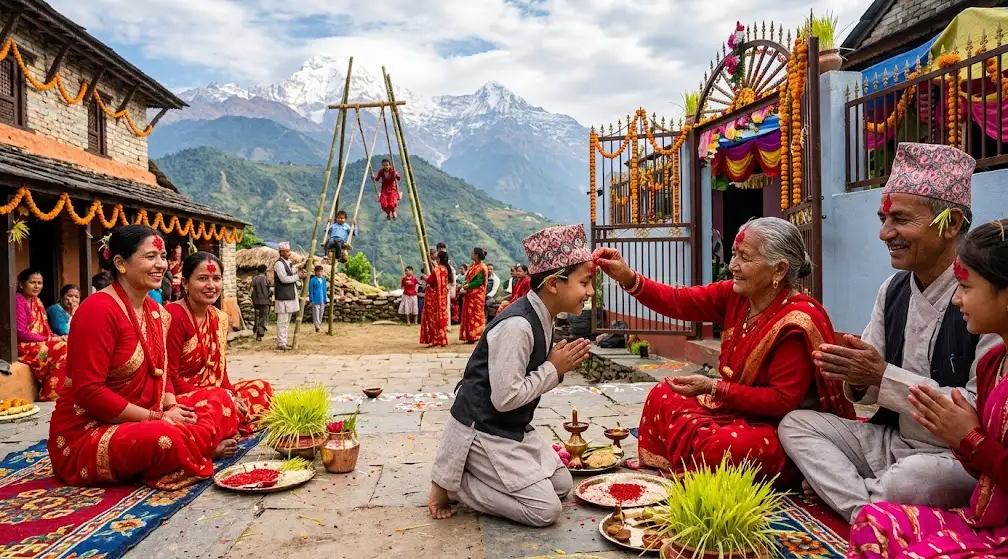
Festivals and religious events follow local Buddhist calendars and community traditions. Dates and activities can vary each year. If you visit during a local celebration, observe respectfully and ask before taking photographs of people or religious ceremonies.
A few simple customs help visitors show respect:
- Walk clockwise around chortens, mani walls, and other Buddhist religious structures.
- Avoid touching religious objects unless invited.
- Ask permission before photographing people or entering private spaces.
- Follow signs and local instructions at monasteries.
- Keep noise low around places of worship.
The region's monasteries, traditional settlements, and religious practices are part of the wider cultural heritage of the Annapurna Circuit.
Manang on the Annapurna Circuit Trek
Manang is one of the main stops on the Annapurna Circuit Trek. The route approaches the village through the Marshyangdi valley, passing settlements such as Chame and Pisang before reaching the higher part of the region.
The journey from Chame to Manang takes trekkers through changing landscapes. The trail passes mountain villages, river valleys, and dry slopes, with views of the surrounding peaks. Some itineraries follow a lower route, while others use the higher trail through Ghyaru and Ngawal.
Manang is an important point in the trek because the route continues to higher elevations beyond the village. After the stay in Manang, trekkers generally continue towards Yak Kharka and then Thorong Phedi or High Camp before crossing Thorong La Pass.
Many itineraries include an acclimatization day in Manang. Rather than staying inside all day, trekkers often take a gradual walk to a nearby viewpoint or attraction, then return to sleep at the same elevation.
Popular side trips include:
- Gangapurna Lake for a shorter walk near the village.
- Ice Lake for a demanding high-altitude day hike.
- Braga Monastery for local Buddhist heritage.
- Tilicho Lake for a longer side trip requiring extra time.
If you are planning the full route, explore our Annapurna Circuit Trek itinerary and trekking arrangements. A well-planned itinerary should allow enough time to adjust to the altitude rather than rushing through Manang.
If you want to include Tilicho Lake, compare the Annapurna Circuit with Tilicho Lake itinerary.
Manang Altitude and Acclimatization
Manang Village sits at approximately 3,519 meters above sea level. At this elevation, the amount of available oxygen is lower than at sea level. Some visitors may develop symptoms of altitude sickness, particularly if they gain height too quickly.
Acclimatization gives the body time to adjust to the lower oxygen levels. Trekkers commonly spend an additional night in Manang before moving higher towards Yak Kharka.
During an acclimatization day, many people follow the principle of climbing higher during the day and returning to sleep at a lower elevation. The walk should be suitable for their fitness and health. It is not necessary to reach a very high viewpoint to benefit from a rest day.
Common symptoms of acute mountain sickness (AMS) include:
- Headache.
- Nausea or loss of appetite.
- Dizziness.
- Unusual tiredness.
- Difficulty sleeping.
Do not ignore symptoms or assume they are simply part of trekking. If symptoms develop, stop ascending and seek advice from a trained guide or medical professional. Do not continue to a higher sleeping altitude while experiencing symptoms of altitude sickness.
Severe symptoms such as difficulty breathing at rest, confusion, loss of coordination, or a worsening cough require urgent medical attention and immediate descent. High-altitude illness can become life-threatening. A guide should know the emergency descent plan and how to arrange help.
Acclimatization advice:
- Ascend gradually and include suitable rest days.
- Walk at a steady pace rather than trying to keep up with faster trekkers.
- Drink enough fluids and eat regular meals.
- Avoid alcohol during acclimatization.
- Tell your guide if you feel unwell.
- Discuss preventive medication with a qualified medical professional before the trek.
Review these Annapurna Circuit trekking safety tips before setting out.
How to Reach Manang from Kathmandu
The common overland approach to Manang starts in Kathmandu and follows the road towards Besisahar, the main gateway to the Annapurna Circuit. From Besisahar, the route continues north through the Marshyangdi valley towards Chame and Manang.
The journey generally has two main road sections:
Kathmandu to Besisahar: Travellers usually take a bus or private vehicle from Kathmandu to Besisahar. Journey time depends on traffic, road conditions, and the transport service.
Besisahar to Chame: Local jeeps and other suitable vehicles operate on sections of the mountain road, depending on current conditions. The road follows the Marshyangdi valley and passes through several settlements before reaching Chame.
From Chame, travelers can continue towards Manang by road where access is available or follow the trekking trail through the villages along the Annapurna Circuit. Road access does not mean every section is suitable for all vehicles or open throughout the year.
Road conditions can change because of rainfall, landslides, snowfall, and maintenance work. During periods of poor weather, vehicles may be delayed or unable to travel beyond certain points. Check the latest local information before departure and allow flexibility in your plans.
Trekkers who prefer to walk the full route can begin lower in the Marshyangdi valley and follow the established Annapurna Circuit trail towards Manang.
Best Time to Visit Manang
The best time to visit Manang depends on the weather, trail conditions, and the activities you plan to do. Spring and autumn are generally the most popular seasons for trekking in the Annapurna region.
Spring (March to May): Spring is a popular time to visit Manang. Daytime temperatures become more comfortable, although mornings and nights remain cold. Snow may still affect higher trails early in the season.
Autumn (September to November): Autumn is another strong season for trekking. The weather is often more stable after the monsoon, and mountain views can be clear. October is a particularly popular month, so accommodation on busy routes may fill up.
Winter (December to February): Winter brings very cold temperatures and possible snowfall. High passes and side-trip trails can become difficult or unsafe. Some lodges may close or reduce services, so check conditions before travelling.
Monsoon (June to August): The upper Manang region lies in a rain-shadow area, so it generally receives less rainfall than many southern parts of Nepal. However, the lower approach can still experience heavy rain, landslides, and road disruption. The weather in the high mountains can also change quickly.
For most trekkers, spring and autumn offer the most practical conditions. Always check current forecasts and local trail reports before starting a high-altitude walk.
For a wider seasonal comparison, read our guide to the best time to trek the Annapurna Circuit.
Accommodation, Food, and Facilities in Manang
Manang Village has a range of teahouses and lodges that serve trekkers on the Annapurna Circuit. Accommodation is generally simple, with rooms designed for overnight stays rather than luxury travel.
Facilities vary between properties. Some lodges have private rooms and attached bathrooms, while others offer shared facilities. Heating may be limited, especially in bedrooms, so warm sleeping clothes are useful.
Food options often include:
- Dal bhat and other Nepali meals.
- Noodles, soup, and thukpa.
- Rice, potatoes, and vegetable dishes.
- Bread, pancakes, and basic breakfast options.
- Tea, coffee, and other hot drinks.
Food choices may become more limited in smaller settlements beyond Manang. If you have specific dietary needs, tell your lodge or guide in advance and carry suitable snacks.
You can also explore this guide to local food on the Annapurna Circuit.
Drinking water is available in the village, but visitors should use treated, boiled, or properly filtered water. Carry a reusable bottle and a suitable water-treatment method.
Electricity and charging facilities are available at some lodges, but supply and charging arrangements vary. Internet and mobile coverage can also be unreliable. Do not depend on a strong connection for navigation, communication, or emergency planning.
There are shops in Manang where trekkers can buy basic supplies, but prices and availability differ from lower towns. Carry enough cash for the trek because card payment and ATM access should not be assumed. Medical services are limited compared with larger towns, so bring personal medication and suitable travel insurance.
How Many Days Do You Need in Manang?
The time you need in Manang depends on your trekking route and the side trips you want to take.
For a short Annapurna Circuit stop: Many standard itineraries include at least one overnight stay in Manang. This allows trekkers to rest before continuing towards Yak Kharka and higher elevations.
For acclimatisation and village exploration: Two or more days give you time to adjust to the altitude, visit Braga Monastery, explore the village, and walk to nearby viewpoints or Gangapurna Lake.
For Ice Lake: Allow most of a day for the demanding hike and return journey. Your condition, the weather, and the trail can affect the time needed.
For Tilicho Lake: Plan additional days beyond a standard Manang stop. The route through Khangsar and Tilicho Base Camp requires more time and careful attention to altitude and trail conditions.
For many visitors, two nights in the Manang area provide a more comfortable balance between acclimatization and exploration. The right schedule depends on your health, previous altitude experience, and the full trekking itinerary.
Essential Tips Before Visiting Manang
Manang is a remote high-altitude destination. A little preparation can make the visit safer and more comfortable.
- Prepare for altitude: Follow a gradual itinerary and do not skip recommended acclimatization days. Know the symptoms of altitude sickness before starting.
- Pack warm clothing: Temperatures can drop quickly after sunset. Bring thermal layers, a warm jacket, gloves, a hat, and suitable trekking footwear.
- Arrange suitable insurance: Choose travel insurance that covers trekking at your planned altitude and emergency helicopter evacuation where required. Check the policy exclusions carefully.
- Stay hydrated: Drink regularly and carry a reusable bottle. Treat water before drinking it.
- Carry enough cash: Do not rely on ATMs or card payments in remote villages.
- Check trail conditions: Ask local guides, lodge owners, or other reliable local sources about snow, landslides, and road access.
- Respect local customs: Follow monastery rules, walk clockwise around Buddhist religious structures, and ask permission before taking photographs.
- Reduce waste: Carry reusable items, avoid unnecessary plastic, and take your rubbish to suitable disposal points.
- Keep your itinerary flexible: Weather and trail conditions can change. Allow extra time where possible, especially if you plan to visit Tilicho Lake or cross Thorong La Pass.
Final Thoughts on Exploring Manang
Manang offers a mix of high mountain scenery, traditional villages, Buddhist heritage, and memorable trekking routes. Whether you visit Gangapurna Lake, explore Braga Monastery, or continue towards Tilicho Lake and Thorong La Pass, taking enough time to adjust to the altitude will make your journey more enjoyable. If you are planning a trek in the Annapurna region, Himalayan Hero, one of the best trekking companies in Nepal, can help you choose a suitable route and plan your journey with local guidance and practical support.
Frequently Asked Questions About Manang
What is Manang Nepal famous for?
Manang, Nepal, is known for its traditional Himalayan villages, Buddhist monasteries, high-altitude lakes, and mountain scenery. It is also an important acclimatisation stop on the Annapurna Circuit. Popular attractions include Gangapurna Lake, Ice Lake, Tilicho Lake, and Braga Monastery.
Is Manang worth visiting?
Yes. Manang is worth visiting if you enjoy mountain landscapes, traditional villages, and Himalayan culture. It offers access to several lakes and monasteries, as well as opportunities to learn about local Buddhist traditions. It is also an important stop for trekkers preparing to cross Thorong La Pass.
What is the elevation of Manang Village?
Manang Village is approximately 3,519 meters above sea level. Its elevation makes acclimatization important, especially for trekkers continuing towards Yak Kharka and Thorong La Pass.
How far is Manang from Kathmandu?
The distance depends on the route and how much of the journey you travel by road or on foot. The usual approach goes from Kathmandu to Besisahar, then through Chame and the Marshyangdi valley towards Manang. Road conditions and the point where you begin trekking affect the total journey.
Can you visit Manang without trekking the Annapurna Circuit?
Yes. You can travel towards Manang by road when access and vehicle conditions allow. However, road access can change with weather and local conditions. Visitors should confirm the current route before travelling and allow time for the journey.
How many days should you spend in Manang?
One or two nights are common for trekkers following the Annapurna Circuit, but two or more days allow more time for acclimatisation and village exploration. Add extra days if you plan to hike to Ice Lake or visit Tilicho Lake.
Is Manang accessible by road?
Road access extends through the Marshyangdi valley towards Manang, but conditions vary by season and weather. Rain, landslides, snow, and road maintenance can affect vehicle access. Check with local transport operators before travelling.
What is the best month to visit Manang?
October is a popular month because autumn often brings stable weather and clear mountain views. April and May are also good months for trekking. The best choice depends on current trail conditions, weather, and your planned route.