Kathmandu Durbar Square is one of Nepal's most significant historical landmarks, known for its ancient temples, traditional Newari architecture, and rich cultural heritage. Once the royal residence of the Malla kings, this historic square reflects centuries of Nepalese art, religion, and craftsmanship. Recognized as a UNESCO World Heritage Site, it remains an important centre of cultural and religious activities in the Kathmandu Valley.
In this blog, we will explore the history of Kathmandu Durbar Square, its major attractions, and the architectural highlights that make it a popular destination for visitors. You will also find practical information about entry fees, the best time to visit, transportation options, and useful travel tips to help you plan your visit.
Where Is Kathmandu Durbar Square?
Kathmandu Durbar Square is located in the heart of Kathmandu, Nepal, within the city's historic old quarter. Also known as Hanuman Dhoka Durbar Square or Basantapur Durbar Square, traditional Newari settlements, narrow streets, local markets, and historic buildings surround it. The square was once the royal residence of the Malla kings and remains an important centre of Nepalese history, architecture, and cultural heritage. Its central location makes it easily accessible from popular tourist areas such as Thamel and Freak Street, allowing visitors to explore it as part of a Kathmandu sightseeing trip.
Location and How to Reach Kathmandu Durbar Square
Kathmandu Durbar Square lies in central Kathmandu, making it accessible from different parts of the city. Visitors staying in Thamel can reach the square with a short walk through the traditional streets of the old city. Taxis and local transportation are also available for those travelling from other neighbourhoods. From Tribhuvan International Airport, visitors can take a taxi or private vehicle to reach the square, depending on traffic conditions.
Why Is Kathmandu Durbar Square Famous?
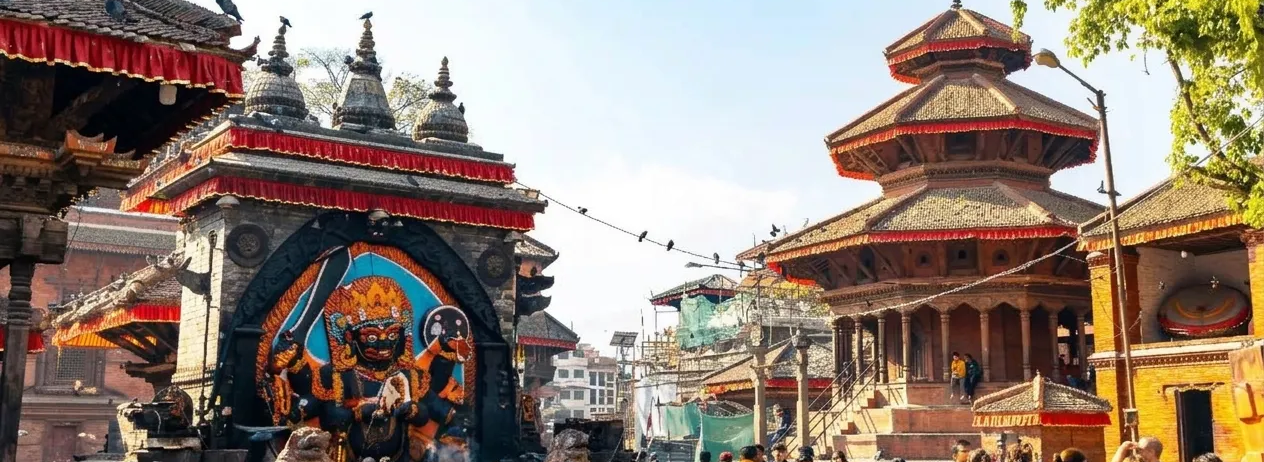
Kathmandu Durbar Square is famous for its historical royal palace, ancient temples, traditional Newari architecture, and religious significance. It was once the residence of the Malla kings and later served as an important royal complex during the Shah dynasty. The square features remarkable structures such as Hanuman Dhoka Palace, Kumari Ghar, Kasthamandap, and Taleju Temple. Its combination of historical monuments, intricate wood carvings, and living cultural traditions makes it one of Nepal's most important heritage destinations. It is also part of the Kathmandu Valley UNESCO World Heritage Site.
History of Kathmandu Durbar Square
Kathmandu Durbar Square has a long history closely connected to the royal dynasties that ruled the Kathmandu Valley. Its development took place over several centuries, with contributions from different Malla and Shah kings. The square gradually became an important centre of royal administration, religious activities, and cultural celebrations. Most of the historic temples, palaces, and courtyards visible today reflect the architectural and artistic traditions of the medieval period. Despite suffering significant damage during major earthquakes, including the 2015 earthquake, the square continues to preserve an important part of Nepal's history and cultural identity.
The Malla Dynasty and the Development of the Square
The development of Kathmandu Durbar Square is strongly associated with the Malla dynasty, which ruled the Kathmandu Valley during the medieval period. The Malla kings expanded the royal palace complex and constructed numerous temples, courtyards, and religious monuments. Their contributions helped establish the square as a centre of political power, religious activities, and traditional Newari craftsmanship. King Mahendra Malla contributed to its development by building the famous Taleju Temple in the 16th century, while King Pratap Malla further expanded the palace complex during the 17th century. He also established the Hanuman statue at the palace entrance in 1672, which gave the royal complex its name, Hanuman Dhoka.
The Shah Dynasty and Royal Heritage
The Malla dynasty's rule in Kathmandu ended in 1768 when King Prithvi Narayan Shah conquered the city as part of his campaign to unify Nepal. Following the conquest, Kathmandu became the capital of the unified kingdom, and the royal palace complex continued to serve as an important centre of political and ceremonial activities. The Shah rulers made additions to the existing palace, including the construction of the nine-storey Basantapur Durbar. Later, the palace remained closely connected to Nepal's monarchy, hosting important royal ceremonies and coronations. Its courtyards and historic buildings continue to reflect the political changes that shaped Nepal's history.
The 2015 Earthquake and Restoration
The April 2015 earthquake caused significant damage to Kathmandu Durbar Square, destroying or severely damaging several historic temples, palace structures, and traditional buildings. The disaster affected important monuments, including Kasthamandap and parts of the Hanuman Dhoka palace complex. Following the earthquake, restoration work began with the involvement of the Nepalese government, heritage conservation organisations, local communities, and international partners. Many structures were rebuilt using traditional construction methods and craftsmanship to preserve their historical character. These restoration efforts have helped protect the square's architectural heritage and maintain its importance as a major cultural destination in Nepal.
Major Attractions at Kathmandu Durbar Square
Kathmandu Durbar Square is home to several historic temples, royal buildings, courtyards, and religious monuments that reflect Nepal's rich architectural and cultural heritage. Each structure has its own historical background and significance, offering visitors an opportunity to understand the traditions and craftsmanship of the Kathmandu Valley. From the former royal residence of Hanuman Dhoka Palace to the famous Kumari Ghar and intricately carved temples, the square has many attractions worth exploring.
Kumari Ghar (House of the Living Goddess)
Kumari Ghar is one of the most culturally significant attractions at Kathmandu Durbar Square in Basantapur, Kathmandu. Built in 1757 by King Jaya Prakash Malla, this three-storey palace is the residence of the Royal Kumari, also known as the Living Goddess of Nepal. The building is a beautiful example of traditional Newari architecture, featuring intricately carved wooden windows, balconies, and a peaceful central courtyard known as Kumari Chowk.
The Kumari is a young girl believed by devotees to be the living incarnation of Goddess Taleju Bhawani, a protective form of Goddess Durga. She is traditionally selected from the Shakya clan of the Newar Buddhist community through a religious selection process. Both Hindus and Buddhists deeply respect her, and devotees visit Kumari Ghar to receive her blessings. Her role as the Living Goddess generally continues until she reaches puberty, after which a new Kumari is selected.
Visitors can enter the courtyard and may get an opportunity to see the Kumari appear briefly at one of the palace windows, although her appearances are not guaranteed. The Kumari also takes part in important religious celebrations, particularly the annual Indra Jatra festival, when she is carried through Kathmandu in a ceremonial chariot. Visitors should respect the religious customs and remember that photographing the Kumari is prohibited. A visit to Kumari Ghar offers a unique opportunity to understand one of Nepal's most distinctive living cultural traditions.
Hanuman Dhoka Palace
Hanuman Dhoka Palace is one of the most important historical structures within Kathmandu Durbar Square. It served as the royal residence of the Malla kings, and later the Shah rulers before the royal family moved to Narayanhiti Palace. The name Hanuman Dhoka comes from the stone statue of Hanuman, the Hindu monkey god, placed near the main entrance. The palace complex features traditional courtyards, beautifully carved wooden windows, and historic buildings that reflect the architectural styles of different periods. Visitors can also explore the palace museum, which displays historical objects, royal collections, and exhibits related to Nepal's monarchy.
Kasthamandap Temple
Kasthamandap is one of the most historically significant wooden structures in Kathmandu. Its name comes from two Sanskrit words: "Kastha," meaning wood, and "Mandap," meaning pavilion. According to local tradition, the building was constructed using the wood of a single sal tree, although historical accounts of its origins vary. It is traditionally associated with the story of Gorakhnath, a revered Hindu saint. Located near Kathmandu Durbar Square, the three-storey structure features traditional pagoda-style architecture and served as a public shelter and gathering place. The temple was severely damaged during the 2015 earthquake and later reconstructed using traditional building techniques, preserving its historical design.
Taleju Bhawani Temple
Taleju Bhawani Temple is one of the most important religious structures within Kathmandu Durbar Square. Built by King Mahendra Malla in the 16th century, the temple is dedicated to Goddess Taleju Bhawani, the royal deity of the Malla kings. Its impressive multi-tiered pagoda design, intricate wood carvings, and elevated platform make it a prominent feature of the square. The temple holds special religious significance during the annual Dashain festival, when it opens to the public on specific occasions. Outside these occasions, access is generally restricted, so visitors may have to admire its architecture from the surrounding square.
Kal Bhairav Statue
The Kal Bhairav statue is one of the most recognisable religious monuments at Kathmandu Durbar Square. It represents Bhairav, a fierce manifestation of Lord Shiva associated with protection and the destruction of evil. The large stone sculpture depicts the deity with multiple arms and traditional ornaments, creating an impressive sight for visitors. Historically, the statue has been an important place of worship, where local people come to offer prayers and seek protection. Its religious significance and detailed stone craftsmanship make it an interesting attraction for those exploring the cultural heritage of Kathmandu.
Jagannath Temple
Jagannath Temple is another notable attraction at Kathmandu Durbar Square, recognised for its traditional pagoda-style architecture and detailed wooden carvings. The temple is dedicated to Lord Jagannath, a form of Lord Vishnu, and is particularly admired for its decorated wooden pillars, windows, and roof structures. Some of its carvings are well known for their distinctive traditional motifs. The temple reflects the artistic skills of Newar craftsmen and the religious traditions that have shaped the Kathmandu Valley over centuries. Visitors can explore its exterior architecture and observe the intricate details that make it an important part of the square.
Gaddi Baithak
Gaddi Baithak is a historic palace building located opposite the Taleju Temple within Kathmandu Durbar Square. Constructed during the Rana period, it was used as a royal reception hall for welcoming important guests, dignitaries, and foreign representatives. Unlike the traditional Newari temples surrounding it, the building features neoclassical European architectural influences, including white exterior walls, symmetrical windows, and classical columns. Its distinctive appearance reflects the architectural changes that took place in Nepal during the Rana era. The building adds another layer to the historical character of Kathmandu Durbar Square and provides an interesting contrast to its traditional temples and palaces.
Basantapur Durbar (Nine-Storey Palace)
Basantapur Durbar, also known as the Nine-Storey Palace, is an important part of the Hanuman Dhoka royal complex. Its construction is associated with King Prithvi Narayan Shah following his conquest of Kathmandu in 1768. The palace was built as a royal residence and reflects the architectural traditions of the Shah period. It features multiple storeys, traditional brickwork, wooden windows, and decorative elements that highlight the craftsmanship of the time. The palace is particularly significant for its connection to Nepal's royal history and the political changes that followed the unification of the country. Today, it remains one of the prominent historical landmarks visitors can explore within Kathmandu Durbar Square.
Things to Do at Kathmandu Durbar Square
Kathmandu Durbar Square offers more than historical buildings and ancient temples. Visitors can explore traditional courtyards, admire Newari architecture, learn about local religious practices, and experience the everyday culture of the old city. Whether you are interested in history, photography, or cultural exploration, the square provides several activities to make your visit more memorable. Taking time to explore the surrounding streets and local markets also allows you to experience a different side of Kathmandu.
Explore the Historic Temples and Courtyards
Exploring the historic temples and courtyards is one of the main activities at Kathmandu Durbar Square. Visitors can walk through the Hanuman Dhoka Palace complex, admire the architecture of Jagannath Temple, and observe the historic structures surrounding the main square. The courtyards, including Nasal Chowk and Mul Chowk, offer a closer look at traditional Newari craftsmanship, carved wooden windows, and historic palace architecture. Exploring these areas also helps visitors understand how the square served as a centre of royal activities, religious ceremonies, and cultural gatherings.
Experience Newari Culture and Local Traditions
Kathmandu Durbar Square provides an opportunity to experience the traditional culture and religious practices of the Newar community. Visitors can observe local people offering prayers at temples, participating in religious rituals, and carrying out everyday activities around the historic square. The Kumari tradition is another important part of the area's cultural identity. If your visit coincides with local celebrations or festivals such as Indra Jatra, you may also witness traditional dances, chariot processions, and cultural performances. Exploring the nearby old streets and traditional markets offers further insight into the lifestyle and heritage of Kathmandu.
Photography and Heritage Exploration
The historic buildings, decorated temples, traditional courtyards, and narrow streets make Kathmandu Durbar Square an interesting destination for photography and heritage exploration. Visitors can capture the detailed wood carvings of traditional Newari buildings, the pagoda-style temples, and the everyday activities taking place around the square. Early morning and late afternoon often provide pleasant natural lighting for architectural photography. However, visitors should respect local customs when taking pictures, particularly around religious ceremonies and Kumari Ghar. Photography of the Living Goddess is generally prohibited, and permission should be requested before photographing local people.
Kathmandu Durbar Square Entry Fee
Visitors entering Kathmandu Durbar Square are generally required to purchase an entry ticket, with fees varying according to nationality. The entrance fee helps support the management, maintenance, and preservation of this important historical heritage site. According to the published information from the Nepal Tourism Board, the entry fees differ for foreign visitors, SAARC/BIMSTEC nationals, and Nepali citizens.
Children below 10 years are listed as eligible for free entry.
Visitors can purchase tickets at the designated ticket counter near the entrance to the heritage area. It is advisable to carry some cash and keep the entry ticket during your visit, as it may be required at designated checkpoints. Since entrance fees and visitor policies can change, check the latest information from the Nepal Tourism Board or the ticket counter before planning your visit.
Best Time to Visit Kathmandu Durbar Square
Kathmandu Durbar Square can be visited throughout the year, as it is a cultural and historical destination rather than a seasonal attraction. However, spring (March to May) and autumn (September to November) generally offer pleasant weather for exploring its temples, courtyards, and surrounding streets. Early mornings and late afternoons are particularly suitable for sightseeing and photography.
Spring (March to May)
Spring brings mild temperatures and comfortable weather, making it a good time to explore the historic square and nearby attractions.
Autumn (September to November)
Autumn offers pleasant weather and clearer skies. Visitors can also experience major Nepalese festivals such as Dashain and Tihar.
Winter (December to February)
Winter has cooler mornings and evenings, but daytime conditions are generally suitable for sightseeing.
Summer and Monsoon (June to August)
This season brings rainfall and humidity, which may occasionally affect outdoor exploration. Visitors can still explore the square between rainy periods.
How to Reach Kathmandu Durbar Square
Kathmandu Durbar Square is easily accessible from different parts of Kathmandu by walking, taxi, or local public transportation. Located in the city's historic centre, it is particularly convenient to reach on foot from nearby areas such as Thamel, Asan, and New Road. Since some surrounding streets are narrow and pedestrian-friendly, walking is often the best way to reach the square and explore its surroundings.
From Thamel
Thamel is approximately 1–1.5 km from Kathmandu Durbar Square. Visitors can reach the square in around 20–30 minutes on foot by walking through traditional streets, including Asan and Indra Chowk. Taxis and cycle rickshaws are also available for those who prefer not to walk.
From Tribhuvan International Airport
Tribhuvan International Airport is approximately 6 km from Kathmandu Durbar Square. Visitors can take a prepaid taxi or arrange a private vehicle from the airport to reach the historic square. The journey generally takes around 30–45 minutes, depending on traffic conditions.
From Other Parts of Kathmandu
Visitors travelling from areas such as New Road and Freak Street can easily reach Kathmandu Durbar Square on foot. Those coming from Patan or other parts of the valley can use taxis, ride-hailing services, or local buses to reach the nearby New Road or Ratna Park areas before continuing on foot.
Nearby Attractions to Explore
After exploring Kathmandu Durbar Square, visitors can discover several other cultural and historical attractions around Kathmandu. From ancient Buddhist and Hindu religious sites to traditional markets and peaceful gardens, these destinations offer different experiences of the city's heritage and everyday life. Visitors can include some of these places in their Kathmandu sightseeing itinerary.
Pashupatinath Temple
Pashupatinath Temple is one of the most sacred Hindu temples in Nepal, dedicated to Lord Shiva. Located along the banks of the Bagmati River, the temple complex features traditional pagoda-style architecture, shrines, and religious structures. It is also an important centre for Hindu rituals and cremation ceremonies. Visitors can explore the temple surroundings and observe religious practices while respecting local customs.
Swayambhunath Stupa
Swayambhunath Stupa, also known as the Monkey Temple, is one of the most important Buddhist heritage sites in Kathmandu. Located on a hilltop, it offers panoramic views of the Kathmandu Valley. The stupa is recognised for its white dome, golden spire, colourful prayer flags, and religious significance. Visitors can explore the surrounding shrines, monasteries, and traditional Buddhist monuments.
Garden of Dreams
Garden of Dreams is a historic garden located near Thamel, offering a peaceful escape from Kathmandu's busy streets. Also known as the Garden of Six Seasons, it features European-inspired architecture, landscaped gardens, fountains, and beautiful pavilions. It is a suitable place for visitors looking to relax after exploring the city's historical attractions.
Asan Bazaar
Asan Bazaar is a traditional market area known for its narrow streets, local shops, and lively atmosphere. Visitors can explore stalls selling spices, vegetables, traditional goods, and everyday household items. The market also reflects the cultural heritage of the Newar community, making it an interesting place to experience local life in Kathmandu.
If you want to explore more of Kathmandu's cultural and historical landmarks in one trip, check out The Ultimate Guide to Kathmandu Attractions by Himalayan Hero for a convenient way to discover the city's major highlights.
Travel Tips for Visiting Kathmandu Durbar Square
A little preparation can make your visit to Kathmandu Durbar Square more comfortable and enjoyable. Keep the following travel tips in mind when exploring this historic heritage site:
- Wear comfortable walking shoes: The square has traditional stone pathways, courtyards, and narrow streets that are easier to explore with comfortable footwear.
- Carry some cash: Keep Nepalese rupees handy for local shops, food, souvenirs, and small purchases.
- Respect religious customs: Dress appropriately and follow local rules when entering temples and religious areas.
- Ask before taking photographs: Seek permission before photographing local people, religious ceremonies, or restricted areas. Photography of the Kumari is generally prohibited.
- Check museum opening hours: If you plan to visit the Hanuman Dhoka Palace Museum, check its latest opening schedule before arriving.
- Consider hiring a local guide: A knowledgeable guide can explain the history, architecture, and cultural significance of the square's major attractions.
- Allow enough exploration time: Set aside at least 2–3 hours to explore the main attractions and nearby traditional streets without rushing.
Final Thoughts
Kathmandu Durbar Square is more than a historic landmark. It offers a glimpse into Nepal's royal history, traditional Newari architecture, religious practices, and living cultural heritage. From the ancient temples and palace courtyards to the Kumari Ghar, every corner has a story to discover.
Whether you are visiting Kathmandu for the first time or exploring Nepal's heritage more deeply, Kathmandu Durbar Square is worth adding to your itinerary. Take your time, explore its historic attractions, and experience the culture that makes this UNESCO World Heritage Site an important part of Nepal's identity. If you are planning a wider trip around Nepal, Himalayan Hero can help you discover more of the country's cultural and natural highlights.
Frequently Asked Questions About Kathmandu Durbar Square
Is Kathmandu Durbar Square a UNESCO World Heritage Site?
Yes. Kathmandu Durbar Square is one of the seven monument zones included in the Kathmandu Valley UNESCO World Heritage Site. It is recognised for its historic palaces, temples, courtyards, and traditional Newari architecture, which reflect the cultural and artistic heritage of Nepal.
How much is the entry fee for Kathmandu Durbar Square?
According to the latest fee information listed by the Nepal Tourism Board, foreign nationals pay NPR 1,000, while SAARC and BIMSTEC visitors pay NPR 500. Chinese nationals also pay NPR 1,000. Entry is free for Nepali citizens and children below 10 years. Check the official Nepal Tourism Board fee information before visiting, as rates may change.
How long does it take to explore Kathmandu Durbar Square?
Most visitors need around 2–3 hours to explore Kathmandu Durbar Square. This allows enough time to visit the main temples, historic courtyards, and Hanuman Dhoka Palace complex. You may need additional time if you plan to visit the museums or explore the surrounding old streets.
Can tourists visit Kumari Ghar?
Yes. Visitors can enter the courtyard of Kumari Ghar and see the traditional residence of the Living Goddess Kumari. She may appear at the window during permitted times, but appearances are not guaranteed. Visitors should remain quiet, follow local instructions, and avoid taking photographs of the Kumari.
What is the best time to visit Kathmandu Durbar Square?
Morning is generally a good time to visit Kathmandu Durbar Square. The weather is often more comfortable, and there may be fewer visitors than during busier afternoon hours. An early visit also gives you more time to explore the temples, courtyards, and nearby historic streets.
Is Kathmandu Durbar Square worth visiting?
Yes. Kathmandu Durbar Square is worth visiting if you are interested in Nepal's history, architecture, and culture. Its historic temples, royal palace buildings, traditional courtyards, and Newari heritage offer a closer look at the Kathmandu Valley's past and its living cultural traditions.
Are there museums inside Kathmandu Durbar Square?
Yes. The Hanuman Dhoka Palace complex houses museum spaces that display historical objects and collections related to Nepal's royal history, culture, and architecture. Visiting these museums can help you understand the former royal palace and the historical importance of Kathmandu Durbar Square.