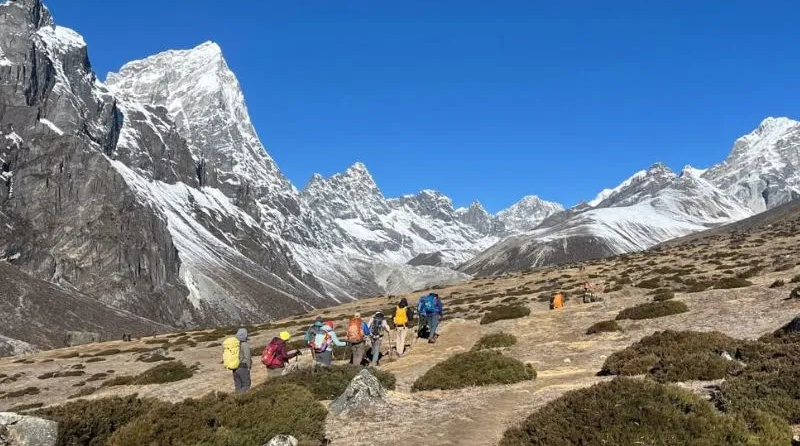
Far from Nepal's crowded trekking routes, the Dudh Kunda Trek offers a peaceful journey through the remote landscapes of the Solukhumbu region. Known for its sacred alpine lake beneath Mount Numbur, this lesser-explored trail combines breathtaking Himalayan scenery with cultural and religious significance. The journey takes trekkers through traditional mountain settlements, lush forests, open pastures, and rugged high-altitude terrain before reaching Dudh Kunda Lake.
In this blog, we cover everything you need to know about the Dudh Kunda Trek, including its location, route, difficulty, best time to visit, itinerary, estimated costs, and preparation tips. Whether you are an experienced trekker or someone looking for a quieter Himalayan adventure, this guide will help you understand what to expect from this hidden trail in Solukhumbu.
Where Is Dudh Kunda Located in Nepal?
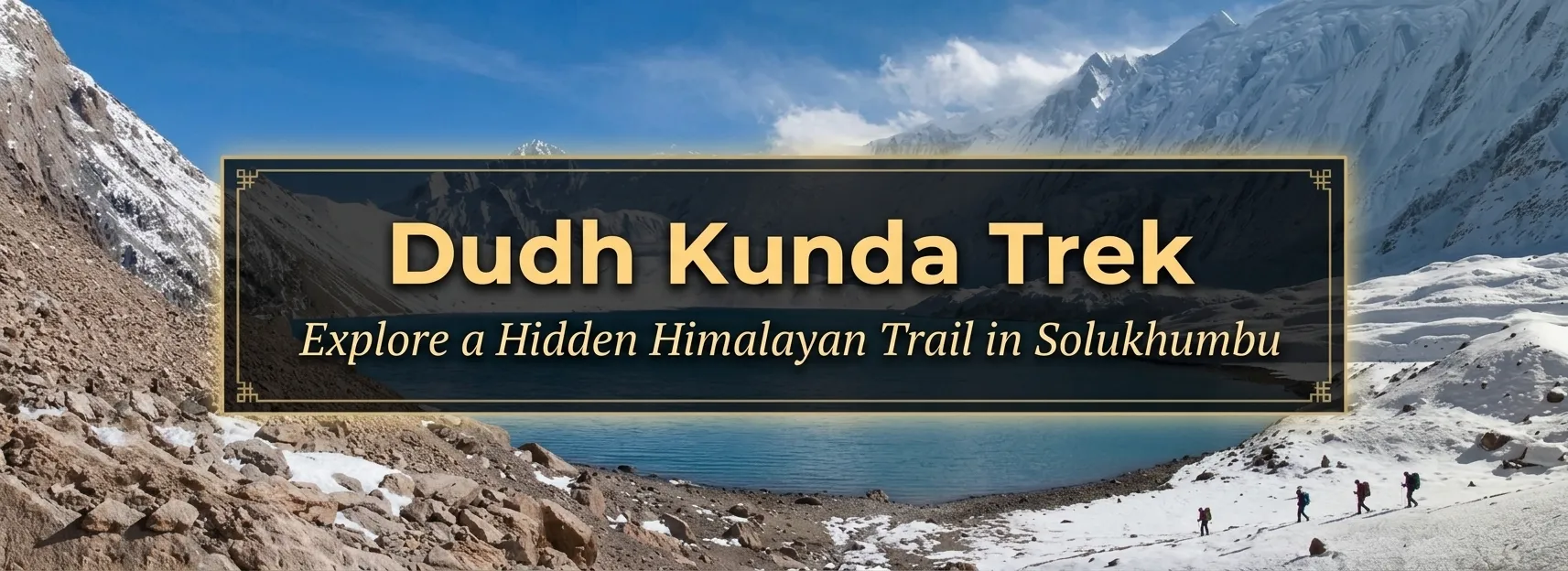
Dudh Kunda is a sacred alpine lake located in Solukhumbu Municipality of Solukhumbu district in northeastern Nepal. Situated beneath the majestic Mount Numbur, near the Everest Base Camp, the lake lies at an elevation of approximately 4,560 to 4,630 metres above sea level. Its name, Dudh Kunda, translates to "Milk Lake" in Nepali, referring to the milky appearance of its water. Surrounded by rugged mountain terrain and high-altitude landscapes, it is an important destination for both trekkers and religious pilgrims.
Geographical Location and Elevation
The lake sits in the foothills of the Numbur Himal range, offering a remote Himalayan setting away from Nepal's busier trekking destinations. Its high elevation makes the journey physically demanding, while the surrounding alpine environment adds to its natural appeal.
The Surrounding Himalayan Landscape
The Dudh Kunda region offers impressive views of Numbur Himal and neighbouring ranges, along with forested hills, open pastures, rocky trails, and deep valleys. As trekkers gain elevation, the landscape gradually changes from green forests and traditional settlements to open alpine terrain. Compared with popular Everest trekking routes, this area receives fewer visitors, making it an appealing destination for those seeking quieter trails and a closer connection with nature.
Why Is Dudh Kunda Considered a Hidden Trekking Destination?
Unlike popular trekking destinations such as Everest Base Camp and Annapurna Base Camp, the Dudh Kunda Trek offers a quieter experience in the less-explored parts of the Solukhumbu region. Its remote location and relatively low number of visitors make it an appealing choice for trekkers who prefer peaceful trails over busy trekking routes. The journey also provides opportunities to explore traditional mountain settlements, experience local lifestyles, and enjoy the natural beauty of the Himalayas without the crowds commonly found on Nepal's mainstream trails.
A Less-Crowded Alternative to Popular Himalayan Trails
Dudh Kunda remains relatively less commercialised than many well-known trekking destinations in Nepal. Trekkers can enjoy quieter walking routes, fewer crowded viewpoints, and a more relaxed atmosphere throughout the journey. It is particularly appealing to travellers looking for remote destinations and a different perspective on trekking in the Solukhumbu region.
Natural Beauty and Cultural Experiences
The trail passes through scenic forests, traditional villages, open pastures, and rugged mountain landscapes. As trekkers approach the lake, views of snow-covered Himalayan peaks, including Numbur Himal, create an impressive backdrop. Along the way, visitors can experience local Sherpa traditions, village lifestyles, and the spiritual importance of the region. This combination of natural scenery and cultural experiences makes Dudh Kunda more than just a high-altitude trekking destination.
Religious and Cultural Significance of Dudh Kunda Lake
Beyond its natural beauty, Dudh Kunda holds deep religious and cultural significance for local communities in the Solukhumbu region. The lake is considered sacred by both Hindu and Buddhist devotees, who visit the area to offer prayers and participate in traditional religious practices. Located beneath Mount Numbur, it is closely connected with local spiritual beliefs and Himalayan traditions. For many pilgrims, visiting Dudh Kunda is not simply a journey through the mountains but also an opportunity to seek blessings, fulfil religious wishes, and experience a place of spiritual importance.
Why Is Dudh Kunda a Sacred Lake?
According to local beliefs, the waters of Dudh Kunda are considered holy and are associated with purity, blessings, and spiritual well-being. Some devotees believe that bathing in the lake can help fulfil wishes and bring good fortune. The lake also holds significance in the religious traditions of surrounding communities, making it an important pilgrimage destination. These beliefs have been passed down through generations and continue to attract visitors seeking spiritual experiences.
Janai Purnima Festival and Annual Pilgrimage
Dudh Kunda becomes particularly important during Janai Purnima, a major Hindu festival celebrated during the full moon of August. During this period, devotees from different parts of Nepal travel to the lake to perform religious rituals, offer prayers, and take holy baths. The annual pilgrimage brings together pilgrims, residents, and religious practitioners, creating a unique cultural atmosphere in the mountains. This tradition reflects the lake's lasting spiritual importance and its role in preserving the religious and cultural heritage of Solukhumbu.
Dudh Kunda Trek Route and Major Highlights
The Dudh Kunda Trek follows a scenic mountain route through the lower Solukhumbu region, passing traditional settlements, forested hills, alpine pastures, and rugged high-altitude landscapes. The journey generally begins around Phaplu or Salleri, with Ringmo serving as an important starting point for the main trail towards the lake. Along the way, trekkers experience changing landscapes and impressive views of the surrounding Himalayan peaks. There is also an alternative approach through Thupten Chholing, offering a different trekking experience for those interested in exploring more remote parts of Solukhumbu.
Starting Point: Phaplu and Salleri
Phaplu and Salleri are two important gateways to the Solu region and serve as access points for the Dudh Kunda Trek. Travellers can reach these settlements from Kathmandu by road using buses or private vehicles, while flights to Phaplu may also be available depending on the season and flight schedules. From this area, trekkers continue towards Ringmo, where the main trail to Dudh Kunda begins.
Ringmo to Dudh Kunda Lake
The trail from Ringmo gradually moves away from traditional settlements and enters forested areas, open pastures, and alpine terrain. As trekkers gain elevation, the landscape becomes increasingly rugged, with wider views of the surrounding mountains. Sarsarbeni is an important point along the upper route, leading towards the final approach to the sacred lake beneath Mount Numbur.
Alternative Route Through Thupten Chholing
Another approach to Dudh Kunda passes through the Thupten Chholing area, known for its monastery and peaceful mountain surroundings. This route offers remote ridge walks, dense forests, and rocky pastures before connecting with the main trail near Sarsarbeni. Since trail conditions and route familiarity can vary, travelling with an experienced local guide can make navigation easier.
Dudh Kunda Trek Itinerary: How Many Days Does It Take?
The Dudh Kunda Trek generally takes around 7 to 9 days, including travel between Kathmandu and the Solukhumbu region. However, the total duration depends on the starting point, transportation arrangements, walking pace, and additional destinations included along the route. According to the Nepal Tourism Board, the trek requires at least five trekking days from Ringmo, with an optional extra day to explore the lake and its surroundings. Travellers should also allow sufficient time to reach the trailhead and return to Kathmandu.
Suggested 7–9 Day Dudh Kunda Trek Itinerary
A typical itinerary can be planned as follows:
- Day 1: Travel from Kathmandu to Phaplu or Salleri.
- Day 2: Continue to Ringmo and prepare for the trek.
- Day 3: Trek towards the lower or intermediate camping areas.
- Day 4: Continue towards the upper alpine camping area.
- Day 5: Reach Dudh Kunda Lake, explore its surroundings, and enjoy the mountain scenery.
- Day 6: Begin the descent towards Ringmo.
- Day 7: Return to Phaplu or Salleri.
- Day 8: Travel back to Kathmandu.
- Day 9: Keep an additional day as a buffer or for exploring the surrounding region.
Can You Combine Dudh Kunda with Other Solukhumbu Treks?
Yes, Dudh Kunda can be combined with other destinations in Solukhumbu for a longer trekking experience. Pikey Peak is a popular option for trekkers interested in panoramic Himalayan views, while Junbesi offers opportunities to explore traditional Sherpa culture and mountain settlements. Thupten Chholing Monastery is another worthwhile addition for travellers interested in Buddhist traditions and local heritage.
Other trekking options in the wider Solukhumbu region include:
- Everest Base Camp Trek: A classic Himalayan journey through Namche Bazaar, Tengboche, and the Khumbu Valley.
- Gokyo Lakes Trek: Known for its turquoise glacial lakes, Gokyo Ri viewpoint, and views of surrounding Himalayan peaks.
- Pikey Peak Trek: A relatively shorter trek offering panoramic views of Mount Everest and other Himalayan mountains.
- Numbur Cheese Circuit Trek: A quieter trekking route through Sherpa villages, alpine pastures, forests, and the Numbur Himal region.
- Dudh Kunda Cultural Trail: A route that combines the sacred lake with traditional Khaling Rai settlements and local cultural experiences.
However, combining these destinations requires additional trekking days and careful route planning. Some routes, such as Everest Base Camp and Gokyo Lakes, are separate journeys rather than simple extensions of Dudh Kunda. The overall duration will depend on the chosen route, available transportation, and time spent exploring each destination.
Note: Pikey Peak, Dudh Kunda, and cultural trails are particularly relevant to lower Solukhumbu. Everest Base Camp and Gokyo are in the wider Khumbu area of Solukhumbu.
How Difficult Is the Dudh Kunda Trek?
The Dudh Kunda Trek is generally considered a moderately challenging trekking route, with some strenuous sections due to steep ascents, uneven trails, and high-altitude conditions. Although it does not require advanced mountaineering skills, reaching the lake at approximately 4,560 metres requires good physical fitness and proper preparation. Long walking hours and changing terrain can make certain sections demanding, particularly for trekkers who are not accustomed to high-altitude environments. With suitable preparation, a gradual itinerary, and proper guidance, the trek can be manageable for physically fit beginners as well as experienced hikers.
Fitness Level and Trekking Experience Required
Trekkers should have reasonable cardiovascular fitness, leg strength, and stamina to handle several hours of walking each day. Regular hiking, jogging, cycling, and stair climbing can help build the necessary endurance before departure. Previous trekking experience is beneficial, especially on uneven mountain trails, but it is not essential for beginners who prepare adequately.
High-Altitude Challenges and Acclimatisation
Since Dudh Kunda lies above 4,500 metres, altitude sickness is an important consideration. Common symptoms include headaches, nausea, dizziness, fatigue, and loss of appetite. Trekkers should ascend gradually, allow enough time for rest, and stay hydrated. Any preventive medication should only be taken after consulting a medical professional. If altitude sickness symptoms worsen, trekkers should stop ascending and descend to a lower elevation. Severe symptoms require immediate medical attention.
Best Time to Do the Dudh Kunda Trek
The best time to do the Dudh Kunda Trek is generally during spring (March to May) and autumn (September to November), when weather conditions are more favourable for high-altitude trekking. These seasons offer better visibility, relatively stable weather, and comfortable daytime temperatures, allowing trekkers to enjoy the surrounding Himalayan scenery. For a broader understanding of seasonal conditions across the country, see our guide to the best time to trek in Nepal. However, conditions can change quickly at higher elevations, so proper clothing and preparation remain important. The best time also depends on the experience you are looking for, as trekkers interested in the lake's religious significance may prefer visiting during the annual Janai Purnima pilgrimage in August.
Spring Season (March to May)
Spring is a beautiful time to explore the Dudh Kunda region, with pleasant temperatures at lower elevations and seasonal vegetation along the trail. Rhododendron forests add colour to the landscape, while clearer days provide opportunities for mountain photography. However, snow may remain on higher sections, and temperatures can drop significantly near the lake.
Autumn Season (September to November)
Autumn is another excellent season, generally offering clearer mountain views and more stable trekking conditions. Comfortable daytime temperatures make walking enjoyable, although nights can become particularly cold at higher elevations. October is often a favourable month for the journey.
Monsoon and Winter Considerations
The monsoon season (June to August) brings heavy rainfall, slippery trails, and reduced mountain visibility. However, Janai Purnima in August attracts many pilgrims to the sacred lake. Winter (December to February) brings freezing temperatures and possible snowfall, making the upper trail more challenging. Both seasons require additional preparation and careful attention to weather and trail conditions.
Dudh Kunda Trek Cost and Budget Breakdown
The cost of the Dudh Kunda Trek depends on several factors, including transportation, accommodation, meals, group size, and the services included in the trekking package. Travellers should also consider additional expenses such as permits, trekking equipment, travel insurance, and emergency funds. Since the route passes through relatively remote parts of Solukhumbu, transportation and logistical arrangements can influence the overall budget. Planning these expenses helps trekkers avoid unexpected costs during the journey.
Major Expenses to Consider
The main expenses include transportation between Kathmandu and Solukhumbu, accommodation, daily meals, and guide or porter services. Trekkers should also budget for applicable permits and local entry fees, personal trekking equipment, and travel insurance covering high-altitude activities. Keeping some extra money for unexpected expenses is also recommended.
Guided Trek vs Independent Trekking Costs
Independent trekking may offer flexibility, but arranging transportation, accommodation, route information, and other logistics can be challenging in remote areas. A guided trek usually provides more organised arrangements and local knowledge, although the price depends on group size and included services. Travelling in a group can help reduce the per-person cost of guides, transportation, and equipment. Before booking, compare package inclusions carefully, including meals, accommodation, permits, guide services, and transportation.
Permits and Documents Required for Dudh Kunda Trek
Before starting the Dudh Kunda Trek, it is important to understand the applicable permit and documentation requirements. Unlike the popular Everest Base Camp route, the Dudh Kunda trail follows a different route through the Solukhumbu region and does not automatically require the same national park entry permits. Requirements may vary depending on the chosen route, nationality, and local regulations. Therefore, trekkers should confirm the latest requirements with the relevant local authorities or a registered trekking agency before departure.
Trekking Permits and Local Entry Requirements
Check whether local municipality entry fees or other trekking permits apply to your chosen route. TIMS (Trekkers' Information Management System) requirements should also be verified before travelling, as regulations can vary depending on the trekking area and current government policies. Do not assume that Sagarmatha National Park permits are required for the Dudh Kunda route.
Documents to Carry
Trekkers should carry a valid passport or relevant identification, copies of any required permits, travel insurance documents covering high-altitude trekking, and emergency contact information. Keeping digital and physical copies of important documents can also be helpful during the journey.
Accommodation and Food During the Dudh Kunda Trek
Accommodation and food options along the Dudh Kunda Trek are relatively basic, particularly as the trail moves towards higher and more remote sections. Unlike popular trekking routes with well-developed teahouse facilities, some parts of this journey may require additional logistical arrangements. Trekkers should plan their overnight stays and food supplies to ensure a comfortable and organised experience.
Accommodation Options Along the Trail
Depending on the chosen route, trekkers may find basic teahouses, local lodges, or homestays in settled areas. However, accommodation becomes limited at higher elevations, where camping may be necessary. In such sections, camping equipment, tents, and support staff may need to be arranged beforehand. Confirming overnight facilities before departure is particularly important.
Food and Drinking Water
Common trekking meals include dal bhat, noodles, rice, and soups, although food choices may become limited in remote sections. Trekkers should carry some energy bars and snacks for longer walking days. Drinking sufficient water is essential at high elevations, so carrying reusable water bottles along with purification tablets or a water filter is recommended.
What to Pack for the Dudh Kunda Trek
Packing the right equipment is essential for a comfortable and safe Dudh Kunda Trek, especially because the route reaches an elevation of over 4,500 metres. Weather conditions can change quickly, and temperatures near the lake can drop significantly. Trekkers should prioritise warm clothing, reliable footwear, and essential safety supplies while keeping their backpacks manageable.
Essential Clothing and Trekking Equipment
Carry a warm insulated jacket, thermal layers, waterproof jacket and trousers, trekking boots, and comfortable socks. Gloves, a woollen hat, and UV-protection sunglasses are also important. If camping is required, bring a suitable sleeping bag. Trekking poles and a comfortable backpack can make walking across steep and uneven terrain easier.
Personal and Safety Essentials
Pack sunscreen, personal toiletries, a basic first-aid kit, and any prescribed medication. Reusable water bottles, purification tablets or filters, a headlamp, and a power bank are useful throughout the journey. Also carry travel insurance documents, emergency contacts, and lightweight snacks such as nuts and energy bars for additional energy during long walking days.
How to Reach Dudh Kunda from Kathmandu
Reaching Dudh Kunda from Kathmandu involves travelling to the Solukhumbu region before continuing towards the trekking trailhead. Travellers can choose between road transportation and domestic flights, depending on their budget, schedule, and preferred travel experience. Phaplu and Salleri are the main access points for reaching the Dudh Kunda trekking area, with further road or walking arrangements needed to reach Ringmo.
Travelling by Road to Salleri or Phaplu
Travellers can reach Salleri or Phaplu from Kathmandu by public buses, shared vehicles, or private jeeps. The journey generally takes several hours and passes through hilly landscapes, rural settlements, and winding mountain roads. Road conditions can vary depending on the season, with monsoon rainfall and occasional landslides potentially causing delays. Private vehicles offer greater flexibility, while buses provide a more economical option.
Flying to Phaplu
Another option is taking a domestic flight from Kathmandu to Phaplu, subject to airline schedules, weather conditions, and flight availability. This can reduce travel time compared with the road journey. From Phaplu, trekkers can continue towards Ringmo using local transportation or walking arrangements before beginning the main Dudh Kunda trail.
Essential Tips for a Safe and Responsible Dudh Kunda Trek
Proper preparation is important for enjoying a safe and comfortable Dudh Kunda Trek, particularly because the route passes through remote areas and high-altitude terrain. Keep the following tips in mind before starting your journey:
- Hire an experienced local guide: A guide familiar with the Dudh Kunda route can help with navigation, local arrangements, and changing trail conditions.
- Allow time for acclimatisation: Follow a gradual ascent and avoid rushing towards higher elevations.
- Check weather forecasts: Mountain weather can change quickly, so check conditions before departure.
- Carry sufficient cash: ATM facilities are limited in remote parts of Solukhumbu.
- Respect the environment: Avoid littering and carry your waste back to appropriate disposal points.
- Follow local customs: Respect religious practices and traditions around the sacred lake.
- Get suitable travel insurance: Ensure your policy covers high-altitude trekking and emergency evacuation.
- Keep buffer days: Additional days can help manage unexpected weather conditions and transportation delays.
Final Thoughts
The Dudh Kunda Trek offers a rewarding opportunity to explore one of the lesser-known trekking destinations in Nepal. From peaceful forest trails and traditional Sherpa settlements to breathtaking Himalayan scenery and the sacred alpine lake, the journey combines natural beauty with cultural and spiritual experiences. It is an excellent choice for trekkers looking to escape crowded trails and discover a quieter side of the Solukhumbu region.
With proper preparation, a suitable itinerary, and experienced local guidance, you can make the most of this Himalayan adventure. If you prefer an organised trekking experience, Himalayan Hero can assist with route planning, local guides, accommodation, and other essential arrangements to help you explore Dudh Kunda with confidence.
Frequently Asked Questions About Dudh Kunda Trek
How many days does the Dudh Kunda Trek take?
The trek generally requires around five trekking days from Ringmo, depending on the route and walking pace. Including travel between Kathmandu and Solukhumbu, the complete trip usually takes around 7 to 9 days.
How high is Dudh Kunda Lake?
Dudh Kunda Lake is situated at an elevation of approximately 4,560 metres above sea level. Its high-altitude location beneath Mount Numbur makes the final part of the trek physically demanding.
Is the Dudh Kunda Trek suitable for beginners?
Yes, beginners with good physical fitness can complete the trek with proper preparation. Regular hiking and cardio training can help build stamina. However, the high altitude requires a gradual ascent, adequate rest, and awareness of altitude sickness symptoms.
What is the best month to visit Dudh Kunda?
March to May and September to November are generally the best months. Spring offers blooming rhododendrons and pleasant conditions, while autumn usually provides clearer mountain views and more stable weather.
Do I need a guide for the Dudh Kunda Trek?
Hiring a local guide is recommended, especially for first-time visitors. A knowledgeable guide can assist with navigation, accommodation, and local arrangements. Check current trekking regulations and permit requirements before departure.
Is Dudh Kunda a religious destination?
Yes. Dudh Kunda is sacred to both Hindu and Buddhist communities. Many devotees visit the lake during the annual Janai Purnima festival to perform religious rituals, offer prayers, and take holy baths.
Can Dudh Kunda Trek be combined with Pikey Peak?
Yes. You can combine Dudh Kunda with Pikey Peak by extending your itinerary and planning suitable connecting routes. This allows you to experience two different parts of the Solukhumbu region, but requires additional trekking days and preparation.