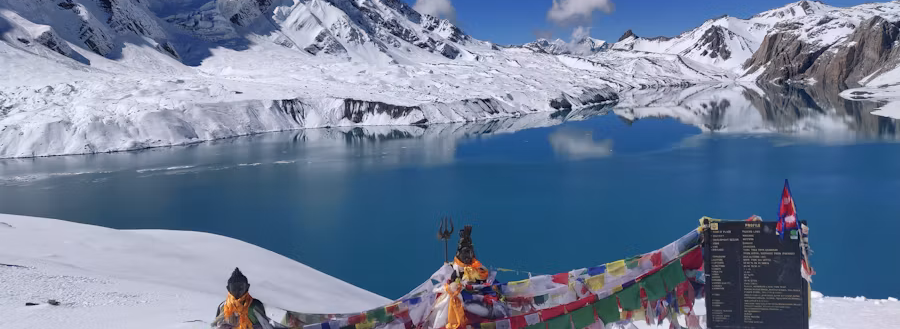
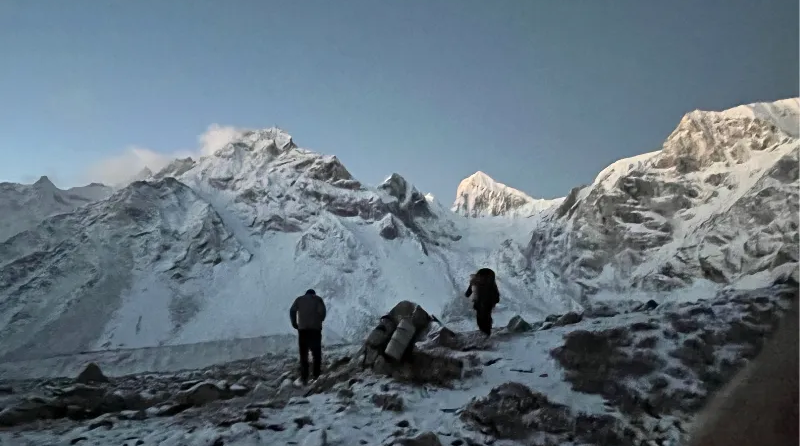
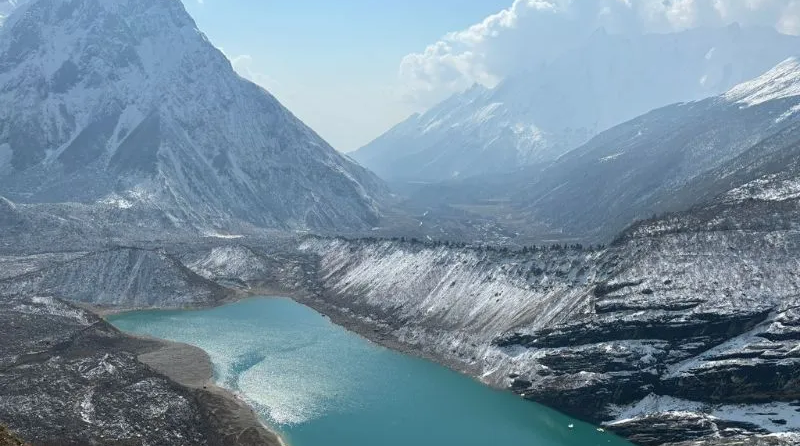
Tilicho Lake Trek is one of the most rewarding high-altitude treks in the Annapurna region of Nepal. The trail takes you through the beautiful Manang Valley to Tilicho Lake, which sits at an altitude of 4,919 meters. Along the way, you will see dry mountain landscapes, traditional villages, dramatic Himalayan peaks, and changing scenery at every turn.
In this blog, you will learn everything you need to know about the Tilicho Lake Trek, including the route, altitude, difficulty, best time to visit, permits, weather, accommodation, food, packing list, safety tips, and how to combine Tilicho Lake with the Annapurna Circuit.
What Is the Tilicho Lake Trek?
The Tilicho Lake Trek is a high-altitude trek in Nepal’s Annapurna region that takes you to Tilicho Lake at 4,919 meters. The trek usually passes through Manang and Khangsar before reaching Tilicho Base Camp and then the lake. You can complete Tilicho Lake as a separate trek or add it to the Annapurna Circuit.
The journey offers a mix of mountain scenery and local culture. As you move higher, the green valleys gradually change into dry, rocky landscapes. The area around Manang is especially different from the lower parts of the Annapurna region because it lies in a rain-shadow area.
Tilicho Lake is the main attraction, but the journey to reach it is also part of the experience. You walk through mountain villages, cross different types of terrain, and gradually gain altitude before reaching the lake.
Where Is Tilicho Lake Located?
Tilicho Lake is located in Manang District of Nepal within the Annapurna Conservation Area. The lake lies at an altitude of 4,919 meters and is reached from the Manang side of the Annapurna region.
The usual route takes trekkers through Manang and Khangsar before reaching Tilicho Base Camp. From Base Camp, the trail climbs further toward the lake. The surrounding area is made up of high mountain slopes, rocky terrain, and exposed mountain landscapes.
Tilicho Lake is also connected with the Annapurna Circuit. Many trekkers add the lake as a side trip while completing the circuit because the route fits naturally into the Manang section.
How High Is Tilicho Lake?
Tilicho Lake is 4,919 meters, or about 16,138 feet, above sea level. This high elevation is one of the main reasons you need to plan the trek carefully and allow enough time for your body to adjust.
The altitude increases gradually as you travel from the lower parts of the Annapurna region toward Manang and then Tilicho Base Camp. The final walk to the lake takes place in a much colder and more exposed environment.
Because of the altitude, you should walk slowly, drink enough water, and pay attention to how your body feels. Proper acclimatization is more important than trying to complete the route quickly.
What Is the Altitude Profile of the Tilicho Lake Trek?
The Tilicho Lake Trek gains altitude gradually before reaching 4,919 meters at Tilicho Lake. The most significant elevation gain happens after reaching Manang as the trail moves toward Khangsar, Tilicho Base Camp, and the lake.
Understanding the altitude profile helps you see why acclimatization is important. The following elevations are approximate and can vary slightly depending on the exact route and overnight stop.
| Trekking Location |
Approx. Altitude |
| Besisahar |
760 m |
| Chame |
2,710 m |
| Pisang |
3,200 m |
| Manang |
3,540 m |
| Khangsar |
3,734 m |
| Tilicho Base Camp |
4,140 m |
| Tilicho Lake |
4,919 m |
The jump from Manang to Tilicho Lake is significant. For this reason, trekkers should avoid rushing through the higher sections of the route.
How Difficult Is the Tilicho Lake Trek?
Tilicho Lake Trek is generally considered a moderate to challenging trek because of its high altitude, steep sections, rocky trail, and long walking days. The final approach to Tilicho Lake is especially demanding because you are walking close to 5,000 meters above sea level.
The trek does not require technical climbing, but you need good physical fitness and the ability to walk for several hours on consecutive days. Some parts of the trail can be rough, and weather conditions may make the route harder.
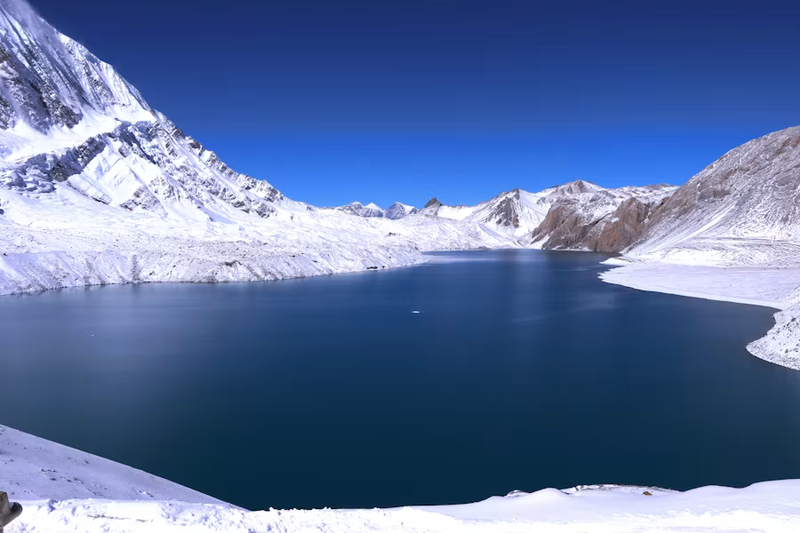
Altitude is the biggest challenge for many trekkers. A person who is comfortable walking at lower elevations can still experience difficulty at high altitude. This is why a well-planned itinerary is important.
Is Tilicho Lake Trek Suitable for Beginners?
Tilicho Lake Trek can be suitable for beginners who are physically fit and properly prepared. However, it should not be treated as an easy hiking trip because the lake is located at 4,919 meters.
If you are a first-time trekker, regular walking, hiking, and cardio exercise before the trip can help. You should also choose an itinerary that gives your body enough time to adjust to the increasing altitude.
Walking slowly is better than trying to keep up with faster trekkers. If you feel unwell at high altitude, tell your guide immediately.
How Many Days Does the Tilicho Lake Trek Take?
A short Tilicho Lake Trek generally takes around 5 to 7 trekking days from the Manang area, while a complete Kathmandu itinerary takes longer. The total duration depends on your starting point, transportation, acclimatization days, and whether you continue on the Annapurna Circuit.
There is no single itinerary that works for every traveler. Some people visit Tilicho Lake as a short side trek, while others combine it with the Annapurna Circuit for a longer Himalayan journey.
What Is the Route From Khangsar to Tilicho Lake?
The route from Khangsar first leads toward Tilicho Base Camp before continuing to Tilicho Lake. The trail becomes more rugged as you gain altitude, with fewer trees and more exposed mountain terrain.
The section from Tilicho Base Camp to the lake is one of the most demanding parts of the trek. You gain significant elevation during the day, so starting early and walking at a steady pace is recommended.
After spending time at the lake, trekkers normally return toward Base Camp and continue back toward Manang or connect with the Annapurna Circuit.
What Is the Best Time to Visit Tilicho Lake?
The best time for Tilicho Lake Trek is generally spring from March to May and autumn from September to November. These months usually provide better trekking conditions, clearer mountain views, and more stable weather.
Spring is a good choice if you want warmer temperatures and blooming vegetation in the lower parts of the route. Autumn is popular because of its clear skies and stable conditions.
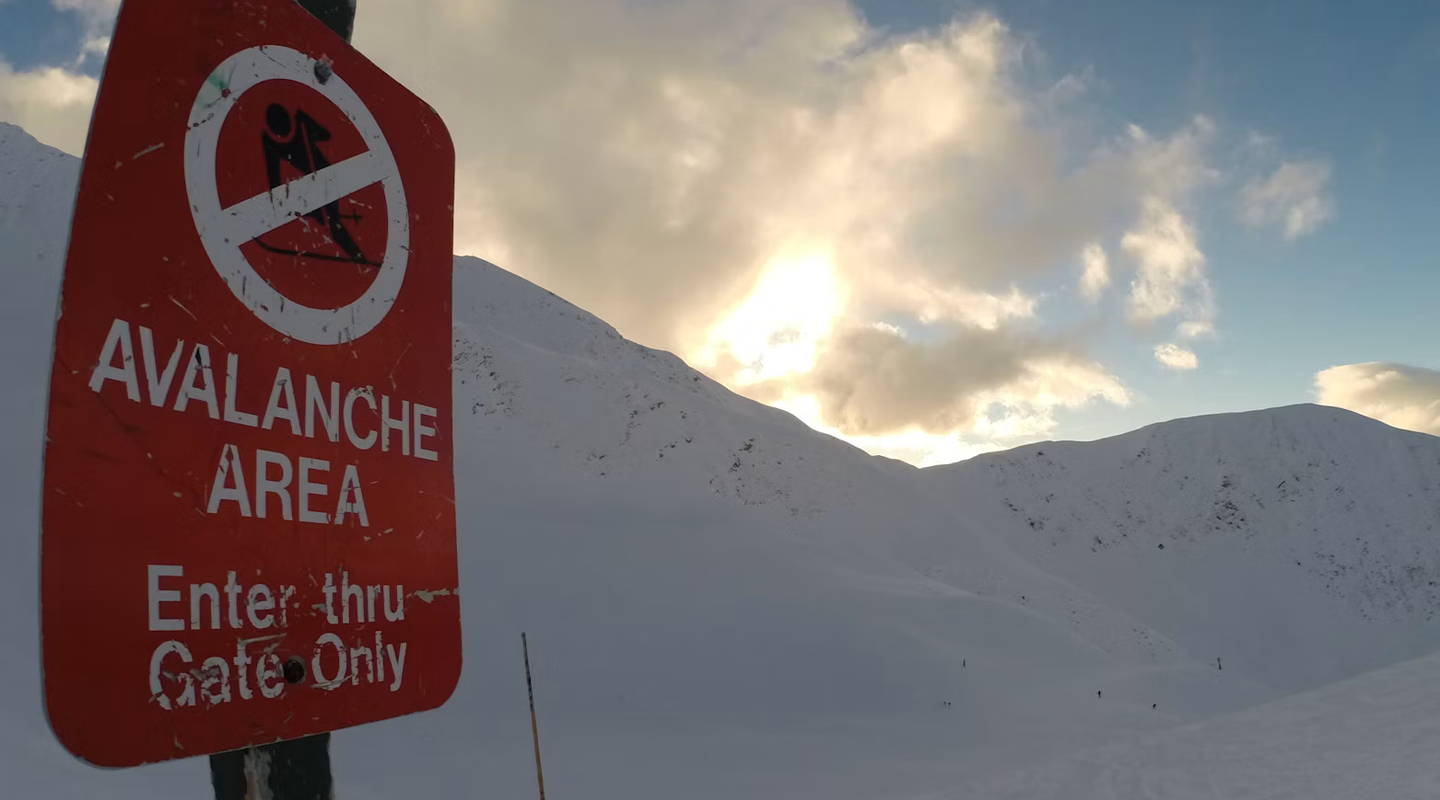
Winter can bring snow and very cold temperatures at high elevations. The monsoon season can also create problems on lower sections of the route because of rain, muddy trails, landslides, and road delays.
Is Spring Good for Tilicho Lake Trek?
Spring is one of the best seasons for Tilicho Lake Trek. March, April, and May generally offer good trekking conditions, although temperatures remain cold at higher elevations.
Lower sections of the Annapurna region become greener during spring, and rhododendrons can add color to the landscape. As you move toward Manang and Tilicho Lake, the scenery becomes drier and more rugged.
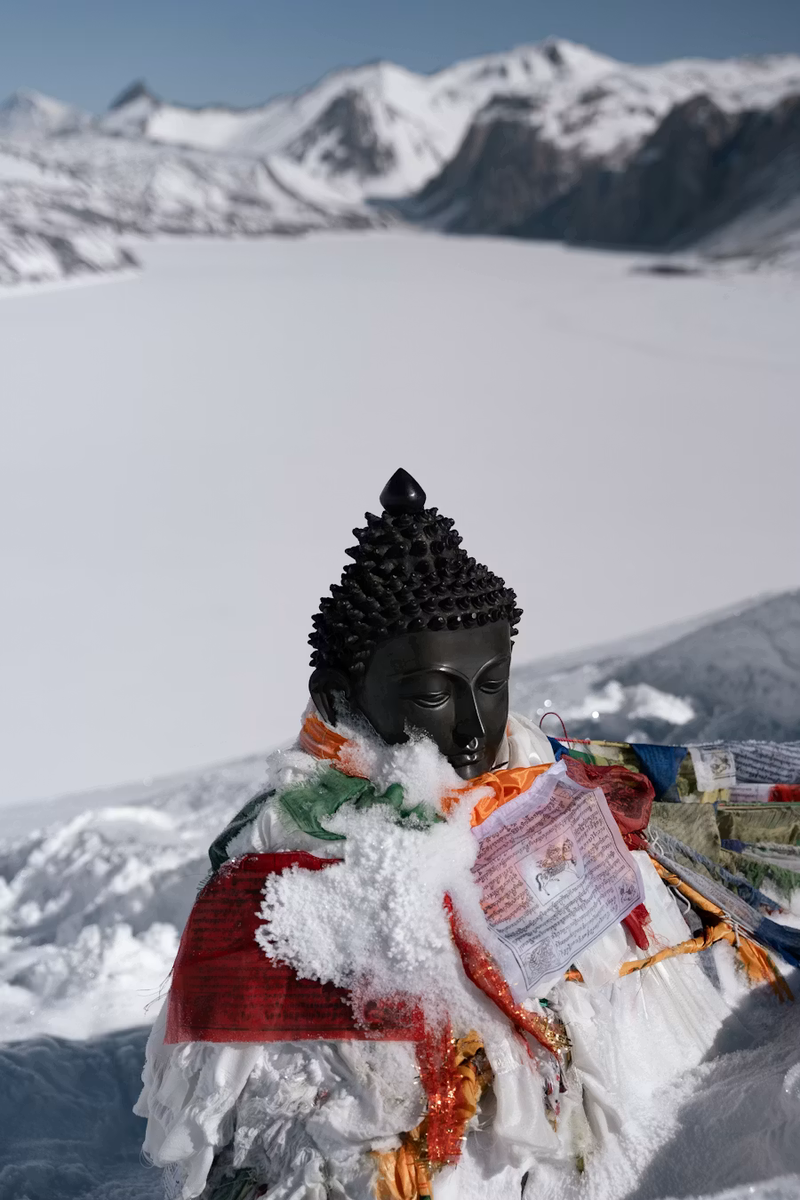
April and May are particularly comfortable for many trekkers because temperatures are warmer than in early spring.
Is Autumn Good for Tilicho Lake Trek?
Autumn is another excellent season for Tilicho Lake Trek. September, October, and November generally bring clear skies, good visibility, and stable trekking conditions.
October is especially popular, so the trails and teahouses can be busier. If you prefer a quieter experience, early September or late November can be considered if the weather and trail conditions are suitable.
Can You Trek to Tilicho Lake in Winter?
You can trek to Tilicho Lake in winter, but the journey can be much more difficult because of snow, freezing temperatures, and possible trail problems. The high-altitude sections require proper winter equipment and experience.
Before choosing a winter trek, check the latest weather and trail conditions. A route that is comfortable during autumn may become difficult or unsafe after heavy snowfall.
Is Monsoon a Good Time for Tilicho Lake?
Monsoon is not usually the first choice for Tilicho Lake Trek because lower parts of the route can receive heavy rain. Roads can become muddy, landslides may occur, and cloudy weather can reduce mountain views.
However, the Manang area is located in the rain-shadow region of the Annapurna mountains. This means it can receive much less rainfall than the southern side of the range. If you are planning your journey during peak trekking season, you can also read about the best autumn trek in nepal to see how weather conditions, mountain visibility, and trail experiences compare across top regions before finalizing your itinerary.
What Is the Weather Like During Tilicho Lake Trek?
Tilicho Lake Trek weather changes with altitude and season. Lower parts of the journey can be warmer, while Manang and the areas around Tilicho Base Camp are much colder.
| Season |
Weather |
Trekking Conditions |
| Spring |
Mild at lower elevations, cold higher up |
Generally good |
| Monsoon |
Wet at lower elevations |
Variable |
| Autumn |
Clear and stable |
Excellent |
| Winter |
Very cold and snowy |
Challenging |
The weather around Tilicho Lake can change quickly. Even during a good trekking season, you should carry warm and waterproof clothing.
Morning conditions are often better for high-altitude walks. Starting early can give you more time to reach the lake and return before afternoon weather changes.
What Permits Do You Need for Tilicho Lake Trek?
Tilicho Lake Trek falls within the Annapurna Conservation Area, so trekkers need the required conservation area permit. Depending on the exact route and current regulations, a TIMS card and guide requirements may also apply.
Permit rules can change, so it is important to check the latest requirements before starting your trek. If you book through a registered trekking company, the company can help arrange the required permits.
Keep your permits and identification documents with you during the trek because they may be checked along the route.
What Is the Tilicho Lake Trek Cost?
The cost of Tilicho Lake Trek depends on the number of trekking days, transportation, guide and porter services, accommodation, meals, permits, and the type of package you choose.
You should compare trekking packages based on the complete service rather than looking only at the starting price. A longer itinerary, private guide, better transportation, or additional services can increase the total cost.
Your personal spending can also vary depending on snacks, drinks, charging, hot showers, Wi-Fi, equipment rental, and other services available along the trail.
What Can You See During Tilicho Lake Trek?
Tilicho Lake Trek offers a wide range of landscapes, from green valleys and mountain villages to dry hills, rocky trails, and high Himalayan terrain. The scenery changes as you gain altitude, making the journey visually diverse.
Depending on the weather and visibility, you can see parts of the Annapurna range, Gangapurna, Chulu peaks, Manang Valley, and other surrounding mountains.
You also pass through traditional settlements where you can experience the culture and lifestyle of people living in the high mountain region.
The main highlights include:
- Tilicho Lake
- Manang Valley
- Gangapurna
- Annapurna II
- Annapurna III
- Annapurna IV
- Chulu peaks
- Khangsar village
- High-altitude mountain landscapes
- Traditional Himalayan settlements
What Should You Pack for Tilicho Lake Trek?
You should pack light but prepare for cold, wind, rain, and changing temperatures. Layered clothing is especially useful because temperatures can change during the day.
What Clothes Should You Pack?
Bring:
- Base layers
- Fleece jacket
- Down or insulated jacket
- Waterproof jacket
- Trekking trousers
- Thermal trousers
- Warm gloves
- Wool socks
- Warm hat
- Sun hat
What Trekking Gear Do You Need?
Important trekking equipment includes:
- Trekking boots
- Trekking poles
- Backpack
- Sleeping bag
- Headlamp
- Water bottles
- Sunglasses
- Water purification tablets or filter
- Basic first-aid kit
What Personal Items Should You Carry?
You should also carry:
- Sunscreen
- Lip balm
- Personal medicines
- Toiletries
- Power bank
- Passport and travel documents
- Travel insurance details
- Small amount of cash
- Lightweight towel
Avoid carrying unnecessary items. A heavy backpack becomes harder to manage when walking at high altitude.
What Accommodation Is Available on Tilicho Lake Trek?
Accommodation on Tilicho Lake Trek is mainly available in teahouses and simple mountain lodges. Facilities become more basic as you move toward higher and more remote sections of the route.
Most teahouses provide simple rooms with beds and shared bathrooms. Hot showers, charging facilities, and Wi-Fi may be available for an additional charge depending on the location.
Accommodation around Tilicho Base Camp is more limited than in larger villages such as Manang. During the busy spring and autumn seasons, it is better to plan accommodation in advance.
What Food Can You Eat During Tilicho Lake Trek?
Teahouses along the route serve a variety of simple meals suitable for trekkers. Dal bhat, noodles, rice, soup, momos, Tibetan bread, porridge, eggs, tea, and coffee are common choices.
Dal bhat is a popular trekking meal because it provides carbohydrates, protein, and enough energy for a long walking day. You can also find vegetarian options at most teahouses.
At high altitude, drinking enough water is important. Carry a reusable bottle and use a suitable water purification method when needed.
How Do You Stay Safe During Tilicho Lake Trek?
The most important safety concern on Tilicho Lake Trek is altitude. Because the route reaches 4,919 meters, you should gain altitude gradually, stay hydrated, walk at a comfortable pace, and tell your guide if you feel unwell.
Weather and trail conditions are other important concerns. Rocky sections, strong winds, cold temperatures, and snow can make the route more difficult.
Always follow your guide's advice and avoid continuing higher if you develop serious altitude-related symptoms.
What Are the Symptoms of Altitude Sickness?
Common symptoms of altitude sickness include:
- Headache
- Nausea
- Dizziness
- Unusual tiredness
- Loss of appetite
- Difficulty sleeping
Mild symptoms should be monitored carefully. If symptoms become worse, do not continue ascending. Inform your guide and follow professional medical advice.
How Can You Reduce the Risk of Altitude Sickness?
You can reduce the risk by:
- Ascending gradually.
- Following a proper acclimatization plan.
- Walking slowly.
- Drinking enough fluids.
- Eating regular meals.
- Avoiding unnecessary physical effort.
- Informing your guide about symptoms.
- Descending if serious symptoms develop.
Your itinerary should allow your body enough time to adjust. Saving one day by rushing the route is not worth increasing the risk at high altitude.
Can You Combine Tilicho Lake With the Annapurna Circuit?
Yes, Tilicho Lake can be added to the Annapurna Circuit from the Manang side. Trekkers normally leave the main circuit route to visit Khangsar and Tilicho Lake before returning toward Manang and continuing toward the Thorong La section.
Combining the two routes gives you more time in the Annapurna region and allows you to experience both Tilicho Lake and the wider circuit.
This option is better for travelers who have enough time for a longer trek and want a more complete experience of the Annapurna region.
Which Is Better: Tilicho Lake Trek or Annapurna Circuit Trek?
Tilicho Lake Trek is better for travelers who want to focus on a high-altitude lake and the Manang region, while the Annapurna Circuit is better for those who want a longer journey through different landscapes and mountain communities.
| Feature |
Tilicho Lake Trek |
Annapurna Circuit Trek |
| Main attraction |
Tilicho Lake |
Complete Annapurna Circuit |
| Duration |
Shorter |
Longer |
| Highest destination |
Tilicho Lake, 4,919 m |
Thorong La, 5,416 m |
| Main landscape |
High-altitude lake and Manang |
Diverse mountain landscapes |
| Best for |
Shorter high-altitude experience |
Complete circuit experience |
| Can be combined |
Yes |
Yes |
If you have enough time and good fitness, combining Tilicho Lake with the Annapurna Circuit can give you a much more complete trekking experience.
What Is the Difference Between Tilicho Lake Trek and Tilicho Lake Hike?
Tilicho Lake Trek usually refers to the multi-day journey to the lake, while Tilicho Lake Hike can describe the walking section toward the lake from a nearby overnight stop. Both phrases are used when people search for information about visiting Tilicho Lake.
The final walk from Tilicho Base Camp to the lake is often described as a hike because it is completed within a day. However, reaching Base Camp itself is part of a longer trekking journey.
For travelers planning the full experience, it is better to think of Tilicho as a multi-day high-altitude trek rather than a simple day hike.
Why Should You Visit Tilicho Lake?
You should visit Tilicho Lake if you want to experience a high-altitude Himalayan lake surrounded by dramatic mountain scenery. The trek also gives you the chance to explore Manang and combine the lake with the Annapurna Circuit.
The main reasons to choose the trek are:
- Experience Tilicho Lake at 4,919 meters.
- Explore the unique landscape of Manang.
- See dramatic Himalayan mountain scenery.
- Experience traditional mountain villages.
- Add a high-altitude side trip to the Annapurna Circuit.
- Enjoy a quieter mountain experience away from some of Nepal's busiest trekking routes.
The journey is challenging, but the combination of landscape, altitude, culture, and mountain views makes it a memorable experience.
What Are the Common Mistakes During Tilicho Lake Trek?
The most common mistakes are rushing the itinerary, ignoring altitude symptoms, packing too much, failing to check weather conditions, and choosing a trekking package only because it is cheap.
Rushing the Itinerary
Trying to finish the trek too quickly can leave little time for acclimatization. A realistic itinerary is more important than saving a day.
Ignoring Altitude Symptoms
Do not assume that headache, dizziness, or unusual tiredness is always normal. Tell your guide when you feel different from usual.
Carrying Too Much
Pack only what you need. A lighter backpack makes long uphill sections much easier.
Ignoring Weather
Check the weather and trail conditions before starting each day's walk. Conditions at high altitude can change quickly.
Choosing Only by Price
Compare the services, itinerary, guide experience, transportation, accommodation, and permit arrangements before choosing a trekking company.
What Are the Best Tips for Tilicho Lake Trek?
The best way to enjoy Tilicho Lake Trek is to prepare for altitude, keep your walking pace slow, and leave some flexibility in your schedule.
Start preparing several weeks before the trek by walking regularly and including uphill training. You do not need to become an athlete, but your body should be comfortable with several hours of walking.
During the trek, follow your guide's instructions, drink water regularly, eat properly, and avoid pushing yourself when you feel unwell.
It is also useful to keep one flexible day in your overall Nepal travel plan. Road delays, weather, and health can affect mountain itineraries.
Conclusion
Tilicho Lake Trek is an excellent choice for travelers who want to explore one of the most impressive high-altitude destinations in the Annapurna region. Reaching 4,919 meters, the trek offers dramatic mountain scenery, the unique landscape of Manang, traditional villages, and the chance to experience Tilicho Lake up close.
The trek is not technically difficult, but altitude, changing weather, and long walking days require good preparation. Choosing the right season, following a gradual itinerary, carrying suitable equipment, and listening to your guide can make the journey safer and more enjoyable. If you have enough time, combining Tilicho Lake with the Annapurna Circuit can make your Himalayan adventure even more rewarding. With the right preparation and guidance from Himalayan Hero, your journey to Tilicho Lake can become an unforgettable Himalayan adventure.
Frequently Asked Questions About Tilicho Lake Trek
How high is Tilicho Lake?
Tilicho Lake is located at 4,919 meters, or about 16,138 feet, above sea level. Its high elevation makes acclimatization one of the most important parts of the trek. The final approach from Tilicho Base Camp is physically demanding because of the altitude and steep mountain terrain.
How difficult is Tilicho Lake Trek?
Tilicho Lake Trek is a moderate to challenging trek. The main challenges are high altitude, steep sections, rocky terrain, cold weather, and several hours of walking each day. Good physical fitness, proper acclimatization, suitable equipment, and a steady walking pace can make the trek more manageable.
How many days do you need for Tilicho Lake?
A short Tilicho Lake Trek can take around 5 to 7 trekking days from the Manang area. A longer itinerary from Kathmandu takes more time, especially when transportation and acclimatization are included. If you combine Tilicho Lake with the Annapurna Circuit, the total trip will be considerably longer.
What is the best month for Tilicho Lake Trek?
October is one of the most popular months for Tilicho Lake Trek because it falls within Nepal's main autumn trekking season. April and May are also good choices during spring. September and November can also offer good conditions, although weather can vary.
Can beginners trek to Tilicho Lake?
Yes, fit beginners can trek to Tilicho Lake with proper preparation and a suitable itinerary. However, the trek is not easy because the lake sits at 4,919 meters. Beginners should train before the trek, walk slowly, allow time for acclimatization, and consider trekking with an experienced guide.
Is Tilicho Lake part of the Annapurna Circuit?
Tilicho Lake is located in the Annapurna region and can be added to an Annapurna Circuit itinerary. Trekkers usually visit the lake from the Manang side before returning to the circuit route and continuing toward the Thorong La area.
How much does Tilicho Lake Trek cost?
The cost depends on the trek duration, transportation, accommodation, guide and porter services, meals, permits, and other services. Prices vary between trekking companies, so it is better to compare the complete itinerary and services instead of choosing a package based only on its advertised price.
Do you need a guide for Tilicho Lake Trek?
Guide requirements depend on the exact route and current trekking regulations. Because rules can change, check the latest requirements before your trek. Traveling with a licensed guide is also useful for navigation, accommodation arrangements, altitude monitoring, and handling unexpected trail or weather conditions.
What permits are required for Tilicho Lake?
Trekkers need the applicable Annapurna Conservation Area permit. Depending on the exact route and current rules, a TIMS card and guide requirements may also apply. Check the latest requirements before your trek or arrange the permits through a registered trekking company.
Can you visit Tilicho Lake in winter?
Yes, but winter can be challenging because of snow, freezing temperatures, and difficult trail conditions. Trekkers choosing winter should have suitable cold-weather equipment, check current trail conditions, and be prepared for changes to the itinerary.
Is Tilicho Lake Trek safe?
Tilicho Lake Trek can be completed safely with proper preparation, acclimatization, suitable equipment, reliable weather information, and experienced trekking support. Altitude is the main concern. If you develop serious symptoms at high altitude, stop ascending and seek help immediately.
What is the highest point of Tilicho Lake Trek?
The highest destination on the standard Tilicho Lake route is Tilicho Lake at 4,919 meters. If you combine the trek with the Annapurna Circuit, you can continue to Thorong La Pass, which reaches 5,416 meters.