Dashain is one of the biggest festivals in Nepal, bringing families, friends, and communities together to celebrate happiness, blessings, and new beginnings. As the festival approaches, homes fill with excitement as people prepare for tika, jamara, traditional foods, and family gatherings. Children look forward to new clothes and festive fun, while many people travel from cities and foreign countries to spend time with their loved ones. Beyond the celebrations, Dashain carries a deeper meaning of faith, respect, gratitude, and the victory of good over evil.
In this blog, we will explore the history and meaning of Dashain, its major rituals, the importance of tika and jamara, and the traditions that make this festival special. From flying kites and enjoying festive meals to receiving blessings from elders, Dashain reflects the cultural values that connect generations. It is more than a festival; it is a celebration of family, togetherness, and Nepal's rich cultural heritage.
What Is Dashain and Why Is It Celebrated in Nepal?
Dashain, also known as Bada Dashain or Vijaya Dashami, is one of the most important Hindu festivals in Nepal. It celebrates the victory of good over evil and holds deep religious and cultural significance for Nepali people. During this festival, families come together, elders give blessings to younger members, and people take part in traditional rituals that have been passed down through generations. Dashain is also a time to express gratitude, strengthen family relationships, and welcome happiness and prosperity into life.
The Story Behind Dashain
The main story behind Dashain comes from Hindu mythology, where Goddess Durga defeats Mahishasura, a powerful demon who threatened the world. Her victory represents the triumph of good over evil and the power of truth and courage. Another tradition connects Dashain with Lord Rama's victory over Ravana, as described in the Ramayana. Both stories highlight the importance of righteousness and the belief that good ultimately overcomes evil.
When Is Dashain Celebrated?
Dashain usually falls in September or October, depending on the lunar calendar. The festival is traditionally celebrated over 15 days, beginning with Ghatasthapana and continuing through important occasions such as Phulpati, Maha Ashtami, Maha Navami, and Vijaya Dashami. The main day for receiving tika and jamara is Vijaya Dashami, when families gather to exchange blessings and celebrate together. The exact dates change each year according to the Nepali lunar calendar.
The Major Days and Rituals of Dashain
Dashain is celebrated over several days, with each day carrying its own religious and cultural significance. From planting jamara to receiving tika and blessings from elders, these traditions bring families together and help preserve Nepal's cultural heritage. Although customs may differ between regions and households, the festival shares a common message of faith, happiness, and the victory of good over evil.
Ghatasthapana: Planting Jamara
Ghatasthapana marks the beginning of Dashain. On this day, families sow barley seeds, sometimes mixed with other grains, in a prepared container filled with soil and sand. The seeds are kept in a sacred place and protected from direct sunlight as they grow into yellow jamara. These shoots are later used during tika ceremonies. Jamara symbolizes growth, prosperity, and blessings, making it an important part of Dashain celebrations.
Phulpati, Maha Ashtami, and Maha Navami
Phulpati is an important day when sacred flowers, leaves, and other traditional offerings are brought into homes and worship spaces. Maha Ashtami and Maha Navami are dedicated to worshipping Goddess Durga and seeking her blessings for protection, strength, and prosperity. Some communities perform special prayers, offer sacrifices, or hold ceremonies at temples, while others observe the days through family worship. These practices vary across Nepal according to local customs and beliefs.
Vijaya Dashami: The Day of Tika and Jamara
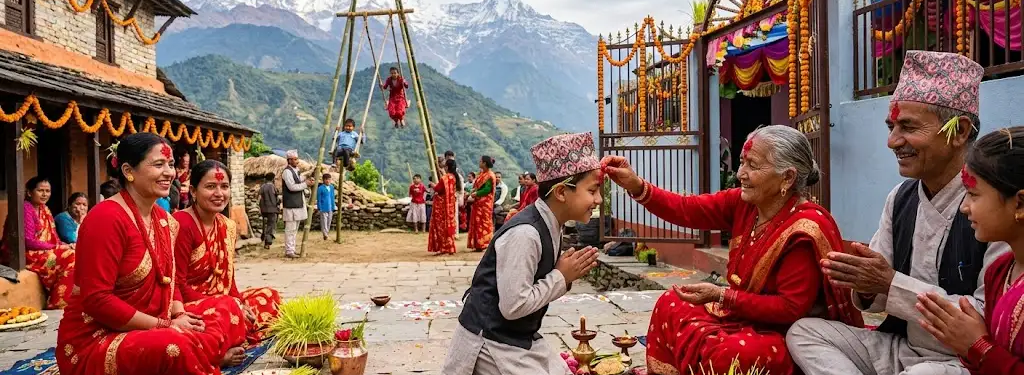
Vijaya Dashami is one of the most important days of Dashain. Families gather as elders apply tika, a mixture commonly made with rice, yogurt, and vermilion powder, and place jamara on younger family members' heads. Elders offer blessings for good health, happiness, success, and a prosperous future. Younger relatives may also receive dakshina, usually money given as a blessing. Many people visit relatives and travel to their hometowns, making this day a special time for family reunions.
Kojagrat Purnima: The Closing of Dashain
Kojagrat Purnima falls on the full moon and traditionally marks the conclusion of the 15-day Dashain festival. In Hindu tradition, the night is associated with Goddess Lakshmi, who represents wealth and prosperity. Some families stay awake to perform prayers or observe customs connected with good fortune. The way this day is celebrated differs among households and communities, but it provides a final moment to reflect on the festival's blessings, family connections, and cultural traditions.
Why Dashain Is the Festival That Brings Nepal Together
Dashain is more than a religious festival; it is a time when people reconnect with family, share happiness, and strengthen relationships. Across Nepal, the celebration brings people closer through family gatherings, traditional rituals, and shared memories. Even for those living far from home, Dashain creates a strong feeling of belonging and reminds them of the importance of family and cultural roots.
Families Reunite During Dashain
One of the most special parts of Dashain is the chance to reunite with loved ones. Many people travel from cities, villages, and foreign countries to celebrate with their families. Homes become lively as relatives arrive, traditional meals are prepared, and stories are shared. For people who spend most of the year away from their hometowns, these moments offer a chance to reconnect with parents, grandparents, siblings, and childhood friends. These family gatherings make Dashain a festival filled with warmth, happiness, and lasting memories.
Receiving Blessings From Elders
Receiving tika and jamara from elders is a meaningful Dashain tradition. Along with these sacred symbols, younger family members receive blessings for good health, happiness, success, and a bright future. This ritual also reflects respect for elders and helps maintain strong connections between generations. For many families, the words and blessings shared during tika are just as meaningful as the celebration itself, reminding everyone of the love, guidance, and support they receive from their families.
Celebrating Across Generations and Communities
Dashain holds different memories for different generations. Children enjoy new clothes, swings, kites, and festive treats, while adults focus on family preparations, religious rituals, and welcoming relatives. Grandparents often help younger family members understand the traditions and stories behind the festival. Across Nepal, celebrations vary according to regional customs, ethnic backgrounds, religious beliefs, and family practices. Despite these differences, Dashain can create opportunities for people to share happiness, respect one another's traditions, and strengthen their sense of community. This shared spirit is what makes Dashain such an important part of Nepal's cultural life.
Dashain Traditions That Make the Festival Special
Dashain is filled with traditions that bring excitement and happiness to homes across Nepal. From flying colorful kites and playing on traditional bamboo swings to wearing new clothes and decorating homes, these activities make the festival enjoyable for people of all ages. Families prepare for the celebration by shopping for gifts, cleaning their homes, and getting everything ready for visiting relatives.
Beyond the fun and preparations, Dashain traditions help people stay connected with their families and culture. Sharing festive meals, visiting loved ones, and spending time together create memories that last for years. Although customs may differ between families and communities, each tradition adds something special to the celebration and helps keep the spirit of Dashain alive for future generations.
Flying Kites and Playing on Traditional Swings
Flying kites is a popular Dashain activity, especially among children and young people. The skies become colorful as people gather on rooftops and open spaces to fly kites with friends and family. Another familiar tradition is playing on ping, large bamboo swings built in many communities during the festival. Children and adults take turns enjoying the swings while sharing laughter and stories. These activities bring neighbors together and add fun to the days leading up to Dashain.
New Clothes, Shopping, and Decorating Homes
Preparing for Dashain often begins weeks before the main celebration. Families clean their homes, shop for new clothes, buy gifts, and gather the ingredients needed for festive meals. Local markets become busy as people look for clothing, decorations, and household items. For children, wearing new clothes is one of the most exciting parts of the festival. These preparations create a sense of anticipation and help families welcome the celebration with happiness and enthusiasm.
Visiting Relatives and Sharing Meals
Visiting relatives is another important part of Dashain. Families travel to meet parents, grandparents, siblings, and other loved ones, often bringing gifts or sharing homemade food. Traditional dishes are prepared, conversations continue around the dining table, and people catch up on each other's lives. Some families also enjoy playing cards or other games during their free time. These simple activities make the festival feel special and help create memories that remain meaningful long after Dashain ends.
Traditional Dashain Foods Nepalis Love
Food is an important part of Dashain, bringing families together around the table to enjoy traditional dishes and celebrate the festival. From homemade snacks to special family meals, the food adds warmth and excitement to the occasion. Although dishes vary by region, household, and dietary preference, sharing meals remains a memorable part of Dashain for many Nepalis.
Sel Roti, Goat Curry, and Family Feasts
Sel roti is a popular Nepali festive food made from rice flour and shaped into a ring before being deep-fried until golden and crispy. Many families also prepare goat curry, rice, pickles, and other traditional dishes during Dashain. Some households enjoy chicken, buffalo meat, vegetarian meals, or regional specialties. The smell of freshly cooked food and the sight of a table filled with favorite dishes make family gatherings even more enjoyable.
Food, Hospitality, and Family Memories
Dashain meals are about more than food. Preparing dishes together, welcoming guests, and sharing meals with relatives create a sense of belonging. Family members often help with cooking, serve food to guests, and spend time talking about their lives. These simple moments turn ordinary meals into lasting memories. Whether it is enjoying crispy sel roti with tea or sharing a festive dinner with loved ones, food helps make Dashain a celebration of togetherness, hospitality, and Nepali culture.
How Dashain Is Celebrated Across Nepal and Abroad
Dashain is celebrated throughout Nepal and by Nepali communities around the world. While the main traditions often include tika, jamara, family gatherings, and festive meals, the way people celebrate depends on their location, family customs, and personal circumstances. From quiet village celebrations to lively city markets and gatherings overseas, Dashain continues to connect people with their culture and loved ones.
Dashain Celebrations in Villages and Cities
In many Nepali villages, Dashain brings families and neighbors together through traditional rituals, temple visits, and community celebrations. Bamboo swings may appear in open spaces, while relatives gather to share meals and receive blessings from elders. In cities such as Kathmandu and Pokhara, markets become busy with people shopping for clothes, gifts, and festival essentials. Many people also travel to their hometowns to celebrate with family. Although village and city celebrations may look different, both reflect the joy of meeting loved ones and keeping traditions alive.
Celebrating Dashain Away From Home
For Nepalis living in Australia, the UK, the United States, and other countries, Dashain is an opportunity to stay connected to their roots. Some attend community gatherings, visit friends and relatives, prepare traditional food, and organize tika ceremonies. Others celebrate with their immediate families or connect with loved ones in Nepal through video calls. Distance, work, and financial responsibilities can make travelling home difficult, but many people find ways to maintain their traditions. Parents and grandparents also pass these customs on to younger generations, helping keep the spirit of Dashain alive far from Nepal.
The Deeper Meaning of Dashain in Modern Nepal
Dashain continues to hold a special place in Nepali society, even as lifestyles and family routines change. Beyond its religious rituals and celebrations, the festival reminds people of the importance of hope, gratitude, family, and cultural identity. It offers an opportunity to pause from everyday responsibilities, reconnect with loved ones, and appreciate the relationships that bring meaning to life.
A Festival of Hope, Gratitude, and New Beginnings
The victory of good over evil in Dashain carries a message of hope, courage, and positive change. It reminds people to face challenges with strength and believe in better days ahead. Receiving blessings from elders also encourages gratitude and respect for the people who support us. For many families, Dashain is a chance to forgive past misunderstandings, rebuild relationships, and begin a new chapter with a positive mindset.
Keeping Dashain Traditions Alive
As more Nepalis move to cities or settle abroad for education and work, celebrating Dashain together can become difficult. Travel costs, busy schedules, and other financial responsibilities may also affect how families observe the festival. However, many people continue to preserve its traditions by teaching children about tika and jamara, sharing family stories, preparing traditional food, and gathering whenever possible. Keeping Dashain alive does not mean following every custom perfectly or spending a lot of money. What matters most is sharing love, respecting traditions, and making time for the people who matter.
Why Dashain Is a Great Time to Travel in Nepal
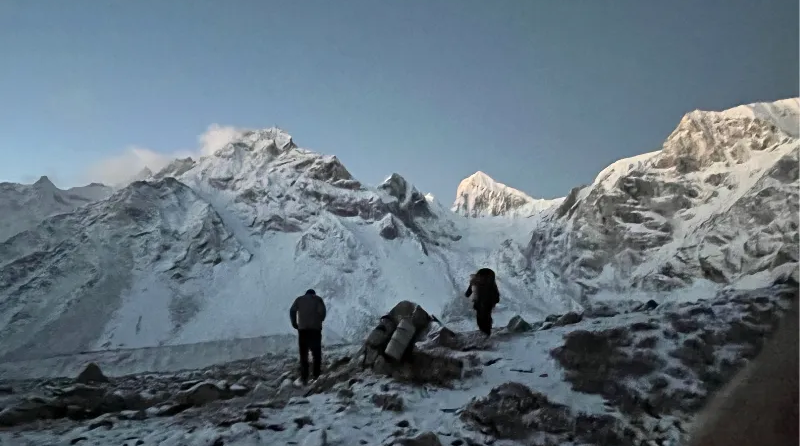
Dashain falls during Nepal's autumn season, when monsoon rains usually begin to fade, skies often become clearer, and mountain views can be spectacular. October and November are popular months for trekking and exploring Nepal because the weather is generally favorable, with comfortable daytime temperatures in many destinations.
If you are planning a trekking adventure during Dashain, here are some popular destinations to consider:
- Manaslu Circuit Trek: A challenging Himalayan adventure featuring remote villages, dramatic mountain views, and the 5,106-meter Larkya La Pass.
- Annapurna Base Camp Trek: A scenic journey through forests and traditional villages to a natural mountain amphitheater surrounded by towering Himalayan peaks.
- Langtang Valley Trek: A rewarding trek with beautiful mountain scenery, Tamang culture, and views of Langtang Lirung.
- Mardi Himal Trek: A relatively short Himalayan trek offering close-up views of Machhapuchhre, Annapurna South, and the surrounding mountains.
Dashain also offers a chance to experience Nepal beyond its mountain trails. Cities and villages come alive with family gatherings, traditional rituals, local food, and festive decorations, making it a rewarding time to explore Nepali culture. If you want to combine cultural experiences with mountain adventures, Himalayan Hero can help you plan trekking and travel experiences across Nepal.
It is worth booking transport and accommodation in advance, as Dashain is a busy holiday period when many Nepalis travel to visit family. Weather conditions can also vary by region and altitude, so check local forecasts before setting out.
Final Thoughts: The Meaning of Dashain Goes Beyond Tika
Dashain is more than tika, jamara, new clothes, and festive food. It is a celebration of family, blessings, gratitude, and the traditions that connect generations. From welcoming relatives home to sharing meals and receiving blessings from elders, every moment adds meaning to the festival. Although distance, work, and changing lifestyles may keep some families apart, the spirit of Dashain continues to bring Nepalis closer.
The true value of Dashain lies not in how much we spend or how grandly we celebrate, but in the love we share, the memories we create, and the traditions we carry forward. It reminds us to appreciate our families, respect our cultural heritage, and spread happiness among the people around us. No matter where life takes us, Dashain remains a meaningful reminder of our roots, our relationships, and the joy of coming together.
Frequently Asked Questions About Dashain
What is Dashain and why is it celebrated?
Dashain is one of Nepal's most important Hindu festivals. It celebrates the victory of good over evil, particularly Goddess Durga's victory over Mahishasura. The festival is also a time for family reunions, religious rituals, blessings, and preserving Nepali cultural traditions.
How long does Dashain last in Nepal?
Dashain is traditionally celebrated over 15 days, beginning with Ghatasthapana and ending with Kojagrat Purnima. The main celebrations include Phulpati, Maha Ashtami, Maha Navami, and Vijaya Dashami, when families gather to receive tika and jamara.
What do tika and jamara symbolize?
Tika, commonly made with rice, yogurt, and vermilion powder, is applied to the forehead as a blessing. Jamara consists of sacred seedlings grown during Dashain. Together, they are associated with good health, happiness, prosperity, and success.
What is the most important day of Dashain?
Vijaya Dashami is widely considered the main day of Dashain. On this day, family members receive tika and jamara from elders, along with blessings and sometimes dakshina. Many people also visit relatives and reunite with loved ones.
What are the main traditions of Dashain?
Major Dashain traditions include planting jamara, worshipping Goddess Durga, flying kites, playing on traditional bamboo swings, wearing new clothes, preparing festive meals, and receiving tika and blessings from elders. Customs vary among regions and families.
Why do Nepalis return home during Dashain?
Many Nepalis return home during Dashain to spend time with their families, receive blessings from elders, and participate in traditional celebrations. For people living far away, the festival offers a valuable opportunity to reconnect with loved ones and maintain cultural ties.