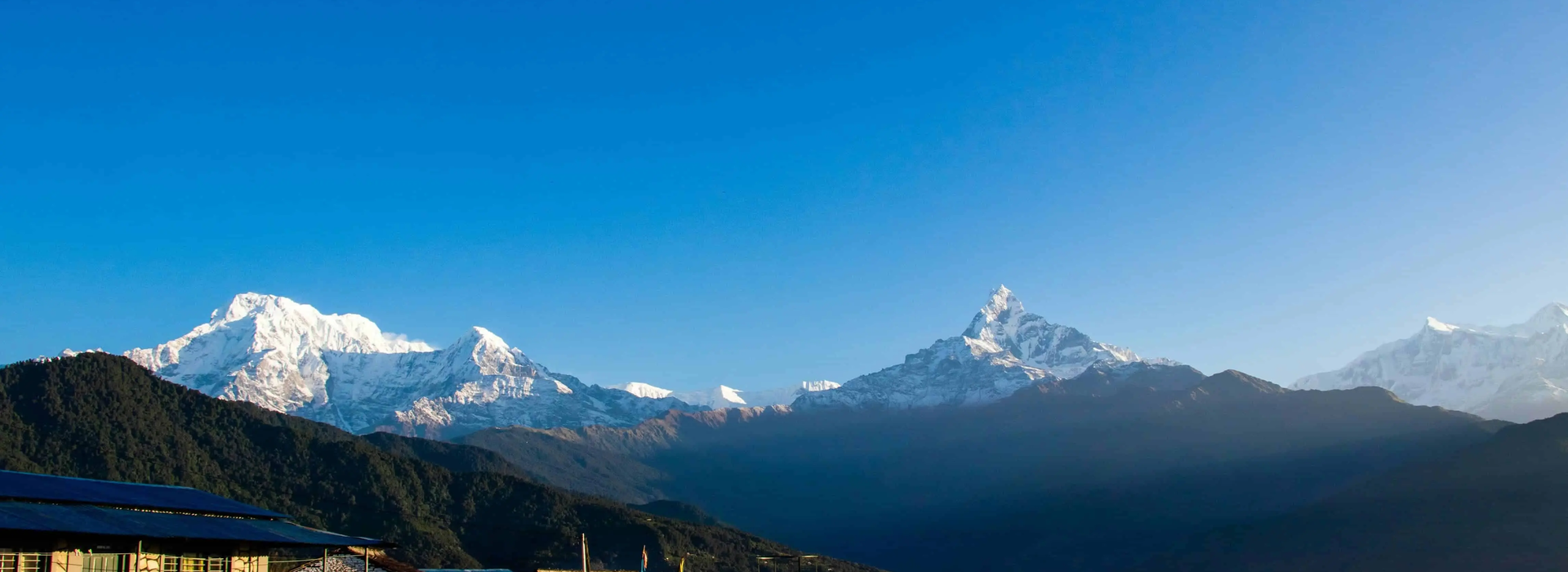
Have you ever wondered why so many trekkers keep talking about Nepal in autumn? It's not just because the mountains look incredible. The skies are clearer, the trails feel alive, and every morning somehow feels fresh in a way that's hard to explain. If you've been dreaming about walking through the Himalayas but can't decide when or where to go, autumn might just be the season you've been waiting for. And honestly, once you see those golden forests with snow-covered peaks in the background, it's easy to understand why people come back again and again.
In this blog, we'll explore the best autumn trek in Nepal and help you figure out which trail matches your travel style, fitness level, and adventure goals. From world-famous routes like the Everest Base Camp and Annapurna Circuit to quieter hidden gems, we'll cover the highlights, weather conditions, trekking tips, and everything else you should know before packing your backpack. By the end, you'll have a much clearer idea of which autumn trek is the right one for you.
Why Is Autumn the Best Time to Trek in Nepal?
Autumn is the best time to trek in Nepal because the weather is stable, the skies stay crystal clear, and the mountain views are simply breathtaking. After the monsoon season ends, the trails become cleaner, the air feels fresh, and the landscapes turn vibrant with green hills, colorful forests, and snow-capped Himalayan peaks. The temperatures are also comfortable for long days of walking, making trekking more enjoyable for both beginners and experienced hikers.
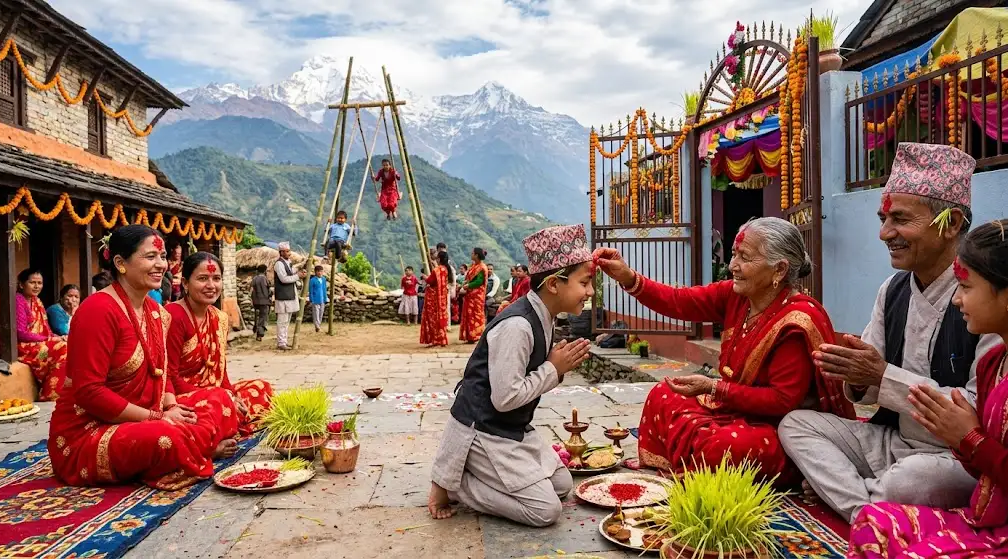
During autumn, most trekking routes have excellent trail conditions, and tea houses are fully open to welcome visitors. This season also brings major festivals like Dashain and Tihar, giving trekkers a chance to experience Nepal's rich culture along with its natural beauty. Although some popular trails can get a little busy, the perfect weather and unforgettable scenery make autumn the favorite trekking season for travelers from around the world.
Which Autumn Trek in Nepal Is Best for You?
The best autumn trek in Nepal depends on your experience, budget, fitness level, and the type of adventure you want. From beginner-friendly trails to challenging high-altitude expeditions, there's a perfect trekking route for every kind of traveler during Nepal's most popular trekking season.
Best for Beginners
The Ghorepani Poon Hill Trek is the best autumn trek in Nepal for beginners. It takes about 4–5 days, reaches a maximum altitude of 3,210 meters, and offers breathtaking sunrise views over the Annapurna and Dhaulagiri ranges without requiring technical trekking skills. Well-marked trails, comfortable tea houses, and gradual elevation gain make it an excellent introduction to Himalayan trekking.
Best for Families
The Langtang Valley Trek is a great choice for families. This 7–10-day trek features comfortable tea houses, moderate trails, welcoming Tamang villages, and beautiful Himalayan scenery, making it suitable for families with older children who enjoy hiking. The shorter daily walking distances and rich cultural experiences allow families to enjoy the journey without feeling rushed or overly challenged.
Best for Experienced Trekkers
The Everest Three Passes Trek is ideal for experienced trekkers seeking a demanding adventure. Lasting 18–21 days, it crosses three high mountain passes above 5,000 meters and requires excellent fitness, proper acclimatization, and previous high-altitude trekking experience. In return, you'll experience some of Nepal's most spectacular Himalayan landscapes, remote trails, and panoramic Everest views.
Best Luxury Trek
The Everest Base Camp Luxury Trek combines adventure with comfort. You'll stay in premium lodges with better facilities while following the classic Everest trekking route, making it perfect for travelers who want Himalayan views without giving up comfort. It's an excellent option for those who prefer comfortable accommodation, quality meals, and extra support during their trekking experience.
Best Budget Trek
The Annapurna Base Camp Trek offers excellent value for money. Affordable tea houses, reasonably priced meals, and well-established trails make this 7–12-day trek one of Nepal's best budget-friendly adventures during autumn. Despite its affordable cost, the trek delivers unforgettable mountain scenery, diverse landscapes, and a rewarding journey to the heart of the Annapurna Sanctuary.
Best Short Trek
The Mardi Himal Trek is one of the best short autumn treks in Nepal. Completed in 4–6 days, it rewards trekkers with spectacular close-up views of Machhapuchhre, Annapurna South, and Hiunchuli while avoiding some of the busier trekking routes. Its shorter itinerary makes it perfect for travelers with limited time who still want an authentic Himalayan trekking experience.
Best Remote Trek
The Upper Dolpo Trek is perfect if you want to escape the crowds. This remote trekking route offers ancient monasteries, dramatic landscapes, and authentic Tibetan culture, but it requires a special permit, a licensed guide, and around 20–25 days to complete. Its untouched wilderness and unique cultural heritage make it one of Nepal's most rewarding adventures for trekkers looking for a truly off-the-beaten-path experience.
Best Autumn Treks in Nepal
Autumn is the perfect season to explore Nepal's famous trekking routes, thanks to its clear skies, stable weather, and breathtaking Himalayan views. Whether you're looking for a short scenic hike or a challenging high-altitude adventure, these are some of the best autumn treks in Nepal.
Everest Base Camp Trek
The Everest Base Camp Trek is one of the most famous trekking routes in the world, taking 12–14 days and reaching a maximum altitude of 5,364 meters. Autumn brings clear skies, stable weather, and breathtaking views of Mount Everest, making it the most popular season for this adventure.
Along the way, you'll walk through traditional Sherpa villages, cross suspension bridges, visit ancient monasteries, and stay in cozy tea houses. Proper acclimatization is essential, but the incredible Himalayan scenery and the chance to stand at Everest Base Camp make every step worthwhile.
Annapurna Base Camp Trek
The Annapurna Base Camp Trek is a scenic 7–12-day trek that reaches 4,130 meters in the heart of the Annapurna Sanctuary. During autumn, the trails are dry, the temperatures are comfortable, and the mountain views are at their very best.
The route passes through terraced fields, rhododendron forests, and charming Gurung villages before opening into a natural amphitheater surrounded by towering Himalayan peaks. It's an excellent choice for trekkers looking for diverse landscapes without spending weeks on the trail.
Annapurna Circuit Trek
The Annapurna Circuit Trek is a classic Himalayan journey lasting 14–18 days, with the highest point at Thorong La Pass (5,416 meters). Autumn provides ideal trekking conditions, allowing hikers to safely cross the high mountain pass while enjoying spectacular views.
This trek is known for its constantly changing scenery, from lush valleys and waterfalls to alpine meadows and dry mountain deserts. It also offers a unique chance to experience different cultures, traditional villages, and ancient monasteries along the route.
Langtang Valley Trek
The Langtang Valley Trek is a beautiful 7–10-day adventure with a maximum altitude of around 3,870 meters at Kyanjin Gompa. Autumn's cool temperatures and crystal-clear mountain views make this one of Nepal's most enjoyable moderate treks.
The trail winds through forests, rivers, yak pastures, and welcoming Tamang villages before reaching stunning glacier viewpoints. Since it's less crowded than Everest and Annapurna, it's perfect for travelers seeking a peaceful Himalayan experience.
Mardi Himal Trek
The Mardi Himal Trek is a short 4–6-day trek that reaches approximately 4,500 meters at Mardi Himal Viewpoint. Autumn offers excellent visibility, allowing trekkers to enjoy close-up views of Machhapuchhre, Annapurna South, and Hiunchuli.
The route follows quiet forest trails and narrow ridges with fewer crowds than many popular trekking routes. It's a great option for those with limited time who still want a rewarding Himalayan adventure.
Ghorepani Poon Hill Trek
The Ghorepani Poon Hill Trek is a beginner-friendly trek lasting 4–5 days with a maximum altitude of 3,210 meters. Autumn's clear mornings make the famous Poon Hill sunrise one of the most unforgettable mountain viewpoints in Nepal.
The trail passes through rhododendron forests, stone villages, and peaceful hillside landscapes with comfortable tea house accommodation each night. It's perfect for families, first-time trekkers, and anyone looking for a shorter Himalayan journey.
Manaslu Circuit Trek
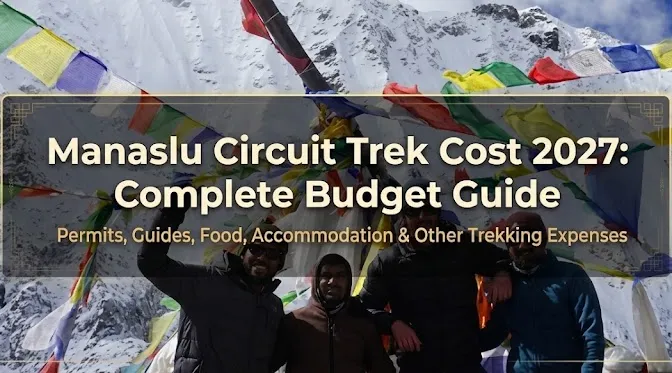
The Manaslu Circuit Trek is a remote 14–18-day trek that crosses Larke Pass (5,106 meters) and circles the world's eighth-highest mountain. Autumn is the best season because of its stable weather and excellent visibility at higher elevations.
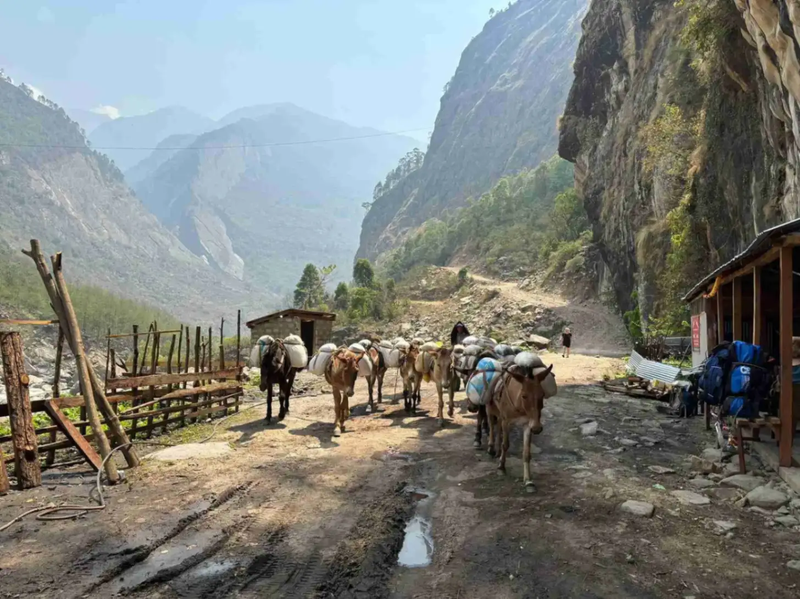
Unlike Nepal's busier trekking routes, Manaslu offers quieter trails, dramatic mountain scenery, and authentic village life. It's an ideal choice for experienced trekkers looking for both adventure and cultural immersion.
Upper Mustang Trek
The Upper Mustang Trek is a unique 10–14-day journey through Nepal's ancient Himalayan kingdom, reaching elevations of around 3,840 meters. Autumn provides comfortable weather and clear views across its dramatic desert-like landscapes.
Trekkers can explore centuries-old monasteries, ancient cave dwellings, and traditional Tibetan-influenced villages that have preserved their culture for generations. It's perfect for travelers interested in history, culture, and off-the-beaten-path adventures.
Gokyo Lakes Trek
The Gokyo Lakes Trek is a stunning 12–14-day trek with a maximum altitude of 5,357 meters at Gokyo Ri. Autumn's clear skies highlight the brilliant turquoise lakes and provide outstanding views of Everest, Cho Oyu, Lhotse, and Makalu.
Compared to the Everest Base Camp route, this trek is generally quieter while offering equally impressive Himalayan scenery. The climb to Gokyo Ri rewards trekkers with one of the most spectacular panoramic viewpoints in the Everest region.
Trek Comparison Table
Choosing the best autumn trek in Nepal can be easier when you compare the key details side by side. The table below highlights the duration, maximum altitude, difficulty level, and who each trek is best suited for.
| Trek |
Duration |
Maximum Altitude |
Difficulty |
Best For |
| Everest Base Camp Trek |
12–14 Days |
5,364 m |
Moderate to Challenging |
Iconic Himalayan adventure |
| Annapurna Base Camp Trek |
7–12 Days |
4,130 m |
Moderate |
Scenic mountain views and diverse landscapes |
| Annapurna Circuit Trek |
14–18 Days |
5,416 m |
Challenging |
Long-distance trekking and mountain passes |
| Langtang Valley Trek |
7–10 Days |
3,870 m |
Moderate |
Culture, nature, and fewer crowds |
| Mardi Himal Trek |
4–6 Days |
4,500 m |
Moderate |
Short treks with stunning mountain views |
| Ghorepani Poon Hill Trek |
4–5 Days |
3,210 m |
Easy to Moderate |
Beginners, families, and short holidays |
| Manaslu Circuit Trek |
14–18 Days |
5,106 m |
Challenging |
Remote trekking and experienced hikers |
| Upper Mustang Trek |
10–14 Days |
3,840 m |
Moderate |
Culture, history, and unique desert landscapes |
| Gokyo Lakes Trek |
12–14 Days |
5,357 m |
Moderate to Challenging |
Glacial lakes and Everest panoramas |
No matter which trekking route you choose, autumn offers the best combination of clear weather, comfortable temperatures, and spectacular Himalayan views. Pick a trek that matches your fitness level, available time, and travel goals to enjoy a safe and unforgettable adventure in Nepal.
September vs October vs November
The best autumn month for trekking in Nepal depends on the experience you're looking for. While September, October, and November all offer excellent trekking conditions, each month has its own advantages in terms of weather, trail conditions, mountain views, and crowd levels.
| Month |
Weather |
Mountain Views |
Crowds |
Best For |
| September |
Mild with occasional post-monsoon showers early in the month |
Very Good, especially from mid-September |
Moderate |
Green landscapes, fewer trekkers, fresh mountain scenery |
| October |
Stable, dry, and pleasant |
Excellent |
High |
First-time visitors, Everest Base Camp, Annapurna, and popular treks |
| November |
Cool, dry, and crisp |
Excellent |
Moderate |
Experienced trekkers, photography, and quieter trails |
If you want lush green hills and fewer people, September is a great choice, especially during the second half of the month. October is widely considered the best month for trekking in Nepal because of its reliable weather, comfortable temperatures, and crystal-clear Himalayan views. If you prefer cooler days, quieter trails, and stunning visibility, November is an excellent option before winter begins. No matter which month you choose, planning your itinerary and booking accommodation early is recommended during the busy autumn trekking season.
How Much Does an Autumn Trek Cost?
The cost of an autumn trek in Nepal typically ranges from USD 400 to USD 3,500+, depending on the trekking route, trip duration, accommodation, permits, transportation, and whether you choose a guided or luxury trek. Popular routes like Annapurna Base Camp and Ghorepani Poon Hill are generally more affordable, while luxury Everest treks and remote destinations such as Upper Mustang cost significantly more due to special permits and logistics.
| Trek |
Estimated Cost (USD) |
Duration |
| Ghorepani Poon Hill Trek |
$400–$800 |
4–5 Days |
| Mardi Himal Trek |
$500–$900 |
4–6 Days |
| Langtang Valley Trek |
$600–$1,000 |
7–10 Days |
| Annapurna Base Camp Trek |
$700–$1,200 |
7–12 Days |
| Everest Base Camp Trek |
$1,200–$2,000 |
12–14 Days |
| Annapurna Circuit Trek |
$900–$1,600 |
14–18 Days |
| Manaslu Circuit Trek |
$1,300–$2,000 |
14–18 Days |
| Upper Mustang Trek |
$2,000–$3,500+ |
10–14 Days |
Your total budget may also include trekking permits, guide and porter fees, accommodation, meals, domestic flights or road transportation, travel insurance, and personal expenses. Booking with a reputable trekking company often includes many of these services, making it easier to plan your trip and avoid unexpected costs.
Which Permits Do You Need?
The permits you need for an autumn trek in Nepal depend on the trekking region you plan to visit. Most trekking routes require one or more trekking permits, and some restricted areas also require a licensed guide and a special restricted area permit. It's important to arrange the correct permits before starting your trek, as they are checked at multiple checkpoints along the trail.
| Trek |
Required Permits |
| Everest Base Camp Trek |
Sagarmatha National Park Permit, Khumbu Pasang Lhamu Rural Municipality Permit |
| Annapurna Base Camp Trek |
Annapurna Conservation Area Permit (ACAP) |
| Annapurna Circuit Trek |
Annapurna Conservation Area Permit (ACAP) |
| Langtang Valley Trek |
Langtang National Park Permit |
| Mardi Himal Trek |
Annapurna Conservation Area Permit (ACAP) |
| Ghorepani Poon Hill Trek |
Annapurna Conservation Area Permit (ACAP) |
| Manaslu Circuit Trek |
Manaslu Restricted Area Permit (RAP), Manaslu Conservation Area Permit (MCAP), Annapurna Conservation Area Permit (ACAP) |
| Upper Mustang Trek |
Upper Mustang Restricted Area Permit (RAP), Annapurna Conservation Area Permit (ACAP) |
| Gokyo Lakes Trek |
Sagarmatha National Park Permit, Khumbu Pasang Lhamu Rural Municipality Permit |
If you're trekking in a restricted area like Manaslu or Upper Mustang, you'll need to trek with a licensed guide through a registered trekking agency. Always carry printed or digital copies of your permits, as they'll be checked throughout your journey.
What Should You Pack?
For an autumn trek in Nepal, you should pack layered clothing, sturdy trekking boots, essential safety gear, and personal items to stay comfortable in changing mountain weather. Days are usually warm and sunny, but mornings, evenings, and higher elevations can be surprisingly cold, so packing the right gear is essential for a safe and enjoyable trek.
Autumn Trekking Packing Checklist
- ✔️ Waterproof trekking boots with good grip
- ✔️ Moisture-wicking base layers
- ✔️ Fleece or insulated jacket
- ✔️ Waterproof and windproof outer jacket
- ✔️ Trekking pants and thermal leggings
- ✔️ Warm hat, gloves, and neck gaiter
- ✔️ Backpack (30–40L) with rain cover
- ✔️ Reusable water bottles or hydration bladder
- ✔️ Water purification tablets or filter
- ✔️ Sunglasses and sunscreen (SPF 50+)
- ✔️ Headlamp with extra batteries
- ✔️ Trekking poles
- ✔️ Personal first-aid kit and medications
- ✔️ Snacks and energy bars
- ✔️ Passport, permits, travel insurance, and cash
Packing light while carrying the essentials will make your trek much more comfortable. If you're trekking above 3,500 meters, include warm layers for freezing nights and always carry enough water, as staying hydrated is one of the best ways to help with acclimatization.
How Can You Stay Safe at High Altitude?
Staying safe at high altitude during an autumn trek in Nepal starts with proper acclimatization, monitoring your health, and preparing for changing mountain conditions. Most trekking routes above 3,500 meters carry a risk of altitude sickness, but following the right precautions can help you enjoy a safe and memorable Himalayan adventure.
Prevent Altitude Sickness
The best way to prevent altitude sickness is to ascend gradually and include acclimatization days in your itinerary. Drink plenty of water, avoid alcohol, eat nutritious meals, and never ignore symptoms such as headache, nausea, dizziness, or unusual fatigue. If your symptoms become severe, descend immediately and seek medical assistance.
Weather Awareness
Mountain weather in Nepal can change quickly, even during the stable autumn season. Check the daily weather forecast before setting out, start hiking early each morning, and carry warm, waterproof clothing in case temperatures drop or conditions change unexpectedly at higher elevations.
Trek Insurance
Comprehensive travel insurance is highly recommended for all high-altitude treks. Choose a policy that covers trekking above 5,000 meters, emergency medical treatment, trip cancellations, and helicopter evacuation, as rescue costs in remote mountain regions can be very expensive.
Emergency Rescue
If a serious illness, injury, or severe altitude sickness occurs, contact your guide or trekking agency immediately. Most popular trekking regions have access to helicopter rescue services, but evacuation depends on weather conditions and insurance approval. Carry emergency contact numbers, keep your phone charged, and let someone know your planned itinerary before starting your trek.
Common Trekking Mistakes
Many trekkers make small mistakes during an autumn trek in Nepal, especially if it's their first Himalayan adventure. Good preparation can make a huge difference between a stressful journey and an enjoyable experience. Avoiding these common mistakes will help you stay safe, comfortable, and fully enjoy the beauty of the mountains.
Mistakes to Avoid During Your Trek
- Skipping acclimatization days: Trying to climb too quickly can increase the risk of altitude sickness, especially on high-altitude routes like Everest Base Camp and Annapurna Circuit.
- Packing too much or too little: Carrying an overloaded backpack can make walking difficult, while missing essential layers can leave you uncomfortable in cold mountain conditions.
- Ignoring weather changes: Even in autumn, mountain weather can shift quickly. Always check forecasts and carry proper rain and cold-weather gear.
- Not drinking enough water: Dehydration can make altitude symptoms worse, so drink regularly throughout the day.
- Choosing a trek beyond your fitness level: Select a trekking route that matches your experience, available time, and physical preparation.
- Skipping travel insurance: High-altitude rescue can be expensive, so proper insurance is an important safety backup.
A little planning goes a long way. Listen to your body, follow your guide's advice, and remember that trekking is not a race; the goal is to enjoy the journey
Expert Tips from Local Guides
Local guides have years of experience understanding Nepal's mountains, weather patterns, and trekking conditions. Their knowledge can help you handle challenges better and discover hidden parts of the trail that many visitors might miss.
Tips from Experienced Nepal Trekking Guides
- Start walking early: Morning hours usually offer clearer skies and better Himalayan views before clouds appear in the afternoon.
- Walk at your own pace: Slow and steady trekking helps your body adjust to altitude and prevents unnecessary exhaustion.
- Respect local culture: Dress appropriately, ask before taking photos, and learn simple Nepali greetings to connect with local communities.
- Book accommodation early in peak season: Autumn is the busiest trekking season, so popular tea houses can fill quickly on routes like Everest and Annapurna.
- Carry enough cash: Many remote trekking areas do not have reliable ATMs, so keeping extra Nepalese currency is useful for meals and personal expenses.
- Hire a licensed guide for challenging routes: Treks like Manaslu Circuit, Upper Mustang, and high-pass routes are safer and more enjoyable with local expertise.
The mountains always teach patience. As many local guides say, "The best trekker is not the fastest one but the one who reaches the destination safely while enjoying every step along the way."
Plan Your Autumn Trek with Himalayan Hero
Planning your autumn trek in Nepal becomes easier when you travel with a trusted local trekking company that understands the mountains, trails, and local culture. Himalayan Hero helps you choose the right trekking route based on your experience, budget, and travel goals, whether you want to explore Everest Base Camp, Annapurna, Langtang, or a less crowded Himalayan trail.
From arranging permits and transportation to providing experienced guides and safety support, every detail is handled carefully so you can enjoy your journey without unnecessary stress. With the perfect autumn weather, clear mountain views, and well-planned itineraries, this is the ideal time to experience Nepal's incredible trekking adventures.
Best Autumn Trek in Nepal – Frequently Asked Questions
What is the best autumn trek in Nepal?
Everest Base Camp, Annapurna Base Camp, Manaslu Circuit, and Langtang Valley are among the best autumn treks in Nepal.
Why is autumn the best season for trekking in Nepal?
Autumn offers clear skies, stable weather, comfortable temperatures, and excellent Himalayan views.
What are the most scenic autumn treks in Nepal?
Everest Base Camp, Annapurna Circuit, Manaslu Circuit, and Upper Mustang offer some of the best autumn scenery in Nepal.
Which autumn trek in Nepal is best for beginners?
Langtang Valley, Ghorepani Poon Hill, and Annapurna Base Camp are beginner-friendly autumn treks in Nepal.
What is the best month for autumn trekking in Nepal?
October and November are the best months for autumn trekking in Nepal due to clear weather and visibility.
Do I need a guide for an autumn trek in Nepal?
A local guide is recommended for safety, navigation, permits, and a better trekking experience.
How much does an autumn trek in Nepal cost?
The cost depends on the trekking route, duration, permits, guide service, and package type.
What gear is needed for an autumn trek in Nepal?
Trekking boots, warm clothes, a waterproof jacket, backpack, sleeping bag, and personal essentials are required.
Where can I book an autumn trekking package in Nepal?
You can book through a registered trekking agency or a trusted local trekking guide in Nepal.
Which high-altitude trek is best in Nepal during autumn?
Everest Base Camp, Annapurna Circuit, and Manaslu Circuit are popular high-altitude autumn treks in Nepal.