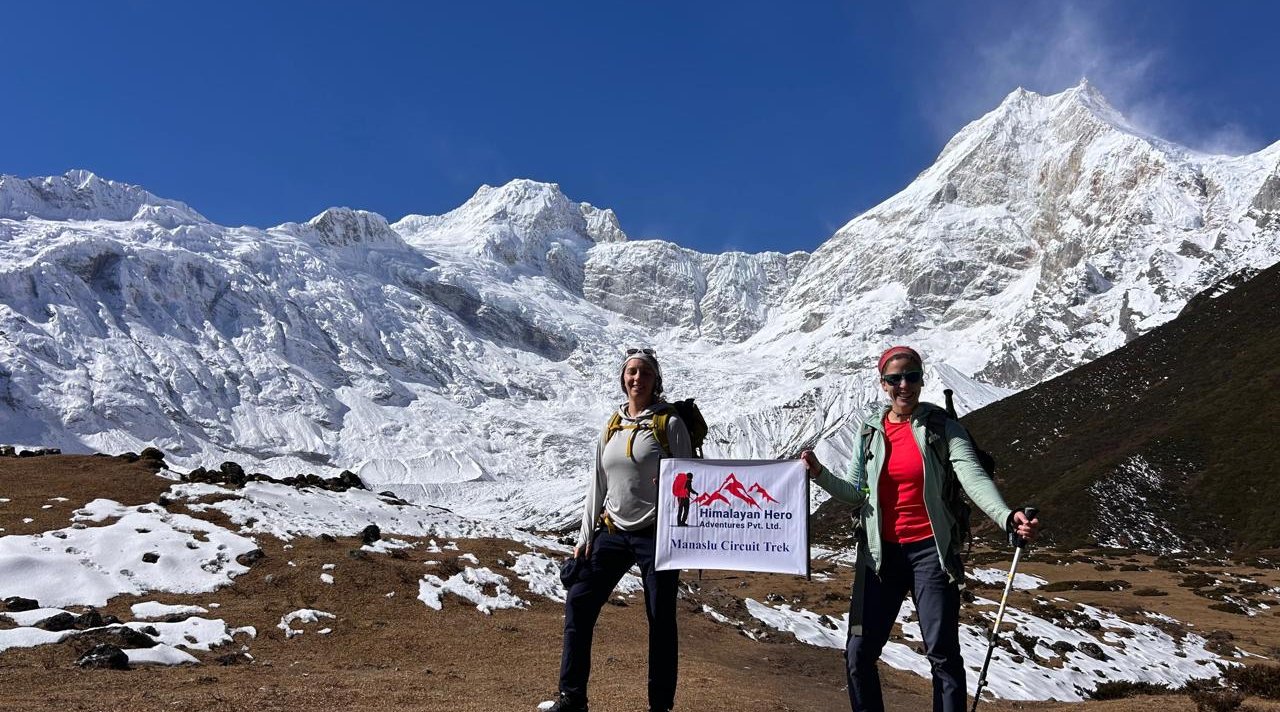
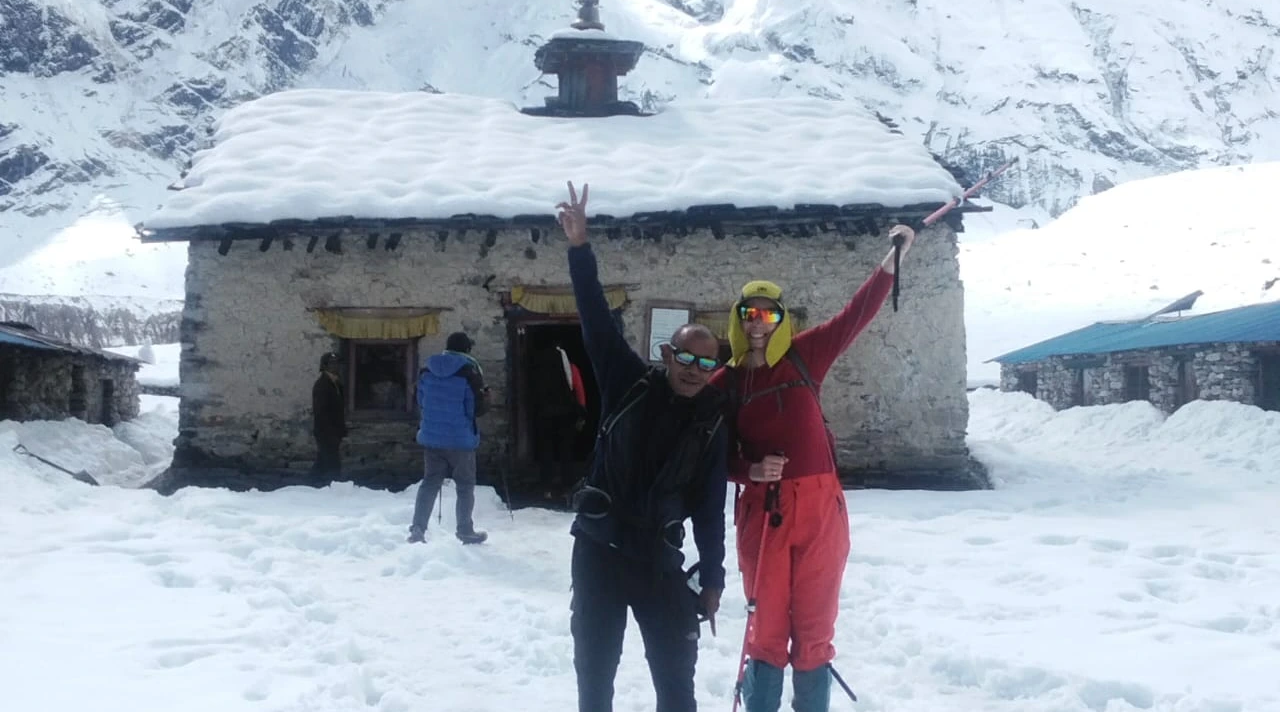
I have to admit something upfront: when I first decided to do the Mardi Himal Trek, I thought I was prepared. I had read blogs, watched Instagram reels, and even asked friends who had trekked in Nepal. Everything promised a “short, peaceful, beginner-friendly Himalayan trek with stunning views of Machhapuchhre.”
And yes — it is breathtaking. The jagged peaks, the quiet forest trails, and the feeling of being completely away from civilization are unlike anything else in the Annapurna region.
But what I didn’t realize at the time is that Mardi Himal demands more than just enthusiasm. Beauty isn’t preparation. The trek is rewarding, yes, but also unexpectedly challenging in ways that are often overlooked by guidebooks and social media.
Here’s everything I wish I had known before setting off — the real story of Mardi Himal, including terrain, altitude, weather, accommodations, and the mental and physical hurdles you’ll face. If you’re researching this trek as a first-time trekker or an international adventurer, this guide will give you a realistic, comprehensive picture.
Understanding the Mardi Himal Trek: Terrain, Altitude, and Trail
Mardi Himal Trek sits quietly in the Annapurna region of Nepal, a short distance behind the more popular Ghorepani-Poon Hill trail. Often called a “hidden gem,” it promises solitude and spectacular mountain scenery. Unlike ABC or Everest Base Camp, the route is less commercialized and much quieter.
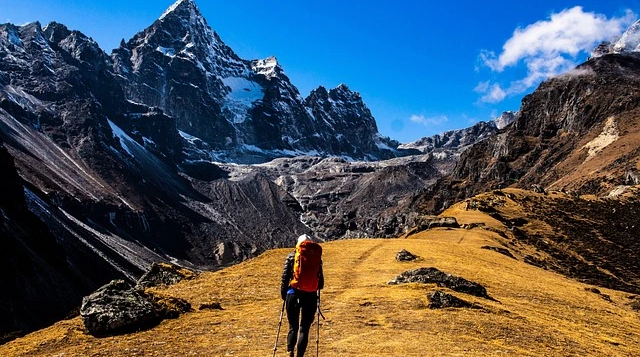
The trek starts at low altitudes, moving through subtropical forests, before rising into temperate and alpine zones. The trail itself is a combination of dirt paths, stone steps, and occasional wooden bridges. Early on, dense forests of rhododendron, oak, and pine create a feeling of isolation, while higher up, the trail opens to panoramic ridges with close-up views of Machhapuchhre (Fishtail Mountain) and other peaks in the Annapurna range.
Terrain Overview
Walking through the subtropical forests in the early stages, I felt immersed in green silence. Birds darted through the rhododendrons, and the air smelled crisp and earthy. As I climbed higher, the trees thinned, replaced by sparse alpine vegetation. By High Camp, the world below was a tapestry of clouds and valleys, with snow-capped peaks rising dramatically around me.
The trail isn’t flat for long. Sections of continuous uphill climbing demand energy, even if the distance per day seems manageable. Occasional stone steps and narrow ridges can test your balance and confidence, especially in wet or foggy conditions.
Lesson learned: short distances don’t mean easy walking.
Altitude Considerations
Mardi Himal Base Camp sits at roughly 4,500 meters. While it’s lower than Everest Base Camp, the effects of altitude can sneak up on you. Even on a moderate climb, you may notice headaches, fatigue, poor sleep, or dizziness.
Hydration, pacing, and listening to your body are critical. On my first day above 3,500 meters, I ignored mild fatigue, thinking it was normal tiredness. Within hours, I felt the first signs of altitude stress. A slower pace and extra water would have prevented that discomfort entirely.
Trail Difficulty
The trek is generally labeled “moderate,” which is true only for fit and mentally prepared trekkers. Lower sections are gradual and pleasant, but beyond Forest Camp, climbs become continuous and steeper. Even short ascents can feel exhausting when repeated day after day. Descending, surprisingly, is often more punishing on knees and joints than climbing.
Tip: don’t underestimate the combination of elevation gain, distance, and rough terrain. You can read about similar Mardi Himal Trek Guide for preparation.
Weather, Seasons, and Best Time to Trek
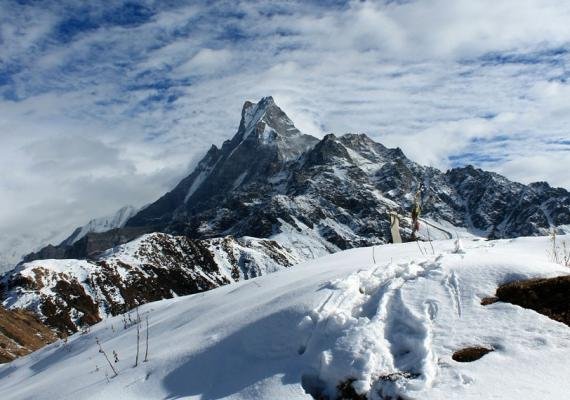
Weather is one of the most unpredictable elements of Mardi Himal. Unlike crowded, commercial trails, conditions here can change in minutes, affecting both comfort and visibility.
Seasonal Overview
- Spring (March–May): Rhododendrons bloom, skies are mostly clear, temperatures are moderate, and the trail sees manageable crowds. It’s my personal favorite.
- Autumn (September–November): Stable weather, crisp mountain air, and excellent visibility. Slightly busier than spring, but still peaceful.
- Winter (December–February): Nights are extremely cold, higher sections may be snowy, and teahouse facilities are sparse. Not ideal for beginners.
- Monsoon (June–August): Heavy rainfall, muddy trails, leeches, and reduced visibility. I wouldn’t recommend it unless you’re fully prepared for extreme wet conditions.
Timing your trek is crucial; our seasonal trekking advice Best Time to Trek in Nepal – Seasonal Guide explains when skies are clearest and trails safest.
Temperature and Visibility
Days can be surprisingly warm at lower altitudes, but nights — especially above High Camp — are bitterly cold. Most teahouse rooms are unheated, with thin blankets and limited insulation. Mornings are often shrouded in fog, obscuring views even if the previous evening was clear.
Photographers, take note: the perfect shot of Machhapuchhre is never guaranteed. Clouds and wind can block visibility for hours. Patience is key.
Pro tip: layer clothing, plan early hikes, and accept that some mornings you may see nothing but clouds.
Accommodation and Trekking Facilities
One of Mardi Himal’s charms is its authenticity. One of its challenges is, well, that authenticity.
Teahouse Lodging
The teahouses here are basic but functional. Forest Camp offers slightly larger rooms, while High Camp and Base Camp provide smaller shared spaces with minimal heating. Bathrooms are often shared, sometimes squat-style, and hot water is either scarce or comes at an additional cost. Electricity may be solar-powered or via generator for a few hours each evening.
I learned to appreciate the simplicity after a long day’s climb. Comfort isn’t guaranteed, but a clean bed and a hot meal can feel luxurious when compared to the effort it took to get there.
Food and Dining Realities
Menus are repetitive but sufficient: dal bhat, noodles, fried rice, soups, and limited snacks. Fresh vegetables and fruits are rare at higher camps. For energy, it’s wise to carry high-calorie snacks like nuts, chocolate, or energy bars.
One night at High Camp, I discovered that my body craved more protein after climbing steep ridges all day. The limited menu reminded me to plan food as carefully as water or gear.
Physical and Mental Challenges
Mardi Himal is a short trek in distance, but its combination of continuous climbs, variable weather, and isolation can make it deceptively tough.
Physical Fatigue
Even fit trekkers may feel drained after consecutive uphill days. Legs grow heavy, knees ache, and the body protests every steep step. Descending can be surprisingly hard — gravity works against tired muscles more than one expects.
Lesson: pacing and proper hydration are more important than rushing to reach the next camp.
Mental Fatigue
The isolation of Mardi Himal is both a blessing and a test. Walking for hours through silent forests or along ridge trails can make you acutely aware of your own thoughts. Long days with minimal distraction demand mental resilience.
At one point, I questioned why I had chosen this route instead of the more popular, social trails. By the time I reached High Camp, the sense of achievement made every moment of doubt worthwhile.
Altitude Effects
Altitude sickness is subtle here, but real. Even mild headaches, nausea, or fatigue can slow progress and sap morale. My advice: monitor your body, take small steps, rest often, and don’t ignore early warning signs.
Scenic Highlights and Photography Tips
Mardi Himal offers some of the most intimate Himalayan vistas you’ll find. Machhapuchhre dominates the skyline, rising dramatically above the Annapurna range. Annapurna South, Mardi Himal Peak, and surrounding ridges provide postcard-perfect panoramas from High Camp and Base Camp.
In the forests, rhododendrons bloom in spring, and the light filtering through the trees creates magical photography moments. Patience is crucial: clouds can block peaks, then clear within minutes, revealing breathtaking views.
Tip: carry a lightweight tripod, plan for early mornings, and expect imperfect conditions. The unpredictability is part of the charm.
Common Planning Mistakes
- Underestimating Cold Nights: Even in spring, nights above High Camp are freezing.
- Expecting Guaranteed Views: Clouds often hide peaks; patience is key.
- Overpacking or Underpacking: Balancing warmth and light weight is essential.
- Rushing the Trek: Extra buffer days improve experience and reduce fatigue.
- Ignoring Mental Fatigue: Solitude and monotony can affect morale; prepare mentally.
Who Should and Shouldn’t Attempt the Mardi Himal Trek
Ideal Trekkers
- Fit beginners and intermediate trekkers
- Photographers and nature enthusiasts
- Those seeking quiet, less crowded trails
- Off-the-beaten-path adventurers
Trekkers Who May Struggle
- Comfort-seekers expecting luxury
- Cold-sensitive individuals
- People with very limited time or who want to rush the trek
- Those uncomfortable with solitude or basic accommodations
Safety Considerations
- Altitude Awareness: Watch for early symptoms of AMS and respond promptly.
- Weather Hazards: Sudden rain, fog, and wind are common.
- Trail Conditions: Steep, rocky paths require caution.
- Gear Essentials: Layered clothing, waterproofs, trekking poles, snacks, and water purification.
- Physical Preparation: Cardiovascular fitness, endurance, and flexibility improve safety and comfort.
Personal Insights and Lessons Learned
- Preparation Is Everything: Mental and physical readiness trump luck.
- Expect Unpredictability: Clouds, cold, and trail conditions cannot be controlled.
- Embrace Discomfort: Lack of luxury is part of the Himalayan authenticity.
- Pace Yourself: Extra buffer days transform the experience.
- Solo Time Is Valuable: Quiet ridges and forest trails create space for reflection.
Some of the most memorable moments came after effort and patience: reaching viewpoints after long climbs, seeing Machhapuchhre emerge from clouds, or quietly sitting on a ridge surrounded by peaks.
FAQs About Mardi Himal Trek
Q1: Is Mardi Himal Trek suitable for beginners?
Yes, if you are reasonably fit, mentally prepared, and aware of altitude effects.
Q2: How hard is Mardi Himal compared to Poon Hill or ABC?
Moderate. Steeper than Poon Hill, shorter than ABC, and more isolated than both.
Q3: Are teahouses comfortable enough for international trekkers?
Basic but functional. Rooms are shared, heating is limited, and hot water is sometimes scarce.
Q4: What is the best season to do Mardi Himal Trek?
Spring and autumn are ideal for weather, flowers, and moderate crowds.
Q5: Can one complete Mardi Himal Trek without a guide?
Technically yes, but first-time trekkers will benefit from a guide for safety and orientation.
Conclusion: Lessons I Wish I Knew
Mardi Himal Trek is breathtaking, raw, and authentic. But it is also physically demanding, mentally challenging, and weather-dependent. Knowing what to expect beforehand transforms the trek from a stressful challenge into a deeply rewarding Himalayan experience.
Preparation, pacing, mental resilience, and realistic expectations are key. If you go ready, this trek will leave you with memories that last a lifetime — from quiet ridge walks to panoramic Machhapuchhre views. After experiencing every twist, ridge, and viewpoint, I now fully understand what it takes to trek Mardi Himal safely and enjoyably. If you feel ready and want a guided experience that covers logistics and teahouses without the guesswork, you can explore our detailed Mardi Himal Trek package for more information.