Introduction
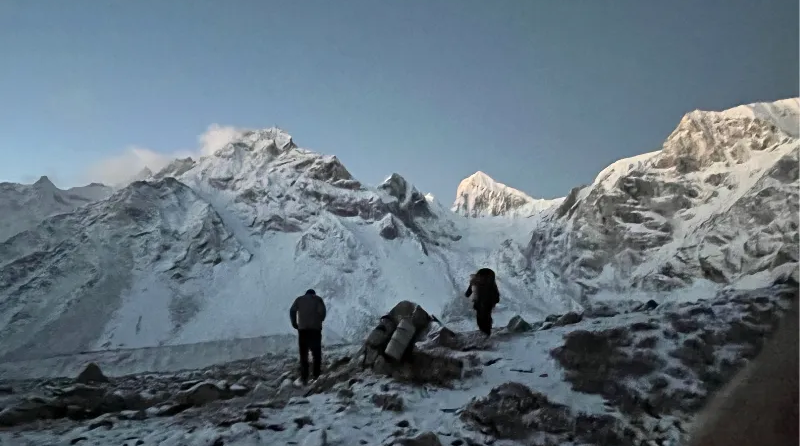
Have you ever wondered what it feels like to stand below a mountain that rises more than 8,000 meters into the sky? Mount Manaslu is one of those places that can make you feel very small, very quickly. Standing at 8,163 meters (26,781 feet), Manaslu is the eighth-highest mountain in the world. It is located in Nepal's Gorkha District and is part of the Manaslu Himal in the Himalayas. The mountain is also famous for its dangerous reputation and is often called the "Killer Mountain."
In this blog, we will explore everything you need to know about Manaslu, from its height and location to its first ascent, climbing difficulty, death rate, and famous nickname. We will also look at the best time to climb Manaslu, the difference between the Manaslu Circuit Trek and a summit expedition, whether Everest can be seen from Manaslu, and what makes this mountain so special. So, whether you are planning a trek, interested in Himalayan mountains, or simply curious about the world's highest peaks, let's take a closer look at Manaslu.
Where Is Manaslu Located?
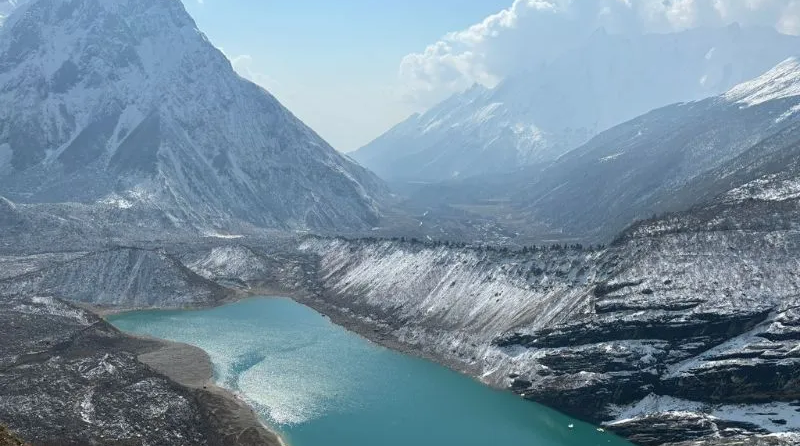
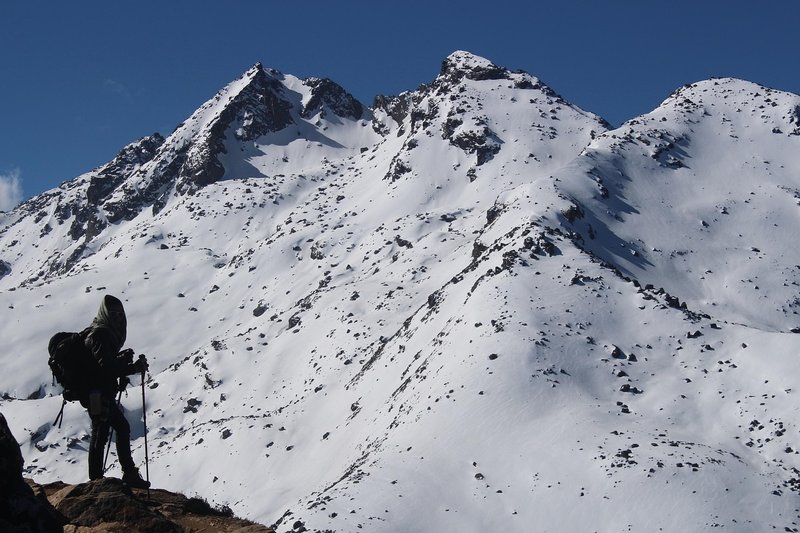
Mount Manaslu is located in Gorkha District of Nepal, in the Manaslu Himal range of the Himalayas. The mountain is in the central-western part of Nepal and sits in a remote area surrounded by deep valleys, forests, glaciers, and other huge Himalayan peaks. The region is not close to the busy streets of Kathmandu, and reaching the Manaslu area involves a long journey through mountain roads and walking trails. This remote location is one reason the area feels so different from more developed trekking regions of Nepal. The Manaslu region also has a strong Tibetan cultural influence, especially in the higher villages, where you can see Buddhist monasteries, prayer flags, stone houses, and traditional ways of life.
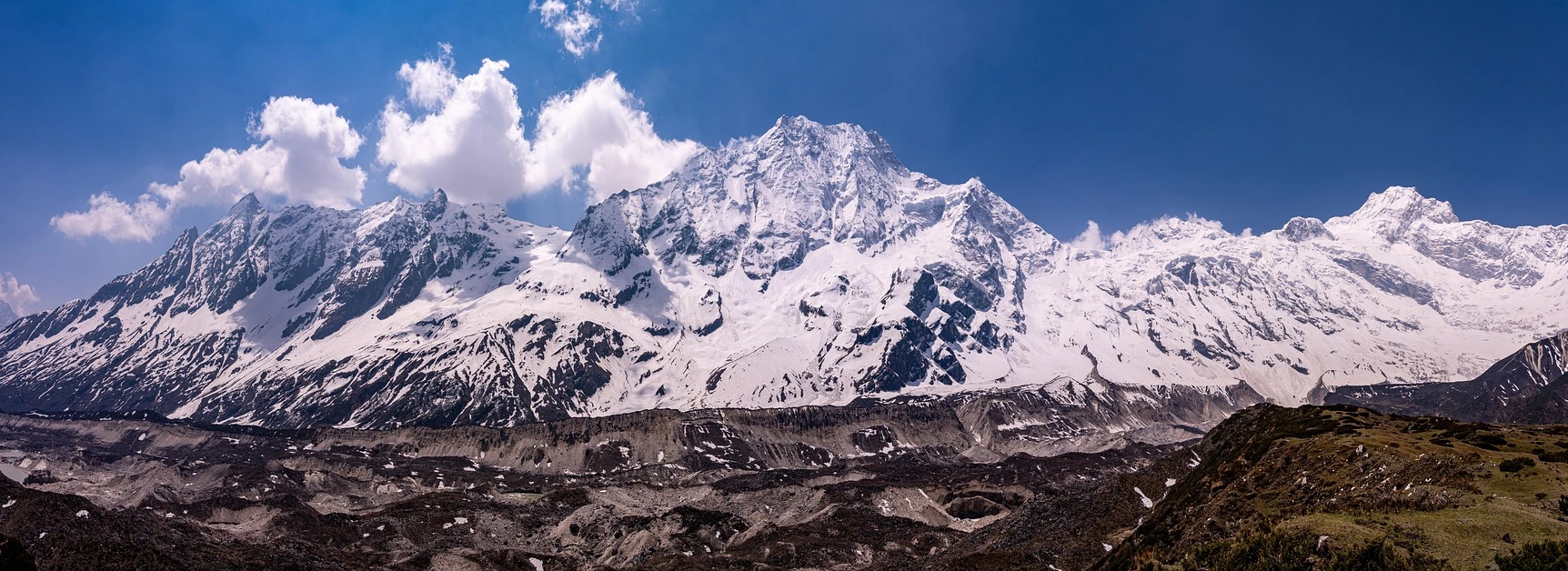
Manaslu is surrounded by some of the most beautiful mountain scenery in Nepal. The lower parts of the region have green forests and rivers, while the landscape becomes colder and more rugged as you climb higher. The mountain itself is part of the Manaslu Himal, and its summit rises far above the surrounding valleys. If you look at a map of Nepal, you will find Manaslu to the east of the Annapurna region. The area is also protected by the Manaslu Conservation Area, which helps preserve its natural environment and local culture. So, Manaslu is not just a mountain location on a map; it is part of a much larger Himalayan landscape.
How Tall Is Manaslu?
Manaslu is 8,163 meters (26,781 feet) tall, making it the eighth-highest mountain in the world. It is one of the famous 14 mountains on Earth that are higher than 8,000 meters. These mountains are known as the world's eight-thousanders, and climbing one of them is considered a major achievement in mountaineering. Manaslu is only a few meters lower than Dhaulagiri, which ranks seventh at 8,167 meters. It is also higher than Annapurna I, which stands at 8,091 meters. When you see these numbers together, it becomes clear just how enormous Manaslu really is. Even though it is ranked eighth, it is still taller than almost every other mountain on the planet.
| Mountain |
Height |
World Rank |
| Mount Everest |
8,848.86 m |
1st |
| K2 |
8,611 m |
2nd |
| Kangchenjunga |
8,586 m |
3rd |
| Lhotse |
8,516 m |
4th |
| Makalu |
8,485 m |
5th |
| Cho Oyu |
8,188 m |
6th |
| Dhaulagiri I |
8,167 m |
7th |
| Manaslu |
8,163 m |
8th |
| Nanga Parbat |
8,126 m |
9th |
| Annapurna I |
8,091 m |
10th |
One thing I find interesting about Manaslu is that its ranking does not tell the whole story. Being eighth-highest does not mean it is the eighth-most dangerous or eighth-hardest mountain. Mountaineering is much more complicated than that. Weather, avalanches, route conditions, technical climbing, altitude, rescue options, and the experience of the climber all matter. Everest is taller, but its standard climbing route has a much more developed support system. Manaslu has a different set of challenges, and those challenges have helped create its powerful reputation among climbers.
Is Manaslu Part of the Himalayas?
Yes, Manaslu is part of the Himalayas and is the highest mountain in the Manaslu Himal range. The Himalayas are home to many of the world's tallest peaks, including Everest, Lhotse, Makalu, Annapurna, Dhaulagiri, and Manaslu. The Manaslu region has the kind of landscape most people imagine when they hear the word "Himalayas": giant snowy peaks, glaciers, steep valleys, high mountain passes, and small villages sitting among enormous mountains. The scenery changes as you travel higher, beginning with green hills and forests and slowly becoming a colder world of rock, snow, and ice.
The name Manaslu is connected to the Sanskrit word manasa, which is often associated with the mind or spirit. Because of this, Manaslu is sometimes described as the "Mountain of the Spirit." There is something fitting about that name because the mountain has a very strong presence. You can be walking through a quiet village one moment and then suddenly see the enormous summit rising above the valley. The Manaslu Himal is also located close to the Annapurna region, although Manaslu has its own distinct landscape and culture. For many trekkers, the journey through this part of Nepal is just as memorable as seeing the mountain itself.
Why Is Manaslu Called the "Killer Mountain"?
Manaslu is called the "Killer Mountain" because many climbers have died while attempting to climb the peak, with avalanches, falls, extreme altitude, and severe weather among the major dangers. The nickname may sound dramatic, but Manaslu has a real history of serious accidents. At more than 8,000 meters, the human body is already under huge stress because there is much less available oxygen than at sea level. Add steep slopes, glaciers, snow, strong winds, and unstable conditions, and even an experienced climber can face a dangerous situation. The mountain can also change quickly. A route that looks reasonable in the morning may become much more difficult later in the day.
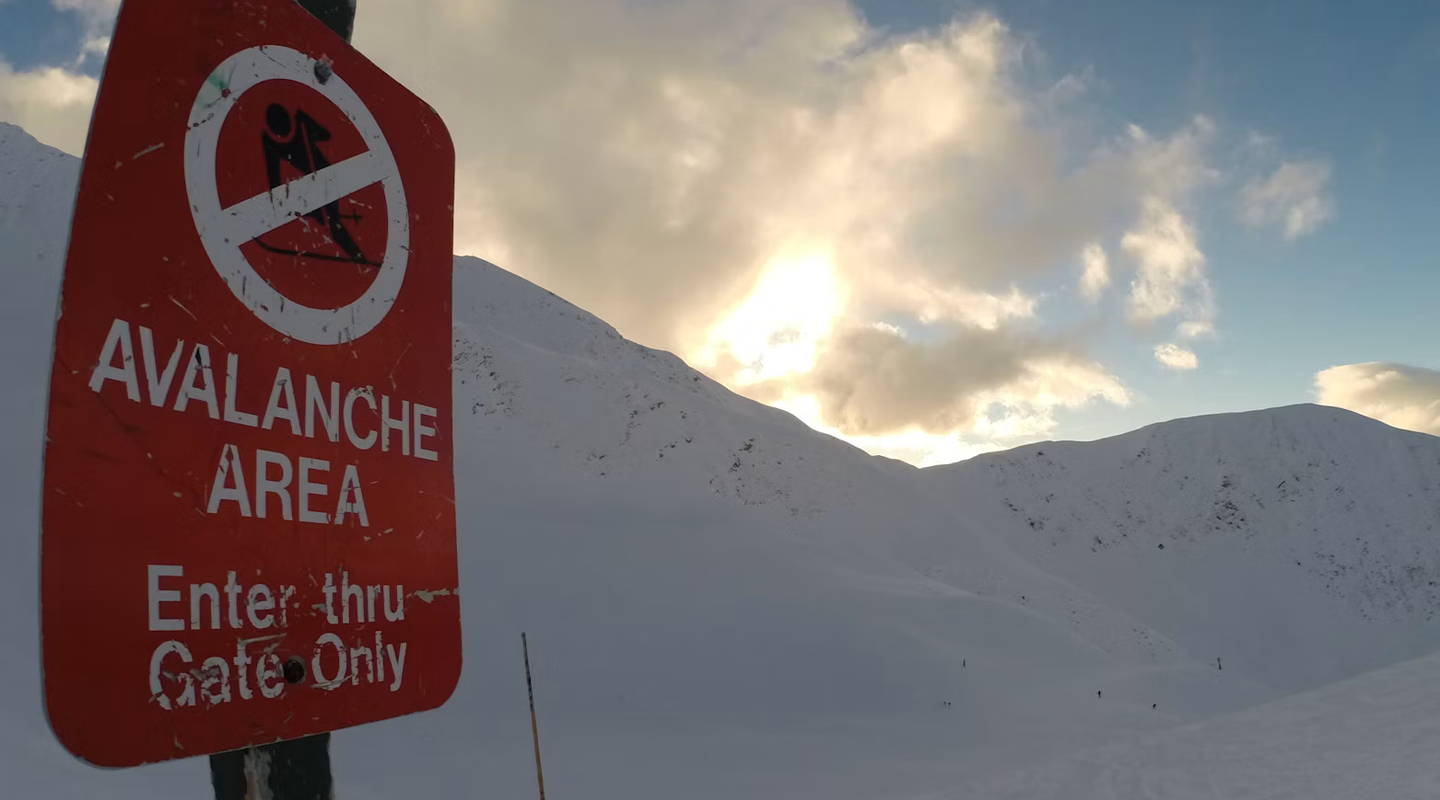
One of the most serious events in modern Manaslu climbing history happened in September 2012, when a large avalanche struck camps on the mountain and killed several climbers. The disaster received worldwide attention and became an important part of Manaslu's modern reputation. However, it is important not to treat the nickname as a simple scientific ranking. Other eight-thousanders, especially Annapurna I, have also had extremely serious fatality records. Manaslu is dangerous, but the actual level of risk changes from season to season. Weather, snow conditions, route choice, experience, team decisions, and luck can all make a difference.
Manaslu Death Rate and Safety
Manaslu has had a high historical fatality rate compared with many other popular Himalayan climbing peaks, but there is no single death-rate percentage that applies to every period. The number can change depending on how the statistic is calculated. For example, researchers may compare deaths with successful summits, total climbers, or expedition attempts. These methods can produce very different percentages. This is why you should be careful when reading a website that gives one exact death rate without explaining where the number came from. For a reliable article, current figures should be checked with sources such as the Himalayan Database and clearly dated reports from respected mountaineering researchers.
More than 80 deaths have been recorded in historical accounts of Manaslu mountaineering, although the exact total can change depending on the source and the date of the data. Manaslu should therefore never be treated as an easy eight-thousander simply because modern expeditions have become more successful. Climbers today have better weather forecasts, communications, equipment, route information, and rescue systems than early expeditions had. These improvements can reduce some risks, but they cannot remove the basic dangers of climbing above 8,000 meters. Altitude sickness, avalanches, falls, exhaustion, frostbite, and sudden storms remain serious concerns.
Is Manaslu harder than Annapurna?
There is no simple answer because Manaslu and Annapurna have different types of danger. Annapurna I has historically been known for a very high fatality rate and serious avalanche exposure, while Manaslu also has major avalanche and high-altitude risks. The difficulty of either mountain can change greatly depending on the route, weather, season, and climber. If you are comparing them for a real expedition, looking only at a death-rate percentage is not enough. The experience and preparation of the climber also matter enormously.
Is Manaslu harder than Everest?
Manaslu can be more challenging than a standard guided Everest expedition in some ways, even though Everest is much higher. Everest has a highly developed climbing system on its normal routes, including fixed ropes, established camps, large support teams, and extensive route knowledge. Manaslu has less infrastructure and can have serious avalanche and route-finding problems. That does not mean Everest is easy. Everest's greater height creates extreme altitude exposure, and reaching its summit is still an enormous physical and mental challenge.
Also Read : Everest Vs Manaslu
How Difficult Is It to Climb Manaslu?
Climbing Manaslu is extremely difficult and requires serious high-altitude mountaineering experience. This is not a mountain for someone who has only completed a few ordinary hikes. Climbers have to deal with extreme altitude, cold temperatures, steep snow and ice, glaciers, possible avalanches, changing weather, and long periods at high altitude. The lack of oxygen makes even simple movement tiring. A climber can be extremely fit and still struggle at 8,000 meters. That is why successful Manaslu climbers usually have previous experience on demanding mountains and spend a long time preparing before the expedition.
The technical difficulty can also change depending on the route and conditions during a particular season. Climbers need skills such as using crampons and ice axes, moving safely on glaciers, handling ropes, crossing difficult terrain, and making good decisions when conditions become dangerous. Acclimatization is another major part of the expedition because the body needs time to adjust to increasing altitude. And then there is the weather. A good summit attempt depends heavily on finding a suitable weather window. Sometimes the strongest decision a climber can make is turning around before reaching the summit. That can be frustrating, but on a mountain like Manaslu, coming home safely is the real goal.
Can a beginner climb Manaslu?
No, Manaslu is not an appropriate mountain for a complete beginner. Physical fitness by itself is not enough for an eight-thousander. A climber needs technical skills, high-altitude experience, proper acclimatization knowledge, and the ability to make safe decisions under pressure. Many climbers build experience by climbing progressively harder peaks before considering an expedition to Manaslu. If your dream is eventually to climb an eight-thousander, start smaller, learn from qualified guides, and build experience step by step rather than rushing toward the biggest mountain.
When Was Manaslu First Climbed?
Manaslu was first successfully climbed on May 9, 1956, by Toshio Imanishi and Gyalzen Norbu, members of a Japanese expedition. Their successful ascent was an important moment in Himalayan mountaineering and showed that Manaslu could be climbed despite the difficult conditions. The expedition took place during a very different era of climbing. Modern climbers have access to advanced weather forecasts, satellite communication, better clothing, improved oxygen systems, modern climbing hardware, and much more information about the mountain. The Japanese team had far fewer of these advantages.
The history of Manaslu's early climbing attempts was not completely straightforward. Japanese expeditions faced difficult conditions and opposition from some local communities before the successful ascent was eventually made. This history is worth remembering because Himalayan climbing is not only about reaching a summit. It also involves local communities, religious beliefs, environmental concerns, and the relationship between foreign expeditions and people who have lived in these valleys for generations. Today, Manaslu is one of the most recognized eight-thousanders in Nepal, and its first ascent remains an important part of the mountain's story.
Best Time to Climb Manaslu
The best time for Manaslu are spring, especially April and May, and autumn, particularly September and October. These periods generally offer better conditions for high-altitude expeditions than the winter or monsoon months. Spring brings improving weather after winter, while autumn follows the summer monsoon and can provide clearer skies. However, there is no guarantee that every day will be suitable for climbing. Mountains do not follow our calendars very well. A team can plan for a good month and still spend days waiting because of wind, snowfall, clouds, or unsafe route conditions.
Weather is especially important for an eight-thousander because climbers need a safe window not only to reach the summit but also to descend. A short period of good weather can become the most important part of an entire expedition. Teams watch forecasts, observe local conditions, and make decisions about when to move between camps and when to attempt the summit. April, May, September, and October are useful general guidelines, but the final decision should always be based on current mountain conditions rather than a calendar alone.
What Is the 2 PM Rule and Does It Apply to Manaslu?
The 2 PM rule is mainly associated with Everest and refers to a turnaround time used by some climbing teams to reduce the risk of descending too late in the day. The basic idea is simple: reaching the summit is not the end of the climb. You still have to get back down safely. If a climber reaches a certain point too late, continuing upward may leave too little daylight or energy for the descent. Conditions can also become worse later in the day. For this reason, expedition leaders may set a firm turnaround time even when climbers are close to their goal.
There is no universal Manaslu rule requiring every climber to turn around at exactly 2 PM. Instead, individual expedition teams may set their own turnaround times based on weather, route conditions, altitude, team strength, and the expected time needed for descent. The exact hour matters less than the principle behind it. Climbers need to know when to stop going higher. It can be emotionally difficult to turn around when the summit looks close, especially after weeks of effort, but mountains reward good judgment more than stubbornness. The summit can wait for another season.
Can You See Everest From Manaslu?
Everest is not the main or most reliable mountain view from the Manaslu region, and whether it can be seen depends on the exact viewpoint, weather, and visibility. The Himalayas contain many overlapping ridges and peaks, and identifying a distant summit is not always as easy as it looks in a photograph. Clouds, haze, and intervening mountains can block long-distance views. On a very clear day, some distant Himalayan peaks may be visible from suitable high viewpoints, but travelers should not visit Manaslu expecting a guaranteed view of Everest.
The good news is that Manaslu really doesn't need Everest to make the landscape impressive. The region has its own huge collection of snowy peaks, glaciers, ridges, and deep valleys. For travelers specifically looking for famous views of Everest, places in the Everest region and established viewpoints around the Khumbu are generally a better choice. If you're visiting the Manaslu region, enjoy the mountain that is actually standing above you. At 8,163 meters, it has plenty of presence all by itself.
Manaslu Circuit Trek vs. Manaslu Summit Climb
The Manaslu Circuit Trek and Manaslu summit climb are two completely different experiences. The Manaslu Circuit is a high-altitude trekking journey through the mountain region, while climbing Manaslu means attempting an 8,163-meter Himalayan summit. A person can complete the circuit without having the technical skills needed for an eight-thousander expedition. The trek still requires good fitness and preparation because of its remote trails, long walking days, high passes, and altitude. But it is a trekking adventure, not a technical summit expedition.
The Manaslu Circuit commonly passes through places such as Soti Khola, Namrung, Samagaon, and Dharapani, with the famous Larkya La Pass reaching more than 5,000 meters. Summit expeditions are far more complicated and expensive because they require specialized climbing equipment, expedition permits, high-altitude support, camps, technical skills, and much more preparation. If you're searching for the Manaslu Circuit Trek cost, don't confuse those prices with the cost of climbing Manaslu itself. For a full breakdown of trekking prices, permits, itinerary options, and services, readers should visit the dedicated Manaslu Circuit Trek guide.
Manaslu Conservation Area
The Manaslu Conservation Area was established in 1998 to protect the region's natural environment, wildlife, and cultural heritage. It covers a large area around the Manaslu massif and includes a wide range of landscapes, from lower forests and rivers to high Himalayan terrain. The conservation area is home to several species associated with the Himalayan environment, including snow leopards, blue sheep, Himalayan tahr, and Himalayan musk deer. Of course, spotting these animals isn't guaranteed. The mountains aren't a zoo, thankfully, and wildlife usually has better things to do than pose for trekkers.
The conservation area is also important because of its human culture. Villages throughout the region have traditions and lifestyles strongly influenced by Tibetan Buddhism, particularly at higher elevations. Monasteries, prayer flags, mani walls, traditional homes, and local festivals add another layer to the trekking experience. Visitors are encouraged to respect local customs and protect the environment by avoiding litter and following local conservation rules. For many people, this cultural side of the Manaslu region becomes just as memorable as the mountain views.
Conclusion
Manaslu is a mountain that deserves respect. At 8,163 meters, it is the world's eighth-highest mountain and one of Nepal's most impressive Himalayan peaks. Its first successful ascent came in 1956, and its history of serious accidents has given it the "Killer Mountain" nickname. Still, Manaslu is not simply a story about danger. The surrounding valleys, villages, wildlife, Buddhist culture, and spectacular mountain views make the region special for trekkers as well as climbers.
If you are thinking about visiting Manaslu, first decide what kind of adventure you actually want. The Manaslu Circuit Trek is a challenging but very different experience from climbing the 8,163-meter summit. Whatever you choose, prepare properly, respect the altitude, listen to experienced local guides, and don't rush the mountain. In the Himalayas, reaching home safely is always more important than reaching the top.
Frequently Asked Questions About Manaslu
How many people have died on Manaslu?
More than 80 deaths have been recorded in historical accounts of Manaslu mountaineering, although the exact total depends on the source and the date of the data. Deaths have resulted from several causes, including avalanches, falls, altitude-related problems, and severe weather. For a current published figure, it is best to check the latest Himalayan Database records.
Can you see Everest from Manaslu?
Everest may be visible from some distant Himalayan viewpoints in very clear conditions, but it is not the main or most reliable mountain view from the Manaslu region. Clouds, haze, and intervening peaks can block distant mountains. If your main goal is to see Everest, viewpoints in the Everest region are a much more dependable choice.
Is Manaslu part of the Himalayas?
Yes, Manaslu is part of the Himalayas and belongs to the Manaslu Himal range. Located in Nepal's Gorkha District, it rises to 8,163 meters and ranks as the eighth-highest mountain in the world. It is also one of the fourteen eight-thousanders, the group of mountains that rise above 8,000 meters.
How safe is the Manaslu Circuit?
The Manaslu Circuit can be safely completed by properly prepared trekkers, but it is still a challenging high-altitude trek. Remote trails, weather, altitude sickness, long walking days, and high mountain passes create real risks. A good itinerary, proper acclimatization, suitable equipment, travel insurance, and experienced local support can make the journey much safer.
Is Manaslu harder than the Everest summit?
Manaslu can be harder than a standard guided Everest expedition in some ways, but the answer depends on the route and conditions. Everest is higher and has extreme altitude exposure, while Manaslu has serious avalanche hazards and less developed climbing infrastructure. Neither mountain should be called simply "easy" or "hard" without considering the specific expedition and climber.
Can a beginner climb Manaslu?
No, a complete beginner should not attempt to climb Manaslu. The mountain requires serious high-altitude and technical mountaineering experience. Climbers need skills in glacier travel, crampon use, rope techniques, snow and ice climbing, and altitude management. Beginners who dream of climbing an eight-thousander should first gain experience on smaller and progressively harder mountains.
What is the death rate on Mount Manaslu?
Manaslu has historically had a high fatality rate, but there is no single death-rate percentage that applies to every year or every study. Different sources calculate the rate using different numbers, such as deaths per climber, deaths per summit, or deaths per attempt. For accurate statistics, always check the date and calculation method behind the figure.
Is Manaslu or Everest harder?
Both mountains are extremely difficult, but they have different challenges. Everest is higher and exposes climbers to extreme altitude, while Manaslu has serious avalanche, weather, and route hazards. Everest's standard route also has more infrastructure and support. For an individual climber, the harder mountain can depend on experience, weather, route conditions, acclimatization, and the expedition team.