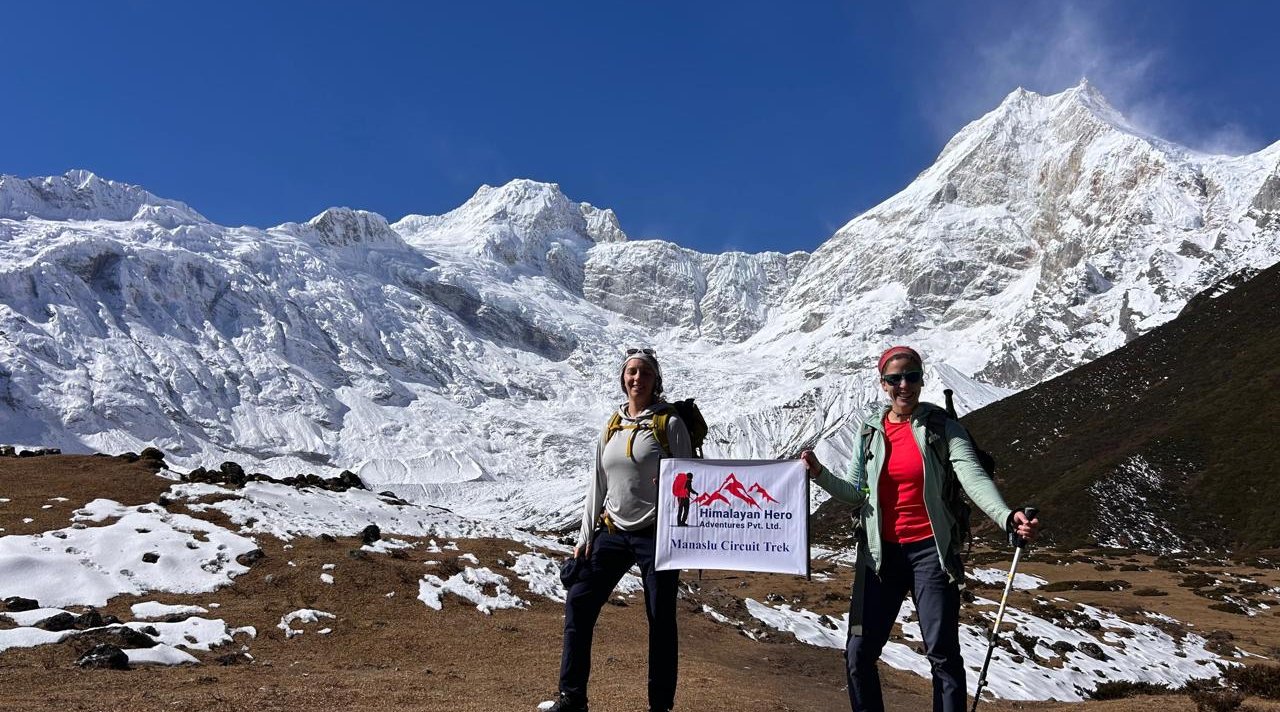
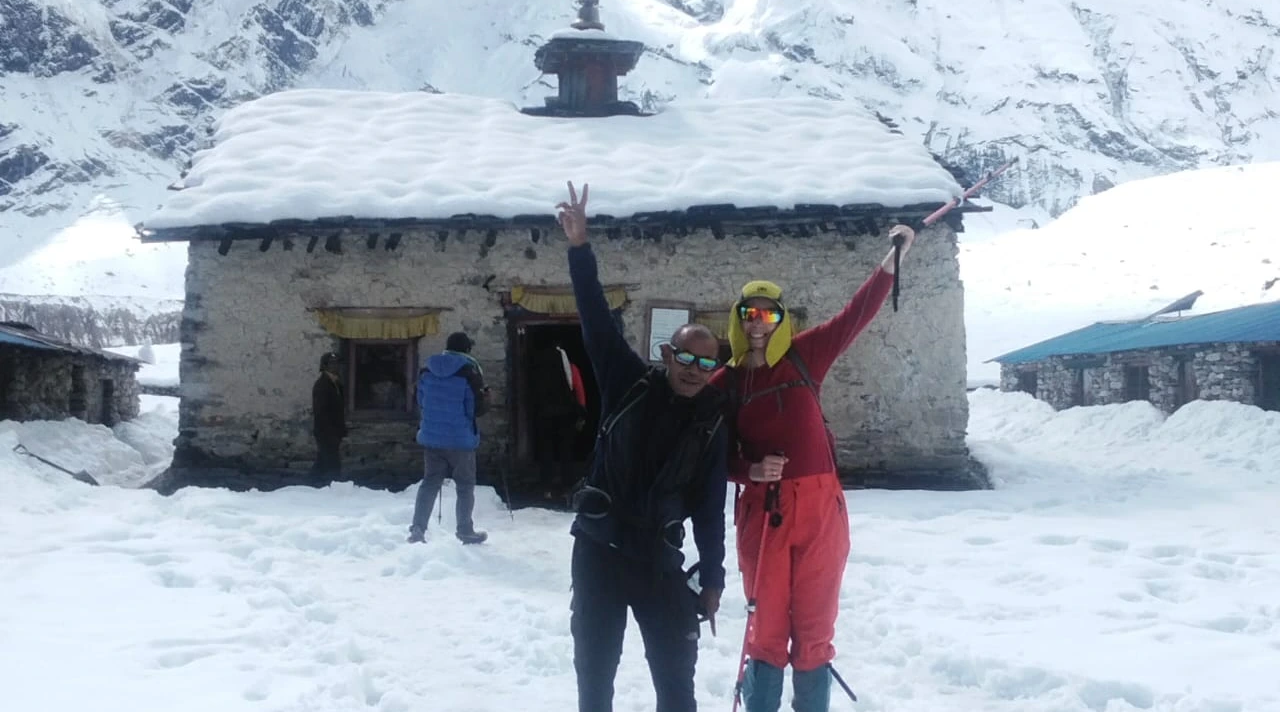
If you love quiet trails, untouched scenery, and Himalayan peaks that feel within arm’s reach, the Mardi Himal Base Camp Trek is one of Nepal’s best-kept secrets. Unlike the crowded Everest or Annapurna Base Camp trails, this trek takes you deep into the Annapurna region, bringing you right beneath the dramatic Machhapuchhre (Fishtail Mountain), without the crowds or chaos.
What makes this trek special isn’t just the scenery—it’s the journey itself. As you climb, villages disappear behind you, the forests gradually thin, and the mountains start to dominate the skyline. By the time you reach base camp, you feel a quiet sense of awe—like the mountains themselves have welcomed you.
This guide is meant to give you a real sense of the trek: what the trail feels like, how challenging it is, and the kind of experience you can expect, so you can plan with confidence. Adventure seekers looking for a short yet memorable Himalayan experience frequently choose the Mardi Himal Trek over busier trails.
What Is Mardi Himal Base Camp?
Mardi Himal Base Camp sits at roughly 4,500 meters, tucked beneath the southern slopes of Machhapuchhre. Unlike more famous base camps, it’s peaceful and raw—there are no giant tents, crowds, or tourist trappings. Just open alpine ground, jagged rocks, and massive Himalayan walls rising above you.
Most trekkers reach it as a day hike from High Camp, which is also the most physically demanding part of the trek. And while there’s no luxury waiting for you at the top, the reward is immediate: the sheer scale of the mountains, the crisp high-altitude air, and the feeling of standing in one of the most dramatic landscapes Nepal has to offer.
Where Is Mardi Himal Base Camp?
The base camp is tucked inside theAnnapurna Conservation Area, northeast of Pokhara. The trail branches off from the busier Annapurna trekking routes, which is why it remains peaceful even when other trails are crowded.
As you gain altitude, the scenery transforms. The lower sections feature lush forests and terraced hills. Step by step, those forests give way to ridges and high alpine terrain. Although Pokhara is nearby geographically, above Low Camp, the trail feels like a completely different world—remote, silent, and breathtaking.
The Trail Experience: From Forest to Alpine Peaks
Instead of focusing solely on distances or daily times, it’s better to understand how the trek feels—because that’s the heart of the experience.
Forested Paths and Gentle Climbs
The lower trail winds through thick forests of rhododendron and oak. The path is clearly marked but includes steep staircases carved from stone. Walking through this part of the trail is peaceful, with birdsong and the occasional glimpse of distant peaks breaking through the trees.
Walking the Ridge
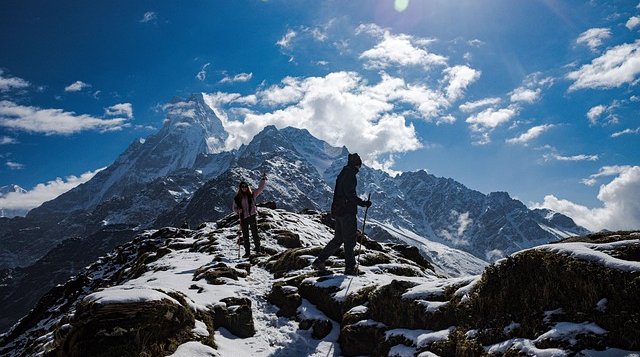
As the trees thin, the trail follows a narrow ridge. Views start to open: valleys stretch below, and snow-capped mountains slowly dominate the horizon. The ridge feels exposed, but it’s safe and gives the first real taste of high-altitude trekking drama.
Alpine Terrain Above High Camp
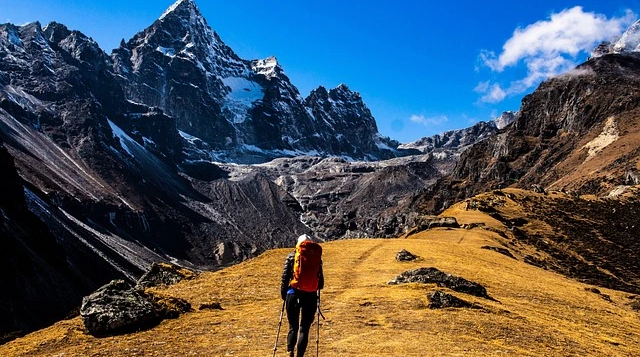
Once you leave High Camp behind, the landscape changes completely. Trees vanish, the air thins, and the trail becomes rocky and steeper. Depending on the conditions, snow may line parts of the path. Every step feels raw and thrilling, and the reward—the first glimpse of Mardi Himal Base Camp nestled beneath Machhapuchhre—makes the effort worth it.
How Challenging Is This Trek?
Overall, the Mardi Himal Base Camp Trek is moderate, with a few steep stretches that can test your endurance.
Physical Challenge
You don’t need technical climbing skills, but decent fitness helps. The climbs are steady, and the final ascent to base camp is a short but steep push that will make your legs burn in the best way possible.
Altitude Factor
At 4,500 meters, altitude is real. Even experienced trekkers can feel shortness of breath, mild headaches, or fatigue. The key is to pace yourself, stay hydrated, and take breaks when you need them.
Who Will Love This Trek
- First-time Himalayan trekkers who are reasonably fit
- Nature lovers and photographers
- People looking for a quiet trekking experience
Who Should Reconsider
- Anyone uncomfortable with narrow ridges or steep path
- Trekkers expecting high-altitude comfort or facilities
- Those sensitive to altitude
Why the Views from Base Camp Are Unforgettable
There’s nothing like standing at Mardi Himal Base Camp and seeing Machhapuchhre towering above you. Unlike many viewpoints, here the mountain feels enormous and close enough to touch.
Machhapuchhre (Fishtail) Up Close
The south face of Machhapuchhre dominates the skyline. Its sheer size and symmetry are awe-inspiring, and it’s one of the few places in Nepal where you can feel this close without technical climbing.
Panorama of the Annapurna Range
From base camp, you’ll also spot Annapurna South, Hiunchuli, and nearby peaks. Together, they create a panorama that seems almost unreal—a combination of jagged ridges, glaciers, and deep valleys that stays with you long after you leave.
Magical Mornings
Early morning at base camp is unforgettable. The mountains glow in gold and pink as the sun rises, and clouds often linger in the valleys below, adding to the drama of the scene.
Base Camp vs. Viewpoint
Many trekkers ask whether it’s worth pushing beyond the viewpoint to base camp.
- Viewpoint: Lower, easier to reach, panoramic views
- Base Camp: Higher, steeper, more immersive
For those with fitness and energy, the base camp adds depth, adventure, and a much closer perspective of Machhapuchhre.
Safety Tips for the Trek
- Start early on base camp day to avoid afternoon clouds or strong winds
- Carry water, snacks, and warm clothing
- Pay attention to weather and trail conditions
- Listen to your body and turn back if you feel unwell
Mountains are patient—safety always comes first.
Common Mistakes Trekkers Make
- Rushing the climb instead of pacing themselves
- Wearing inappropriate shoes for rocky and steep terrain
- Ignoring sudden weather or trail changes
Preparation and mindfulness make a huge difference in both enjoyment and safety.
Nature and Wildlife
The Annapurna Conservation Area is rich in flora and fauna. On the trail, you may spot:
- Himalayan pheasants and other alpine birds
- Musk deer (rare sightings)
- Vibrant seasonal flowers and moss-covered forests
The higher you climb, the quieter and wilder it becomes—an experience in pure mountain solitude.
Cultural Highlights
Lower sections pass through small Gurung villages, offering a glimpse into local life. Teahouses are simple and welcoming, providing a warm cup of tea and a brief human connection in an otherwise remote landscape.
Is the Trek Worth It?
For anyone seeking:
- Close Himalayan views
- Peaceful trails away from the crowds
- A short but memorable adventure
The Mardi Himal Base Camp Trek delivers. It balances effort with reward, providing a strong sense of achievement without weeks of trekking.
Final Thoughts
The Mardi Himal Base Camp Trek is one of Nepal’s most underrated adventures. It offers solitude, breathtaking scenery, and just enough challenge to feel satisfying. Standing beneath Machhapuchhre at base camp is an experience that stays with you—a quiet, humbling reminder of how powerful the mountains are.
Some trekkers combine the base camp with the full Mardi Himal journey, depending on time and fitness. Either way, the experience is unforgettable, leaving you with memories that last a lifetime. If you’re planning a Himalayan adventure, the Mardi Himal Trek offers an unforgettable combination of forest paths and alpine landscapes.