The Gokyo Lake trek cost ranges from $950 to $1,500+, depending on your travel style, group size, and services included. A standard Gokyo Lake guided package typically costs $1,200–$1,400 for 10-14 days, covering Lukla flights, permits, guide services, accommodation, and meals throughout the Everest region's stunning turquoise lake route.
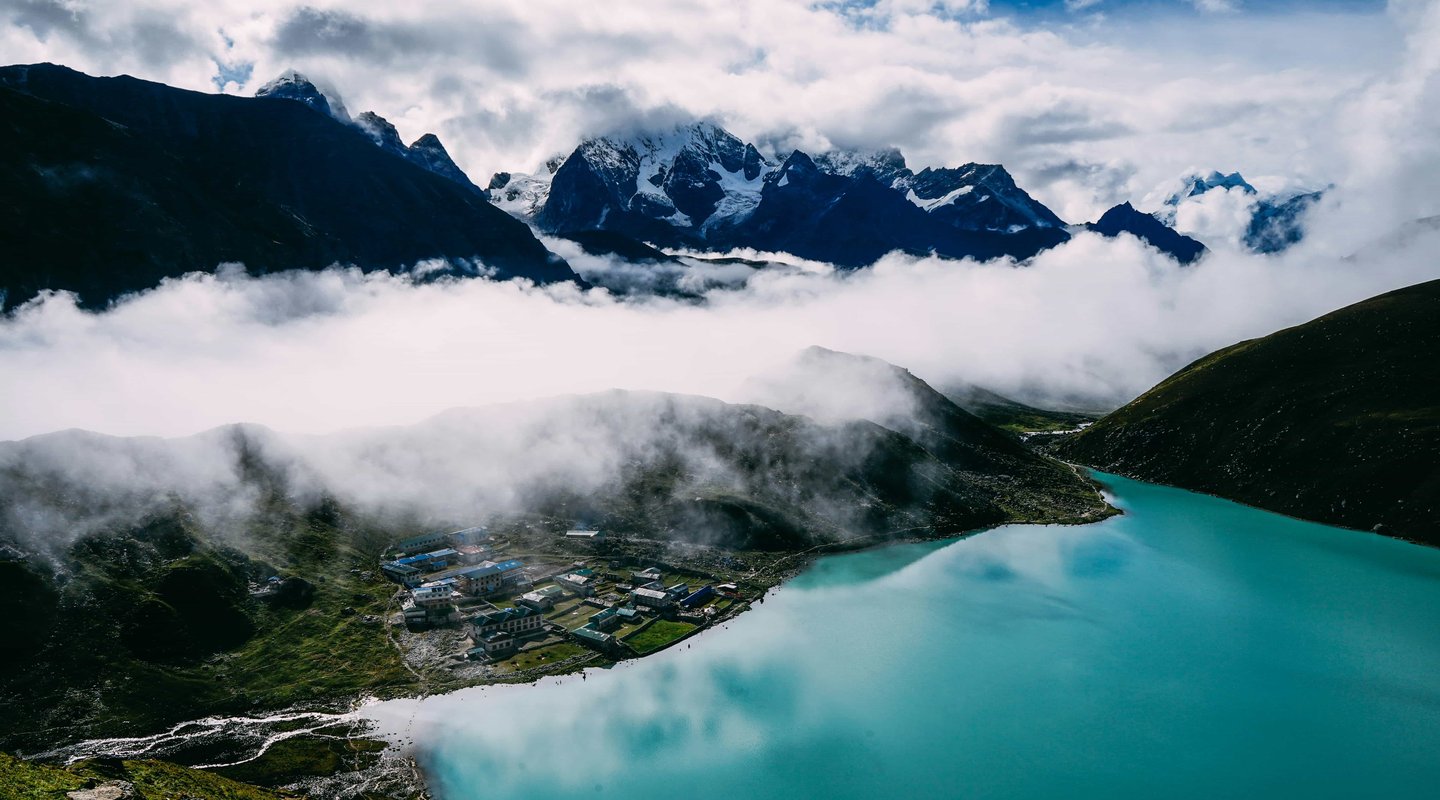
The Gokyo Lakes itinerary usually spans 10-14 days, reaching the spectacular chain of six high-altitude lakes between 4,700-5,000 meters and climbing Gokyo Ri (5,357m) for panoramic views of Everest, Lhotse, Makalu, and Cho Oyu. Understanding the complete Gokyo Lake trek cost and itinerary helps you plan realistically and choose the right package for your Himalayan adventure.
How Much Does the Gokyo Lake Trek Cost?
The Gokyo Lakes trek cost varies significantly based on whether you trek independently (budget style), join a standard guided group, or choose premium services. Understanding where your money goes helps determine which option suits your needs and budget.
Budget Independent Trekking ($950–$1,100):
Budget trekking means arranging everything yourself — booking flights independently, carrying your own pack, staying in basic tea houses, and managing permits without agency support. While this approach saves money, it requires extensive planning, Nepal travel experience, and comfort with self-navigation.
Cost Breakdown for Budget Trek:
- Lukla flights (round-trip): $350–$400
- Permits (Sagarmatha NP + TIMS): $45–$50
- Accommodation (10-12 nights): $60–$100
- Food and drinks: $250–$300
- Miscellaneous (hot showers, charging, WiFi): $50–$80
- Total: $950–$1,100
Budget trekking works for experienced Himalayan trekkers who are comfortable navigating independently, those with flexible schedules allowing for self-paced walking, and travelers prioritizing cost savings over convenience.
Standard Guided Package ($1,200–$1,400):
The Gokyo Lake trek price for standard guided packages includes professional guide services, permit arrangements, Lukla flight bookings, accommodation reservations, and comprehensive trip planning. This represents the sweet spot for most international trekkers — professional support without luxury pricing.
What Standard Packages Include:
- All permits and documentation arranged
- Experienced English-speaking guide
- Lukla round-trip flights
- Tea house accommodation throughout
- Breakfast, lunch, and dinner daily
- Airport transfers in Kathmandu
- Guide insurance and equipment
- Trip completion certificate
A well-structured 14-day package around $1,235 represents fair market value for comprehensive guided services with proper acclimatization scheduling. This mid-range pricing ensures quality guides, reliable logistics, and established tea house partnerships without inflated costs.
Premium and Luxury Options ($1,500–$2,500+):
Premium packages add porter services for complete bag carrying, superior lodge selection where available, smaller group sizes (private or 2-4 people), helicopter return options from Lukla, and extended itineraries combining Gokyo with Everest Base Camp or the Three Passes.
Who Chooses Premium:
- First-time Himalayan trekkers wanting maximum support
- Older travelers requiring lighter packs
- Photography-focused trips needing flexible schedules
- Couples seeking more intimate experiences
- Those combining multiple trek routes
Complete Gokyo Lake Trek Cost Breakdown
Understanding individual expense categories reveals how the total Gokyo Lakes trek cost in Nepal accumulates. This transparency helps you evaluate package value and budget accurately for independent trekking.
Permit and Entry Fees ($45–$55)
Two mandatory permits regulate access to the Gokyo region within Sagarmatha National Park.
Required Permits:
- Sagarmatha National Park Permit: $30 (NPR 3,000)
- Khumbu Pasang Lhamu Rural Municipality Fee: $20 (NPR 2,000)
- TIMS Card (if independent): $10–$20 (agencies often include free)
The Gokyo Lake trek cost for Nepali citizens differs significantly — Nepali nationals pay approximately NPR 100 ($0.75) for the national park permit and similar municipal fees, dramatically reducing total costs. However, guide requirements and accommodation pricing remain similar.
Permit processing requires passport copies, photos, and typically one business day in Kathmandu. Reputable trekking agencies handle this as part of package services, saving you time and confusion navigating government offices.
Lukla Flight Costs ($350–$450)
Transportation to and from Lukla represents one of your largest single expenses. The Gokyo trek itinerary begins after a spectacular 35-minute mountain flight from Kathmandu to Tenzing-Hillary Airport.
Flight Pricing Factors:
- Round-trip Kathmandu-Lukla: $350–$400 (standard)
- Peak season premiums (Oct-Nov, Mar-Apr): Add $50–$100
- Alternative Manthali routing (peak season): $350–$380
- Helicopter charter (emergency/luxury): $3,000–$5,000
Peak trekking seasons see Lukla flights operating from Manthali Airport (4-5 hours drive from Kathmandu) to reduce congestion. This requires very early morning departures but doesn't significantly change total costs.
Weather delays are common — budget 1-2 buffer days in Kathmandu both before and after your trek. Most packages include these flight costs but confirm whether weather delay accommodations are covered.
Accommodation Expenses ($80–$150 total)
Tea house lodging provides basic but adequate shelter throughout the Gokyo Lake trek route. Costs increase with altitude as everything must be carried or yak-transported to higher elevations.
Nightly Rates by Altitude:
- Lukla to Namche (2,800-3,440m): $5–$8 per night
- Namche to Dole (3,440-4,200m): $7–$10 per night
- Dole to Gokyo (4,200-4,750m): $10–$15 per night
- Gokyo village (4,750m): $12–$18 per night
For a 10-day trek with approximately 10-11 overnight stops, accommodation totals $100–$140. Basic rooms include twin beds, blankets, and shared bathroom facilities. Attached bathrooms (rare above Namche) cost an additional $5–$8 per night where available.
Most tea houses provide accommodation at minimal cost expecting guests to purchase meals. Refusing to eat at your lodge is considered poor etiquette and may result in higher room charges.
Food and Beverage Costs ($250–$400)
Daily meal expenses represent a significant portion of spending as prices climb with altitude and remoteness. The Gokyo Ri trek cost per day for food ranges from $25–$40 depending on your choices and altitude.
Meal Pricing Structure:
- Breakfast: $4–$6 (lower) to $7–$10 (Gokyo)
- Lunch: $6–$8 (lower) to $9–$13 (higher)
- Dinner: $7–$10 (lower) to $12–$16 (Gokyo)
- Dal bhat (rice and lentils): $8–$14 with unlimited refills
Beverage Costs:
- Tea/coffee: $2–$4 per cup
- Bottled water: $1 (Lukla) to $5–$7 (Gokyo)
- Boiled water: $1–$3 per liter (eco-friendly option)
- Soft drinks: $3–$7
- Beer: $6–$10 (lower villages only)
Budget $30–$40 daily for three meals plus beverages. Dal bhat offers the best value — one order provides unlimited rice and lentil refills, sufficient for fueling long trekking days. Carry water purification tablets to avoid expensive bottled water costs.
Guide and Porter Services ($400–$600)
The Gokyo Ri trek guide isn't legally mandatory (unlike some restricted areas), but hiring professional support enhances safety, navigation, and cultural experience significantly.
Service Costs:
- Licensed trekking guide: $30–$35 per day
- Assistant guide (groups 4+): $25–$30 per day
- Porter (carries 20-25kg): $20–$25 per day
- Guide/porter food and accommodation: Included in your tea house bills
- Guide insurance: $30–$50 per trek
- Tips: 10-15% of service fees (customary)
For a 12-day trek, guide services total approximately $360–$420 plus insurance and tips. Sharing guide costs among group members dramatically reduces per-person expenses — four trekkers splitting one guide pay just $90–$105 each.
Porters allow you to trek with only a daypack, dramatically improving enjoyment and reducing physical strain. One porter typically serves two trekkers, carrying 10-12kg per person.
Additional Expenses Often Overlooked ($150–$250)
The complete Gokyo Lakes trek 10-day cost includes numerous smaller expenses that accumulate significantly.
Miscellaneous Costs:
- Hot showers: $3–$5 each (not daily available)
- Device charging: $2–$5 per item per charge
- WiFi access: $3–$5 per day (limited and slow)
- Gear rental in Kathmandu: $80–$150 total
- Emergency funds: $200 minimum recommended
- Travel insurance: $100–$150 (mandatory)
Equipment Rental:
- Sleeping bag (-20°C rated): $2 per day
- Down jacket: $2 per day
- Trekking poles: $1 per day
- Duffel bag: $5–$10 total
Most trekkers spend $200–$300 on these "extras" that guidebooks and agencies don't emphasize. Carrying cash is essential — no ATMs exist beyond Namche Bazaar, and credit cards aren't accepted on the trail.
Gokyo Lake Trek 14-Day Itinerary
The comprehensive Gokyo Lakes trek itinerary spans 14 days, incorporating cultural exploration in Kathmandu, proper acclimatization, and optimal pacing for high-altitude safety. This Gokyo Lake trek route balances thorough exploration with comfortable daily distances.
Day 1: Arrive in Kathmandu (1,300m)
Airport arrival, hotel transfer, and welcome briefing. Free time to explore Thamel and prepare for the adventure ahead.
Day 2: Kathmandu Sightseeing and Trek Preparation
UNESCO World Heritage Sites tour including Swayambhunath, Boudhanath Stupa, and Pashupatinath Temple. Afternoon gear checks, permit processing, and Lukla flight reconfirmation.
Day 3: Fly to Lukla (2,840m) – Trek to Phakding (2,610m)
- Flight: 35 minutes
- Trek: 3-4 hours, 8km
- Elevation: 230m descent
- Trail follows Dudh Koshi River through pine forests
Day 4: Trek to Namche Bazaar (3,440m)
- Trek: 5-6 hours, 11km
- Elevation gain: +830m
- Cross suspension bridges, first Everest views
- Enter Sagarmatha National Park
Day 5: Acclimatization Day in Namche Bazaar
Essential rest day with optional hike to Everest View Hotel (3,880m). Visit Sherpa Culture Museum, explore markets, and practice "climb high, sleep low" for proper altitude adaptation.
Day 6: Trek to Phortse (3,810m)
- Trek: 5-6 hours, 10km
- Elevation gain: +370m
- Diverge from EBC route toward Gokyo Valley
- Authentic Sherpa village experience
Day 7: Trek to Machhermo (4,470m)
- Trek: 5-6 hours, 13km
- Elevation gain: +660m
- Pass through Dole and Luza villages
- Landscape transitions from forest to alpine
Day 8: Trek to Gokyo (4,800m)
- Trek: 4-5 hours, 10km
- Elevation gain: +330m
- Pass First and Second Gokyo Lakes
- Arrive at Third Lake (Dudh Pokhari) and Gokyo village
Day 9: Gokyo Ri Summit (5,357m) and Valley Exploration
- Pre-dawn departure: 4:00-5:00 AM
- Summit climb: 2-3 hours ascent
- Highest point of trek reached
- Panoramic views: Everest, Lhotse, Makalu, Cho Oyu
- Afternoon option: Fourth lake exploration
- Return to Gokyo for overnight
Day 10: Trek to Dole (4,200m)
- Trek: 4-5 hours, 13km
- Elevation loss: -600m
- Retrace route through Machhermo
- Easier breathing as oxygen levels increase
Day 11: Trek to Namche Bazaar (3,440m)
- Trek: 4-5 hours, 10km
- Elevation loss: -760m
- Return to Sherpa capital civilization
- Hot showers and bakery treats available
Day 12: Trek to Lukla (2,860m)
- Trek: 6-7 hours, 19km
- Final trekking day through Phakding
- Celebration dinner with guide team
- Trek completion
Day 13: Fly to Kathmandu
- Early morning flight (weather dependent)
- Return to Kathmandu by mid-morning
- Free afternoon for shopping, massage, exploration
- Optional farewell dinner
Day 14: Final Departure
Airport transfer for international departure. End of Gokyo Lake trek services.
This 14-day Gokyo trek itinerary provides optimal acclimatization with one dedicated rest day in Namche, gradual altitude gain, and comfortable daily distances averaging 4-6 hours of walking. The extended schedule significantly reduces altitude sickness risk while allowing thorough exploration of the spectacular Gokyo Lakes region.
Cho La Pass Crossing:
The technical Cho La Pass (5,420m) connecting Gokyo Valley with Everest Base Camp route requires:
- Good weather conditions
- Rope and crampon use (guide-assisted)
- Strong physical conditioning
- Proper acclimatization
- Early morning departure (pre-dawn typical)
Some trekkers choose helicopter return from Gorak Shep to Lukla (adding $500-700 per person) after completing both regions, saving 2-3 days walking and maximizing high-altitude time.
Gokyo Lakes Trek Difficulty Level
The Gokyo Lakes trek difficulty rates as moderate to challenging, primarily due to altitude rather than technical climbing requirements. Understanding the challenge helps with realistic preparation and decision-making.
Physical Difficulty Assessment:
The trek demands 5-7 hours of walking daily for 8-9 consecutive days. Trails involve continuous ascents and descents with several steep sections, particularly the Namche climb and Gokyo Ri summit. However, no technical climbing, ropes, or mountaineering equipment is required.
Altitude Challenge:
The Gokyo Lakes' altitude between 4,700-5,000m and the Gokyo Ri viewpoint altitude of 5,357m create the trek's primary difficulty. At these elevations, oxygen levels drop to approximately 50-55% of sea level, causing:
- Shortness of breath during exertion
- Reduced sleep quality
- Decreased appetite
- Mild headaches (normal up to a point)
- General fatigue and reduced energy
Proper acclimatization through gradual ascent and rest days prevents serious altitude sickness. The 10-day itinerary includes one dedicated rest day in Namche, with several shorter walking days allowing altitude adjustment.
Comparative Difficulty:
- Easier than: Everest Base Camp trek (Gokyo reaches higher altitude), Manaslu Circuit (longer and more remote), Three Passes trek (technical passes)
- Similar to: Annapurna Base Camp (comparable altitude and duration)
- Harder than: Poon Hill trek (much lower altitude), Langtang Valley (shorter and lower)
Who Can Attempt the Gokyo Lakes Trek:
The trek suits trekkers with regular fitness (able to hike 5-6 hours comfortably), previous multi-day hiking experience (though not essential), reasonable altitude adaptation (past experience above 3,000m helps), and mental preparation for basic accommodation and simple food.
The trek does NOT require technical climbing skills, previous Himalayan experience (though beneficial), exceptional fitness levels, or mountaineering training.
Pre-Trek Fitness Preparation:
- Cardiovascular training: 4-6 weeks of regular hiking, running, cycling
- Leg strengthening: Stairs, squats, lunges
- Weekend practice hikes: With loaded backpack
- Altitude training: If accessible, train above 2,000m
Do You Need a Guide for Gokyo Ri Trek?
The Gokyo Ri trek guide's question involves legal requirements versus practical benefits. Unlike some restricted trekking regions in Nepal, Gokyo Lakes sit within an open trekking area where independent trekking is legally permitted.
Legal Status:
No regulation requires hiring guides for the Gokyo Valley. You can legally trek independently with only proper permits (Sagarmatha National Park entry and TIMS card). However, independent trekking demands comprehensive preparation and self-sufficiency.
Practical Benefits of Guided Trekking:
Professional guides provide navigation assistance through occasionally confusing trail junctions, altitude sickness monitoring and early symptom recognition, local cultural context and language translation, tea house booking during busy seasons, and emergency response coordination if needed.
When to Trek Independently:
Independent trekking works for experienced Himalayan trekkers familiar with altitude, those comfortable with map/GPS navigation, flexible travelers adapting to unbooked accommodation, and strong self-advocates capable of arranging permits and logistics.
When to Hire a Guide:
First-time Everest region visitors benefit enormously from local expertise. Solo travelers gain companionship and safety, while older trekkers or those with health concerns appreciate professional monitoring. Anyone concerned about high-altitude challenges should invest in guided services.
Guide vs Group Package:
Hiring an individual guide costs $30-35 daily plus food, accommodation, insurance, and tips — totaling approximately $550-650 for 12 days. Joining an established group package distributes these costs among multiple trekkers while adding comprehensive logistics support, making the $1,200-1,400 package range very cost-effective compared to piecing services together independently.
Best Time to Trek Gokyo Lakes
The optimal trekking seasons match general Everest region patterns: spring (March-May) and autumn (September-November) offer the most reliable weather, clear mountain views, and comfortable temperatures.
Peak Season Benefits:
- Autumn (Oct-Nov): Clearest mountain views post-monsoon, most stable weather, comfortable temperatures
- Spring (Mar-May): Rhododendron blooms at lower elevations, warming temperatures, excellent visibility
Off-Season Considerations:
Winter (Dec-Feb) brings extreme cold at Gokyo village and limited tea house operations, though crystal-clear skies reward hardy trekkers. Monsoon (Jun-Aug) means frequent rain, obscured views, and treacherous trails, though dramatically lower costs and empty trails appeal to budget adventurers.
Frequently Asked Questions
What is the total cost of the Gokyo Lake trek?
The total Gokyo Lake trek cost ranges from $950 for basic independent trekking to $1,500+ for premium services. A standard 10-12 day guided package costs $1,200-$1,400, including Lukla flights, permits, guide services, accommodation, and meals. Budget travelers spending $30-40 daily plus flights reach approximately $1,000 total.
How much does a 10-day Gokyo trek cost?
A 10-day Gokyo trek costs $1,100-$1,300 for guided packages covering all logistics. Independent budget trekking costs $950-$1,100 when managing everything yourself. The price difference of $150-200 between independent and guided trekking is minimal considering the safety, convenience, and cultural knowledge professional guides provide.
Is $1,200 a reasonable price for the Gokyo trek?
Yes, $1,200-$1,400 represents fair market value for comprehensive guided Gokyo Lake treks. This range covers all major expenses (flights, permits, guide, food, accommodation) with reputable agencies. Significantly cheaper packages often cut corners on guide quality, insurance, or include hidden fees. A 14-day package at $1,235 offers excellent value with extended itineraries and proper acclimatization.
What is the altitude of Gokyo Ri?
Gokyo Ri summit reaches 5,357 meters (17,575 feet) above sea level. This viewpoint provides panoramic views of Everest (8,849m), Lhotse (8,516m), Makalu (8,485m), and Cho Oyu (8,188m) — four of the world's six highest peaks visible simultaneously. The climb from Gokyo village (4,750m) gains 607m vertical elevation.
Is the Gokyo trek difficult?
The Gokyo trek difficulty rates as moderate-challenging, primarily due to altitude rather than technical demands. Daily walking of 5-7 hours at elevations reaching 5,357m (Gokyo Ri) challenges cardiovascular fitness and altitude adaptation. However, no technical climbing is required. Proper acclimatization, reasonable fitness, and gradual ascent make the trek achievable for most healthy individuals with trekking experience.
What permits do I need for Gokyo Lakes trek?
Two permits are mandatory: Sagarmatha National Park Entry Permit ($30) and Khumbu Pasang Lhamu Rural Municipality Fee ($20). Independent trekkers additionally need a TIMS card ($10-20). Trekking agencies typically include permit arrangement in package prices. All permits require passport copies and photos, processed in Kathmandu before trek departure.
Choosing the Right Gokyo Trek Option for You
Understanding your priorities helps determine whether budget independent trekking, standard guided packages, or extended combination routes suit your needs best.
Choose Budget Independent Trekking ($950-$1,100) If You:
- Have previous Himalayan trekking experience
- Feel confident navigating with maps/GPS
- Speak basic Nepali or are comfortable with language barriers
- Don't mind arranging permits and logistics yourself
- Travel with a trekking partner (safer than solo)
- Prioritize cost savings over convenience
Budget trekking saves $200-400 but requires significantly more preparation, assumes all risk personally, and misses cultural insights local guides provide.
Choose Standard Guided Package ($1,200-$1,400) If You:
- Want professional support and local expertise
- Value safety monitoring at high altitude
- Prefer comprehensive logistics handled by others
- Are visiting the Everest region for the first time
- Seek cultural context and language assistance
- Consider $200-300 premium worthwhile for peace of mind
A 14-day comprehensive package at $1,235 represents the sweet spot for most international trekkers — professional services, proper acclimatization schedule, and extended experiences without luxury pricing.
Choose Extended Everest + Gokyo Route (14+ Days, $1,500+) If You:
- Have 2-3 weeks available for trekking
- Want both Gokyo Lakes and Everest Base Camp experiences
- Seek the challenge of the Cho La Pass crossing
- Prefer comprehensive Khumbu region exposure
- Can handle extended altitude and physical demands
- Value ticking multiple bucket-list destinations
The extended route delivers exceptional value per day — reaching two major destinations and crossing a technical pass for just $200-300 more than single-destination treks.
Final Recommendation:
For most first-time Everest region trekkers with 12-14 days available, a standard guided package covering Gokyo Lakes with professional support around $1,235 offers the optimal balance of comprehensive experience, safety, and value. This investment ensures proper acclimatization, local expertise, logistical smoothness, and peace of mind, allowing you to focus entirely on the spectacular Himalayan scenery rather than navigation and planning concerns.
The Gokyo Lakes represent one of Nepal's most spectacular yet less-crowded alternatives to Everest Base Camp, rewarding trekkers with turquoise alpine lakes, pristine glacial valleys, and arguably superior mountain panoramas from Gokyo Ri's summit — all at comparable costs but with more intimate, authentic experiences.