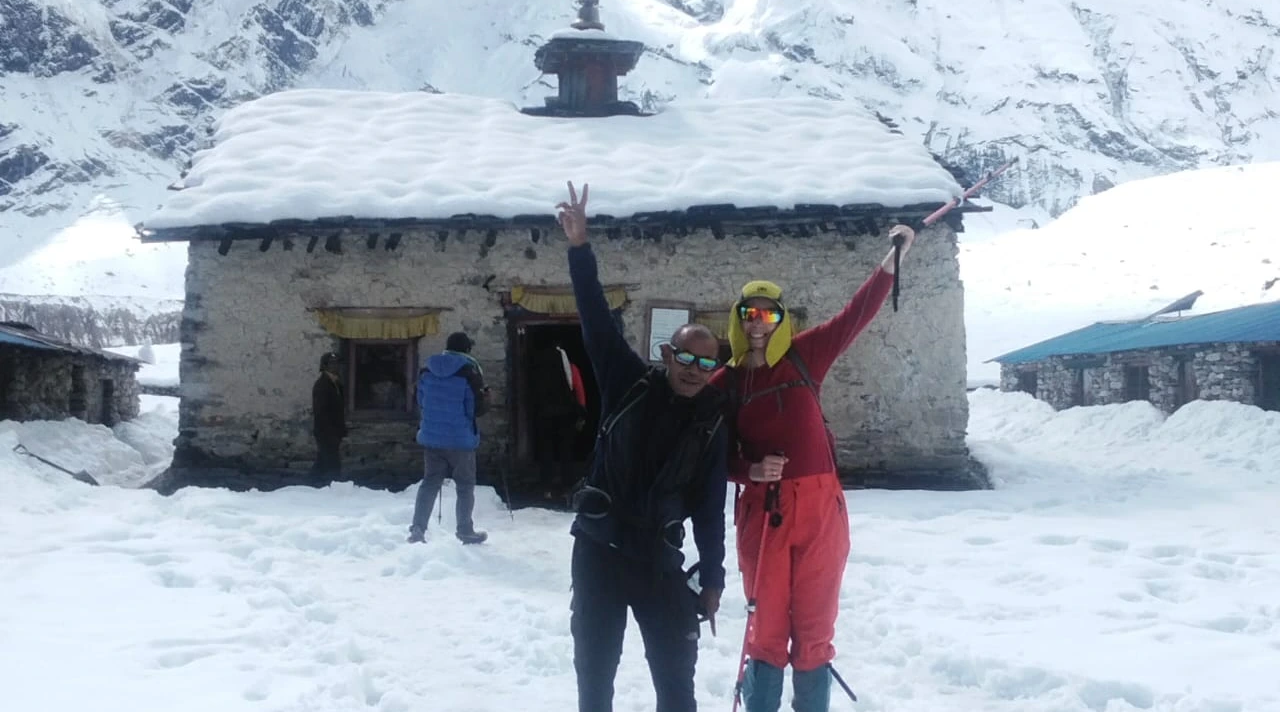
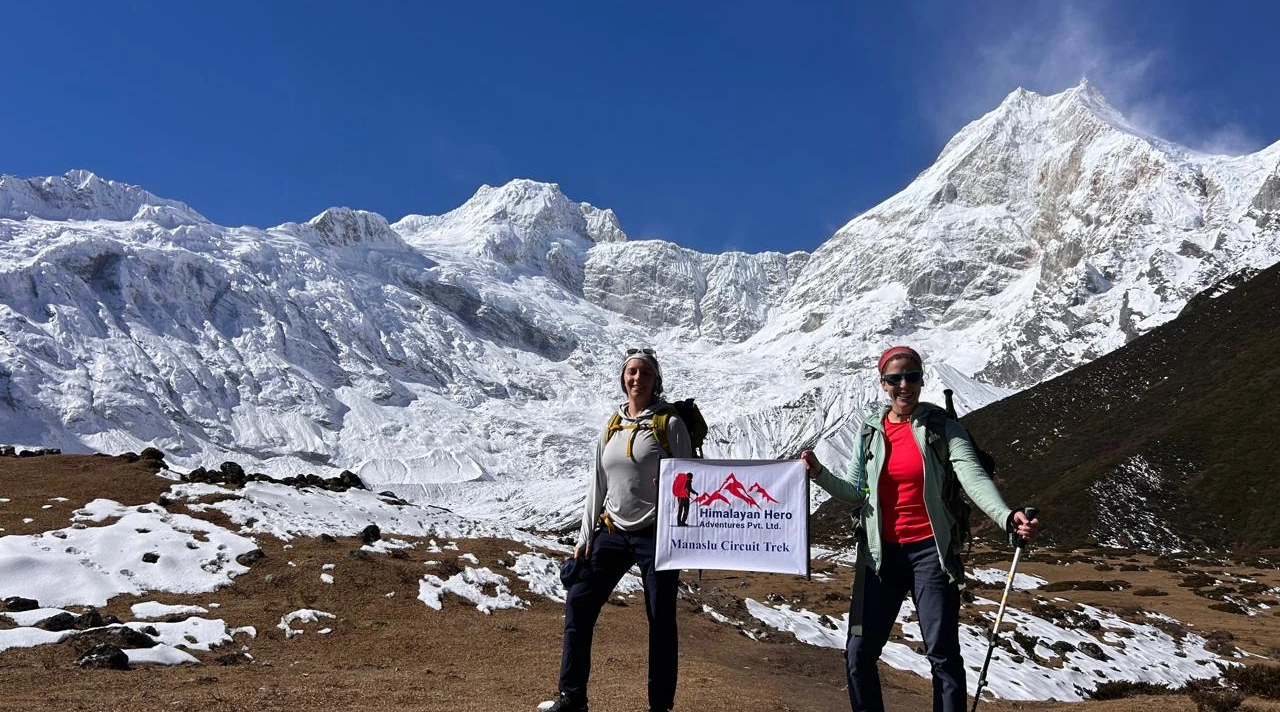
The moment you step off the plane in Kathmandu, the Himalayas call to you. But before you can answer that call and trek through Nepal's legendary mountain trails, there's one crucial step every adventurer must complete: securing the proper trekking permits. Whether you're dreaming of reaching Everest Base Camp or exploring the remote Manaslu Circuit, understanding how to get a trekking permit in Nepal is your gateway to the adventure of a lifetime.
At HimalayanHero, we've guided thousands of trekkers through Nepal's permit process since 2015, and we know it can seem overwhelming at first. This comprehensive guide breaks down everything you need to know about obtaining your Nepal trek permit, from costs and application processes to specific requirements for foreigners and Indian nationals.
Important: 2026 Permit Updates
New regulations effective from January 2026 have introduced several changes to Nepal's trekking permit system:
- Digital TIMS Integration: The new e-TIMS system now covers Everest, Annapurna, and Langtang regions with QR code-based permits for faster checkpoint processing
- Revised Restricted Area Rules: Manaslu Circuit now requires a minimum of 2 trekkers (previously 2+), making couple treks possible without additional members
- Insurance Verification: All permits now require proof of helicopter evacuation coverage above 4,000m (previously only recommended)
- Guide Certification Updates: New certification levels for guides - Basic (up to 4,000m), Advanced (up to 5,500m), and Expedition (above 5,500m)
- Environmental Fee Addition: New NPR 1,000 "Green Fee" added to all conservation area permits for waste management initiatives
- Online Payment Expansion: International credit card payments now accepted for all standard permits (restricted areas still require agency processing)
- Checkpoint Digitization: Major checkpoints now use digital scanners - physical permits still required as backup
- Fee Restructuring: SAARC national discounts increased to 60% (from 50%) for most conservation areas
Note: These changes are being implemented progressively throughout 2026. HimalayanHero stays updated on all modifications to ensure smooth permit processing for our clients.
What Is a Trekking Permit in Nepal?
A trekking permit is your official authorization to explore Nepal's mountain regions, serving as both a safety measure and a conservation tool. These permits help the government track trekkers for emergency situations while generating revenue for trail maintenance and local community development.
Think of your Nepal trekking permit as more than just paperwork—it's your contribution to preserving these pristine landscapes for future generations. Every permit fee supports:
- Trail maintenance and improvement projects
- Local community development initiatives
- Conservation efforts in protected areas
- Search and rescue operations
- Environmental protection programs
The Nepalese government requires all trekkers to carry valid permits, and you'll encounter checkpoints along major routes where officials verify your documentation. Trekking without proper permits can result in hefty fines, deportation, or being turned back mid-trek—situations no adventurer wants to face.
Types of Trekking Permits in Nepal
Understanding which permits you need depends entirely on your chosen trekking destination. Nepal's diverse permit system reflects the country's commitment to managing tourism sustainably across different regions.
TIMS Card (Trekkers' Information Management System)
The TIMS card is the most common permit requirement for popular trekking regions. This electronic registration system helps authorities track trekkers for safety purposes. However, as of 2023, TIMS requirements have been updated for certain areas, with some regions no longer requiring them if you have area-specific permits.
Conservation Area Permits
Most trekking routes pass through protected conservation areas, each requiring specific permits:
- Annapurna Conservation Area Permit (ACAP): Required for the Annapurna Circuit Trek permit process and surrounding regions
- Sagarmatha National Park Permit: Essential for the Everest Base Camp Trek in Nepal
- Langtang National Park Permit: Needed for Langtang Valley and Gosaikunda treks
- Makalu Barun National Park Permit: Required for eastern Nepal adventures
NTNC Permit (National Trust for Nature Conservation)
The NTNC permit specifically applies to conservation areas managed by the National Trust for Nature Conservation. These include the Annapurna and Manaslu Conservation Areas, where permit fees directly fund local conservation projects.
Restricted Area Permit Nepal
Certain regions near international borders require special restricted area permit Nepal authorization. These areas include:
- Upper Mustang (USD 500 for 10 days)
- Manaslu Circuit Trek restricted permit area (USD 100 per week Sept-Nov, USD 75 per week Dec-Aug)
- Tsum Valley (USD 40 per week Sept-Nov, USD 30 per week Dec-Aug)
- Upper Dolpo (USD 500 for 10 days)
- Kanchenjunga region (USD 20 per week)
Restricted area permits require joining a registered trekking agency with at least two trekkers in the group—solo trekking isn't permitted in these regions.
Seasonal Considerations for Permit Applications
Understanding seasonal patterns helps you plan your Nepal trek permit application timing strategically. Processing times and office crowds vary dramatically throughout the year.
Peak Season (October-November & March-May)
During peak trekking seasons, permit offices experience overwhelming demand:
- Processing times: Standard permits take 2-4 hours (vs. 30 minutes off-season)
- Queue formation: Lines start forming at 8:30 AM for 10 AM openings
- Best timing: Arrive at offices by 9 AM or after 3 PM to avoid crowds
- Restricted area permits: Apply at least 3-4 working days in advance
- Weekend considerations: Avoid Fridays as offices close early and Saturdays are holidays
Peak season strategies:
- Pre-apply online where possible to reduce office time
- Bring completed forms to expedite processing
- Consider using agency services to skip queues
- Have exact change ready as offices often run out
Off-Season (June-September & December-February)
Monsoon and winter months offer faster permit processing:
- Processing times: Most permits issued within 30 minutes
- No queues: Walk directly to counters most days
- Flexible timing: Offices less crowded throughout operating hours
- Same-day service: Even restricted area permits possible with complete documentation
- Staff availability: More time for questions and clarification
Off-season advantages for Nepal trekking permit online applications:
- Faster email responses from permit offices
- More accommodation options near permit offices
- Better exchange rates at nearby money changers
- Easier to coordinate group permit applications
Shoulder Season (Late September & Early June)
These transition periods offer the best balance:
- Moderate processing times (1-2 hours)
- Reasonable crowds at permit offices
- Good weather for pre-trek preparations
- Optimal for last-minute permit changes
Where to Get Trekking Permits in Kathmandu
Knowing where to get trekking permit in Kathmandu saves valuable time and prevents last-minute stress. The capital city offers several official locations for permit processing:
Nepal Tourism Board Office
Located in Bhrikutimandap, the Tourism Board is your primary stop for TIMS cards and various conservation permits. Open Sunday through Friday, 10 AM to 5 PM (winter) or 4 PM (Friday).
TAAN Office (Trekking Agencies Association of Nepal)
Situated in Maligaon, Kathmandu, TAAN processes permits for independent trekkers and those booking through member agencies. They're particularly helpful for Nepal trekking permit online pre-registration.
NTNC Office
The National Trust for Nature Conservation office in Jawalakhel, Lalitpur, issues conservation area permits directly. This is where you'll obtain your NTNC permit for Annapurna and Manaslu regions.
Department of Immigration
For restricted area permits, visit the Department of Immigration in Kalikasthan, Kathmandu. These special permits require advance booking through registered agencies like HimalayanHero.
Pro tip: Most trekking agencies, including HimalayanHero, handle all permit arrangements as part of their service, saving you the hassle of navigating multiple offices.
How to Get Trekking Permits in Pokhara
For those starting their trek from Pokhara, obtaining a Pokhara trekking permit is equally straightforward:
ACAP Counter at Pokhara
Located near the Tourist Bus Park in Pokhara, this office specializes in Annapurna region permits. It's convenient for last-minute permit needs before heading to Nayapul or other Annapurna trailheads.
TAAN Pokhara Office
Situated in New Road, Pokhara, this branch offers similar services to its Kathmandu counterpart, processing TIMS cards and conservation permits for the Annapurna region.
Operating hours in Pokhara typically run from 10 AM to 5 PM, though arriving before 3 PM ensures same-day processing.
How to Apply Online for Nepal Trekking Permit
The digital age has simplified the permit process, with Nepal trekking permit online applications becoming increasingly available. Here's the step-by-step process:
Step 1: Pre-Registration
Visit the official Nepal Tourism Board website or TAAN portal to begin pre-registration. You'll need:
- Scanned passport copy
- Digital passport-sized photograph
- Travel insurance details
- Emergency contact information
- Trekking itinerary
Step 2: Form Completion
Fill out the online application form carefully, ensuring all information matches your passport exactly. The system generates a unique application ID for tracking.
Step 3: Document Upload
Upload required documents in the specified format (usually JPEG or PDF under 2MB). Clear, high-resolution scans prevent processing delays.
Step 4: Payment
Some permits allow online payment via international credit cards, though many still require in-person payment at designated offices.
Step 5: Collection
While Nepal trekking permit online applications save time, physical permit collection typically requires visiting the relevant office with your application ID and payment receipt.
Note: Full online processing with digital permit delivery is currently limited to certain permits, with expansion planned throughout 2026.
Group vs. Solo Trekking: Permit Logistics and Cost Differences
The choice between group and solo trekking significantly impacts your how to get a trekking permit in Nepal experience, affecting both costs and application procedures.
Solo Trekking Permits
Independent trekkers face specific considerations:
- TIMS cost: USD 20 for individuals (double the group rate)
- Processing: Must visit offices personally - no agency shortcuts
- Documentation: Require comprehensive emergency contacts and insurance proof
- Restrictions: Cannot trek in restricted areas (Upper Mustang, Manaslu, etc.)
- Time investment: Expect 3-4 hours for complete permit processing
Solo trekking advantages:
- Complete itinerary flexibility
- No coordination with other trekkers
- Direct control over permit timing
- Personal interaction with permit officials
Solo trekking challenges:
- Higher per-person permit costs
- No agency assistance for complex permits
- Must navigate multiple offices independently
- Language barriers at permit offices
Group Trekking Permits
Group trekking through agencies like HimalayanHero offers distinct benefits:
- TIMS cost: USD 10 per person (50% savings)
- Bulk processing: Agencies submit multiple applications simultaneously
- Efficiency: Single representative handles entire group's paperwork
- Restricted access: Groups of 2+ can access restricted areas
- Time savings: Permits ready upon arrival in Nepal
Group permit advantages:
- Significant cost reduction on TIMS cards
- Access to restricted area permits
- Agency handles all logistics
- Faster checkpoint processing with group permits
- Shared guide and porter permit costs
Group size considerations:
- 2-4 trekkers: Optimal for restricted area minimum requirements
- 5-10 trekkers: Best value for guide-to-trekker ratios
- 10+ trekkers: May require multiple guides and additional permits
- 15+ trekkers: Considered "expedition" requiring special permissions
Cost Comparison Example (Manaslu Circuit)
Solo Trekker (if permitted):
- Cannot trek Manaslu (restricted area)
- Alternative non-restricted trek permits: USD 50-70 total
Couple/Pair:
- Restricted area permit: USD 100/week per person
- MCAP: USD 30 per person
- TIMS (through agency): USD 10 per person
- Mandatory guide (shared cost): USD 15-20 per day per person
- Total permit cost: ~USD 140 per person
Group of 6:
- Same permits as above: USD 140 per person
- Guide cost split six ways: USD 5-7 per day per person
- Potential group discounts: 5-10% on agency fees
- Total savings: 30-40% compared to couples
Nepal Trekking Permit Cost Breakdown (2026 Rates)
Understanding Nepal trekking permit cost helps you budget accurately for your adventure. Here's the current fee structure:
Standard Conservation Area Permits
- Annapurna Conservation Area: NPR 3,000 (foreigners), NPR 1,000 (SAARC nationals)
- Sagarmatha National Park: NPR 3,000 (foreigners), NPR 1,500 (SAARC nationals)
- Langtang National Park: NPR 3,000 (foreigners), NPR 1,500 (SAARC nationals)
- Manaslu Conservation Area: NPR 3,000 (foreigners), NPR 1,000 (SAARC nationals)
TIMS Card Fees
- Individual trekkers: USD 20 (foreigners), NPR 1,000 (SAARC nationals)
- Group trekkers (through agencies): USD 10 (foreigners), NPR 300 (SAARC nationals)
Restricted Area Permit Costs
Restricted area fees vary significantly by region and season, ranging from USD 20 to USD 500 per week. These permits also require a minimum group size and registered guide, adding to overall costs.
Additional Fees
- Khumbu Pasang Lhamu Rural Municipality Fee: NPR 2,000 (for Everest region)
- Local area permits: NPR 500-2,000 depending on region
- Permit extensions: Typically 50% of original fee
- New Green Fee (2026): NPR 1,000 for all conservation areas
Emergency Scenarios: Lost or Damaged Permits During Treks
Nothing dampens trekking enthusiasm faster than realizing your permits are missing or damaged. Here's how to handle these emergency situations:
Damaged Permits (Water, Tear, or Wear)
Mountain weather and river crossings can damage paper permits:
- Immediate action: Photograph damaged permits before they deteriorate further
- At checkpoints: Show both damaged original and photo evidence
- Checkpoint authority: Most accept clearly legible damaged permits
- Severe damage: Contact your agency for support letter
- Prevention: Always carry permits in waterproof pouches
HimalayanHero provides waterproof permit holders to all clients, but additional protection includes:
- Laminating copies (not originals)
- Storing in multiple ziplock bags
- Keeping digital copies on phone/camera
- Distributing permits among group members
Lost Permits on Trail
Losing permits creates more serious challenges:
Immediate steps:
- Check all bags, pockets, and accommodation thoroughly
- Contact your trekking agency immediately
- Report to nearest checkpoint or police post
- Obtain written verification of loss
Replacement process:
- Agencies can email permit copies to checkpoint officials
- Temporary passes available at major checkpoints (NPR 2,000-5,000 fee)
- Full replacement requires returning to issuing office
- Police report helps expedite replacement
Without agency support:
- Return to nearest town with permit facilities
- Provide original receipt and passport
- Pay replacement fee (usually 50-100% of original)
- Process takes 1-2 days minimum
Stolen Permits
Theft requires additional documentation:
- File police report immediately
- Contact embassy for supporting documents
- Notify issuing office via phone/email
- Obtain temporary trekking authorization
- Full replacement may require returning to Kathmandu/Pokhara
Digital Backup Strategies
The new e-TIMS system offers QR codes, but physical backups remain essential:
- Cloud storage: Upload to Google Drive or Dropbox
- Email copies: Send permits to yourself and emergency contacts
- WhatsApp: Save in "Messages to Self" or family group
- Offline access: Download for areas without internet
- Multiple devices: Store on phone, camera, and tablet
Checkpoint Negotiation Tips
If you encounter permit issues at checkpoints:
- Remain calm and respectful
- Show all available documentation
- Explain situation clearly in simple English
- Offer to pay reasonable temporary pass fees
- Contact your agency while at checkpoint
- Request written record of any payments
Most checkpoint officials are understanding, especially with:
- Proof of payment (receipts)
- Photographic evidence
- Agency verification letter
- Guide advocacy (licensed guides carry significant influence)
Permit Requirements: How to Get Trekking Permit in Nepal for Foreigners
International trekkers wondering how to get trekking permit in Nepal for foreigners should prepare these essential documents:
Required Documents
- Valid passport with at least 6 months validity
- Two passport-sized photographs
- Completed permit application forms
- Travel insurance policy covering high-altitude trekking
- Emergency contact details (local and international)
- Proof of guide/porter arrangement (for restricted areas)
Process for Foreign Nationals
Foreign trekkers must either apply through a registered trekking agency or visit permit offices personally. For restricted areas, agency booking is mandatory—independent trekking isn't permitted.
The process typically takes:
- Standard permits: 30 minutes to 2 hours
- Restricted area permits: 1-2 working days
Special Considerations
- Carry multiple passport photo copies
- Keep digital copies of all permits
- Ensure travel insurance covers your maximum trekking altitude
- Register with your embassy (recommended for remote treks)
How to Get Trekking Permit in Nepal for Indian Citizens
Indian nationals enjoy simplified procedures when learning how to get trekking permit in Nepal for Indian citizens:
Document Requirements for Indians
- Valid Indian passport OR Voter ID card
- Two passport-sized photographs
- Completed application forms
- Emergency contact information
SAARC National Benefits
Indian citizens receive discounted permit rates as SAARC nationals:
- Conservation area permits: 60% discount (updated 2026)
- TIMS card: Significantly reduced fees
- No visa requirements for Nepal entry
Application Process
Indians can obtain permits at the same locations as other foreigners, with generally faster processing due to simplified documentation requirements. Many permits can be obtained same-day with proper documents.
Trekking Guide License Form Online
Understanding the trekking guide license form online process helps you verify your guide's credentials. All HimalayanHero guides hold valid licenses issued by the Nepal Government.
Guide Licensing Requirements
Professional trekking guides must complete:
- Government-approved training programs
- First aid and altitude sickness management courses
- Language proficiency tests
- Regional expertise examinations
- New 2026 requirement: Annual refresher certification
Online Verification
You can verify guide credentials through the Nepal Tourism Board's online portal by entering their license number. This ensures you're trekking with qualified, insured professionals.
Why Choose Licensed Guides
Licensed guides like those at HimalayanHero provide:
- Expert navigation and safety management
- Cultural interpretation and local insights
- Emergency response capabilities
- Permit assistance and checkpoint navigation
- Enhanced trekking experience through local knowledge
Clarification: Online Vehicle Permit for Nepal
Some trekkers confuse trekking permits with online vehicle permit for Nepal, which is entirely different. Vehicle permits relate to driving or importing vehicles into Nepal, not trekking authorization. If you're planning to drive to trailheads, separate vehicle documentation applies—consult transport authorities for details.
Common Permit Questions (FAQ)
Can I get a trekking permit at Kathmandu airport?
No, Kathmandu's Tribhuvan International Airport doesn't issue trekking permits. You must visit designated offices in Kathmandu or Pokhara, or arrange through agencies like HimalayanHero.
Do I need a guide for restricted areas?
Yes, restricted area permit Nepal regulations mandate hiring a registered guide and trekking with at least one other person. Solo trekking is prohibited in restricted regions.
How much does a Nepal trek permit cost for Everest Base Camp?
The basic Nepal trek permit for Everest Base Camp costs approximately NPR 5,000 (including Sagarmatha National Park and local area fees), though total permit costs may reach NPR 8,000-9,000 with all required documentation and the new green fee.
Can I extend my trekking permit?
Yes, most permits allow extensions at 50% of the original cost. Apply before expiration at the issuing office or through your trekking agency.
What happens if I trek without permits?
Trekking without proper permits results in fines ranging from USD 100 to USD 500, potential deportation, and being barred from future Nepal visits. Checkpoints are frequent and strictly enforced.
Are permits transferable between trekkers?
No, all Nepal trekking permits are non-transferable and must match passport details exactly. Each trekker needs individual permits.
Do children need trekking permits?
Yes, children require permits, though those under 10 often receive discounted rates for conservation area permits.
Can I get permits on weekends?
No, permit offices are closed on Saturdays and public holidays. Friday offices close early at 3 PM (winter) or 2 PM (summer).
How long are permits valid?
Most conservation permits are valid for single entry within specific timeframes:
- ACAP/MCAP: Valid for entire trek duration
- National Parks: Single entry, must re-purchase if exiting and re-entering
- Restricted Areas: Specific weekly validity with extension options
Tips for Smooth Permit Processing
After helping thousands secure their permits, we've learned what makes the process seamless:
- Arrive early: Offices get crowded after 11 AM
- Bring exact change: Many offices don't provide change for large bills
- Carry photocopies: Keep multiple copies of all documents
- Download offline maps: Cell service is limited at checkpoints
- Protect your permits: Use waterproof folders to prevent damage
- Take photos: Photograph all permits for backup
- Join reputable agencies: Companies like HimalayanHero handle complex permit logistics
- Check holidays: Verify Nepal government holidays before visiting offices
- Prepare forms: Complete applications in advance when possible
- Group coordination: Ensure all members have matching trek dates
Why Choose HimalayanHero for Your Permit Needs
Navigating Nepal's permit system can feel overwhelming, especially when dealing with:
- Language barriers at government offices
- Changing regulations and requirements
- Multiple office visits across Kathmandu
- Time-sensitive restricted area applications
- Group coordination for mandatory requirements
- Seasonal rush and long queues
- Emergency permit situations
HimalayanHero eliminates these challenges by:
- Processing all permits before your arrival
- Providing experienced guides with valid licenses
- Offering transparent, all-inclusive pricing
- Maintaining updated knowledge of regulation changes
- Ensuring compliance with all trekking requirements
- Managing emergency permit replacements
- Coordinating group permit logistics seamlessly
Our decade of experience means we've built relationships with permit offices, understand processing nuances, and can expedite applications even during peak seasons.
Conclusion: Start Your Nepal Adventure with Confidence
Understanding how to get a trekking permit in Nepal transforms from a complex puzzle into a straightforward process with the right knowledge and support. Whether you're drawn to the iconic Everest Base Camp, the culturally rich Annapurna Circuit, or the remote beauty of Manaslu, proper permits are your passport to Nepal's mountain wonderland.
The permit system exists to protect both trekkers and the pristine environments we explore. By obtaining proper documentation, you contribute to conservation efforts, support local communities, and ensure your own safety in these remarkable landscapes.
Remember, while independent permit acquisition is possible, the time, effort, and potential complications often outweigh the minimal savings. Professional agencies streamline the process, allowing you to focus on preparing for your adventure rather than navigating bureaucracy.
With 2026's digital improvements and streamlined processes, obtaining your Nepal trekking permit online has never been more accessible. Yet the value of experienced local support remains irreplaceable, especially when navigating seasonal rushes, group logistics, or emergency situations.
Ready to trek in Nepal without permit hassles? Let HimalayanHero handle your permits and guide arrangements while you focus on the adventure ahead. Contact us today to start planning your 2026 Himalayan journey—from permit processing to summit celebrations, we're with you every step of the way.