Ever wondered if you’re rushing through the mountains too fast… or maybe taking it too slow and missing the thrill? Choosing between a short and long Manaslu Circuit Trek isn’t just about days; it’s about how you experience the Himalayas. Some trekkers want to tick it off quickly; others want to soak in every sunrise, every village, and every breath (even the slightly breathless ones at high altitude). So yeah, it’s not a simple choice.
In this blog, we’ll break down Short vs. Long Manaslu Circuit Trek Routes: Which One Suits You? in a way that actually makes sense for beginners. We’ll compare duration, cost, difficulty, and overall experience, plus give you practical tips so you don’t end up choosing a route you regret halfway through the trek. By the end, you’ll have a clear idea which option fits your time, budget, and trekking style.
Overview of the Manaslu Circuit Trek
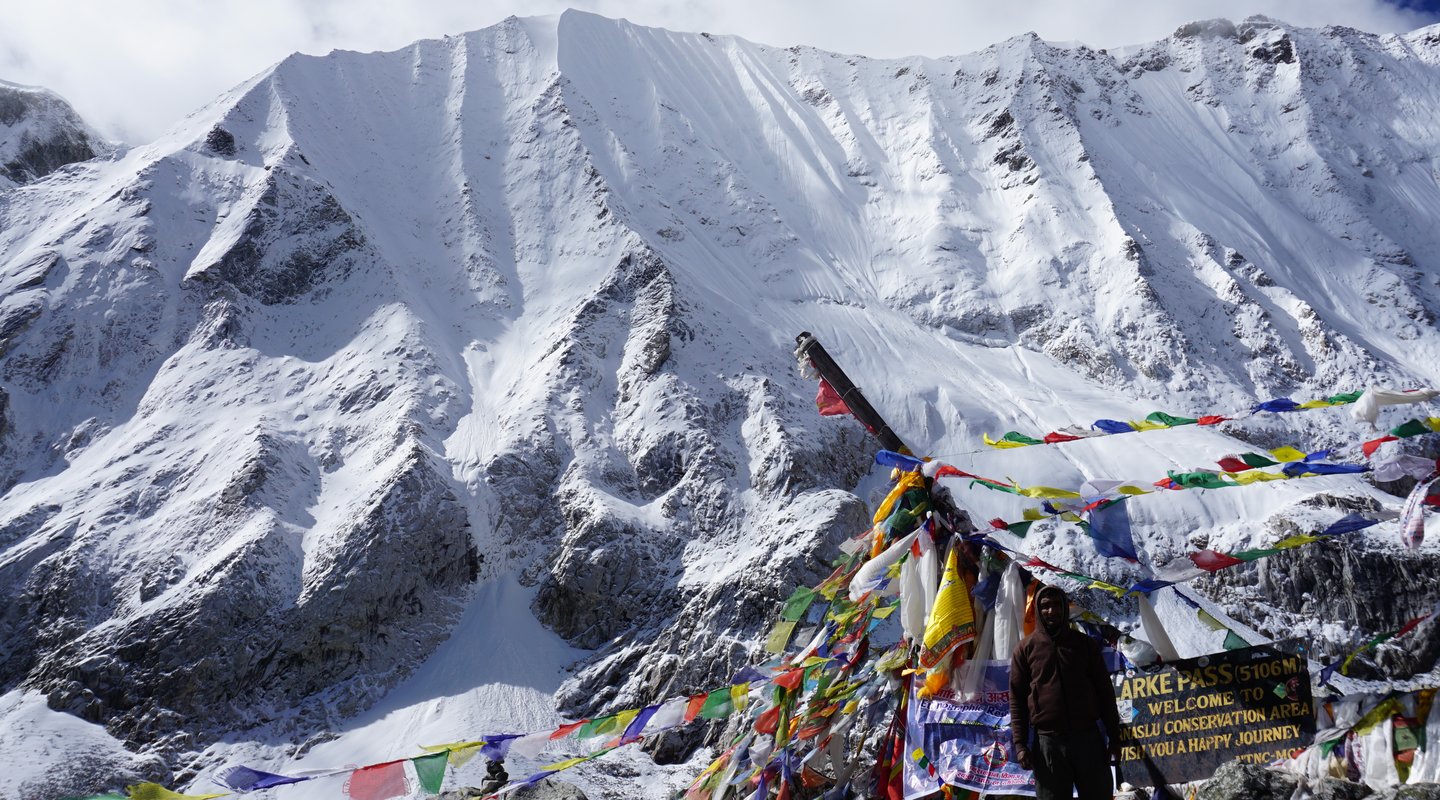
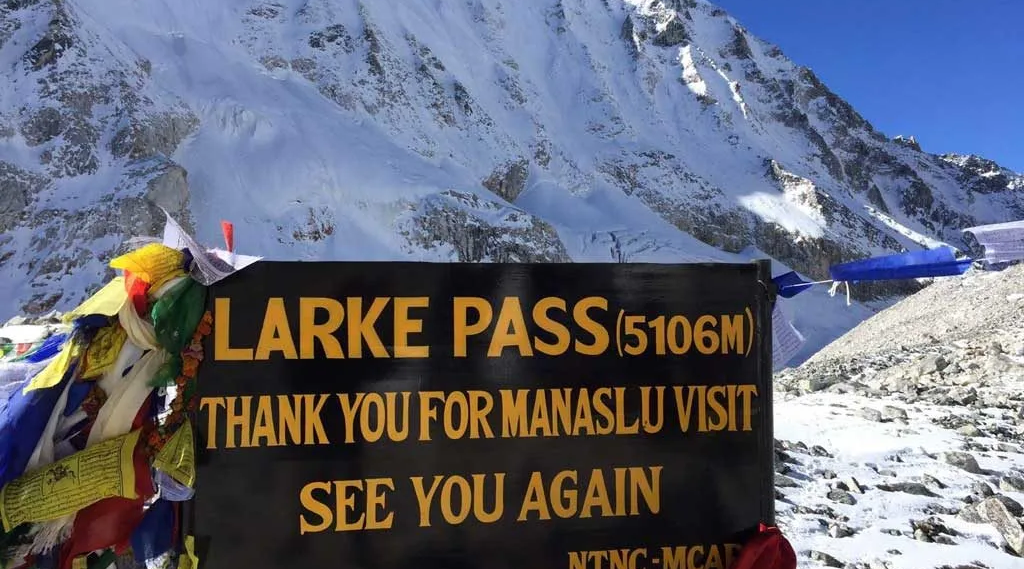
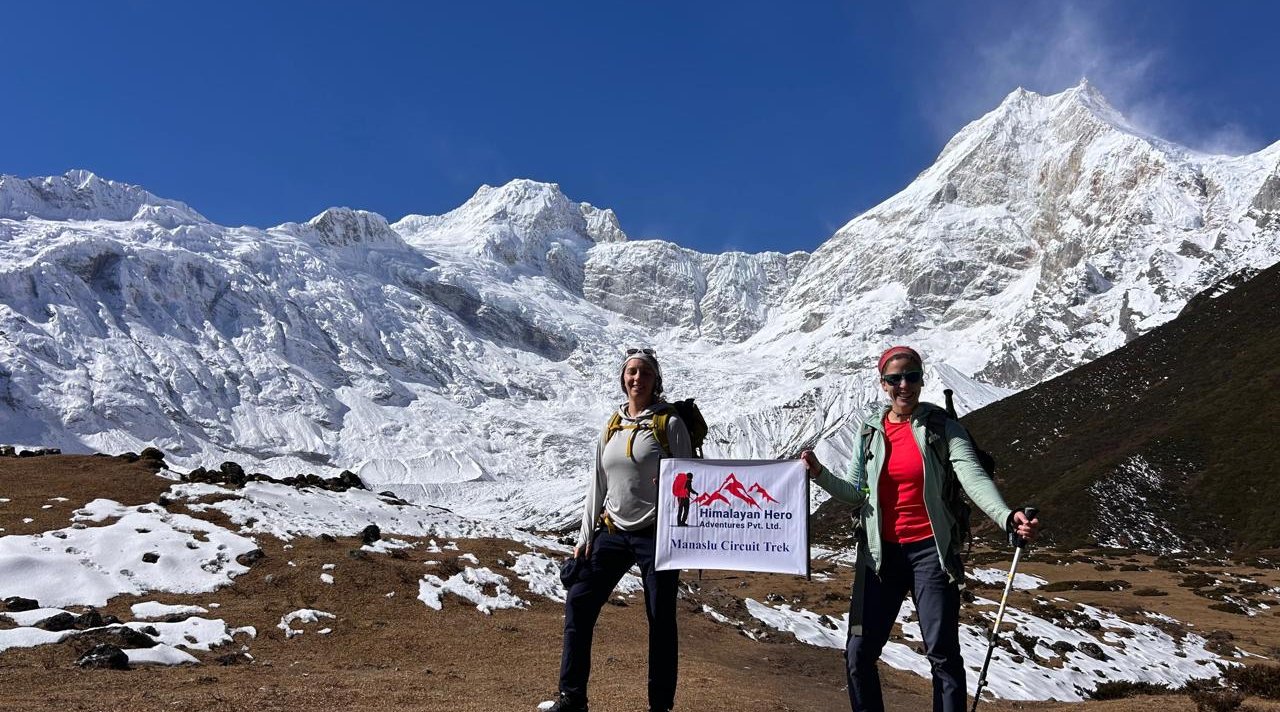
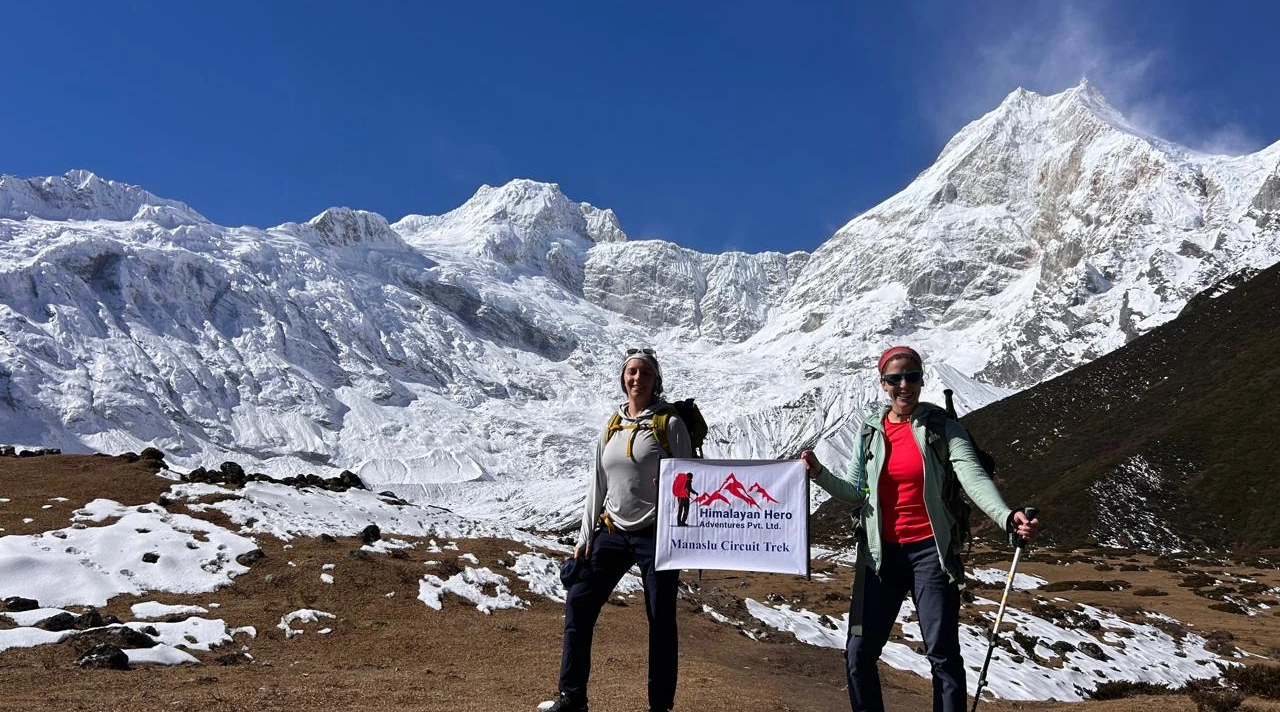
The Manaslu Circuit Trek is one of Nepal’s most untouched and scenic Himalayan routes, circling around the mighty Mount Manaslu (8,163m). The trail takes you through a mix of landscapes, lush forests, deep river valleys, and high alpine terrain before crossing the challenging Larkya La Pass at 5,106 meters. Compared to Everest or Annapurna, this trek feels quieter and more authentic, with traditional villages like Samagaun offering a glimpse into Tibetan-influenced culture. It’s not just a trek; it’s more like a gradual journey into a different way of life… which many trekkers don’t expect at first.
One thing beginners should know is that the Manaslu region is a restricted area, so trekking solo isn’t allowed; you’ll need a licensed guide and special permits. It might feel like extra hassle, but honestly, it makes the trek safer and smoother, especially in such remote terrain. The total duration usually ranges from 10 to 18 days, depending on whether you choose a shorter or longer route. Shorter treks move faster with fewer rest days, while longer ones allow better acclimatization and exploration. If you’re new to high-altitude trekking, taking it slow is usually the smarter choice… even if it tests your patience a bit.
What is a Short Manaslu Circuit Trek?
A Short Manaslu Circuit Trek is basically a compressed version of the classic Manaslu route, usually taking around 10–12 days to complete. Instead of lingering in villages, taking extra rest days, or exploring side trails, this version focuses on the main highlights: the Larkya La Pass, a glimpse of Manaslu Base Camp, and major villages like Samagaun and Dharapani. For trekkers who have limited vacation days or tight schedules, it’s a tempting option. But here’s the catch: the pace is faster, and there’s less time to adjust to high altitudes, so it’s physically more demanding.
The short trek typically skips optional side trips, like detours to the Tsum Valley or Birendra Lake. That means while you’ll still see breathtaking Himalayan views and cross iconic suspension bridges, the experience is more about reaching destinations than immersing yourself in the culture and landscapes along the way. It’s ideal for fit trekkers who are okay with longer trekking days and fewer rest stops. You can check out the details Short Manaslu Circuit Trek 10-Day Package for more itinerary details and bookings.
Here’s an example 10-day itinerary to give you a clearer idea:
Day 1: Drive from Kathmandu to Soti Khola
Day 2: Trek from Soti Khola to Machha Khola (5–6 hrs)
Day 3: Machha Khola to Jagat (6 hrs)
Day 4: Jagat to Deng (6–7 hrs)
Day 5: Deng to Namrung (6 hrs)
Day 6: Namrung to Samagaun (5–6 hrs)
Day 7: Samagaun to Samdo (5 hrs)
Day 8: Samdo to Larkya La Pass to Bimthang (8–10 hrs)
Day 9: Bimthang to Dharapani (7–8 hrs)
Day 10: Drive back to Kathmandu
Beginner Tip: If your vacation is short or you want to fit Manaslu into a tight schedule, this route works, but be prepared for longer trekking days and less time to rest. Carry snacks, stay hydrated, and pace yourself. While it’s totally doable, missing acclimatization days can be tough for first-timers, so listen to your body and don’t push too hard.
The short trek is essentially a “highlights reel” of Manaslu, letting you see the mountains, pass the Larkya La, and experience the main villages without committing to a longer, slower pace. For travelers with limited time or those who want a challenge, this is the go-to option, but remember, rushing through the mountains also means you might miss out on some of the hidden gems along the trail.
What is a Long Manaslu Circuit Trek?
The Long Manaslu Circuit Trek is the full, classic version of the trek, usually lasting 14–18 days. Unlike the short route, the long trek is designed to give you more time for acclimatization, cultural exploration, and side trips, making it ideal for beginners or anyone who wants a richer Himalayan experience. You’ll still cross the famous Larkya La Pass and see Mount Manaslu up close, but you’ll also have time to explore hidden villages, monasteries, and natural landmarks that most short-trek itineraries skip.
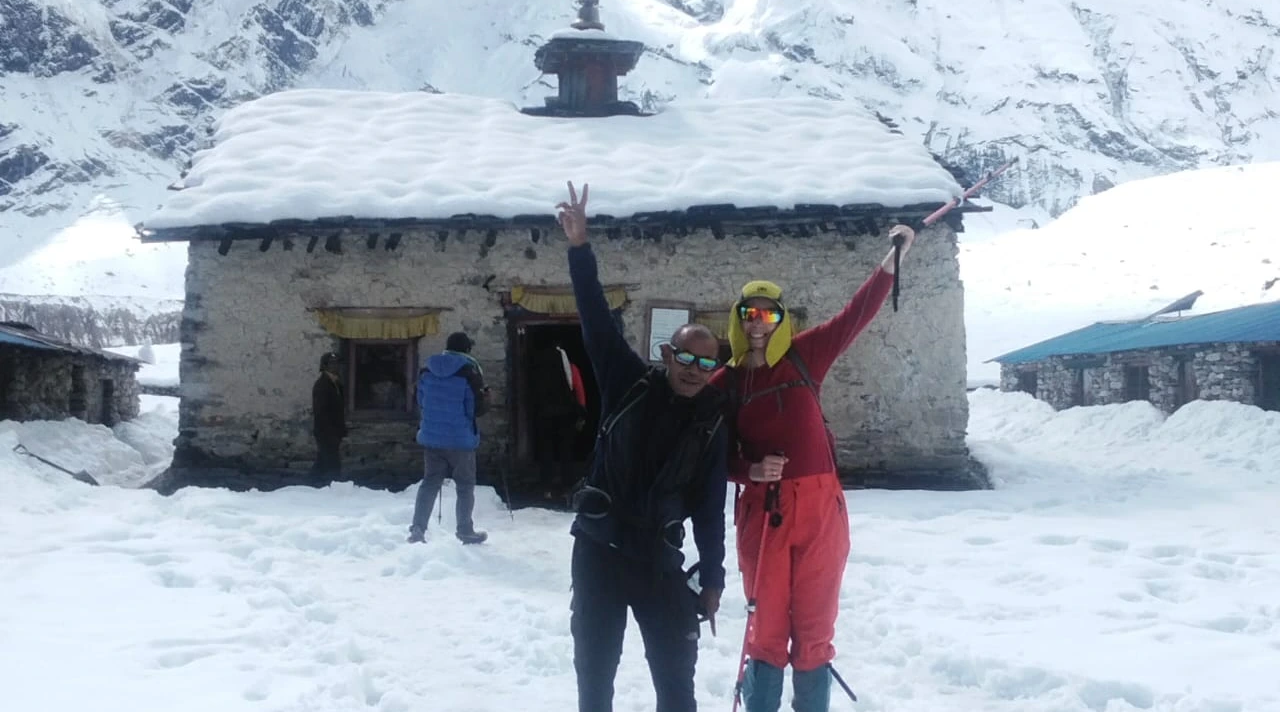
One of the major advantages of the long trek is the gradual ascent, which helps your body adjust to high altitudes. For instance, you might spend extra days in Samagaun or Samdo, allowing your body to acclimatize before attempting the Larkya La Pass. This reduces the risk of altitude sickness and makes the trek more enjoyable. Additionally, the long route allows optional detours to Manaslu Base Camp or even the Tsum Valley, famous for its Tibetan Buddhist culture and remote villages. These side trips add days but provide some of the most breathtaking and off-the-beaten-path experiences in Nepal. You can see the full details and book the trek on the Long Manaslu Circuit Trek Package.
Here’s an example 16-day long trek itinerary to give you an idea:
Day 1: Drive from Kathmandu to Soti Khola
Day 2: Trek Soti Khola to Machha Khola (5–6 hrs)
Day 3: Machha Khola to Jagat (6–7 hrs)
Day 4: Jagat to Deng (6–7 hrs)
Day 5: Deng to Namrung (5–6 hrs)
Day 6: Namrung to Samagaun (5–6 hrs)
Day 7: Acclimatization day in Samagaun (optional short hikes)
Day 8: Samagaun to Samdo (5 hrs)
Day 9: Samdo to Larkya La Pass to Bimthang (8–10 hrs)
Day 10: Rest and recovery day in Bimthang
Day 11: Optional side trip to Manaslu Base Camp
Day 12: Bimthang to Dharapani (7–8 hrs)
Day 13: Detour day: Explore local villages or monasteries
Day 14: Dharapani to Jagat (6–7 hrs)
Day 15: Jagat to Soti Khola (6 hrs)
Day 16: Drive back to Kathmandu
Beginner Tip: The long trek is perfect if you’re new to high-altitude trekking or want to fully enjoy the culture and scenery. Take advantage of rest and acclimatization days; they’re not “wasted time,” they’re essential for a safe and memorable trek.
In short, the long Manaslu trek is about immersion over speed. You’ll walk more slowly, rest more often, and see a lot more of what the region has to offer. For those who want a balance of challenge, adventure, and cultural experience, this route provides the best introduction to the Himalayas. It’s not just a trek; it’s a journey where every day offers something new, from mountain views to Tibetan-influenced villages, ancient monasteries, and serene landscapes that linger in your memory long after you return.
Short vs Long Manaslu Circuit Trek: Key Differences
Choosing between a short and long Manaslu Circuit Trek isn’t just about how many days you have; it affects your experience, safety, cost, and overall enjoyment. Here’s a detailed breakdown to help you decide which route suits your style, fitness, and time
Duration & Time Commitment
- Short Trek: 10–12 days
- Long Trek: 14–18 days
The most obvious difference is the number of days. The short trek is compressed, meaning you’ll cover more distance each day, often trekking 6–10 hours daily. The long trek gives you extra rest and acclimatization days, making it easier on your body and more beginner-friendly.
Tip: If your schedule is tight, the short trek works, but be ready for long trekking days.
Cost Comparison
| Feature |
Short Trek (10–12 days) |
Long Trek (14–18 days) |
| Guide & Porter |
Lower total cost |
Higher cost due to extra days |
| Accommodation |
Less spent |
More spent on teahouses/lodges |
| Food |
Fewer meals |
More meals, slightly higher cost |
| Permits |
Same |
Same |
| Overall Value |
Quick highlights |
Full cultural + scenic experience |
While the short trek costs less overall, the long trek offers more value for money, more scenery, more culture, and safer pacing.
Difficulty Level
- Short Trek: More intense. Fewer rest days mean longer daily trekking, sometimes at higher altitudes without enough acclimatization. Physically demanding, especially for beginners.
- Long Trek: Gradual and beginner-friendly. Extra rest days and slower pace reduce the risk of exhaustion and altitude sickness.
Tip: Beginners should lean toward the long trek to avoid overexertion.
Experience & Scenery
- Short Trek: You’ll hit the main highlights, the Larkya La Pass, Samagaun, and Bimthang, but you might miss hidden gems, like smaller villages or side trails. The trek is about “getting there.”
- Long Trek: Offers a deeper experience, including optional side trips to Manaslu Base Camp, Tsum Valley, and ancient monasteries. You get more cultural immersion and photography opportunities.
Acclimatization & Safety
- Short Trek: Faster pace increases the risk of altitude sickness. Skipping rest days can be risky, especially for first-time trekkers.
- Long Trek: Extra days for acclimatization make it safer. The gradual ascent reduces stress on your body and improves overall trekking experience.
Tip: If you’re unsure, always prioritize safety over speed. It’s better to enjoy the journey than to rush and regret it later.
Summary Table for Quick Reference
| Factor |
Short Trek |
Long Trek |
| Days |
10–12 |
14–18 |
| Pace |
Fast, intense |
Slower, beginner-friendly |
| Cost |
Lower |
Higher but more value |
| Highlights |
Main spots only |
Main + side trips, cultural immersion |
| Safety |
Higher risk of altitude sickness |
Safer with acclimatization |
In short, the short trek is like a highlights reel great if you’re fit and short on time. The long trek is more like a full movie's lower, immersive, and safer, especially for beginners. Choosing the right one comes down to your time, fitness, and what kind of Himalayan adventure you want.
Difficulty Level Explained for Beginners
If you’re new to trekking, the Manaslu Circuit Trek might seem intimidating at first. The trek is usually graded moderate to challenging, depending on the route and your fitness level. For both the short and long versions, you can expect daily walking of 6–8 hours, sometimes more on the steeper sections. While the path is well-trodden, the combination of distance, altitude, and terrain makes it more demanding than easy hill treks around Kathmandu or Pokhara.
One of the main challenges is altitude. The trek crosses the Larkya La Pass at 5,106 meters, where the air is thin, and oxygen levels drop significantly. Even physically fit trekkers may feel breathless, experience headaches, or feel fatigued more quickly. The steep ascents and descents, coupled with long walking days, add to the strain. Mental endurance is equally important; you'll need patience, focus, and motivation to keep moving, especially during cloudy or rainy days when the path can get slippery.
Physical vs. Mental Difficulty: While the trek tests your legs, knees, and cardiovascular system, the mental challenge often surprises beginners. Staying positive during long days, coping with unpredictable weather, and managing minor discomforts like blisters or sore muscles requires resilience. Many first-time trekkers underestimate this aspect, so mental preparation is as crucial as physical training.
Beginner Tip: Preparing in advance makes a huge difference. Include cardio workouts, stair climbing, and day hikes to simulate trekking conditions. Strengthen your legs with squats or lunges, and try carrying a loaded backpack during practice hikes to get used to weight distribution. Even a few weeks of consistent training can improve stamina and confidence on the trail.
Walking 6–8 hours daily is achievable for beginners if you pace yourself, stay hydrated, and rest properly. Remember, the goal isn’t speed; it's to enjoy the scenery, experience the culture, and stay safe at high altitude. With the right preparation, the Manaslu Circuit Trek can be challenging but incredibly rewarding, leaving you with memories that last a lifetime. Learn more on whether the Manaslu Circuit Trek suits your fitness level.
Acclimatization and Altitude Sickness
One of the biggest concerns for beginners on the Manaslu Circuit Trek is altitude sickness, also called Acute Mountain Sickness (AMS). When you ascend too quickly above 3,000 meters, your body may struggle to adapt to lower oxygen levels. The higher you go, like at Larkya La Pass (5,106 m), the more noticeable these effects become. This is why understanding acclimatization is crucial, especially for first-time trekkers. Learn how to prevent altitude sickness on the Manaslu Circuit to stay safe and enjoy the trek.
Why longer treks are safer:
Longer itineraries provide extra rest and acclimatization days, which allow your body to gradually adjust to higher altitudes. Short treks, while tempting for those with limited time, push you faster and increase the risk of altitude-related issues. Even if you feel fine on the lower sections, skipping acclimatization can lead to headaches, nausea, or worse, serious complications like High Altitude Pulmonary Edema (HAPE) or High Altitude Cerebral Edema (HACE).
Common symptoms of altitude sickness:
- Headache
- Nausea or vomiting
- Dizziness or lightheadedness
- Shortness of breath even at rest
- Fatigue or weakness
- Loss of appetite
- Trouble sleeping
Beginner Tip: Follow the golden rule: “Climb high, sleep low.” This means you can trek to a higher altitude during the day but return to a lower spot to sleep, helping your body adapt gradually.
Actionable advice for prevention:
- Hydrate frequently: Drink plenty of water, even if you’re not thirsty. Dehydration worsens AMS.
- Eat light but nutritious meals: Foods rich in carbohydrates help maintain energy.
- Take rest days seriously: Even one extra day at Samagaun or Samdo can make a huge difference.
- Avoid alcohol and smoking: Both can increase the risk of altitude sickness.
- Ascend gradually: Don’t rush to the Larkya La Pass; listen to your body.
Remember, altitude sickness isn’t something to “push through.” Ignoring symptoms can turn a bad headache into a serious medical emergency. Longer treks not only give you more scenic experiences but also keep you safer by giving your body the time it needs to adjust. For beginners, patience and caution are key; you'll enjoy the mountains much more when you’re healthy and well-acclimatized.
Cost Breakdown: Short vs Long Trek
One of the first questions most trekkers ask is, "How much will the Manaslu Circuit Trek actually cost?” The answer depends on whether you choose the short (10–12 days) or long (14–18 days) route. Let’s break down the key expenses so you can plan your budget realistically.
Permits
Both short and long treks require the same permits: the Manaslu Restricted Area Permit, TIMS card, and Annapurna Conservation Area Permit (ACAP). These are non-negotiable and cost roughly the same regardless of your trek length.
Guide & Porter Costs
Hiring a licensed guide is mandatory in the Manaslu region. For short treks, you’ll need them for fewer days, so costs are lower. For longer treks, extra days naturally increase guide and porter fees. If you’re traveling solo, hiring a porter can also make your trek much easier, especially on steep sections or long days.
Accommodation & Food
Accommodation is mostly in tea houses or lodges. Short trekkers spend fewer nights on the trail, so total costs are lower. Long-trek trekkers pay more for lodging but get the benefit of more rest days and meals, making the journey more relaxed and enjoyable. Food prices are fairly standard, though slightly higher in remote villages like Samdo or Samagaun.
Transportation
Most trekkers drive from Kathmandu to Soti Khola to start the trek, then return the same way. Transportation costs are usually the same for short and long treks unless you add side trips or extra days for sightseeing.
Here’s a simple cost comparison table
| Expense |
Short Trek (10–12 days) |
Long Trek (14–18 days) |
| Permits |
$60–70 |
$60–70 |
| Guide & Porter |
$200–300 |
$300–450 |
| Accommodation & Food |
$150–250 |
$250–400 |
| Transportation |
$50–80 |
$50–80 |
| Total Estimated Cost |
$460–700 |
$660–1,000 |
Beginner Tip: To save money, consider trekking in a small group to share guide and porter costs. Traveling off-season (March–May or September–November shoulder months) can also reduce accommodation and transport expenses.
While the short trek is cheaper overall, the long trek provides better value for money; you get more rest, more experiences, and safer acclimatization. So if your budget allows, spending a bit more can make your Manaslu adventure far more enjoyable.
Sample Itineraries: Short vs Long Manaslu Trek
Planning your trek becomes much easier when you see day-by-day breakdowns. Below are sample itineraries for both short and long routes to help you visualize the trek and decide which suits your schedule.
Short Trek (10–12 Days)
This is a compressed version focusing on the main highlights with fewer rest days:
- Day 1: Drive Kathmandu → Soti Khola
- Day 2: Soti Khola → Machha Khola (5–6 hrs)
- Day 3: Machha Khola → Jagat (6–7 hrs)
- Day 4: Jagat → Deng (6–7 hrs)
- Day 5: Deng → Namrung (5–6 hrs)
- Day 6: Namrung → Samagaun (5–6 hrs)
- Day 7: Samagaun → Samdo (5 hrs)
- Day 8: Samdo → Larkya La Pass → Bimthang (8–10 hrs)
- Day 9: Bimthang → Dharapani (7–8 hrs)
- Day 10: Drive Dharapani → Kathmandu
Tip: This itinerary is fast-paced. If possible, keep 1–2 buffer days in case of bad weather or fatigue.
Long Trek (14–18 Days)
The long trek allows gradual pacing, acclimatization, and optional side trips:
- Day 1: Drive Kathmandu → Soti Khola
- Day 2: Soti Khola → Machha Khola (5–6 hrs)
- Day 3: Machha Khola → Jagat (6–7 hrs)
- Day 4: Jagat → Deng (6–7 hrs)
- Day 5: Deng → Namrung (5–6 hrs)
- Day 6: Namrung → Samagaun (5–6 hrs)
- Day 7: Acclimatization day in Samagaun (optional short hikes)
- Day 8: Samagaun → Samdo (5 hrs)
- Day 9: Samdo → Larkya La Pass → Bimthang (8–10 hrs)
- Day 10: Rest/recovery day in Bimthang
- Day 11: Optional side trip to Manaslu Base Camp
- Day 12: Bimthang → Dharapani (7–8 hrs)
- Day 13: Explore villages/monasteries en route
- Day 14: Dharapani → Jagat (6–7 hrs)
- Day 15: Jagat → Soti Khola (6 hrs)
- Day 16: Drive Soti Khola → Kathmandu
Tip: Long treks are beginner-friendly. Use extra rest days to acclimatize and recover, and always allow 1–2 buffer days for unforeseen delays.
This visual comparison helps you see the difference in pace, rest, and exploration opportunities, making it easier to pick the route that fits your fitness, time, and adventure goals.
Who Should Choose a Short Trek?
A short Manaslu Circuit trek is ideal for experienced trekkers, travelers with limited time, or those on a tighter budget. If you’re physically fit and comfortable with long days of walking at high altitudes, the short trek lets you experience the highlights like Larkya La Pass and Samagaun without committing to extra days on the trail.
For example, imagine a working professional with only 12 days of vacation. They want to see the Himalayas but can’t afford to spend more than a week trekking. A short trek compresses the experience into a manageable timeframe, letting them enjoy stunning mountain views while still returning to Kathmandu on schedule.
Tip: Only choose the short trek if you’re physically prepared. Longer trekking days, fewer rest stops, and less acclimatization time mean the pace can be intense. Skipping proper training or ignoring altitude warning signs could turn your adventure into a struggle instead of a joy.
Who Should Choose a Long Trek?
The long Manaslu Circuit Trek is perfect for beginners, photographers, culture lovers, and slow travelers. It provides extra rest and acclimatization days, allowing trekkers to explore villages, monasteries, and side trails like Manaslu Base Camp or Tsum Valley. This route emphasizes the journey over speed, making it ideal for anyone trekking in the Himalayas for the first time.
For instance, a first-time trekker who loves photography and cultural experiences can take a 16-day-long trek, capture serene landscapes, interact with locals, and still stay safe at higher altitudes. The slower pace ensures they don’t feel rushed and can truly soak in the mountains and culture.
Tip: Choose the long trek if you want to enjoy every moment of your Himalayan adventure. The extra days aren’t wasted; they're essential for safety, acclimatization, and fully experiencing what the Manaslu region has to offer.
Practical Tips for Beginners
Trekking the Manaslu Circuit can be a life-changing experience, but preparation is key, especially for beginners. Here’s a practical guide to help you plan smartly:
- Packing Essentials:
- Clothing: Layered system base layer, insulating layer, waterproof outer layer
- Footwear: Comfortable trekking boots with good grip, plus spare socks
- Gear: Trekking poles, headlamp, water bottle, sunglasses, hat, gloves
- Health: Personal medications, sunscreen, first-aid kit
- Documents: Passport, trekking permits, travel insurance
- Hiring Guide/Porter:
- A licensed guide is mandatory in Manaslu; a porter is optional but helpful for carrying heavy backpacks
- Guides provide route knowledge, cultural insights, and help manage altitude challenges
- Sharing a porter in a small group can reduce costs
- Physical Preparation:
- Start cardio exercises like jogging or cycling 6–8 weeks before the trek
- Include stair climbing or hill hikes to strengthen legs
- Practice walking with a loaded backpack to simulate trek conditions
- Travel Insurance:
- Choose a plan covering high-altitude trekking, evacuation, and medical emergencies
- Make sure it’s valid for the full duration of your trek
Beginner Tip: Don’t overpack; every extra kilogram adds strain at high altitudes. Stick to essentials, and trust your porter for heavier items.
With careful preparation, you’ll maximize comfort, safety, and enjoyment on the trail, leaving more energy to focus on the breathtaking Himalayan scenery.
Experience Comparison: What You’ll Miss or Gain
Choosing between a short or long trek isn’t just about days; it's about what you experience.
- Short Trek: You’ll cover the main highlights, Larkya La Pass, Samagaun, and Bimthang, but you’ll likely skip side trips like Manaslu Base Camp, Tsum Valley, and smaller villages. Cultural interactions are limited, and you may feel rushed through landscapes that deserve a slow appreciation.
- Long Trek: Gives you extra days to explore hidden monasteries, remote villages, and scenic side trails. You can photograph quiet valleys, engage with locals, and immerse yourself in Tibetan-influenced culture. The slower pace means your trek is about living the journey, not just reaching destinations.
For example, a photographer on a long trek might spend a morning capturing the golden sunrise over Samdo and an afternoon exploring a monastery nearby moments a short trek simply doesn’t allow.
Tip: Remember the mantra "experience vs. efficiency.” Short treks maximize efficiency; long treks maximize experience. Decide which matters more for you before choosing your route.
Conclusion and Final Thoughts
The Manaslu Circuit Trek offers an unforgettable Himalayan adventure, whether you choose the short 10–12 day route or the long 14–18 day version. The short trek is ideal for experienced trekkers or those with limited time, focusing on main highlights with a faster pace. The long trek is perfect for beginners, culture lovers, and slow travelers, giving extra days for acclimatization, side trips, and cultural immersion. Choosing the right trek depends on your fitness level, schedule, budget, and preference for exploration versus efficiency.
Ultimately, this trek is more than just a path through the mountains; it's an opportunity to experience Nepal’s breathtaking landscapes, traditional villages, and rich Himalayan culture. Prioritize safety, preparation, and pacing, and take the time to enjoy the journey. Learn how to prevent altitude sickness, follow expert guidance, and consider booking with the best trekking company to make your adventure seamless and memorable. With proper planning, training, and mindset, the Manaslu Circuit can be a life-changing experience, leaving you with memories that last a lifetime.
FAQ
How many days for Manaslu Circuit Trek?
The trek typically takes 10–12 days for the short route and 14–18 days for the long route.
Is short trek safe?
The short trek can be safe for experienced trekkers, but it’s more intense and allows
less acclimatization, so beginners may face higher risk of altitude sickness.
Can beginners do Manaslu Circuit?
Yes, beginners can do the long trek, which provides extra rest and acclimatization days, making it safer and more manageable.
Which is better: a short or long trek?
The long trek is better for beginners and those who want a full experience, while the short trek suits experienced trekkers or travelers with limited time.