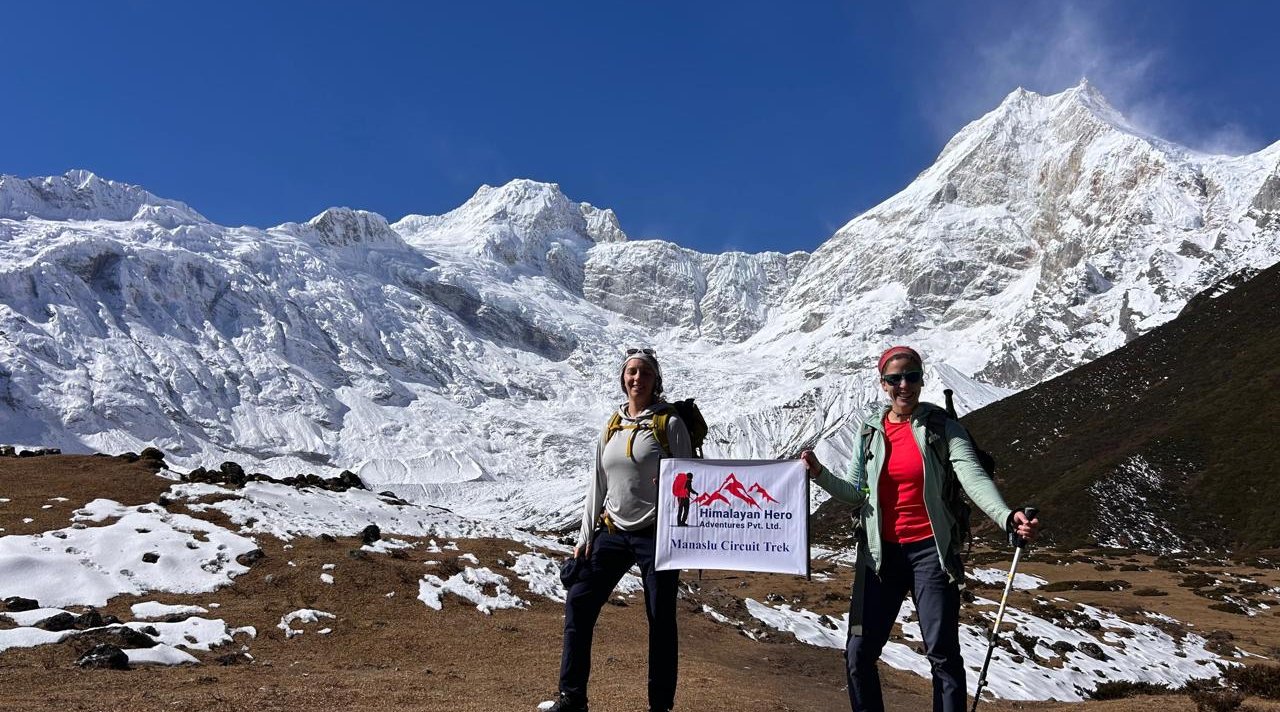
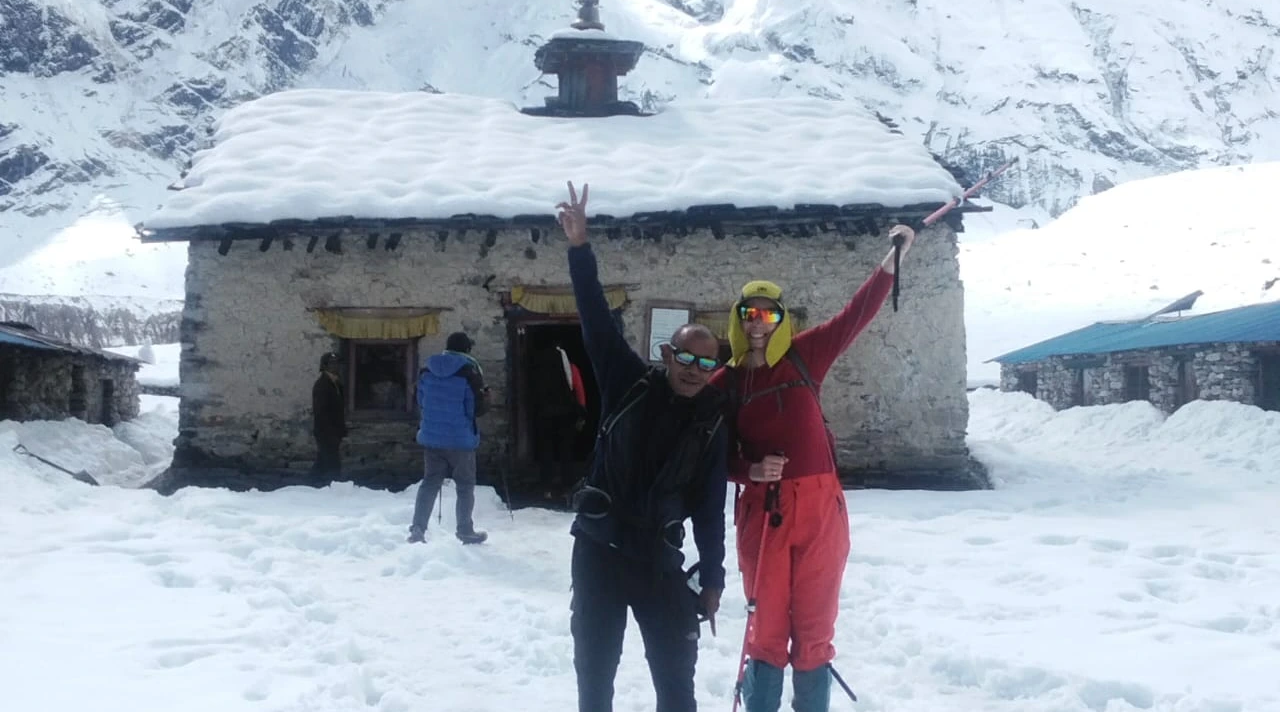
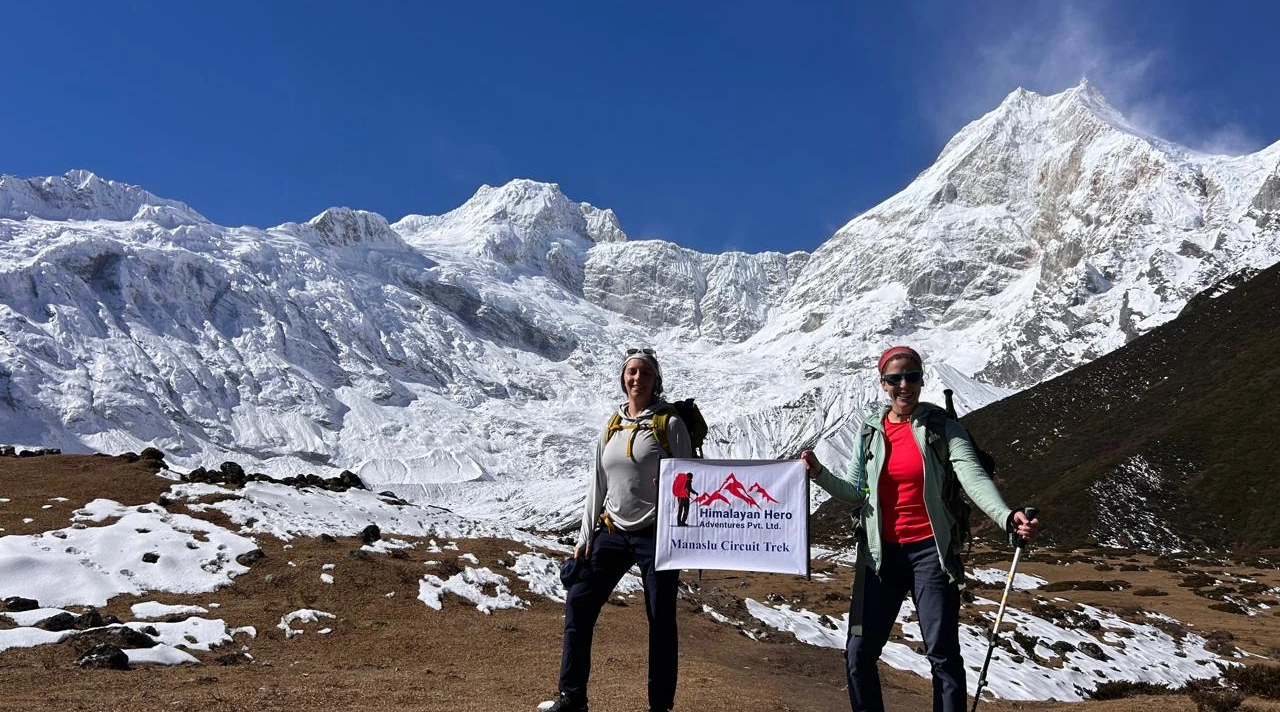
The first thing most trekkers notice isn't the mountains. It's the silence.
After hours on the winding road from Kathmandu, the engine cuts out at Syabrubesi, and suddenly there's nothing but river sound and wind through prayer flags. This moment—stepping out of the vehicle into mountain air—marks the real beginning. And from our experience guiding trekkers through Langtang for over a decade, we've learned that what happens next shapes everything that follows.
Langtang Valley feels different when you walk it with someone who knows the trail intimately. Not just the route on a map, but the shortcuts after landslides, the teahouse owner whose grandmother makes the best sel roti, the section where afternoon clouds roll in fast. These details don't appear in guidebooks. They live in the accumulated knowledge of local guides who've walked these paths hundreds of times.
First Impressions: Where the Trail Begins
The trek starts deceptively gently. Syabrubesi sits at 1,550 meters—low enough that breathing feels normal, warm enough for t-shirts in autumn sun. First-time Himalayan trekkers often feel a surge of confidence here. The mountains seem manageable.
![]()
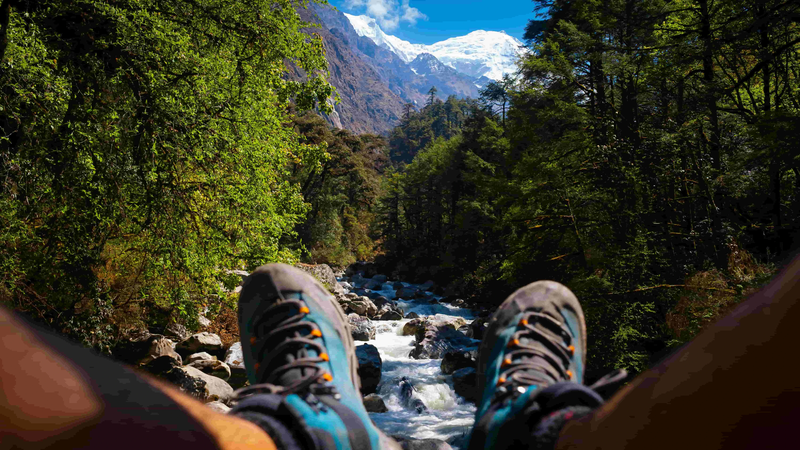
What we see most first-time trekkers underestimate is cumulative fatigue. Day one involves crossing the Langtang Khola and climbing through oak and rhododendron forest toward Lama Hotel. The trail gains 900 meters over five to six hours. By mid-afternoon, that initial confidence has usually transformed into honest respect for the terrain.
- Trail atmosphere: Forest-enclosed, river sounds constant, occasional glimpses of snow peaks through canopy
- Physical reality: Steady climbing, stone steps, suspension bridges requiring focus
- Guide role: Setting sustainable pace, identifying rest points, reading individual energy levels
As local trekking guides in Langtang, we watch body language constantly. The trekker who starts too fast and needs frequent stops by hour three. The quiet one who's struggling but won't say so. The experienced hiker whose confidence masks inadequate acclimatization awareness. Reading these signals early prevents problems later.
Daily Rhythm: How the Trail Shapes Each Day
Mornings in Langtang follow a pattern that becomes familiar by day three. Wake around 6:00 AM to kitchen sounds below. Wash face with cold water. Breakfast appears: porridge, eggs, Tibetan bread with honey, endless tea.
We typically start walking by 7:30 AM. The first two hours are best for distance, when air is cool and legs fresh. Mid-morning brings a teahouse stop for tea and snacks. This isn't laziness—it's strategy. Small, frequent fuel keeps energy stable better than pushing through to a late lunch.
- Morning: Cool air, strong legs, cover primary distance
- Midday: Tea stop, light food, assess weather and energy
- Afternoon: Moderate pace, reach accommodation by 3:00-4:00 PM
- Evening: Rest, dinner, early sleep (7:30-8:30 PM typical)
A Typical Day on the Trail:
- 6:00 AM – Wake, wash, pack while teahouse prepares breakfast
- 7:30 AM – Start trekking during the coolest, most productive hours
- 10:30 AM – Tea break for 20-30 minutes with light snack
- 12:30 PM – Full lunch, 45-60 minutes rest
- 3:30 PM – Arrive at destination, settle into teahouse
- 6:00 PM – Dinner in communal dining room near the stove
This rhythm might seem slow to trekkers accustomed to aggressive day-hiking schedules. But the Himalaya rewards patience. The villages you pass through aren't obstacles to your destination—they are the destination.
Tamang Villages: What Only Local Guides Can Share
The Langtang Valley is Tamang homeland. This matters more than most trekkers initially realize.
When we pass through villages like Langtang (rebuilt after 2015) and approach Kyanjin Gompa, the connections our guides have with local families transform brief encounters into genuine exchanges. A guide who's known the teahouse owner for fifteen years doesn't just order food—they share news, ask about family, discuss last season's snowfall.
From our experience guiding trekkers through Tamang communities, we've noticed how these relationships open doors that remain closed to strangers walking through independently. The invitation to see inside a traditional home. The explanation of prayer flag colors and their meanings. The story behind a particular mani stone carved by someone's grandfather.
- Language access: Tamang and Nepali conversation reveals cultural context unavailable in English
- Historical knowledge: Stories of the 2015 earthquake, community rebuilding, families who lost everything
- Religious insight: Buddhist practices, monastery protocols, appropriate behavior at sacred sites
- Practical connections: Best rooms, freshest food, accurate local weather knowledge
One moment stands out from recent seasons. A trekker asked about a small shrine near the trail, clearly moved by its placement. Our guide explained it marked where a family had lost three members in the 2015 avalanche. The shrine's location, the offerings left there, the community's ongoing mourning—none of this information exists in any guidebook. It requires human connection.
Altitude and Acclimatization: The Invisible Challenge
Altitude sickness doesn't care about fitness level. We've guided marathon runners who struggled at 3,500 meters and sixty-year-olds who felt fine at 4,800 meters. The body's response to reduced oxygen follows its own logic.
As local trekking guides in Langtang, we've developed instincts for acclimatization beyond textbook protocols. Yes, we know the guidelines: don't gain more than 500 meters sleeping altitude per day above 3,000 meters, stay hydrated, avoid alcohol. But real management involves constant observation.
The trekker who's unusually quiet at dinner. The one whose appetite disappeared. The headache that "isn't that bad" but hasn't gone away. These early signals, caught and addressed, prevent serious problems.
- Hydration monitoring: Checking water bottle levels, encouraging frequent small drinks
- Pace adjustment: Slowing individuals showing early symptoms without embarrassing them
- Sleep altitude awareness: Choosing teahouses based on acclimatization needs
- Honest conversations: Discussing symptoms openly, removing stigma from admitting discomfort
What we see most in first-time trekkers struggle with is admitting vulnerability. Good guides create environments where honest communication about physical state feels safe.
The Langtang Valley profile suits acclimatization well. The gradual gain from Syabrubesi (1,550m) to Kyanjin Gompa (3,870m) allows bodies to adjust progressively. The optional Tserko Ri summit (4,984m) is a day hike returning to a lower sleeping altitude—the climb-high, sleep-low principle in action.
Weather, Trail Conditions, and Unexpected Realities
The trail you see in photographs isn't always the trail you walk.
Landslides reshape sections every monsoon. Bridges wash out and get rebuilt in different locations. Local guides walk these trails regularly—we know what's changed since your research was published.
Weather in the Langtang Valley can shift dramatically within hours. A clear morning becomes an afternoon whiteout. Knowing when to push forward and when to wait out weather comes from experience, not forecasts.
- Seasonal variations: Spring trails may have snow patches above 3,500m; autumn trails are drier but colder
- Recent conditions: Last week's rain, this month's landslide reports, current bridge status
- Microclimate awareness: Valley sections that trap cold air, exposed ridges that catch wind
- Backup planning: Alternative routes, emergency shelter locations, evacuation options
One situation recurs every season: trekkers who planned for the weather they wanted rather than the weather that arrived. October doesn't guarantee sunshine. A local guide carries knowledge of options—the teahouse with the working heater, the sheltered lunch spot, the section to skip when conditions deteriorate.
Teahouse Life: More Than Just a Bed
Teahouses in the Langtang Valley range from simple wooden buildings with shared rooms to relatively comfortable lodges with attached bathrooms. What they share is a social atmosphere that surprises many first-time trekkers.
The dining room is the heart of teahouse life. A central stove—burning wood or dried yak dung at higher elevations—provides the only reliable warmth. Trekkers from different groups, different countries, different walks of life gather around these stoves in the evening, sharing stories over dal bhat and endless cups of tea.
From our experience guiding trekkers, we've seen these evenings become highlights of the journey. The German engineer and the Australian student discovering shared interests. The solo trekker finding unexpected community. The quiet conversation with a Tamang grandmother that opens a window into mountain life.
- Room reality: Basic but clean, foam mattresses, sleeping bags essential, shared bathrooms standard
- Food quality: Better than expected, dal bhat is unlimited and nutritious, avoid meat at high altitude
- Social dynamics: Communal dining creates natural connection, guides facilitate introductions
- Evening rhythm: Dinner at 6:00 PM, stove conversation until 8:00 PM, early sleep normal and welcomed
What to Expect in Teahouses:
- Rooms – Twin beds with basic bedding. Bring a sleeping bag liner for warmth and hygiene.
- Bathrooms – Shared facilities, squat toilets common. Hot showers available for $2-3. Bring a quick-dry towel.
- Dining – Communal room with central stove. Arrive early for seats near the heat source.
- Charging – Available at most stops for $2-3. Bring a portable battery as backup.
The food deserves special mention. Dal bhat—the Nepali staple of rice, lentil soup, vegetables, and pickles—fuels the Himalaya. It comes with unlimited refills, providing the calories needed for sustained trekking. Our guides often recommend it over Western menu items, which are harder to prepare properly at altitude and more likely to cause stomach issues.
Emotional Moments: What Trekkers Remember Most
After guiding hundreds of trekkers through Langtang, we've noticed patterns in what stays with people long after they return home.
It's rarely the summit views, though those are spectacular. More often, it's smaller moments: the unexpected kindness of a teahouse owner who noticed they were struggling. The sunrise that painted Langtang Lirung gold while everyone else was still sleeping. The conversation with a local child practicing English. The profound silence of a morning when fresh snow had fallen overnight.
The 2015 earthquake memorial at Langtang Village creates powerful moments for many trekkers. Standing where an entire community was buried, reading the names of the lost, understanding that the rebuilt village nearby represents both grief and resilience—this experience affects people deeply. Our guides provide context carefully, allowing space for reflection without overwhelming.
- Connection moments: Conversations with locals, shared meals with fellow trekkers, guide relationships
- Natural awe: Sunrise alpenglow, first mountain views, star-filled night skies without light pollution
- Personal achievement: Reaching Kyanjin Gompa, completing Tserko Ri, proving capability to oneself
- Cultural understanding: Monastery visits, festival encounters, glimpses into Tamang daily life
What we see most first-time trekkers surprised by is how the journey affects them emotionally. Many arrive expecting a physical challenge and leave having experienced something closer to pilgrimage. The mountains have that effect on people.
Why Langtang Suits First-Time Himalayan Trekkers
Not every Nepal trek works for beginners. Some routes demand prior high-altitude experience, technical skill, or extreme fitness. Langtang Valley offers genuine Himalayan adventure at a difficulty level that prepared first-timers can manage.
The moderate altitude profile—sleeping no higher than 3,870 meters at Kyanjin Gompa—reduces altitude sickness risk compared to routes pushing above 5,000 meters. The well-established teahouse network means no camping required. The accessibility from Kathmandu—no flights, just a scenic drive—eliminates weather-dependent logistics that complicate other regions.
As local trekking guides, we often recommend Langtang to trekkers who want to test themselves in the Himalaya before committing to more demanding routes. Success here builds confidence, experience, and understanding of how your body responds to altitude. It's preparation for future adventures as much as a destination in itself.
For those ready to experience the Langtang Valley with local guidance, the combination of cultural depth, natural beauty, and manageable challenge creates something special. Our guided Langtang Valley trek reflects everything we've learned walking these trails—the pacing, the connections, the knowledge that turns a hike into an experience.
The Value of Local Guidance
We could list credentials and certifications. We could emphasize safety protocols and emergency procedures. These matter, and responsible agencies maintain high standards.
But the real value of trekking with local guides lies in something harder to quantify: accumulated wisdom from years of walking these specific trails with hundreds of different trekkers. Knowing when to push and when to rest. Reading weather, reading people, reading situations. Having relationships in the communities you pass through.
The Langtang Valley rewards those who approach it with patience and openness. The mountains reveal themselves gradually—through morning mist, through evening light, through the stories shared around teahouse stoves. A good guide doesn't just show you the trail. They help you see what's really there.
When you're ready to walk the Langtang Valley, consider who walks beside you. The choice shapes everything that follows.
Written by the guiding team at Himalayan Hero Adventures, drawing on over a decade of experience leading treks through the Langtang region. These observations come from countless days on the trail, conversations with trekkers from around the world, and deep relationships with the Tamang communities who call this valley home.