The Manaslu Tsum Valley Trek Package is a fully organized, government-regulated trekking program that combines two of Nepal’s most remote and culturally preserved Himalayan regions: the Manaslu Circuit and the sacred Tsum Valley. Unlike popular trekking routes where independent travel is common, this region requires structured logistics, licensed local guides, and official permits issued only through registered trekking agencies.
This is not a casual teahouse walk, nor is it a luxury trek. It is a serious Himalayan journey designed for trekkers who want deep cultural immersion, dramatic mountain landscapes, and a quieter alternative to Nepal’s busier trekking corridors.
From an operational perspective, the package exists to ensure:
From a trekker’s perspective, the package offers something increasingly rare in Nepal: time and access. Time to walk slowly through traditional villages, and access to regions where daily life still follows centuries-old Tibetan Buddhist traditions rather than tourism schedules.
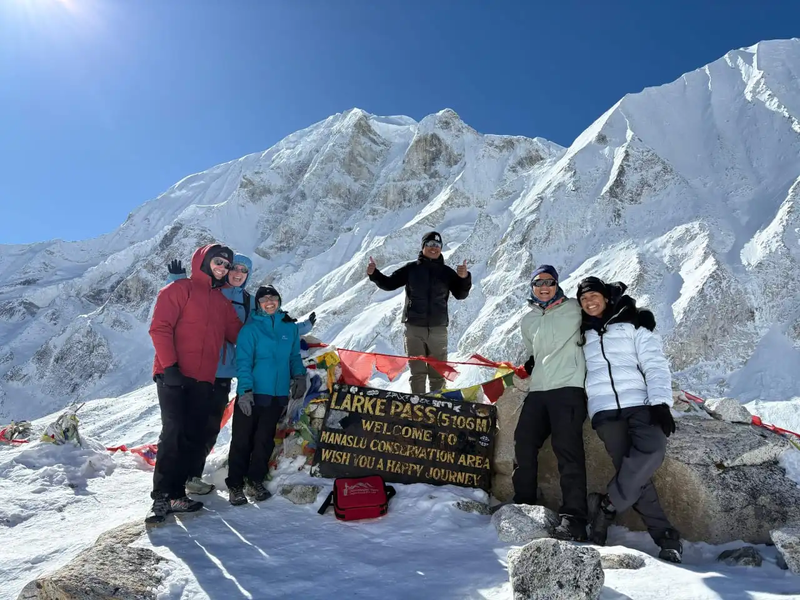
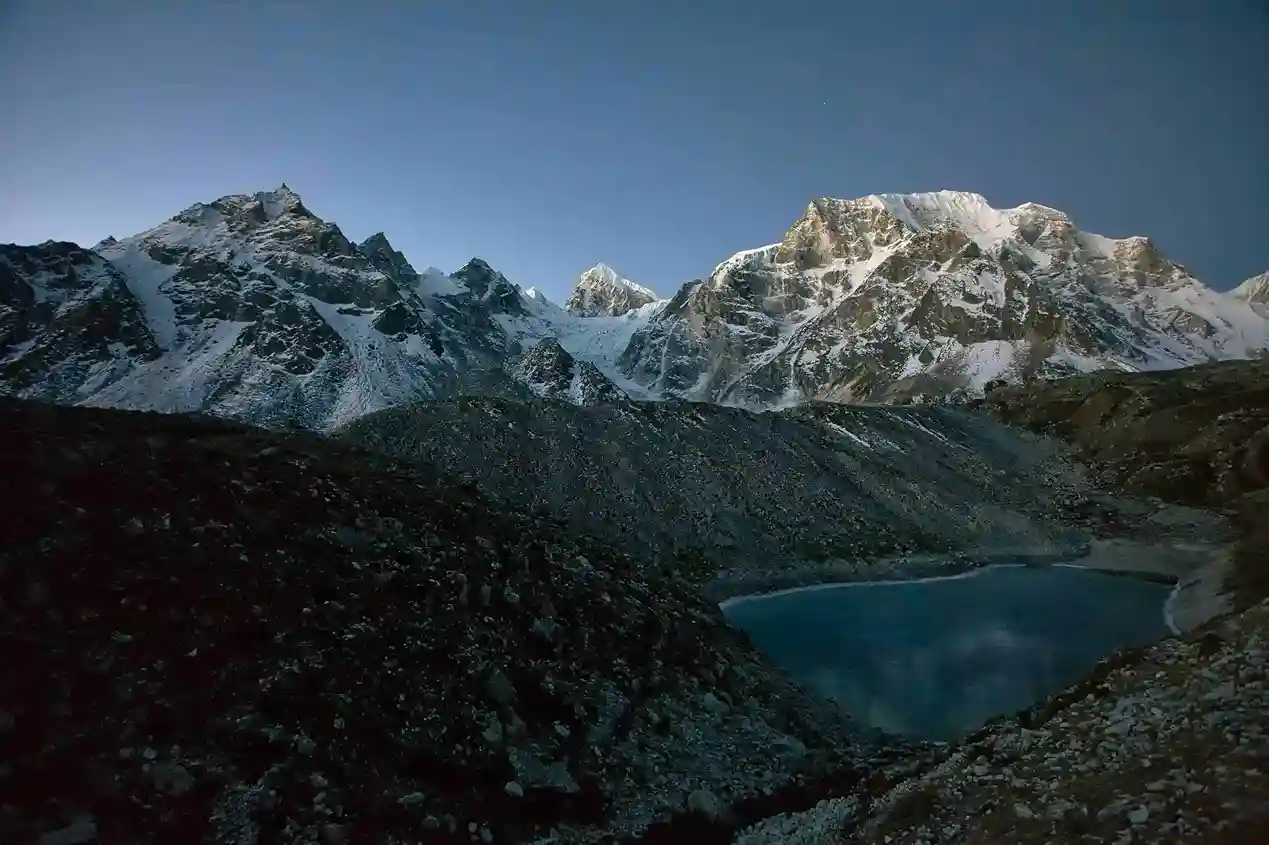
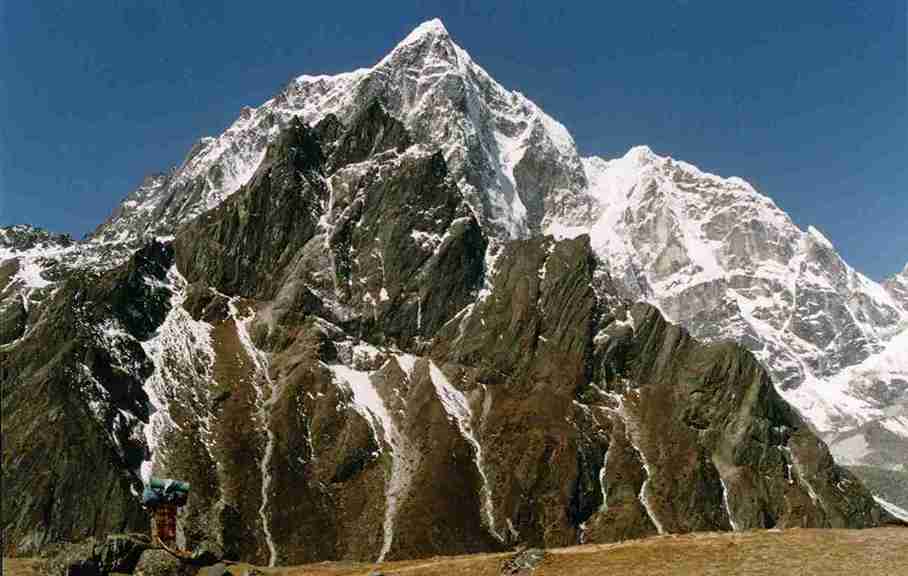
The Manaslu Tsum Valley Trek follows the Budhi Gandaki River north from the lower hills of Gorkha District, gradually ascending through subtropical forests, terraced farmlands, and deep river gorges. As elevation increases, the landscape transitions into alpine terrain beneath the dramatic peaks of the Manaslu Himal, including Mount Manaslu (8,163m), the eighth-highest mountain in the world.
What distinguishes this package from the standard Manaslu Circuit Trek is the extended exploration of Tsum Valley, accessed near the village of Lokpa. Rather than treating Tsum Valley as a short detour, this trek allocates meaningful time to explore its villages, monasteries, and high mountain landscapes.
Tsum Valley is a culturally distinct region with strong historical ties to Tibet. The valley is home to ancient monasteries such as Mu Gompa and Rachen Gompa, long mani walls, prayer flags, and villages where Tibetan language and customs remain central to daily life.
The people of Tsum Valley follow the Shagya tradition, a unique Buddhist practice emphasizing non-violence. Hunting and animal slaughter are prohibited in much of the valley, and this philosophy shapes local attitudes toward nature and outsiders.
After completing the Tsum Valley section, the route reconnects with the main Manaslu Circuit and continues toward the higher alpine zone, eventually crossing Larke Pass (5,160m). This creates a trek that balances cultural immersion with classic high-altitude Himalayan trekking.
In many trekking regions of Nepal, independent trekking is possible. The Manaslu Tsum Valley region operates under different rules.
The Government of Nepal classifies both Manaslu and Tsum Valley as restricted areas, meaning:
These regulations exist to protect local culture, manage visitor numbers, and ensure safety in an area where rescue and evacuation can be logistically complex.
As a result, the Manaslu Tsum Valley Trek must be organized as a package. This structure ensures that trekkers are properly registered, guided by trained professionals, and supported throughout the journey.
For trekkers, this system removes much of the uncertainty associated with remote trekking. Permits, logistics, accommodation coordination, and emergency planning are handled in advance, allowing trekkers to focus on the experience itself.
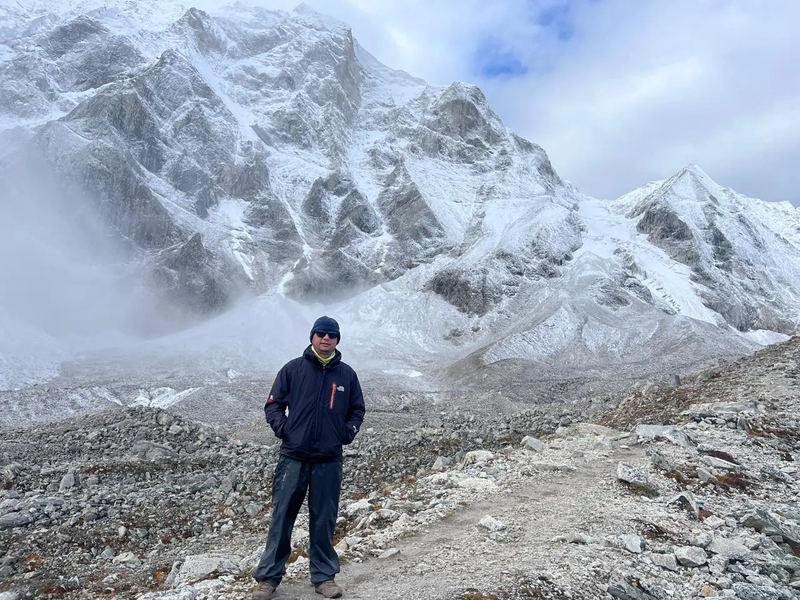
This trek is best suited for travelers who prioritize experience, authenticity, and remoteness over comfort and convenience.
Understanding suitability is critical. The Manaslu Tsum Valley Trek rewards patience, curiosity, and adaptability rather than speed or comfort.
The Manaslu Tsum Valley Trek Package is generally classified as moderate to challenging, though difficulty varies depending on fitness, experience, and acclimatization.
Technically, the trail is well-defined and does not require mountaineering skills. The challenge comes from endurance, altitude, and remoteness rather than steep or technical sections.
Most Manaslu Tsum Valley treks require three weeks or more, depending on acclimatization days and weather conditions. This extended duration allows for safer altitude gain and deeper cultural exploration.
Altitude is one of the most important factors to consider when planning this trek. While the ascent through Tsum Valley is relatively gradual, elevation increases more rapidly once the route rejoins the main Manaslu Circuit.
Because helicopter evacuation in this region depends heavily on weather and visibility, prevention through careful planning is far more effective than relying on rescue.
The Manaslu Tsum Valley Trek Package includes several mandatory permits, each serving a specific regulatory and conservation purpose.
❗ TIMS Card is NOT required for this trek, as restricted area permits replace the TIMS system.
These permits are checked at multiple points along the route. Non-compliance can result in fines or forced return, which is why permits must be arranged through an authorized agency.
Accommodation on the Manaslu Tsum Valley Trek is primarily in locally run teahouses. Facilities vary significantly depending on altitude and remoteness.
Meals are typically prepared using locally available ingredients. While menus are simpler than in Everest or Annapurna regions, food is generally hearty and filling, designed to support long trekking days.
Tsum Valley is one of the most culturally preserved Himalayan regions in Nepal. Daily life revolves around agriculture, monasteries, and seasonal rhythms rather than tourism.
Visitors are expected to respect local customs, including modest dress and photography etiquette, especially around religious sites.
The best time to trek Manaslu and Tsum Valley is during spring (March to May) and autumn (September to November), when weather conditions are most stable and high-altitude trekking is safest.
Spring is one of the best seasons to trek Manaslu and Tsum Valley due to:
Late March to early May offers a good balance of scenery, culture, and manageable trail conditions.
Autumn is often considered the best time to trek Manaslu and Tsum Valley overall.
October is especially popular for its reliability and crisp Himalayan views.
For most trekkers, the best time to trek Manaslu and Tsum Valley is April–May and September–October, when safety, visibility, and overall trekking experience are at their best.
The Manaslu Tsum Valley Trek Package cost is higher than standard trekking routes in Nepal due to restricted area regulations, mandatory licensed guides, and remote logistics. This trek requires special permits for both Manaslu and Tsum Valley, making independent trekking not possible.
The package cost generally includes all government permits (RAP, MCAP, ACAP), licensed trekking guide, porter support, accommodation and meals during the trek, and required ground transportation. These elements ensure legal compliance, safety, and smooth travel in one of Nepal’s most isolated Himalayan regions.
Costs vary based on group size, trek duration, season (spring and autumn being the best time to trek), and level of support. Smaller groups and peak seasons usually result in a higher per-person cost.
The package typically excludes international flights, travel insurance, emergency evacuation, personal trekking gear, tips, and personal expenses.
Overall, the Manaslu Tsum Valley Trek offers strong value for trekkers seeking cultural depth, fewer crowds, and a complete Himalayan experience, rather than a low-budget trek.
Trekking in the Manaslu Himal requires experienced, licensed guides who understand both the terrain and the regulatory environment.
Himalayan Hero has operated treks in Manaslu and Tsum Valley for over a decade, working with guides who are trained in:
Local knowledge plays a crucial role in safe and successful trekking in this region.
Travelers interested in similar remote Himalayan experiences often consider:
Each trek offers a different balance of culture, scenery, and accessibility.
Rather than focusing on brand-specific gear, successful trekkers on this route follow a principle-based approach to equipment.
The Manaslu Tsum Valley Trek Package is not about checking off a destination or reaching a single viewpoint. It is about time spent moving through living landscapes, engaging with resilient mountain communities, and accepting the rhythm of remote Himalayan travel.
Trekkers who succeed on this route are those who arrive prepared—not just physically, but mentally—to slow down, observe, and adapt.
For those travelers, the rewards are profound and lasting.

Traveling Duration: 8 to 9 hours Your trekking journey begins from here! After having breakfast and hotel check-out, we will drive to Machha Khola in a private tourist vehicle. At the initial driving, we will drive on paved roads up to Dhading Besi (the district headquarters of Dhading) and then for remaining hours, we will drive on a rougher surface till we reach Machha Khola. Explore the place and take full rest! Night stay in the Tea house. Breakfast, Lunch, and Dinner Included.
Trekking Duration: 5 to 6 hours At first, we will cross the Machha Khola and Khorlabesi river and then pass through the Tatopani. Tatopani is popular for hot bath. Travelers passing Tatopani usually take hot water bath at the pond once. The trail then passes through a forested area until we cross the Dovan Khola. From Dovan Khola we follow the trail towards the Budi Gandaki River. Witness the views of Himalayas and landscapes, we reach Jagat. Night stay in the Tea house. Breakfast, Lunch, and Dinner Included.
Trekking Duration: 4 to 5 hours In the beginning part of today’s trek, we ascend over a rocky ridge to Salleri and then descend to Sirdibas through plain path. The continuous walk widens up the valley as we reach Ghatta Khola. Further climb takes us to Philim; a village largely inhabited by Gurung community. From Philim, we will walk towards the north across a forest enjoying the views of valley to reach Chisopani. Night stay in the Tea house. Breakfast, Lunch, and Dinner Included.
Trekking Duration: 6 to 7 hours The day is challenging as you have to walk in ascending path up to Chumlimg. At the initial stage, the trail crosses the gorge and dense forested area filled with rhododendron and pine trees. On the way, you will enjoy the view of beautiful waterfall and panoramic view of mountains. We will then pass through a village called Lokpa from where we have to descend to Lungwa Khola. From here, ascending for two hours we reach Gumling and after crossing the Siyar Khola, finally, we arrive at Chumling. Chumling is the lower Tsum valley which is located at the south face of the Shringi Himal from where you will enjoy the majestic view of Shringi Himal. Reaching Chumling, you can make a visit to Chumling Gompa and stroll around the stone streets of the village! Night stay in the Tea house. Breakfast, Lunch, and Dinner Included.
Trekking Duration: 4 to 5 hours After having breakfast at Chumling, we will move towards the trail of Chokhangparo by crossing the suspension bridge on the opposite bank of the river. Today’s trail passes through the terraced fields, Rainjam and crosses forest area, Serpu Khola, long suspension bridges. Then, you have to climb for 2 hours on well-graded exposed route towards upper Tsum valley to reach the village of Chokhangparo. On the way, you will enjoy the views of Ganesh Himal. Reaching the flat land of Chkhangparo, witness the majestic views of Himalchuli and Ganesh Himal! Night stay in the Tea house. Breakfast, Lunch, and Dinner Included.
Trekking Duration: 5 to 6 hours From today, you might get the symptoms of altitude sickness. Continuing our walk from Chokhangparo to small villages, we first climb over a ridge of chortens then, pass Lama Gaon through the flat fields, cross the Shiyar Khola, and pass through settlements of Phurbe and Pangdun. To reach Nile which is the last village heading north in the upper Tsum valley, we cross a suspension bridge. On the way, you will enjoy the scene of traditional village settings. We will visit the Rachen Gompa on the way to Nile. Explore the village which have traditional style houses with livestock compounds! Night stay in the Tea house. Breakfast, Lunch, and Dinner Included.
Trekking Duration: 6 to 7 hours After having breakfast, we will head towards the west bank of the valley through the Tibetan landscapes. then, we will climb to Mu Gompa which is the largest monastery of the Manaslu region. This Gompa lies at the highest part of the Tsum valley which offers you mesmerizing views of landscapes and Himalayas. The Gompa lies in the remotest part of the valley. Night stay in the Tea house. Breakfast, Lunch, and Dinner Included.
Trekking Duration: 5 to 6 hoursToday, we will retrace our walk towards Chumling. After having breakfast, we will head to the village of Chumling following the earlier trail. Night stay in the Tea house. Breakfast, Lunch, and Dinner Included.
Trekking Duration: 6 to 7 hours After having breakfast, we will trek to Deng. Within 7 to 8 hours of walking in the terraced and descending path, we reach Deng. Several small yet, attractive villages will pop out on the way. Enjoy the views and interact with local people throughout your journey in Manaslu region which will add amusement in your voyage! Night stay in the Tea house. Breakfast, Lunch, and Dinner Included.
Trekking Duration: 5 to 6 hours Today, we climb steeply for some time and then descend to cross the river. Walking further to the trail, you will pass some small settlements and then climb up to an amazing valley. You will encounter Mani-walls carved into pavement rocks. Reaching Namrung, roam around the villages! Night stay in the Tea house. Breakfast, Lunch, and Dinner Included.
Trekking Duration: 4 to 5 hours Today, you will get a first magnificent glimpse of Manaslu North and Manaslu. After having breakfast, we will climb steadily into the high-altitude. Crossing small settlements and light forested areas, we reach Lho Gham. Night stay in the Tea house. Breakfast, Lunch, and Dinner Included.
Trekking Duration: 6 to 7 hours Today’s trail follows a lateral moraine of Pungen towards Samagaon. After having breakfast, we will head up towards the village of Lho. You will pass the stone gate and the Mani-walls of the village. You will witness a very close view of Manaslu before reaching Samagaon. Night stay in the Tea house. Breakfast, Lunch, and Dinner Included.
The first day for acclimatizing with the higher altitude as we will pass Larkya La Pass after few days. Today, we will hike up to the Manaslu Base Camp which will take 6 to 7 hours. For adopting with higher altitude, being physically active through the day and keeping body hydrated is recommended to every trekker. Explore the village and interact with locals! Night stay in the Tea house. Breakfast, Lunch, and Dinner Included.
Trekking Duration: 2 to 3 hours After having breakfast, we will gradually ascend towards the valley crossing grassland areas. Samdo is a Tibetan refugee village which lies in the remotest part of Tsum valley. Reaching Samdo, we will witness the wonderful vistas of many mountains including Manaslu. Explore the village! Night stay in the Tea house. Breakfast, Lunch, and Dinner Included.
Trekking Duration: 3 to 4 hours From Samdo, we will cross a couple of streams to reach the Larkya Bazaar. Further trail leads us to Dharmashala. Night stay in the lodge. Breakfast, Lunch, and Dinner Included.
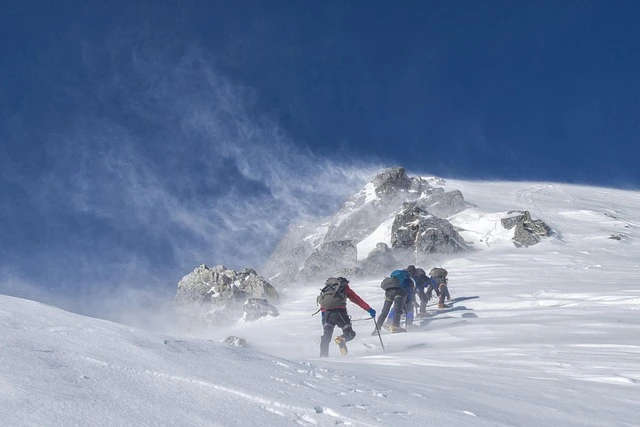
Trekking Duration: 7 to 8 hours We recommend you to stay hydrated and remain with the team throughout the trek to Bhimphedi. We will cross the highest point of the Manaslu Tsum valley trek which lies at an elevation of 5,106 meters. We will climb Cho Chand and then head uphill towards snowy Larkya La Pass. From the top of the pass, you will witness the panoramic view of Cheo Himal (6,820m), Himlung Himal (7,126m), Kang Kuru (6,981m), Annapurna II (7,937m), and Gyagi Kung. Enjoying the breath-taking views of mountains, we will descend through the moraines to Bhimphedi. Night stay in the Tea house. Breakfast, Lunch, and Dinner Included.
Trekking Duration: 4 to 5 hours The trail at an initial point gently climbs through the paddy fields and pass through the small Karcha La Pass. Then the trail descends through the forested areas which is filled with rhododendron and fig trees to reach Tilje. Explore around the village and take full rest! Night stay in the Tea house. Breakfast, Lunch, and Dinner Included.
Traveling Duration: 2 hours and Trekking Duration: 8 to 9 hours Following the downhill path, we reach Dharapani. We will take lunch at Dharapani and then drive back to Kathmandu valley by private vehicle. Traveling towards the valley, re-witness the scene of landscapes, green environment, and Himalayas. After reaching the hotel, hotel check-in. Take rest for a while! If you wish, stroll around the delightful area; Thamel of the valley and buy gifts for your loved ones or family members! Night stay in the hotel. Breakfast, Lunch, and Dinner Included.
The trek is rated moderate to challenging. The Larke La altitude 5106 m makes it demanding, requiring good fitness and acclimatization. Daily walks average 6-7 hours on varied terrain. The pass crossing day involves 8-9 hours of steep climbing and descent. Previous trekking experience helps but isn't mandatory with proper preparation.
No, the restricted area permit Manaslu regulations require a registered guide for both regions. Solo trekking is prohibited, and minimum two trekkers must travel together. This rule ensures safety and cultural sensitivity in these remote areas. Guides also handle permit checkpoints and provide valuable cultural insights.
The Larkya La pass sits at 5,106 meters (16,752 feet), making it the highest point of the trek. Crossing typically starts before dawn to avoid afternoon winds. The pass offers spectacular views of Himlung Himal, Cheo Himal, Kang Guru, and Annapurna II on clear days.
Best seasons are autumn (September-November) and spring (March-May). Autumn offers the most stable weather for crossing Larkya La pass, while spring features rhododendron blooms and Tsum Valley culture festivals. Winter is possible but extremely cold, and monsoon brings rain to lower elevations.
Essential gear includes: -15°C sleeping bag Layered clothing system (base layers, fleece, down jacket, rain gear) Sturdy trekking boots and camp shoes Trekking poles (essential for pass crossing) Sun protection (hat, sunglasses, SPF 50+) First aid kit and medications Water purification tablets Headlamp and batteries
Yes, teahouse accommodation Tsum Valley is available throughout the trek. Basic lodges offer twin-bed rooms, shared bathrooms, and common dining areas. Quality varies but improves yearly. Hot showers and charging facilities available for small fees. No camping required, making the trek more accessible.
Yes, comprehensive travel insurance with helicopter evacuation coverage is mandatory. The remote location and high altitude of Larke La altitude 5106 m make emergency evacuation expensive (USD 4,000-6,000). Ensure your policy covers trekking up to 5,200m and includes rescue and medical expenses.
The complete Manaslu Circuit Tsum Valley Trek takes 20 days including transportation. This includes 7 days exploring Tsum Valley and 13 days completing the Manaslu Circuit. Shorter 16-17 day options skip some valley exploration, while 23-25 day itineraries add rest days and side trips.
The Tsum Valley Trek alone typically takes 12-14 days. Combined with the Manaslu Circuit, the complete Tsum Valley Trek Distance extends to 20-23 days covering approximately 230 kilometers total.
This trek ranks as challenging due to altitude, distance, and remote location. Daily walks average 15-18 kilometers with significant elevation changes. Proper fitness preparation and acclimatization are essential.
No, government regulations require a minimum of two trekkers with a registered guide for restricted areas. Solo travelers can join our scheduled group departures.
The Manaslu Tsum Valley Trek difficulty level ranks as moderate to strenuous, making it challenging for complete beginners. Previous trekking experience above 3,000m is strongly recommended. The combination of consecutive long days, basic accommodation, and high-altitude pass crossing requires solid physical fitness and mental preparation. Beginners should consider easier treks like Annapurna Base Camp first.
The complete Manaslu Tsum Valley distance covers approximately 230km over 18-20 days. This includes 65km for the Tsum Valley section, 125km for the Manaslu Circuit, and various side trips. Daily distances range from 8-18km, with the longest day being the pass crossing at nearly 20km.
No, the Manaslu circuit and Tsum Valley trek cannot be done independently. Both regions are restricted areas requiring special permits that are only issued through registered trekking agencies. Additionally, regulations mandate a minimum of two trekkers with a licensed guide for safety and cultural preservation reasons.
The optimal seasons for Manaslu Tsum Valley trekking are spring (March-May) and autumn (September-November). These periods offer stable weather, clear mountain views, and comfortable temperatures. Autumn provides the clearest views, while spring features rhododendron blooms. Winter is possible but extremely cold, while monsoon brings challenges with rain and leeches.
Solo travelers face higher Manaslu Tsum Valley trek price due to permit requirements mandating minimum two trekkers. Expect to pay $2,000-3,000 including the supplement for finding a permit partner or paying double permit fees. Joining a group trek reduces costs to $1,200-1,500 per person.
Altitude sickness risks are significant on the Manaslu and Tsum Valley trek, especially above 3,500m. Approximately 30-40% of trekkers experience mild symptoms like headaches and fatigue. Proper acclimatization, including rest days at Samagaon, reduces severe altitude sickness risk to under 5%. The itinerary's gradual ascent through Tsum Valley aids acclimatization.
The Manaslu Tsum Valley Trek 20 days itinerary demands good cardiovascular fitness for 6-8 hours daily trekking. Training should include 3-4 months of regular hiking, stair climbing, and cardio exercises. You should comfortably hike 15km with a 10kg pack and handle consecutive active days. Previous multi-day trekking experience is highly beneficial.
Yes, the Manaslu Tsum Valley Annapurna Trek combination is possible since the Manaslu Circuit ends at Dharapani on the Annapurna Circuit trail. Adding the complete Annapurna Circuit requires an additional 12-15 days. Most trekkers opt to exit at Dharapani due to time constraints, but the combination creates Nepal's ultimate trekking experience.
The Manaslu circuit trek with Tsum Valley itinerary requires four permits: Manaslu Restricted Area Permit ($75-100), Tsum Valley Restricted Area Permit ($40 first week), Manaslu Conservation Area Permit ($30), and Annapurna Conservation Area Permit ($30). Total permit costs range from $175-200 depending on season and duration.
The Manaslu Tsum Valley Trek Map on Google Maps provides basic routing but lacks trail detail. Professional trekking maps from Himalayan MapHouse or mobile apps like Maps.me offer better accuracy. GPS coordinates for key points are reliable, but always carry physical maps as backup since electronic devices can fail at altitude.
Temperature varies dramatically by altitude and season. During peak seasons, expect daytime temperatures of 15-20°C below 3,000m, dropping to -10°C at night above 4,000m. The Larkya La Pass crossing can reach -20°C in early morning. Proper layering and quality sleeping bags rated to -15°C minimum are essential.
Weather occasionally prevents Larkya La Pass crossing, requiring retreat to Samdo. Alternative options include returning via the same route (adding 3-4 days) or arranging helicopter evacuation from Samdo (weather permitting). Travel insurance should cover such contingencies. Guides monitor weather forecasts to minimize this risk.
""Himalayahero Adventures exceeded all expectations on our Manaslu Tsum Valley trek. Our guide Pemba's knowledge of Buddhist culture in Tsum Valley was incredible - he even arranged a private blessing ceremony at Mu Gompa. The acclimatization schedule was perfect, and their attention to detail during the Larkya La crossing made me feel completely safe. Worth every penny!""
Nov. 21, 2024
""As a photographer, I needed flexibility for sunrise shots and Himalayahero delivered. They adjusted daily schedules so I could capture Manaslu at golden hour from Lho village. The porter team was amazing - always smiling despite tough conditions. Small group size (only 5 trekkers) made it feel like a private adventure. Already planning my next trek with them!""
April 7, 2024
""My first high-altitude trek and Himalayahero Adventures made it unforgettable! The pre-trek briefing in Kathmandu was thorough, and they helped me rent quality gear at fair prices. Our guide Mingma noticed my altitude symptoms early at Samagaon and adjusted our pace perfectly. The only small issue was limited vegetarian variety above 4000m, but that's expected in remote areas. Highly recommended!""
Nov. 9, 2024
""Himalayahero Adventures exceeded all expectations on our Manaslu Tsum Valley trek. Our guide Pemba's knowledge of Buddhist culture in Tsum Valley was incredible - he even arranged a private blessing ceremony at Mu Gompa. The acclimatization schedule was perfect, and their attention to detail during the Larkya La crossing made me feel completely safe. Worth every penny!""
Nov. 21, 2024
""As a photographer, I needed flexibility for sunrise shots and Himalayahero delivered. They adjusted daily schedules so I could capture Manaslu at golden hour from Lho village. The porter team was amazing - always smiling despite tough conditions. Small group size (only 5 trekkers) made it feel like a private adventure. Already planning my next trek with them!""
April 7, 2024
""My first high-altitude trek and Himalayahero Adventures made it unforgettable! The pre-trek briefing in Kathmandu was thorough, and they helped me rent quality gear at fair prices. Our guide Mingma noticed my altitude symptoms early at Samagaon and adjusted our pace perfectly. The only small issue was limited vegetarian variety above 4000m, but that's expected in remote areas. Highly recommended!""
Nov. 9, 2024
""Tsum Valley's spiritual atmosphere was life-changing, and Himalayahero's cultural connections made it special. They arranged homestays with local families instead of standard lodges - we even participated in a harvest festival! The company's commitment to responsible tourism really shows. Their emergency protocols were reassuring when another trekker needed evacuation assistance.""
Nov. 3, 2024
""Chose Himalayahero after reading reviews and zero regrets! They handled permit confusion at Jagat checkpoint professionally, and their cook somehow made delicious dal bhat at 4,450m. The surprise celebration cake after crossing Larkya La was such a thoughtful touch. Small team but big heart - they genuinely care about your experience. Already recommending to my hiking club!"
May 17, 2024