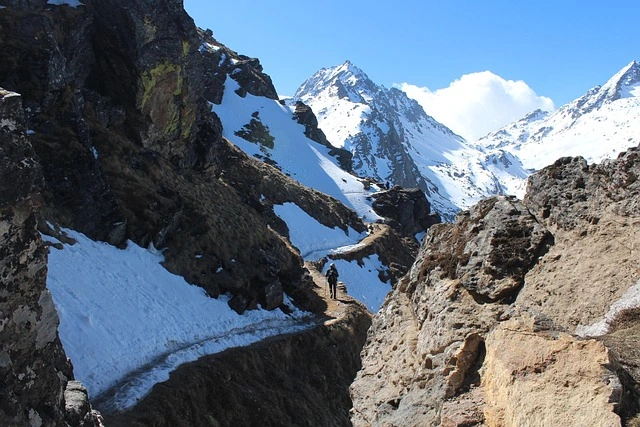
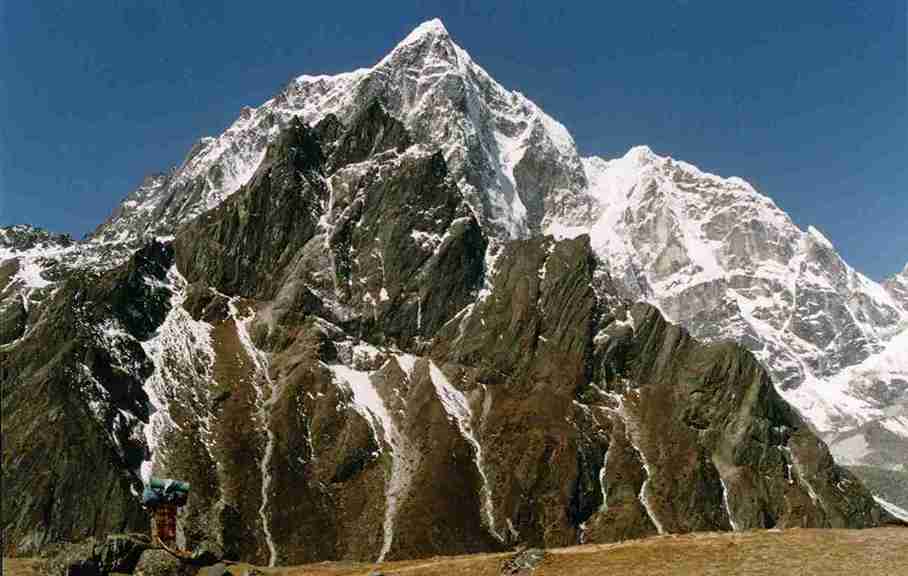
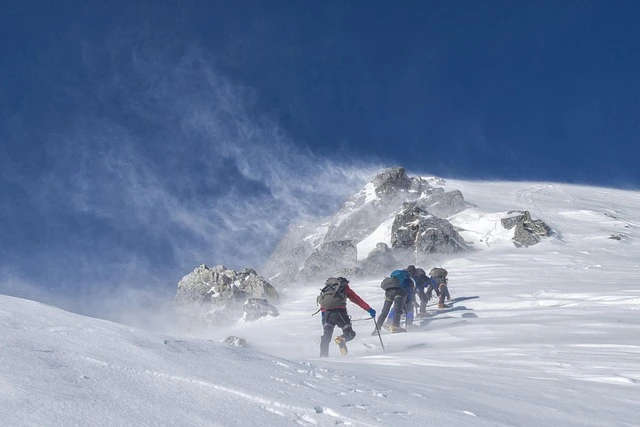
Trek deep into Nepal's restricted Manaslu region along the Budhi Gandaki Valley to the base of the world's eighth-highest mountain — where Tibetan Buddhist villages, glacial lakes, and the north face of Mount Manaslu (8,163m) await fewer than 3,000 trekkers each year.
Manaslu Base Camp Trek – Overview
The Manaslu Base Camp Trek takes you through one of Nepal's most restricted and culturally preserved trekking corridors to the foot of Mount Manaslu (8,163m) — the eighth-highest mountain on Earth. This 14-day journey follows the Budhi Gandaki River valley through the Manaslu Conservation Area, passing through Nubri and Gurung villages where Tibetan Buddhist traditions remain largely untouched by mass tourism.
Unlike heavily trafficked routes in the Everest and Annapurna regions, the Manaslu region operates under restricted area regulations that limit trekker numbers and preserve authentic mountain culture. The trail culminates at Manaslu Base Camp (4,800m), where the mountain's massive north face and the Manaslu Glacier create one of the most dramatic high-altitude landscapes in the Nepal Himalaya.
What Makes This Trek Exceptional:
- Close-range views of Mount Manaslu's north face and the Manaslu Glacier at 4,800m
- Restricted area status ensures fewer trekkers and preserved Tibetan Buddhist culture
- Passage through the deep Budhi Gandaki Gorge — one of Nepal's most dramatic river valleys
- Traditional Nubri and Gurung villages with ancient monasteries and mani walls
- Birendra Tal (glacial lake) near base camp offering stunning reflections of Manaslu
- Off-the-beaten-path trekking with genuine cultural immersion
- Manaslu Conservation Area biodiversity including snow leopard and Himalayan tahr habitat
This 14-day Manaslu Base Camp Trek itinerary balances efficient travel with adequate acclimatization, progressing from subtropical lowlands through alpine terrain to the glacial moraines beneath Manaslu's summit pyramid.
14-Day Itinerary Summary
| Day |
Route |
Max Altitude |
| Day 1 |
Arrive Kathmandu |
1,300m |
| Day 2 |
Drive Kathmandu → Soti Khola |
710m |
| Day 3 |
Soti Khola → Machha Khola |
869m |
| Day 4 |
Machha Khola → Jagat |
1,340m |
| Day 5 |
Jagat → Deng |
1,860m |
| Day 6 |
Deng → Namrung |
2,630m |
| Day 7 |
Namrung → Lho |
3,180m |
| Day 8 |
Lho → Samagaon |
3,530m |
| Day 9 |
Acclimatization Day – Samagaon |
3,530m |
| Day 10 |
Samagaon → Manaslu Base Camp → Samagaon |
4,800m |
| Day 11 |
Samagaon → Lho |
3,180m |
| Day 12 |
Lho → Jagat |
1,340m |
| Day 13 |
Jagat → Soti Khola |
710m |
| Day 14 |
Drive Soti Khola → Kathmandu |
1,300m |
Why Choose the Manaslu Base Camp Trek
Trekkers seeking genuine Himalayan adventure beyond the mainstream routes find the Manaslu Base Camp Trek delivers experiences that popular destinations cannot match. The restricted area status creates a trekking environment closer to what Nepal offered decades ago — before teahouse menus listed pizza and WiFi became standard.
The Manaslu Base Camp Advantage
Key Benefits of This Route:
- Direct approach to the eighth-highest mountain without the crowds of Everest Base Camp
- Restricted area regulations preserve authenticity and limit trail traffic
- Deep cultural immersion in traditional Tibetan Buddhist communities
- Diverse terrain from tropical river valleys to glacial moraines
- Samagaon acclimatization provides safe altitude preparation
- No domestic flights required — ground transportation from Kathmandu
Who Should Choose This Trek
Ideal for: Intermediate to experienced trekkers, cultural enthusiasts, photographers seeking uncrowded mountain landscapes, trekkers wanting restricted area experience
Consider alternatives if: No prior high-altitude experience above 3,500m, unable to commit 14 days, prefer well-developed teahouse infrastructure, uncomfortable with basic mountain accommodation
Why Choose this trek
| Factor |
Manaslu Base Camp |
High-Traffic Treks |
| Annual Trekkers |
~3,000 |
30,000-50,000 |
| Trail Traffic |
Very Low |
Moderate to High |
| Cultural Authenticity |
High |
Moderate |
| Difficulty Grade |
Moderate to Strenuous |
Moderate |
Manaslu Conservation Area: The Restricted Mountain Corridor
The Manaslu Conservation Area encompasses 1,663 square kilometers across Gorkha District in northern Nepal, bordering Tibet to the north. Established in 1998 and managed by the National Trust for Nature Conservation (NTNC), the conservation area protects the Budhi Gandaki watershed and surrounding peaks from 600m to Manaslu's summit at 8,163m.
Conservation Area Facts:
- Total area: 1,663 sq km
- Elevation range: 600m to 8,163m
- Location: Gorkha District, Gandaki Province
- Biodiversity: 2,000+ plant species, 110 bird species, 33 mammal species
- Notable wildlife: Snow leopard, Himalayan tahr, blue sheep, red panda, Himalayan monal
The Budhi Gandaki Valley — the central corridor of this trek — cuts one of the deepest gorges in the Nepal Himalaya, hosting 11 distinct forest types from subtropical sal to alpine meadow.
Manaslu Base Camp Trek Difficulty Assessment
The Manaslu Base Camp Trek rates as moderate to strenuous, primarily due to the base camp day hike's significant elevation gain and the cumulative effect of 12 consecutive trekking days.
Difficulty by Section
Days 2-5 (Soti Khola to Deng): Moderate River valley trekking with constant undulation. Suspension bridge crossings and rocky terrain require attention but altitude remains manageable below 2,000m.
Days 6-8 (Deng to Samagaon): Moderate to Challenging Significant altitude gains as the trail climbs from 1,860m to 3,530m. Pace must slow. Acclimatization awareness becomes critical.
Day 10 (Base Camp Day): Strenuous The single-day climb of 1,270m to 4,800m over loose moraine and glacial debris represents the trek's hardest day. Fitness and acclimatization directly determine success.
Days 11-13 (Descent): Moderate Long descent days demanding knee strength. Cumulative fatigue from 10+ trekking days is a factor.
Physical Fitness Requirements
- Cardiovascular endurance for 5-8 hours daily walking
- Leg strength for steep climbs and descents
- Ability to carry a 5-7kg daypack over rough terrain
- Prior trekking experience above 3,500m strongly recommended
- Pre-trek training: 8-12 weeks of hiking, stair climbing, and cardiovascular exercise
Altitude Profile and Acclimatization Strategy
Altitude management is the single most important safety factor on the Manaslu Base Camp Trek. The itinerary incorporates a strategic acclimatization day at Samagaon (Day 9) before the base camp ascent.
Altitude Profile
| Location |
Altitude |
Risk Level |
| Soti Khola |
710m |
None |
| Jagat |
1,340m |
None |
| Deng |
1,860m |
None |
| Namrung |
2,630m |
Low |
| Lho |
3,180m |
Moderate |
| Samagaon |
3,530m |
Moderate |
| Manaslu Base Camp |
4,800m |
High |
Acclimatization Protocols
The itinerary limits sleeping altitude gain to 400-550m per day above 2,500m. The base camp day returns to 3,530m for sleeping — applying the climb-high, sleep-low principle.
- Hydration: 3-4 liters daily above 3,000m
- Pace: Slow and steady, rest breaks every 45-60 minutes
- Nutrition: High-carbohydrate meals, avoid alcohol
- Diamox: Consider prophylactic use (consult doctor before trek)
- Monitoring: Guide checks symptoms twice daily above 3,000m
Warning signs requiring immediate attention: Persistent severe headache, vomiting, loss of coordination, confusion, breathlessness at rest.
Best Time for Manaslu Base Camp Trek
The Manaslu region's weather patterns create two optimal trekking windows with distinct characteristics.
Autumn Season (September – November) — BEST
October is the peak month for the Manaslu Base Camp Trek. Post-monsoon clarity delivers crystal-clear mountain views, stable weather patterns, and comfortable daytime temperatures. Nights grow cold above 3,000m, but trail conditions are excellent.
Spring Season (March – May) — EXCELLENT
April and May offer warmer temperatures and rhododendron forests in spectacular bloom between 2,500m and 3,500m. Occasional afternoon clouds may obscure views, but mornings are typically clear.
Seasdonal Comparision
| Factor |
Autumn (Sep-Nov) |
Spring (Mar-May) |
| Visibility |
Excellent |
Good (morning best) |
| Daytime Temps |
10-20°C (lower), 0-10°C (upper) |
12-22°C (lower), 2-12°C (upper) |
| Rainfall |
Minimal |
Occasional afternoon |
| Flora |
Green landscapes |
Rhododendron bloom |
| Trail Traffic |
Low-Moderate |
Low |
Avoid: Monsoon season (June-August) brings heavy rainfall, landslide risk, leeches at lower elevations, and poor visibility. Winter (December-February) brings extreme cold, possible snowfall above 3,000m, and some teahouse closures.
Manaslu Base Camp Trek Permits and Regulations
The Manaslu region operates under Nepal's restricted area system, requiring specific permits and mandatory guide arrangements.
Required Permits
| Permit |
Cost |
Issuing Authority |
| Manaslu Restricted Area Permit (MRAP) |
USD $100/week (peak) / $75/week (off-peak) |
Department of Immigration |
| Manaslu Conservation Area Permit (MCAP) |
NPR 3,000 (~$23) |
NTNC |
| TIMS Card |
NPR 2,000 (~$15) |
Nepal Tourism Board |
Total permit cost: Approximately USD $135-150 per person (included in package price).
2026 Regulations
- Solo trekking banned: Minimum two trekkers plus one licensed guide
- Licensed guide mandatory: Registered with Nepal Tourism Board
- Registered agency required: Permits only issued through authorized agencies
- Required documents: Valid passport (6+ months), Nepal visa, passport photos, travel insurance
The Role of Guides and Porters in the Manaslu Region
In the Manaslu restricted area, a licensed guide is a legal requirement. Beyond compliance, experienced local guides transform the trekking experience in this remote region.
Navigation and safety: The Budhi Gandaki Valley trail includes unmarked junctions, seasonal river crossings, and sections without clear path marking. Guides who trek this route regularly know current conditions and weather patterns.
Altitude management: Experienced guides monitor altitude sickness symptoms, adjust pace individually, and make critical decisions about proceeding or descending — particularly valuable on the base camp day hike.
Cultural access: Guides from the Manaslu region speak local languages, understand monastery protocols, and maintain village relationships that create encounters unavailable to independent travelers.
- Guide qualifications: NTB licensed, wilderness first aid trained, Manaslu region experience
- Porter support: 1 porter per 2 trekkers, 20kg maximum load, fair wages guaranteed
- Emergency protocols: Satellite communication, evacuation coordination, nearest health post knowledge
Accommodation and Food on the Trail
Teahouse accommodation along the Manaslu Base Camp Trek is basic but functional — simple twin rooms with foam mattresses, shared bathrooms, and communal dining areas heated by wood or yak-dung stoves.
Below 2,500m (Soti Khola to Deng): Hot showers, device charging, varied menus available.
2,500m to 3,500m (Namrung to Samagaon): Limited hot water, expensive charging. Samagaon offers the best upper valley facilities — multiple lodges and a small bakery.
Base Camp Day (4,800m): No facilities. Pack lunch from Samagaon, carry adequate water, and return to Samagaon overnight.
Food and Nutrition
Dal bhat — Nepal's staple of rice, lentil soup, vegetables, and pickles — is the foundation of trekking nutrition with unlimited refills.
- Dal bhat: Best value, freshest ingredients, unlimited refills
- Alternatives: Fried rice, noodles, pasta, pancakes, porridge
- Altitude nutrition: High-carbohydrate meals above 3,000m, avoid meat at elevation
- Garlic soup: Local remedy believed to aid altitude acclimatization
Packing Essentials for Manaslu Base Camp Trek
The elevation range (710m to 4,800m) demands layered clothing for temperatures ranging from 25°C to -10°C. Key items: layered clothing system (base, fleece/down, waterproof shell), broken-in trekking boots, down jacket, sleeping bag rated to -10°C, trekking poles, daypack, headlamp, sun protection (sunglasses, SPF 50+), water bottles with purification, first aid basics, and all permit documents in waterproof storage.
Why Choose Himalayanhero for Manaslu Base Camp Trek
For restricted area treks like Manaslu Base Camp, operator selection directly impacts safety and experience quality.
- Guides with multiple Manaslu completions who understand the Budhi Gandaki Valley
- Established relationships with the Nubri and Gurung communities along the route
- Emergency communication equipment and helicopter evacuation protocols
- Fair porter treatment and responsible tourism practices
- NTB licensed guides, TAAN registered agency, 24/7 Kathmandu support
Book Your Manaslu Base Camp Trek
The Manaslu Base Camp Trek delivers genuine remoteness, profound cultural immersion, and the privilege of standing at the foot of an 8,000-meter peak with few other trekkers in sight.
Also, check out our Manaslu Circuit trekking package for 14 days.
USD $1,049 per person | 14 Days | All permits and guiding included
📧 [email protected]
📱 WhatsApp: +977 9801127073
🌐 himalayanhero.com