Upper Mustang Trek
Trip Duration
17 Days
Location
Mustang
Grading
Moderate
Best Season
Oct-Nov-Dec-Mar-Apr-May
Max Altitude
3700m
Starts from
Kathmandu
Ends at
Kathmandu

Upper Mustang Trek: Journey to the Forbidden Kingdom of Nepal


The Upper Mustang Trek is one of the most extraordinary and culturally rich trekking experiences in Nepal. Located beyond the rain-shadow of the Annapurna and Dhaulagiri ranges, Upper Mustang is a remote trans-Himalayan region that remained closed to foreigners until 1992. This isolation preserved its Tibetan Buddhist culture, ancient traditions, and dramatic desert landscapes, making it feel like a living museum of the Himalayas.

Often called the “Last Forbidden Kingdom,” Upper Mustang was once the independent Kingdom of Lo, ruled by its own monarchy from the walled city of Lo Manthang. Even today, the region follows centuries-old customs, speaks a Tibetan dialect, and practices pure Tibetan Buddhism.

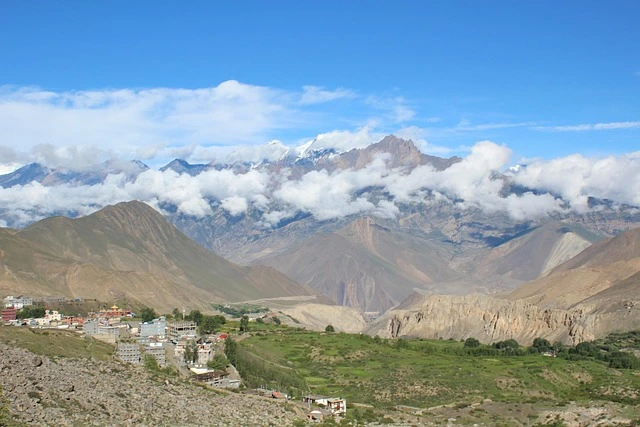
Unlike lush green treks such as Everest or Annapurna, Upper Mustang offers a completely different Himalayan experience—vast open valleys, eroded red cliffs, wind-carved canyons, whitewashed villages, and timeless silence.

This trek is not about conquering mountains.
It is about discovering history, culture, and spiritual depth.

Where Is Upper Mustang Located?

Upper Mustang lies in northwestern Nepal, bordering Tibet (China). It begins beyond Kagbeni village, where a checkpoint separates Lower Mustang from the restricted Upper Mustang region. The trek follows the ancient salt trade route between Tibet and Nepal, used by traders for hundreds of years.

Key geographical facts:

  • Region: Trans-Himalayan plateau
  • Climate: Cold desert
  • Rainfall: Very low (even during monsoon)
  • Elevation range: 2,800 m to 4,280 m
  • Main river: Kali Gandaki (world’s deepest gorge)

History of Upper Mustang – The Kingdom of Lo

Upper Mustang was established as the Kingdom of Lo in the 14th century, with Lo Manthang as its capital. Because of its strategic location on the Tibet–Nepal trade route, the region flourished economically and culturally.

For centuries, Upper Mustang remained politically and culturally independent, with limited outside influence. Even after it became part of Nepal, access was restricted to protect its fragile culture. Today, the area still follows:

  • Traditional Tibetan governance structures
  • Ancient monasteries (gompas)
  • Seasonal festivals like Tiji Festival
  • Nomadic lifestyles and yak herding

Walking through Upper Mustang feels like stepping back 500 years in time.

Culture & People of Upper Mustang

The people of Upper Mustang, known as the Loba (Lhoba), are descendants of Tibetans who settled here centuries ago. Their lives revolve around Buddhism, agriculture, and trade.

Cultural highlights:

  • Whitewashed villages with flat roofs
  • Prayer flags, mani walls, chortens
  • Ancient monasteries like Thubchen & Jampa
  • Daily rituals, spinning prayer wheels
  • Monks in deep red robes
  • Tibetan-style cuisine & butter tea

Trekking here is as much a cultural journey as a physical one.

Geography & Landscape of Upper Mustang

Upper Mustang’s landscape is unlike anywhere else in Nepal. It is a high-altitude desert with raw, dramatic beauty.

What makes it unique:

  • Red, orange, and brown rock formations
  • Deep canyons carved by wind
  • Wide open valleys
  • Cliffside caves carved by ancient civilizations
  • Fossil-rich terrain (ancient seabed)
  • Minimal vegetation
  • Endless blue skies

Because the region lies in the rain shadow, trails remain dry even during monsoon season.

What Makes Upper Mustang Trek Different from Other Treks?

Feature Upper Mustang Trek Other Nepal Treks
Landscape Desert & canyons Forests & glaciers
Culture Tibetan Buddhist Nepali mixed
Crowds Very low Moderate to high
Permit Restricted Open
Best time Even monsoon Avoid monsoon
Experience Cultural & spiritual Scenic & physical

This trek is ideal for travelers who want culture over crowds, history over altitude, and silence over noise.

Who Is the Upper Mustang Trek For?

This trek is perfect for:

  • Cultural explorers
  • Photographers
  • History lovers
  • Spiritual travelers
  • Mature trekkers
  • Monsoon travelers
  • Repeat Nepal trekkers seeking something different

It is not recommended for:

  • Budget backpackers
  • Luxury-only travelers
  • Those seeking extreme adventure

Upper Mustang Trek Itinerary Overview (16 Days)

This itinerary is designed for safe acclimatization, cultural immersion, and comfort for international trekkers.

Day Route Altitude
1 kathmandu- pokhara by bus 820 m
2 Fly Pokhara → Jomsom → Kagbeni 2,840 m
3 Kagbeni → Chele 3,050 m
4 Chele → Syangboche 3,475 m
5 Syangboche → Ghami 3,520 m
6 Ghami → Charang 3,500 m
7 Charang → Lo Manthang 3,840 m
8 Explore Lo Manthang 3,840 m
9 Hike to Chungsi Cave 3,900 m
10 Lo Manthang → Drakmar 3,810 m
11 Drakmar → Ghiling 3,806 m
12 Ghiling → Chhuksang 3,050 m
13 Chhuksang → Jomsom 2,720 m
14 Fly Jomsom → Pokhara 820 m
15 Pokhara → Kathmandu 1,400 m
16 Departure

This itinerary is built for gradual altitude gain and allows time to absorb the culture. The highlight is spending two nights in Lo Manthang, where trekkers can explore monasteries, interact with monks, and visit surrounding cave systems.

The return route provides different scenery and allows for smoother descent, reducing altitude stress.


Best Time to Visit Upper Mustang Trek (Complete Seasonal Guide)

The Upper Mustang region lies in the rain shadow of the Annapurna and Dhaulagiri ranges, receiving very little rainfall compared to other trekking areas in Nepal. This unique geography allows trekking almost year-round, with each season offering a different experience in weather, scenery, culture, and crowd levels.

Spring (March to May) – Best for Culture & Festivals
Spring is the most popular season, with dry trails, clear skies, and comfortable temperatures. The highlight is the Tiji Festival in Lo Manthang, celebrated in May.
Advantages: Clear mountain views, cultural festivals, ideal photography, stable flights
Challenges: Higher demand for permits, more trekkers, slightly higher costs

Summer / Monsoon (June to August) – Best for Fewer Crowds
Unlike other regions, Upper Mustang remains mostly dry during monsoon. Lower Mustang turns lush green, and early morning trekking is recommended due to strong afternoon winds.
Why trek in monsoon: Minimal crowds, fresh landscapes, easier permit availability
Tips: Walk early, carry windproof layers, allow buffer days for flights

Autumn (September to November) – Best Overall Season
Autumn provides the best balance of weather, views, and comfort, ideal for first-time trekkers. Skies are clear, temperatures moderate, and trails dry, making it perfect for photography.

Winter (December to February) – For Experienced Trekkers Only
Winter trekking is possible but challenging, with freezing temperatures and some lodges closed. Recommended only for experienced trekkers with proper gear and a flexible itinerary.

Spring is considered the best season to visit Upper Mustang, especially for cultural festivals like Tiji.

Upper Mustang Trek Cost Breakdown (International Trekkers)

As a restricted area trek, Upper Mustang is more expensive than regular treks. Permit fees alone are $500, but the trek offers an exclusive, uncrowded experience.

Average Total Package Cost

Group Size Price Range (USD)
1–2 trekkers $2,100 – $2,400
3–5 trekkers $1,750 – $2,100
6+ trekkers $1,500 – $1,800
Cost Item Approx Cost
Restricted Area Permit $50 (1 day)
Extra permit days $50/day
ACAP permit $30
Guide (mandatory) $30–40/day
Porter (optional) $20–25/day
Flights $300–350
Food & lodging $30–45/day
Tips & personal expenses $100–150

What Himalayan Hero Includes:

All permits, licensed guide, accommodation, transport coordination, emergency support, and cultural exploration. Porter extra may cost around usd 300.

Upper Mustang Trek Permit Requirements

Upper Mustang is a restricted zone, and permits are strictly regulated by the Government of Nepal.
Permits Required:

  • Restricted Area Permit (RAP): $500 for first 10 days, $50/day for extra
  • ACAP Permit: $30
  • Minimum 2 trekkers required
  • Guide is mandatory
  • Permits issued only through registered trekking agencies

Himalayan Hero handles all permits in advance, so trekkers can focus on the experience. Every trekker must obtain the Upper Mustang restricted area permit before crossing Kagbeni.

Accommodation in Upper Mustang

Accommodation is simple but clean, reflecting local Mustang culture. Most lodges and tea houses offer twin rooms, blankets, shared bathrooms, and limited hot water. Kagbeni has private rooms with WiFi, Charang and Ghami have basic facilities, and Lo Manthang offers the best lodges with more comfort. Solar electricity is common, but heating is rarely available.

Food on Upper Mustang Trek

Meals are simple, filling, and freshly prepared to support trekking at high altitude.

  • Breakfast: Tibetan bread, eggs, porridge
  • Lunch: Dal bhat, noodles, momos
  • Dinner: Soup, rice, pasta, curry
  • Drinks: Tea, coffee, hot lemon

Tips: Eat vegetarian above 3,500m, avoid alcohol, drink 3–4 liters of water daily, and carry purification tablets.

Altitude Safety & Acclimatization

Upper Mustang’s maximum altitude reaches around 3,880 m (Lo Manthang), which is moderate compared to Everest or Manaslu treks. However, altitude sickness is still possible, especially for trekkers ascending too quickly.

Tips for safe acclimatization:

  • Ascend gradually, following “climb high, sleep low” principle
  • Take rest days at key points like Geling or Charang
  • Drink plenty of water (3–4 liters/day)
  • Avoid alcohol and sedatives
  • Monitor symptoms: headache, nausea, dizziness

Most trekkers who pace themselves and follow proper acclimatization schedules experience minimal issues. Guides help recognize early symptoms and adjust itineraries if necessary.

Risks & Minimization

Trekking in Upper Mustang involves natural and health-related risks. Common risks include:

  • Altitude sickness – mitigated by gradual ascent and hydration
  • Cold weather – minimized with thermal layers and proper sleeping bags
  • Wind exposure – protect with windproof jackets, gloves, and hats
  • Slips & falls – wear sturdy trekking shoes and use trekking poles

Preparation, proper gear, and following the guide’s instructions significantly reduce risks, making Upper Mustang a safe trekking destination for well-prepared travelers.


Packing List

Here’s a recommended packing list for the Upper Mustang Trek:

Item Notes
Trekking shoes Waterproof, broken-in
Thermal & fleece layers For cold mornings & evenings
Down & windproof jacket Layering essential
Gloves, hat, sunglasses Sun & wind protection
Trekking poles Optional but helpful
Daypack & water 3–4 liters/day
Personal meds & first aid Include altitude sickness meds
Snacks & energy bars For long trekking days

Pack light but smart for Upper Mustang. Essential items include trekking shoes, thermal and fleece layers, a down and windproof jacket, gloves, hats, and sunglasses for protection. Trekking poles, a daypack with sufficient water, personal medications, first aid, and snacks will keep you safe, comfortable, and energized throughout the trek.

Difficulty & Fitness

The Upper Mustang Trek is considered moderate, suitable for trekkers with average fitness. Daily walking ranges from 4–7 hours, often on dry, rocky, or dusty trails.

Fitness recommendations:

  • Start training at least 6–8 weeks before the trek
  • Include cardio: running, hiking, stair climbing
  • Strength training: legs, core, and back muscles
  • Practice trekking with a loaded backpack
  • Yoga or stretching to improve flexibility

Trekkers who maintain basic fitness and prepare gradually can complete the trek comfortably without rushing.

Why a Guide is Essential

Hiring a guide in Upper Mustang is mandatory and highly recommended. A guide ensures safety, logistics, and cultural insight:

  1. Permit management: Guides handle all Restricted Area Permits, checkpoints, and paperwork.
  2. Route navigation: Trails are less marked, and local knowledge prevents getting lost.
  3. Acclimatization support: Guides monitor altitude symptoms and suggest rest or alternate routes.
  4. Cultural interpretation: Understand the history, monasteries, Tiji Festival, and local traditions.
  5. Emergency response: Guides manage injuries, illness, and coordinate evacuation if needed.
  6. Local economy support: Hiring guides ensures income reaches Mustang communities, promoting responsible tourism.

Without a guide, trekkers may face delays, cultural misunderstandings, and higher risks from altitude or weather. Experienced guides elevate safety, comfort, and the overall trek experience.

Responsible Trekking

Upper Mustang is a fragile ecosystem and culturally rich area. Responsible trekking practices include:

  • Avoid littering; carry out all trash
  • Minimize plastic use; bring refillable water bottles
  • Respect local customs, monasteries, and dress codes
  • Support local businesses: buy from shops and hire local guides
  • Avoid disturbing wildlife and livestock
  • Stay on marked trails to prevent erosion

Responsible trekking ensures Mustang’s environment and culture are preserved for future generations.


Why Choose HimalayanHero Adventures?

We are not just a trekking company—we are locals passionate about the Himalayas, offering unmatched experience, reliability, and sustainability.

Our Advantages:

  • Local Expertise: Guides born and raised in Annapurna region; intimate knowledge of trails, villages, and culture.
  • Safety Focus: CPR-trained guides, first aid kits, emergency communication, and helicopter backup.
  • Sustainability: We hire local guides, porters, and support community-run teahouses
  • Flexible Packages: Options from budget to luxury without compromising safety.
  • Small Groups: Maximum 10 trekkers per group for personal attention.
  • Transparent Pricing: No hidden costs; $850 includes guide, permits, accommodation, meals, and transport.

HimalayanHero transforms your UPPER MUSTANG trek into a safe, unforgettable adventure with cultural authenticity and personalized service.

Ready to explore the mystical landscapes, vibrant culture, and ancient monasteries of Upper Mustang? Book your trek with Himalayan Hero today and experience a journey unlike any other, with all permits, guides, and accommodations handled for you. Start planning your adventure now!
Itinerary


Day 1 Arrival in Kathmandu

As you arrive at Tribhuvan International airport in Kathmandu, one of Himalaya Hero Adventure representative will greet you and he/she will drop you at your hotel. As you reach the hotel, you can take some rest after hotel check-in. You will be introduced with the trekking guide of your and another member of Himalayan Hero Adventure. In the evening, you can stroll around the Thamel Bazaar with your guide. One of our representatives will provide you a brief explanation about the Upper Mustang trek in Nepal. You can also enjoy welcome dinner with typical Nepali cultural program. You will stay overnight at the hotel. Note: Welcome Dinner is optional.

Day 2 Kathmandu to Pokhara

Have early morning breakfast and continue drive journey towards a paradise city called Pokhara. Around 6 to 7 hours drive journey will offer you scenic views on the way and finally take you to the Pokhara. As you reach to the Pokhara, you can rest sometime after hotel check-in. In the evening you can stroll around Fewa Lake and enjoy boating around 2 hours in the Fewa Lake. You can also enjoy impressive sunset views over stunning mountains surrounded the Valley. You can enjoy stunning views of the Himalayas; Machhapuchhre, Dhaulagiri, Himalchuli, Everest, Annapurna and many more. Have dinner and stay overnight in the Pokhara hotel.

Day 3 Transfer to airport fly to Jomsom and Trek to Kagbeni

Have early morning breakfast and take an air flight to Jomsom from Pokhara. This scenic adventurous flight takes around 20-25 minutes. You can enjoy magnificent views of Mt. Dhaulagiri, Annapurna range, Fishtail, and numerous famous summits during your flight. As you reach Jomsom, you will continues trek to Kagbeni. You will trek around 3-4 hours walk onward and finally arrive Kagbeni. You will also follow stunning Pass-through Eaklibatti Village which is located at the bank of the beautiful two rivers. Have dinner and stay overnight in Kagbeni.

Day 4 Trekking from Kagbeni to Chele.

In this day have early morning breakfast and continue trek towards Chele, the distance between Kagbeni to Chele is 15.3 kilometers/ 9.5 miles. We will trek almost 6 to 7 hours and reach to Chele Village, which is located at an altitude of 3050m above the sea level. You can also enjoy awesome views of the majestic orange glow of Nilgiri sun reflection and Tukuche. The further trek will follow the villages such as; Kalobhir, Rock tunnel, organic apple farm, Tangbe village, red, white and black Chortens, Gumbakang and Chhusang. You can also get chances to explore the traditional culture and customs of the people. Trek alongside the Kali Gandaki River and Tangbe Village which follow the natural tunnel in the cliff. Have dinner and stay overnight in Chele.

Day 5 Trekking from Chele to Syanbochen

Have early morning breakfast and continue trek towards Syanbochen. You will follow passes alongside the beautiful Kali Gandaki River and Tangbe, which offers a beautiful view towards Samar, the Kali Gandaki valley, and snow-capped peaks. We will again continue trek through crossing two passes; Taklam La pass and Dajori La pass. You will also get chances to experience the great views of Tilicho, Yakawa Kang, Damodar Danga, and Ramchung Cave during your trek. See amazing red painted cave monastery called Rangchyung Chorten, which looks as if it has been stuck on to the vertical wall. Trek passes through beautiful forests and green bushes that are surviving in the narrow gorge because the high vertical walls keep them cool and adequately moist. Get chances to see rare blue mountain sheep in this area. Have dinner and stay overnight in the Syanbochen.

Day 6 Trekking from Shyangboche to Ghami

Today after having early morning breakfast, we will continue trek ascend towards the Yamda La pass. Continue our trek through the dry and loose trail. Continue trek through the popular yellowish trees and barley fields and finally arrive at the Ghami and stay overnight.

Day 7 Trekking from Ghami to Tsarang

Today have morning breakfast and continue trek towards Tsarang passing through a rough and slippery trail. As your trek goes closer to Tsarang, you will cross the suspension bridge over the Ghami Khola. Pass through one of the most famous and longest Buddhist Mani walls of Nepal. The wall is approximately 1000m long and surrounded by wonderful Himalayan range along with simple carvings in Ghami. Witness amazing architecture which seems like a natural one. You can also enjoy witnessing popular red painted Stupa called Tsarang Chorten, situated in the middle of the landscape. During your trek, you can also enjoy the barren hill with its creepy beauty. Have dinner and stay overnight in Tsarang.

Day 8 Trekking from Tsarang to Lo Manthang

Have morning breakfast and continue trek onwards to Lo Manthang by following the Tsarang. We will continue to trek towards a canyon and cross a river and finally reach to the Lo- Manthang Village. As you reach to the Lo-Manthang, a beautiful walled village in Mustang, you can experience the beautiful views of Himalayans including Nilgiri, Annapurna I, Tilicho, Khrikuti Peak and Damodar Kunda. Have dinner and stay overnight in Lo-Manthang.

Day 9 Explore Lo Manthang/ Accommodation Day

In this day have morning breakfast and whole day explore the Lo-Manthang. Lo-Manthang is the walled village that lies in Mustang. Explore Lo-Manthang and its culture and tradition. We’ll also trek towards Tingkhar on the same day which is a beautiful village in the north of Lo-Manthang. Have dinner and stay overnight in Lo-Manthang.

Day 10 Trek from Lo Manthang -Tamr to Shyangboche

Today have morning breakfast and continue trek from Lo-Manthang by following the down trail with the yellow canyon to Tamar which seems large red vertical cliff from the North West side. You can enjoy viewing the barren landscape with the contrast color, you will see a combination of red rock, blue sky, green grass, and white yaks seems very intense during your trekking trail. Continue trek onwards to Drakmar, and enjoy exploring numerous caves. Enjoy viewing magical cave, and more than hundreds of prayer flags are woven into it. Continue further trek and passes through Shyangboche Village which has different old paintings preserved from past. Have dinner and stay overnight in Shyangboche.

Day 11 Trekking from Shyangboche to Tetang

Have morning breakfast and continue trail towards Samar, situated high above the canyons. You will cross both side valley from where you can enjoy the close view of the Annapurna range, Tilicho, and Nilgiri. Enjoy ice wall and continue to trek downhill toward Gyakar which way is quite spectacular, running high above the gorge until you reach to the Kali Gandaki region. See beautiful Tetang’s Mani wall and wonderful Chorten on the way and finally arrive at Tetang. Have dinner and stay overnight at Tetang.

Day 12 Trekking from Tetangs to Muktinath

Have early morning breakfast and begin the trek back to Muktinath with the beautiful view of the village of Tetangs. The village consists of two separate high wall settlements, which seem like a large fort. Views amazing close mountains which look quite impressive along with large glaciers and explore the famous Tilicho glacier which is covered by snow. Make a moderate walk down towards Muktinath along with a stunning view of Dhaulagiri and Annapurna. As you reach to the Muktinath, you can explore numerous sporadic houses. Muktinath is one of the famous pilgrimage sites for Buddhist and Hindu, where you can enjoy a bath in the 108 waterspouts. Hindu people believe that bathing in the waters here guarantees salvation after death. Have dinner and stay overnight in the Muktinath.

Day 13 Trekking from Muktinath to Jomsom

Have early morning breakfast and make your foot step back to Jomsom. It is the final day of your trek, where you can enjoy the yellow-orange glow of Dhaulagiri. Make a side trip to the Bon Punt soiling monastery in Lubra which is one of the very old and famous monasteries in Nepal. After the end of Mustang trails, we’ll then join the Annapurna Circuit. Continue journey towards Jomsom after a lunch break. Have dinner and stay overnight in Jomsom.

Day 14 Fly from Jomsom to Pokhara

Have morning breakfast and take a domestic flight for Pokhara. During your amazing flight to Pokhara, you can enjoy amazing aerial views of Mountains and Himalayans. Have dinner and stay overnight in a naturally beautiful city after exploring the entire city.

Day 15 Drive to Kathmandu

Have early morning breakfast and begin driving journey back to Kathmandu. Around 5 to 6 hours journey will take you to the Kathmandu, where you can take a rest and shortly look after all the snaps that you captured along the trek. You can stroll around Thamel Bazaar. In the evening, you can enjoy farewell Dinner with the typical Nepali cultural program. Have dinner and stay overnight in Kathmandu.

Day 16 Final Departure

Have morning breakfast and one of our representatives will transfer you to the Airport. Today is your last day in Nepal. Our representative will help you to reach you towards your final destination with the beautiful memories of Nepal. You will be transferred to the airport within 3 hours of your flight. We will wish you a safe flight.

Inclusion

  • Airport - hotel -airport pickup and drop by private vehicle in Kathmandu.
  • Hotel in Kathmandu,Pokhara on BB Plan as per category.
  • Meals on full board (Breakfast, lunch and dinner) during trekking period.
  • Accommodations during the trek in Tea house
  • An experienced Government license holder guide.
  • Food, drinks, accommodation, insurance, salary, equipment's, transportation, local tax for Guide and porters.
  • All necessary paper works and conservation entry permits (ACAP fees).
  • TIMS (Trekkers' Information Management System).
  • Upper Mustang Restricted Area permits for 10 days.
  • All government taxes and our service charges.
  • Farewell Dinner before departure.

Exclusion

  • International flight tickets
  • Nepal entry visa fee
  • Lunch and dinner in Kathmandu.
  • Tips ,drinks and personal expenses
  • Travel insurance
  • Personal trekking Equipments.

FAQs about travel in himalayanhero.com

Can I book the Upper Mustang trek as a solo traveler?

Yes! While the Upper Mustang trek permit requires a minimum group size of 2 people, we regularly pair solo travelers with compatible companions. Our solo traveler matching service ensures you find like-minded adventurers for your journey.

What are the advantages of group vs private bookings?

Group bookings offer cost savings and international cultural exchange, while private bookings provide maximum flexibility and personalized experiences. Both options include the same professional guide and safety standards.

Is jeep support available for the Upper Mustang trek?

Yes, we offer partial jeep support for challenging sections and full jeep expeditions for those preferring vehicular travel. Jeep options are particularly popular for photography-focused trips and travelers with mobility considerations.

How does jeep support affect the trekking experience?

Jeep support allows access to remote areas while reducing physical demands. You can combine driving with short walks to key viewpoints, monasteries, and cultural sites. This option is ideal for older travelers or those with limited trekking experience.

What weather should I expect during the Upper Mustang trek?

The Mustang region's rain shadow creates unique conditions with minimal precipitation year-round. Expect: Daytime temperatures: 15-25°C in spring/autumn Nighttime temperatures: 0-10°C at altitude Minimal rainfall even during monsoon season Strong winds in exposed areas Intense sun requiring protection

Is the Upper Mustang trek possible during monsoon season?

Absolutely! The rain shadow effect makes Upper Mustang one of the few Himalayan regions accessible during monsoon (June-August). While other regions experience heavy rainfall, Mustang remains relatively dry.

What accommodation can I expect during the trek?

Accommodation varies by location: Tea houses in main villages with basic but comfortable rooms Homestays in traditional Mustangi houses Camping in remote areas with full camping support Monastery guesthouses for cultural immersion

What food is available during the Upper Mustang trek?

Our Upper Mustang trek cost includes: Traditional Nepali meals (dal bhat, momo, thukpa) Tibetan specialties including yak cheese and butter tea International options adapted for trekking Vegetarian and vegan options available Safe drinking water through purification systems

How should I prepare for cultural interactions?

Tibetan culture in Nepal requires respectful behavior: Dress modestly when visiting monasteries Remove shoes before entering religious buildings Ask permission before photographing people Respect local customs regarding food and ceremonies Learn basic Nepali phrases for better communication

Can I participate in local festivals?

Yes! If your trek coincides with celebrations like the Tiji Festival, you're welcome to participate respectfully. Our guides will explain proper etiquette and help you engage meaningfully with local communities.

How much does the Upper Mustang Trek cost including RAP permit and TIMS?

The total Upper Mustang Trek cost varies by operator but typically ranges from $2,500-3,500 per person. This includes the Restricted Area Permit (RAP) at $500 for 10 days, ACAP permit at $30, and TIMS card at $20. Package prices cover flights, accommodation, meals, guide and porter services, and all logistics. Budget extra for personal expenses, tips, and gear rental if needed.

What is the best season to trek Upper Mustang?

Upper Mustang is unique in Nepal as it's trekkable year-round due to its rain-shadow location. The best seasons are spring (March-May) and autumn (September-November) for optimal weather and mountain views. Summer (June-August) works well here unlike other regions, as monsoon rains rarely reach Upper Mustang. Winter treks are possible but very cold with some high passes potentially snow-blocked.

Do I need guide for Upper Mustang Trek solo trekking?

Yes, a registered guide is mandatory for Upper Mustang Trek - solo trekking is not permitted in this restricted area. The regulation requires minimum two trekkers with a licensed guide. This requirement enhances safety and cultural understanding while ensuring proper permits. Independent trekking isn't allowed even for experienced trekkers, making organized trek packages the only option.

What gear or packing list is needed for Upper Mustang high altitude trek?

Essential gear includes warm layers for cold desert nights, windproof jacket, sun protection (hat, sunglasses, SPF 50+ sunscreen), dust mask or buff, sturdy trekking boots, sleeping bag rated to -10°C, trekking poles, and hydration system. The high-altitude desert environment demands protection from intense sun, wind, and temperature extremes. Most operators provide equipment rental in Kathmandu.

How difficult is Upper Mustang Trek? Fitness level and acclimatization tips.

Upper Mustang Trek is rated moderate in difficulty, suitable for reasonably fit individuals. Daily walks average 5-7 hours over varied terrain with the highest point at Chogo La Pass (4,280m). Prior hiking experience helps but isn't essential. Acclimatization is built into the itinerary with gradual altitude gain. Stay hydrated, walk at your own pace, and inform your guide of any altitude sickness symptoms immediately.

Can I visit Lo Manthang and ridge caves like Chungsi Cave on this trek?

Yes, Lo Manthang is the highlight destination with two full days typically allocated for exploration. You'll visit the walled city, royal palace, ancient monasteries, and nearby attractions. Chungsi Cave monastery requires a steep climb but is included in most itineraries. Ridge caves, Tashi Kabum, and other cave complexes can be explored with your guide. Some caves require technical climbing skills.

What cultural experiences with Loba people and Tibetan‑Buddhist monasteries can I expect?

The trek offers immersive cultural experiences including visits to active Buddhist monasteries, interaction with Loba communities, and observation of daily religious practices. You'll see prayer ceremonies, butter lamp offerings, and traditional crafts. The Loba people maintain Tibetan customs, language, and dress. Monastery visits include Thubchen Gompa, Jampa Lhakhang, and Choede Monastery, showcasing 600-year-old Buddhist art and architecture.

Is there dramatic mountain scenery like Dhaulagiri, Nilgiri and Annapurna on Upper Mustang Trek?

Yes, the trek offers spectacular views of Dhaulagiri (8,167m), Nilgiri (7,061m), and Annapurna ranges. The mountain panoramas are especially stunning from high passes and certain villages. Unlike the desert-like valleys, these snow-capped peaks create a dramatic backdrop. The contrast between the arid landscape and white peaks makes for exceptional photography. Clear autumn and spring skies provide the best mountain visibility.

What logistics are included in a commercial Upper Mustang Trek package?

Standard Upper Mustang Trek packages include: Kathmandu-Pokhara-Jomsom flights (round trip), all permits (RAP, ACAP, TIMS), licensed guide and porters, accommodation in tea-house lodges, three meals daily during trek, first-aid support, emergency evacuation coordination, airport transfers, and pre-trek briefing. Quality operators also include cultural tours in Kathmandu/Pokhara, welcome/farewell dinners, and trekking map.

What's the daily itinerary for a 16‑day Upper Mustang Trek package?

The 16-day itinerary typically starts with flights from Kathmandu to Pokhara to Jomsom. Trek begins at Kagbeni, progressing through Chele, Syangboche, Ghami, and Charang before reaching Lo Manthang on day 7. Two days explore Lo Manthang and surrounding caves. Return route via Drakmar, Ghiling, and Chhuksang to Jomsom takes 4 days. Final days include flights back to Kathmandu with buffer time for weather delays

USD 1875.00 per person

Secure Your Booking with Just 10% Down!