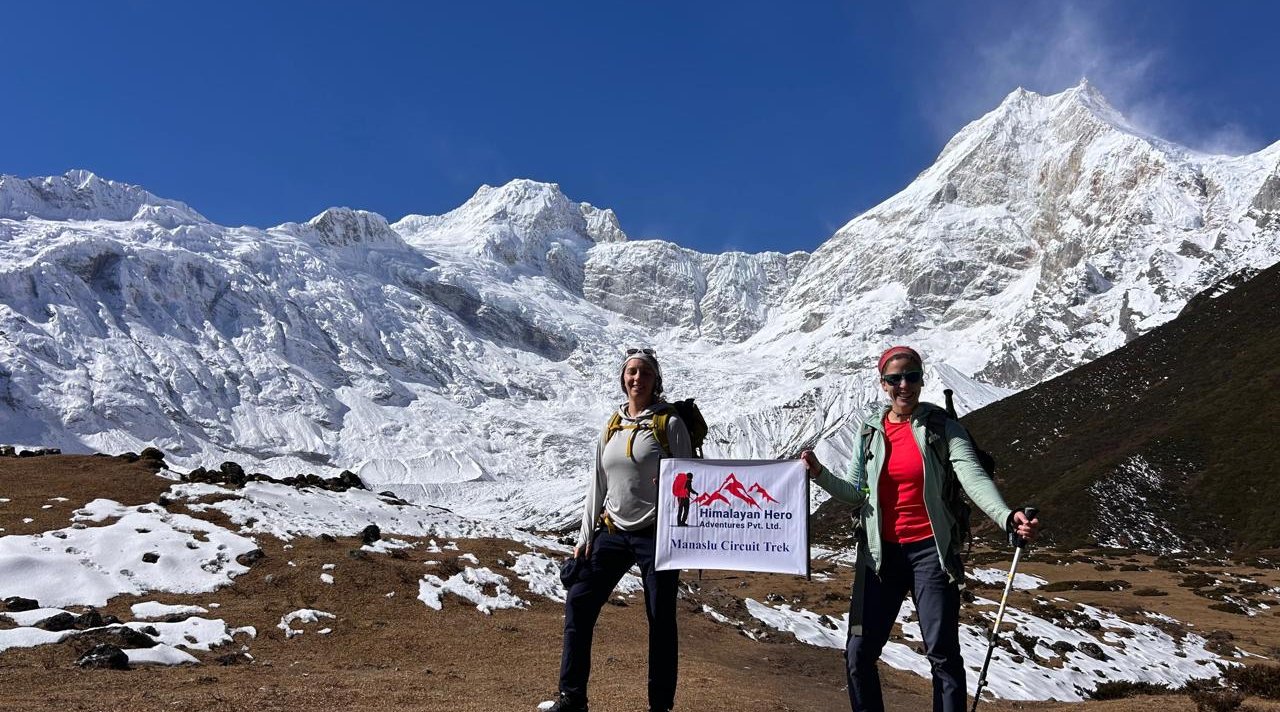
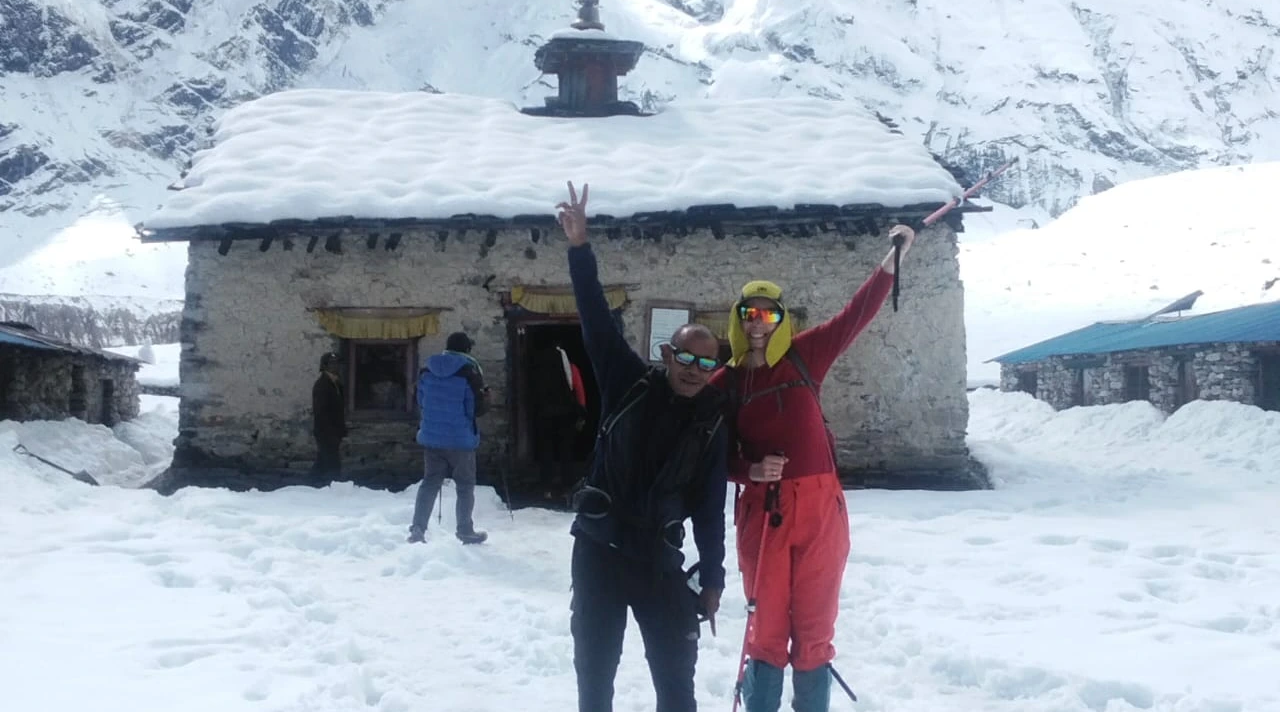
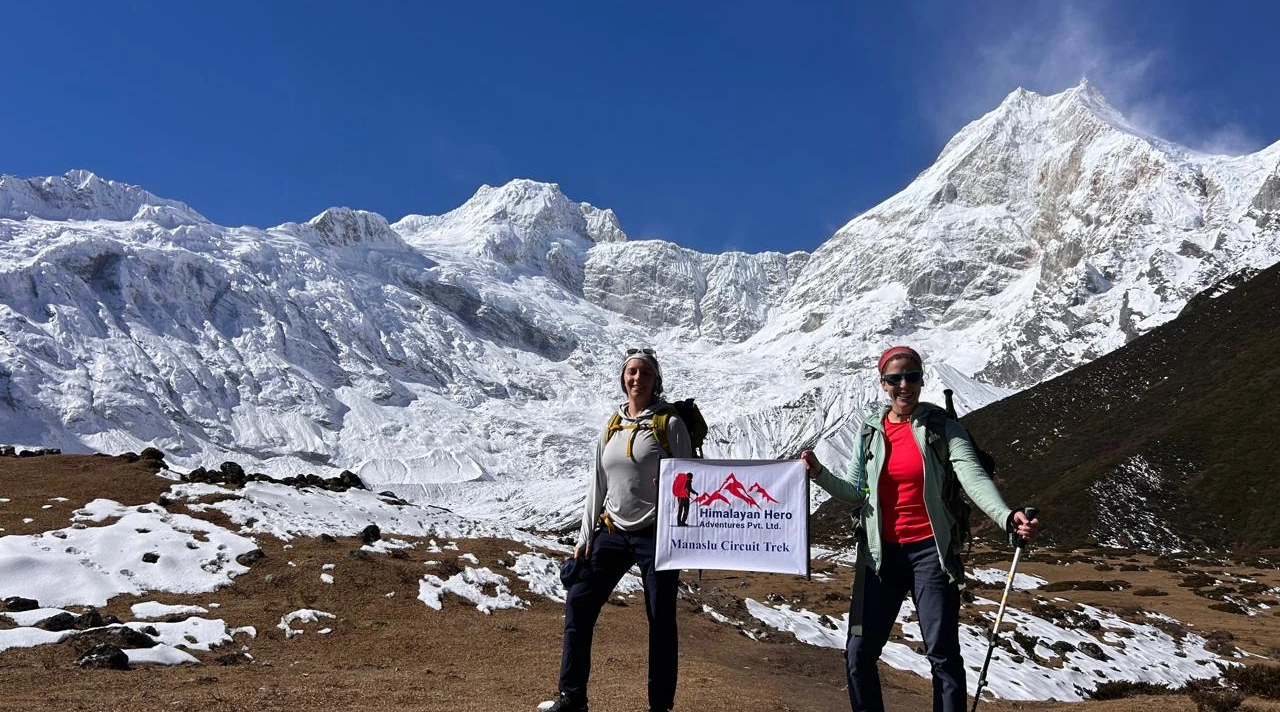
Greetings! I’m Raj, your local Nepali guide, and I’ve been showing trekkers around Annapurna for the last ten years. The Ghorepani Poon Hill Trek is quite special, and I believe it’s more than just the stunning views of the snow-capped mountains, the forests, or the rhododendrons. Each village, every trail, and every morning in the Poon Hill area has a story to tell, and for me, it is these stories that make the place magical.
Come along on a 7-day trek with me. I’ll be your eyes, leading you through the wilderness, the culture, the adventure, and the way the locals live. And all this while trekking with Himalayan Hero, one of the most reliable trekking companies in Nepal. If you want a longer circuit trek in Annapurna, read our Annapurna Circuit Trek blog for detailed itinerary and tips
Why the Ghorepani Poon Hill Trek is Special
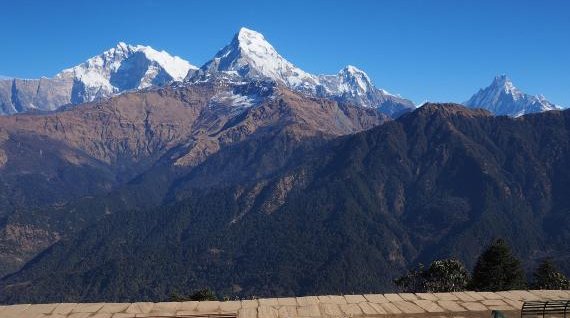
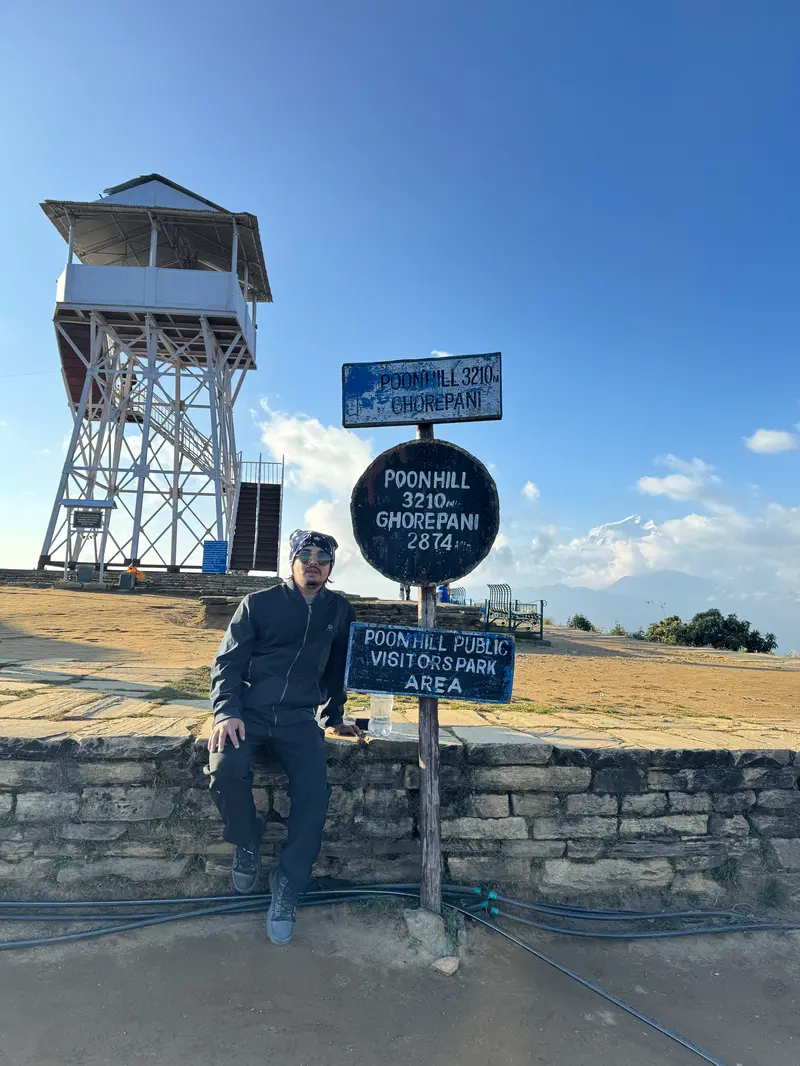
Whenever I meet hikers, I tell them this: Poon Hill is an open window to the Himalayas. At the height of 3,210 meters, it offers you a view of Annapurna South, Machapuchare (Fishtail), Dhaulagiri, and Hiunchuli.
The real enchantment, however, lies in:
- The forests that are full of tales: Pines, oaks, and rhododendron forests changing with the seasons.
- The villages that greet you with open arms: Ghorepani and Ghandruk charm you with their warm smiles, stone houses, and offer you a cup of local tea.
- Deep cultural dive: A remarkable experience of the Gurung culture through home visits, museums, and traditional dances.
- Adventure without the risk: No need to be an expert, beginners will find the trail quite exciting.
Day-by-Day Story & Trekking Guide
Day 1: Kathmandu → Pokhara (820m)
The journey starts early morning in Kathmandu, a bustling city. First thing, we load our luggage onto the bus and set off for Pokhara on the Prithvi Highway along the Trishuli River. As your guide, I enjoy pointing to the terraced hills, small settlements, and kids playing or studying in school who wave at us.
We arrive in Pokhara, the famous Lake City in Nepal, late in the day. Just a short walk along Phewa Lake convinces trekkers that here is a paradise—Fishtail Mountain's reflection on the calm lake, boats drifting lazily, and the scent of Nepali tea in the air.
It's night overnight and morning preparation: checking equipment, backpacks, and whatnot, and relishing hot momo and dal bhat at a local restaurant. To my trekkers, I say: “Tomorrow, we enter the hills—pace yourself and savor every bit.”
Day 2: Pokhara → Nayapul → Tikhedhunga (1,540m)
We get up at the crack of dawn and take a jeep to Nayapul, which is the trail's formal starting point for the Ghorepani Poon Hill Trek. Initially, the path is very mild, hardly climbing and circulating the rice terraces, small rivers, and bamboo and oak woods.
I urge trekkers to be on the lookout for birds: Himalayan bulbuls and red-headed barbets are two you can spot for sure. Some lucky hikers have seen a Himalayan langur leaping from one branch to the next.
By afternoon, we get to Tikhedhunga, a lovely spot at 1,540 meters. After taking a hot shower and having tea, we cheerfully sit down for dinner, exchanging pieces of hiking gossip.
Trek distance: ~9 km, Duration: 5–6 hrs
Day 3: Tikhedhunga → Ghorepani (2,874m)
Today is the stairway day. The Ulleri staircase has almost 3,000 stone steps.
Initially, some trekkers moan, but I remind them, “Each step has got a story, and every story is worth the trouble.” In the spring, rhododendron flowers bloom red and pink throughout the forest. Birds are singing, and a butterfly occasionally adds color.
We come to the village of Ghorepani, situated at an altitude of 2,874 meters. From the balcony of our tea house, Annapurna South peeks through the clouds. Trekkers gasp in awe. The evening is spent with hot dal bhat, local tea, and fireside storytelling.
- Distance: ~10 km
- Duration: 6–7 hrs
- Altitude gain: ~1,334 m
Day 4: Ghorepani → Poon Hill → Tadapani (2,590m)
I get up the trekkers at 4:30 am for the sunrise hike at Poon Hill. It’s freezing, but the excitement overcomes everything. By the time we get to Poon Hill (3,210 m), the sun is just hitting the peaks: Annapurna, Dhaulagiri, Machapuchare, and Hiunchuli. The mountains change color to peach and orange—despite the best efforts of photographers, it’s impossible to capture the beauty. Check out our Poon Hill Trek blog for detailed seasonal advice, packing tips, and trekking essentials.
After enjoying the spectacular view, we walk down to Tadapani, a village located at 2,590 meters. By passing through the quiet pine forests and the flowering rhododendrons, trekkers feel like they have entered a picture.
- Distance: ~11 km
- Duration: 5–6 hrs
- Altitude gain/loss: +336 m / -620 m
Day 5: Tadapani → Ghandruk (1,940m)
This one is my favorite. It is a laid-back walk through terraced fields and dense forests. Coming to Ghandruk, the very center of Gurung culture, feels like stepping into a living museum.
Hikers see the stone houses, local handicrafts, and the Gurung Museum. Kids are shyly greeting us, and villagers are frequently inviting us in for tea. The night is amazing: the stars above, the mountains all around, and the warm tea in hand.
- Distance: ~10 km
- Duration: 5 hrs
- Altitude loss: ~650 m
Day 6: Ghandruk → Nayapul → Pokhara
The last day of trekking is mostly downhill. I remind the hikers to look closely at the small details around them: waterfalls, tiny bridges, and flowers that were overlooked on the way up.
After walking 12 km, we get to Nayapul and then drive back to Pokhara. A few trekkers go for a boat ride by the lake; others take a rest. To them, I say: “Even if the trek is over, these mountains will always be with you.”
- Distance: ~12 km trekking + 1.5 hr drive
- Duration: 4–5 hrs
Day 7: Pokhara → Kathmandu
The trip back to Kathmandu takes about 6–7 hours. Some trekkers catch up on sleep, while others admire the view of the Trishuli River valley and mentally recap the trek. We make a short stop at Sarangkot to soak in the view one last time.
Flora & Fauna Along the Trek
- Forests: Pine, oak, bamboo, rhododendron (Nepal’s national flower)
- Wildlife: Himalayan langur, pheasants, and colorful birds of the Himalayas
- Conservation: The Ghorepani Poon Hill Trek runs through the Annapurna Conservation Area (ACAP). Himalayan Hero is committed to eco-friendly trekking, avoiding plastic, and leaving no trace.
Local Culture & Villages
- Ghorepani: Stone houses, tea houses, terraced fields
- Ghandruk: Gurung Museum, traditional dances, local crafts
- Festivals: Dashain, Tihar, and Teej
- The cultural aspect of trekking with Himalayan Hero gives trekkers an authentic experience of Nepalese traditions.
Trekking Essentials & Preparation
- Clothing: Layers, thermal underwear, raincoat
- Footwear: Sturdy trekking boots
- Gear: Hiking sticks, 20–30 L backpack, headlamp, sunglasses, sunscreen
- Fitness: Cardiovascular and leg training 2–3 months ahead
- Health: Drink enough water; altitude sickness is rare but can occur at Poon Hill (3,210 m)
Food & Accommodation
- Tea houses: Simple, locally-owned
- Meals: Dal bhat, momo, noodles, tea, coffee, and snacks
- Private rooms: Optional via Himalayan Hero
- Tip: Try local tea in every village; each cup is freshly brewed and unique
Photography & Scenic Spots
- Poon Hill Sunrise: Iconic Himalayan photos
- Villages & Rice Terraces: Capture authentic rural life
- Forests & Wildlife: Rhododendron blooms, Himalayan langurs
Himalayan Hero Package Benefits
- Native guides with experience (like me!)
- Trained porters to carry bags
- All permits, meals, and stays included
- Choice of private or group trekking
- Insider knowledge: hidden viewpoints, quiet trails, cultural gems
FAQ Section
Q: How difficult is the Ghorepani Poon Hill Trek?
A: The trek is moderate, suitable for beginners and experienced hikers. Steep sections like the Ulleri staircase can be challenging, but well-marked trails and tea houses make it manageable.
Q: When is the best time to go?
A: Spring (March–May) for blooming rhododendrons and autumn (September–November) for clear mountain views. Summer can be rainy, and winter is cold but offers snowy landscapes.
Q: What is the highest point and trekking distance?
A: The trek’s highest point is Poon Hill at 3,210 m. The total distance is approximately 42 km over 7 days, with daily treks ranging from 5–12 km.
Q: What kind of accommodation is available?
A: Tea houses in Ghorepani, Tadapani, and Ghandruk provide basic rooms, hot meals, and local hospitality. Private rooms can be arranged through Himalayan Hero.
Q: Is this trek family-friendly?
A: Yes! It is safe and comfortable for children and older trekkers if paced carefully. Tea houses offer rest stops and meals, making it ideal for family adventures.
Q: Why choose Himalayan Hero for this trek?
A: Himalayan Hero provides experienced local guides, well-trained porters, all permits, and cultural insights. They ensure a safe, authentic, and seamless trekking experience in Annapurna.
Conclusion – More Than a Trek
The trails I walk, the villages where I drink local tea, and the houses I visit, watching the sunrise over Annapurna and Dhaulagiri—this is what Nepal means to me.
Traveling with Himalayan Hero guarantees a smooth, memorable trek with stories to last a lifetime.
Written by the guiding team at Himalayan Hero Adventures, drawing on over a decade of experience leading treks through the Annapurna region. These observations come from countless days on the trail and conversations with trekkers from around the world.
Book your 7-day Ghorepani Poon Hill Trek with Himalayan Hero, and let me, your local guide, show you the true soul of the Annapurna region!