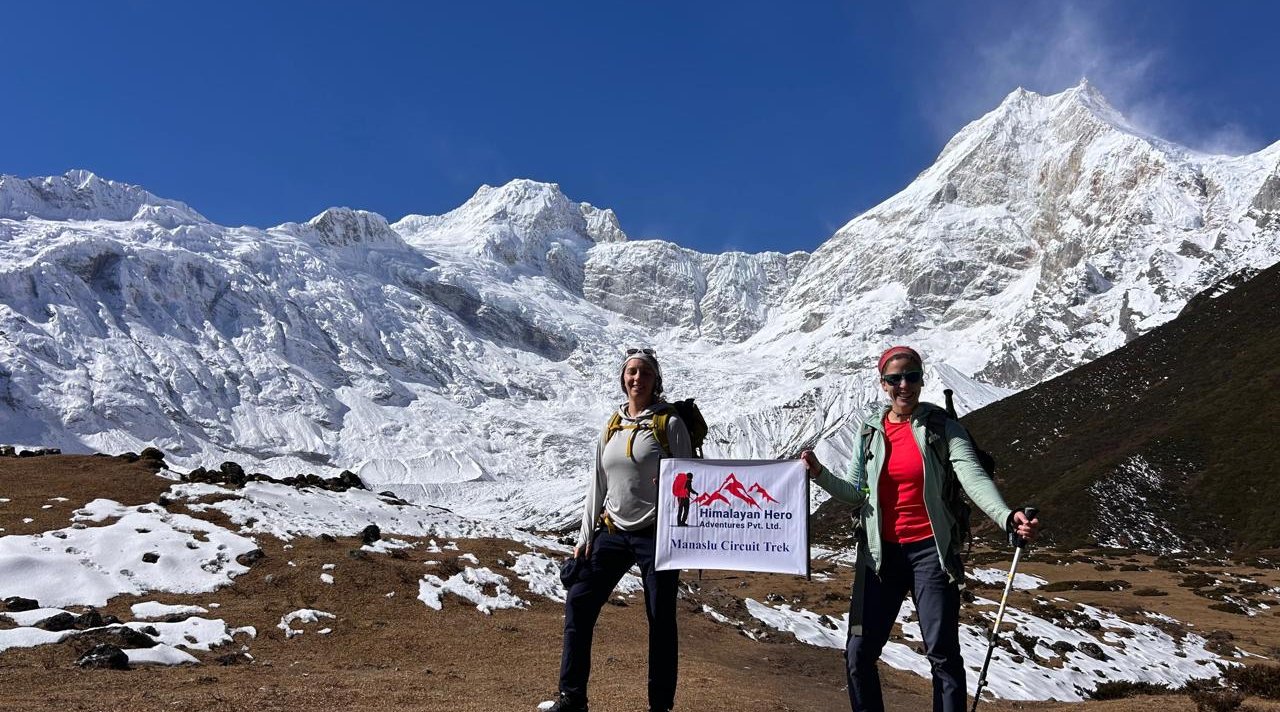
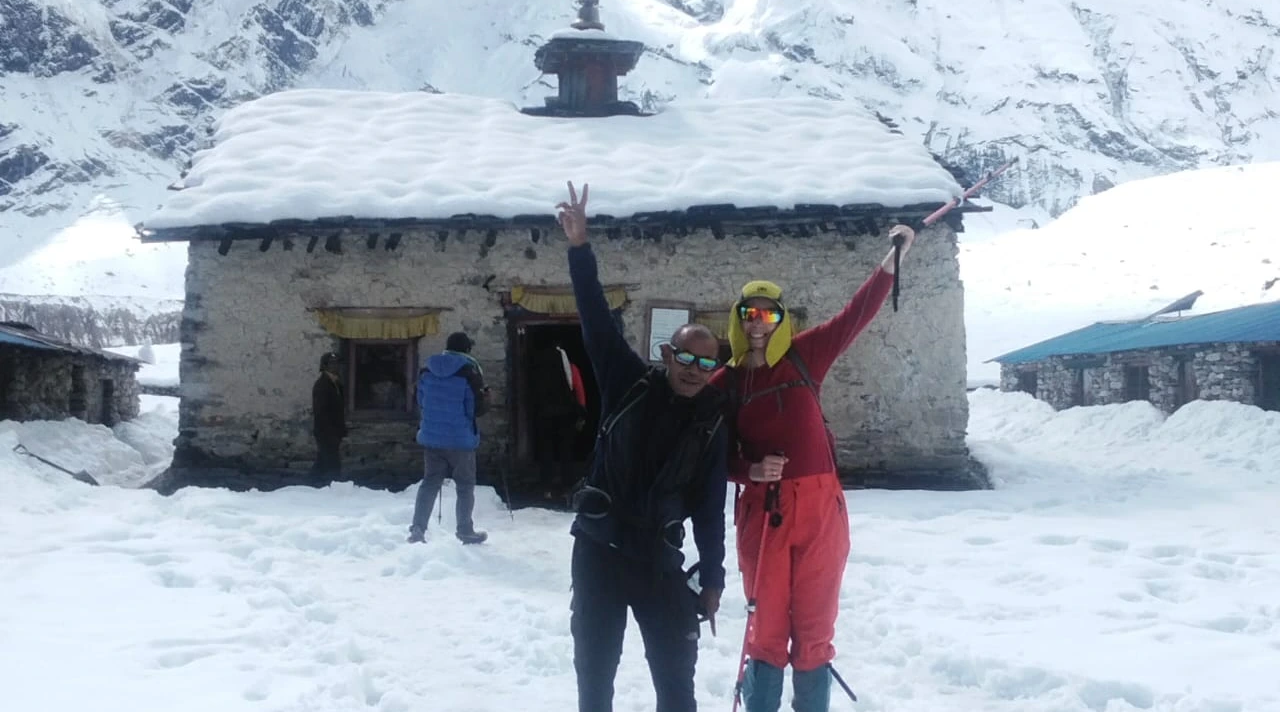
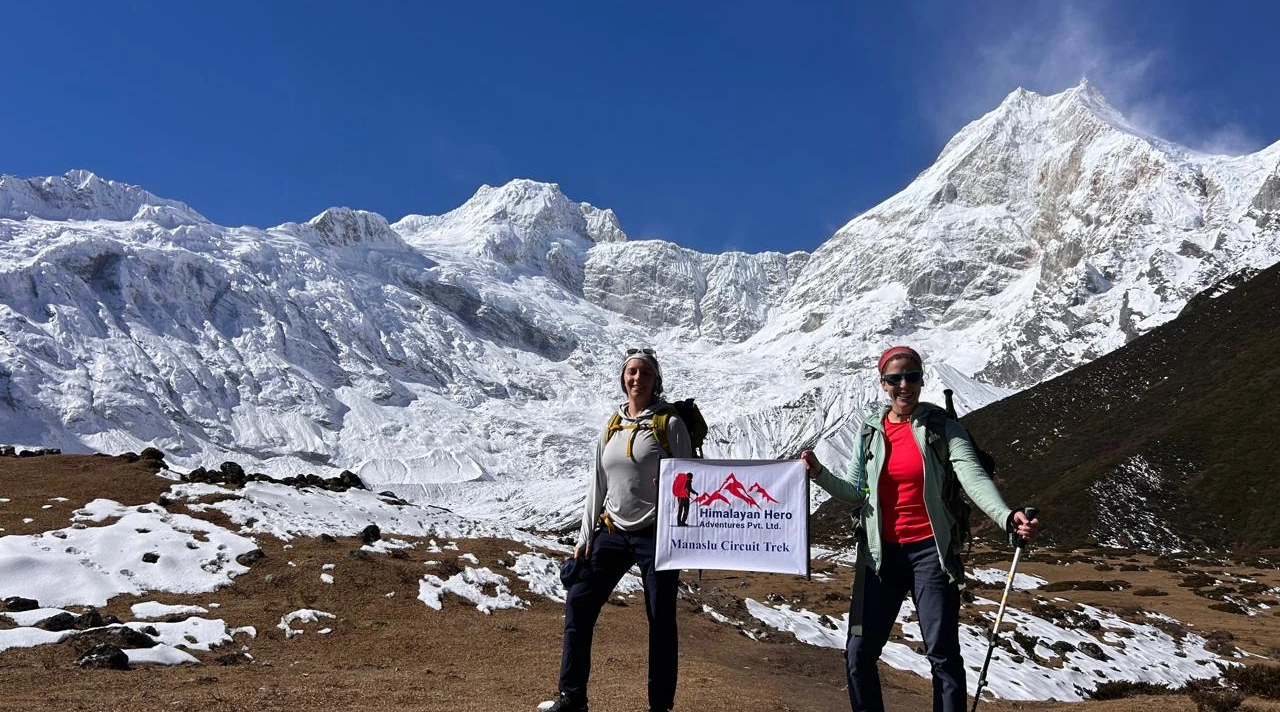
Ever wondered when the best time is to Mardi Himal Trek without ending up in bad weather or missing those clear mountain views? A lot of trekkers just pick random dates, and honestly, that’s where things go wrong. Cloudy skies, slippery trails, or even freezing nights can totally ruin the experience.
In this blog, we’ll break down the best time to Mardi Himal trek in a simple, no-confusion way, so you can choose the right season based on weather, views, and your trekking style. We’ll also cover month-by-month insights, what to expect in each season, and a few small tips that most guides don’t really tell you (but you should know before going).
Best Time to Mardi Himal Trek? (Quick Answer)
The best time to do the Mardi Himal trek is during spring (March–May) and autumn (September–November) when the weather is stable, skies are clear, and mountain views are at their best. These seasons are widely considered the best trekking season in Nepal due to comfortable temperatures and low chances of rain.
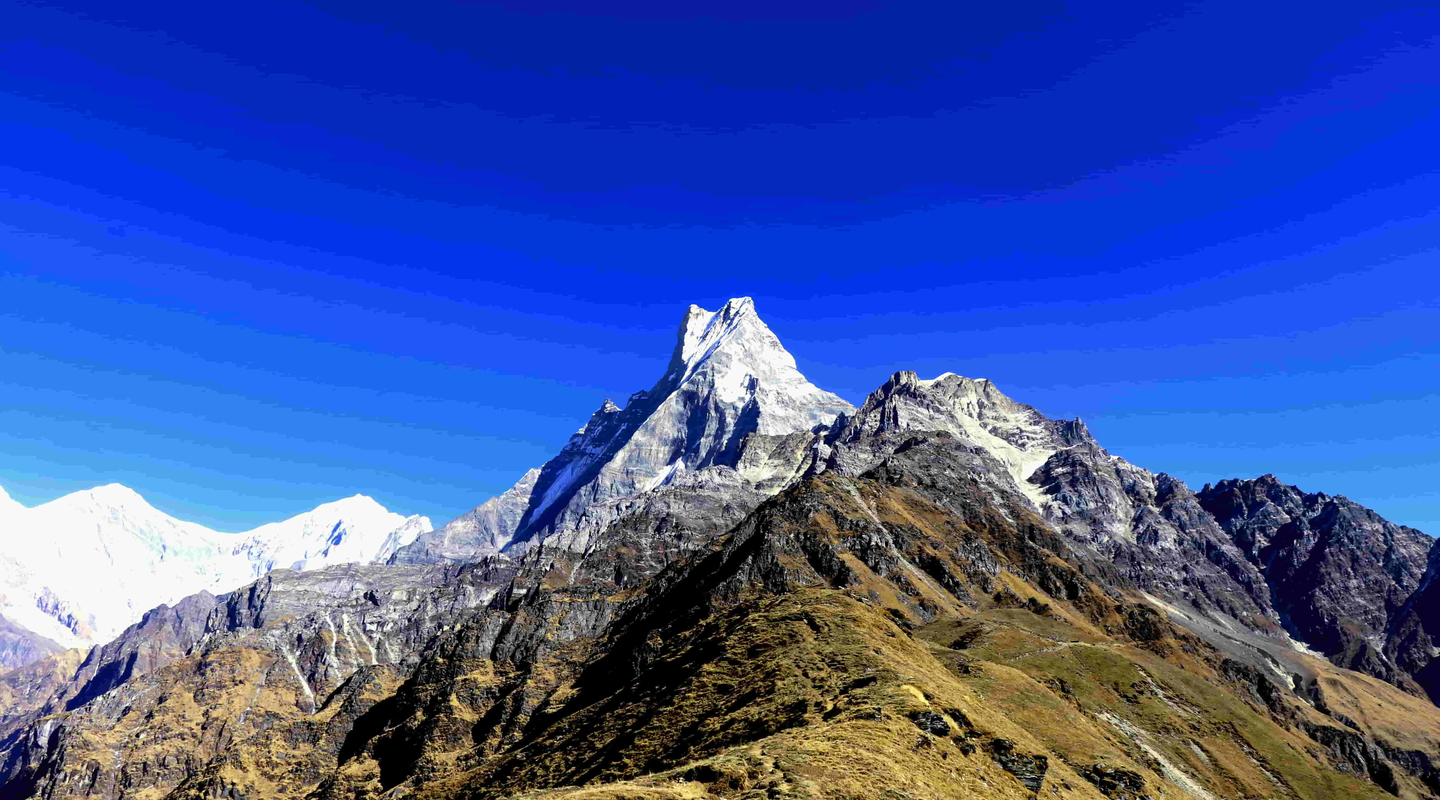
During these months, the weather in Mardi Himal is ideal for trekking, offering clear views of Machhapuchhre and Annapurna, with pleasant daytime temperatures and safer trail conditions compared to winter or monsoon. If you’re still deciding whether Mardi Himal is right for you, check out this personal account that’ll give you honest insight into the highs and lows “I Wish I Knew Before Mardi Himal Trek”. It’s a great read before planning your trip.
Mardi Himal Trek Weather Overview (Season Breakdown)
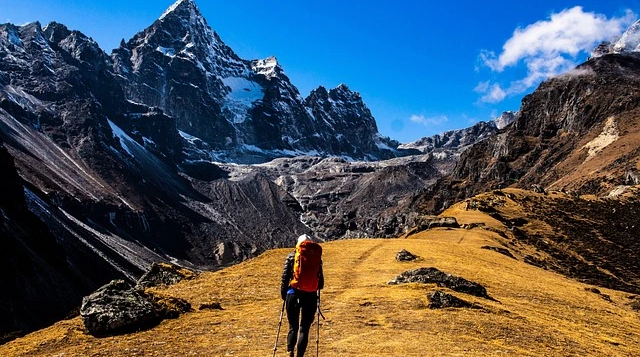
The weather in the Mardi Himal trek changes quite a lot depending on the season and altitude, which many trekkers kind of underestimate at first. In general, lower areas stay mild and green, while higher camps get colder, windier, and sometimes unpredictable. The temperature variation is noticeable even within a single day, with warm sunshine in the afternoon and sudden cold after sunset.
Because of the altitude climate, mornings are usually clear (best for mountain views), while afternoons can get cloudy, especially outside peak seasons. So yeah, timing your hike each day actually matters more than people think.
Temperature by Altitude (Low Camp to Base Camp)
As you go higher from Low Camp to High Camp and then Base Camp, the Mardi Himal altitude weather gets colder pretty quickly.
- Low Camp (2,990m):
Day: 10–18°C
Night: 5–8°C - High Camp (3,580m):
Day: 5–12°C
Night: -2 to 5°C - Base Camp (4,500m):
Day: 0–10°C
Night: -5 to -10°C
At higher altitudes, especially near High Camp, it can feel colder than the actual temperature because of the wind. Nights are noticeably freezing, so yeah, good layers are not optional here.
Best Time to Mardi Himal Trek by Season
Choosing the best time to Mardi Himal trek is one of the most important decisions for any trekker. The weather, trail conditions, and visibility of the mountains vary significantly across seasons, and picking the wrong time can make the trek uncomfortable or even risky. Each season in Nepal offers a unique experience: spring brings blooming rhododendrons and clear skies, autumn provides crisp post-monsoon views with dry trails, winter offers solitude and snow-covered landscapes, and the monsoon season presents challenges with heavy rain and slippery paths.
In this section, we’ll break down each season, spring, autumn, winter, and monsoon, so you can understand the climate patterns, temperature variations, and what to expect at different altitudes. By the end, you’ll know exactly which months are ideal for your Mardi Himal adventure, making your trek planning smoother and safer.
Spring (March to May) – Best Season for Clear Views
Spring is one of the best times to Mardi Himal trek, especially for first-time trekkers or those who love nature photography. The weather during March to May is generally stable, with warm days and cool nights, making hiking comfortable. One of the highlights of this season is the rhododendron blooms along the trail, which paint the forests and hillsides with bright reds and pinks. Clear skies also make it easier to spot iconic peaks like Machhapuchhre and Annapurna, giving you postcard-perfect views almost every day.
Most trekkers choose spring for its moderate weather and scenic landscapes. Trails are less muddy than during monsoon, and streams are manageable, which adds safety and convenience. Compared to other seasons, spring trekking also provides a good balance of daylight hours and pleasant temperatures. It’s widely regarded as the ideal time for a spring trekking Nepal experience, especially if you want both adventure and comfort on your Mardi Himal trek.
Autumn (September to November) – Peak Trekking Season
Autumn is considered the peak season for Mardi Himal trek due to the post-monsoon clarity. After the rains, the skies are generally clear, providing some of the best mountain views of the year. Daytime temperatures are comfortable, and nights are cool but manageable, making the trails safe and enjoyable. This season is perfect for photographers and trekkers who want crisp views of Machhapuchhre, Annapurna South, and surrounding peaks. Dry trails also reduce the risk of slipping, and forest paths feel easier to navigate.
Many trekkers plan trips in autumn because it combines ideal weather with relatively fewer insects and manageable river crossings. Compared to spring, autumn may have slightly cooler mornings, but the visibility is often better. Trails are busy but not overcrowded, which helps in social trekking without losing the peaceful Himalayan vibe. Overall, autumn is perfect for those seeking a mix of autumn trekking in Nepal conditions, adventure, and breathtaking scenery on the Mardi Himal trek.
Winter (December to February) – Snow Trek Experience
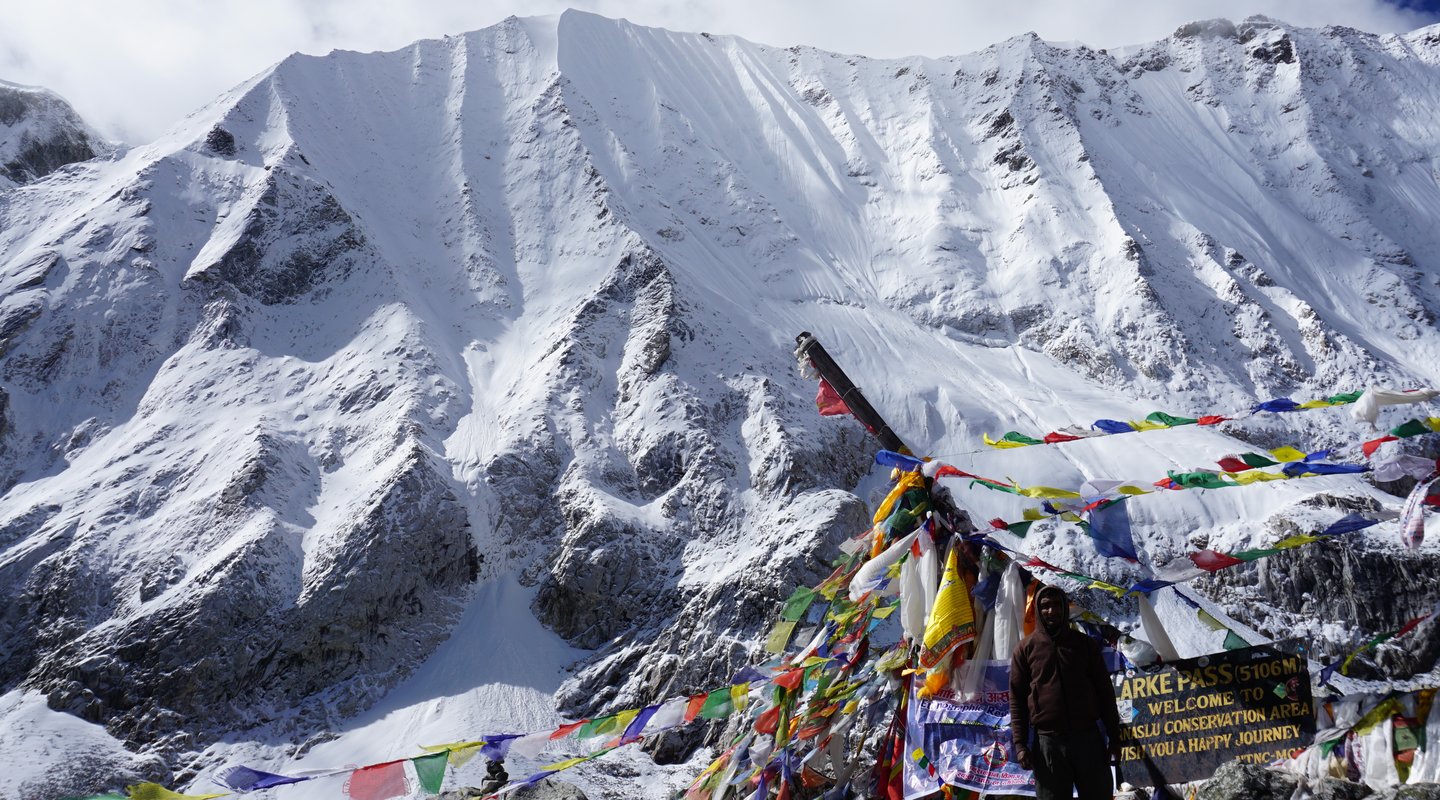
Winter trekking in Mardi Himal is less common but offers a unique experience. The trails are quieter with fewer crowds, giving a sense of solitude. Temperatures drop significantly at higher altitudes, especially at High Camp and Base Camp, making proper gear essential. The snow-covered landscape provides a completely different view of the Annapurna and Machhapuchhre ranges. Clear skies during sunny days make it possible to enjoy dramatic winter vistas, though nights can be freezing, sometimes dropping below -10°C at Base Camp.
Trekkers in winter need to be prepared for cold weather trekking, shorter daylight hours, and icy trails. While it’s challenging, the season provides a peaceful and serene environment that spring and autumn cannot match. Winter trekking is ideal for experienced hikers who enjoy solitude and crisp air. With the right preparation, winter can offer an unforgettable Mardi Himal trek experience while exploring the quiet, snow-covered Himalayan landscape.
Monsoon (June to August) – Off-Season Challenges
The monsoon season is generally not recommended for Mardi Himal trek, but some experienced trekkers attempt it with proper gear. Heavy rains make trails slippery, streams swell, and leeches can appear along forest paths. Cloud cover often hides the mountains, so panoramic views are rare. Rainfall also increases the risk of minor landslides and slippery wooden bridges, making trekking more challenging and less predictable.
Despite the difficulties, monsoon trekking can be rewarding for those who prefer solitude and lush greenery. The forests are at their greenest, and waterfalls are at full flow, creating a different kind of scenic beauty. Trekkers should come prepared with waterproof clothing, proper boots, and trekking poles. Monsoon trekking is risky but possible, offering a unique Mardi Himal experience for adventurers willing to brave the rainy season.
Month-by-Month Guide for Mardi Himal Trek
Planning the best time to Mardi Himal trek can get tricky if you don’t know what each month has in store. From January to December, weather, trail conditions, and mountain visibility vary, and knowing this can make your trek much more enjoyable. Some months are perfect for clear views and comfortable temperatures, while others bring rain, snow, or icy trails that can slow you down.
Here’s a quick month-by-month breakdown to help you plan:
- January–February: Cold and quiet, Base Camp may have snow. Great for solitude, but very chilly nights.
- March–May: Spring blooms, stable weather, and clear views. Ideal for most trekkers.
- June–August: Monsoon season, slippery trails, leeches, and often cloudy skies. Best avoided.
- September–November: Post-monsoon clarity, dry trails, crisp mountain views. Another ideal period.
- December: Cold and dry, fewer crowds, but icy conditions at high camps.
This guide helps you pick the best months for your trekking goals and avoid the worst, so you get the most out of your Mardi Himal adventure.
How to Choose the Best Time for Mardi Himal Trek Based on Your Goals
To choose the best time to Mardi Himal trek, first think about what matters most to you: mountain views, fewer crowds, or colorful nature. If you want clear mountain views, go in autumn (September–November). For budget-friendly trekking with fewer people, pick winter (December–February). And if your goal is photography or enjoying blooming rhododendrons, spring (March–May) is ideal.
For Clear Mountain Views
Choose autumn if your priority is seeing the mountains without clouds or haze. Post-monsoon skies are clear, trails are dry, and the views are at their best perfect for capturing panoramic shots or simply enjoying the scenery.
For Budget & Fewer Crowds
Pick winter if you prefer quieter trails and lower costs. Fewer trekkers mean more solitude, but be ready for colder nights and icy paths at higher camps.
For Photography & Nature
Go in spring to see rhododendrons in full bloom and lush green landscapes. The combination of flowers, moderate weather, and clear mornings makes this season perfect for photos and nature lovers.
Why Spring and Autumn Are the Best Time to Mardi Himal Trek
The best time to Mardi Himal trek is spring (March–May) and autumn (September–November) because these seasons offer the most stable weather, safe trails, and clear mountain views. In spring, the forests come alive with rhododendron blooms, temperatures are moderate, and the skies are mostly clear, making trekking comfortable and scenic. Autumn follows the monsoon, so the trails are dry, and visibility is excellent for panoramic views of Machhapuchhre and the Annapurna range.
Simply put, spring and autumn provide ideal trekking conditions in Nepal, with less rain, safer paths, and unforgettable Himalayan scenery perfect for both first-time trekkers and experienced adventurers.
Tips for Trekking Mardi Himal in Different Seasons
When planning the best time to Mardi Himal trek, it’s important to pack and prepare according to the season. In spring, bring lightweight layers, a warm jacket for mornings and evenings, and trekking shoes for muddy trails. For autumn, focus on dry-weather gear, sunglasses, and sun protection since trails are dry, but the sun can be strong. Winter trekkers need heavy insulated jackets, thermal layers, gloves, and a good sleeping bag to handle freezing nights at High Camp and Base Camp.
During the monsoon season, waterproof jackets, gaiters, trekking poles, and quick-dry clothing are essential, along with extra caution on slippery paths. Always check daily weather forecasts, carry enough water, and pack snacks. Proper trekking gear by season and preparation can make your Mardi Himal trek safer, more comfortable, and enjoyable no matter when you go.
Common Mistakes When Choosing the Trekking Season
One of the biggest mistakes trekkers make when planning the best time to Mardi Himal trek is ignoring the weather. Picking a month without checking temperature, rainfall, or trail conditions can lead to slippery paths, blocked trails, or cloudy mountain views, which can ruin the experience. If your goal is to reach the highest viewpoint, you’ll want to understand what awaits at Base Camp. Our Mardi Himal Base Camp Guide dives deeper into what to expect, how to prepare, and tips for high-altitude trekking.
Another common error is underestimating winter conditions. While winter has fewer crowds and lower costs, nights are freezing, and higher camps can be icy and challenging. Many first-time trekkers aren’t prepared with proper thermal clothing or gear, which can make the trek uncomfortable or even risky. Avoid these trek planning mistakes in Nepal by checking seasonal conditions, preparing appropriate gear, and choosing your trekking season carefully for safety and enjoyment.
Final Verdict: When Should You Trek Mardi Himal?
If you’re still wondering about the best time to Mardi Himal trek, the answer is clear: spring (March–May) and autumn (September–November). These seasons offer stable weather, safe trails, and the clearest mountain views, making your trek enjoyable and memorable. Spring adds the bonus of blooming rhododendrons, while autumn provides crisp post-monsoon skies perfect for panoramic photography.
No matter your goal—whether it’s adventure, photography, or just enjoying nature—planning your trip in these months maximizes comfort and safety. Ready to start your journey? Check out our Mardi Himal Trek Package, explore our packing list for each season, and book your trek today to secure the best dates before they fill up!
FAQ
- What is the best time for Mardi Himal trek?
The best time is spring (March–May) and autumn (September–November) for clear skies, stable weather, and safe trekking conditions. - How long does it take to complete Mardi Himal trek?
Most trekkers complete the Mardi Himal trek in 5–7 days, depending on fitness, pace, and chosen starting point. - Is Mardi Himal trek suitable for beginners?
Yes, it’s beginner-friendly but requires basic fitness and preparation, especially for altitude changes and longer hiking days. - Can I trek Mardi Himal alone safely?
Yes, but hiring a guide or porter is recommended for safety, navigation, and local insights. - Do I need a permit for Mardi Himal trek?
Yes, both ACAP and TIMS permits are mandatory. They ensure legal trekking and conservation compliance in the area. - What should I pack for Mardi Himal trek?
Pack layers, waterproof gear, trekking shoes, gloves, warm jackets, and essentials for changing weather at different altitudes. - Can Mardi Himal trek be done in winter?
Yes, winter is possible with proper gear, but nights are freezing, and trails can be icy at higher camps. - Which season is best for photography on Mardi Himal trek?
Spring and autumn offer vibrant colors, clear skies, and the best mountain visibility, ideal for photography and nature lovers.