Nepal is home to some of the world's most famous trekking routes. From the legendary Everest Base Camp to quiet valleys such as Tsum, the country offers trails for different fitness levels, time limits, landscapes, and travel interests. You can trek through rhododendron forests, cross high mountain passes, visit Buddhist monasteries, walk beside glacial lakes, and explore traditional Himalayan villages. Some routes take only a few days, while others require two weeks or more.
The best trek for you depends on your available time, fitness, altitude tolerance, preferred scenery, cultural interests, budget, and trekking experience. In this blog, we cover the 10 best trekking places in Nepal, including Everest Base Camp, Annapurna Base Camp, Annapurna Circuit, Manaslu Circuit, Langtang Valley, Ghorepani Poon Hill, Gokyo Lake, Upper Mustang, Mardi Himal, and Tsum Valley.
What Are the Best Trekking Places in Nepal?
The best trekking places in Nepal include the Everest, Annapurna, Manaslu, Langtang, and Mustang regions. Popular routes range from short, lower-altitude hikes to demanding high-altitude adventures.
Here is a quick comparison:
| Trek |
Region |
Duration |
Difficulty |
Best For |
| Everest Base Camp |
Everest |
14 days |
Moderate–Challenging |
Everest experience |
| Annapurna Base Camp |
Annapurna |
7–12 days |
Moderate |
Mountain scenery |
| Annapurna Circuit |
Annapurna |
12–20 days |
Moderate–Challenging |
Diverse landscapes |
| Manaslu Circuit |
Manaslu |
14+ days |
Moderate–Challenging |
Remote trekking |
| Langtang Valley |
Langtang |
7–10 days |
Moderate |
Short Himalayan trek |
| Ghorepani Poon Hill |
Annapurna |
4–6 days |
Easy–Moderate |
Beginners |
| Gokyo Lake |
Everest |
12–14 days |
Moderate–Challenging |
Lakes and mountain views |
| Mardi Himal |
Annapurna |
5–8 days |
Moderate |
Short mountain trek |
| Upper Mustang |
Mustang |
12–18 days |
Moderate |
Culture and landscapes |
| Tsum Valley |
Manaslu |
11+ days |
Moderate |
Culture and solitude |
1. Everest Base Camp Trek
Everest Base Camp is one of Nepal's most famous trekking routes, combining Himalayan scenery, Sherpa culture, Namche Bazaar, and views of Mount Everest.
The Everest Base Camp Trek is a classic choice for travelers who want to experience the world's highest mountain region on foot. The trail passes through Sherpa villages, suspension bridges, forests, and high-altitude landscapes before reaching Everest Base Camp.
The journey is about more than reaching the base camp. The route itself provides a chance to experience the culture and mountain environment of the Everest region.
What are the highlights of the Everest Base Camp Trek?
Major highlights include:
- Everest Base Camp
- Kala Patthar
- Namche Bazaar
- Sagarmatha National Park
- Sherpa villages
- Tengboche Monastery
- Views of Mount Everest and surrounding peaks
Namche Bazaar is an important stop on the route. Trekkers often spend an acclimatization day here before continuing toward higher elevations.
Kala Patthar is another major viewpoint. It provides a close mountain panorama and is often included in EBC itineraries.
How difficult is Everest Base Camp?
Everest Base Camp is generally considered moderate to challenging. You do not need technical mountaineering skills, but you need good preparation for long walking days and increasing altitude.A typical itinerary takes around 14 days, although the duration varies by itinerary.
Acclimatization is one of the most important parts of the trek. A slower ascent gives your body more time to adjust to altitude.For practical altitude advice, read How to Acclimatize for High-Altitude Treks in Nepal.
2. Annapurna Base Camp Trek
Annapurna Base Camp is a moderate Himalayan trek known for close-up mountain views, Machhapuchhre, rhododendron forests, and traditional villages.The Annapurna Base Camp Trek takes you into the Annapurna Sanctuary. Unlike some longer Himalayan routes, the trail focuses on reaching a dramatic mountain amphitheater surrounded by peaks.
The landscape changes throughout the journey. Lower sections feature green hills, farmland, forests, and villages. As the trail gains elevation, the surroundings become more alpine.
What can you see on the Annapurna Base Camp Trek?
The main highlights include:
- Annapurna Sanctuary
- Annapurna I
- Machhapuchhre
- Hiunchuli
- Annapurna South
- Rhododendron forests
- Mountain villages
- Close-up Himalayan views
The trek usually takes 7–12 days, depending on the starting point and itinerary. Its moderate difficulty makes it accessible to many trekkers who have prepared for regular uphill and downhill walking. However, the route still includes steep sections and significant elevation gain.
Which Is Better, ABC or EBC?
ABC and EBC offer different trekking experiences, so the right choice depends on your priorities.
| Feature |
ABC |
EBC |
| Main attraction |
Annapurna Sanctuary |
Everest Base Camp |
| Altitude |
Lower |
Higher |
| Duration |
Generally shorter |
Generally longer |
| Mountain views |
Close-up Annapurna scenery |
Everest-region scenery |
| Culture |
Gurung/Magar communities |
Sherpa culture |
| Difficulty |
Moderate |
Moderate–Challenging |
ABC may suit travelers who want close-up Annapurna scenery and a shorter itinerary. EBC may suit travelers whose main goal is reaching Everest Base Camp and exploring the Everest region at higher elevations. Neither route offers the same experience. Your decision should depend on time, fitness, altitude preference, scenery, culture, and trekking goals.
3. Annapurna Circuit Trek
Annapurna Circuit is a diverse Himalayan trek that crosses changing landscapes, mountain villages, the Marsyangdi Valley, and the high Thorong La Pass.The Annapurna Circuit Trek is one of Nepal's most varied trekking routes. Its landscapes change dramatically as you move from lower valleys to high mountain terrain.
The route passes through the Marsyangdi Valley and reaches Manang before crossing Thorong La Pass. It then continues toward the Mustang side of the Annapurna region.
What are the highlights of the Annapurna Circuit?
Major highlights include:
- Marsyangdi Valley
- Manang
- Thorong La Pass
- Mustang
- Mountain villages
- Diverse landscapes
- Himalayan mountain views
- Cultural diversity
The trek usually takes 12–20 days, depending on the itinerary and transportation used. Thorong La is the major high-altitude challenge. The crossing requires an early start and preparation for cold, wind, snow, and reduced oxygen at altitude. The Annapurna Circuit is therefore more than a sightseeing trip. Trekkers should be prepared for long walking days, changing terrain, and significant altitude gain. Fitness, pacing, acclimatization, and weather awareness all matter.
4. Manaslu Circuit Trek
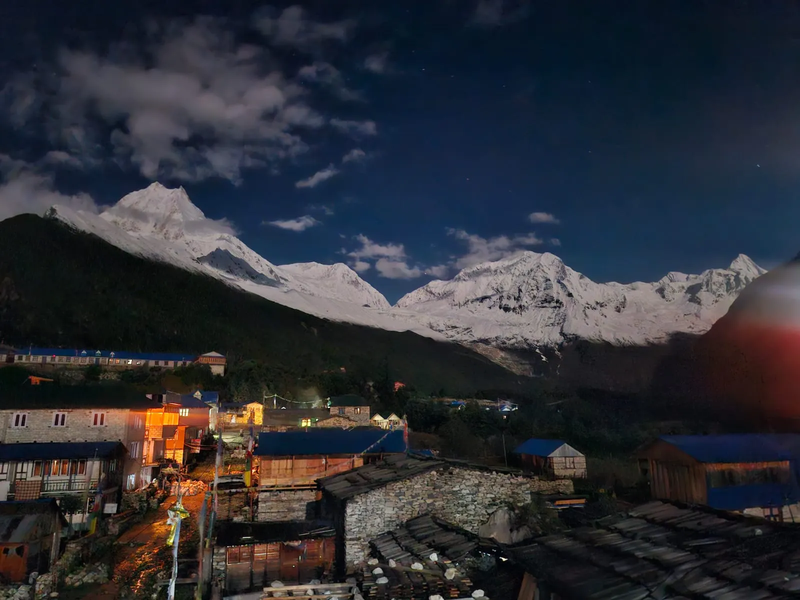
Manaslu Circuit is a remote Himalayan trek featuring Mount Manaslu, the Budhi Gandaki Valley, traditional villages, and Larkya La Pass. The Manaslu Circuit Trek is known for its quieter trails, dramatic mountain scenery, and Tibetan-influenced culture. The route follows the Budhi Gandaki Valley through traditional settlements before reaching higher alpine terrain. As the trail climbs, forests gradually give way to more rugged landscapes.
What are the highlights of the Manaslu Circuit?
Key attractions include:
- Mount Manaslu
- Budhi Gandaki Valley
- Larkya La Pass
- Samagaun
- Tibetan-influenced culture
- Remote mountain villages
- High-altitude landscapes
A standard itinerary generally takes 14 days or more. The highest major point is Larkya La Pass, making altitude an important consideration. The section from Dharamsala across Larkya La toward Bhimthang is among the most demanding parts of route. The trek is rated moderate to challenging. Manaslu is also a restricted trekking area. Trekkers need the required permits and must follow applicable guide and group requirements. For travelers looking for a less developed trekking environment and strong cultural elements, the Manaslu region provides a different experience from the more established routes.
5. Langtang Valley Trek
Langtang Valley is a relatively accessible Himalayan trek known for mountain views, Tamang culture, forests, and Kyanjin Gompa. The Langtang Valley Trek is a popular option for travelers who want a Himalayan adventure without committing to some of Nepal's longer trekking routes. The trail begins relatively close to Kathmandu and gradually enters the Langtang Valley. Forests, villages, mountain views, and Buddhist cultural sites appear along the route.
What are the highlights of Langtang Valley?
The route features:
- Langtang Valley
- Kyanjin Gompa
- Langtang Lirung
- Tamang culture
- Forest trails
- Mountain scenery
- Traditional villages
The trek generally takes 7–10 days. Kyanjin Gompa is a major destination. Trekkers can also take additional hikes in the surrounding area, depending on their itinerary, fitness, weather, and acclimatization. Langtang is rated moderate. Although it is shorter than many high-altitude routes, trekkers still need to prepare for repeated uphill walking. The combination of accessibility, scenery, and culture makes Langtang a practical option for travelers with limited time.
6. Ghorepani Poon Hill Trek
Ghorepani Poon Hill is a short trek known for sunrise views over the Annapurna and Dhaulagiri ranges, rhododendron forests, and traditional villages.If you have only a few days in Nepal, the Ghorepani Poon Hill Trek provides a compact Himalayan experience.
The route passes through forests and mountain settlements before reaching Poon Hill. The viewpoint is particularly known for sunrise views across the surrounding Himalayan ranges.
Why is Poon Hill popular?
The trek features:
- Poon Hill sunrise
- Annapurna views
- Dhaulagiri views
- Ghorepani
- Rhododendron forests
- Traditional villages
- Short trekking duration
The trek generally takes 4–6 days and ranges from easy to moderate. It can suit beginners and families who are comfortable with regular walking and uphill sections. However, “short” does not mean completely effortless. Some days include many stone steps and sustained climbs. Poon Hill is especially useful for travelers who cannot spend two or three weeks on a high-altitude trek.
7. Gokyo Lake Trek
Gokyo Lake Trek is a high-altitude Everest-region trek known for turquoise glacial lakes, Gokyo Ri, and wide Himalayan views.The Gokyo Lake Trek provides an alternative way to experience the Everest region.
Instead of focusing only on Everest Base Camp, the route takes trekkers toward the Gokyo Lakes and Gokyo Ri. The landscape includes glaciers, high valleys, mountain peaks, and glacial lakes.
What are the highlights of Gokyo Lake Trek?
Highlights include:
- Gokyo Lakes
- Gokyo Ri
- Everest region
- Glacial landscapes
- High-altitude valleys
- Himalayan mountain views
The trek usually takes 12–14 days and is considered moderate to challenging. Altitude is an important factor because the route reaches high elevations. Proper acclimatization should therefore be built into the itinerary. Gokyo can appeal to trekkers who are particularly interested in high-altitude lakes and mountain landscapes.
8. Upper Mustang Trek
Upper Mustang offers a distinct trekking experience through a dry Trans-Himalayan landscape shaped by Tibetan culture, ancient settlements, caves, monasteries, and traditional villages.Upper Mustang looks very different from the green forests and valleys found on many other Nepal trekking routes.The region has a dry, high-altitude landscape with cliffs, eroded hills, rocky valleys, and traditional settlements.
What makes Upper Mustang different?
Key features include:
- Lo Manthang
- Trans-Himalayan landscapes
- Tibetan-influenced culture
- Ancient settlements
- Buddhist monasteries
- Caves
- Traditional villages
The trek generally takes 12–18 days and is rated moderate.Upper Mustang is a restricted area, so travelers need the relevant permits.The cultural experience is a major part of the journey. Villages, monasteries, traditional architecture, and Buddhist practices provide insight into a Himalayan region with strong links to Tibetan culture.The route is particularly suitable for travelers who want to combine trekking with cultural exploration.
9. Mardi Himal Trek
Mardi Himal is a short Himalayan trek offering close mountain views, forest trails, and scenery around Machhapuchhre and the Annapurna range. The Mardi Himal Trek is a shorter alternative in the Annapurna region.The trail begins in lower, forested terrain and gradually climbs toward higher ridges. As the forest thins, mountain views become more prominent.
What are the highlights of Mardi Himal?
The trek features:
- Mardi Himal Base Camp
- Machhapuchhre
- Annapurna range
- Forest trails
- Mountain ridges
- Short trekking itinerary
The trek usually takes 5–8 days and is considered moderate.Its relatively short duration makes it useful for travelers who want a Himalayan trek without spending two weeks on the trail.Despite the short itinerary, the route includes uphill sections and higher elevations. Basic preparation and suitable trekking equipment remain important.
10. Tsum Valley Trek
Tsum Valley is a culturally rich and relatively remote trek known for Buddhist monasteries, traditional villages, and peaceful Himalayan landscapes.The Tsum Valley Trek takes travelers into a quieter Himalayan valley in the Manaslu region.The valley has strong Buddhist traditions and a distinctive cultural landscape. Traditional villages, monasteries, and mountain scenery form the main attractions.
What are the highlights of Tsum Valley?
Key highlights include:
- Rachen Gompa
- Mu Gompa
- Buddhist culture
- Traditional villages
- Himalayan scenery
- Remote valley landscapes
- Quiet trekking trails
The trek generally takes 11 days or more and is rated moderate.Trekkers also need the required permits for the region.Tsum Valley is particularly suitable for travelers who want to combine mountain trekking with Buddhist culture and a quieter trail experience.
Which Trekking Places in Nepal Are Best for Beginners?
Ghorepani Poon Hill, Mardi Himal, Langtang Valley, and Annapurna Base Camp can suit beginners, depending on fitness, preparation, time, and itinerary.There is no single beginner trek for everyone. A route that works for one first-time trekker may feel demanding for another.
Before choosing, consider:
- Daily walking hours
- Total elevation gain
- Maximum altitude
- Trail conditions
- Weather
- Trek duration
- Previous hiking experience
- Your fitness level
Ghorepani Poon Hill for Beginners
Poon Hill is one of the shorter options. It does not require a long stay at high altitude, but the trail still includes uphill sections and stone steps.It can be a practical introduction to Himalayan trekking for travelers with limited time.
Mardi Himal for Beginners
Mardi Himal offers a short route with moderate difficulty. The trail becomes more demanding as it climbs, so preparation is still necessary.
Langtang Valley for Beginners
Langtang provides a longer Himalayan experience than Poon Hill or Mardi Himal. Its moderate difficulty makes it suitable for beginners who are prepared for several days of mountain walking.
Annapurna Base Camp for Beginners
ABC can also work for beginners with good preparation. The route requires regular uphill and downhill walking and includes significant elevation gain.
Can a Beginner Do an Annapurna Trek?
Yes, a beginner may be able to complete an Annapurna trek, depending on the route and itinerary.“Annapurna Trek” can refer to several different routes. Annapurna Base Camp and Annapurna Circuit have different distances, altitudes, walking hours, and difficulty levels.
A beginner should consider:
- Current fitness
- Trek duration
- Daily walking hours
- Maximum altitude
- Previous hiking experience
- Weather conditions
- Training and pacing
A gradual training plan that includes walking, stairs, hills, and longer hikes can help prepare the body for trekking.
What Are the Best Short Trekking Places in Nepal?
Popular short trekking places in Nepal include Ghorepani Poon Hill, Mardi Himal, Langtang Valley, and Annapurna Base Camp.
| Short Trek |
Approximate Duration |
Experience |
| Ghorepani Poon Hill |
4–6 days |
Sunrise and mountain views |
| Mardi Himal |
5–8 days |
Short high-mountain experience |
| Langtang Valley |
7–10 days |
Himalayan scenery and culture |
| Annapurna Base Camp |
7–12 days |
Close-up mountain scenery |
Which short trek should you choose?
Poon Hill works well when your time is very limited.Mardi Himal offers a short mountain adventure with changing landscapes.Langtang Valley provides a longer Himalayan experience while remaining relatively accessible from Kathmandu.Annapurna Base Camp requires more time but takes you into the Annapurna Sanctuary.The best choice depends on how many days you can spend trekking and how much altitude you are comfortable with.
Which Is Better, ABC or EBC?
ABC and EBC are different types of Himalayan trekking experiences. Your choice should depend on your personal priorities rather than a universal ranking.
| Feature |
ABC |
EBC |
| Main attraction |
Annapurna Sanctuary |
Everest Base Camp |
| Altitude |
Lower |
Higher |
| Duration |
Generally shorter |
Generally longer |
| Mountain views |
Close-up Annapurna scenery |
Everest-region scenery |
| Culture |
Gurung/Magar communities |
Sherpa culture |
| Difficulty |
Moderate |
Moderate–Challenging |
Choose ABC if you prioritize close-up Annapurna scenery, a generally shorter itinerary, and the Annapurna Sanctuary.Choose EBC if reaching Everest Base Camp, exploring the Everest region, and trekking at higher elevations are your main goals.Both routes require preparation. The better fit depends on your available time, fitness, altitude preference, scenery, and cultural interests.
What Is the Best Month to Trek in Nepal?
Autumn and spring are the main trekking seasons in Nepal. Conditions vary by region and elevation, so the ideal month also depends on your chosen route.
Autumn — September to November
Autumn generally provides favorable trekking conditions.
Common advantages include:
- More stable weather
- Clearer mountain views
- Comfortable trekking conditions
- High demand on popular routes
October is particularly popular for many trekking routes because of generally good weather and visibility. Late September through November is commonly used for trekking across many Himalayan regions.
Spring — March to May
Spring is another major trekking season.
It offers:
- Warmer daytime conditions
- Rhododendron blooms
- Good mountain scenery
- Favorable trekking conditions on many routes
March, April, and May can provide different experiences as temperatures and vegetation change through the season.
Winter Trekking in Nepal
Winter can work for some lower-altitude routes, but conditions become harder at higher elevations.
Potential challenges include:
- Very cold temperatures
- Snow
- Frozen water
- Difficult high passes
- Temporary route restrictions
Trekkers planning a winter trip should check current trail and weather conditions before departure.
Monsoon Trekking in Nepal
The monsoon season generally brings heavy rain to many parts of Nepal.
Possible challenges include:
- Wet and muddy trails
- Reduced mountain visibility
- Landslides
- Slippery paths
- Transportation disruptions
However, conditions differ by region. Some areas, including parts of Mustang, can experience much drier conditions because they lie in the rain shadow.
Is Trekking in Nepal Safe?
Trekking in Nepal requires preparation for altitude, changing weather, uneven terrain, dehydration, cold, and other mountain conditions. Most trekking risks can be managed more effectively through proper planning and responsible decision-making. Common risks include:
- Altitude sickness
- Rapid weather changes
- Uneven terrain
- Dehydration
- Cold temperatures
- Landslides
- Poor acclimatization
- Fatigue
- Limited medical facilities in remote areas
How can you stay safe while trekking in Nepal?
Trekking in Nepal is generally manageable with proper planning and preparation. However, mountain conditions can change quickly, especially at higher elevations. Before starting your trek, prepare for altitude, weather, terrain, and limited facilities in remote areas. The following safety tips can help you trek more comfortably and responsibly.
Acclimatize Gradually: Give your body enough time to adjust as you gain altitude. Avoid rushing through high-altitude sections.
Stay Hydrated: Drink enough water throughout the day. Cold weather can reduce thirst, but staying hydrated is still important.
Check the Weather: Mountain weather can change quickly. Check forecasts and follow local advice when conditions become unsafe.
Pace Yourself: Maintain a steady walking pace instead of rushing. A comfortable pace helps reduce fatigue during long trekking days.
Pack the Right Gear: Choose clothing and equipment based on the season, route, altitude, and expected weather conditions.
Use a Guide Where Required: Some trekking areas have specific guide and permit requirements. Check the latest regulations before starting your trek.
Get Suitable Travel Insurance: Choose insurance that covers trekking activities and the altitude of your route. Check whether emergency evacuation is included.
For more preparation advice, read Travel Insurance for Trekking in Nepal.
Is Annapurna Trek Risky?
Annapurna trekking involves risks such as altitude, changing weather, uneven terrain, and changing trail conditions.Risk varies between routes. Annapurna Base Camp and Annapurna Circuit, for example, have different elevation profiles and trail conditions.
Weather can also change quickly in the mountains. High passes require additional care during periods of snow or poor visibility.Good preparation includes appropriate clothing, footwear, hydration, acclimatization, travel insurance, and a realistic itinerary.
How Do You Choose the Best Trek in Nepal?
Choosing a trek becomes easier when you compare your priorities with the route.
Choose based on available time
If you have only a few days, consider shorter routes such as Ghorepani Poon Hill or Mardi Himal.With one to two weeks, Langtang Valley, Annapurna Base Camp, Gokyo Lake, and Upper Mustang offer longer experiences.For a longer trip, Annapurna Circuit, Manaslu Circuit, or EBC can provide more extensive trekking itineraries.
Choose based on altitude
Altitude is one of the biggest differences between Nepal's trekking routes.Lower routes may be easier to manage for travelers with limited high-altitude experience.EBC, Gokyo, Manaslu, and high sections of the Annapurna Circuit require more attention to acclimatization.
Choose based on scenery
For close-up mountain scenery, consider Annapurna Base Camp.For high Himalayan landscapes, Everest Base Camp or Gokyo Lake may fit your interests.For dry, dramatic landscapes, Upper Mustang offers a very different environment.
Choose based on culture
If cultural exploration is a major priority, consider Tsum Valley, Manaslu, Upper Mustang, or Everest.Each region has its own communities, traditions, architecture, monasteries, and history.
Choose based on trekking experience
Beginners may prefer shorter and moderate routes such as Poon Hill, Mardi Himal, Langtang, or ABC, depending on their fitness.Experienced trekkers may want longer or higher routes such as EBC, Gokyo, Manaslu, or Annapurna Circuit.However, experience alone does not remove altitude or weather risks. Every trek requires appropriate preparation.
What Should You Pack for Trekking in Nepal?
Your packing list depends on the season, route, altitude, and duration.
Basic trekking equipment commonly includes:
- Trekking shoes or boots
- Warm layers
- Waterproof jacket
- Trekking trousers
- Thermal base layers
- Gloves
- Warm hat
- Sunglasses
- Sunscreen
- Water bottle
- Headlamp
- Personal first-aid supplies
- Sleeping bag suitable for the season
- Backpack or daypack
- Trekking poles
- Personal documents and permits
For high-altitude routes, warm clothing becomes especially important.Avoid overpacking. Most trekking routes have basic accommodation and services, but remote routes may have fewer facilities.
Final Thoughts: Best Trekking Places in Nepal
Nepal offers trekking routes for almost every type of traveler. Everest Base Camp provides a classic high-altitude journey, while Annapurna Base Camp focuses on close mountain scenery. Annapurna Circuit is known for changing landscapes, and Manaslu Circuit offers remote trails and cultural experiences.
For shorter trips, Ghorepani Poon Hill and Mardi Himal are practical options. Langtang Valley offers Himalayan scenery close to Kathmandu, while Gokyo Lake combines high-altitude lakes with Everest-region landscapes. Upper Mustang and Tsum Valley stand out for their distinctive cultures and quieter environments.
There is no single trek that suits everyone. Compare the duration, altitude, difficulty, scenery, culture, season, and preparation required before choosing your route. With the right itinerary and preparation, trekking in Nepal can become one of the most memorable parts of your journey.
Ready to plan your trek? Explore the trekking routes and custom trip options with Himalayan Hero Adventures and find an itinerary that fits your time, interests, and experience.
Frequently Asked Questions
What are the best trekking places in Nepal?
Popular trekking places in Nepal include Everest, Annapurna, Manaslu, Langtang, Gokyo, Mustang, and Tsum Valley. Each offers different scenery, culture, difficulty, and trekking durations.
Which trek in Nepal is the best?
There is no single best trek for everyone. Everest Base Camp, Annapurna Base Camp, Manaslu Circuit, and Langtang Valley are popular choices for different trekking experiences.
What are the best short trekking places in Nepal?
Ghorepani Poon Hill, Mardi Himal, and shorter Langtang itineraries are popular short treks in Nepal. They offer mountain views without requiring a long itinerary.
When is the best month to trek in Nepal?
October and November are generally excellent months for trekking. March, April, and May are also popular, with warmer weather and blooming rhododendrons.
Can a beginner trek in Nepal?
Yes. Beginners can choose easier routes such as Ghorepani Poon Hill or suitable Langtang itineraries. Proper fitness, preparation, and acclimatization are important.
How difficult are treks in Nepal?
Trek difficulty ranges from easy to challenging. It depends on altitude, distance, terrain, weather, and the length of the itinerary.
How do I choose a trek in Nepal?
Consider your available time, fitness, budget, preferred altitude, difficulty, scenery, and travel season. Then choose a route that matches your experience and interests.
How should I prepare for trekking in Nepal?
Build your walking and cardiovascular fitness, prepare suitable gear, check the route and altitude, arrange permits, and get appropriate travel insurance.
How many days do you need for trekking in Nepal?
Short treks can take 3–7 days, while popular routes such as EBC, ABC, and Manaslu Circuit usually take around 10–14 days or more.
How much does trekking in Nepal cost?
Trekking costs vary by route, duration, permits, accommodation, transportation, and guide services. Your personal spending also depends on the services you use along the trail.
Which is better, ABC or EBC?
ABC and EBC offer different experiences. ABC focuses on close mountain scenery, while EBC offers iconic Everest-region landscapes and Sherpa culture.