Nepal is the world's ultimate trekking destination. Eight of Earth's fourteen highest peaks rise within its borders, and the trails connecting them pass through ancient Sherpa villages, Buddhist monasteries, terraced farmlands, and ecosystems ranging from subtropical forest to high-altitude glacier.
But with dozens of world-class routes available, choosing the right one is genuinely difficult. This guide breaks down Nepal's best trekking places by difficulty, duration, cost, and trekker profile — so you can match your trek to your time, fitness, and budget before you go.
- Nepal has over 60 established trekking routes
- Eight of the world's fourteen 8,000m peaks are within its borders
- Routes range from 3-day beginner walks to 24-day remote expeditions
- Best overall seasons: Spring (March–May) and Autumn (September–November)
Whether you have 5 days or 3 weeks, a modest budget or luxury expectations — Nepal has a trek that fits.
How to Choose the Right Trek in Nepal
Three factors determine which Nepal trekking route is right for you: time available, fitness level, and budget. Getting this right before you go transforms your trek from a struggle into the adventure of a lifetime.
By Duration
Short treks (3–5 days) suit travellers with limited vacation time. Ghorepani Poon Hill and short Langtang sections deliver genuine Himalayan experiences without extended commitment. Medium treks (7–10 days) are the sweet spot for most trekkers — Annapurna Base Camp and Langtang Valley sit here. Long treks (12–20 days) are for serious adventurers — Everest Base Camp, Annapurna Circuit, and Manaslu Circuit all fall in this range.
By Difficulty
- Easy: Maximum elevation below 3,500m, 4–5 hours daily, no prior trekking experience required
- Moderate: Elevation 4,000–4,500m, 5–7 hours daily, 6–8 weeks of fitness preparation recommended
- Challenging: Above 5,000m, 6–8+ hours daily, high-pass crossings, serious altitude tolerance required
By Budget
- Budget ($300–$900): Short independent treks, basic teahouses, road-accessible regions
- Mid-range ($1,000–$1,800): Guided treks, comfortable teahouses, may include Lukla flights
- Premium ($2,000–$3,500+): Extended expeditions, luxury lodges, restricted area permits
Top 10 Best Trekking Places in Nepal
1. Everest Base Camp Trek — The World's Most Iconic Route
The world's most famous trek takes you to the foot of Mount Everest (8,849m), following the route Tenzing Norgay and Edmund Hillary pioneered in 1953. You stand at 5,364m surrounded by eight-thousanders — Lhotse, Nuptse, and Ama Dablam filling the skyline — while absorbing the atmosphere where legendary mountaineering expeditions begin.
The Lukla flight starts the adventure, followed by a gradual ascent through Namche Bazaar, Tengboche Monastery, and Gorak Shep. Sunrise from Kala Patthar at 5,545m provides the finest above-ground view of Everest's summit available to any non-climber.
- Duration: 12–14 days
- Maximum altitude: 5,545m (Kala Patthar)
- Difficulty: Challenging
- Estimated cost: $1,200–$2,500
- Best for: Experienced trekkers, Sherpa cultural immersion, bucket-list seekers
If you want to understand the full route before committing, our Everest Base Camp trek route and elevation guide covers every stage from Lukla to Base Camp in detail.
2. Annapurna Base Camp Trek — The Sanctuary Experience
Journey into the Annapurna Sanctuary — a natural glacial amphitheatre surrounded by Annapurna I (8,091m), Machapuchare (6,993m), and Hiunchuli (6,441m). The 360-degree mountain panorama from ABC at 4,130m is unmatched by any other trek in Nepal.
Shorter duration and lower maximum altitude make ABC the most accessible serious Himalayan trek available. Diverse landscapes — rice terraces, rhododendron forest, Gurung villages, alpine glaciers — keep every stage visually distinct.
- Duration: 7–12 days
- Maximum altitude: 4,130m
- Difficulty: Moderate
- Estimated cost: $700–$1,500
- Best for: First-time Himalayan trekkers, families, moderate fitness levels
For a full day-by-day breakdown of the route, distances, and elevation profile, read our complete Annapurna Base Camp trek itinerary.
3. Annapurna Circuit Trek — Maximum Landscape Diversity
Circumnavigate the entire Annapurna massif across 12–18 days, crossing the dramatic Thorong La Pass (5,416m) through five distinct climate zones — subtropical valleys, rhododendron forests, high-altitude desert, and Tibetan plateau landscapes.
The circuit is the most varied trek in all of Nepal. Hindu farming communities transition to Buddhist villages then Tibetan-influenced upper valleys. You never retrace a single step — the full loop delivers an entirely new landscape every day.
- Duration: 12–18 days
- Maximum altitude: 5,416m (Thorong La Pass)
- Difficulty: Challenging
- Estimated cost: $1,000–$1,800
- Best for: Trekkers seeking maximum diversity and a true circuit experience
Understanding seasonal conditions on this route matters significantly — our Annapurna Circuit best time to trek guide breaks down every month with temperature data and trail conditions.
4. Langtang Valley Trek — The Accessible Alternative
Just 60 kilometres north of Kathmandu, Langtang Valley delivers pristine Himalayan trekking without expensive flights or extended time commitments. The route passes through Tamang villages rebuilt after the 2015 earthquake, with Langtang Lirung (7,227m) dominating the skyline above Kyanjin Gompa at 3,870m.
No domestic flight is required — the trailhead at Syabrubesi is reachable by road from Kathmandu in 6–7 hours. This single factor makes Langtang 40–50% more affordable than Everest or Annapurna routes for equivalent days on trail.
- Duration: 7–10 days
- Maximum altitude: 4,984m (Tserko Ri viewpoint)
- Difficulty: Moderate
- Estimated cost: $500–$900
- Best for: Time-limited trekkers, budget travellers, cultural enthusiasts
To understand how the seasons affect this route, the Langtang Valley trek seasonal and weather guide covers every month with honest conditions data.
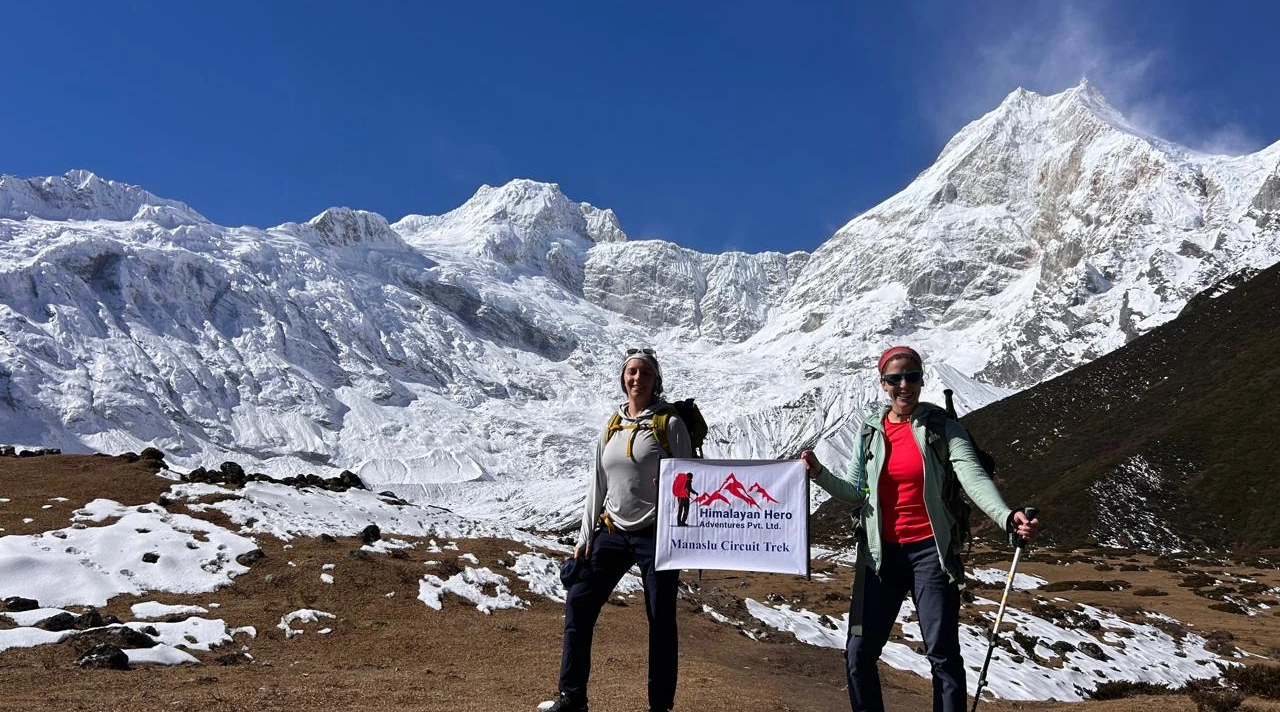
5. Manaslu Circuit Trek — Wilderness Without Crowds
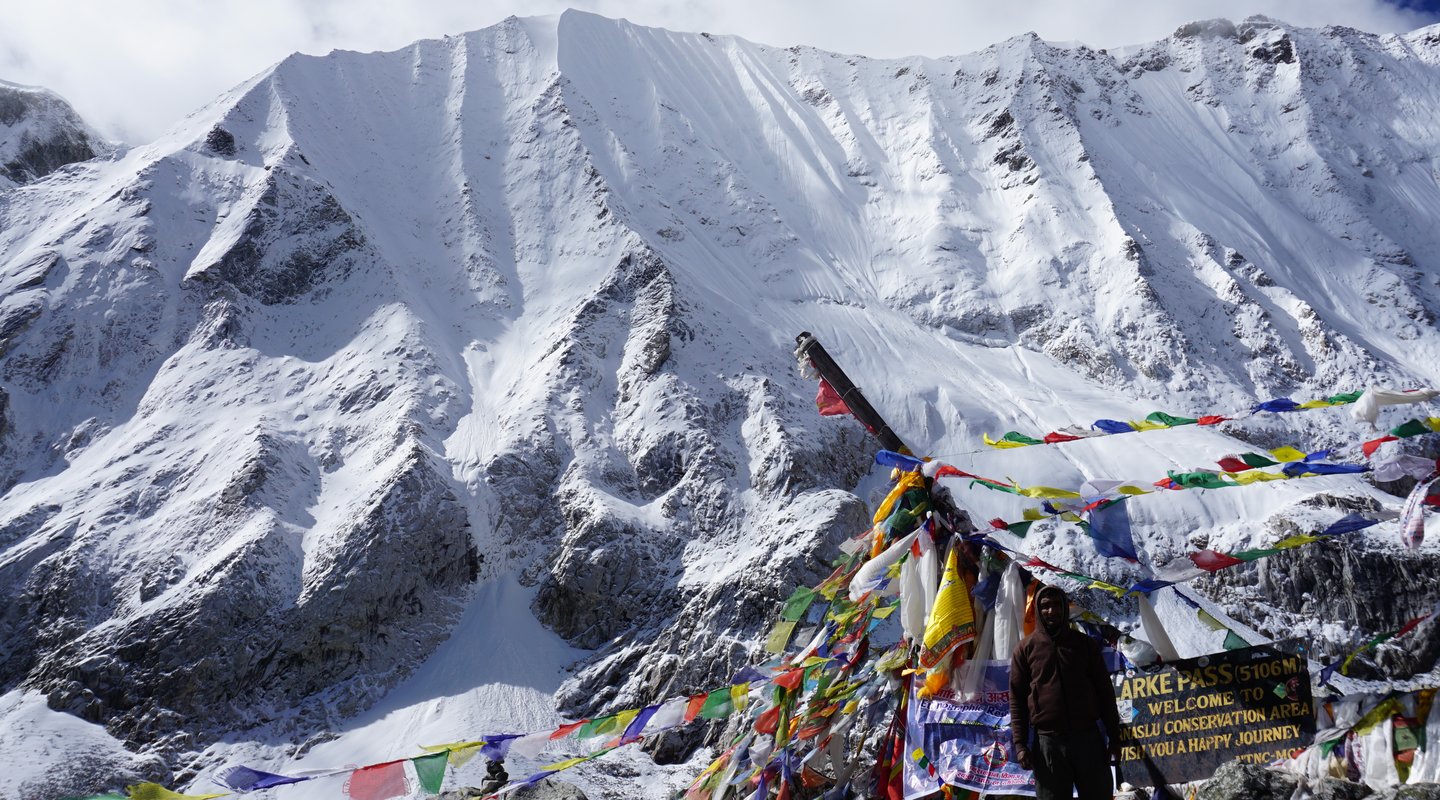
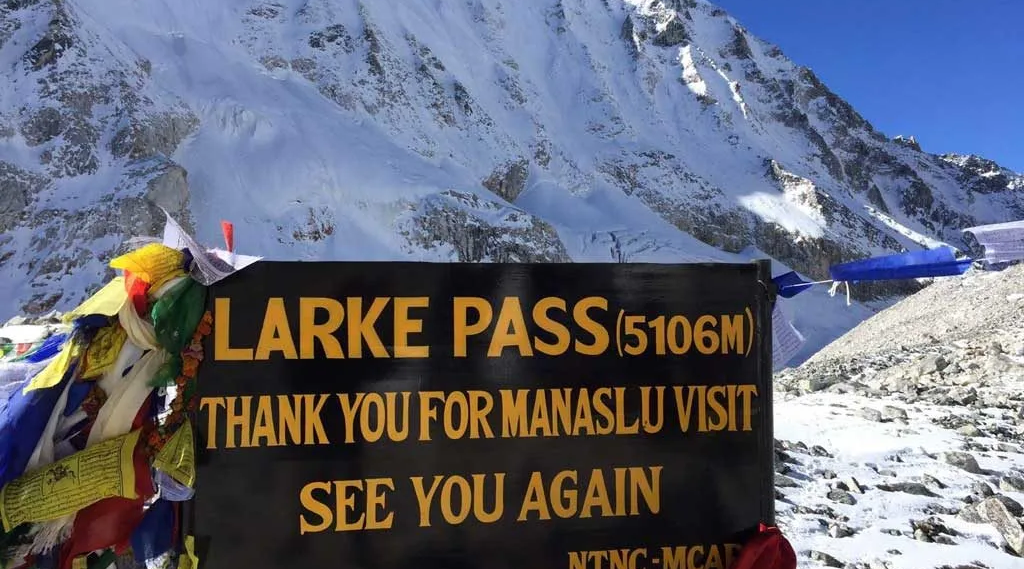
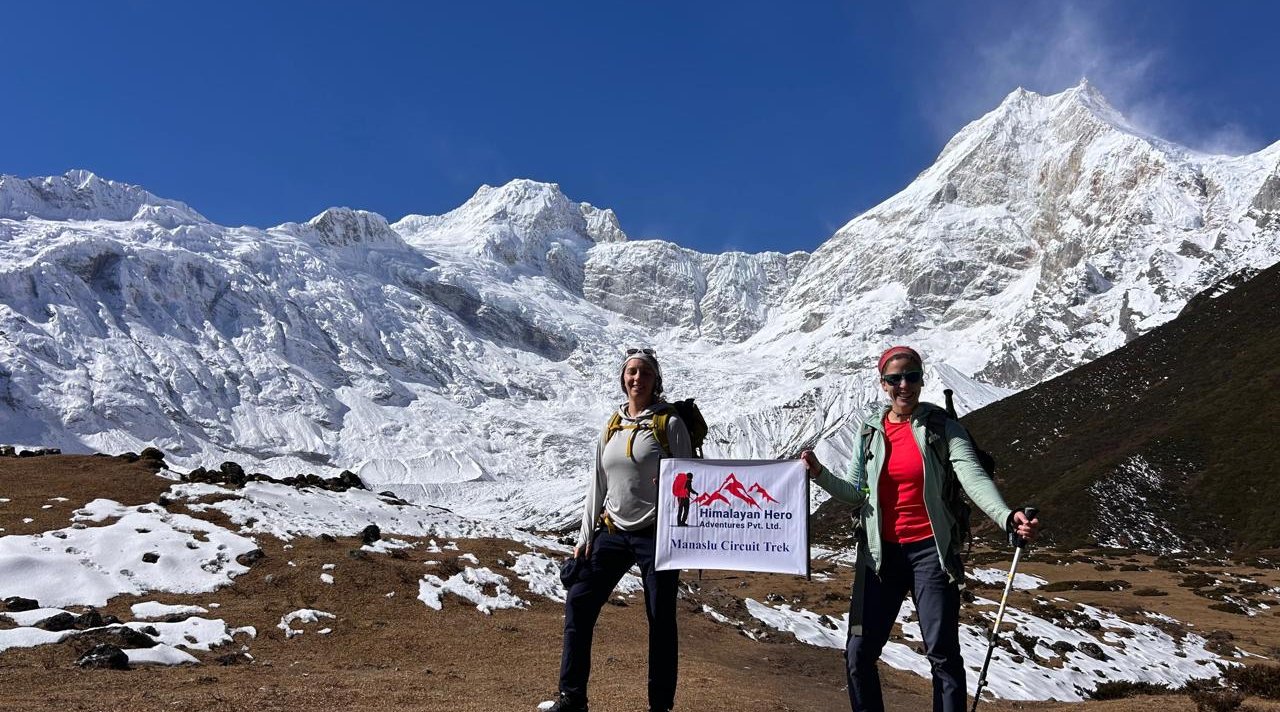
Circle Manaslu (8,163m) — the world's eighth-highest mountain — through restricted areas that preserve pristine wilderness and authentic Tibetan Buddhist culture. Cross the Larkya La Pass (5,106m) with a fraction of the crowds found on Annapurna or Everest routes.
Restricted area permits limit annual visitor numbers significantly. Mandatory guide requirements ensure local communities benefit directly from trekking tourism. Manaslu delivers the Annapurna Circuit experience of 20 years ago — before road construction and mass tourism reshaped the trail.
- Duration: 14–16 days
- Maximum altitude: 5,160m (Larkya La Pass)
- Difficulty: Challenging
- Estimated cost: $1,500–$2,200
- Best for: Experienced trekkers seeking genuine solitude and remote wilderness
If you are comparing Manaslu with the Annapurna Circuit before deciding, our Manaslu Circuit vs Annapurna Circuit comparison outlines the key differences in terrain, permits, and experience.
6. Ghorepani Poon Hill Trek — Nepal's Best Short Trek
Nepal's most accessible short trek delivers spectacular Annapurna and Dhaulagiri panoramas from Poon Hill (3,210m) at sunrise, with minimal altitude challenges and maximum cultural charm through traditional Gurung villages.
The sunrise from Poon Hill showcases the entire Annapurna and Dhaulagiri ranges in golden alpenglow — one of the most photographed moments in Himalayan trekking. Perfect for first-time trekkers or travellers combining a short walk with other Nepal activities.
- Duration: 4–5 days
- Maximum altitude: 3,210m
- Difficulty: Easy to Moderate
- Estimated cost: $300–$600
- Best for: Beginners, families, short vacations, older trekkers
If this is your first Nepal trek, the Ghorepani Poon Hill trek overview and route guide explains what to expect on each day and how to prepare.
7. Mardi Himal Trek — Nepal's Hidden Gem
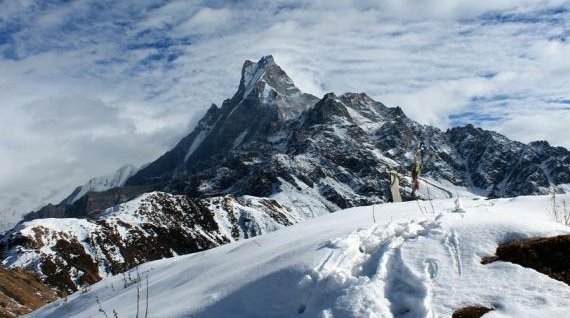
Recently opened to trekkers, the Mardi Himal route offers spectacular close-up views of Mardi Himal (5,587m) and Machapuchare's south face with minimal crowds. Ridge walking throughout provides constant panoramas while fewer tourists mean authentic village interactions along the way.
The final approach to Mardi Himal Base Camp at 4,500m delivers some of the closest views of Machapuchare (Fishtail Mountain) available from any Nepal trekking route — a perspective most visitors never reach.
- Duration: 5–7 days
- Maximum altitude: 4,500m (Mardi Himal Base Camp)
- Difficulty: Moderate
- Estimated cost: $400–$800
- Best for: Off-beaten-path seekers, photographers, trekkers with a week available
For a less-travelled alternative with equally impressive mountain views, the [Mardi Himal trek route guide] explains the trail and what makes it different from the main Annapurna routes.
8. Upper Mustang Trek — The Forbidden Kingdom
Trek through the former forbidden kingdom of Lo, where Tibetan Buddhist culture thrives unchanged in high-altitude desert landscapes that resemble the Tibetan plateau more than the green Nepal most visitors imagine. The walled city of Lo Manthang stands as a living medieval city at 3,840m.
Upper Mustang's restricted area status preserves its medieval character — centuries-old cave dwellings, ancient monasteries, and a way of life shaped by isolation and altitude. The region's rain-shadow location also makes it one of the few Nepal trekking areas viable during monsoon season.
- Duration: 10–12 days
- Maximum altitude: 3,840m (Lo Manthang)
- Difficulty: Moderate
- Estimated cost: $1,800–$2,500
- Best for: Cultural enthusiasts, monsoon-season trekkers, unique desert landscape seekers
The permits, regulations, and cultural context of this restricted region are explained in our Upper Mustang trek permit and cultural guide.
9. Everest Three Passes Trek — The Ultimate Khumbu Challenge
Cross three dramatic high passes — Kongma La (5,535m), Cho La (5,420m), and Renjo La (5,360m) — while circling the Everest massif through remote valleys rarely visited by standard EBC trekkers. This is the most comprehensive Khumbu experience available to any non-climber.
The route combines Everest Base Camp with Gokyo Lakes and three pass crossings — covering terrain that most EBC trekkers never see. Turquoise Gokyo Lakes against the white glacial backdrop is one of the most striking visual experiences in Himalayan trekking.
- Duration: 18–21 days
- Maximum altitude: 5,545m (Kala Patthar)
- Difficulty: Very Challenging
- Estimated cost: $2,000–$3,000
- Best for: Experienced trekkers wanting the most complete Everest region exploration
Before attempting this route, understanding the altitude profile and pass conditions is critical — our Everest Three Passes altitude and route guide covers each crossing in detail.
10. Kanchenjunga Base Camp Trek — True Himalayan Wilderness
Trek to both north and south base camps of Kanchenjunga (8,586m) — the world's third-highest mountain — in Nepal's remote far-eastern region. With roughly 500–1,000 trekkers visiting annually versus Everest's 50,000+, this route provides a genuine expedition atmosphere that no other Nepal trek can replicate.
Limbu and Sherpa communities along the route have maintained their cultural traditions precisely because mass tourism has not reached them. Wildlife, untouched forest, and pristine high-altitude environments define the entire journey.
- Duration: 20–24 days
- Maximum altitude: 5,143m (Kanchenjunga Base Camp)
- Difficulty: Very Challenging
- Estimated cost: $2,500–$3,500
- Best for: Wilderness seekers, experienced expeditioners, trekkers wanting authentic isolation
The logistics for this remote trek are considerably more complex than standard routes — our [Kanchenjunga Base Camp trek planning guide] outlines permits, access, and what to expect.
Best Short Trekking Places in Nepal (3–7 Days)
Time-limited travellers can still experience genuine Himalayan trekking through well-designed short routes that deliver maximum impact in minimal days.
Ghorepani Poon Hill (4–5 days): The classic short trek — Poon Hill sunrise, Gurung villages, panoramic Annapurna and Dhaulagiri views. The best short trekking place in Nepal by a significant margin.
Mardi Himal Short Trek (5 days): Condensed version reaching High Camp at 3,550m with stunning Machapuchare views. Moderate difficulty across a wide range of fitness levels.
Langtang Valley Short (5–6 days): Road access from Kathmandu enables a compressed Langtang experience. Reach Kyanjin Gompa (3,870m) in under a week without any domestic flight.
Everest View Trek (5–7 days): Fly to Lukla, trek to the Everest View Hotel and Tengboche Monastery. Everest views without the full Base Camp commitment.
Helambu Trek (3–5 days): Close to Kathmandu, this Hyolmo Buddhist region offers authentic culture and pine forest trekking with minimal altitude challenge — ideal for first-timers with very limited time.
Best Nepal Trekking Routes for Beginners
First-time trekkers should prioritise routes with moderate altitudes, shorter durations, well-developed teahouse infrastructure, and manageable daily walking hours.
Ghorepani Poon Hill: Maximum 3,210m — eliminates serious altitude concerns. Well-maintained trails with teahouses every 2–3 hours. The ideal beginner introduction to Himalayan trekking without committing to high altitude.
Annapurna Base Camp: Gradual ascent to 4,130m with an excellent teahouse network. Seven-day itineraries provide adequate acclimatisation for healthy, prepared first-timers. The most popular beginner-to-intermediate Himalayan trek.
Langtang Valley: Lower maximum altitude at Kyanjin Gompa (3,870m), straightforward trail navigation, no flights required. Ideal for building high-altitude confidence before attempting more demanding routes.
What makes a Nepal trek genuinely beginner-friendly:
- Maximum altitude below 4,200m — significantly reduces altitude sickness risk
- Daily trekking 4–6 hours — manageable for average cardiovascular fitness
- Well-spaced teahouses — frequent rest and food available throughout
- Clear, well-marked trails — minimal navigation challenges
- Good helicopter rescue access — safety infrastructure in place if needed
Nepal Trekking Cost: What Drives the Price
Flight requirements: The Lukla round-trip flight ($400–$500) is the single biggest cost variable between routes. Road-accessible regions like Langtang save hundreds per person without any compromise in experience quality.
Permits: Standard conservation permits ($30–$50) versus restricted area permits ($100–$500+) create significant budget differences. Manaslu, Upper Mustang, and Kanchenjunga all require expensive restricted area permits and mandatory licensed guides.
Guide and porter services: Independent trekking saves $400–$800 on open routes. Restricted areas mandate guides by law regardless of trekker preference or experience.
- Budget daily (independent): $30–$60 per day
- Mid-range daily (guided): $80–$120 per day
- Premium daily (luxury guided): $150–$250 per day
Duration and season: Each additional day adds directly to costs. Peak season (October–November, March–April) commands premium pricing — off-season offers 20–30% discounts with increased weather risk.
Best Time to Trek in Nepal: Seasonal Overview
Autumn (September–November): The gold standard season. Post-monsoon air clarity delivers the best mountain visibility of the year. October is the single best month across all major Nepal trekking routes — stable weather, 90–95% completion rates, and post-rain clarity that makes Himalayan peaks appear sharper than at any other time.
Spring (March–May): The second peak season. Rhododendron blooms are spectacular in April, temperatures are warmer than autumn, and completion rates of 85–90% make this a highly reliable window for every major route.
- Autumn highlight: October — maximum post-monsoon clarity, ideal temperatures throughout
- Spring highlight: April — rhododendron forests in bloom, warming conditions, strong visibility
- Both seasons: Advance teahouse booking essential on popular routes in October and April
Winter (December–February): Crystal-clear visibility and minimal crowds, but extreme cold above 4,000m and potential high-pass closures limit viable options. Best suited to lower-altitude routes like Poon Hill and lower Langtang sections. Avoid high passes above 5,000m in January and February.
Monsoon (June–August): Heavy rainfall, trail difficulty, and obscured mountain views make this season unsuitable for most routes. The exception: rain-shadow regions like Upper Mustang and Upper Dolpo remain viable — and significantly cheaper — throughout monsoon.
Frequently Asked Questions
What is the best trek in Nepal for beginners?
Ghorepani Poon Hill is the best entry point — 4–5 days, maximum 3,210m altitude, minimal altitude sickness risk, and spectacular mountain payoff. Annapurna Base Camp works well for beginners with moderate fitness who want a more substantial high-altitude experience with a week available.
How much does trekking in Nepal cost?
Budget independent treks (Poon Hill, Langtang) run $300–$900. Standard guided treks (Annapurna Base Camp, Everest Base Camp) run $1,000–$1,800. Premium extended expeditions (Manaslu, Kanchenjunga) run $2,000–$3,500+. Budget $30–$60 daily for independent trekking and $80–$150 daily for guided services.
Which is better — Annapurna or Everest Base Camp trek?
Annapurna Base Camp suits most trekkers better — lower altitude (4,130m vs 5,545m), shorter duration, lower cost, and more diverse landscapes in fewer days. Everest Base Camp offers iconic status, superior Sherpa cultural immersion, and the specific achievement of reaching the world's most famous base camp. Choose ABC for a first Himalayan trek. Choose EBC when you are ready for the full commitment.
What is the easiest trek in Nepal?
Ghorepani Poon Hill — 4–5 days, maximum 3,210m, well-maintained trails with teahouses every 2–3 hours, 4–5 hours of daily walking. Helambu and Lower Mustang are alternatives for trekkers who want a cultural focus over altitude.
How long does the Everest Base Camp trek take?
The standard Everest Base Camp trek takes 12–14 days total, including the Lukla flight and two acclimatisation rest days. Condensed itineraries in 10–11 days increase altitude sickness risk. Extended versions combining with Gokyo Lakes run 16–18 days.
Conclusion: Match the Trek to the Trekker
Nepal's best trekking places span an extraordinary range — from gentle 4-day Poon Hill walks to extreme 24-day Kanchenjunga expeditions, from budget-friendly Langtang routes to fully serviced Everest experiences.
The best trek in Nepal does not exist universally. It only exists for a specific trekker with a specific schedule, fitness level, and set of goals. Assess your capabilities honestly, choose the route that matches your reality — not the one that sounds most impressive — and prepare properly for what the trail will actually ask of you.
The Himalayas reward trekkers who go in knowing exactly where they are headed.