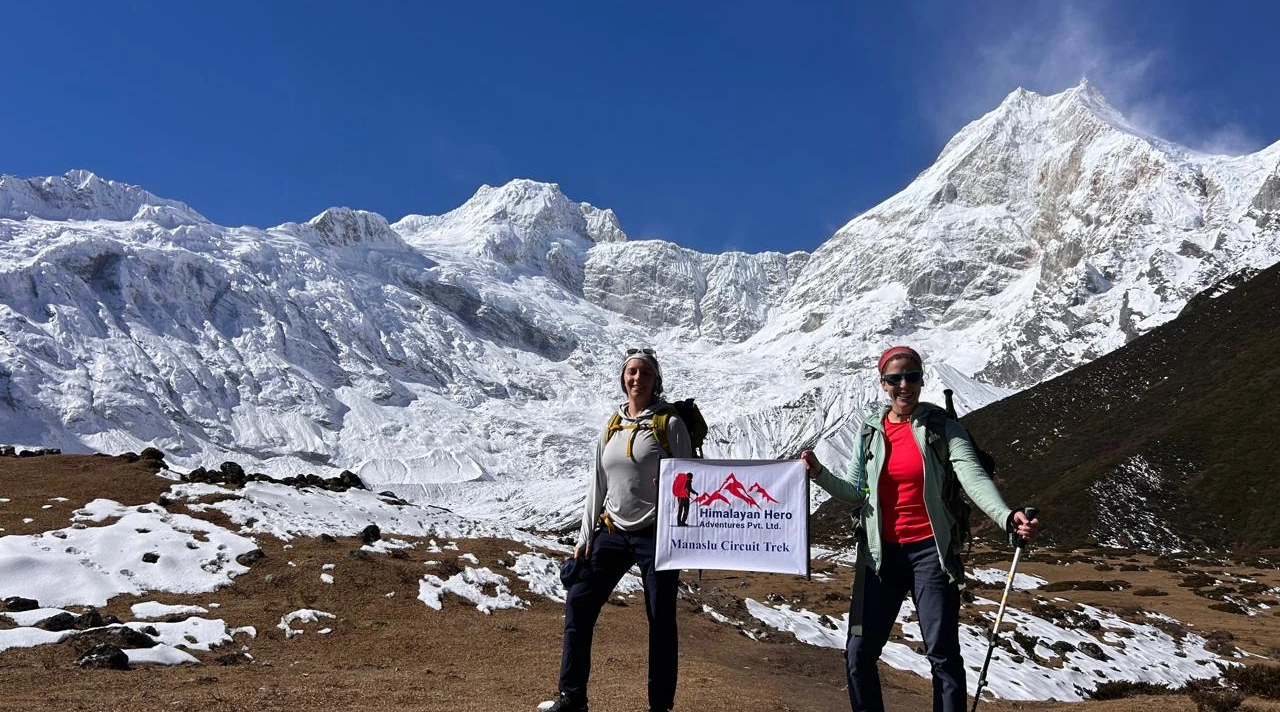
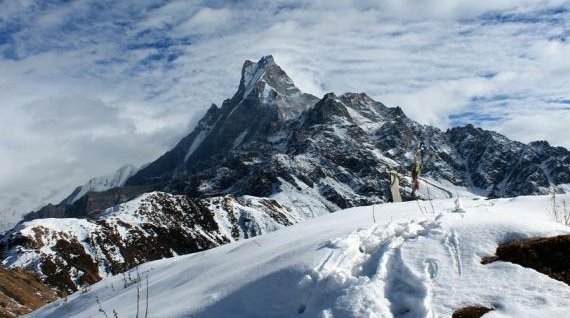
Ever wondered if you can actually trek one of Nepal’s most remote and stunning routes without spending a fortune… and still stay safe? Most people assume the Manaslu Circuit is expensive because of permits, guides, and logistics. But honestly, that’s only half true. With the right planning (and a few smart decisions), you can cut costs without cutting corners on safety.
In this blog, we’ll explore how to plan a budget Manaslu Circuit Trek step by step, covering real cost breakdowns, practical money-saving tips, and the things you should never compromise on (like safety and proper gear). Whether you're a beginner or someone trying to trek Nepal on a budget, this guide will help you do it the smart way.
Introduction to Budget Manaslu Circuit Trek
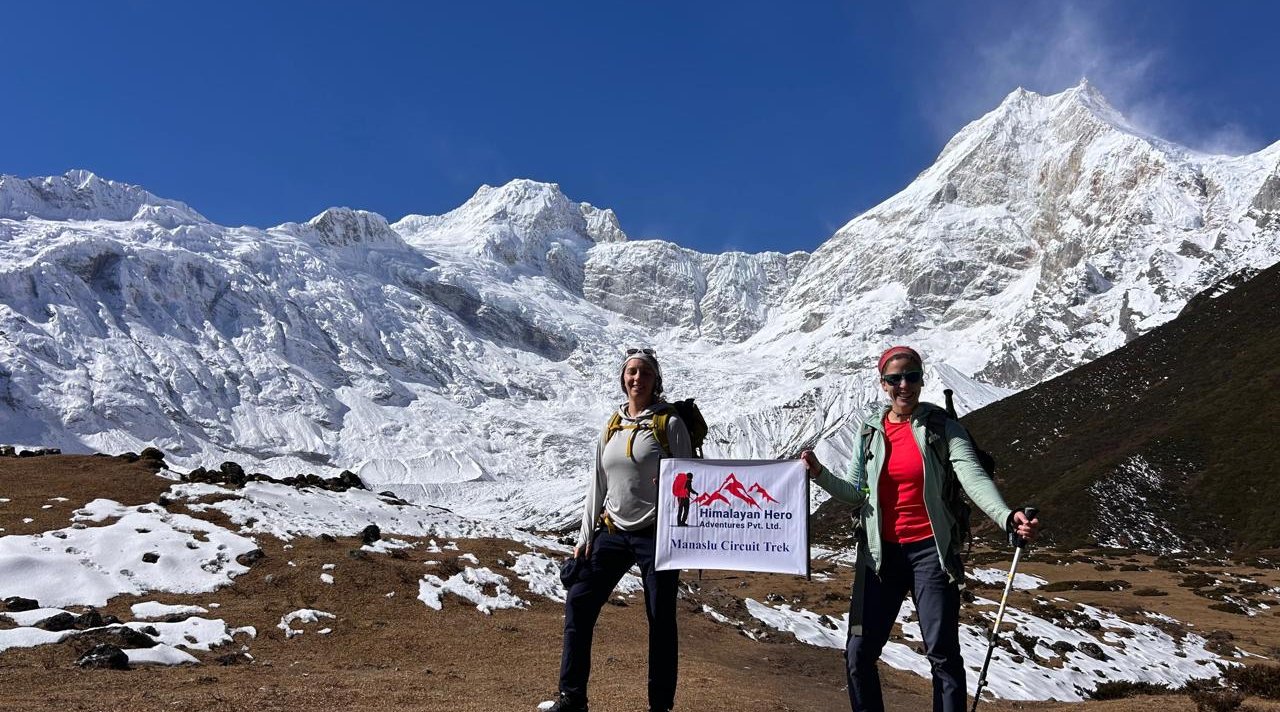
Ever wondered if you could trek one of Nepal’s most breathtaking routes without spending a fortune? The budget Manaslu Circuit Trek is perfect for travelers who want the adventure of high-altitude trekking without breaking the bank. Manaslu, the eighth-highest mountain in the world, sits in a remote region near the Tibetan border and offers a quieter, less crowded experience compared to popular treks like Everest or Annapurna. What makes it ideal for budget trekkers is the combination of affordable teahouses, local food, and fewer tourist-driven price hikes. Plus, sharing guides and porters in small groups can help reduce costs significantly. While it’s a restricted area requiring permits and licensed guides, careful planning and smart decision-making can keep expenses reasonable. The region is rich in natural beauty, cultural villages, and challenging trails, giving you a rewarding Himalayan experience without paying premium prices.
However, trekking on a budget doesn’t mean compromising safety. Cutting corners on gear, food, or acclimatization days can lead to serious problems, especially at high altitudes. A budget Manaslu Circuit Trek is all about smart spending, knowing where to save and where it truly matters. Prioritizing essentials like proper clothing, a licensed guide, and emergency planning ensures you stay safe while keeping your trek affordable. By balancing cost and safety, you can enjoy this remote Himalayan adventure fully, experiencing the serenity, cultural richness, and stunning landscapes of Manaslu without the unnecessary financial stress. It’s not just about trekking cheap; it’s about trekking wisely.
Manaslu Circuit Trek Cost Breakdown (2026 Guide)
When planning a budget Manaslu Circuit Trek, the first thing you need to do is understand where your money will go. Many trekkers assume the cost will be sky-high because it’s a restricted area with permits, guides, and high-altitude logistics, but that’s only partly true. Breaking down the expenses into permits, guides, accommodation, food, and transport shows that with a bit of smart planning, the trek can actually be very manageable. Knowing the costs in advance also helps avoid last-minute surprises, which is super important because in remote areas, prices can jump if you haven’t prepared.
Another reason it’s useful to break down costs is that you can make choices based on your budget without risking your safety. For example, you might choose to share a guide or porter with fellow trekkers to reduce expenses or pick local meals instead of fancy packaged options. A budget Manaslu Circuit Trek is all about spending wisely, investing in what matters for safety and comfort, and saving where it makes sense. With proper planning, you can enjoy this remote Himalayan adventure fully without overspending.
Permit Costs for Manaslu Restricted Area
The first unavoidable cost for the Manaslu Circuit is the permits. Since it’s a restricted area, you need an MCAP (Manaslu Conservation Area Permit), ACAP (Annapurna Conservation Area Permit), and the restricted area permit. Together, these permits can cost around $70–$100 per person per week, depending on your nationality and the season. Some agencies also offer group discounts, which can lower costs if you’re trekking with friends. Honestly, permits might feel annoying or like extra bureaucracy, but they’re necessary to preserve the region and your safety.
Another thing to keep in mind is that these permits are only valid if you hire a licensed guide, so you can’t really save money by skipping them. Plan your permits early, ideally before you arrive in Nepal, because getting them on short notice can cost more. Also, higher-altitude passes sometimes require extra fees or emergency permits if weather delays occur, so it’s better to budget a bit extra.
Guide and Porter Costs Explained
Hiring a guide is mandatory on the Manaslu Circuit, and for good reason. They know the trails, villages, and emergency procedures, which is super important in a remote area. A guide also makes your trek smoother because they handle permits, local interactions, and sometimes even food arrangements. The daily cost of a guide is roughly $25–$30, while a porter costs $15–$20 per day if you want to lighten your load. The good news is that if you trek in a small group, sharing the guide and porter reduces the per-person expense, making it way more budget-friendly.
Porters aren’t mandatory but are really handy, especially if you’re carrying heavy gear or want to enjoy the trek without constant strain. Think of them as an investment in your comfort and safety. Plus, hiring local porters supports the community, which is always a nice bonus. A little planning goes a long way. Here, book guides and porters through a trusted agency to avoid being overcharged or ending up with someone inexperienced.
Accommodation and Food Costs on the Trail
Tea houses along the Manaslu Circuit are basic but clean and generally affordable. You can expect to pay around $5–$10 per night for a shared room, with meals costing $3–$7 depending on the altitude and season. Prices are lower in the lower villages and gradually increase as you go higher. Sharing rooms with fellow trekkers is a great way to save money, and sticking to local food is another smart way to keep daily costs low. Avoid buying imported snacks or fancy beverages; they're usually overpriced in remote villages.
Food is actually one of the easiest places to control your budget. Most tea houses serve simple dal bhat (rice and lentils), noodles, and soups, which are filling and cheap. Also, carrying some high-energy snacks like nuts or chocolate from home can save money instead of buying them in small villages for double the price. The key is planning ahead and being flexible; you don’t need gourmet meals to fuel a Himalayan trek, just something warm, hearty, and filling.
Transportation Costs to and from Manaslu Region
Getting to the trailhead can be surprisingly flexible for your budget. Most trekkers start from Arughat or Soti Khola. Local buses are the cheapest option, costing about $5–$10, but they’re crowded and slow, often taking several hours longer than private transport. Private jeeps are faster and more comfortable but cost around $50–$100 per ride depending on the season and your negotiation skills. Planning transport ahead of time can save both money and stress, especially during peak trekking months when demand is high.
One thing to keep in mind is that weather can affect road conditions, sometimes delaying buses or jeeps. Budget travelers often combine transport options, taking a bus to a bigger town and then a shared jeep for the last stretch to save money. It’s also worth asking your guide or agency for local tips; they usually know cheaper, reliable options that tourists don’t. A little flexibility here can really stretch your budget without compromising comfort.
How to Plan a Budget Manaslu Circuit Trek?
The simple answer is plan smart, not cheap. A budget Manaslu Circuit Trek is absolutely doable if you think ahead and make strategic choices. It’s not just about cutting costs wherever possible; you have to balance savings with safety and comfort. From picking the right route to deciding whether to go solo or in a group, every decision can affect your wallet and the overall experience. This section will guide you through practical steps, sharing tips that many first-timers often miss, so you can enjoy the trek without overspending or stressing out.
Planning is also about timing and logistics. Peak season treks (September–November and March–May) might offer the best weather, but prices for accommodation, permits, and guides are higher. On the other hand, shoulder seasons or early booking options can save money while still keeping the trek safe. With the right strategy, you can create a Manaslu trek itinerary that’s both affordable and enjoyable.
Choosing the Right Itinerary for Budget Travelers
Pick a route and duration that fits your budget without skipping key stops. Most Manaslu treks are 12–14 days, but you can shorten or lengthen your itinerary depending on your pace and finances. Shorter itineraries save on accommodation and food but might require more physically demanding days. Longer itineraries cost more in tea houses but allow for better acclimatization, which is critical for safety.
Tips for budget itineraries:
- Start at Soti Khola or Arughat to reduce transport costs
- Include major stops like Samagaun, Lho, and Dharamsala for scenic views
- Avoid expensive high-altitude lodges unless necessary
- Plan acclimatization days smartly; they're free if you hike slowly
The key is balance: don’t rush just to save money, because missing acclimatization can lead to altitude sickness, which ends up costing more (medications, lost days, or evacuation).
Group Trekking vs Solo (Cost Comparison)
Group trekking usually saves money. Hiring a guide or porter individually can get pricey, but if you split the costs among 3–5 trekkers, the per-person price drops significantly. Solo trekking offers freedom but often costs 1.5–2 times more for guides, porters, and shared permits.
Other points to consider:
- Groups often get discounts on permits or accommodation
- Shared meals in tea houses reduce individual food costs
- Solo trekkers must carry all gear themselves, adding potential extra porter fees
- Traveling with a small group can also be safer in emergencies
So, if your priority is budget, joining or forming a small trekking group is the smarter move. But if independence is more important to you and money is less of an issue, solo trekking works too; it just needs extra planning.
Booking Through Agency vs Independent Planning
Both options work, but agencies save hassle and time. Booking through a local trekking agency might feel pricier upfront, but they handle permits, guides, accommodation, and sometimes even transport. This can prevent unexpected costs and mistakes that first-timers often make. Many agencies offer package deals that end up cheaper than arranging everything yourself if you factor in mistakes, wrong bookings, or hidden fees.
On the flip side, independent planning gives you complete control over the budget. You can negotiate teahouse rates, choose cheaper transport, and skip unnecessary add-ons. But it requires research, patience, and local knowledge. For budget travelers, a hybrid approach works best: book the guide/porter and major permits through a reliable agency, but handle daily meals, optional activities, and transport yourself. This way, you save money while keeping the trek safe and smooth.
Best Ways to Save Money on Budget Manaslu Circuit Trek
If you’re trekking the Manaslu Circuit on a budget, the trick isn’t just to pinch pennies; it's about being smart and strategic. There are plenty of ways to lower costs without compromising safety or comfort. From choosing the right season to sharing guides and porters, small decisions along the way can save hundreds of dollars. Most budget travelers make the mistake of thinking cheap means risky, but with proper planning, you can enjoy this stunning trek without overspending.
Another thing to remember is that the budget Manaslu Circuit Trek is all about balancing savings and safety. Skipping meals, accommodation, or necessary gear won’t really save you money in the long run; it might even cost more if emergencies happen. Instead, focus on areas where costs can be reduced smartly, like seasonal timing, group sharing, and local food options. Here are some of the best ways to do just that.
Travel in Shoulder Season for Lower Costs
Trek outside peak season to save money. The peak seasons for Manaslu are September–November and March–May because of perfect weather and clear skies. While it’s tempting to go then, teahouse rates, permits, and guides are all higher during these months. Traveling in shoulder seasons (late February or early December) means fewer crowds, lower prices, and sometimes even better deals on transport and accommodation.
Keep in mind, weather can be a bit unpredictable in shoulder season, so you’ll need flexibility and a bit of patience. But if your goal is a cheap Manaslu trek, the slight risk is worth the savings. You can also find last-minute discounts with local guides or agencies if you travel during quieter months, which can knock off 10–20% from your overall cost.
Share Guide and Accommodation Expenses
Sharing costs is one of the easiest ways to cut expenses. Hiring a guide or porter individually can get expensive, but if you’re trekking in a small group, the per-person rate drops significantly. The same goes for tea house room sharing with fellow trekkers; not only does it save money, but it can also make the trek more social and fun.
Some practical tips:
- Form small groups in advance or join one through local agencies
- Split guide and porter fees among 3–5 people
- Share rooms at teahouses whenever possible
- Book group transport to the trailhead to reduce costs
Sharing doesn’t mean compromising on safety. Guides can still take care of the group, and porters make sure everyone’s load is manageable. In fact, group trekking often feels safer in remote areas.
Pack Smart to Avoid Buying Expensive Gear
Bring everything you need from home instead of buying on the trail. High-altitude trekking gear in Nepal can be surprisingly expensive, especially jackets, sleeping bags, and trekking poles. Packing smart prevents last-minute splurges at higher-altitude shops where everything is overpriced.
Tips to pack smart:
- Invest in good trekking shoes and clothing beforehand
- Bring a lightweight sleeping bag or liner for cold nights
- Carry reusable water bottles and snacks from home
- Avoid overpacking; every extra kilo may tempt you to hire a porter
By preparing ahead, you’ll not only save money but also have peace of mind knowing you have reliable gear for safety.
Eat Local Food to Reduce Daily Expenses
Stick to local meals like dal bhat instead of imported snacks or fancy packaged food. Most tea houses offer simple but hearty options at $3–$7 per meal. Buying imported snacks or drinks is tempting but doubles your daily cost in higher-altitude villages.
Extra tips:
- Eat dal bhat for lunch and dinner; it's filling and nutritious
- Avoid restaurants catering exclusively to tourists; they're pricey.
- Carry some energy bars or nuts from lower-altitude towns for in-between meals
- Drink boiled water from tea houses to save on bottled water
Eating locally not only helps your budget but also supports the communities along the trail. It’s a win-win; you save money and experience authentic Nepalese culture.
What Should You NOT Cut to Stay Safe on a Budget Trek?
Never compromise on essentials that affect your safety. Trekking the Manaslu Circuit is incredible, but it’s high-altitude, remote, and sometimes unpredictable. Trying to save money by skipping critical safety measures can quickly turn a fun adventure into a risky situation. The key is knowing which expenses are non-negotiable. Things like guides, proper gear, and emergency planning are more important than cheap food or minor luxuries.
Budget trekking doesn’t mean risking your life; it means spending wisely. Even a small mistake at 4,000–5,000 meters, like underestimating altitude sickness or walking without proper footwear, can cost you more than any saved dollar. So while you cut costs in areas like meals or shared rooms, keep your safety expenses intact.
Importance of Hiring a Licensed Guide
Always hire a licensed guide; there's no shortcut here. Guides are mandatory in the restricted Manaslu area, and for good reason. They know the trails, local culture, emergency procedures, and weather patterns. Having a guide not only keeps you safe but also ensures you’re trekking legally, as permits are tied to licensed guides.
Sharing a guide among a small group can reduce costs while keeping safety uncompromised. A good guide can also help with budgeting tips, local food options, and finding affordable accommodation. Trying to skip this step to save money is a mistake many first-time trekkers regret.
Essential Gear You Should Never Skip
Don't cut corners on gear. Warm clothing, good trekking boots, a proper sleeping bag, and a reliable backpack are all critical. In high-altitude areas, being underprepared can lead to hypothermia, frostbite, or even altitude sickness complications.
Other must-have items include trekking poles, headlamps, first aid kits, and water purification tools. Sure, these can be expensive if bought on the trail, but bringing them from home saves money and keeps you safe. Gear is one of those areas where saving now can cost you more later.
Altitude Sickness Prevention and Emergency Prep
Acclimatization and emergency planning cannot be skipped. Many trekkers think rushing saves money by cutting days, but it’s a false economy. Altitude sickness can hit anyone, and ignoring it can lead to serious problems. Schedule rest days and hydrate constantly.
Also, know emergency procedures: where the nearest medical help is, how to contact your guide, and basic evacuation protocols. Packing medicine for common altitude sickness symptoms is a small upfront cost that can save a lot later. Being prepared isn’t optional; it’s essential for a safe Manaslu Circuit Trek.
Travel Insurance for High-Altitude Trekking
Get travel insurance that covers high-altitude trekking. Some travelers skip this to save money, but in case of evacuation or medical emergencies, insurance can prevent a financial disaster. Look for policies that specifically cover Nepal, trekking above 4,000 meters, and emergency helicopter evacuation.
Even a cheap policy is better than nothing. It gives peace of mind so you can focus on enjoying the trek instead of worrying about “what if” scenarios. Think of insurance as a safety net, not an optional extra.
Budget Accommodation and Food Options on Manaslu Trek
Finding budget-friendly accommodation is easier than many think. Most trekkers stay in tea houses, which are basic but comfortable, with shared rooms and simple amenities. Prices start around $5–$10 per night, increasing slightly at higher altitudes. Sharing rooms with fellow trekkers not only saves money but also creates a friendly, communal trekking vibe.
Food on the trail is also affordable if you stick to local meals like dal bhat, noodles, and soups. Most meals cost $3–$7, depending on altitude. Carrying a few snacks from home can save money, especially in remote villages where imported items are pricey. Smart choices in accommodation and food can keep daily costs low without compromising your comfort or energy levels.
Tea House Accommodation Guide
Tea houses are budget-friendly and convenient. They are spread throughout the route, offering rooms with shared bathrooms, basic bedding, and sometimes hot showers. Prices increase slightly in high-altitude villages but remain reasonable compared to Everest or Annapurna routes.
Tips:
- Book rooms early in popular villages if trekking peak season
- Share rooms with other trekkers to save money
- Check if the room includes meals; sometimes a package can be cheaper
Tea houses also give a peek into local life, making your trek culturally richer.
Daily Food Cost and Budget Tips
Stick to local food to save money. Dal bhat is filling and cheap, costing $3–$5 in most villages. Snacks and imported items are pricey, sometimes double the normal cost at higher altitudes.
Tips:
- Eat dal bhat at lunch and dinner
- Carry some energy bars for mid-hike snacks
- Drink boiled water at tea houses instead of bottled water
- Avoid tourist-targeted cafes with overpriced menus
Eating local is not only budget-friendly but also keeps you fueled for long hiking days.
Free vs Paid Services (Charging, WiFi, Hot Shower)
Some services cost extra, so plan ahead. Many tea houses charge for phone charging, WiFi, or hot showers, usually $1–$5. 3. Knowing this helps you budget daily expenses.
Tips:
- Carry a power bank for charging to avoid daily fees
- Use hot showers sparingly if budget is tight
- Free services like communal areas or shared facilities can be used without extra cost
- Ask the tea house owner about any hidden fees upfront
A little planning here prevents surprise expenses and keeps your trek truly budget-friendly.
Best Time for a Budget Manaslu Circuit Trek
Timing honestly affects both your budget and your overall trekking experience more than people think. The peak seasons-September to November and March to May—offer the clearest mountain views and the most stable weather. But yeah, that also means higher prices for permits, guides, accommodation, and even transport. If you want a detailed breakdown, check out the best time to trek Manaslu Circuit for clear views. On the other hand, trekking during shoulder months or slightly off-season can help you save a good amount of money, though you’ll need to be flexible since weather can be a bit unpredictable.
Most budget travelers end up balancing cost vs comfort. A budget Manaslu Circuit Trek in months like December or February can actually save you a few hundred dollars, which is great, but you should be ready for colder nights, possible snow, or even sudden weather changes. It’s not impossible at all—just needs better preparation. You can also explore more budget tips for Manaslu trek to save extra costs. If you plan ahead, check weather updates regularly, and carry proper warm gear, you can still enjoy the trek safely without spending too much.
Peak Season vs Shoulder Season Cost Comparison
Shoulder season is cheaper, but peak season is safer and more predictable. Peak season rates for guides, porters, and accommodation can be 20–30% higher. In shoulder season, some teahouses might offer discounts to attract trekkers.
Tips:
- Consider early December or late February for best balance of cost and weather
- Avoid major holidays, when prices spike
- Always confirm with your guide or agency about availability
Weather vs Budget Trade-offs
Choosing off-season saves money but adds risk. Weather in shoulder season can be unpredictable, such as snowfall, icy trails, or sudden rain, but costs drop, and trails are quieter.
Tips:
- Pack warm layers and waterproof gear
- Keep some flexibility in your itinerary for weather delays
- Prioritize safety over minimal cost; bad weather can turn cheap plans expensive
Understanding the trade-off lets you make informed decisions and plan a budget-friendly, safe Manaslu trek.
Sample Budget Itinerary for Manaslu Circuit Trek
Planning a budget Manaslu Circuit Trek becomes much easier when you have a sample itinerary to follow. A well-structured plan helps you balance costs, acclimatization, and daily hiking distances. Most budget trekkers opt for a 12–14 day itinerary, which is long enough to enjoy the scenic highlights but short enough to keep accommodation and food costs reasonable. This timeframe also allows for necessary acclimatization days without adding extra expensive nights in high-altitude villages.
A clear itinerary also reduces unnecessary spending. When you know where you’ll stop each day, you can plan meals, rest breaks, and overnight stays at affordable tea houses. Having a planned route helps avoid random detours that can increase transport, food, and guide costs. Following a Manaslu Circuit Trek itinerary carefully ensures you get the full Himalayan experience while keeping your budget in check.
12–14 Days Budget-Friendly Route
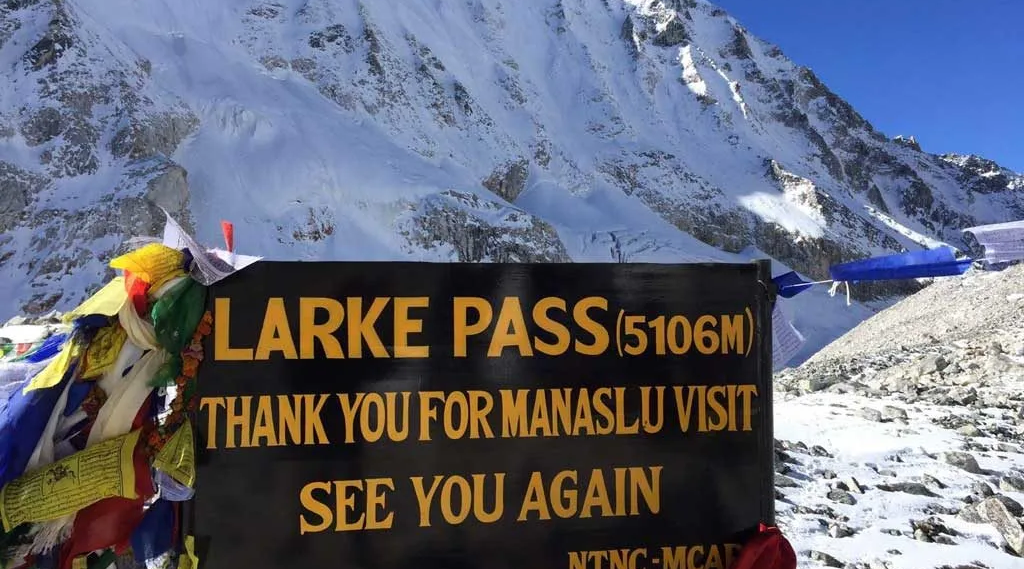
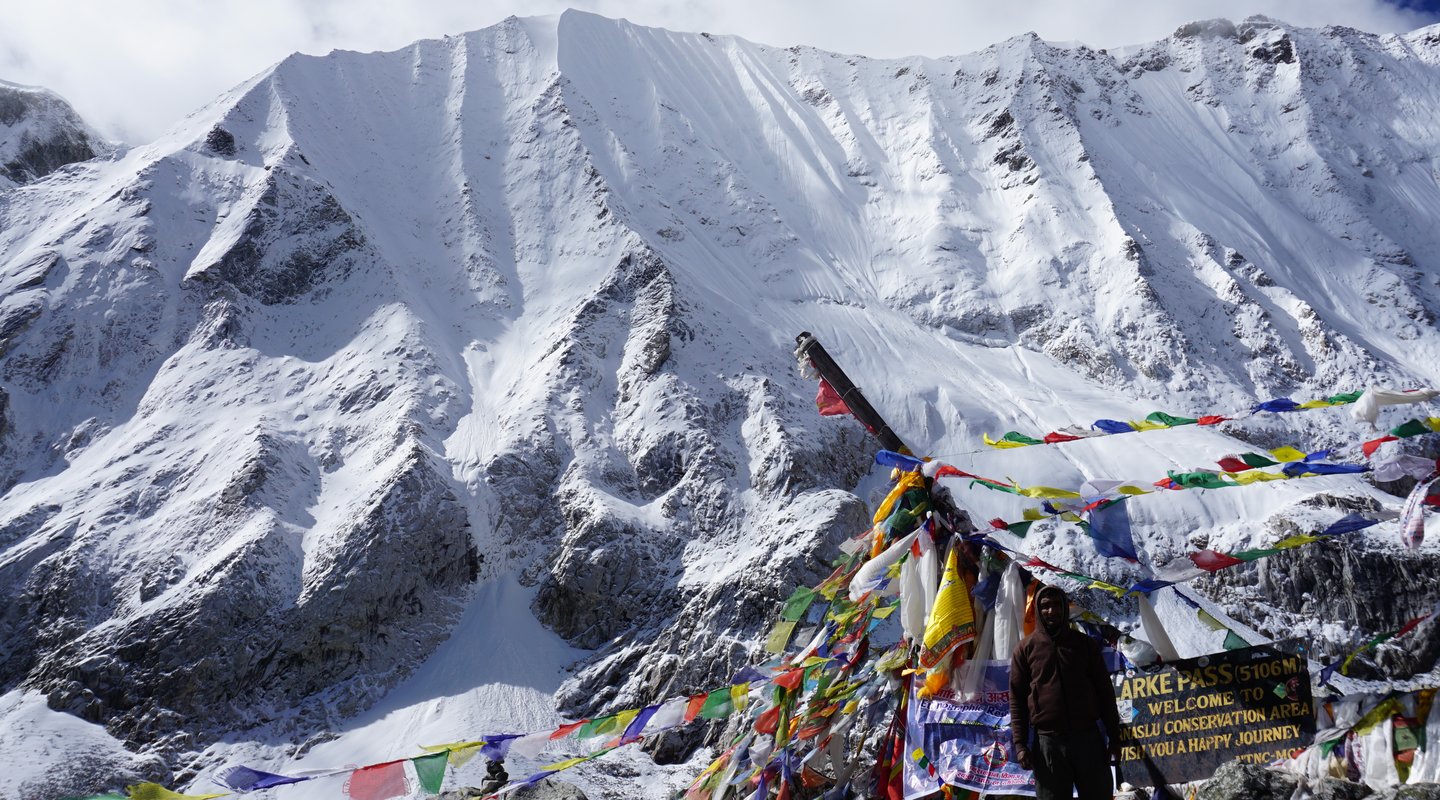
Here's a practical 12–14-day route for budget trekkers. Start from Soti Khola or Arughat, passing through Jagat, Deng, Namrung, Samagaun, Lho, and Dharamsala, before crossing Larkya La Pass and descending via Bimthang to Tal and back to Arughat. Each day’s distance is manageable, reducing fatigue and preventing costly delays.
Tips to keep it budget-friendly:
- Overnight in basic tea houses or share rooms with other trekkers
- Eat local dal bhat to save money
- Stick to a consistent daily hiking pace to avoid unexpected extra nights
- Avoid trekking too quickly; rushing may require emergency transport, which is costly
This route balances scenery, culture, and affordability while maintaining proper acclimatization.
Cost-Saving Route Adjustments
Small tweaks in your route can save money. For example, skipping minor side trails or shorter villages with high tea house prices can reduce daily expenses without losing major experiences. Another adjustment is consolidating two shorter days into one manageable day to cut one night’s accommodation.
Additional tips:
- Travel with a small group to share guide/porter costs
- Start earlier in the day to maximize daylight and avoid paid rest stops
- Carry snacks from lower-altitude towns to avoid overpriced village stores
- Limit optional excursions unless they’re really worth the cost
With smart adjustments, you can stick to a budget while still experiencing Manaslu’s highlights fully.
Common Mistakes That Increase Trekking Costs
Even experienced trekkers sometimes make avoidable mistakes that blow up their budget. Overpacking is a classic example; extra weight means hiring a porter, buying extra gear on the trail, or simply getting exhausted faster, which can slow progress and increase accommodation costs. Renting gear at the last minute is another expensive pitfall, as high-altitude shops charge premium prices for jackets, sleeping bags, and trekking poles.
Another big mistake is not carrying enough cash. Many remote villages along the Manaslu Circuit don’t have ATMs, and relying on mobile payments or unplanned withdrawals can add hidden fees. Lastly, ignoring proper acclimatization is risky not only for your health but also for your budget. Rushing the trek can lead to altitude sickness, forcing extra days, costly medications, or even emergency evacuation. Avoiding these mistakes is the easiest way to stick to a budget without compromising safety.
Overpacking and Renting Gear Last Minute
Overpacking or buying gear on the trail is expensive. Extra weight may require a porter, and purchasing jackets, boots, or sleeping bags at high-altitude shops often costs double or triple the price.
Tips:
- Pack smart: bring essential clothing, trekking shoes, and minimal gear
- Buy items in Kathmandu or your home country for better prices
- Avoid unnecessary gadgets that increase weight and cost
Not Carrying Enough Cash
Cash is king in remote Manaslu villages. Most small tea houses don’t accept cards or mobile payments, so running out of cash can force you to pay extra fees or miss meals.
Tips:
- Carry enough local currency for at least 3–4 days
- Withdraw extra in larger towns like Arughat or Besisahar
- Keep small denominations for meals, tips, and local transport
Ignoring Acclimatization (Leads to Extra Days' Cost)
Rushing to save time can actually increase costs. Skipping acclimatization days might seem like a way to shorten the trek, but altitude sickness can force you to stop unexpectedly, buy medications, or even evacuate.
Tips:
- Schedule 1–2 acclimatization days at key stops like Samagaun or Dharamsala
- Hydrate constantly and hike slowly to avoid sickness
- Factor in these rest days when calculating your budget
Proper planning and pacing keep both your health and your wallet intact.
Conclusion: Smart Budgeting Without Compromising Safety
Trekking the Manaslu Circuit Trek on a budget doesn’t mean cutting corners on safety; it means being smart about where you spend and where you save. From choosing the right season to sharing guides and accommodation, packing wisely, and eating local food, small decisions add up to big savings. The key takeaway is that smart planning always beats cheap shortcuts. Skipping essentials like guides, proper gear, or acclimatization may save money in the short term, but it can lead to costly mistakes or even dangerous situations.
By planning carefully, understanding costs, and prioritizing safety, you can experience the full magic of the Manaslu Circuit without overspending. Think of it as investing in peace of mind: you’ll enjoy breathtaking views, rich culture, and the thrill of high-altitude trekking without the stress of unexpected expenses or emergencies. So pack smart, plan your itinerary, and focus on safe, cost-effective strategies; you'll come home with unforgettable memories, not regrets.
FAQs About Budget Manaslu Circuit Trek
How much does a budget Manaslu Circuit Trek cost?
A budget Manaslu Circuit Trek typically costs between $900 and $1,300 per person for a 12–14 day trek, depending on the season, group size, and accommodation choices. This includes permits, guide/porter fees, tea house accommodation, food, and local transport. You can save money by traveling in the shoulder season, sharing guides and porters with a group, and eating local meals instead of imported food. Planning in advance and sticking to a smart itinerary also prevents unexpected costs.
Is Manaslu trek cheaper than Annapurna Circuit?
Yes and no. In general, a budget Manaslu trek can be slightly cheaper than Annapurna Circuit, but it depends on your choices. Manaslu requires restricted area permits and a mandatory guide, which can increase costs. Annapurna allows more flexibility for solo trekkers, so if you travel independently, Annapurna may seem cheaper. However, sharing guides and planning smartly on Manaslu can make it equally affordable while offering a quieter, less crowded trekking experience.
Can beginners do a budget Manaslu Circuit Trek safely?
Absolutely! Beginners can safely do a budget Manaslu trek as long as they follow proper precautions. Hiring a licensed guide, pacing themselves, and scheduling acclimatization days are crucial. Carrying essential gear and knowing basic altitude sickness prevention tips are also important. While it’s more remote than Annapurna, the trail is well-marked, and tea houses are available along the route, making it beginner-friendly when planned wisely.
Do I need a guide for Manaslu trek?
Yes, a licensed guide is mandatory in the Manaslu Restricted Area. The guide ensures you follow permit rules, navigate the trail safely, and respond to emergencies. Guides also offer cultural insights, help with accommodation, and sometimes provide budget-saving tips. Sharing a guide with a small group is a great way to reduce per-person costs while still meeting safety requirements.