What's the real difference between hiking vs trekking?
If you've ever wondered whether your weekend walk counts as a hike or a trek, you're not alone.
These terms get thrown around interchangeably. But they describe fundamentally different outdoor experiences.
Here's the simple answer:
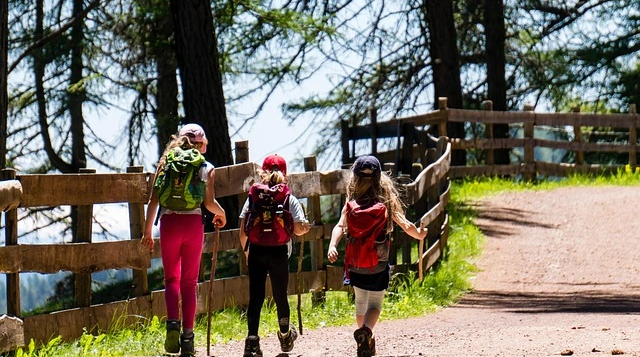
Hiking is a day activity. You walk on trails, enjoy nature, and return home the same day.
Trekking is a multi-day journey. You travel through remote areas, sleep in lodges or tents, and challenge yourself over extended periods.
The difference between hiking and trekking matters when you're planning adventures, buying gear, or setting fitness goals.
This guide breaks down everything you need to know.
Whether you're a beginner planning your first trail walk or an adventurer eyeing Nepal's Himalayan routes, understanding these differences helps you prepare properly.
Let's dive in.
What Is Hiking? Definition and Characteristics
What is hiking exactly?
Hiking is walking in natural environments on pre-defined paths or trails.
It's typically a single-day activity lasting anywhere from one hour to a full day.
You start in the morning. You finish by evening. You sleep in your own bed.
Key Characteristics of Hiking
Duration:
- Few hours to one full day
- No overnight stays required
- Return to starting point same day
Terrain:
- Marked trails and pathways
- Varying difficulty levels
- Usually well-maintained routes
Equipment:
- Day pack (10-30 liters)
- Comfortable walking shoes
- Water and snacks
- Basic first aid kit
Physical Demand:
- Moderate fitness required
- Suitable for most age groups
- Adjustable difficulty
Planning:
- Minimal advance preparation
- Often spontaneous
- No permits usually required
Common Hiking Examples
- Morning walk through local nature reserve
- Half-day mountain trail near your city
- Sunset hike to a viewpoint
- Weekend trail in a national park
Hiking is accessible.
Almost anyone with basic fitness can enjoy hiking.
That's what makes it the world's most popular outdoor activity.
What Is Trekking? More Than Just a Long Walk
So what is trekking?
The trekking meaning goes far beyond extended hiking.
Trekking is a multi-day walking journey through remote, often challenging terrain.
It involves consecutive days of walking with overnight stays along the route.
Think of it as hiking's more demanding, adventurous sibling.
Key Characteristics of Trekking
Duration:
- Multiple days (typically 4-21+ days)
- Overnight stays in lodges, teahouses, or tents
- Point-to-point or circuit routes
Terrain:
- Remote wilderness areas
- Often unmarked or rough trails
- High altitude environments
- Variable and challenging conditions
Equipment:
- Large backpack (40-65 liters)
- Trekking boots with ankle support
- Sleeping bag and layers
- Technical gear for conditions
Physical Demand:
- High fitness level required
- Endurance and stamina essential
- Prior experience recommended
- Acclimatization needed at altitude
Planning:
- Significant advance preparation
- Permits often required
- Guide arrangements
- Detailed itinerary planning
The Meaning of Trekking: Cultural Origins
The word "trek" comes from South African Dutch.
It originally meant a long, difficult journey by ox wagon.
Today, the meaning of trekking has evolved.
It describes challenging foot journeys through remote landscapes.
The term carries weight.
When someone says they're going trekking, it implies commitment, challenge, and adventure.
Key Differences Between Hiking and Trekking
Now let's examine the hiking and trekking difference in detail.
Understanding these distinctions helps you prepare appropriately.
Duration and Distance
This is the most obvious difference between trekking and hiking.
Hiking:
- Hours to one day
- 5-25 kilometers typical
- Single outing
Trekking:
- Multiple consecutive days
- 50-300+ kilometers total
- Extended journey
A day hike might cover 15 kilometers.
A trek like Nepal's Everest Base Camp covers 130 kilometers over 12-14 days.
Terrain and Environment
Hiking:
- Established trails
- Lower elevations typically
- Near civilization
- Predictable conditions
Trekking:
- Remote wilderness
- High altitude possible
- Far from emergency services
- Variable, challenging terrain
Hikers enjoy accessible nature.
Trekkers venture where few others go.
Accommodation
Hiking:
- Return home same day
- No overnight logistics
- No accommodation planning needed
Trekking:
- Teahouse lodges
- Camping in tents
- Mountain huts
- Basic facilities in remote areas
Your accommodation on a trek becomes part of the adventure.
Physical Demands
Hiking:
- Moderate fitness sufficient
- Recovery between hikes
- Adjustable pace and distance
Trekking:
- High endurance required
- Consecutive days of exertion
- Altitude acclimatization needed
- Mental toughness essential
Trekking tests your limits.
Day after day, your body adapts to sustained effort.
Planning Requirements
Hiking:
- Check weather
- Pack essentials
- Tell someone your plans
- Go
Trekking:
- Months of preparation
- Fitness training program
- Permit applications
- Guide arrangements
- Gear acquisition
- Travel logistics
- Emergency planning
The planning difference reflects the commitment difference.
Walking vs Hiking vs Trekking: The Complete Spectrum
Let's expand beyond just hiking vs trekking.
Understanding the full spectrum helps clarify where each activity sits.
Walking
- Casual pace
- Paved paths or sidewalks
- No special equipment
- Any fitness level
- Urban or suburban settings
Hiking
- Purposeful outdoor walking
- Natural trails
- Basic gear needed
- Moderate fitness
- Day activity
Trekking
- Multi-day expedition
- Remote terrain
- Specialized equipment
- High fitness required
- Extended journey
The Progression
Most outdoor enthusiasts follow this progression:
Walking → Hiking → Trekking
You build skills, fitness, and confidence at each stage.
A casual walker becomes a weekend hiker.
An experienced hiker eventually attempts their first trek.
Hiking vs Trekking vs Mountaineering: Where Does Climbing Fit?
Some people ask about hiking vs trekking vs mountaineering.
Let's add mountaineering to complete the picture.
Mountaineering Defined
Mountaineering involves technical climbing to reach summits.
It requires:
- Rope skills
- Ice axe and crampon use
- Technical climbing ability
- Specialized training
- Guide certification for peaks
The Key Distinctions
Hiking: No ropes. No technical skills. Trail walking.
Trekking: No ropes usually. Extended duration. Remote areas. May involve high passes.
Mountaineering: Technical equipment. Rope work. Summit attempts. Specialized training essential.
Where They Overlap
Trekking vs hiking vs climbing can blur at boundaries.
A high-altitude trek might involve basic climbing skills.
Approaching a base camp (trekking) differs from summiting the peak (mountaineering).
In Nepal, you trek to Everest Base Camp.
Climbing Everest itself is mountaineering.
Trekking vs Hiking in Nepal: A Local Perspective
Nepal offers world-class examples of both activities.
Understanding trekking vs hiking in Nepal helps travelers choose appropriate adventures.
Hiking in Nepal
Nepal offers excellent day hikes near Kathmandu and Pokhara.
Popular Nepal Day Hikes:
- Nagarkot sunrise hike (3-4 hours)
- Phulchoki Hill from Kathmandu (5-6 hours)
- Australian Camp from Pokhara (4-5 hours)
- Sarangkot viewpoint (2-3 hours)
These require no permits, no guides, and minimal planning.
Perfect for travelers with limited time.
Trekking in Nepal
Nepal's legendary treks define the global trekking experience.
Classic Nepal Treks:
These require permits, licensed guides, and serious preparation.
Hiking Meaning in Nepali
Interestingly, hiking meaning in Nepali doesn't have a direct traditional translation.
The concept arrived with Western tourism.
Nepali people traditionally walked as transportation, not recreation.
Today, "hiking" is often used directly in Nepali conversation.
"Trekking" similarly entered Nepali vocabulary through tourism.
Local terms like "ghumna" (to wander/travel) capture similar ideas.
Hiking vs Trekking Shoes: What Gear Do You Need?
Gear requirements highlight practical differences.
The hiking vs trekking shoes question is common.
Footwear Comparison
Hiking Shoes:
- Lower cut (below ankle)
- Lighter weight
- Flexible sole
- Breathable materials
- Sufficient for day trails
Trekking Boots:
- Higher cut (above ankle)
- Ankle support essential
- Stiffer, more durable sole
- Waterproof construction
- Built for multi-day abuse
Trekking Shoes vs Hiking Shoes: When to Choose Each
Choose hiking shoes when:
- Day hikes only
- Well-maintained trails
- Lighter pack weight
- Warm, dry conditions
Choose trekking boots when:
- Multi-day journeys
- Rough or rocky terrain
- Heavy pack carrying
- Variable weather conditions
- Ankle support needed
The trekking boots vs hiking boots difference matters most on challenging terrain.
Ankle injuries end treks.
Proper boots prevent them.
Complete Gear Comparison
Day Hiking Essentials:
- Hiking shoes or trail runners
- Daypack (15-25L)
- Water bottle
- Snacks
- Sunscreen
- First aid basics
- Phone
Trekking Essentials:
- Trekking boots
- Large backpack (40-65L)
- Sleeping bag
- Multiple clothing layers
- Rain gear
- Headlamp
- Trekking poles
- Water purification
- Comprehensive first aid
- Permits and documents
Hiking Staff vs Trekking Pole
Another common question involves hiking staff vs trekking pole.
Hiking Staff:
- Single pole
- Often wooden
- Casual support
- Traditional style
Trekking Poles:
- Pair (two poles)
- Adjustable length
- Lightweight aluminum or carbon
- Shock absorption
- Essential for steep descents
For serious trekking, adjustable poles outperform traditional staffs.
They reduce knee strain by up to 25% on descents.
Hiking vs Trekking vs Backpacking: Clarifying the Terms
Hiking vs trekking vs backpacking causes confusion.
Let's clarify.
Backpacking Has Two Meanings
Backpacking (Outdoor): Multi-day wilderness hiking with camping gear.
Similar to trekking but typically:
- Self-supported (carrying tent, food, stove)
- Wilderness camping
- North American terminology
Backpacking (Travel): Budget travel with a backpack.
Hostels, trains, exploration.
Trekking vs Backpacking (Outdoor)
Trekking:
- May use lodges/teahouses
- Often in Asia/developing world
- Guides and porters common
- Established trekking routes
Backpacking:
- Self-sufficient camping
- Common in North America/Europe
- Independent travel
- Wilderness permits
In Nepal, you "trek."
In Yosemite, you "backpack."
Same concept, regional terminology.
Which Is Right for You: Hiking or Trekking?
Now for the practical question.
Should you hike or trek?
Choose Hiking If:
- You're new to outdoor activities
- Limited time available (hours/single day)
- Moderate fitness level
- Prefer accessible trails
- Want minimal planning
- Traveling with young children
- Testing your interest in outdoors
Choose Trekking If:
- You have multi-day availability
- High fitness level achieved
- Seeking serious challenge
- Comfortable with remote areas
- Willing to invest in preparation
- Ready for basic accommodations
- Craving adventure and accomplishment
The Best Progression
For beginners:
- Start with local walks
- Progress to half-day hikes
- Attempt full-day challenging hikes
- Build to overnight hiking trips
- Plan your first short trek (4-5 days)
- Graduate to longer treks
Each step builds skills and confidence.
Rushing into trekking without hiking experience risks injury and disappointment.
Frequently Asked Questions
What is the difference between hiking and trekking?
Hiking is a single-day walking activity on established trails, typically lasting a few hours to one full day. Trekking involves multi-day journeys through remote terrain with overnight stays in lodges or camps. Trekking requires more fitness, preparation, and specialized gear than hiking.
Is trekking harder than hiking?
Yes, trekking is generally harder than hiking. Trekking involves consecutive days of walking, often at altitude, with limited facilities. The cumulative physical demand, remote locations, and variable conditions make trekking significantly more challenging than day hiking.
What is trekking vs hiking in simple terms?
In simple terms: hiking is a day trip, trekking is a multi-day journey. Hiking means you return home the same day. Trekking means you sleep on the trail for multiple nights. Trekking requires more gear, more fitness, and more planning.
Do I need different shoes for hiking vs trekking?
Yes, different footwear suits each activity. Hiking shoes are lighter, lower-cut, and suitable for day trails. Trekking boots provide ankle support, durability, and waterproofing needed for multi-day journeys with heavy packs on rough terrain. Choose footwear matching your activity.
Can beginners go trekking?
Beginners can trek, but preparation is essential. Start with easier, shorter treks (4-5 days) at lower altitudes. Build hiking experience first. Train for several months before your trek. Consider guided treks for safety and logistics support. Don't attempt challenging high-altitude treks without prior experience.
What is hiking vs trekking vs mountaineering?
Hiking is day walking on trails. Trekking is multi-day walking through remote areas. Mountaineering involves technical climbing with ropes, ice axes, and specialized equipment to reach summits. Each requires progressively more skill, training, and equipment.
Which is more expensive: hiking or trekking?
Trekking costs significantly more than hiking. Hiking requires minimal gear and no accommodation costs. Trekking involves equipment investment ($500-2000+), permits, guide fees, accommodation, meals, and travel to remote areas. A Nepal trek typically costs $800-2000+ while local hiking costs nearly nothing.
Can you trek without a guide?
Regulations vary by location. In Nepal, licensed guides are now mandatory for foreign trekkers. In other regions, independent trekking may be permitted. Even where allowed, guides provide safety, navigation, cultural insight, and logistics support. First-time trekkers should always use experienced guides.
How fit do you need to be for trekking?
Trekking requires good cardiovascular fitness and leg strength. You should comfortably walk 6-8 hours daily with a pack. Train for 2-3 months before your trek with hiking, stair climbing, and cardio. High-altitude treks require additional acclimatization and fitness for reduced oxygen environments.
What's the easiest trek for beginners?
For beginners, consider shorter, lower-altitude treks with good infrastructure. In Nepal, Poon Hill (4-5 days, max 3,210m) and Mardi Himal (5-7 days) suit beginners. Excellent teahouse facilities, moderate distances, and well-marked trails make these achievable first treks.
Conclusion: Hiking vs Trekking – Choose Your Adventure
The difference between hiking and trekking comes down to duration, intensity, and commitment.
Hiking offers accessible outdoor enjoyment.
Anyone can hike.
Grab your shoes, find a trail, and enjoy nature for a few hours.
No permits. No guides. No extensive planning.
Trekking offers transformative adventure.
Multi-day journeys through remote wilderness test your limits.
You return changed—fitter, more confident, with stories that last a lifetime.
Both activities have their place.
Most outdoor enthusiasts enjoy both.
Start with hiking.
Build your skills and fitness.
Graduate to trekking when you're ready for more.
The mountains will wait.
Ready to Plan Your First Trek?
Explore our Nepal trekking packages:
Poon Hill Trek – Perfect for Beginners →
Mardi Himal Trek – Rising Hidden Gem →
Langtang Valley Trek – Best Value Multi-Day →
Everest Base Camp – The Ultimate Challenge →
Questions about hiking vs trekking in Nepal? Our team has guided thousands of trekkers. We'll help you choose the perfect adventure for your experience level.