The Everest Base Camp vs Kilimanjaro debate represents one of adventure travel's most compelling comparisons—pitting Nepal's legendary Himalayan trek through Sherpa villages against Tanzania's summit climb up Africa's highest freestanding mountain. Both the kilimanjaro vs everest base camp adventures deliver life-changing experiences and profound personal achievement, yet they differ fundamentally in cultural immersion, mountain scenery scale, altitude safety, success rates, and the very nature of the challenge itself.
Understanding EBC vs Kilimanjaro differences helps adventurers choose between trekking beneath the world's highest peaks while staying with Sherpa families in traditional Buddhist villages, or climbing through five climate zones to reach Africa's rooftop at 5,895 meters. While Kilimanjaro offers focused summit achievement through isolated camping, Everest Base Camp provides sustained cultural engagement with mountain communities and daily views of multiple 8,000-meter giants dominating the skyline.
Key Comparison Factors:
- Mountain scenery: Multiple 8,000m Himalayan peaks vs single African summit
- Cultural immersion: Sherpa village stays vs isolated camping experience
- Success rates: EBC 85-90% vs Kilimanjaro 45-65%
- Acclimatization safety: Gradual EBC vs rapid Kilimanjaro ascent
- Local engagement: Tea house hospitality vs guide/porter team only
- Cost comparison: EBC typically $300-800 cheaper
- Trek duration and time commitment differences
This comprehensive guide breaks down the which is harder kilimanjaro or everest base camp question through detailed comparison across difficulty, cultural richness, mountain vistas, altitude safety, and suitability for different adventurer profiles, helping you make an informed decision based on your goals and priorities.
Quick Comparison: Kilimanjaro vs Everest Base Camp
| Factor |
Mount Kilimanjaro |
Everest Base Camp |
| Maximum Altitude |
5,895m (19,341 ft) summit |
5,545m (18,192 ft) Kala Patthar |
| Duration |
5-9 days |
12-14 days |
| Difficulty |
Moderate-Challenging |
Challenging |
| Cost Range |
$1,500-3,500 |
$1,200-1,800 |
| Type |
Summit climb |
Base camp trek |
| Acclimatization |
Rapid (risky) |
Gradual (safer) |
| Success Rate |
45-65% |
85-90% |
| 8,000m Peaks Visible |
None |
4+ peaks (Everest, Lhotse, Makalu, Cho Oyu) |
| Cultural Immersion |
Minimal (camping) |
Extensive (village stays) |
| Local Interaction |
Guide/porter team only |
Daily with Sherpa families |
Overview of Everest Base Camp Trek
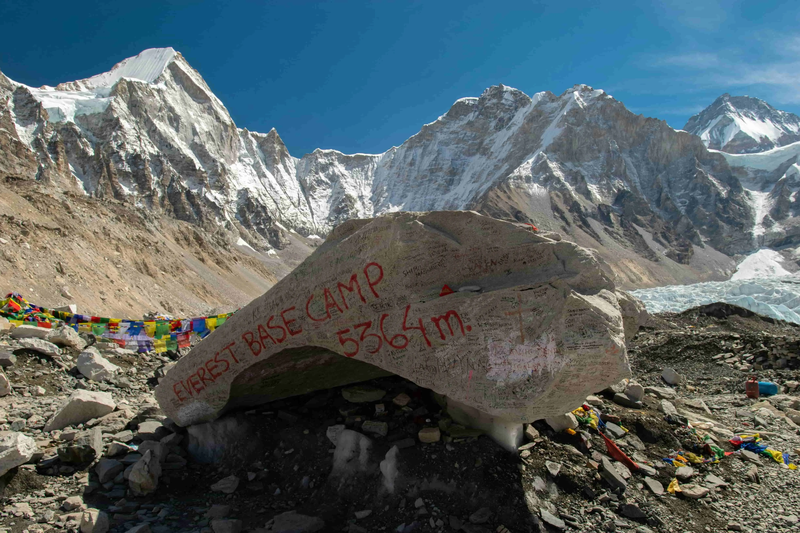
Everest Base Camp sits at 5,364 meters on the Khumbu Glacier beneath Mount Everest's imposing south face, representing the staging area for climbing expeditions attempting the world's highest summit at 8,849 meters. The Everest Base Camp trek brings adventurers to this legendary location through a 12-14 day cultural journey from Lukla, staying in traditional Sherpa Buddhist villages throughout the Khumbu region of Nepal.
The trek follows the historic route pioneered by Edmund Hillary and Tenzing Norgay's 1953 Everest expedition, ascending through vibrant Sherpa communities: Namche Bazaar (3,440m) with its bustling Saturday market, Tengboche monastery (3,860m) where monks perform daily pujas, Dingboche (4,410m) with its stone-walled fields, Lobuche (4,940m), and Gorak Shep (5,164m) before reaching base camp. Most trekkers also climb Kala Patthar viewpoint at 5,545 meters for unobstructed sunrise views over Everest's summit.
Everest Base Camp Trek Highlights:
- Walking beneath four 8,000-meter peaks: Everest (8,849m), Lhotse (8,516m), Makalu (8,485m), Cho Oyu (8,188m)
- Close-up panoramas of Ama Dablam, Nuptse, Thamserku, and dozens more Himalayan giants
- Authentic Sherpa Buddhist culture with monastery visits and village homestays
- Daily interaction with Sherpa families in tea house accommodations
- Kala Patthar sunrise over the world's highest mountain
- Sagarmatha National Park's unique Himalayan ecosystem
- Traditional Sherpa hospitality with home-cooked meals
- Buddhist monasteries, prayer flags, mani stones, and chortens throughout
- Namche Bazaar's vibrant mountain trading hub culture
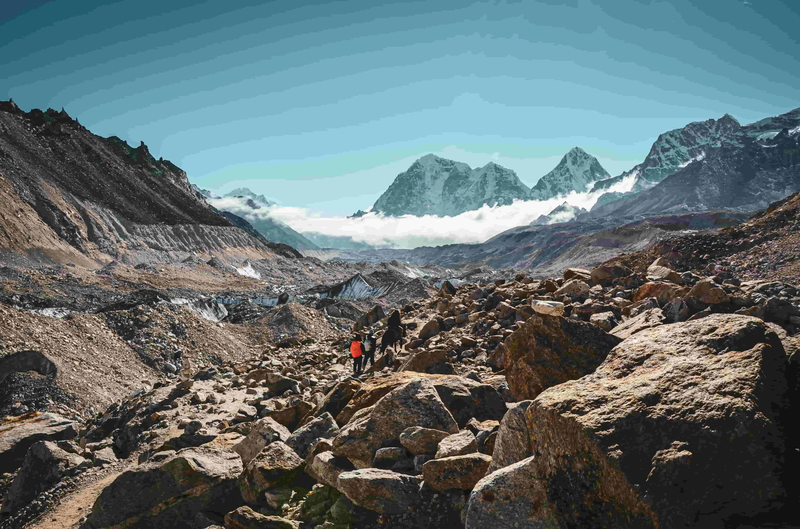
The everest trek emphasizes sustained cultural trekking at high altitude rather than a single summit push. Trekkers spend 8-9 days above 3,500 meters staying in Sherpa-operated tea houses, sharing meals with local families, learning about Buddhist traditions, and experiencing living Himalayan culture that has supported mountaineering for generations. The mountain scenery proves unparalleled—walking daily beneath the world's highest peaks creates constant visual drama unmatched anywhere on Earth.
Overview of Mount Kilimanjaro Climb
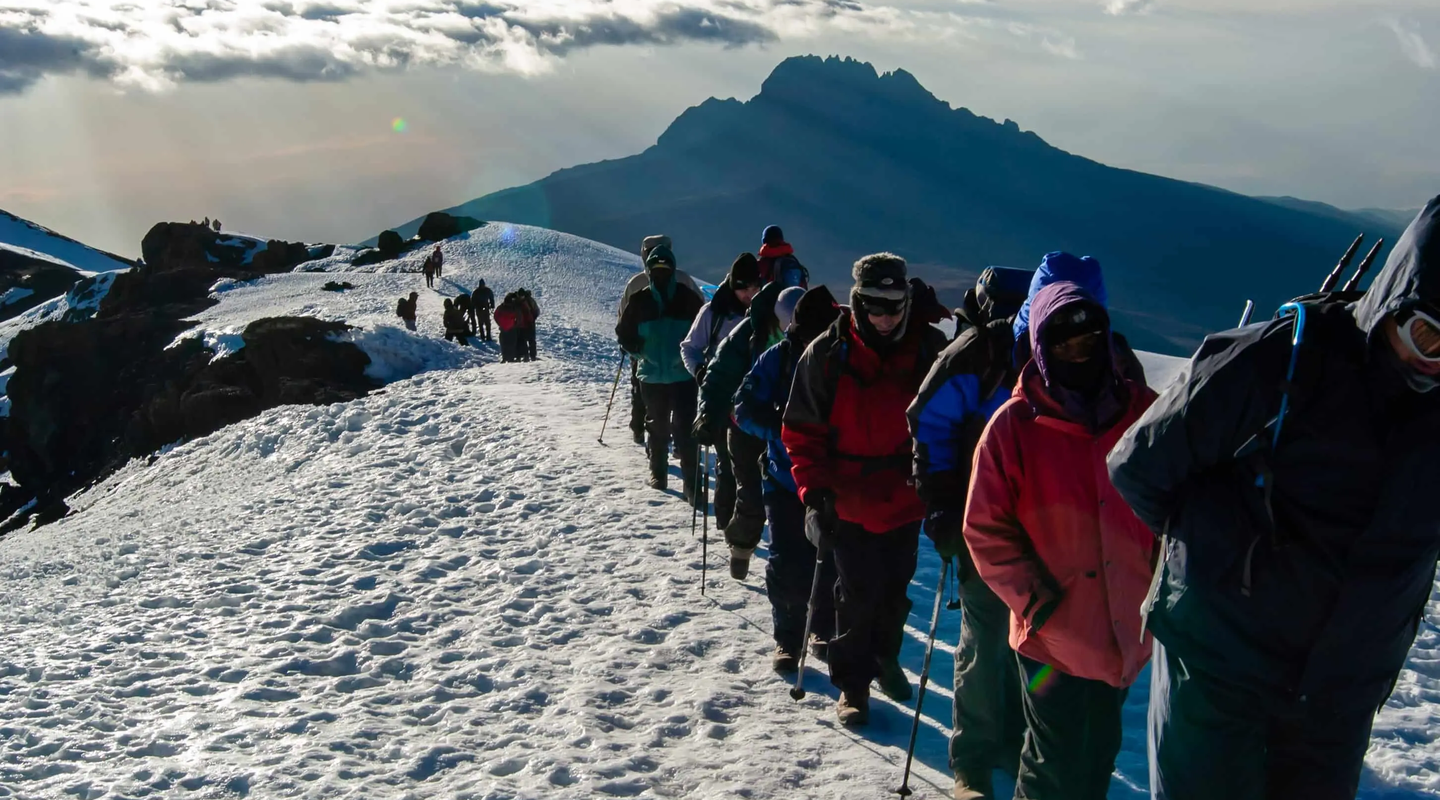
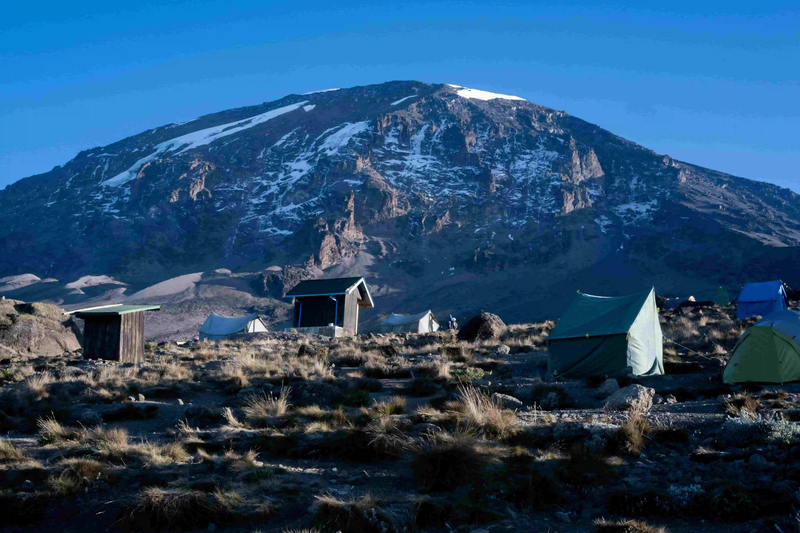
Mount Kilimanjaro rises to 5,895 meters (19,341 feet) as Africa's highest peak and the world's tallest freestanding mountain, dominating the Tanzanian landscape near the Kenyan border. The kilimanjaro climb represents a focused summit objective—reaching Uhuru Peak rather than stopping at a base camp—making it fundamentally different from the Everest Base Camp trek despite similar maximum altitudes.
Kilimanjaro offers multiple route options: Machame Route (6-7 days, most popular), Lemosho Route (7-8 days, scenic), Marangu Route (5-6 days, "Coca-Cola Route"), Rongai Route (6-7 days, northern approach), and Northern Circuit (8-9 days, highest success rate). Each route ascends through five distinct climate zones from montane forest to alpine desert to arctic summit conditions, creating dramatic ecological diversity compressed into vertical distance.
Mount Kilimanjaro Climb Highlights:
- Reaching Africa's highest summit at 5,895 meters
- Five climate zones from rainforest to arctic conditions
- Sunrise summit push to Uhuru Peak
- Freestanding mountain rising from African savanna
- Wildlife viewing in lower forest zones
- Camping adventure throughout climb
- Views across Tanzania and Kenya from summit
- Ecological diversity from tropical to polar in single journey
The mount kilimanjaro vs everest base camp experience differs fundamentally in cultural engagement—Kilimanjaro's camping-based approach creates isolation from local communities, with interaction limited to guide and porter teams. While you appreciate your support crew's professionalism, you miss the daily cultural exchanges, village visits, monastery experiences, and family hospitality that define the Everest Base Camp journey. Kilimanjaro concentrates altitude gain into 5-7 days with a single brutal summit night, while EBC distributes altitude gain over 10-12 days with gradual acclimatization built into village-to-village progression.
Mountain Scenery and Views Comparison
| Scenery Factor |
Kilimanjaro |
Everest Base Camp |
| 8,000m Peaks Visible |
0 (Kili is 5,895m) |
4+ giants daily |
| Highest Peak Visible |
5,895m (Kili itself) |
8,849m (Mt Everest) |
| Mountain Variety |
Solo freestanding peak |
Dozens of Himalayan giants |
| Panorama Scale |
Limited (single mountain) |
360° peaks in all directions |
| Glacier Views |
Kili's diminishing glaciers |
Khumbu Glacier, icefall |
| Daily Vista Changes |
Climate zone transitions |
Ever-changing Himalayan panoramas |
| Photography Opportunities |
Good (ecological diversity) |
Exceptional (mountain grandeur) |
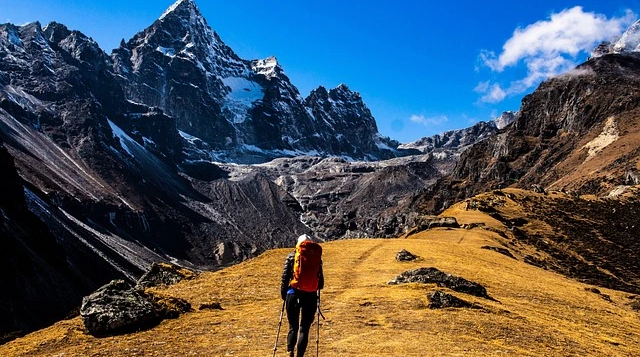
Which is more scenic ebc or kilimanjaro has a definitive answer for mountain lovers—Everest Base Camp delivers vastly superior Himalayan mountain scenery. The Everest Base Camp trek surrounds you daily with views of four 8,000-meter peaks and dozens of 7,000-meter giants, creating overwhelming visual grandeur impossible on Kilimanjaro's isolated summit.
Walking the Everest Base Camp trail means constant proximity to the world's highest mountains. From the Tengboche monastery, you see Everest, Lhotse, Nuptse, and Ama Dablam simultaneously. From Kala Patthar's summit at sunrise, Everest's pyramid rises directly before you with Lhotse's massive wall to the right and Nuptse's complex ridges completing the cirque. The scale proves incomprehensible—these mountains dwarf everything human experience prepares you for.
Everest Base Camp Mountain Views:
- Everest (8,849m): World's highest mountain, constant presence from Tengboche onward
- Lhotse (8,516m): Fourth highest peak, shares Everest's base, massive south face
- Makalu (8,485m): Fifth highest peak, visible from higher viewpoints
- Cho Oyu (8,188m): Sixth highest peak, seen from Gokyo region (extended treks)
- Ama Dablam (6,812m): "Matterhorn of the Himalayas," arguably Nepal's most beautiful peak
- Nuptse (7,861m): Forms Everest's western rim, dramatic ridgeline
- Pumori (7,161m): "Daughter Peak," rises above Gorak Shep
- Thamserku, Kangtega, dozens more: 6,000-7,000m peaks throughout
Kilimanjaro offers different scenic appeal—the freestanding mountain's isolation creates dramatic rise from surrounding plains, and the five climate zone progression provides ecological interest. However, Kilimanjaro is a single mountain. You climb it, summit it, descend it. There's no surrounding amphitheater of giants, no daily changing perspectives on multiple 8,000-meter peaks, no Himalayan scale that redefines your understanding of mountain grandeur.
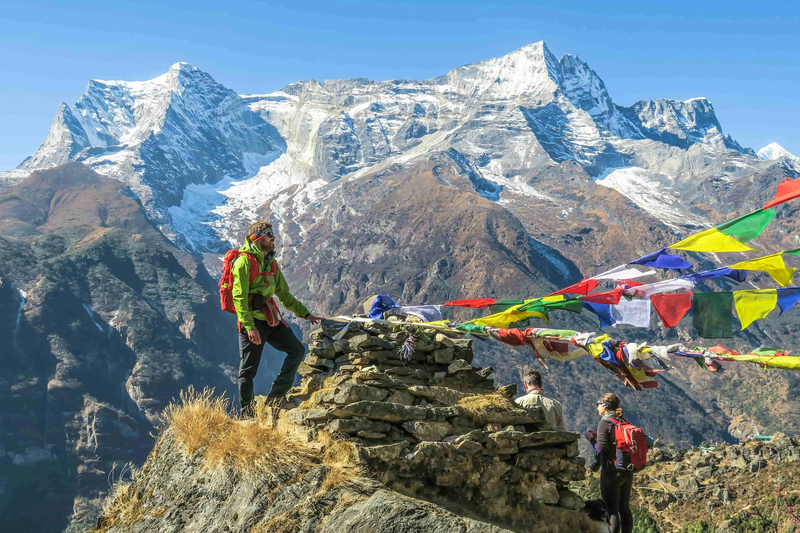
Mountain Photography Comparison:
Everest Base Camp provides superior photography opportunities through sheer variety—different peaks from different angles each day, dramatic lighting on massive faces, Sherpa villages with mountain backdrops, prayer flags framing peaks, monasteries with Himalayan vistas. Kilimanjaro offers good photography of climate zones and the mountain itself, but limited variety—essentially photographing the same mountain from different elevations.
For adventurers prioritizing mountain scenery, EBC vs Kilimanjaro is no contest. Everest Base Camp delivers the planet's most spectacular mountain landscapes with multiple 8,000-meter giants versus Kilimanjaro's single (admittedly impressive) peak reaching only 5,895 meters.
Cultural Experience and Local Engagement Comparison
| Cultural Factor |
Kilimanjaro |
Everest Base Camp |
| Accommodation |
Tent camping |
Sherpa family tea houses |
| Daily Local Interaction |
Guide/porter team only |
Village families throughout |
| Cultural Sites |
None on route |
Multiple Buddhist monasteries |
| Community Engagement |
Minimal |
Extensive daily contact |
| Local Cuisine |
Cook-prepared camping meals |
Traditional Sherpa dishes |
| Cultural Learning |
Limited to guide explanations |
Living immersion experience |
| Village Visits |
None (camping only) |
Daily village-to-village trekking |
| Religious Sites |
None |
Tengboche, Pangboche monasteries |
The cultural experience kilimanjaro vs nepal trek comparison reveals perhaps the most significant difference between these adventures. Everest Base Camp provides profound cultural immersion through daily stays in Sherpa villages, meals with local families, monastery visits, participation in Buddhist traditions, and genuine engagement with Himalayan mountain communities. Kilimanjaro's camping-based approach offers minimal cultural interaction beyond your guide and porter team.
Everest Base Camp Cultural Immersion:
Sherpa Village Homestays: Every night on the EBC trek, you stay in tea houses operated by Sherpa families who live in the same buildings. You sleep in their guest rooms, eat in their dining rooms, and share conversations about mountain life, climbing seasons, family traditions, and Buddhist practices. This daily intimacy with Sherpa culture transforms the trek from purely physical challenge into cultural education.
Buddhist Monastery Visits: The trek passes multiple significant monasteries. Tengboche monastery sits at 3,860 meters with spectacular Everest views, hosting monks who perform daily prayer ceremonies trekkers can attend. The head lama often blesses trekkers before they continue to base camp. Pangboche village contains the Khumbu's oldest monastery with ancient murals and relics. These aren't tourist stops—they're living religious centers where Buddhism actively shapes daily community life.
Traditional Sherpa Cuisine: Tea house menus feature traditional dishes like dal bhat (lentil soup with rice and vegetables), momos (dumplings), Sherpa stew, and butter tea. Sharing these meals with Sherpa families while learning about food traditions, preparation methods, and cultural significance deepens appreciation for mountain culture.
Namche Bazaar Trading Hub: The trek includes rest days in Namche Bazaar, the Khumbu's bustling trading center where Sherpa, Tibetan, and Nepali traders converge. Saturday's weekly market brings villagers from throughout the region selling produce, yak products, and traditional crafts. Exploring Namche's narrow lanes, visiting the Sherpa Culture Museum, and observing daily mountain town life provides unmatched cultural richness.
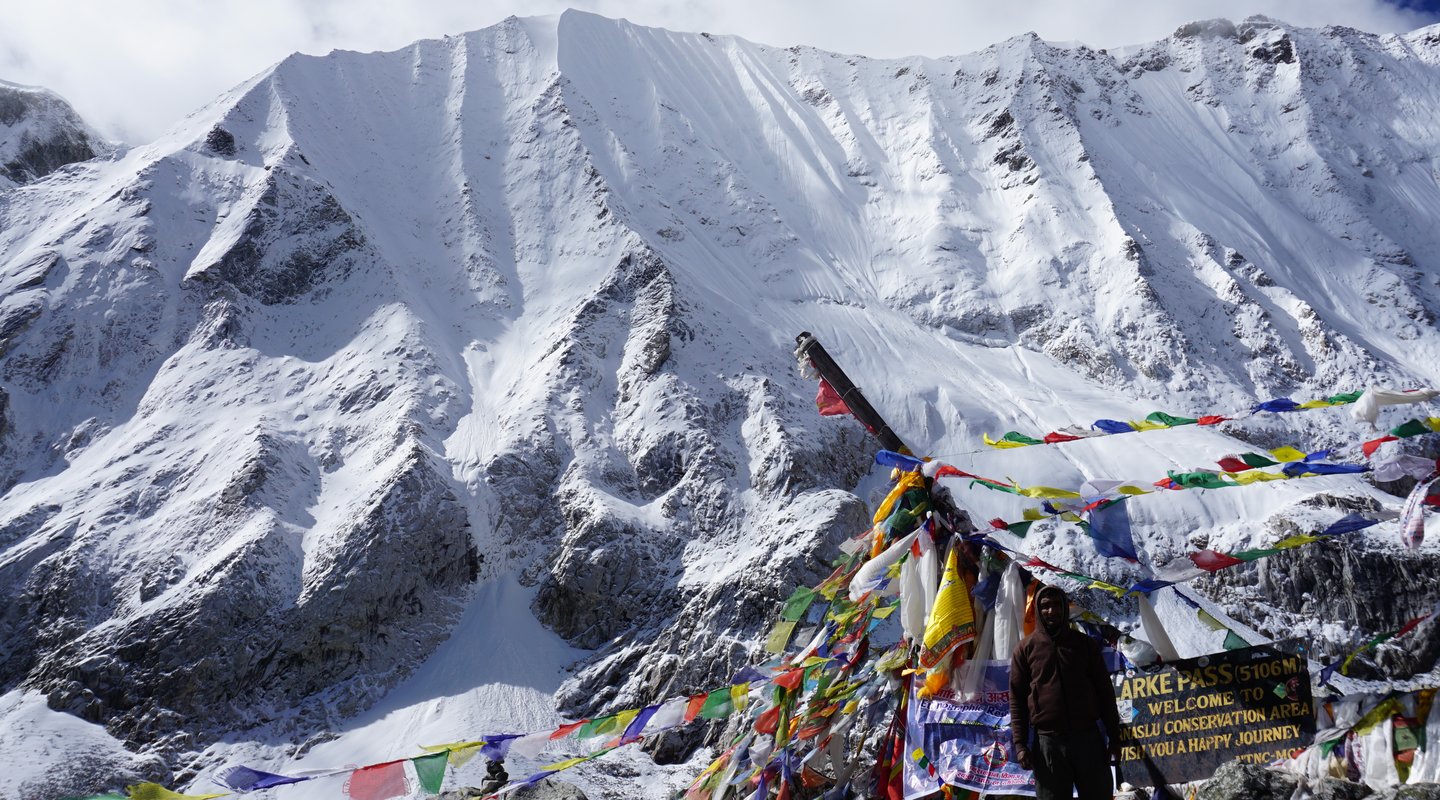
Prayer Flags and Buddhist Symbols: The trail continuously passes mani stones (carved prayer rocks), chortens (Buddhist shrines), prayer wheels, and thousands of colorful prayer flags fluttering in the mountain wind. Sherpa guides explain their significance, proper etiquette (always pass mani stones on the left), and how these religious symbols protect travelers and communities.
Kilimanjaro Cultural Limitations:
Kilimanjaro's camping approach isolates trekkers from local Tanzanian communities. You sleep in tents set up by porters at designated campsites, eat meals prepared by your cook in separate mess tents, and have minimal interaction with anyone beyond your guide and porter team. While you develop appreciation for your crew's hard work and professionalism, you miss the cultural depth available through community immersion.
No villages exist along Kilimanjaro routes—camping regulations prohibit it. You don't visit local homes, share meals with families, explore traditional communities, or participate in cultural practices. The mountain experience remains physically spectacular but culturally isolated.
Why Cultural Immersion Matters:
For many trekkers, the Everest Base Camp trek cultural dimension equals or exceeds the physical challenge's value. Learning about Sherpa mountaineering heritage, understanding how Buddhism shapes Himalayan life, sharing stories with families who've lived beneath Everest for generations, and experiencing genuine cultural exchange transforms adventure into education. You return home not just having completed a trek, but having understood a culture.
Kilimanjaro offers adventure without this cultural depth—remarkable in its own right, but fundamentally different from Everest Base Camp's cultural richness.
Difficulty Comparison: Which is Harder?
| Difficulty Factor |
Kilimanjaro |
Everest Base Camp |
| Walking Difficulty |
Moderate |
Moderate-Challenging |
| Altitude Challenge |
Very High (rapid gain) |
High (gradual gain) |
| Daily Hours |
5-8 hours |
5-7 hours |
| Summit Night |
12-15 hours (brutal) |
No summit attempt |
| Overall Rating |
Moderate-Challenging |
Challenging |
| Mental Challenge |
Extreme (summit night) |
Sustained (multi-day) |
| Technical Skills |
None required |
None required |
| Success Rate |
45-65% |
85-90% |
Which is harder kilimanjaro or everest base camp has a nuanced answer—each presents different difficulty types. The kilimanjaro vs ebc difficulty comparison shows Kilimanjaro as technically easier (less demanding daily trekking) but physiologically harder (rapid altitude gain creates dangerous stress), while EBC offers sustained physical challenge across more days with dramatically safer acclimatization.
Is kilimanjaro harder than everest base camp?
In terms of altitude adaptation and summit night brutality, yes—Kilimanjaro's compressed ascent profile creates extreme physiological stress and mental challenge. Most routes gain 4,000+ meters in just 5-7 days, compared to EBC's gradual 2,700-meter gain over 10-12 days. This rushed timeline makes altitude sickness more common on Kilimanjaro despite both reaching similar maximum elevations, resulting in Kilimanjaro's 45-65% success rate versus EBC's 85-90%.
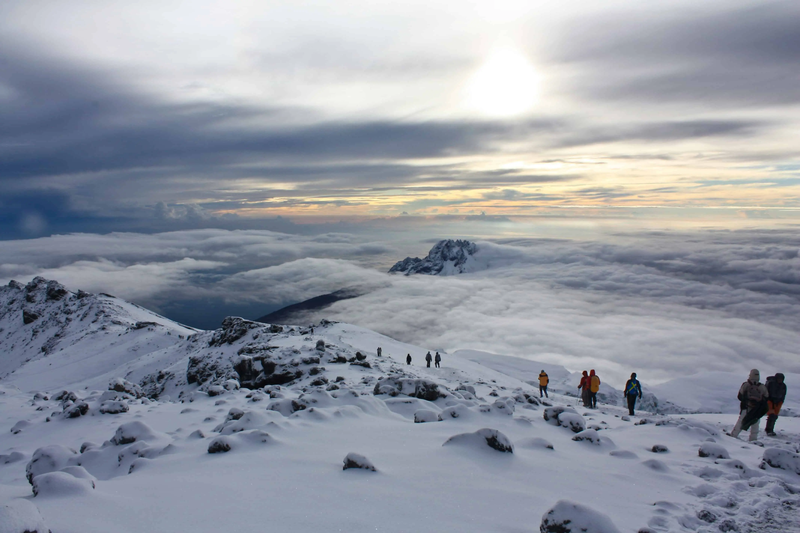
Kilimanjaro Specific Challenges:
- Summit night brutality: 12-15 hour continuous push from 4,600m to 5,895m and back down
- Rapid dangerous altitude gain: Body lacks time for proper adaptation
- Sleep altitude jumps: Climbing to 4,600-4,900m sleep elevation in just 3-4 days
- Temperature extremes: -20°C to -30°C at summit with windchill
- Mental breaking point: Single make-or-break summit attempt after days of exhaustion
- Lower success rates: 55-35% failure rate versus EBC's 10-15%
- Higher altitude sickness incidence: 75-85% experience symptoms vs EBC's 50-60%
Everest Base Camp Specific Challenges:
- Sustained altitude exposure: 8-9 days living and trekking above 3,500 meters
- Cumulative fatigue: 12-14 consecutive trekking days without full rest
- Multiple high-altitude stages: Several days above 5,000 meters
- Long daily distances: Some 6-8 hour trekking days with elevation gain/loss
- Kala Patthar final climb: 5,545m ascent at 50% oxygen but safer acclimatization
- Weather dependency: More days exposed to potential storms
Is everest base camp harder than kilimanjaro?
In terms of overall endurance and sustained multi-day effort, yes—EBC requires more consecutive high-altitude days with significant daily distances. The trek's 12-14 day duration with 10-12 walking days creates cumulative fatigue testing endurance differently than Kilimanjaro's concentrated 5-7 day challenge. However, EBC's gradual approach allows proper acclimatization, resulting in dramatically higher success rates and lower health risks.
Altitude and Acclimatization Comparison
| Altitude Factor |
Kilimanjaro |
Everest Base Camp |
| Highest Point |
5,895m (Uhuru Peak) |
5,545m (Kala Patthar) |
| Altitude Difference |
350m higher |
350m lower |
| Acclimatization Profile |
Rapid (dangerous) |
Gradual (safe) |
| Days Above 4,000m |
2-3 days |
5-6 days |
| Days Above 5,000m |
Summit day only |
2-3 days |
| Rest Days |
0-1 typically |
2-3 mandatory |
| Success Rate |
45-65% |
85-90% |
| AMS Incidence |
75-85% |
50-60% |
The altitude difference between kilimanjaro and everest base camp sits at approximately 350 meters—Kilimanjaro's Uhuru Peak at 5,895m versus Kala Patthar at 5,545m. However, this small altitude difference completely misrepresents the true physiological challenge comparison, where acclimatization profile determines success far more than maximum elevation.
Altitude sickness kilimanjaro vs everest base camp statistics reveal dramatic differences: 75-85% of Kilimanjaro climbers experience altitude sickness symptoms (headache, nausea, severe fatigue) compared to 50-60% of EBC trekkers. This occurs despite Kilimanjaro being only marginally higher because the rapid ascent prevents proper physiological adaptation, while EBC's gradual approach allows the body to adjust naturally.
Kilimanjaro Altitude Profile Problems:
- Dangerously rapid ascent: Gain 1,000+ meters daily on standard routes
- Insufficient adaptation time: Many routes include 0-1 acclimatization days
- Severe sleep altitude jumps: Large elevation gains between camps
- Summit night shock: Climb from 4,600m to 5,895m (1,295m) in one brutal night
- Poor "climb high, sleep low" adherence: Route design limits this critical strategy
- High failure rates: 35-55% don't reach summit due to altitude issues
Everest Base Camp Altitude Profile Advantages:
- Safe gradual ascent: Rarely gain more than 600-700m daily
- Multiple mandatory rest days: 2-3 acclimatization days throughout itinerary
- Effective "climb high, sleep low": Regular acclimatization hikes above sleeping altitude
- Extended adaptation period: 10-12 days allows complete physiological adjustment
- Better oxygen saturation: Slower ascent maintains healthier blood oxygen levels
- High success rates: 85-90% reach base camp and Kala Patthar successfully
Which has higher altitude kilimanjaro or ebc?
Kilimanjaro's summit sits 350 meters higher than Kala Patthar, but this technical advantage becomes meaningless when rushed ascent prevents proper physiological adaptation. The is kilimanjaro more dangerous than ebc question regarding altitude sickness has a clear answer—yes, significantly more dangerous due to compressed acclimatization timeline creating preventable health risks.
Cost Comparison: Which is More Expensive?
| Cost Component |
Kilimanjaro |
Everest Base Camp |
| Budget Package |
$1,500-2,000 |
$1,200-1,500 |
| Mid-Range Package |
$2,000-2,800 |
$1,500-1,800 |
| Premium Package |
$2,800-3,500+ |
$1,800-2,500 |
| Park Fees |
$800-1,000 (5-7 days) |
$50-60 total |
| Guide Requirement |
Mandatory by law |
Optional (recommended) |
| Porter Requirement |
Mandatory (included) |
Optional |
| Flight to Trailhead |
None (drive) |
$350-450 (Lukla) |
The kilimanjaro vs everest base camp cost comparison reveals Kilimanjaro as significantly more expensive despite shorter duration. The cost of climbing kilimanjaro vs ebc trek difference stems primarily from Tanzania's high park fees, mandatory guide/porter requirements, and camping logistics versus Nepal's affordable tea house system and lower permit costs.
Which is cheaper, Kilimanjaro or Everest Base Camp?
Everest Base Camp typically costs $300-800 less than Kilimanjaro for equivalent service levels. While EBC requires $350-450 Lukla flights, Kilimanjaro's park fees alone ($800-1,000 for 5-7 days) exceed these costs, before adding mandatory guide/porter expenses and camping equipment.
Kilimanjaro Cost Breakdown:
- Tanzania National Park fees: $70-120 per day × 5-7 days = $350-840
- Camping fees: $50-60 per night × 4-6 nights = $200-360
- Rescue fees: $20 per climb
- Mandatory guide/porter team: $150-300 total wages
- Food and camping equipment: $200-400
- Route premium (Lemosho/Northern Circuit): Additional $500-1,000
- Total minimum (Machame/Marangu): $1,500-2,000
- Total premium routes: $2,800-3,500+
Everest Base Camp Cost Breakdown:
- Permits: Sagarmatha NP ($30) + Khumbu entry ($20) = $50 total
- Lukla flights: $350-450 round-trip per person
- Guided package: $1,200-1,800 (includes guide, permits, meals, tea houses)
- Independent budget: Tea houses $5-12/night, meals $20-35/day = $695-1,120 total
- Optional porter: $18-22 per day if desired
Cost Savings with Everest Base Camp:
Choosing EBC over Kilimanjaro saves $300-1,000, depending on service level. The everest base camp trek vs kilimanjaro price advantage comes from Nepal's affordable tea house infrastructure and lower permit fees versus Tanzania's premium park pricing and mandatory camping logistics. EBC delivers more days of adventure, richer cultural experience, superior mountain scenery, and higher success rates—all while costing less. For detailed analysis about ebc trek cost check out our full guide on Everest base camp trek cost breakdown.
Duration and Daily Experience Comparison
| Duration Factor |
Kilimanjaro |
Everest Base Camp |
| Climbing/Trekking Days |
5-9 days |
10-12 days |
| Total Days (with travel) |
7-11 days |
14-16 days |
| Daily Walking Hours |
5-8 hours |
5-7 hours |
| Longest Day |
12-15 hours (summit) |
7-8 hours |
| Rest Days |
0-1 |
2-3 |
| Accommodation |
Tent camping |
Family-run tea houses |
| Daily Elevation Gain |
800-1,200m |
400-700m |
How long is kilimanjaro vs everest base camp reveals significant duration differences affecting both vacation planning and physiological safety. The days required for kilimanjaro vs ebc comparison shows Kilimanjaro condensing the adventure into 5-9 days versus EBC's 12-14 days, making Kilimanjaro superficially attractive for time-limited adventurers but creating dangerous physiological stress through rushed acclimatization.
Which takes longer kilimanjaro or everest base camp?
EBC requires nearly double the time commitment—12-14 days trekking versus Kilimanjaro's 5-9 days. Including Kathmandu arrival/departure and potential flight delays, EBC typically demands 15-17 days total versus Kilimanjaro's 8-12 days from arrival to departure.
Everest Base Camp Daily Experience:
- Days 1-3: Lower Khumbu villages (2,860m to 3,440m Namche), Sherpa culture introduction
- Day 4: Namche acclimatization—explore market, visit museums, acclimatization hike
- Days 5-7: Upper Khumbu villages (3,440m to 4,410m Dingboche), monastery visits
- Day 8: Dingboche acclimatization—climb to viewpoints, interact with families
- Days 9-11: Highest section (4,410m to 5,364m EBC + 5,545m Kala Patthar), mountain grandeur
- Days 12-14: Descent through villages, farewell meals with Sherpa families
- Accommodation: Tea house lodges with Sherpa family operation, cultural immersion
- Meals: Traditional Sherpa cuisine, dal bhat, momos, shared family dining experiences
The EBC experience emphasizes cultural richness—daily village-to-village progression, meals with different Sherpa families, monastery visits, market days, acclimatization hikes to viewpoints, and continuous interaction with mountain communities. Rest days aren't passive recovery but active cultural exploration and relationship building.
Kilimanjaro Daily Experience:
- Day 1: Rainforest zone (1,800m to 2,800m), isolated camping
- Day 2-3: Moorland/heath zone (2,800m to 3,900m), rapid elevation gain
- Day 4: Alpine desert (3,900m to 4,600m), minimal vegetation
- Day 5: Summit night (4,600m to 5,895m to 3,100m descent), 12-15 hour brutal push
- Day 6: Descent completion to gate, relief at finishing
- Accommodation: Tent camping throughout, isolated from communities
- Meals: Cook-prepared camping meals, no cultural interaction
The Kilimanjaro experience emphasizes focused summit objective through isolated progression. You bond with your guide and porter team but miss the cultural dimension that defines Everest Base Camp's richness.
Fitness Requirements and Training Comparison
| Fitness Factor |
Kilimanjaro |
Everest Base Camp |
| Minimum Training |
6-8 weeks |
8-12 weeks |
| Cardio Endurance |
Moderate-High |
High |
| Leg Strength |
Moderate |
High |
| Multi-Day Endurance |
Less critical |
Essential |
| Previous Hiking |
Helpful |
Highly recommended |
| Success with Training |
60-70% |
90-95% |
Fitness required for kilimanjaro vs everest base camp differs in emphasis—Kilimanjaro prioritizes single-day endurance for brutal summit night (12-15 hours), while EBC demands sustained multi-day capability across 10-12 consecutive trekking days without full rest.
Do you need more training for kilimanjaro or ebc?
EBC typically requires more extensive training due to longer duration and sustained high-altitude exposure. The training difference between Kilimanjaro and EBC shows EBC demanding 8-12 weeks of preparation versus Kilimanjaro's 6-8 weeks, with EBC emphasizing consecutive-day endurance while Kilimanjaro focuses on summit night stamina.
How fit do you need to be for Kilimanjaro vs. EBC?
Everest Base Camp Fitness Requirements:
- Ability to trek 5-7 hours daily for 10-12 consecutive days
- Strong leg strength for sustained uphill/downhill over multiple days
- Multi-day endurance without complete rest days
- Excellent cardiovascular fitness for high altitude
- Proven ability to recover overnight and continue trekking
Kilimanjaro Fitness Requirements:
- Ability to walk 5-8 hours daily for 5-6 consecutive days
- Summit night endurance for 12-15 hours continuous push
- Mental toughness for extreme cold and altitude stress
- Moderate leg strength for steep climbing sections
- Cardiovascular base for rapid altitude gain tolerance
Training Success Impact:
Proper training dramatically improves EBC success rates (90-95% with adequate preparation) because gradual acclimatization works when your body has fitness foundation. Kilimanjaro training helps but cannot overcome rapid altitude gain—even extremely fit athletes fail due to physiological limitations of compressed acclimatization, not inadequate training. We have also covered the training plan for EBC trek to make your trek easier.
Which is Better for Beginners?
| Beginner Factor |
Kilimanjaro |
Everest Base Camp |
| Beginner Suitable |
Moderate (risky) |
Yes (safe) |
| Success Rate |
45-65% |
85-90% |
| Altitude Risk |
High |
Moderate |
| Cultural Support |
Guide team only |
Entire Sherpa communities |
| Duration Commitment |
8-12 days total |
15-17 days total |
| Training Time |
6-8 weeks minimum |
8-12 weeks minimum |
| Overall Recommendation |
Not ideal for beginners |
Excellent for beginners |
Kilimanjaro or everest base camp for beginners depends on risk tolerance and vacation availability. The which is better kilimanjaro or ebc question for first-timers strongly favors EBC through higher success rates (85-90% vs 45-65%), safer acclimatization, cultural support systems, and richer overall experience despite longer duration requirement.
Should I climb kilimanjaro or trek to everest base camp as a first major mountain adventure?
Choose Everest Base Camp for First Adventure Because:
- Higher success probability: 85-90% reach goals versus Kilimanjaro's 45-65%
- Safer acclimatization: Gradual approach prevents dangerous altitude issues
- Cultural support: Sherpa families provide daily encouragement, advice, support
- Richer experience: Cultural immersion + mountain scenery creates memorable journey
- Better mountain views: Four 8,000m peaks versus single 5,895m mountain
- Tea house comfort: Warm beds, hot meals, family atmosphere versus isolated camping
- Community safety net: Entire villages support trekkers versus solo guide team
- Superior value: Lower cost, longer adventure, higher success rate, deeper cultural experience
Kilimanjaro Challenges for Beginners:
- Lower success rates: 35-55% don't summit—high failure probability
- Altitude danger: Rapid ascent creates preventable health risks
- Cultural isolation: Camping limits support to guide team only
- Summit night trauma: 12-15 hour brutal push can create negative mountain memories
- Limited views: Single mountain versus Himalayan amphitheater
- Higher cost: Pay more for shorter, riskier adventures
First time trek kilimanjaro vs ebc statistics overwhelmingly favor EBC for completion rates, safety margins, cultural richness, and overall satisfaction. EBC's gradual ascent, mandatory rest days, cultural immersion, tea house system, and Sherpa support create a beginner-friendly structure, while Kilimanjaro's rapid ascent challenges even experienced athletes with dangerous altitude adaptation requirements.
Who Should Choose Which Adventure?
Choose Mount Kilimanjaro If:
- Very time-limited: You absolutely cannot take more than 10-12 days total
- Summit-specific goal: You specifically want to stand on a mountain summit
- Africa location priority: Tanzania's location enables safari combinations
- Camping preference: You prefer tent isolation over village community engagement
- Comfortable with risk: Accept 35-55% failure probability
- Don't prioritize culture: Cultural immersion isn't important to you
- Cost not a concern: Willing to pay premium despite shorter duration
Choose Everest Base Camp If:
- Cultural immersion valued: Sherpa village stays and Buddhist culture appeal strongly
- Mountain scenery priority: Want to walk beneath four 8,000-meter Himalayan giants daily
- Higher success rates desired: 85-90% completion probability important
- Better acclimatization valued: Prefer gradual safe altitude adaptation
- Community engagement: Want daily interaction with Sherpa families
- Tea house comfort: Prefer family-run lodges over isolated camping
- Best value: Want longer adventure, richer experience, lower cost
- Cultural education: Return home having understood Himalayan mountain culture
- Photography passion: Multiple 8,000m peaks offer superior mountain photography
- 15-17 days available: Can commit to extended Himalayan journey
The Honest Recommendation:
For 80% of first-time high-altitude adventurers, Everest Base Camp offers the superior choice through higher success rates, safer acclimatization, profound cultural immersion, unmatched mountain scenery, lower costs, and richer overall experience. Kilimanjaro suits the 20% who genuinely cannot commit the time for EBC or who specifically prioritize summit achievement over cultural journey.
Final Verdict: Kilimanjaro vs Everest Base Camp
The everest base camp trek vs kilimanjaro comparison reveals two exceptional adventures serving different priorities, but with Everest Base Camp offering superior value for most adventurers through cultural richness, mountain scenery scale, success probability, and overall experience depth.
Everest Base Camp Advantages:
- Superior mountain views: Four 8,000m peaks (Everest, Lhotse, Makalu, Cho Oyu) versus single 5,895m mountain
- Profound cultural immersion: Daily Sherpa family interaction, monastery visits, Buddhist traditions
- Higher success rates: 85-90% completion versus Kilimanjaro's 45-65%
- Safer acclimatization: Gradual approach prevents dangerous altitude issues
- Better value: Lower cost despite longer duration and richer experience
- Tea house comfort: Family hospitality versus isolated camping
- Cultural education: Return understanding Sherpa culture, not just having climbed
Kilimanjaro Advantages:
- Time efficiency: 8-12 days total versus EBC's 15-17 days
- Summit achievement: Reach actual peak versus base camp
- Ecological diversity: Five climate zones in compressed vertical distance
- Africa location: Enables safari combinations
Which is better kilimanjaro or ebc depends on your priorities, but the evidence favors Everest Base Camp:
- If you value cultural immersion: EBC wins decisively
- If you want best mountain scenery: EBC's four 8,000m peaks dominate
- If you want highest success rate: EBC's 85-90% beats Kilimanjaro's 45-65%
- If you want best value: EBC costs less, lasts longer, offers more
- If you want safer altitude approach: EBC's gradual acclimatization prevents risks
- If you want community support: Sherpa villages beat isolated camping
- If time is absolutely critical: Kilimanjaro's 8-12 days beats EBC's 15-17 days
Choose Everest Base Camp if you want the complete mountain adventure experience—spectacular scenery, cultural education, high success probability, and memories enriched by relationships with Sherpa families who've lived beneath the world's highest peaks for generations.
Choose Kilimanjaro only if you genuinely cannot commit the time for EBC, or if you specifically prioritize summit achievement over cultural journey and don't mind 35-55% failure risk and isolation from local communities.
Ready to experience the ultimate Himalayan adventure? Explore our comprehensive Everest Base Camp Trek package for detailed itineraries, cultural preparation guidance, mountain scenery insights, and expert support ensuring successful, culturally rich journeys walking beneath Everest, Lhotse, Makalu, and Cho Oyu while staying with Sherpa families in traditional mountain villages.