Introduction
For anyone seeking a short yet unforgettable Himalayan adventure, the Poon Hill Trek is ideal. Nestled in the Annapurna region, this trek is famous for breathtaking sunrise views, lush rhododendron forests, and charming mountain villages.
Unlike longer or more technical treks, Poon Hill is beginner-friendly. It’s suitable for families, casual hikers, and photography enthusiasts alike. Along the trail, you will pass through Ghorepani, Tadapani, and Ghandruk, cross quaint suspension bridges, and finally reach the Poon Hill viewpoint at 3,210 meters.
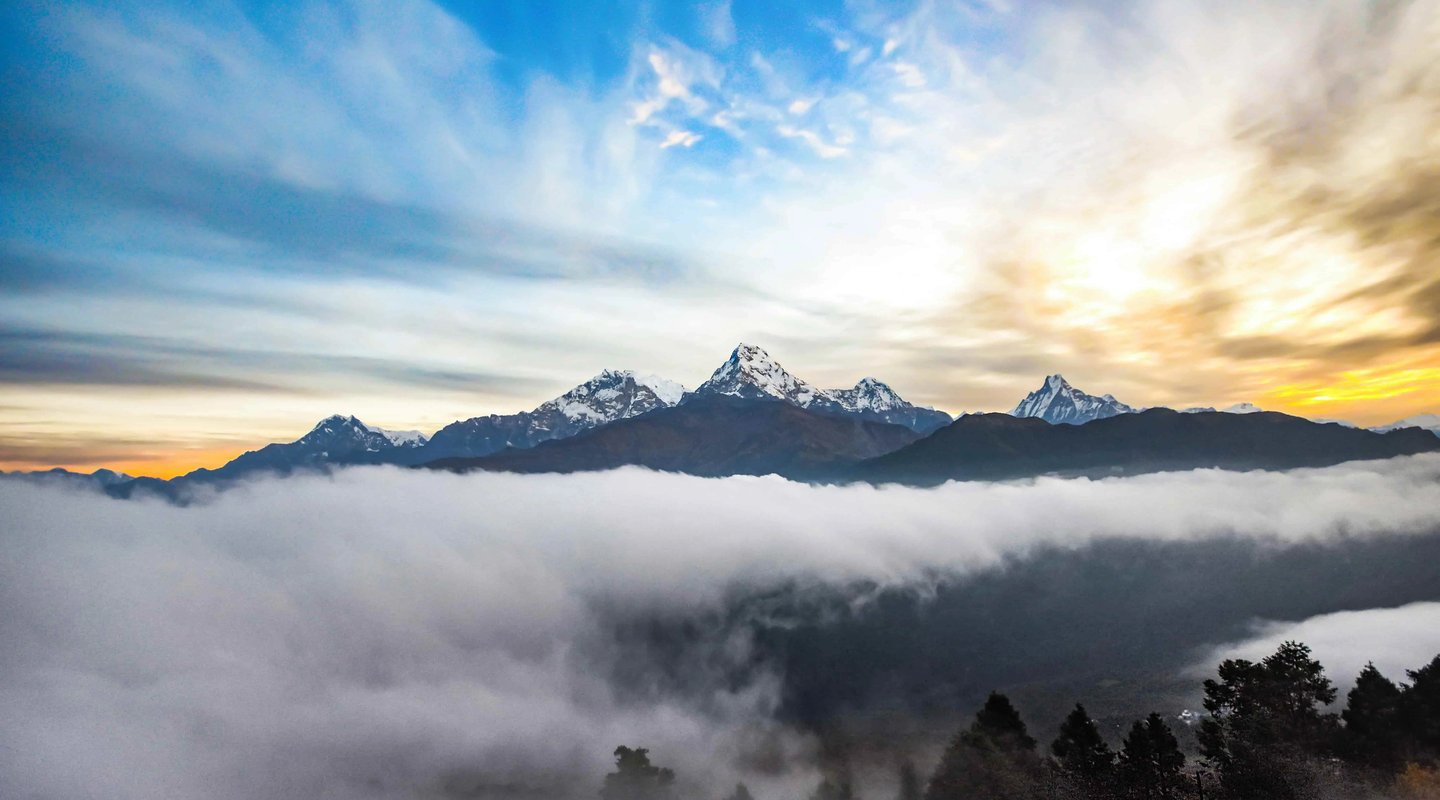
From the summit, the panorama of Annapurna South, Machapuchare (Fishtail), and Dhaulagiri is truly unforgettable. On your way, you’ll encounter Tamang and Gurung communities, whose warm hospitality adds a cultural dimension to the trek.
Whether your goal is adventure, capturing scenic photos, or simply enjoying a peaceful escape, the Poon Hill Trek offers a complete Himalayan experience in just a few days. If you want a longer Himalayan adventure after Poon Hill, check out our Annapurna Base Camp Trek guide for a complete trekking experience.
Why This Trek is So Special
Poon Hill is often called the “sunrise trek of the Himalayas,” and it lives up to that title. From the top, you get 360-degree views of the Annapurna and Dhaulagiri ranges, a sight that few short treks can rival.
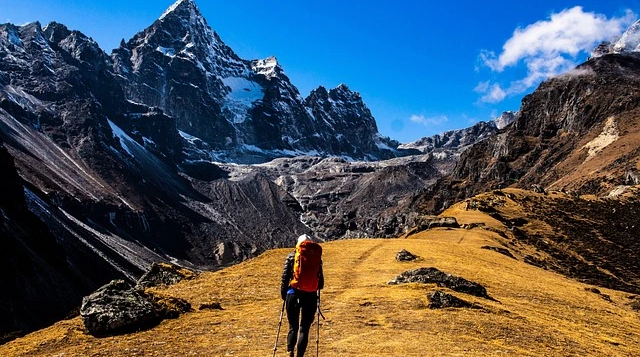
The trail is moderate, making it accessible to beginners, yet it still offers enough challenge to feel rewarding. Along the way, you will walk through vibrant rhododendron forests, cross rivers via suspension bridges, and pass through welcoming villages. Locals often share stories of their traditions and offer home-cooked meals, which makes the journey even more memorable.
For photography enthusiasts, Poon Hill is a dream come true. The sunrise turns the snow-capped peaks golden, while the forests, hills, and villages provide vibrant colors for your camera. This trek is not just about mountains—it’s about experiencing Nepal’s culture, nature, and serenity firsthand.
Best Time to Visit Ghorepani Poon Hill Trek – Season-Wise Guide
The Ghorepani Poon Hill Trek is one of the most popular short treks in the Annapurna region of Nepal, offering stunning sunrise views and vibrant landscapes. Choosing the right season can make your trek more enjoyable, safe, and visually rewarding. Here’s a detailed, season-wise breakdown for your Poon Hill adventure:
1. Autumn (September – November) – Peak Season for Poon Hill Trek
Autumn is widely considered the best time for the Ghorepani Poon Hill Trek. The skies are clear, and the mountain panorama of Annapurna South, Machapuchare (Fishtail), and Dhaulagiri is at its sharpest.
- Weather: Mild days, cool nights, minimal rainfall.
- Trail Conditions: Stable and dry, perfect for trekking.
- Advantages:
- Ideal sunrise view at Poon Hill viewpoint.
- Comfortable temperatures for long hikes.
- Fully operational teahouses along the Ghorepani Poon Hill Trek.
- Considerations:
- Trails may be crowded due to peak season.
- Early booking for accommodations is recommended.
Autumn is perfect for travelers wanting classic Himalayan vistas and memorable sunrise photography.
2. Spring (March – May) – Blooming Forests on Poon Hill Trek
Spring is a great season for trekking in Nepal. The forests along the Ghorepani Poon Hill Trek bloom with red and pink rhododendrons, creating a colorful backdrop for your hike.
- Weather: Warm days, cool mornings and evenings.
- Trail Conditions: Mostly dry; some muddy patches from melting snow.
- Advantages:
- Forests are in full bloom, perfect for photography.
- Moderate temperatures and manageable crowds.
- Great for short hikes with family or first-time trekkers.
- Considerations:
- Morning haze may occasionally obscure mountain views.
- Trekking early in the day is best for a clear Poon Hill sunrise.
Spring is ideal for travelers who want a vibrant trekking experience with colorful landscapes.
3. Winter (December – February) – Quiet and Scenic Trekking
Winter offers a peaceful experience for those trekking the Ghorepani Poon Hill route. The trails are less crowded, and the mountain peaks appear sharp against clear skies.
- Weather: Cold nights; daytime temperatures are cool but manageable.
- Trail Conditions: Dry, with some icy patches at higher altitudes.
- Advantages:
- Less crowded trails for a serene trekking experience.
- Panoramic views of the Annapurna region are exceptionally clear.
- Great for photography enthusiasts.
- Considerations:
- Nights are very cold; proper thermal clothing is essential.
- Some teahouses may close for the season.
Winter is perfect for trekkers seeking solitude and crisp mountain scenery.
4. Monsoon (June – August) – Offbeat Experience
Monsoon is not ideal for first-time trekkers, but it transforms the Ghorepani Poon Hill Trek into a lush green paradise.
- Weather: Heavy rainfall and high humidity; mountains often obscured by clouds.
- Trail Conditions: Slippery paths and swollen rivers; trekking is challenging.
- Advantages:
- Forests and hills are vibrant and full of life.
- Very few trekkers on the trail; peaceful experience.
- Considerations:
- High risk of landslides and trail erosion.
- Mountain views are often blocked by clouds.
- Only experienced trekkers with proper rain gear should attempt.
Monsoon is suitable for adventurers looking for lush scenery and quiet trails, rather than classic sunrise photography.
For the classic sunrise at Poon Hill, autumn and spring remain the best choices. Plan your adventure efficiently by checking our Poon Hill Itinerary, which covers daily trekking details and viewpoints.
Trek Difficulty and Preparation
The Poon Hill Trek is considered moderate, making it accessible for beginners with basic fitness.
Most of the trail consists of stone steps and dirt paths. Some stretches, such as the Ulleri stairs, are steep. While the trek is not technically difficult, trekking poles can provide balance and reduce strain. On average, you’ll walk 3 to 6 hours per day, depending on your pace.
Preparation Tips:
- Fitness: Cardio, leg-strengthening exercises, and short hikes with a backpack can prepare your body.
- Gear: Layered clothing, sturdy trekking shoes, a rain jacket, hat, sunglasses, and sunscreen are essential. Trekking poles and light snacks help a lot.
- Guides & Porters: A guide is optional but adds safety and local knowledge. Hiring a porter allows you to enjoy the trek without heavy luggage.
Packing List by Season
Autumn: Layer your clothing to stay warm in the mornings and comfortable in the daytime. Include a light fleece, gloves, sunglasses, and a hat. Waterproof trekking shoes, a rain jacket, trekking poles, snacks, and a water bottle are essentials.
Spring: Light layers work for daytime warmth, with a fleece for mornings. A sun hat, sunglasses, trekking shoes, moisture-wicking socks, a rain jacket, trekking poles, and a camera for capturing the colorful forests are recommended.
Winter: Pack thermal innerwear, a down jacket, fleece layers, insulated gloves, a warm hat, and a scarf or buff. Insulated trekking shoes and thick socks will keep you warm. Hand warmers, a headlamp, trekking poles, and a water bottle complete your winter gear.
Monsoon: Quick-dry clothing, waterproof pants and jackets, a rainproof backpack cover, gloves, and waterproof shoes or gaiters are essential. Trekking poles help on slippery trails, and mosquito repellent is useful.
Seasonal Tips
Autumn: Enjoy clear skies and crisp mountain views. Start early to enjoy a quieter sunrise.
Spring: Rhododendrons bloom, adding vibrant color along the trail. Morning haze can affect views, so plan early hikes.
Winter: Trails are less crowded, and clear peaks make photography rewarding. Nights are very cold, so pack wisely.
Monsoon: Trails are slippery, rivers are high, and mountains are often hidden in clouds. Only attempt if experienced and fully equipped.
Tips for a Memorable Trek
- Wake up early for sunrise: The best light is usually around 5:30–6:30 AM
- Pack smart and light: Bring layers, rain protection, and trekking essentials.
- Stay hydrated: Drink water regularly, especially at higher altitudes.
- Respect local culture: Engage with villagers, try local dishes, and follow eco-friendly practices.
- Photography: Sunrise, forests, and villages make perfect photo opportunities.
Golden Himalayan mornings are a photographer’s dream, so don’t forget your camera. Book the Ghorepani Poon Hill Package to enjoy a well-organized trek with stunning sunrise views and cultural experiences.
FAQs
Q1: What is the best season to do the Poon Hill trek?
A: Autumn (Sep–Nov) for clear skies and sunrise; spring (Mar–May) for blooming rhododendrons.
Q2: How long does it take to trek Poon Hill?
A: Most trekkers complete it in 3–5 days depending on pace.
Q3: Is Poon Hill trek suitable for beginners?
A: Yes, it is moderate and manageable with basic fitness.
Q4: Can I trek Poon Hill in winter?
A: Yes, but nights are cold and some teahouses may be closed.
Q5: Do I need a guide?
A: Optional. Guides improve safety and provide cultural insights.
Q6: What is the altitude of Poon Hill?
A: 3,210 meters (10,531 feet).
Q7: Are there accommodations along the trek?
A: Yes, teahouses and lodges are available in Ghorepani, Tadapani, and Ghandruk.
Conclusion
The Poon Hill Trek is perfect for anyone seeking stunning Himalayan views, cultural experiences, and a beginner-friendly trail. Trekking in autumn for clear skies or spring for blooming rhododendrons makes for an unforgettable journey.
Start planning your Poon Hill trek and experience Nepal’s breathtaking mountains, charming villages, and warm hospitality. Sunrise at Poon Hill is a memory you will carry forever.