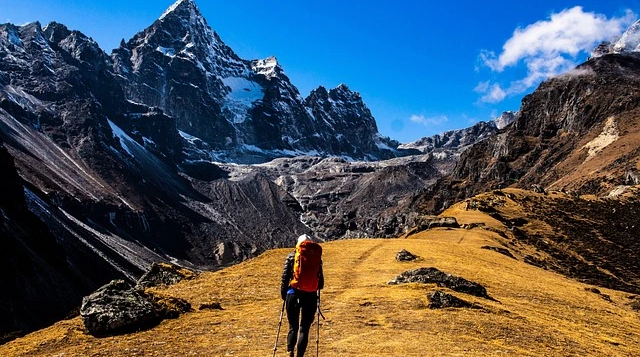
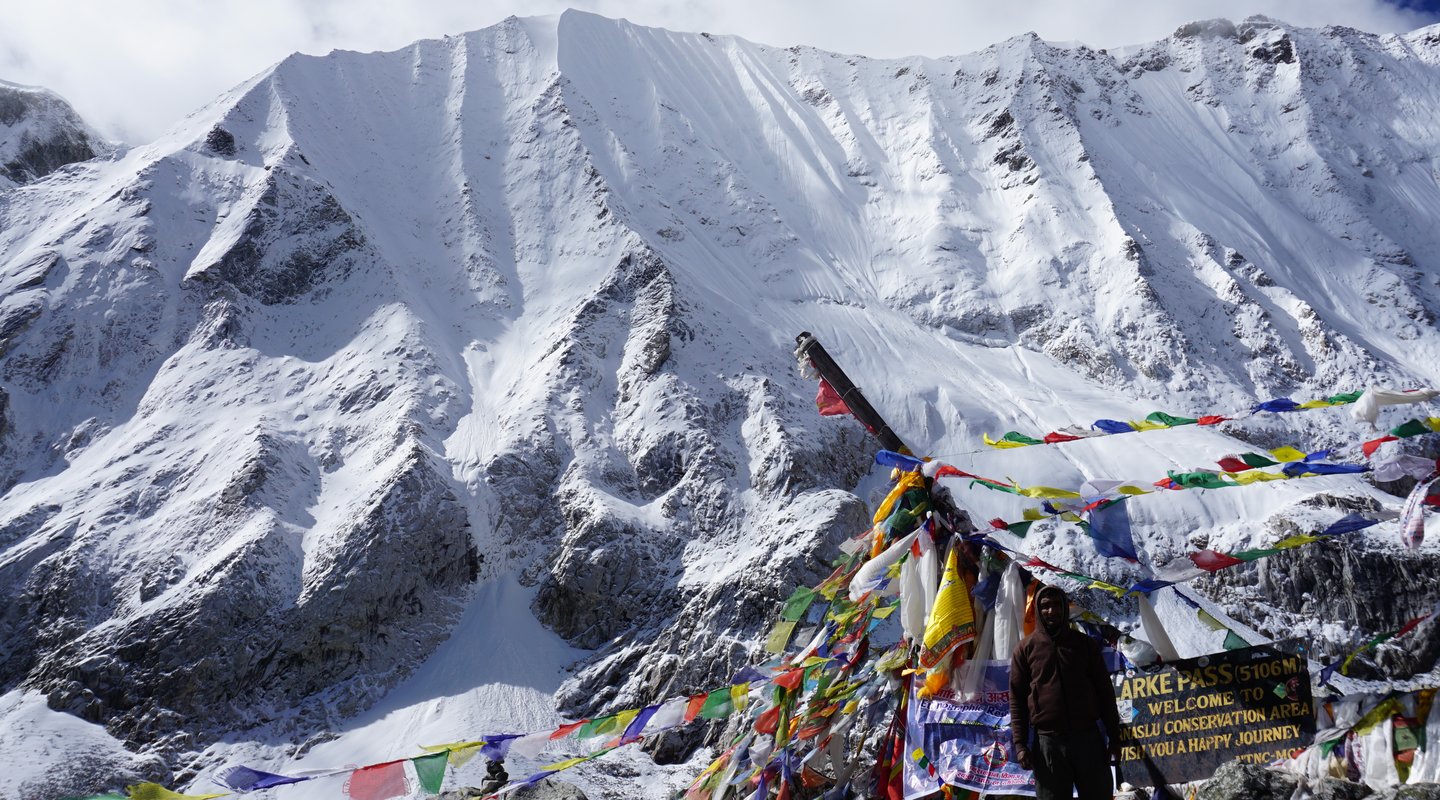
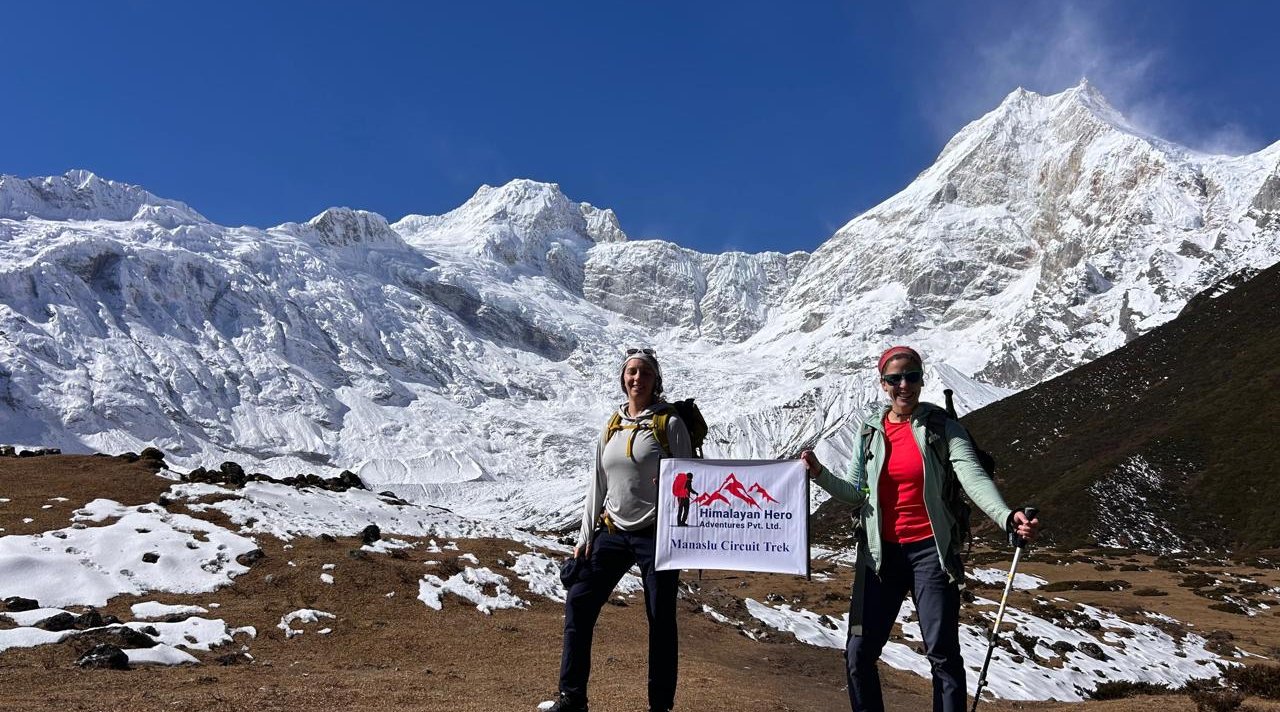
Timing your Everest Base Camp trek correctly can be the difference between crystal-clear Himalayan panoramas and two weeks of clouds, rain-soaked trails, and grounded Lukla flights. The EBC route is open year-round — but not every season treats trekkers equally.
Understanding Everest Base Camp weather before you book is one of the most important planning decisions you will make. The right season affects your safety, your views, your acclimatisation experience, and ultimately how much you enjoy every single day on the trail.
- The two peak trekking windows are Spring (March–May) and Autumn (September–November)
- Monsoon season runs June through August — manageable but demanding
- Winter trekking (December–February) is possible but cold, remote, and best for experienced trekkers
- Your choice of season directly impacts trail conditions, flight reliability, and mountain visibility
This guide breaks down every season, every key month, and exactly what to expect on the trail — so you can plan your 2026 Everest Base Camp trek with full confidence.
Understanding Everest Base Camp Weather and Seasons
Nepal has four distinct seasons, and each one transforms the Khumbu region in a completely different way. The Everest region sits at high altitude where weather patterns are amplified — what feels like a mild shift at sea level becomes a dramatic change above 3,500m.
Spring (March to May) brings warming temperatures, blooming rhododendrons in the lower valleys, and some of the clearest skies of the year. Autumn (September to November) follows the monsoon with freshly washed air, sharp mountain visibility, and stable trail conditions. Summer and monsoon (June to August) bring heavy rainfall, cloud cover, and challenging terrain. Winter (December to February) offers quiet trails and cold, crisp air — but snow above 4,000m and limited daylight hours.
- Spring (March–May): Warm days, blooming trails, stable weather — peak season
- Summer/Monsoon (June–August): Heavy rain, low visibility, lush but slippery trails
- Autumn (September–November): Clear skies, cool temperatures — the other peak season
- Winter (December–February): Cold, snowy above 4,000m, very few trekkers
Mount Everest temperature in June at Base Camp level averages between -10°C at night and 5°C during the day — but persistent cloud cover and rainfall make the trekking experience significantly harder than spring or autumn. Knowing what each season actually feels like on the trail — not just on a weather chart — is what this guide is designed to give you.
Best Season for Everest Base Camp Trek: Spring and Autumn
If you are asking when is the best time to go to Everest Base Camp, the answer is clear: Spring from mid-March to late May, and Autumn from late September to mid-November. These two windows are the gold standard for EBC trekking, and for good reason.
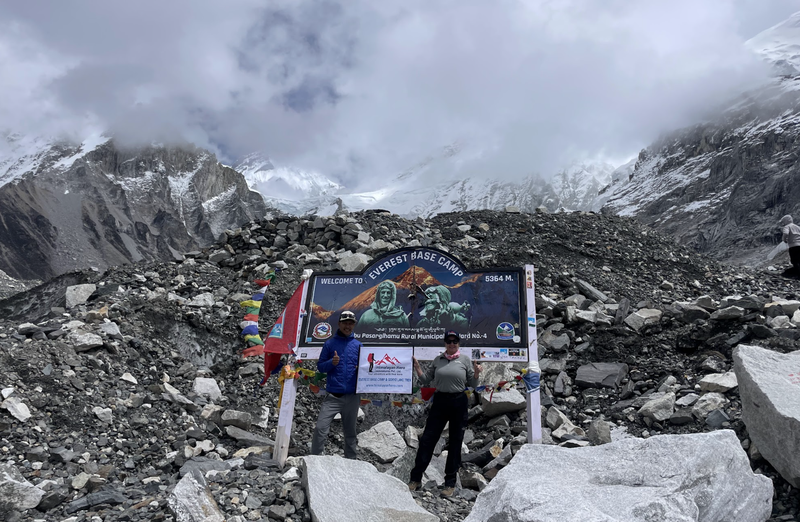
Spring offers warming days, manageable nights, and Everest emerging from winter snow with dramatic clarity. The rhododendron forests below Namche Bazaar are in full bloom from March to April — one of the most visually rewarding sections of the trek. Temperatures at Base Camp during the day reach around 5°C to 8°C, dropping to around -10°C to -15°C at night. Skies are typically clear in the morning and may develop afternoon clouds — standard Himalayan weather behaviour.
- Best months: March, April, October, November
- Average daytime temp at Base Camp: 5°C–8°C (spring), 2°C–6°C (autumn)
- Average nighttime temp at Base Camp: -10°C to -15°C in both peak seasons
- Visibility: Excellent in morning hours, occasional afternoon cloud build-up
- Trail conditions: Firm, well-maintained, and busy with fellow trekkers
Autumn is many experienced trekkers' preferred season. The monsoon has cleared the air of dust and haze, leaving the Himalayas looking freshly painted against a deep blue sky. October is considered by many guides as the single best month of the year for EBC — warm enough to be comfortable, cold enough to feel the high-altitude adventure, and with some of the most reliable clear mornings on the entire route.
The trade-off for both peak seasons is teahouse availability and trail congestion. Spring and autumn are popular — especially October — and accommodation in Namche Bazaar and Dingboche fills up fast. Book your package and your teahouses well in advance if you are travelling in peak months.
Everest Base Camp Trek in June and July: What Monsoon Season Really Means
Trekking in Nepal in June and July is not impossible — but it requires honest expectations. The monsoon arrives in the Everest region around early June and typically retreats by mid-September. During this period, daily rainfall is common, trails become slippery, leeches appear below 3,000m, and cloud cover can sit over the mountains for days at a time.
The Everest Base Camp trek in June is the first month of full monsoon conditions. Visibility at higher elevations drops significantly. Lukla flights — already weather-dependent year-round — become less reliable and more frequently delayed or cancelled during heavy monsoon periods. For trekkers with a fixed return flight from Kathmandu, this is a real logistical risk.
- Trail conditions: Wet, slippery, and muddy below 3,500m
- Visibility: Frequently poor, especially in the afternoons
- Lukla flight reliability: Lower than peak season — build buffer days
- Landslide risk: Elevated on lower trail sections after heavy rainfall
- Crowds: Minimal — you will have many teahouses almost to yourself
The Everest Base Camp trek in July sits at the heart of the monsoon season. The upper Khumbu — above Namche Bazaar — actually receives less rainfall than the lower sections due to the rain shadow effect of the high Himalayan peaks. Base Camp itself can have relatively stable mornings even during monsoon months. But the lower trail from Lukla to Namche remains wet and challenging throughout.
The case for monsoon trekking does exist. Fewer trekkers means a more intimate, quieter experience on one of the world's most famous routes. Teahouse prices are lower, the valleys are intensely green and lush, and waterfalls that are dry in autumn flow dramatically in every direction. If you are an experienced trekker who is flexible with timing and comfortable in wet conditions, a June or July EBC trek can be a genuinely rewarding experience.
Everest Base Camp in Summer: Altitude and Temperature Considerations
Everest in summer presents a unique set of altitude considerations that differ from the peak seasons. Warmer temperatures mean your body is less at risk from the cold but can sometimes mask early symptoms of altitude sickness — particularly dehydration, which accelerates at altitude and in warmer weather.
Summer Everest trekking also means higher humidity in the lower valleys, which makes the initial days of the trek feel more physically demanding than in the dry autumn air. Acclimatisation remains just as important regardless of season — the oxygen level at 5,364m does not change with the temperature.
- Stay hydrated: Heat increases fluid loss even when you do not feel thirsty
- Acclimatisation schedule: Follow the same rest day plan regardless of summer warmth
- Early starts: Begin each walking day before noon to avoid afternoon cloud and rain
- Gear: Pack full waterproofs — lightweight but fully sealed jacket and trousers essential
- Footwear: Waterproof boots with strong grip are non-negotiable in monsoon conditions
Winter Trekking on the EBC Route: December to February
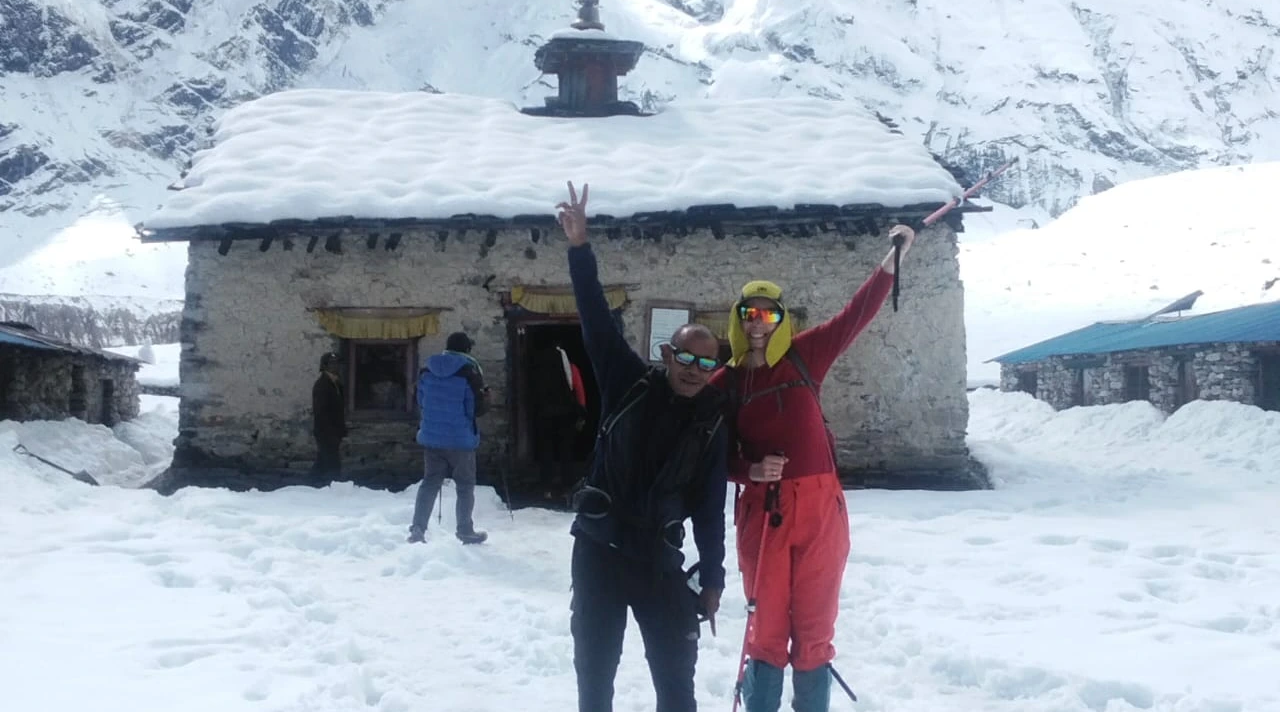
Winter is the quietest season on the Everest Base Camp route — and the most demanding. Temperatures at Base Camp drop to -20°C or below at night, and above Namche Bazaar, snow can cover the trail and make navigation harder. Teahouses above Dingboche sometimes close during the deepest winter months, which limits accommodation options on the upper route.
That said, winter EBC trekking has a loyal following among experienced high-altitude trekkers. The trail is silent, the skies are often brilliantly clear, and the mountain visibility — when weather is good — can be the sharpest of the year. If you are comfortable in extreme cold, well-equipped, and travelling with an experienced guide, a December or January trek offers a genuinely rare perspective on the Khumbu.
- Winter temperatures at Base Camp: -20°C to -30°C at night
- Snow on trail: Likely above Tengboche from December onwards
- Teahouse availability: Some close above Lobuche — confirm in advance
- Best for: Experienced trekkers with full cold-weather gear
- Not recommended for: First-time high-altitude trekkers or those without cold-weather training
Month-by-Month Planning Guide for the Everest Base Camp Trek
Planning your departure month is the most practical decision you can make after choosing the EBC trek. Here is exactly what each month offers on the trail.
January and February are cold and quiet. Clear days can be spectacular, but nights are brutal above 4,000m. February begins to warm slightly and is manageable for prepared trekkers.
March and April are the heart of the spring season. March is slightly quieter than April and still cold at altitude, but the rhododendrons bloom, and the skies are reliably clear. April is the most popular spring month — busy, beautiful, and ideal in almost every way.
May is the final spring month before the monsoon. Temperatures are warmer, the trail is busier, and afternoon clouds build more frequently. Still an excellent time to trek, and a popular choice for trekkers wanting spring conditions with slightly fewer crowds than April.
June and July are full monsoon. Manageable with the right mindset and gear — challenging for first-timers. July sees peak rainfall.
August is the tail end of the monsoon. Rain begins easing in the second half of August, and some trekkers time their departure for late August to arrive at Base Camp as conditions improve in September.
September is the transition month. Early September can still have monsoon remnants, but the second half brings clearing skies and the beginning of the autumn window. A slightly underrated month with fewer crowds than October.
October is widely considered the best single month for EBC trekking. Perfect temperatures, crystal-clear mountain views, and reliably stable weather across the Khumbu.
November offers excellent conditions with progressively colder temperatures. Quieter than October but still comfortable. The second half of November transitions toward winter.
December is the start of winter. Beautiful clear days, very cold nights, and very few trekkers on the trail.
Key Planning Tips for Every Season on the EBC Trek
Regardless of which season you choose, a few planning principles apply year-round and directly affect how safe and enjoyable your trek will be.
Book your Lukla flight and Kathmandu accommodation well in advance, particularly for October and April. These are the most congested periods in the Khumbu and last-minute arrangements can mean missed flights and no teahouse beds on the upper route.
- Spring and autumn: Book 3–6 months in advance for best availability
- Monsoon: Flexible dates strongly advised — allow 2–3 buffer days in Kathmandu for Lukla delays
- Winter: Confirm teahouse availability above Dingboche before departure
- All seasons: Comprehensive altitude and evacuation insurance is non-negotiable
- All seasons: Travel with a licensed, experienced local guide — route conditions change fast
Pack for the season you are entering, not the season you left. The Khumbu weather is unpredictable and layering is essential year-round. Even in June, temperatures above 4,000m can drop sharply after sunset. Even in October, an afternoon storm can turn a clear morning into a cold, wet afternoon within an hour.
Frequently Asked Questions About Everest Base Camp Weather and Timing
Can I trek to Everest Base Camp in June?
Yes — but go in with clear expectations. June is monsoon season in the Everest region. Trails are wet, Lukla flights are less reliable, and mountain visibility is frequently limited. Experienced trekkers who are flexible with timing and well-equipped for rain can have a rewarding experience. First-timers are better served by spring or autumn.
What is the weather like on the Everest Base Camp trek in July?
July is the height of monsoon season. Rainfall is heaviest in the lower sections of the trail. The upper Khumbu — above Namche — benefits from some rain shadow protection, but cloud cover remains common. Expect wet mornings, wet afternoons, and the occasional clear day that makes the whole thing worthwhile.
Is summer Everest trekking safe?
Summer trekking is safe when done with proper preparation, a licensed guide, and realistic expectations. The primary risks are slippery trails, landslides on lower sections, Lukla flight disruptions, and reduced mountain visibility. The altitude risks — including acclimatisation requirements — are identical to any other season.
What months have the clearest views of Everest?
October and November offer the clearest, most consistent mountain views of the year. April and early May are close behind. The post-monsoon air in October is extraordinarily clean, making Everest, Lhotse, and the surrounding peaks appear closer and sharper than at any other time of year.
What is the best time of year for Everest Base Camp overall?
For most trekkers — especially those doing it for the first time — October is the single best month, followed closely by April. Both offer the ideal combination of stable weather, clear skies, comfortable temperatures, and reliable logistics.
Plan Your 2026 Everest Base Camp Trek the Right Way
The best time to do the Everest Base Camp trek depends on what matters most to you. If you want the best views, the most stable weather, and the smoothest logistics — go in October or April. If you want solitude and a rawer experience and can handle wet conditions — June or September offer something different but equally memorable.
Whatever season you choose, one thing does not change: EBC rewards trekkers who prepare seriously and move with patience and respect for the mountain.
Explore our Everest Base Camp Trek guide and start planning your 2026 expedition today.