Langtang Valley is one of Nepal's most rewarding trekking destinations — and one of the most misunderstood when it comes to timing. Trek in the right season and you get clear Himalayan views, firm trails, and an intimate mountain experience that the busier routes cannot match. Trek in the wrong month and you face washed-out paths, closed teahouses, and visibility that disappears behind clouds for days at a time.
The good news: Langtang has two excellent trekking windows, one great shoulder season, and clear months to avoid. Once you understand how the valley's climate works, choosing your departure date becomes straightforward.
- Best overall seasons: Spring (March–May) and Autumn (September–November)
- Best single month: October — post-monsoon clarity, stable weather, ideal temperatures
- Viable winter option: February — improving conditions, quiet trails, manageable cold
- Months to avoid: June, July, August — full monsoon, landslide risk, low visibility
This guide covers every season, every key month, and specific temperature data for the Langtang region — so you can make an informed decision based on your goals, your fitness, and the kind of trek you actually want to have.
Overview: Understanding Langtang Valley's Climate
Langtang Valley sits in the Langtang National Park in north-central Nepal, approximately 60 kilometres from Kathmandu. The valley spans a significant altitude range — from the trailhead at Syabrubesi (1,460m) to Kyanjin Gompa at 3,870m and the optional Tserko Ri viewpoint at 4,984m.
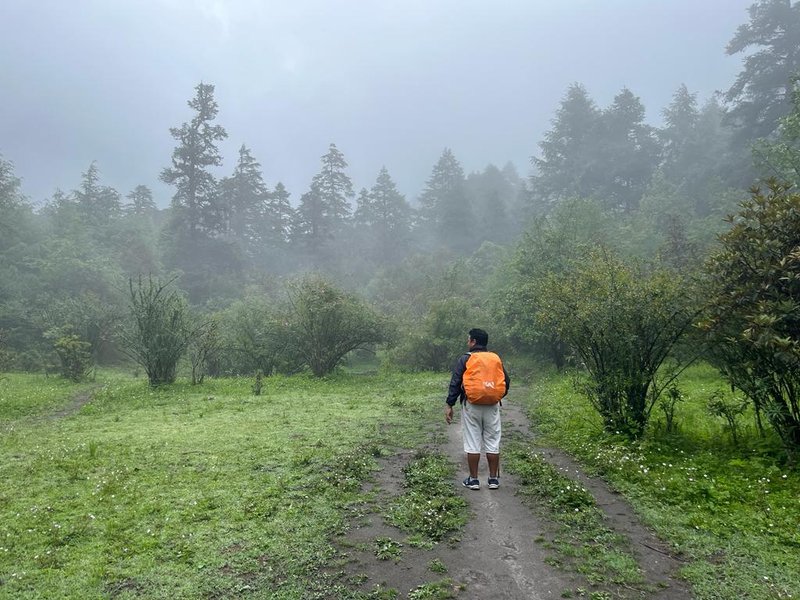
That altitude range means the climate varies dramatically across a single trek. The lower forest sections are subtropical and heavily affected by the monsoon. The upper valley sits in a partial rain shadow, making it drier than equivalent altitudes on the Everest or Annapurna routes.
- Lower valley (1,460m–2,500m): Subtropical — warm in summer, lush in spring, affected by monsoon
- Mid valley (2,500m–3,500m): Temperate alpine — pleasant in spring and autumn, cold in winter
- Upper valley (3,500m–4,984m): High alpine — cold year-round, snow possible any month above 4,500m
Himalayan weather patterns that affect Langtang follow Nepal's four-season structure: spring, monsoon, autumn, and winter. Each has distinct implications for trail conditions, visibility, temperature, and overall trekking experience.
Best Time to Visit Langtang Valley: Quick Answer
The best time to trek Langtang Valley is October and November in autumn, and March and April in spring.
Both windows deliver stable weather, clear mountain views, and safe trail conditions throughout the route. October is the standout month — post-monsoon air clarity makes the views of Langtang Lirung (7,227m) and Ganesh Himal sharper than at any other time of year. April offers warmth, colour, and the best rhododendron blooms in the lower forest sections.
- October: Best overall month — maximum clarity, stable weather, excellent teahouse availability
- April: Best spring month — rhododendron blooms, warming temperatures, good mountain views
- November: Quieter than October, colder nights, still highly recommended
- March: Good conditions for building, fewer crowds, slightly colder than April
If you have one opportunity to trek Langtang Valley and flexibility in your dates, choose October for the best conditions, or April for the warmest and most colourful spring experience.
Langtang Trek in Spring (March–May): Warmth, Colour, and Clear Skies
Spring is the first peak season for Langtang Valley trekking. As temperatures recover from winter lows, the trail comes alive with colour. The rhododendron forest sections between Syabrubesi and Langtang Village bloom in vivid shades of red and pink from mid-March through April — creating one of the most visually striking lower-trail environments in Nepal.
March opens the spring window. Conditions are good and improving throughout the month. The upper valley can still see overnight frost and occasional snowfall above 4,000m, but the main trail is clear and the views are sharp. March is consistently underrated — it delivers near-April conditions with noticeably fewer trekkers.
- March temperature at Kyanjin Gompa (3,870m): 4°C–10°C daytime, -8°C to -3°C at night
- Trail conditions: Clear and firm — some ice possible on upper sections in early March
- Rhododendrons: Beginning to bloom in the lower sections from mid-March
- Crowd levels: Low to moderate — most teahouses available without advance booking
April is the sweet spot of the spring season. Temperatures are warmer at all altitudes, the rhododendron bloom reaches its peak across the mid-altitude forest sections, and the weather pattern is at its most stable. Views from Tserko Ri on a clear April morning — Langtang Lirung, Ganesh Himal, and the Tibetan plateau — are genuinely extraordinary.
- April temperature at Kyanjin Gompa: 8°C–15°C daytime, -3°C to 3°C at night
- Visibility: Excellent — best mountain views of the spring season
- Trail conditions: Firm, well-maintained, and busy with fellow trekkers
- Crowd levels: Peak spring season — advance teahouse booking recommended
May marks the tail end of spring. Lower valley temperatures become warm and the pre-monsoon haze starts building in the afternoons. The upper valley remains excellent through most of May. Trekkers with only a May window will still have a very good experience — but departure before mid-May is advisable to avoid the monsoon's early arrival.
- May lower valley temperatures: 18°C–25°C — warm and humid below 2,500m
- Upper valley conditions: Good through early May — afternoon cloud builds more frequently
- Monsoon arrival: Typically hits Langtang in early to mid-June
Langtang Trek in Autumn (September–November): The Gold Standard
Autumn is the best overall season for trekking in Langtang Valley — and October is the single best month of the year.
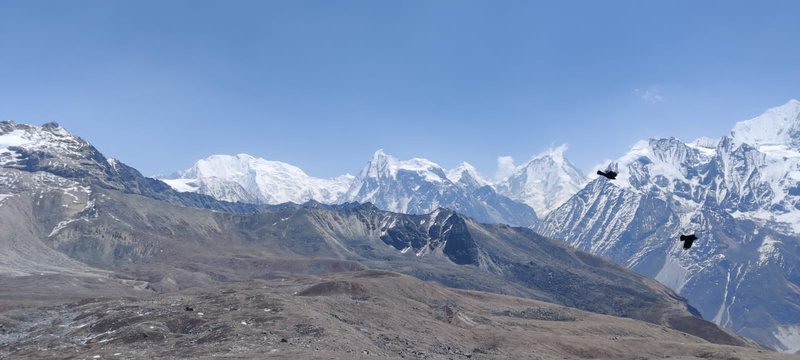
The monsoon exits Nepal in mid to late September, washing the atmosphere completely clean. The result is visibility of extraordinary quality. Mountains that are hazed over in May appear closer, sharper, and more vivid in October than at any other time of year. The air is cool and dry, the trails are firm, and the upper valley is at its most accessible.
Late September is one of the best-kept secrets in Langtang trekking. Conditions improve rapidly after mid-September. Crowds are minimal, teahouse prices are at their lowest of the year, and the post-rain green of the valley floor combined with the clearing mountain views creates a landscape that is hard to describe without photographs.
- Late September temperature at Kyanjin Gompa: 10°C–16°C daytime, -2°C to 3°C at night
- Trail conditions: Drying from monsoon — firm by late September in most sections
- Crowd levels: Very low — the best month for genuine solitude on the trail
October is the benchmark month. High-pressure weather dominates the entire Himalayan region, Tserko Ri is reliably accessible, and the daily rhythm of clear mornings and calm afternoons makes for ideal trekking conditions. This is when Langtang Valley is at its absolute best.
- October temperature at Kyanjin Gompa: 8°C–14°C daytime, -5°C to 0°C at night
- Visibility: Post-monsoon air clarity — Langtang Lirung appears almost close enough to touch
- Trail conditions: Excellent throughout — the best conditions of the year
- Crowd levels: Peak season — book teahouses in Kyanjin Gompa in advance
November brings the post-October quiet. Temperatures drop progressively, particularly above 3,500m, but the weather remains stable and the mountain views are still outstanding. The lower valley is noticeably cooler, and the upper valley sees the first seasonal snow accumulation on higher ridges toward late November.
- November temperature at Kyanjin Gompa: 2°C–8°C daytime, -10°C to -6°C at night
- Thorong La analogy: Tserko Ri remains accessible through November — check conditions before ascending
- Crowd levels: Significantly fewer than October — a strong choice for experienced trekkers seeking quiet
Langtang Trek in Winter (December–February): Quiet, Cold, and Underestimated
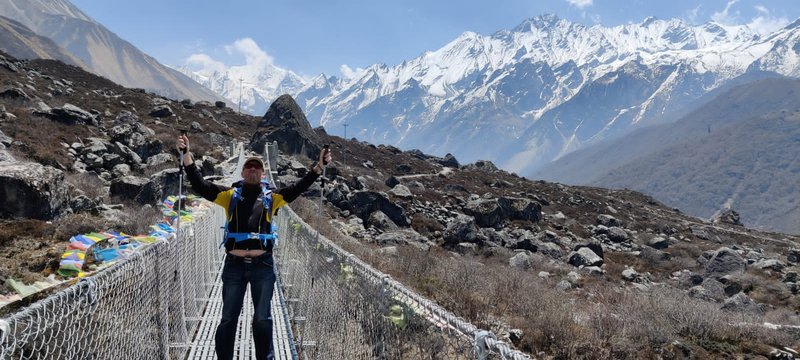
Winter trekking in Langtang Valley is possible — and for the right trekker, genuinely rewarding. The trails are almost empty, the skies are often brilliantly clear, and the atmosphere of Kyanjin Gompa with snow on the surrounding peaks is unlike any other season.
The honest challenge: temperatures above 3,500m drop to serious lows overnight. Teahouses in the upper valley reduce services in the deepest winter months. And the trail above Kyanjin Gompa toward Tserko Ri can become icy and hazardous without crampons in January and February.
Langtang Valley Trek in January is the coldest month of the year on the route. The lower sections remain walkable and surprisingly pleasant on clear days. Above 3,000m, expect daytime temperatures of -3°C to 4°C and nights dropping to -15°C to -20°C at Kyanjin Gompa. Most teahouses remain open in the main valley — but confirm before departure.
- January temperature at Kyanjin Gompa: -3°C to 4°C daytime, -15°C to -20°C at night
- Tserko Ri in January: Not recommended without cold-weather mountaineering equipment
- Trail conditions: Lower sections walkable — upper sections icy above 4,000m
- Crowd levels: Almost empty — genuine solitude guaranteed
Langtang Valley Trek in February is the most viable winter month. Temperatures begin recovering in the second half of February, and the upper valley becomes more accessible. February trekkers who are well-equipped and prepared for cold nights will find a beautiful, quiet valley with exceptional clarity on clear days.
- February temperature at Kyanjin Gompa: -1°C to 7°C daytime, -12°C to -8°C at night
- Trail conditions: Improving — icy sections reducing by late February
- Teahouse availability: Most open — confirm Kyanjin Gompa availability before departure
- Crowd levels: Very low — among the quietest month for trekking in Langtang
Winter trekking in Langtang is not recommended for beginners or those without cold-weather gear. But for experienced trekkers who can manage the cold, January and February in Langtang offer something genuinely rare — a Himalayan valley almost entirely to themselves.
Langtang Trek in Monsoon (June–August): The Season to Avoid
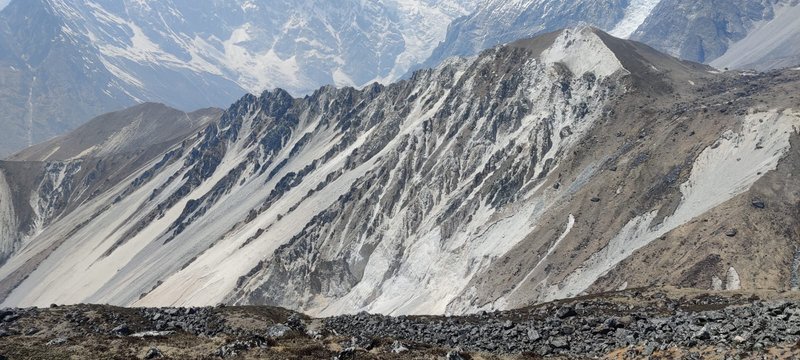
The Langtang Valley trek in monsoon season is a fundamentally different experience — and for most trekkers, not a positive one. Nepal's monsoon brings daily heavy rainfall from June through August, and the Langtang region — unlike the more sheltered Annapurna high routes — receives significant precipitation throughout the valley.
Trail conditions in June deteriorate quickly. Landslides are a real risk on the lower sections between Syabrubesi and Lama Hotel, where steep hillsides above the trail become unstable after sustained rainfall. Leeches appear below 2,500m and are an unavoidable part of the lower trail experience.
- June conditions: Heavy daily rainfall, slippery trails, leech activity below 2,500m
- Landslide risk: Elevated on lower sections — trail closures can occur without warning
- Visibility at Kyanjin Gompa: Frequently obscured by cloud for days at a time
- Teahouses: Open but quiet — some may have reduced services
The upper valley above 3,500m receives less rainfall due to partial rain shadow effects and can have relatively clear mornings even during monsoon. Experienced trekkers who want maximum solitude and can manage wet lower trail conditions occasionally trek Langtang in July or August specifically for the upper valley experience.
For most trekkers, however, June through August is the season to reschedule rather than endure.
Month-by-Month Weather Guide for Langtang Valley Trek
| Month |
Temperature at Kyanjin (3,870m) |
Trail Conditions |
Recommended? |
| January |
-20°C to 4°C |
Icy above 4,000m |
Experienced only |
| February |
-12°C to 7°C |
Improving, cold |
With preparation |
| March |
-8°C to 10°C |
Good, firm |
✅ Yes |
| April |
-3°C to 15°C |
Excellent |
✅ Best spring month |
| May |
0°C to 18°C |
Good, pre-monsoon |
✅ Early May |
| June |
5°C to 15°C |
Wet, slippery |
❌ Avoid |
| July |
7°C to 17°C |
Full monsoon |
❌ Avoid |
| August |
6°C to 16°C |
Monsoon, leeches |
❌ Avoid |
| September |
3°C to 16°C |
Drying out |
✅ Late Sep |
| October |
-5°C to 14°C |
Perfect |
✅ Best month |
| November |
-10°C to 8°C |
Excellent, colder |
✅ Yes |
| December |
-15°C to 5°C |
Cold, quieter |
Experienced only |
Temperature in Langtang and the Upper Valley
Understanding how temperature varies by altitude across the Langtang route helps you pack correctly and set realistic expectations for each day.
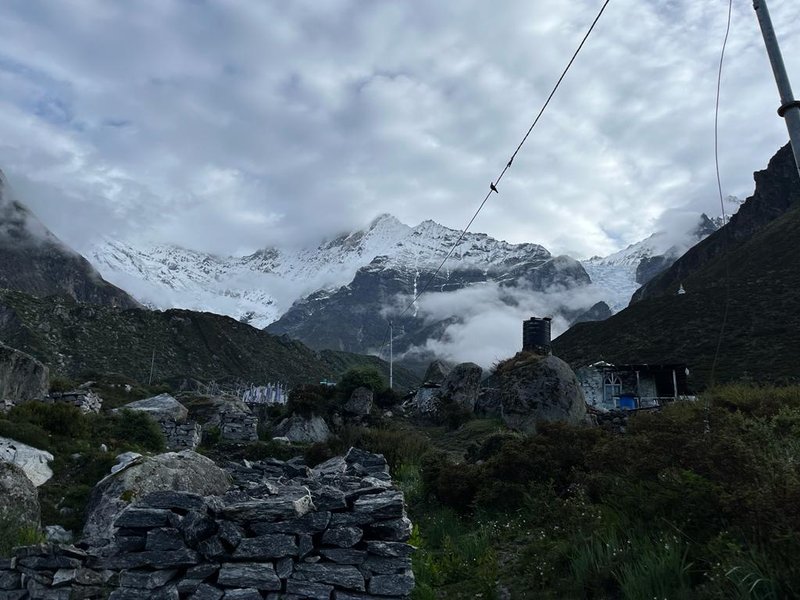
Kyanjin Gompa (3,870m) is the thermal reference point for the upper valley. October daytime temperatures here average 8°C–14°C with nights at -5°C to 0°C. In April, expect 8°C–15°C days and -3°C to 3°C nights. These figures assume dry, clear conditions — cloud cover and wind can reduce effective temperature significantly.
Tserko Ri (4,984m) sits over 1,100m above Kyanjin Gompa. Temperatures at the summit are 5°C–8°C colder than at the gompa at equivalent times of day. Wind exposure at this elevation is significant — even in October, the summit of Tserko Ri in wind can feel much colder than the raw temperature suggests.
- Manang weather comparison: Manang (3,519m on Annapurna Circuit) and Kyanjin Gompa (3,870m) experience broadly similar temperature ranges in equivalent seasons — Kyanjin is slightly colder due to the higher elevation
- Wind: The most underestimated weather variable on the upper Langtang trail — increases significantly above 4,000m in all seasons
- Snow above 4,500m: Possible in any month — most likely November through March
Best Time Based on Trekker Type
Beginners and first-time high-altitude trekkers: Choose October or April without hesitation. Both offer the most stable weather, the most reliable trail conditions, and the best teahouse availability. The predictable conditions reduce the number of variables you are managing on your first high-altitude experience — which is exactly what first-timers need.
Budget-conscious trekkers: March and November offer near-peak conditions at lower crowd pressure. Teahouse prices in shoulder season are slightly lower, and the absence of peak-season competition means more flexibility with accommodation choices. Late September is the most affordable quality window on the entire Langtang calendar.
Photographers and landscape enthusiasts: October is your month. The post-monsoon air clarity on the upper valley produces mountain light that professional landscape photographers plan entire trips around. Early morning at Kyanjin Gompa in October — Langtang Lirung turning gold at sunrise — is one of the finest photographic opportunities in the Himalayas. Late September is also exceptional for photographers willing to accept slightly variable conditions.
Experienced adventure trekkers: February offers the most distinctive off-season experience. Nearly empty trails, clear winter skies, and the challenge of cold-weather trekking in a genuinely remote valley create an experience that is fundamentally different from peak season. Requires full cold-weather gear and realistic expectations about upper valley access.
When to Avoid the Langtang Trek
Avoiding the wrong months is as important as choosing the right ones.
June through August are the months to avoid for most trekkers. Daily monsoon rainfall, landslide risk on lower trail sections, leech activity, and consistently poor mountain visibility make this a genuinely difficult period for an enjoyable Langtang experience.
January should be avoided by anyone without significant cold-weather trekking experience. The temperatures above 3,500m are severe, upper trail sections can be dangerous without crampons, and the limited teahouse services add a logistical challenge that beginners should not face on their first Himalayan trek.
- Avoid: June, July, August — monsoon conditions, landslide risk, poor visibility
- Avoid for beginners: January — severe cold, icy upper sections, limited services
- Approach with preparation: February, December — viable but cold, experienced trekkers only
- Best to avoid if crowd-averse: October (peak season) — consider late September or November instead
Frequently Asked Questions: Langtang Valley Trek Timing
What is the best time to trek Langtang Valley?
The best time to trek Langtang Valley is October for autumn and April for spring. Both months offer stable weather, clear mountain views, and ideal trail conditions throughout the route. October is the single best month overall — post-monsoon air clarity makes the mountain views sharper than at any other time of year.
Is the Langtang Valley trek good in January?
January is the coldest month on the Langtang route. Temperatures at Kyanjin Gompa drop to -15°C to -20°C at night. The main trail is walkable but icy above 4,000m. It is not recommended for beginners or those without cold-weather trekking equipment. Experienced trekkers who are well-prepared for severe cold can have a rewarding experience.
Is February a good time for the Langtang trek?
February is the most viable winter month for Langtang. Temperatures begin improving in the second half of the month, and the trail is more accessible than in January. Well-equipped, experienced trekkers can have a genuinely beautiful experience — very quiet trails, clear skies, and the valley largely to themselves.
What is the weather like in Langtang during the monsoon?
June through August brings daily heavy rainfall, slippery trails, and landslide risk on lower sections. Mountain visibility is frequently poor. Leeches are active below 2,500m. Monsoon is not recommended for most trekkers — conditions make the experience genuinely difficult and potentially unsafe on the lower trail.
Is March a good time to visit Langtang Valley?
Yes — March is a solid trekking month in Langtang. Conditions are good and improving throughout the month, rhododendrons begin blooming from mid-March, and crowd levels are noticeably lower than April. Temperatures are colder than April but the trail is clear and the views are excellent.
Can I trek to Langtang in November?
Yes, November is a recommended trekking month in Langtang. The post-October quiet means fewer trekkers, and the mountain views remain excellent. Temperatures drop progressively through November — nights at Kyanjin Gompa reach -10°C — so proper cold-weather gear is essential.
Conclusion: Plan Your Langtang Trek Around Your Goals
The best time to visit Langtang Valley is not a single date — it is the match between your schedule, your experience level, and what you want the trek to deliver.
October gives you the Langtang Valley experience at its absolute peak — clarity, stability, and conditions that justify the journey from wherever you are in the world. April gives you warmth, colour, and a valley coming alive after winter. March and November offer similar quality with fewer fellow trekkers on the trail. February is for those who want the experience of a winter Himalayan valley in near-solitude.
Whatever month you choose, go prepared for the conditions you will actually face — not the conditions you hope for. The Langtang Valley rewards trekkers who respect its altitude and its weather.
For the full route details and day-by-day planning, explore our Langtang Valley Trek itinerary and see how the seasonal insights in this guide apply to each stage of the journey.