What Is Api Himal Base Camp Trek?
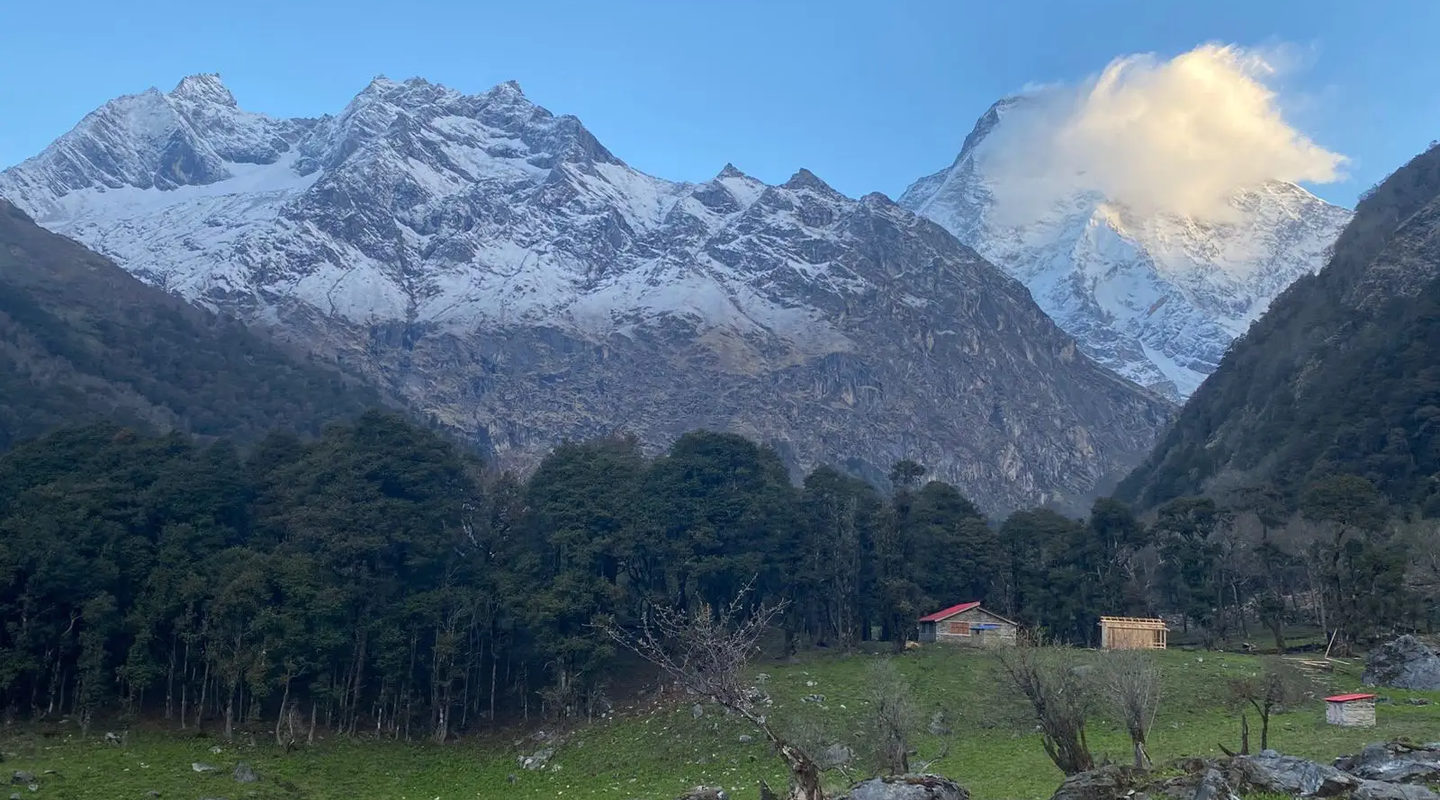
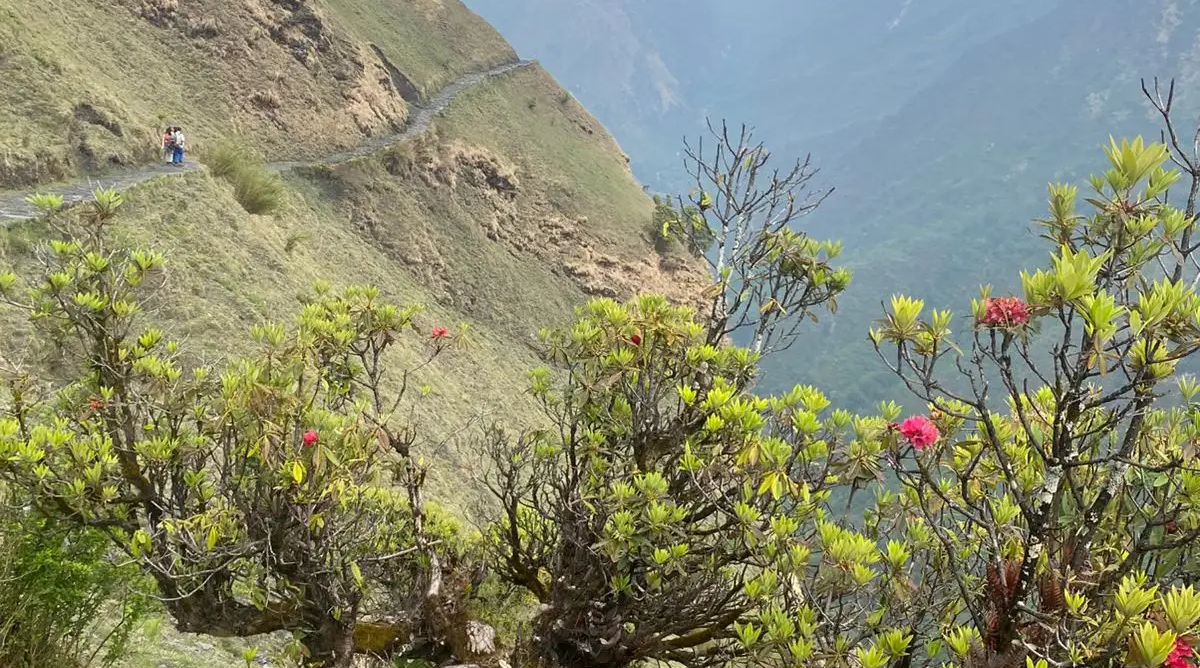
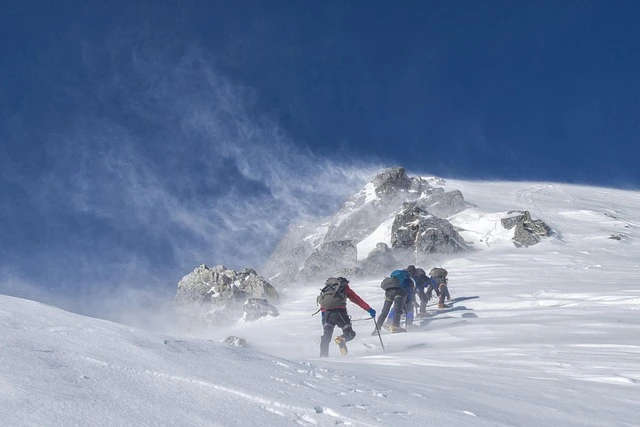
The Api Himal Base Camp Trek is a remote Himalayan trekking route located inside the Api Nampa Conservation Area in western Nepal. The trail leads toward the base region of Mount Api, one of the tallest peaks in the western Himalayas, and offers a non-technical trekking experience rather than a climbing expedition. The journey gradually takes you from low river valleys into high-altitude terrain, passing through dense pine forests, rhododendron zones, and open alpine landscapes.
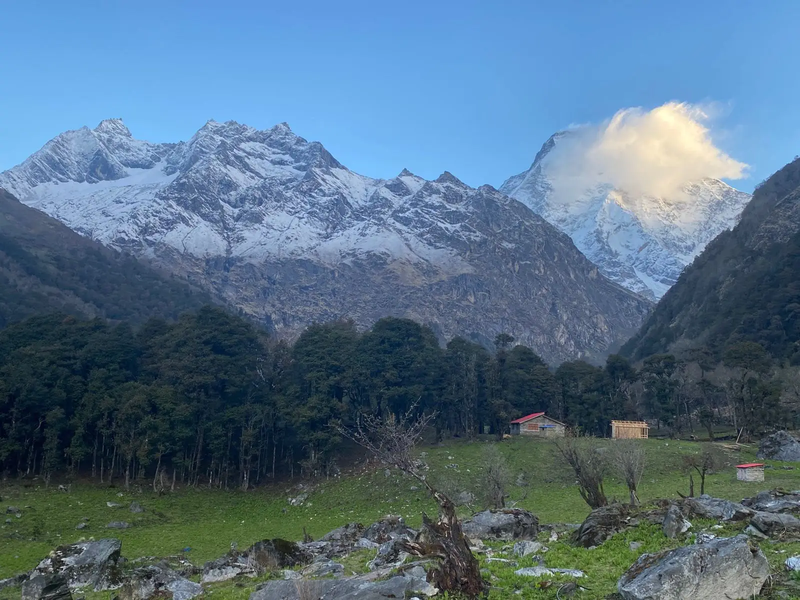
Along the way, trekkers encounter traditional settlements, glacier-fed rivers, and wide mountain viewpoints that open up as the altitude increases. What makes this route unique is its untouched character. Unlike popular trekking corridors, infrastructure here is minimal, and the environment remains largely natural. The experience feels quiet, slow, and deeply connected to the land. Many trekkers describe it as one of the most authentic Himalayan journeys still available in Nepal today.For a broader understanding of trekking culture in the country, you can explore this guide on trekking experiences in Nepal: Into the Himalayas Trekking in Nepal
Why Choose Api Himal Base Camp Trek
Choosing the Api Himal Base Camp Trek is really about choosing solitude, nature, and cultural authenticity over crowded trekking highways. This region offers something increasingly rare in Nepal: space to explore without interruption.
Trek Through Far West Nepal
Far West Nepal is one of the least explored trekking regions in the country. The landscapes here feel vast and untouched, and villages still follow traditional ways of life centered around farming and livestock. Tourism is minimal, which keeps the experience raw and grounded.
On the trail, you will notice ancient trade paths, terraced fields carved into hillsides, and communities that welcome visitors with simple but genuine hospitality. It is not polished or commercial; it is real mountain life.
Experience Remote Mountain Trails
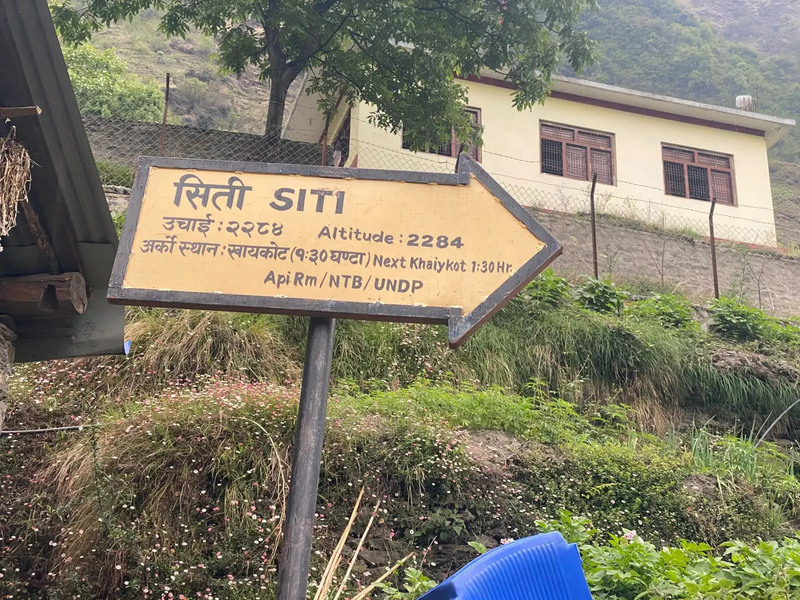
One of the strongest appeals of this trek is the remoteness. You will not find a lodge every hour or busy trekking towns along the route. Instead, the path moves through quiet forests, narrow river valleys, high ridges, and isolated settlements.
Some sections stretch for hours without encountering other trekkers, which makes the journey feel personal and immersive. The silence, broken only by rivers and wind, becomes part of the experience itself.
Visit Traditional Villages
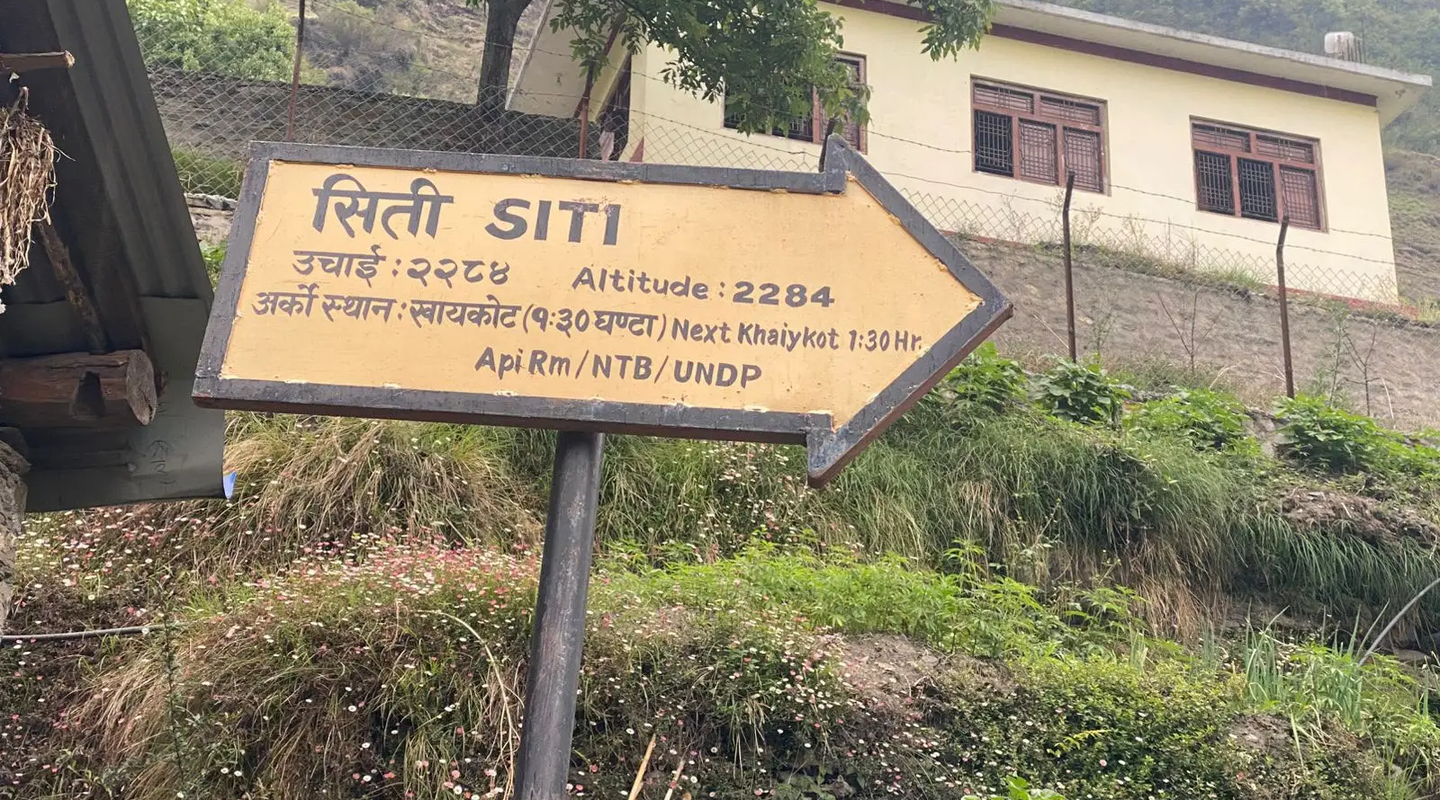
The cultural side of the Api Himal region is just as memorable as the landscapes. Villages here are built with stone houses, terraced farmlands, and traditional wooden structures that reflect centuries-old Himalayan living styles.
Daily life revolves around agriculture, animal herding, and seasonal movement. You may witness local rituals, small village festivals, and everyday activities like grain processing or traditional cooking. The interactions feel natural rather than tourist-driven, which adds emotional depth to the journey.
Enjoy Less Crowded Routes
If you have ever trekked in Everest or Annapurna during peak season, you already know how busy the trails can get. Api Himal is the complete opposite.
Here, you get quiet paths, open landscapes, and the freedom to walk at your own pace. Campsites are flexible, photography is uninterrupted, and conversations with locals feel more personal. For many trekkers, this peaceful atmosphere becomes the most unforgettable part of the entire journey. To better understand trekking basics in the region, you may also read: Hiking vs Trekking Guide
Trip Highlights
The Api Himal Base Camp Trek blends natural beauty and cultural exploration into one remote Himalayan experience.
Major Highlights
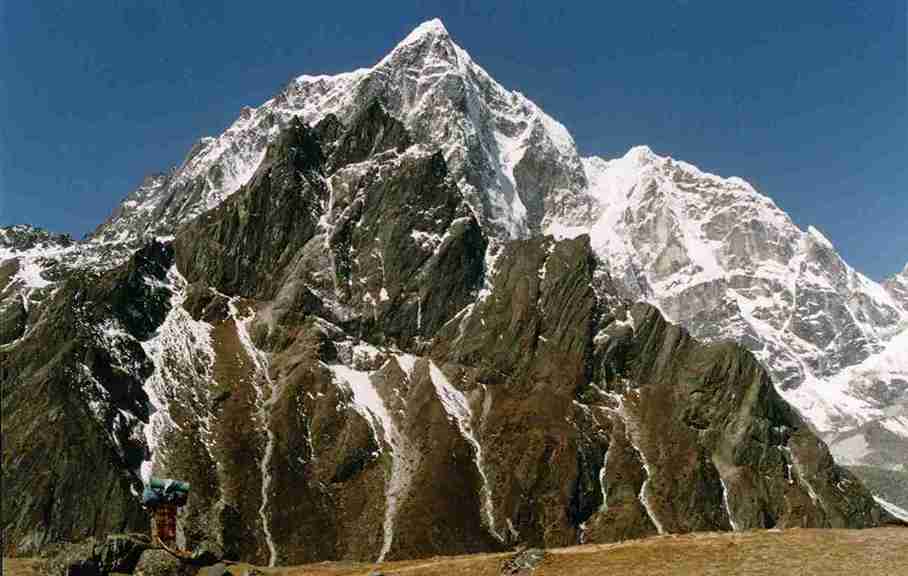
✓ Trek beneath the towering Mount Api (7,132 m)
✓ Explore remote and untouched landscapes of western Nepal
✓ Walk through Api Nampa Conservation Area
✓ Experience one of Nepal’s least crowded trekking routes
✓ Discover authentic mountain villages and traditions
✓ Enjoy alpine meadows, rivers, and glacier-fed valleys
✓ Witness dramatic sunrise and sunset Himalayan views
✓ Experience both camping and basic tea-house trekking
✓ Capture raw, untouched Himalayan scenery
✓ Connect with local communities in isolated regions
Route Map
A typical Himalayan trekking route usually follows a well-established trail system that connects major villages, valleys, and high-altitude passes. While exact routes vary depending on the trek (Everest, Annapurna, Langtang, etc.), the structure is often similar: a gradual ascent through forested hills, alpine zones, and finally into stark, high-altitude landscapes.
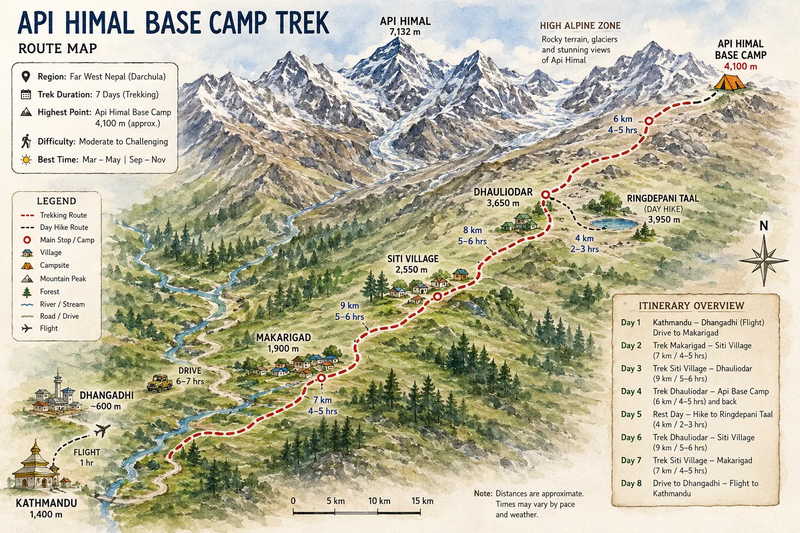
Most journeys begin with a drive or short flight to a gateway town, followed by a series of trekking days that move from lower-altitude settlements into more remote regions. Along the way, the trail passes suspension bridges, river valleys, rhododendron forests, and traditional mountain villages where local communities have lived for generations.
A standard route map will usually include:
- Entry point (airport or roadhead)
- Key stopover villages for acclimatization
- Side hikes for altitude adjustment
- Final base camp or viewpoint destination
- Return path, often retracing parts of the ascent
One important thing to understand is that the route isn’t just a line on a map; it's a gradual altitude progression. Most itineraries are designed to balance distance with acclimatization, which is essential for safety at higher elevations.
Accommodation and Meals
Accommodation and food on Himalayan treks are simple but surprisingly fulfilling, especially considering the remote environments. The experience is part comfort, part adventure, and part cultural immersion.
Tea House and Camping Experience
Most popular trekking routes use teahouses, small, family-run lodges that provide basic rooms and meals. Rooms are usually twin-sharing with simple beds, blankets, and shared bathrooms. Heating is often limited, especially at higher elevations.
In more remote or less-developed regions, camping may be required. In these cases, trekking teams set up tents, cooking stations, and dining areas. Camping offers more isolation and a deeper connection with nature, but it also requires a larger support crew.
Tea house trekking tends to be more common because it balances comfort and cultural interaction. You often get to meet local families, share dining spaces with other trekkers, and experience mountain hospitality firsthand.
Food During the Trek
Meals are typically a mix of local and international options. The most common staple is Dal Bhat (rice, lentil soup, vegetables), which is popular because it is nutritious and refillable in many places.
Other common foods include:
- Noodles and pasta dishes
- Fried rice or vegetable rice
- Soups (garlic soup is especially popular at altitude)
- Pancakes, eggs, and toast for breakfast
- Tea, coffee, and hot lemon drinks
As altitude increases, menu variety tends to decrease because everything must be carried up manually or by porter/yak. Fresh ingredients become rarer, so meals become simpler but more energy-focused.
Facilities in Remote Areas
Facilities along trekking routes are basic and functional rather than luxurious. Expect:
- Limited or no hot showers at higher elevations
- Shared bathroom facilities in most lodges
- Solar or generator-powered electricity (often limited hours)
- Paid Wi-Fi in some villages, though often slow and unreliable
- Charging devices may incur small fees
Despite the simplicity, most trekkers find the setup manageable. The trade-off is clear: fewer modern comforts in exchange for access to some of the most dramatic landscapes on earth.
The key is to arrive with the right expectationscomfort levels drop as altitude rises, but the experience becomes increasingly rewarding in other ways.
Best Time to Visit
The best time to visit the Api Himal Base Camp Trek is during stable weather seasons when visibility, trail conditions, and temperature are suitable for high-altitude walking. Spring (March–May) and autumn (September–November) are the most recommended periods because the skies are clearer, the trails are safer, and tea houses operate normally along the route. These seasons also offer better acclimatization conditions above 3,000 meters, making the overall itinerary more comfortable and predictable.
During these peak seasons, trekkers get the best mountain views, including Api Himal and surrounding peaks, with minimal weather disruption. Winter brings heavy cold and snow at higher elevations, while monsoon season creates slippery trails and limited visibility. A licensed guide helps adjust pacing and safety during all seasons, but spring and autumn remain the most reliable windows for completing the Api Himal Base Camp Trek successfully.
Spring Season
The spring season for the Api Himal Base Camp Trek runs from March to May and is known for stable weather and blooming landscapes. Temperatures are moderate in lower villages, while higher altitudes above 3,500 meters remain cold but manageable with proper gear. The trail passes through forests and villages that become greener and more vibrant during this period, improving the overall trekking experience.
Spring is also a good time for acclimatization because weather conditions are steady and predictable. Permits are easy to process, and tea houses are fully open along the trekking route. A guide helps maintain a balanced itinerary as trekkers gradually gain altitude toward base camp. This season is ideal for those who want a comfortable and scenic journey on the Api Himal Base Camp Trek.
Autumn Season
Autumn is the most popular season for the Api Himal Base Camp Trek, lasting from September to November. This period offers clear skies, dry trails, and excellent visibility of Api Himal and nearby peaks. Temperatures are comfortable during the day for long walking hours, while nights become colder as altitude increases above 3,000–4,000 meters along the route.
The post-monsoon air is clean, making mountain views especially sharp and rewarding. The trekking itinerary runs smoothly with fewer weather disruptions, and permits and guide services are fully available. Tea houses may be busier, but conditions are ideal for safe and enjoyable trekking. This is the best season for first-time trekkers on the Api Himal Base Camp Trek.
Winter Conditions
Winter conditions on the Api Himal Base Camp Trek occur from December to February and bring heavy cold, especially above 3,000 meters. Snowfall can block higher sections of the trail, and temperatures often drop below freezing at night. Some tea houses may close due to harsh weather, making logistics more limited compared to peak seasons.
Despite the difficulty, winter offers quiet trails and clear mountain views on good weather days. Proper gear, warm clothing, and an experienced guide are essential for safety and navigation. The trekking itinerary may need flexibility due to weather changes. This season is suitable only for experienced trekkers attempting the Api Himal Base Camp Trek.
Monsoon Conditions
Monsoon season for the Api Himal Base Camp Trek runs from June to August and brings heavy rainfall, especially in lower and forested regions. Trails can become muddy and slippery, and landslides may affect road access to the starting point. Visibility is often reduced due to clouds, making mountain views less reliable during this period.
However, the landscape becomes very lush and green, offering a different trekking atmosphere. Some remote rain-shadow areas may still be accessible with a skilled guide, but conditions remain unpredictable. Tea house services can also be limited due to weather disruption. Overall, monsoon is not the preferred season for the Api Himal Base Camp Trek.
Difficulty and Fitness
The difficulty and fitness level required for the Api Himal Base Camp Trek is moderate to challenging because of long walking days, remote terrain, and high altitude. The trek does not require technical climbing skills, but it demands good endurance and the ability to walk for several hours daily. The trail gradually ascends above 4,000 meters, where oxygen levels decrease and pacing becomes very important for safety.
A well-planned itinerary with acclimatization days helps reduce altitude risks, and a licensed guide supports navigation and safety decisions. Fitness preparation before the trek is strongly recommended to handle steep ascents, descents, and uneven paths. With proper preparation and steady pacing, most healthy trekkers can complete the Api Himal Base Camp Trek successfully.
Trek Difficulty Level
The Api Himal Base Camp Trek is classified as a moderate to challenging trek due to its long distances, altitude gain, and remote trail conditions. The route includes steep uphill sections, rocky paths, and continuous elevation changes, especially as trekkers approach higher villages and base camp areas above 4,000 meters.
There are no technical climbing sections, but the combination of altitude and daily walking hours increases difficulty. A guide helps manage pacing and safety throughout the itinerary. Permits are required, and proper acclimatization is essential for completing the Api Himal Base Camp Trek without health issues.
Highest Elevation
The Api Himal Base Camp Trek reaches a highest elevation of around 4,000 to 4,200 meters depending on the exact itinerary and final campsite. At this altitude, trekkers may feel mild symptoms of altitude such as shortness of breath or fatigue, especially during steep climbs or long walking days.
The itinerary is designed to allow gradual ascent through villages and alpine zones to support acclimatization. A licensed guide monitors altitude conditions and adjusts the pace when needed. Proper hydration and rest are important for safely reaching base camp on the Api Himal Base Camp Trek.Altitude preparation is important, especially for remote treks like Api Himal. Learn more here:High Altitude Acclimatization Guide
Daily Walking Duration
The Api Himal Base Camp Trek typically involves 5 to 7 hours of walking per day, depending on the terrain and altitude. Some shorter days may take 3 to 4 hours, while more demanding sections can extend up to 8 hours. The trail includes both uphill climbs and downhill descents, which require steady pacing.
Breaks are included in the itinerary for rest, meals, and acclimatization. A guide manages daily timing based on weather and group fitness levels. With proper pacing and preparation, the daily walking routine on the Api Himal Base Camp Trek remains manageable for most trekkers.
Fitness Preparation
Fitness preparation for the Api Himal Base Camp Trek should focus on building endurance, leg strength, and cardiovascular stamina. Activities like hiking, jogging, cycling, and stair climbing are useful for preparing the body for long trekking days. Carrying a backpack during training hikes also helps simulate real trekking conditions.
Preparation should begin a few weeks before the trek to improve stamina and reduce fatigue at higher altitudes. While the trek does not require professional athletic ability, good fitness makes the journey more comfortable and safer. Proper preparation helps trekkers complete the Api Himal Base Camp Trek with greater confidence.
Permits and Travel Information
Permits and travel arrangements for the Api Himal Base Camp Trek are required for legal entry into the trekking region and smooth travel through remote areas of Nepal. These permits are issued by government authorities and are checked at various points along the route. A licensed trekking agency usually handles all documentation in advance to avoid delays or complications during the journey.
Travel to the region involves long road transfers from Kathmandu, followed by entry into rural trailheads where the trek begins. A guide is strongly recommended to manage logistics, navigation, and safety throughout the itinerary. Proper planning ensures that transportation, permits, and accommodation are well-coordinated for the Api Himal Base Camp Trek.If you want a deeper breakdown of trekking documentation, check this helpful guide:How to Get Trekking Permit in Nepal 2026 Guide
Required Permits
The Api Himal Base Camp Trek requires official trekking permits such as conservation area permits or restricted area permits depending on the specific route. These permits are mandatory and must be carried throughout the trek, as checkpoints along the trail verify documentation.
A registered trekking agency usually arranges all permits before departure. Costs are included in most trekking packages. Without valid permits, access to the Api Himal region is not allowed, making proper documentation essential for a smooth trekking experience.
Transportation Details
Transportation for the Api Himal Base Camp Trek typically involves long road journeys from Kathmandu to far western Nepal. The route passes through hilly highways, river valleys, and rural settlements before reaching the starting point of the trek. Travel time can vary depending on road conditions and weather.
There are limited or no direct flights to the immediate trailhead region, so road transport is the main option. A guide coordinates stops, safety, and timing during the journey. This long approach is part of the remote adventure experience of the Api Himal Base Camp Trek.
Guide and Porter Support
Guide and porter support is highly recommended for the Api Himal Base Camp Trek due to its remote location and limited infrastructure. A guide assists with navigation, permits, weather updates, and overall safety throughout the itinerary, ensuring trekkers stay on the correct route.
Porters help carry heavy luggage, allowing trekkers to walk comfortably with a light daypack. This support improves endurance and reduces physical strain on long trekking days. Hiring local staff also contributes to the mountain economy while improving safety on the Api Himal Base Camp Trek.
Packing Essentials
Packing for the Api Himal Base Camp Trek should focus on layered clothing suitable for changing temperatures and high-altitude conditions. Essentials include trekking boots, warm jackets, thermal layers, gloves, hats, and waterproof clothing to handle both cold and possible rain or snow.
Other important items include a sleeping bag, reusable water bottle, sunscreen, personal medicines, and a headlamp. Since the region is remote, supplies are limited along the trail. Proper packing ensures comfort, safety, and preparedness throughout the Api Himal Base Camp Trek.
Why Trek With Himalayan Hero
Choosing Himalayan Hero for the Api Himal Base Camp Trek ensures a well-organized journey supported by experienced local professionals who understand the terrain, weather, and cultural environment of the region. The company manages permits, logistics, guides, and safety planning so trekkers can focus fully on the experience rather than operational challenges.
Their services are designed for remote trekking conditions where planning and coordination are essential. From transportation to accommodation and emergency support, everything is handled systematically. This makes the Api Himal Base Camp Trek more structured, safer, and more enjoyable for trekkers of all experience levels.
Book Your Api Himal Base Camp Trek With Himalayan Hero
Standing at the edge of Api Himal Base Camp, the journey feels less like a hike and more like a quiet conversation with nature itself. The long trails, shifting weather, and remote villages all come together as a reminder of how raw and grounding travel can be. It’s a trek that tests patience and rewards presence, leaving you with memories that linger long after you’ve returned home. If you’re looking for the best company for Api Himal Base Camp Trek, Himalayan Hero offers a thoughtful way to experience it with safety and local insight. When you feel ready, take the step to plan and explore this remarkable journey.
Frequently Asked Questions – Api Himal Base Camp Trek