Introduction
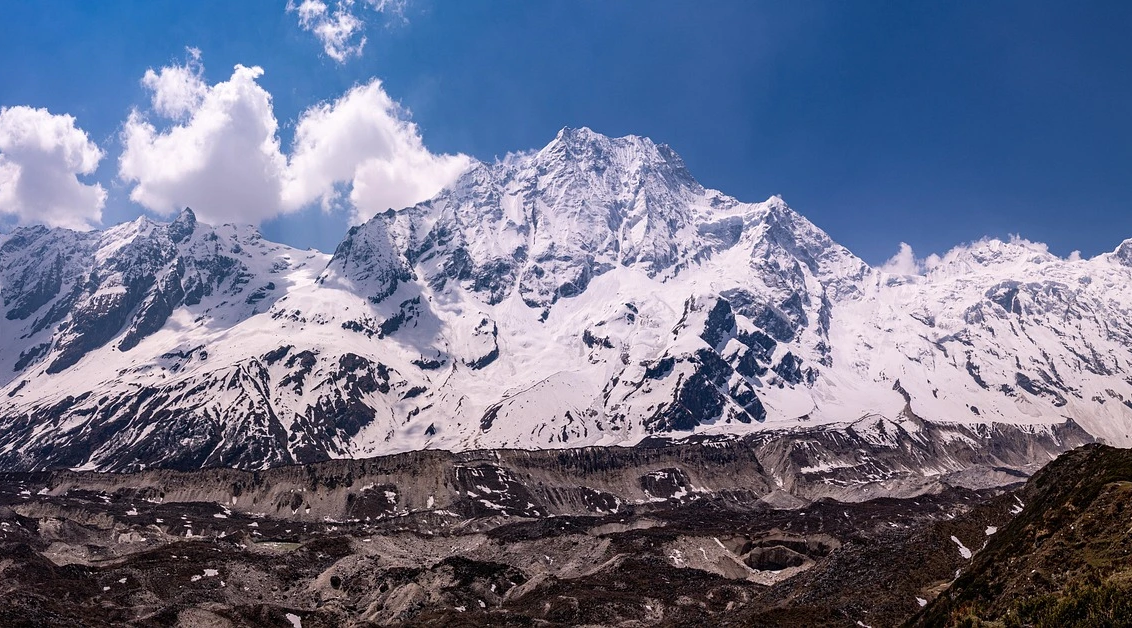
Have you ever stood at the foot of a mountain so tall it seems to touch the sky? That’s Manaslu for you. Rising to 8,163 meters, this majestic peak in Gandaki Pradesh, Nepal, is the world’s 8th highest mountain. Yet unlike Mount Everest or the popular trails of Annapurna, Manaslu still feels raw, remote, and deeply personal. The air is sharper. The villages quieter. The mountains closer.
Manaslu isn’t just a mountain; it’s an experience—a mix of crisp mountain air, remote villages, colorful prayer flags, and heart-stopping vistas. Trekking here feels like stepping into a different world, one where time slows, culture thrives, and nature reigns supreme. Often called the “Killer Mountain”, it demands respect, preparation, and patience, but rewards those who come with awe-inspiring landscapes and unforgettable memories.
In this guide, I’ll walk you through everything about Manaslu—from geography and culture to wildlife, trekking routes, basecamp adventures, and tips for a safe, unforgettable journey.
Where Is Manaslu and What Makes It Special?
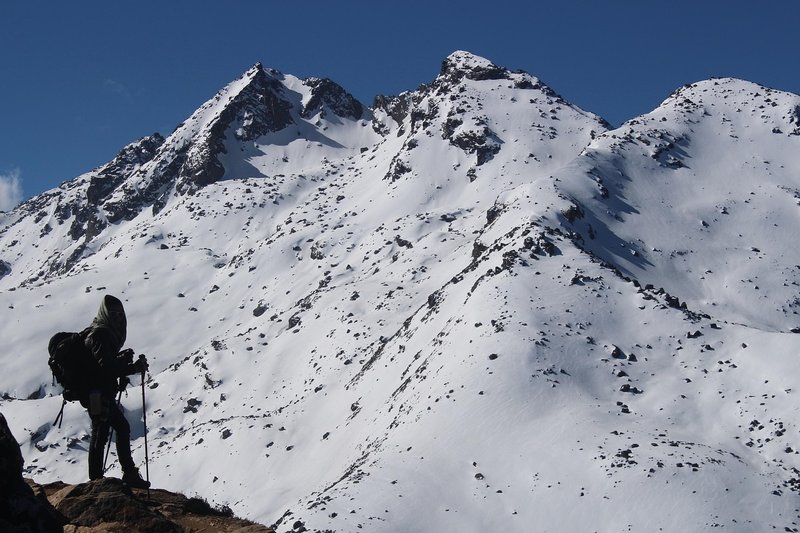
Manaslu lies in the west-central part of Nepal, straddling the Gorkha and Manang districts. Its towering presence dominates the Mansiri Himal range, north of the Budhi Gandaki River.
The first thing you notice when approaching the region is the dramatic contrast of landscapes: terraced villages, deep valleys, glacial rivers, and then suddenly the mountain, looming above everything. The locals call it Kampunge, and in Sanskrit, “Manas” means “intellect” or “soul,” a fitting name for a peak that challenges both mind and body.
- Coordinates: 28°33'01" N, 84°33'42" E
- Elevation: 8,163 m / 26,781 ft
- Nearest Village: Samagaun
- Base Camp Height: 4,500–5,100 m
Unlike Everest, Manaslu feels personal. You’re not just a visitor; you’re part of its story, walking trails where locals and climbers alike have left their mark for centuries.
The Climate: When to Go
The weather in Manaslu is like a living, breathing entity—it can change in minutes.
- Spring (March–May): Flowers bloom, the air smells of pine and rhododendron, and visibility is usually excellent.
- Autumn (September–November): Clear skies, stable weather, and perfect trekking conditions.
Winter brings snow-covered trails and fewer tourists, while monsoon can make paths muddy and risky. Personally, I’ve found spring treks magical—the mountains feel alive, and villages are colorful with festivals and prayer flags fluttering in the wind. For a deeper breakdown of seasonal advantages, read Best Time to Trek Manaslu Circuit for Clear Views
Why Is Manaslu Called the “Killer Mountain”?
If you talk to climbers who’ve attempted Manaslu, you’ll hear a common theme: respect, caution, and awe. This is no ordinary mountain. Its nickname, “Killer Mountain”, comes not from superstition, but from real, measurable dangers that make it one of the most challenging 8,000-meter peaks in the world.
Manaslu’s steep faces and glaciers create natural hazards. Avalanches can happen without warning, especially after fresh snowfall or sudden temperature changes. The north and west faces are notorious for icefalls, hidden crevasses, and seracs—towering blocks of ice that can collapse without notice. Even a minor misstep in such terrain can become life-threatening.
Weather is another silent adversary. The Himalayas are famous for rapid shifts in climate, and Manaslu is no exception. Clear morning skies can transform into violent snowstorms within hours. Strong winds can sweep trekkers off paths, and sudden temperature drops can lead to hypothermia. Historical climbing records show that many accidents occurred not on technical climbing sections, but due to weather surprises and underestimated risk.
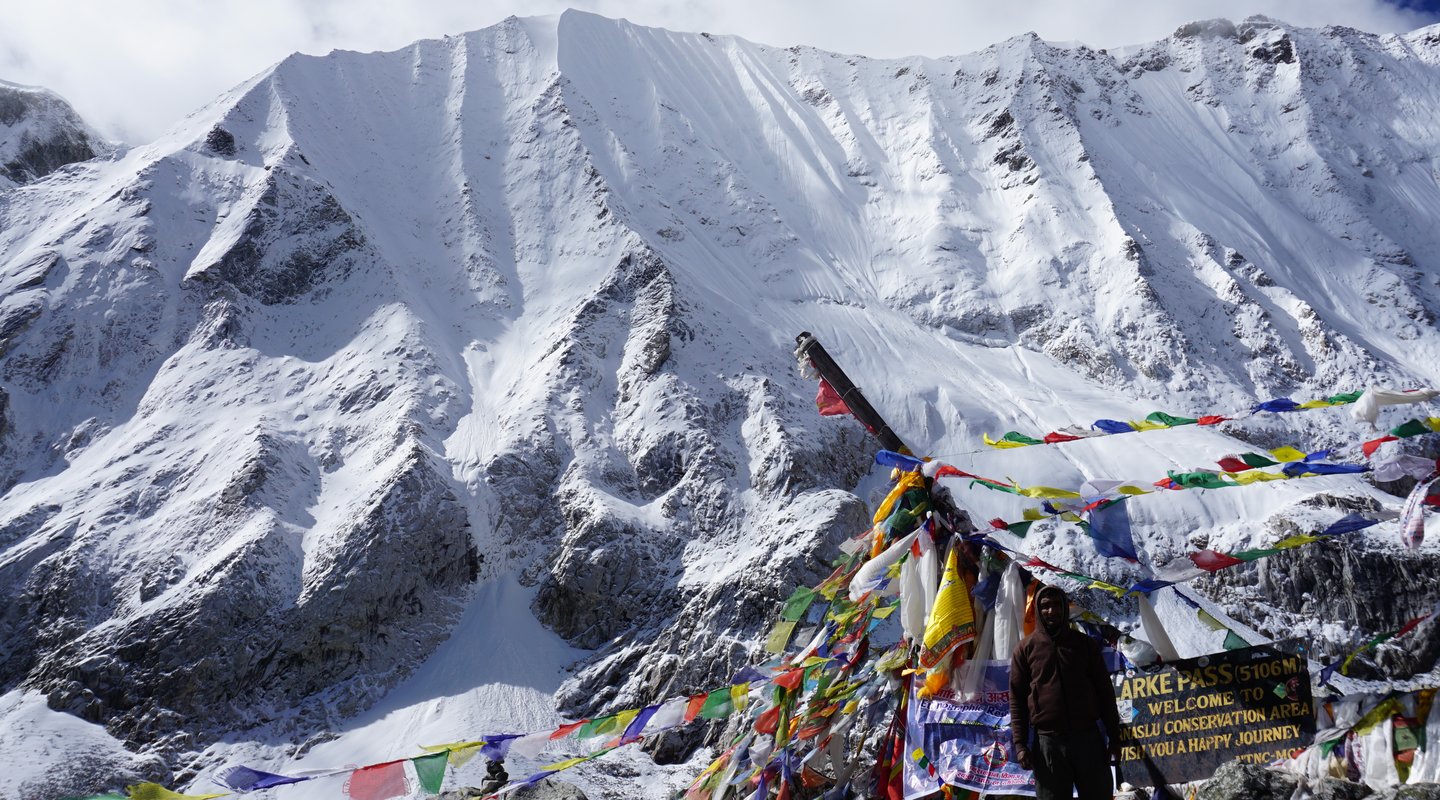
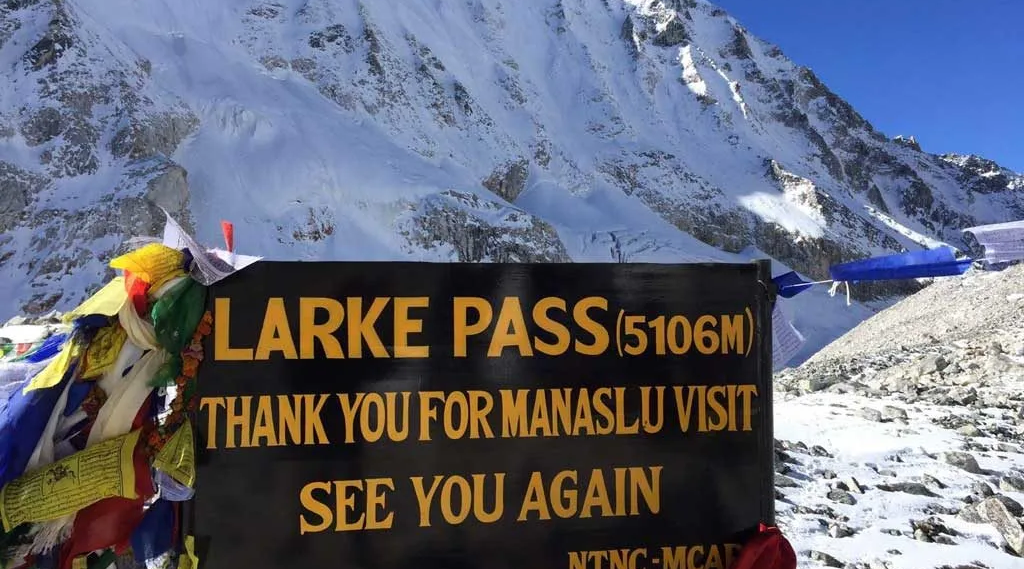
The altitude itself adds another layer of danger. Manaslu’s basecamp is already above 4,500 meters, and the Larkya La Pass reaches 5,160 meters. At these heights, oxygen levels are roughly half of what we breathe at sea level. Acute Mountain Sickness (AMS), High Altitude Pulmonary Edema (HAPE), or High Altitude Cerebral Edema (HACE) are real threats for those who ascend too quickly or ignore acclimatization protocols. Even experienced climbers take rest days at Samagaun or Namrung to let their bodies adapt.
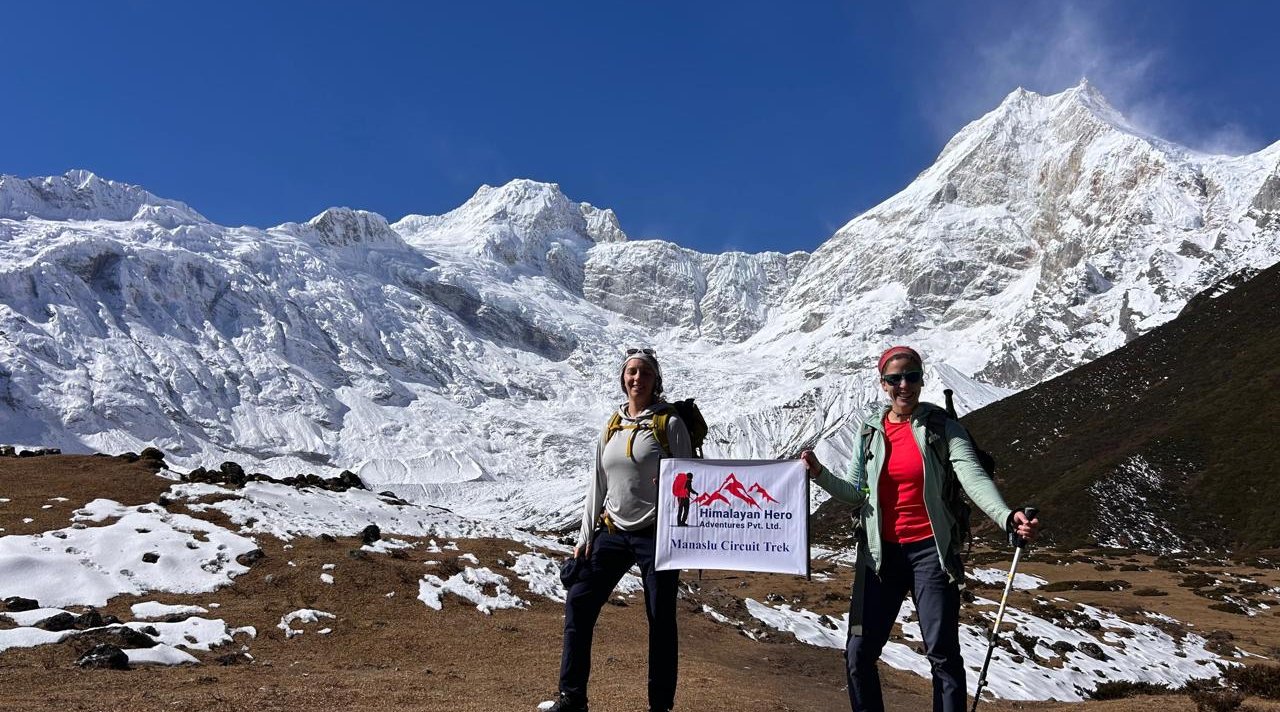
Yet, this “killer” reputation isn’t meant to frighten adventurers away—it’s a lesson in respect and preparation. It’s a reminder that nature is both beautiful and unforgiving. Trekkers and climbers who prepare properly—acclimatize, hire experienced guides, check weather updates, and pace themselves—are rewarded with unmatched experiences. Imagine standing at the base of Manaslu, glaciers gleaming under the sun, prayer flags fluttering in the wind, and peaks rising like silent guardians. That sense of awe and accomplishment is why Manaslu continues to draw climbers, trekkers, and nature enthusiasts from all over the world.
For those who underestimate it, the mountain demands a harsh lesson. For those who respect it, it offers one of the most profoundly humbling and inspiring Himalayan experiences. It’s a mountain that tests your physical strength, mental resolve, and emotional patience—but the view, the silence, and the connection to nature make every challenge worthwhile.
In short, Manaslu is called the “Killer Mountain” not because it is cruel, but because it commands respect, preparation, and humility. To walk its trails is to walk alongside one of the most majestic and formidable giants of the Himalayas, learning firsthand why every step, every breath, and every decision matters at such altitudes.
How to Trek Manaslu: A Guide for Adventurers
Before planning your journey, it’s important to understand the full cost structure. We’ve broken everything down in Manaslu Circuit Trek Cost & Itinerary 2026: Complete Budget & Permit Breakdown.Trekking Manaslu isn’t just a walk in the mountains—it’s a journey into the heart of the Himalayas, where every step challenges you and every view inspires awe. Unlike more popular trails, the Manaslu region feels untouched and authentic, and approaching it requires both preparation and respect.
Understand the Mountain Before You Go
Before setting foot on the trail, it’s important to understand that Manaslu is remote, high-altitude, and unpredictable. The mountain’s nickname, the “Killer Mountain,” is a warning, not a threat. It reminds trekkers that avalanches, sudden snowstorms, and steep slopes are very real hazards. Respect the terrain, and it will reward you with breathtaking vistas, peaceful villages, and a sense of connection to nature few places on Earth can offer.
Plan Your Route Wisely
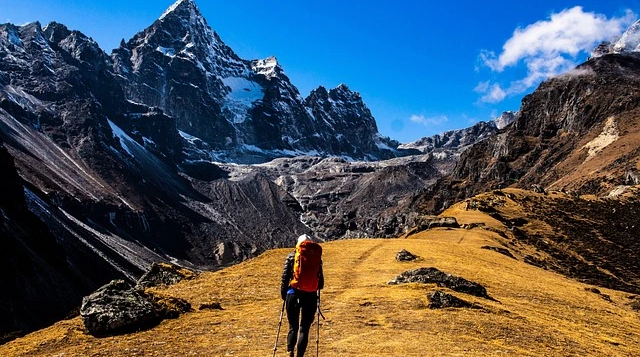
Manaslu offers multiple ways to explore: from short basecamp treks to the full Manaslu Circuit. Choose a route based on your fitness, time, and desire for adventure. Even a short trek will immerse you in alpine meadows, rivers, and remote settlements. The key is to pick a path that matches your endurance while still giving you a true Himalayan experience.
Acclimatization is Key
Altitude is the mountain’s silent challenge. Even at the basecamp, oxygen is thinner than at sea level, and higher passes demand careful adjustment. Take your time, breathe deeply, and listen to your body. Rest days at villages like Samagaun allow your lungs, heart, and legs to adapt. Hydration and a slow pace aren’t just recommendations—they’re essential for staying healthy and enjoying the trek. Altitude is the biggest challenge in this region. Learn practical prevention strategies in How to Prevent Altitude Sickness on Manaslu Circuit Trek: Expert Tips.
Gear Up for Every Possibility
Weather in the Manaslu region can change in a heartbeat. One moment you might be basking in sunlight, the next shrouded in snow and wind. Layered clothing, a good insulated jacket, waterproof gear, sturdy boots, gloves, and sunglasses are all essential. Don’t forget a sleeping bag rated for cold nights, and keep a small first aid kit handy. Trekking poles can be a lifesaver on steep or slippery paths.
Engage Local Guides and Porters
Manaslu is remote, and trails can be tricky. Hiring a local guide isn’t just about safety—it’s about connection. They know the safest routes, the quickest ways to spot weather changes, and the stories behind each village, monastery, and prayer flag. Porters can carry your gear, letting you focus on the journey rather than exhaustion. With local experts by your side, the trek becomes safer, smoother, and richer in experience.
Respect Nature and Communities
Every village along the trail has a story. Walk slowly, greet locals warmly, and tread lightly. Respect their customs, help maintain the environment by carrying out waste, and avoid disturbing wildlife. You’re not just passing through—you’re entering a living ecosystem and culture that has thrived for centuries.
Prepare Mentally and Physically
Trekking Manaslu is as much a mental challenge as a physical one. Build endurance beforehand with hikes, stair climbs, and cardio exercises. Mentally, prepare for long days, isolation, and the patience required at high altitude. The mountain tests not just your legs, but your resilience and humility. Not sure if this trek matches your endurance level? Here’s a helpful guide on Is the Manaslu Circuit Trek Right for My Fitness Level?
Safety First
Even with careful preparation, risks exist. Keep an eye on weather updates, monitor for altitude sickness symptoms, and always have a plan for emergencies. Trek with companions, carry communication devices, and know the nearest rescue points. Being prepared transforms challenges into manageable experiences.
The Reward
Those who trek with preparation, patience, and respect are rewarded with majestic mountain views, tranquil lakes, lush forests, and vibrant Tibetan-influenced villages. There’s a profound sense of achievement in standing at basecamp, breathing in crisp mountain air, and realizing you’ve experienced one of the most authentic Himalayan adventures possible.
Trekking Manaslu isn’t just about the destination—it’s about the journey itself. Every step teaches you something: patience, humility, endurance, and a deep appreciation for the natural world. When done thoughtfully, it becomes a transformative experience, one that stays with you long after the mountains fade from view.
Base Camp: The Beating Heart of the Manaslu Region
Reaching Manaslu Base Camp is not just a physical milestone — it’s an emotional one. At around 4,800 meters (average elevation), the landscape begins to feel raw and elemental. Vegetation thins, the air sharpens, and sound itself seems softer, absorbed by snow, stone, and sky.
When you first arrive, there is often a moment of stillness. The kind where trekkers instinctively stop talking.
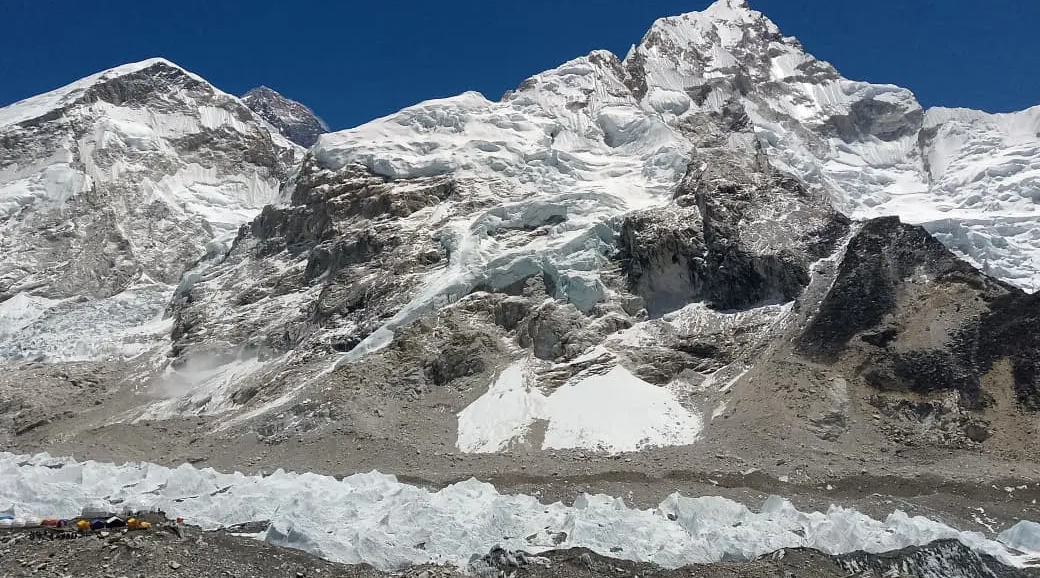
Above you rises the immense north face of Manaslu — steep, icy, powerful. Glaciers descend in frozen waves, crevasses cut deep into ancient ice, and prayer flags flutter against a backdrop of rock and snow. It feels less like standing in front of a mountain and more like standing in the presence of something ancient.
Base Camp itself is simple — temporary tented camps during climbing seasons and seasonal teahouse setups in lower sections near Samagaun. There are no luxury facilities here. Nights are cold. Water freezes. The wind can change direction without warning. But that simplicity is part of its authenticity.
Trekkers gather in dining tents, sharing stories over warm dal bhat or tea. Conversations move from altitude headaches to awe. Everyone understands they are somewhere special — somewhere that requires effort to reach.
And in that effort lies the reward.
Flora and Fauna: A Living Himalayan Ecosystem
The Manaslu region is protected under the Manaslu Conservation Area, a vast ecological corridor that stretches from subtropical river valleys to alpine tundra. Walking through it feels like turning the pages of a natural history book — except everything is alive around you.
Flora: From Forest to Alpine Wilderness
At lower elevations, trails pass through dense forests where rhododendrons bloom in spring, painting entire hillsides in deep crimson and pink. These forests are not ornamental — they provide habitat for birds, small mammals, and pollinators critical to the region’s ecosystem.
As you gain altitude, the vegetation shifts. Pine and oak gradually give way to juniper shrubs, dwarf bushes, and hardy alpine grasses that survive freezing nights and intense UV exposure. In sheltered valleys, trekkers may notice small patches of wildflowers growing defiantly among rocks.
The region is also known for medicinal plants, including Yarsagumba (Cordyceps sinensis), a rare fungus highly valued in Himalayan communities. Its collection is regulated to prevent overharvesting — a reminder of how delicate this ecosystem truly is.
Fauna: Elusive and Extraordinary
Wildlife in Manaslu is not always obvious. It requires patience.
Somewhere above rocky ridgelines, the elusive snow leopard moves almost invisibly, adapted perfectly to cold cliffs. In forested areas, the shy red panda may inhabit bamboo clusters. On higher slopes, you may spot herds of Himalayan tahr balancing effortlessly on near-vertical terrain.
Birdlife is equally impressive. Nepal’s national bird, the Himalayan monal, flashes iridescent colors in early morning light. Blood pheasants and snow partridges forage quietly among alpine shrubs.
The key to experiencing this biodiversity is restraint. Staying on marked trails, minimizing noise, avoiding litter — these small actions preserve the fragile balance that allows wildlife to survive in extreme conditions.
Manaslu is not just a trekking destination. It is a functioning ecosystem that deserves protection.
Cultural Immersion: Living Traditions in the High Himalayas
What truly distinguishes Manaslu from many other trekking regions is its cultural continuity. The villages here are not built for tourism. They existed long before trekkers arrived.
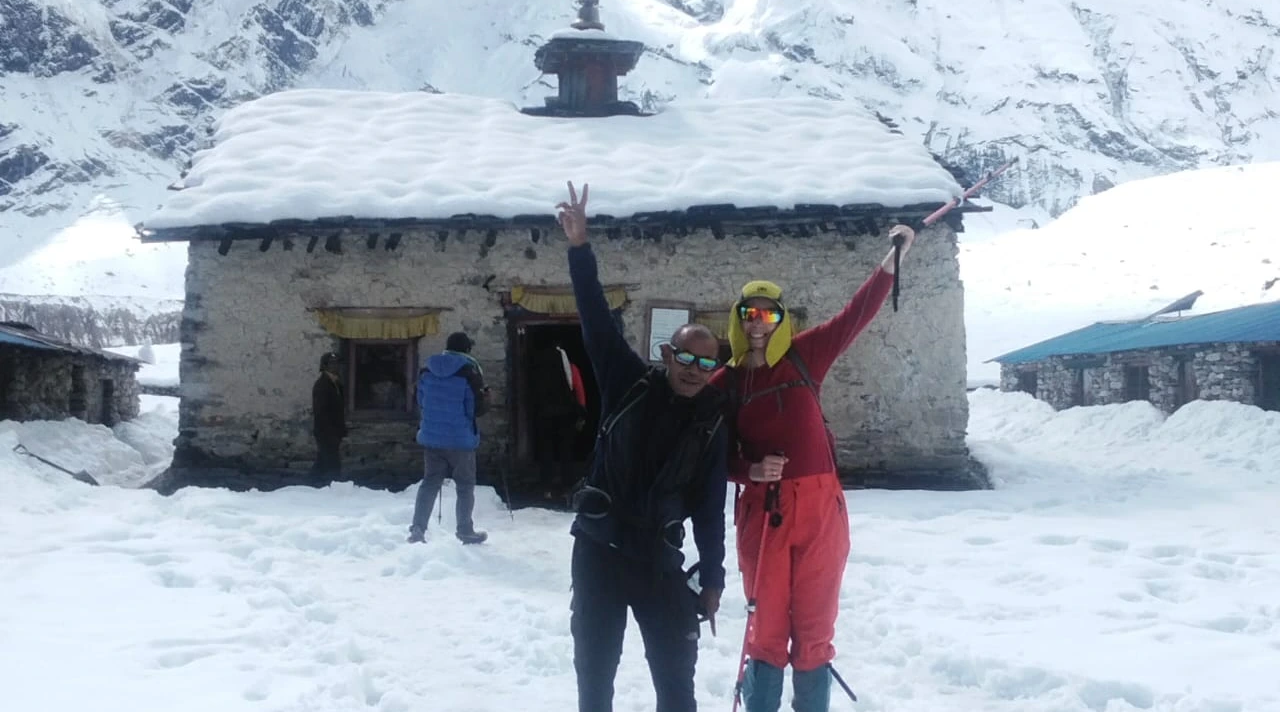
Communities such as Samagaun and Samdo reflect strong Tibetan Buddhist influence. Stone houses cluster against the wind. Prayer flags stretch across rooftops. Mani walls — long stone structures carved with sacred mantras — line the trails. Trekkers walk clockwise around them, following local tradition.
Life here is shaped by altitude. Agriculture is limited. Potatoes, barley, and buckwheat are common crops. Yak herding remains central to livelihood. Families share communal meals, and elders maintain oral histories of migration and trade across ancient Himalayan routes.
If you’re fortunate, you may witness preparations for Losar, the Tibetan New Year. Monasteries come alive with chanting, incense, masked dances, and ritual ceremonies that have remained unchanged for generations.
Hospitality in Manaslu is quiet but genuine. A cup of butter tea shared in a teahouse is not just refreshment — it is an invitation into a way of life built on resilience and interdependence.
Trekking here means entering someone’s home. Respect matters.
Safety and Responsible Trekking
Manaslu’s remoteness is part of its beauty — and part of its risk.
Gradual acclimatization remains the single most important safety principle. Headaches, nausea, dizziness, and unusual fatigue should never be ignored. Descending early is always wiser than pushing through symptoms.
Hiring experienced local guides enhances safety significantly. They understand terrain, weather patterns, and community networks. In remote regions, knowledge is more valuable than technology.
Avoid trekking during peak monsoon, when landslides increase, or deep winter, when heavy snowfall can close high passes.
Most importantly, respect both wildlife and local culture. Sustainable trekking ensures that Manaslu remains preserved for future generations.
Frequently Asked Questions
How long is the Manaslu Circuit Trek?
The full circuit typically covers around 120–130 kilometers and is completed within two weeks, depending on pace and acclimatization.
What is the height of Manaslu Base Camp?
Base Camp generally sits between 4,500 and 5,100 meters, depending on approach route and seasonal adjustments.
What permits are required?
Trekkers need a Manaslu Conservation Area Permit and a TIMS card before entering the region. Since Manaslu lies in a restricted region, you’ll need specific documents. Read our complete guide on Manaslu Circuit Trek Permit Requirements
When is the best time to visit?
Spring and autumn provide the most stable weather and clearest mountain views.
Is it suitable for beginners?
Shorter routes may suit moderately fit beginners with proper guidance. The full circuit requires strong endurance and altitude awareness.
Conclusion: Why Manaslu Stays With You
Some mountains impress you.
Manaslu changes you.
It teaches patience when altitude slows your breath. It teaches humility when the weather reminds you who is in control. It teaches respect — for culture, for ecosystems, for the quiet strength of Himalayan communities.
Standing at Base Camp, gazing at the towering ice walls of Manaslu, you understand something deeply human: adventure is not about conquering a mountain. It is about learning from it.
Manaslu is not crowded. It does not shout for attention. It waits.
And for those willing to walk its paths with preparation and respect, it offers one of the most authentic Himalayan experiences Nepal has to give. If you’re ready to turn this journey into an unforgettable reality, explore our Manaslu Circuit Trek Package – 2026 Departure Dates & Details and discover expert-led itineraries designed for safety, cultural immersion, and breathtaking Himalayan views.