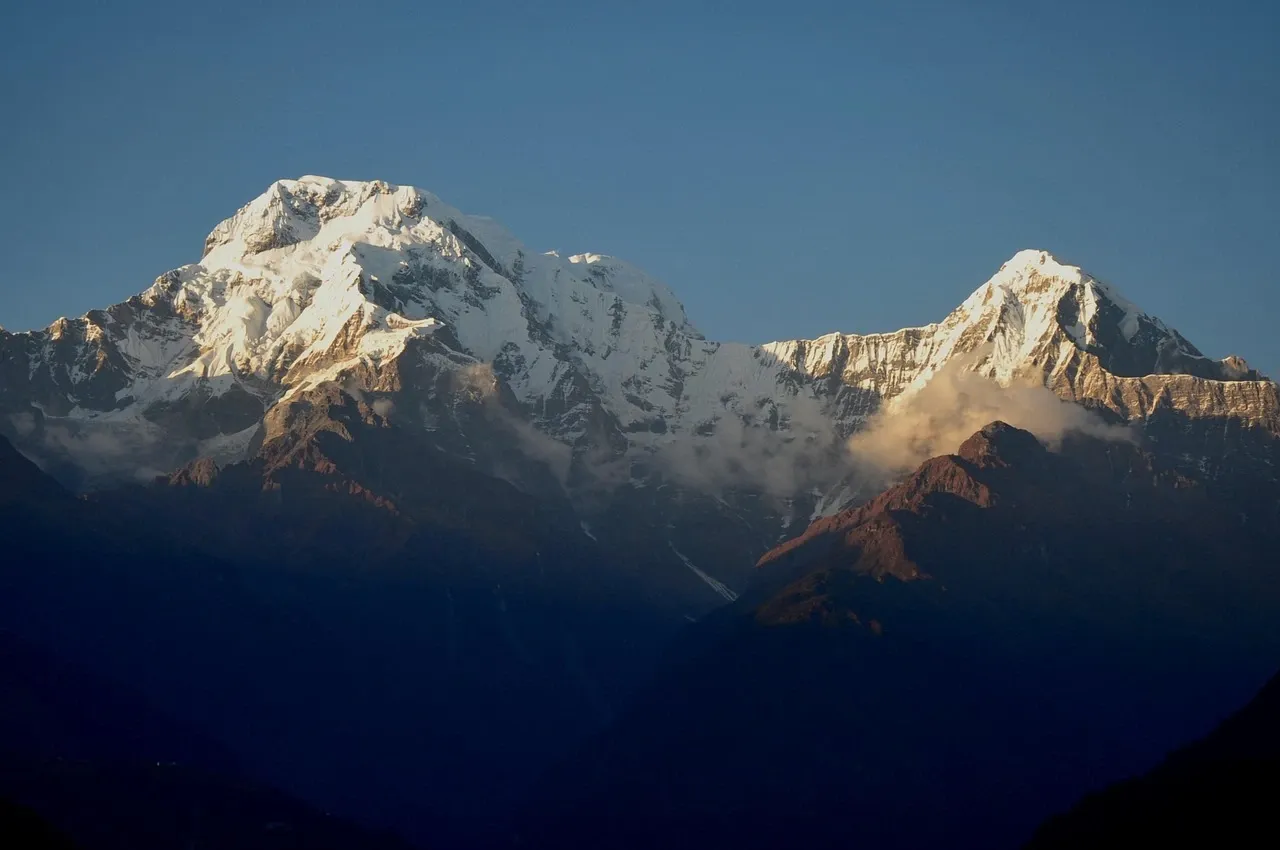
I still remember the first time I saw the Annapurna range. The snow-capped peaks seemed to pierce the clouds, reflecting sunlight in a thousand hues. No photograph could ever capture the sheer scale and raw beauty of the Himalayas.
The Annapurna Circuit Trek 14 days isn’t just a journey through mountains; it’s a journey through time, culture, and nature. Over two weeks, you’ll walk from lush subtropical forests, across alpine meadows, to the high-altitude deserts of Thorong La Pass (5,416m), encountering serene villages, sacred temples, and the warmth of Nepali hospitality.
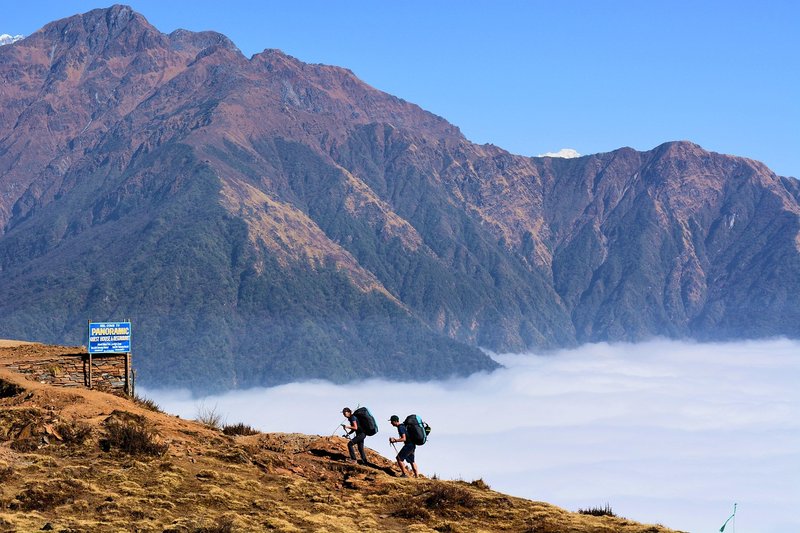
From sharing a cup of steaming masala chai with a 70-year-old Gurung grandmother to watching prayer flags flutter at dawn, the memories you create on this trek will stay with you forever. If you want a detailed cost and itinerary overview, check our Annapurna Circuit Trek cost & itinerary guide

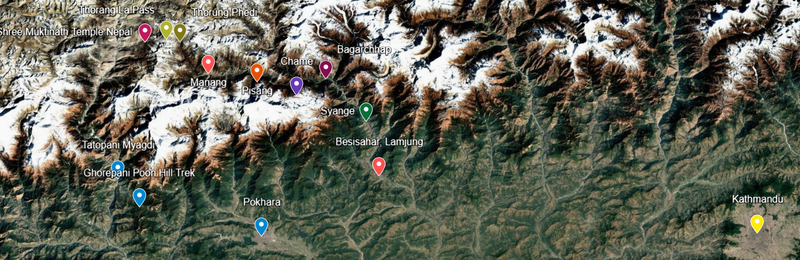
The Annapurna Circuit Trek, a legendary Himalayan adventure in Nepal, is best navigated with a detailed map highlighting its diverse terrain, villages, and elevation profile. This classic trek spans 160–230 km, starting in Besisahar and culminating in Nayapul, traversing lush valleys, alpine forests, and arid highlands. A key feature is the dramatic elevation gain, peaking at Thorong La Pass (5,416 meters)—the trek’s highest and most challenging point. Trekkers rely on elevation charts to manage acclimatization, as altitudes shift from 800 meters to over 5,000 meters, requiring careful pacing to avoid altitude sickness. Maps outline critical stops like Manang and Muktinath, while showcasing iconic vistas of Annapurna, Dhaulagiri, and Machapuchare peaks. Understanding the route’s elevation profile ensures safer planning, with gradual ascents and strategic rest days. Whether using digital tools or physical maps, combining elevation insights with geographic landmarks enhances preparation for this bucket-list journey through Nepal’s breathtaking landscapes.
The Annapurna Circuit Trek spans 160–230 km, starting from Besisahar and ending at Nayapul. Along the way, trekkers experience:
The trek balances adventure and comfort, with well-established teahouse accommodations, delicious local meals, and the option to hike side trails such as Tilicho Lake and Ice Lake near Manang.
Himalayan Hero’s 14-day package ensures experienced guides, porters, and all permits are included, giving you a safe and comfortable trekking experience.
| Day | Route | Duration / Elevation |
|---|---|---|
| 1 | Arrival in Kathmandu | 1,350m |
| 2 | Drive to Syange | 1,100m / 8–9 hrs |
| 3 | Trek to Bagarchhap | 2,160m / 5–6 hrs |
| 4 | Trek to Chame | 2,710m / 5–6 hrs |
| 5 | Trek to Pisang | 3,240m / 5–6 hrs |
| 6 | Trek to Manang | 3,540m / 7–9 hrs |
| 7 | Acclimatization Day in Manang | 3,540m |
| 8 | Trek to Yak Kharka | 4,120m / 4–5 hrs |
| 9 | Trek to Thorong Phedi | 4,560m / 3–4 hrs |
| 10 | Cross Thorong La Pass → Muktinath | 5,416m → 3,760m / 7–8 hrs |
| 11 | Drive Muktinath → Tatopani | 1,200m / 7 hrs |
| 12 | Trek Tatopani → Ghorepani | 2,860m / 7 hrs |
| 13 | Sunrise at Poon Hill → Birethanti → Drive Pokhara | 3,210m |
| 14 | Drive Pokhara → Kathmandu | 7 hrs |
There are 10 - 12 day itineraries, but these are compressed versions that increase altitude sickness risk.
The 14-day Annapurna Circuit itinerary is ideal because it:
This creates a full Himalayan experience instead of just rushing the pass.
Your body needs time to adapt to:
The Manang acclimatization day at 3,540 m is scientifically proven to reduce AMS (Acute Mountain Sickness).
The Annapurna Circuit is a high-altitude alpine crossing, not just a hike. Weather matters.
Best for:
Temperatures:
Ideal for first-time Himalayan trekkers.
This is the peak season.
Why:
Thorong La Pass is safest in autumn.
This is when photographers, documentary makers, and serious trekkers visit.
Good for:
Not ideal for beginners.
Only recommended for experienced trekkers with flexibility.
For more on timing your trek, check best season for Annapurna Circuit Trek.
Crossing Thorong La Pass requires careful acclimatization.
A certified Annapurna Circuit Trek Guide is your essential companion on the 14-day trek, ensuring safety, proper acclimatization, and smooth logistics. Experienced guides from Himalayan Hero monitor trekkers for altitude sickness, manage permits (ACAP & TIMS), coordinate teahouse accommodations, meals, and transportation, and provide local insights into Gurung, Thakali, and Magar cultures. They carry first aid kits, oxygen, and pulse oximeters, know the best viewpoints, safe pacing, and emergency evacuation plans, and enrich the journey with stories, traditions, and practical trekking advice. Choosing a guide guarantees a safe, culturally immersive, and unforgettable Annapurna Circuit trekking experience, making them indispensable for first-time and seasoned trekkers alike.
|
Packing smartly is crucial for a successful Annapurna Circuit Trek. The trek takes you through diverse landscapes, from lush lowland forests to high-altitude alpine villages, and you’ll face unpredictable weather, cold nights, and long trekking days. A well-prepared backpack with layered clothing, essential trekking gear, and medical supplies ensures comfort, safety, and an enjoyable trekking experience. Remember, every gram counts at higher altitudes, so pack efficiently and only bring what’s necessary.
Essential Packing List:
For more details, see Annapurna Circuit Trek packing list
The Annapurna Circuit passes through Nepal’s largest protected area: the Annapurna Conservation Area (ACA). Because this region includes fragile alpine ecosystems, rare wildlife, and hundreds of mountain communities, trekking is regulated.
You need two permits to trek legally.
This permit allows you to enter and trek anywhere inside the Annapurna region, including:
Cost: USD $30–35
Issued by: Nepal Tourism Board
Why required: Funds trail maintenance, wildlife protection, and local development
Without ACAP, trekkers can be stopped at checkpoints in Besisahar, Chame, Manang, or Jomsom.
TIMS is Nepal’s safety tracking system.
It allows authorities to:
Cost:
Required at multiple police checkpoints along the Annapurna Circuit.
If you add side trips such as:
You may need extra regional or restricted-area permits.
Himalayan Hero arranges all permits in Kathmandu before the trek so you never face delays or legal issues on the trail.
Most trekkers underestimate how Annapurna Circuit pricing is structured. There are three cost layers:
Here is the real financial structure behind the Annapurna Circuit.
| Expense Category | Typical Cost (USD) |
|---|---|
| Permits (ACAP + TIMS) | 50–60 |
| Accommodation (14 nights) | 80–150 |
| Food (14 days) | 280–420 |
| Transportation | 120–180 |
| Guide | 350–500 |
| Porter | 250–400 |
| Insurance, logistics, admin | 100–200 |
| True Average Total | 1,200 – 1,600 |
This is why most reputable trekking companies sell the Annapurna Circuit in the $1,300–$1,500 range.
Himalayan Hero offers the same full 14-day Annapurna Circuit itinerary for $925 by optimizing costs in three areas:
You still receive:
This makes Himalayan Hero one of the lowest-priced legitimate operators for a full Annapurna Circuit trek.
Engaging with villagers enhances cultural understanding and provides authentic trekking experiences. Experience the rich village culture along the Annapurna Circuit, where traditional stone houses and local lifestyles make the trek truly unforgettable.
If you’re planning a Himalayan adventure, the Annapurna Circuit Trekking is one of the most rewarding experiences, offering a combination of scenery, culture, and safe high-altitude trekking. Choosing the right trek depends on your fitness level, time availability, and trekking goals. Here’s a practical guide for trekkers and how Annapurna Circuit compares with North ABC and Everest Base Camp:
| Feature | Annapurna Circuit Trekking | North ABC (Annapurna Base Camp) | Everest Base Camp Trek |
|---|---|---|---|
| Duration | 14 Days | 10–14 Days | 12–16 Days |
| Difficulty | Moderate → Challenging | Challenging / Expert | Moderate → Challenging |
| Maximum Altitude | Thorong La Pass – 5,416m | Annapurna Base Camp – 4,130m | EBC – 5,364m |
| Accommodation | Teahouses along the route | Camping & Lodges | Teahouses, some lodges |
| Cultural Exposure | Gurung, Thakali, Magar villages | Limited villages, more isolated | Sherpa culture, Buddhist monasteries |
| Scenic Highlights | Annapurna I, Dhaulagiri, Machapuchare, Tilicho Lake | North face of Annapurna, glaciers | Everest, Lhotse, Ama Dablam, Nuptse |
| Permits Required | ACAP + TIMS | ACAP + TIMS | Sagarmatha NP + TIMS |
| Best Season | Spring & Autumn | Spring & Autumn | Spring & Autumn |
The Annapurna Circuit Trek 14 days is famous for its extraordinary diversity. From lush green valleys to arid high-altitude landscapes, each day brings new challenges and breathtaking scenery. Unlike shorter treks, this circuit allows trekkers to acclimatize naturally while immersing themselves in Nepalese culture.
Trekkers stay in traditional teahouses, sample local Thakali and Gurung cuisine, and witness the daily lives of Himalayan communities. Every village you pass tells a story—prayers float from monasteries, locals carry goods on mules, and children greet you with shy smiles.
For those looking for a detailed plan, check our Annapurna Circuit Trek itinerary with a mobile-friendly table outlining every day, altitude, and highlights.
The Annapurna Circuit Trek 14 days combines spectacular landscapes, rich cultural immersion, and safe trekking support from Himalayan Hero. Every day offers unique scenery, from subtropical forests to Thorong La’s high deserts. With experienced guides, medical support, porters, and careful acclimatization planning, this trek is ideal for first-time trekkers and seasoned adventurers alike.
Embark on the iconic Annapurna Circuit Trek and witness Nepal’s breathtaking landscapes, vibrant villages, and serene lakes. Choose your perfect trek—short, standard, or extended with Tilicho Lake. Our expert guides ensure a safe and unforgettable adventure. Book now and start your Himalayan journey today!

Your Himalayan adventure begins the moment you land at Tribhuvan International Airport. A friendly Himalayan Hero representative will greet you and whisk you away to your hotel in Kathmandu. Take this day to rest, explore the vibrant streets of Thamel, heritage walk to Boudhanath, enjoy times in garden of dreams or pick up any last-minute trekking supplies. Don't miss the welcome dinner—it's your chance to meet fellow trekkers and ask your guide any burning questions!
Trip Highlight: Welcome dinner & cultural immersion in Thamel.
What’s Included: Airport transfers, hotel stay, welcome dinner.
Pro tip: Pack your daypack this evening and leave your city clothes and extra items in the hotel's storage for your return.
Driving from Kathmandu to Syange is long but fascinating. Grab a window seat! You'll witness Nepal transform from urban chaos to terraced farmlands and finally to mountain villages. The road follows the mighty Marsyangdi River, offering your first glimpses of snow-capped peaks in the distance.
Trip Highlight: Transition from Kathmandu’s chaos to Himalayan foothills.
What’s Included: Private transport, lunch en route, teahouse stay.
Driving Hours: 8–9 hours.
What to watch for: Notice how the architecture changes as we move from Newari-style buildings to more Tibetan-influenced structures.
The trail from Syange hugs the Marsyangdi River through villages and farmland. After passing through Tal—the first village in the Manang district—you'll climb through rhododendrons and pine forests. The air gets noticeably crisper. Bagarchhap, with its traditional Tibetan architecture, will be your home for the night.
Trip Highlight: Crossing suspension bridges & entering Manang District.
What’s Included: Full-board meals, guide/porter support.
Walking Hours: 5–6 hours.
Highlight: Cross several suspension bridges today—they offer great photo opportunities and your first taste of Himalayan trekking excitement!
Today, prepare to embark on an unforgettable scenic journey through enchanting settlements adorned with vibrant prayer wheels and captivating mani walls. You'll encounter a delightful blend of short stretches and invigorating climbs throughout the day. The reward? Stunning, first-time views of the majestic Annapurna II (7,937 m) and the impressive Lamjung Himal (6,983 m) as you make your way toward Chame. This thriving administrative center of Manang not only boasts more amenities than previous stops, including hot showers and inviting bakeries but also serves as the perfect place to unwind after your trek.
Trip Highlight: Your first breathtaking views of Annapurna II and Lamjung Himal.
What’s Included: Delicious meals, cozy teahouse lodging, and access to rejuvenating hot springs.
Walking Hours: 5–6 hours of invigorating exploration.
Evening Activity: Treat yourself to a visit to the natural hot springs near Chame, allowing the warm waters to soothe your muscles and recharge your spirit—your body will truly thank you for it!
The trail narrows as it winds through a dense forest before opening into the upper Manang Valley. Towering rock walls, rising over 1,500 meters, loom above you. We will cross a suspension bridge over the river and then ascend through beautiful pine forests. The scenery changes quickly as we continue; it becomes drier and takes on a Tibetan character. Lower Pisang and Upper Pisang offer different accommodation options, and our guide will select a stop based on the weather and our group’s comfort.
Trip Highlight: Dramatic switchbacks beneath the towering 1,500-meter rock walls.
What’s Included: Guided trek, meals, and accommodation.
Walking Hours: 5–6 hours.
Photography Spot: The approach to Pisang provides stunning views of Annapurna II and Pisang Peak (6,091 meters).
Today, there are two route options for our trek: the easier lower route and the more scenic upper route, which goes through Ghyaru and Ngawal. The upper route requires more climbing but rewards trekkers with some of the most breathtaking mountain views. Along the way, we'll visit Braga Village and its ancient 500-year-old monastery before arriving in Manang, the last major settlement before crossing Thorong La Pass.
Trip Highlights:
- Visit Braga Monastery
- Learn about altitude sickness prevention at the Himalayan Rescue Association.
What's Included:
- Cultural stops
- Acclimatization briefing
Walking Hours:
7 to 9 hours
This trek offers a rich cultural experience, including a visit to the headquarters of the Himalayan Rescue Association in Manang.
The key to proper acclimatization is the principle of "climb high, sleep low." We will embark on a day hike to Ice Lake (4,600 meters) or Khangsar village, which offers stunning views and promotes acclimatization. In addition, Manang is home to bakeries, coffee shops, and even movie screenings of Himalayan mountaineering films. This day is essential for your body—don’t skip it!
Trip Highlight: Hike to Ice Lake (4,600 meters) for acclimatization.
What’s Included: Guided day hike and free time.
Walking Hours: 4–5 hours (optional).
Local Tip: Be sure to try yak butter tea at one of the local teahouses—it's an acquired taste but perfect for chilly mountain days.
The air becomes thinner as we ascend above 4,000 meters. Today's shorter trek will help your body acclimatize to the altitude. We will pass through high alpine landscapes where yaks graze on sparse vegetation. Keep an eye out for the impressive edelweiss flowers and blue sheep along the trail. The teahouse at Yak Kharka is basic but cozy, making it ideal for playing cards with your trekking companions.
Trip Highlight: Spot blue sheep and Himalayan edelweiss.
What’s Included: Meals and a basic teahouse stay.
Walking Hours: 4 to 5 hours.
Wildlife Watch: Blue sheep (bharal) often graze on the steep slopes above Yak Kharka.
Tomorrow, we will have a challenging day as we prepare to cross the pass. The terrain is becoming increasingly barren and dramatic. We will follow the Jarsang Khola River before making our final ascent to Thorong Phedi, which translates to "foot of the hill." Some trekkers choose to continue to High Camp (4,850m) for a shorter summit day; however, staying at Phedi is better for acclimatization and provides better sleeping conditions.
Trip Highlight: Prepare for the epic pass crossing tomorrow.
What’s Included: Short trek and altitude strategy briefing.
Walking Hours: 3–4 hours.
Evening Preparation: Get to bed early! We will need to wake up around 4 AM for an alpine start.
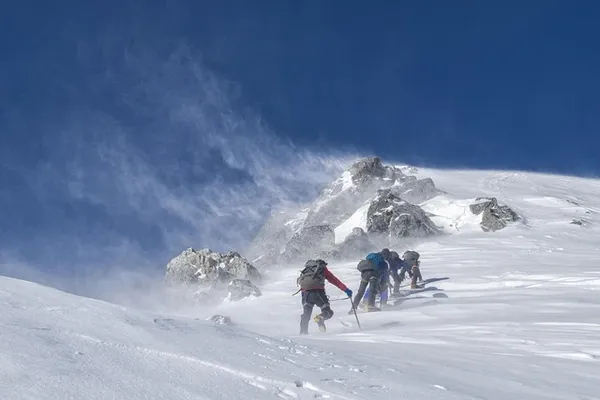
This challenging yet incredible day begins before dawn, with headlamps lighting our path. The steady climb takes between 3 to 5 hours, depending on conditions and fitness levels. At the summit, prayer flags flutter in the wind as you enjoy breathtaking 360-degree views of the mountains—a moment you'll cherish forever! The long descent to Muktinath can be tough on the knees but reveals dramatically different landscapes on the Mustang side of the mountains.
Trip Highlight: Summit one of the world’s highest trekking passes!
What’s Included: Celebration support and transport to Muktinath.
Walking Hours: 7 to 8 hours.
Achievement Unlocked: You've crossed one of the world’s highest trekking passes at an elevation of 5,416 meters (17,769 feet)!
Soak in Tatopani's famous hot springs while enjoying a cold beer—the perfect trek recovery!After the physical challenge of crossing Thorong La, we'll save time by enjoying a scenic jeep ride through the Kali Gandaki Gorge, the deepest river valley in the world. During our journey, we will pass through medieval Mustang villages like Jomsom and Marpha, which are famous for their apple orchards and brandy. As we descend, we'll return to the lush vegetation and warmer temperatures of Tatopani, where you can relax in natural hot springs, perfect for soothing your tired muscles.
Trip Highlight: Soak in natural hot springs.
What’s Included: Jeep transport and hot spring access.
Driving Duration: 7 hours.
Evening Reward: Unwind in Tatopani's famous hot springs while enjoying a cold beer—the perfect way to recover after your trek!
Today features a steady climb of 1,600 meters through beautiful rhododendron forests. The trail is refreshing, with cool streams and diverse flora. If you are trekking in March or April, the rhododendron bloom transforms these forests into a vibrant display of red, pink, and white flowers. Ghorepani, situated high on a ridge, offers comfortable teahouses and your first views of Dhaulagiri (8,167 meters).
Trip Highlight: Rhododendron forests and vistas of Dhaulagiri.
What’s Included: Full-day trek and meals.
Walking Hours: 7 hours.
Weather Note: Charge your camera batteries—if the evening is clear, the sunset views from Ghorepani are spectacular.
The pre-dawn climb to Poon Hill is worth every step! It offers one of Nepal's most iconic sunrise views, featuring the golden light on Dhaulagiri, Annapurna South, Machapuchare, and Hiunchuli. After breakfast in Ghorepani, we will descend through beautiful forests and traditional villages to Birethanti, completing the circuit. A short drive will take us to lakeside Pokhara, where hot showers, excellent restaurants, and comfy beds await.
Trip Highlight: Iconic Himalayan sunrise from Poon Hill (3,210m).
What’s Included: Guided sunrise hike, transport to Pokhara.
Walking Hours: 4–5 hours (descent).
Celebration Tip: Head to Pokhara's Lakeside district for your victory dinner—fresh fish from Phewa Lake makes a delicious post-trek meal!
On our final day you can enjoy your last day in the beautiful city pokhara or drive back to Kathmandu through the Nepalese countryside. Use this time to reflect on your achievements, exchange photos with new friends, and soak in final views of the Himalayan foothills. Upon arrival in Kathmandu, we'll celebrate with a farewell dinner, sharing stories from our incredible journey around the Annapurna massif.
Trip Highlight: Farewell dinner & trek reflections.
What’s Included: Tourist Bus to Kathmandu, farewell dinner.
Driving Hours: 7 hours.
The classic Annapurna Circuit Trek journey takes 14-16 days to complete properly, allowing time for proper acclimatization and cultural experiences along the way. I've guided this route dozens of times, and trust me—rushing it isn't worth the risk! Our most popular 14-day itinerary perfectly balances physical challenges with adequate rest days. For travelers with limited vacation time, we offer a condensed 10-12 day "Annapurna Circuit Short Trek" that uses jeep transportation to skip certain sections while still experiencing Thorong La Pass. These trips are fast-paced but doable for very fit trekkers. Looking for a more immersive experience? Our 18-20 day "Extended Annapurna Circuit" includes side trips to hidden gems like Tilicho Lake (the world's highest alpine lake at 4,919m) and Nar-Phu Valley's isolated Tibetan villages. These extensions showcase areas most trekkers never see!
The complete Annapurna Circuit follows a counter-clockwise path around the entire Annapurna massif. Starting from Besisahar (760m) or Syange (1,100m), the trail follows the Marsyangdi River Valley through subtropical forests and traditional villages like Chame, Pisang, and Manang. After essential acclimatization days, trekkers cross the challenging Thorong La Pass (5,416m) and descend dramatically into the arid Mustang region. The journey continues through Muktinath (an important pilgrimage site), Jomsom, and down the world's deepest gorge—Kali Gandaki. The classic route finishes in Nayapul after passing through Tatopani hot springs and Ghorepani, with a sunrise excursion to Poon Hill offering spectacular mountain panoramas.
Yes, but we've adapted our itineraries accordingly! Road construction has reached both Manang and Muktinath, but the heart of the trek—including the magnificent Thorong La Pass crossing—remains untouched. We now start trekking from Syange rather than Besisahar to avoid dusty roads, and often arrange jeep transportation from Muktinath to Tatopani to skip less scenic sections. Some trekkers worry these roads have "ruined" the Annapurna Circuit. I strongly disagree! The new NATT (New Annapurna Trekking Trails) system provides excellent alternative paths away from the roads. Plus, these roads have improved the living standards of local communities while making emergency shifting much faster when needed.
Yes, motivated beginners can complete the Annapurna Circuit! While classified as "moderate to challenging," this isn't a technical climb. I've successfully guided many first-time trekkers around the circuit. What matters most is your determination and preparation. The key difficulties include: Daily walking distances of 10-15 kilometers (6-9 miles) Trekking durations of 5-7 hours per day Elevation gain (particularly the 1,000m climb to Thorong La Pass) Adapting to high altitude environments
Start training at least 2-3 months before your trek for optimal preparation. I recommend: Cardio conditioning: Build endurance with 3-4 weekly sessions of hiking, walking, cycling, or swimming. Gradually increase the duration until you can comfortably exercise for 4-6 hours. Strength training: Focus on leg strength with squats, lunges, and step-ups. Don't neglect your core—it supports your pack and maintains balance on uneven terrain. Practice hikes: Complete at least 4-6 long hikes (5+ hours) carrying a 10-15 pound backpack. If possible, find hills or stairs to simulate elevation gain. Break in your boots: Never bring brand-new boots on the trek! Wear them for at least 30-40 miles before your trip to prevent painful blisters. Altitude preparation: While nothing truly prepares you for altitude except gradual acclimation, cardio fitness gives you the best foundation.
Thorong La Pass stands at a breathtaking 5,416 meters (17,769 feet)—the pinnacle of your Annapurna adventure! At this elevation, oxygen levels are roughly half what they are at sea level, creating a significant challenge. Our comprehensive approach to altitude safety includes: Carefully designed schedule: Our 14-day itinerary includes strategic rest days at Manang (3,540m), allowing your body to produce more red blood cells and adapt to lower oxygen levels. "Climb high, sleep low" principle: On acclimatation days, we take day hikes to higher elevations before returning to sleep at lower altitudes—the most effective acclimatation strategy. Regular health monitoring: Guides check oxygen saturation levels and pulse rates each evening using portable pulse oximeters, identifying potential issues before they become serious. Hydration emphasis: We encourage drinking 3-4 liters of water daily to combat the dehydrating effects of altitude and support acclimatation. Medication availability: While we prefer natural acclimatization, our guides carry Diamox (Acetazolamide) for use when appropriate and have training in recognizing and treating altitude-related illnesses. Flexible itineraries: Sometimes the best treatment is descending—our guides have the authority to modify the itinerary if someone shows concerning symptoms.
Your safety is our absolute priority. Himalayan Hero maintains comprehensive emergency protocols: Communication network: Our guides carry satellite phones and emergency communication devices that work even in remote areas without cell coverage. Helicopter evacuation coordination: We maintain relationships with helicopter rescue companies in Kathmandu and can arrange rapid shifting from key points along the trek. Comprehensive first aid training: All our lead guides are certified in Wilderness First Aid and carry extensive medical kits designed for high-altitude emergencies. Oxygen availability: For high-altitude sections (above 4,000m), guides carry emergency oxygen cylinders and know how to administer supplemental oxygen. Insurance verification: We require all trekkers to have comprehensive travel insurance that specifically covers high-altitude trekking and helicopter evacuation costs (minimum coverage $100,000). Daily health checks: Guides monitor each trekker for signs of altitude sickness, using the Lake Louise Score system to assess symptoms objectively. These protocols have resulted in our perfect safety record over 15+ years of operation. While the Annapurna Circuit presents real challenges, our systematic approach to risk management ensures these risks remain well-controlled.
Two separate permits are mandatory for all Annapurna Circuit trekkers: TIMS Card (Trekkers' Information Management System): This permit costs NPR 2,000 (approximately $20) for individual trekkers. It helps authorities track trekkers for safety purposes and helps fund trail maintenance. You'll need two passport-sized photos and a copy of your passport identification page. ACAP (Annapurna Conservation Area Permit): This permit costs NPR 3,000 (approximately $30) for foreign nationals. The fee supports conservation efforts, community development, and sustainable tourism practices throughout the Annapurna region. You'll need one passport-sized photo and your passport. When you book with Himalayan Hero, we handle the entire permit process for you! Simply send us your passport details and photos in advance, and we'll have your permits ready when you arrive in Kathmandu. If trekking independently, you can obtain both permits at the Nepal Tourism Board office in Kathmandu or Pokhara.
Yes, since March 2023, the Nepal Tourism Board has made licensed guides mandatory for all foreign trekkers in the Annapurna region. This regulation was implemented to enhance trekker safety and create sustainable employment for Nepal's trained tourism professionals. Beyond the legal requirement, there are numerous benefits to trekking with a professional guide: Local knowledge of weather patterns and trail conditions Cultural interpretation and communication with local communities Navigation assistance (particularly valuable in bad weather or emergencies) Health monitoring and altitude sickness prevention Emergency response coordination if needed Rich storytelling about the region's history, mythology, and ecology Our certified guides undergo rigorous training in wilderness first aid, mountain safety, and environmental preservation. Many have summited multiple Himalayan peaks and completed the Annapurna Circuit dozens of times. They're not just guides—they're companions who transform your trek from a simple hike into a profound cultural journey.
While you must trek with a licensed guide, hiring porters remains optional. However, I strongly recommend considering porter assistance for several reasons: Porters carry up to 15kg (33lbs) of your gear, allowing you to trek with just a light daypack Trekking unencumbered significantly reduces fatigue and enhances your enjoyment The physical demands of high-altitude trekking are challenging enough without extra weight Porter employment provides crucial income for local families, often funding education for children Our porter welfare policy ensures fair treatment: porters carry no more than 30kg (split between two trekkers), receive proper equipment, earn fair wages above industry standards, and get the same meals and lodging quality as our clients. For those who prefer carrying their equipment, we offer "guide-only" packages. Just remember that you'll need to pack efficiently, as you'll carry your sleeping bag, extra clothing, toiletries, and personal items.
Teahouses are the backbone of Nepal's trekking infrastructure—simple, family-run lodges that provide meals and lodging throughout the circuit. Think of them as basic mountain guest houses rather than hotels. The standard varies significantly depending on location: Lower elevation teahouses (below 3,000m): These offer relatively comfortable amenities including: Private rooms with twin beds and thin mattresses Shared bathroom facilities with western toilets Hot showers (sometimes solar, sometimes gas-heated) for an additional fee Dining halls with wood-burning stoves for evening warmth Basic electricity for charging devices (sometimes with time limitations) Wi-Fi availability in some locations (for an additional fee) Higher elevation teahouses (above 3,500m): Expect more rustic conditions: Similar twin rooms but with thicker blankets for colder temperatures Shared squat toilets (often unheated) Limited or no shower facilities Solar-powered electricity with restricted charging times Heated dining halls that become the social center each evening Generally no Wi-Fi or very limited connectivity The highest tea houses near Thorong La Pass (Thorong Phedi and High Camp) offer only the most basic facilities due to their remote locations and harsh conditions. However, the spectacular settings more than compensate for the simplicity!
You'll be pleasantly surprised by the variety of food available! Teahouses offer standardized menus with surprisingly diverse options: Breakfast choices: Tibetan bread with honey or jam Chapati (flatbread) with eggs Porridge or muesli with hot milk Pancakes (apple, banana, or chocolate) Eggs prepared to order (fried, scrambled, or omelet) Tea, coffee, and hot chocolate Lunch and dinner options: Dal Bhat (traditional Nepali rice with lentil soup and vegetable curry) – with unlimited refills! Momos (Tibetan dumplings with vegetable or meat filling) Noodle dishes (chow mein, thukpa soup) Pasta with tomato or cheese sauce Pizza (surprisingly good at many locations!) Sandwiches and burgers Various curry dishes Seasonal vegetable dishes Snacks and treats: Apple pie (famous in the Manang region) Fried Mars bars (a trekker favorite) Popcorn Boiled potatoes with chili sauce Fresh fruit (lower elevations only) Various cookies and packaged snacks Teahouses operate on a system where lodging is inexpensive provided you eat your meals there. The menu prices increase with elevation as all supplies must be carried (often by human porters) to remote locations. Veg options are plentiful, and many teahouses can accommodate vegan diets with advance notice
Annapurna Circuit trek costs vary based on several factors. Here's a transparent breakdown of what to expect: Package costs with Himalayan Hero: Standard 14-day package: $1,250-$1,400 per person (based on group size) Comfort 14-day package: $1,500-$1,700 per person (better lodging where available) Budget 14-day package: $1,100-$1,200 per person (larger groups, basic services) What's included in our comprehensive packages: Airport pickups and drop-offs 3 nights hotel lodging in Kathmandu (before/after trek) All transportation between Kathmandu and trekking points Three meals daily during the trek (breakfast, lunch, dinner) Experienced English-speaking guide Porter service (1 porter for every 2 trekkers) All required permits (TIMS and ACAP) Staff insurance and equipment Welcome and farewell dinners Additional expenses to budget for: International airfare to Kathmandu: $700-$1,500 depending on origin Nepal visa: $30 (15-day), $50 (30-day) Travel insurance with high-altitude coverage: $80-$150 Personal equipment and gear: $200-$500 if purchasing new Hot showers and device charging: $3-5 per use at higher elevations Internet access: $3-5 per day where available Additional snacks and drinks: $5-10 daily Tips for guides and porters: $100-$150 total (recommended) Personal medications and toiletries Factors that influence total cost: Group size (private trips cost more than joining a group) Season (peak season prices are slightly higher) Trek duration (longer customized itineraries cost more) lodging standard (basic vs. comfort options) Transportation choices (jeep vs. bus, return flight options) While it's possible to trek more cheaply with budget operators, we've found that cutting corners often leads to poor experiences. Our middle-path approach prioritizes fair staff treatment, quality food, reliable logistics, and proper safety measures without unnecessary luxury.
Absolutely! The Annapurna Circuit delivers exceptional value compared to other world-class treks. Consider that similar multi-week adventures in regions like Patagonia, the European Alps, or New Zealand would typically cost 2-3 times more without the cultural immersion or dramatic altitude variations. For budget-conscious trekkers, we offer: 5% discount for early bookings (3+ months in advance) Small group joining options to reduce costs Equipment rental rather than purchase Flexible itineraries that can optimize for cost-efficiency
Items worth renting in Kathmandu: Sleeping bag (good quality -15°C/5°F down bags available) Down jacket (locally made, warm options available) Trekking poles (basic but functional aluminum poles) Duffel bag (for porters to carry your non-daypack items) Crampons/microspikes (if needed seasonally) Items to bring from home: Broken-in hiking boots (foot comfort is non-negotiable!) Personal medications and toiletries Specialized technical clothing High-quality sunglasses (counterfeit sunglasses are common in Kathmandu) Any equipment you're particularly particular about Himalayan Hero offers gear rental packages starting at $45 for essential items, with quality gear that meets our standards. This eliminates the hassle of shopping in Kathmandu and ensures appropriate equipment for your trek.
"Fun and memorable trekking! Dec 2025 • Solo I did Annapurna circuit via Thorang la pass by late December with Himalayan Hero Adventures (and the guide mr.sanjay lama) I was a memorable one! The office team handling things seamlessly even if I book just one night before — the guide took care of me in a way that I couldn’t ask for more than this The journey feels safe and well taken care of — from altitude, accommodation, food, transportation. The guide has calculated all of that, it was a totally worry-free trip! It was a fun trek!! Highly recommended!! I would definitely come back for more adventures"
Dec. 26, 2025
"I completed the Annapurna Circuit trek with HimalayanHero Adventures last month, and their guide expertise made this the best Nepal trek I could have imagined. Our lead guide Pemba had fifteen years of experience and shared incredible insights throughout our 165-kilometer journey over 16 days. The team provided detailed acclimatization schedules and Sherpa-led safety tips that kept our group healthy at altitude. What impressed me most was how they balanced challenging trekking with eco-friendly base camps. This best Annapurna Circuit guided tour exceeded every expectation about professional mountain guiding. HimalayanHero Adventures stands apart through exceptional safety protocols and cultural sensitivity. I am already planning my return trip with this outstanding team."
June 30, 2025
"The campsite quality during my Annapurna Circuit trek with HimalayanHero Adventures was outstanding and made this the best Nepal trek for comfort-conscious travelers. We stayed in premium mountain tents with proper sleeping systems rated for minus twenty degrees Celsius during our 14-day circuit. The dining tents featured solar-powered lighting and comfortable seating after long hiking days. Our camp setup at Thorong La Base Camp at 4,925 meters was particularly impressive, with eco-friendly waste management systems. This family-friendly Annapurna trek package included all necessary camping gear and eliminated equipment concerns. HimalayanHero Adventures delivers premium trekking experiences with sustainable camping practices. I have already recommended this operator to three friends seeking authentic Himalayan adventures."
June 30, 2025
"Fun and memorable trekking! Dec 2025 • Solo I did Annapurna circuit via Thorang la pass by late December with Himalayan Hero Adventures (and the guide mr.sanjay lama) I was a memorable one! The office team handling things seamlessly even if I book just one night before — the guide took care of me in a way that I couldn’t ask for more than this The journey feels safe and well taken care of — from altitude, accommodation, food, transportation. The guide has calculated all of that, it was a totally worry-free trip! It was a fun trek!! Highly recommended!! I would definitely come back for more adventures"
Dec. 26, 2025
"I completed the Annapurna Circuit trek with HimalayanHero Adventures last month, and their guide expertise made this the best Nepal trek I could have imagined. Our lead guide Pemba had fifteen years of experience and shared incredible insights throughout our 165-kilometer journey over 16 days. The team provided detailed acclimatization schedules and Sherpa-led safety tips that kept our group healthy at altitude. What impressed me most was how they balanced challenging trekking with eco-friendly base camps. This best Annapurna Circuit guided tour exceeded every expectation about professional mountain guiding. HimalayanHero Adventures stands apart through exceptional safety protocols and cultural sensitivity. I am already planning my return trip with this outstanding team."
June 30, 2025
"The campsite quality during my Annapurna Circuit trek with HimalayanHero Adventures was outstanding and made this the best Nepal trek for comfort-conscious travelers. We stayed in premium mountain tents with proper sleeping systems rated for minus twenty degrees Celsius during our 14-day circuit. The dining tents featured solar-powered lighting and comfortable seating after long hiking days. Our camp setup at Thorong La Base Camp at 4,925 meters was particularly impressive, with eco-friendly waste management systems. This family-friendly Annapurna trek package included all necessary camping gear and eliminated equipment concerns. HimalayanHero Adventures delivers premium trekking experiences with sustainable camping practices. I have already recommended this operator to three friends seeking authentic Himalayan adventures."
June 30, 2025
"My Annapurna Circuit trek with HimalayanHero Adventures provided incredible cultural experiences that made this the best Nepal trek for authentic village interactions. We visited seven traditional Gurung and Thakali communities during our 180-kilometer route and participated in local festivals. The guides arranged homestay opportunities in Manang village where we learned traditional cooking methods with local families. Our cultural immersion included visits to ancient Buddhist monasteries where monks shared meditation techniques. This best Annapurna Circuit guided tour offered genuine connections with mountain communities through partnerships with village cooperatives. The eco-friendly approach included using locally-sourced meals and supporting traditional crafts workshops. HimalayanHero Adventures created an experience that honored both adventure and cultural preservation, making this trek truly transformative."
June 30, 2025
"The acclimatization support during my Annapurna Circuit trek with HimalayanHero Adventures was exceptional and made this the best Nepal trek for high-altitude safety management. Our medical team monitored oxygen levels daily and implemented gradual ascent protocols throughout our 17-day journey covering 155 kilometers. The guides conducted morning health checks and provided altitude sickness education before reaching Thorong La Pass at 5,416 meters. Their systematic approach included strategic rest days in Manang that allowed proper adaptation to reduced oxygen levels. This family-friendly Annapurna trek package prioritized safety without compromising adventure through eco-friendly practices including biodegradable soaps. HimalayanHero Adventures demonstrated that professional altitude management creates confidence for trekkers to fully enjoy the Himalayan experience. I felt completely secure knowing experienced professionals monitored our health throughout the journey."
June 30, 2025
"The meal quality during my Annapurna Circuit trek with HimalayanHero Adventures was extraordinary and made this the best Nepal trek for food enthusiasts seeking authentic mountain cuisine. Our cook prepared traditional dal bhat, momos, and thukpa using fresh ingredients from local farms during our 16-day circuit. The dining experience included cooking demonstrations where we learned to prepare authentic Nepali dishes with local families. Our meals at Pisang village featured organic vegetables grown at 3,200 meters altitude and yak cheese from traditional cooperatives. This best Annapurna Circuit guided tour demonstrated that excellent nutrition enhances trekking performance through eco-friendly practices including locally-sourced ingredients. HimalayanHero Adventures proved that exceptional food experiences are possible even in challenging mountain environments. The combination of nutritious meals and cultural cooking experiences made every dining moment memorable throughout the journey"
June 30, 2025