Discover Nepal's most stunning high-altitude lake system and summit Gokyo Ri for panoramic views of four 8,000-meter peaks — all on a quieter, less-crowded alternative to the standard Everest Base Camp route.
Gokyo Lake Trek – Overview
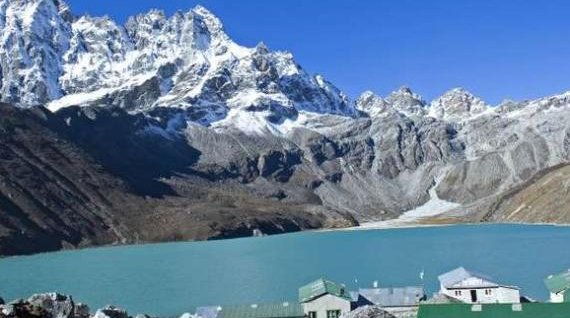
The Gokyo Lake trek takes you to one of the most visually striking destinations in the Everest region — six glacial lakes nestled beneath Nepal's longest glacier, with a summit viewpoint that rivals any in the Himalaya. This 14-day journey through the Khumbu Valley offers something the standard routes cannot: turquoise waters reflecting four 8,000-meter peaks, far fewer trekkers on the trail, and the raw, untouched beauty of Nepal's most sacred high-altitude lake system.
Unlike the heavily trafficked path to Everest Base Camp, this route branches west at Namche Bazaar, following the Dudh Koshi River valley toward the Ngozumpa Glacier — Nepal's longest glacier at 36 kilometers. The trek culminates at Gokyo Ri (5,357m), a non-technical summit that delivers what many experienced trekkers consider the finest viewpoint in the entire Himalaya.
What Makes This Trek Exceptional:
- Six sacred turquoise glacial lakes between 4,700m and 5,000m
- Gokyo Ri summit with views of Everest, Lhotse, Makalu, and Cho Oyu simultaneously
- Walk alongside Ngozumpa Glacier — Nepal's longest at 36 kilometers
- 70% fewer trekkers than the standard EBC route
- Authentic Sherpa village experiences in the quieter Gokyo Valley
- Comprehensive acclimatization strategy built into the 14-day itinerary
The Gokyo Lakes hold deep spiritual significance for both Hindu and Buddhist communities. Local Sherpa people consider the third lake (Dudh Pokhari) particularly sacred, and pilgrims travel here annually during the Janai Purnima festival. The lakes are also designated as a Ramsar Wetland Site, recognizing their international ecological importance.
This 14-day Gokyo Lake trek itinerary is designed for optimal acclimatization while maximizing time at the lakes and ensuring a successful Gokyo Ri summit attempt.
Gokyo Lake trek Itinerary Summary
| Day |
Route & Altitude |
Highlights |
| Day 1 |
Arrive Kathmandu (1,300m) |
Airport pickup, hotel transfer, trek briefing, gear check |
| Day 2 |
Kathmandu sightseeing |
UNESCO World Heritage Sites, final gear purchases, flight confirmation |
| Day 3 |
Fly Lukla → Trek Phakding (2,610m) |
Scenic mountain flight, Dudh Koshi valley, pine forests |
| Day 4 |
Phakding → Namche Bazaar (3,440m) |
Hillary Bridge, Sagarmatha NP entry, first Everest views |
| Day 5 |
Acclimatization in Namche |
Rest day, optional hike to Everest View Hotel (3,880m) |
| Day 6 |
Namche → Phortse (3,810m) |
Diverge from EBC trail, authentic Sherpa village, quieter trails begin |
| Day 7 |
Phortse → Machhermo (4,470m) |
Alpine terrain transition, Dole & Luza villages, yeti legend village |
| Day 8 |
Machhermo → Gokyo (4,800m) |
First two lakes, arrive at sacred Dudh Pokhari, Ngozumpa Glacier views |
| Day 9 |
Gokyo Ri Summit (5,357m) |
Trek's highest point, sunrise over 4 eight-thousanders, lake exploration |
| Day 10 |
Gokyo → Dole (4,200m) |
Descent begins, easier breathing, familiar terrain |
| Day 11 |
Dole → Namche Bazaar (3,440m) |
Via Phortse, forest trails, celebration dinner |
| Day 12 |
Namche → Lukla (2,860m) |
Final trek day, farewell dinner with team |
| Day 13 |
Fly Lukla → Kathmandu |
Scenic flight, free afternoon, optional sightseeing |
| Day 14 |
Final Departure |
Airport transfer, trip concludes |
Quick Stats
| Category |
Details |
| Total Duration |
14 Days |
| Trekking Days |
10 Days |
| Acclimatization Days |
1 Day (Day 5) |
| Flight Days |
2 Days (Day 3 & 13) |
| Highest Point |
Gokyo Ri 5,357m |
| Highest Sleep Altitude |
Gokyo 4,800m |
| Total Trekking Distance |
~100 km |
Six Gokyo Lakes Reference
| Lake |
Local Name |
Altitude |
Trek Day |
| First Lake |
Longponga Tsho |
4,700m |
Day 8 (pass by) |
| Second Lake |
Taboche Tsho |
4,740m |
Day 8 (pass by) |
| Third Lake |
Dudh Pokhari |
4,790m |
Day 8-9 (base) |
| Fourth Lake |
Thonak Tsho |
4,870m |
Day 9 (optional) |
| Fifth Lake |
Ngozumpa Tsho |
4,990m |
Day 9 (optional) |
| Sixth Lake |
Gyazumpa Tsho |
5,000m |
Not typically visited |
Why Choose the Gokyo Lake Trek
Many trekkers default to the standard Everest Base Camp route without realizing what they're missing. The Gokyo Lake trek offers a distinctly different — and for many, superior — Himalayan experience.
The Gokyo Lake Trek Advantage
The standard EBC trek delivers the iconic base camp experience but follows an out-and-back route on heavily trafficked trails. The Gokyo Lake trek takes you to Nepal's most spectacular high-altitude lake system via quieter trails, culminating in a summit viewpoint that many experienced mountaineers prefer over Kala Patthar.
Key Benefits of the Gokyo Route:
- Focus on natural scenery rather than climbing culture
- Dramatically fewer trekkers on the trail
- Six distinct lakes to explore over multiple days
- Ngozumpa Glacier walking experience
- More authentic village interactions
- Photography opportunities unmatched elsewhere in the Khumbu
Gokyo Lake Trek vs Everest Base Camp: Key Differences
The Gokyo Lake trek appeals to those prioritizing natural beauty, photography, and solitude over the "standing at base camp" achievement. Neither trek is inherently better — they serve different goals.
Gokyo Lake VS EBC
| Factor |
Gokyo Lake Trek |
Standard EBC Trek |
| Primary Objective |
Lake system & Gokyo Ri viewpoint |
Everest Base Camp & Kala Patthar |
| Maximum Altitude |
5,357m (Gokyo Ri) |
5,545m (Kala Patthar) |
| Trail Traffic |
Low to moderate |
High throughout |
| Scenery Focus |
Lakes, glaciers, panoramas |
Base camp activity, Khumbu Icefall |
| Duration |
12-14 days |
12-14 days |
| Photography Appeal |
Exceptional (turquoise lakes) |
Good (mountain views) |
From Gokyo Ri, you'll see four 8,000-meter peaks simultaneously — Everest, Lhotse, Makalu, and Cho Oyu. The turquoise lakes below and the white expanse of Ngozumpa Glacier stretching northward create one of the Himalaya's most photographed scenes.
For trekkers wanting both Everest Base Camp and Gokyo experiences, the Gokyo–Cho La Pass–EBC combination exists as a separate, longer itinerary.
Gokyo Lake Trek Cost – What USD $1349 Covers
Our all-inclusive Gokyo Lake trek package at USD $1349 per person provides comprehensive support without hidden fees. As a direct Nepal-based operator, Himalayanhero Adventures eliminates middleman margins while maintaining premium service standards.
Gokyo Lake trek package
| Category |
Included |
Excluded |
| Permits |
All trek permits |
Nepal visa |
| Flights |
Lukla domestic |
International |
| Accommodation |
All 13 nights |
Room upgrades |
| Meals |
Full board on trek |
KTM lunches/dinners |
| Guides |
Licensed Sherpa guide |
Private guide upgrade |
| Insurance |
Group safety equipment |
Personal travel insurance |
Gokyo Lake Trek Difficulty & Physical Preparation
The Gokyo Lake trek difficulty is rated moderate to challenging — easier than the Gokyo Chola Pass route but still demanding due to the high altitude and Gokyo Ri summit.
Difficulty Assessment by Section
Days 1-5: Moderate Standard Himalayan trekking on well-maintained trails. Daily elevation gains of 400-830 meters. 5-6 hours walking per day. Includes crucial acclimatization day.
Days 6-8: Moderate-Strenuous Higher altitude above 4,000m. Thin air begins to impact effort levels. Terrain transitions from forest to alpine moraine.
Days 9: Strenuous Gokyo Ri pre-dawn summit attempt. The 557-meter ascent at high altitude requires 2-3 hours of sustained climbing.
Days 10-14: Easy-Moderate Sustained descent with improving conditions. Trail conditions and breathing ease as altitude decreases.
Physical Fitness Requirements
The Gokyo Lake trek requires moderate physical preparation. The combination of altitude and multi-day duration demands baseline fitness.
Minimum Fitness Benchmarks:
- Ability to trek 5-7 hours with a daypack
- Comfortable hiking uphill for extended periods
- Previous multi-day hiking experience helpful but not essential
- Cardiovascular fitness for altitude
- Mental stamina for pre-dawn summit push
Recommended Pre-Trek Training (2-3 months):
- Cardiovascular training: Running, cycling, stair climbing (3-4x weekly)
- Hiking with pack: Weekend hikes with 5-10kg load, building distance
- Strength training: Legs and core (2x weekly)
- Practice walks: 5-6 hour hikes to simulate trek days
Can Beginners Do Gokyo Lake Trek?
The Gokyo Lake trek is accessible to fit beginners with proper preparation. Unlike the Gokyo Chola Pass route, there are no technical sections or pass crossings.
Ideal Candidate Profile:
- Good baseline fitness
- Willingness to train for 2-3 months before departure
- Positive attitude toward physical challenge
- Realistic expectations about altitude effects
- No serious cardiovascular or respiratory conditions
If you're new to high-altitude trekking, the Gokyo Lake trek is an excellent introduction to the Everest region — challenging enough to be meaningful, accessible enough for dedicated beginners.
Altitude & Acclimatization Strategy
Altitude management is critical for Gokyo Lake trek success. With the summit day reaching 5,357m at Gokyo Ri, proper acclimatization prevents altitude sickness and ensures safe completion.
Altitude Profile
| Day |
Location |
Altitude |
Daily Gain |
| 3 |
Phakding |
2,610m |
Baseline |
| 4 |
Namche Bazaar |
3,440m |
+830m |
| 5 |
Namche (rest) |
3,440m |
Rest day |
| 6 |
Phortse |
3,810m |
+370m |
| 7 |
Machhermo |
4,470m |
+660m |
| 8 |
Gokyo |
4,800m |
+330m |
| 9 |
Gokyo Ri |
5,357m |
Summit hike |
Acclimatization Days Explained
Day 5: Namche Bazaar First mandatory rest day. Body adapts to the 3,400m altitude threshold where symptoms commonly begin. Optional hike to Everest View Hotel (3,880m) provides altitude exposure while sleeping lower.
Natural Acclimatization via Itinerary The 14-day itinerary builds altitude gradually with daily gains averaging 400-500m above 3,000m. By the time you attempt Gokyo Ri, you've had 6 days of progressive altitude exposure.
Altitude Sickness Prevention
Symptoms to Monitor:
- Headache (most common early symptom)
- Nausea and loss of appetite
- Fatigue beyond normal tiredness
- Dizziness or lightheadedness
- Disturbed sleep patterns
Severe Symptoms (Immediate Descent Required):
- Persistent severe headache unrelieved by medication
- Vomiting
- Ataxia (loss of coordination)
- Confusion or altered mental state
- Breathlessness at rest
- Persistent cough (possible HAPE)
Prevention Best Practices:
- Hydrate aggressively: 3-4 liters daily
- Avoid alcohol entirely above 3,500m
- Eat regularly even without appetite
- Sleep is healing — prioritize rest
- Report symptoms immediately to guide
- Diamox available if recommended by doctor
Your guide carries a pulse oximeter for regular oxygen saturation checks. Readings below 80% at rest require immediate assessment and potential descent.
Best Time for Gokyo Lake Trek
Timing significantly impacts Gokyo Lake trek conditions and the quality of your lake views. Two primary seasons offer optimal conditions.
Autumn Season (September-November)
Peak Months: October and November
Autumn is considered the premier Gokyo Lake trek season. Post-monsoon clarity creates extraordinary visibility, and stable weather patterns maximize summit success.
Autumn Advantages:
- Clearest mountain views of the year
- Stable weather patterns
- Gokyo Lakes display brilliant turquoise color
- Moderate temperatures (cold but not extreme)
- Festival season (Dashain, Tihar)
Autumn Considerations:
- Peak tourist season — busier teahouses
- Higher flight demand to Lukla
- Book permits and flights well in advance
Spring Season (March-May)
Peak Months: April and May
Spring offers warming temperatures and blooming rhododendrons on lower trails. Longer daylight hours provide more margin for the Gokyo Ri summit attempt.
Spring Advantages:
- Warming temperatures
- Rhododendron blooms (lower elevations)
- Longer daylight hours
- Good visibility (slightly less than autumn)
- Moderate trail traffic
Spring Considerations:
- Increasing afternoon cloud buildup
- Gokyo Lakes may have partial ice early spring
- Pre-monsoon instability late May
Season Comparision
| Factor |
Autumn (Sep-Nov) |
Spring (Mar-May) |
| Visibility |
Excellent |
Very Good |
| Temperature at Gokyo |
-10°C to 10°C |
-5°C to 12°C |
| Trail Traffic |
Moderate-High |
Moderate |
| Gokyo Lakes Color |
Best turquoise |
Good (may have ice) |
| Rhododendrons |
No |
Yes (lower trails) |
Seasons to Avoid
Monsoon (June-September): Heavy precipitation, cloud cover, leeches on lower trails, obscured lake views. Not recommended.
Winter (December-February): Extreme cold (-20°C possible at Gokyo), heavy snow possible, some teahouses closed, shorter days. Possible for experienced trekkers but significantly more challenging.
For More information about Nepal Trekking here is our detailed guide on Best time to do trekking in Nepal.
Gokyo Lake Trek Permits & Regulations
Legal trekking in the Everest region requires specific permits. All permits are included in our USD $1,235 package and processed on your behalf.
Required Permits
Sagarmatha National Park Entry Permit
- Issuing authority: Department of National Parks and Wildlife Conservation
- Cost: NPR 3,000 (~$23 USD) for foreign nationals
- Purpose: Conservation and park maintenance
Khumbu Pasang Lhamu Rural Municipality Fee
- Issuing authority: Local government
- Cost: NPR 3,000 (~$20 USD)
- Purpose: Local development and trail maintenance
TIMS Card (Trekker's Information Management System)
- Issuing authority: Nepal Tourism Board / TAAN
- Cost: Varies (group vs individual)
- Purpose: Trekker registration and safety tracking
Nepal Solo Trekking Regulations (2023)
As of April 2023, Nepal requires all trekkers in national park areas to be accompanied by a licensed guide. Solo trekking without a guide is no longer permitted in Sagarmatha National Park.
Implications for Gokyo Lake Trek:
- Licensed guide mandatory throughout
- Guides must be registered with Nepal Tourism Board
- Solo travelers join groups or hire private guides
- Himalayanhero provides licensed guides for all treks
This regulation enhances safety and ensures trekkers have support for altitude-related challenges.
Role of Guides & Porters
Your Gokyo Lake trek success depends significantly on the quality of guiding support. Himalayanhero employs experienced local Sherpa guides with intimate knowledge of this route.
Guide Qualifications
Minimum Requirements for Our Guides:
- Nepal Tourism Board licensed trekking guide certification
- Minimum 5 years Everest region experience
- First aid training
- Fluent English communication
- Multiple Gokyo Lake trek completions
- AMS recognition and response training
Guide Responsibilities
Route Leadership:
- Trail navigation and pace management
- Weather assessment for summit attempts
- Gokyo Ri summit timing decisions
- Teahouse selection and booking
- Alternative route planning if conditions require
Client Care:
- Daily health monitoring (altitude symptoms)
- Acclimatization coaching
- Cultural interpretation and local knowledge
- Emergency response coordination
- Photography assistance at viewpoints
Porter Support
Porters carry your main luggage, allowing you to trek with only a daypack. This significantly reduces fatigue, particularly important for the Gokyo Ri summit day.
Porter Arrangements:
- 1 porter per 2 trekkers
- Maximum 20kg per trekker's bag
- Porters carry up to 40kg total
- Porter welfare: proper clothing, insurance, fair wages
- Porters take same trail (not shortcuts)
Safety, Weather & Risk Management
The Gokyo Lake trek involves genuine mountain hazards. Understanding and managing these risks ensures both safety and enjoyment.
Primary Risk Factors
Altitude-Related Risks:
- Acute Mountain Sickness (AMS)
- High Altitude Pulmonary Edema (HAPE)
- High Altitude Cerebral Edema (HACE)
Terrain Risks:
- Rocky moraine terrain near glacier
- Steep sections on Gokyo Ri ascent
- Uneven trail surfaces
Weather Risks:
- Sudden weather changes
- Extreme cold at high altitude
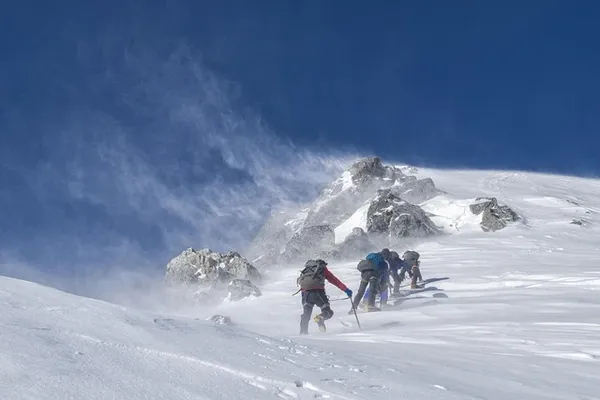
- Wind exposure on Gokyo Ri summit
Safety Protocols
Before Trek:
- Comprehensive insurance verification
- Medical history review
- Fitness assessment
- Gear inspection
During Trek:
- Daily health checks (symptoms, oxygen saturation)
- Weather monitoring for summit day
- Communication with Kathmandu office
- Flexible itinerary for conditions
Gokyo Ri Summit Specific:
- Early morning departure (best conditions)
- Turn-around time enforced
- Weather assessment before departure
- Option to attempt on Day 10 if Day 9 conditions poor
Emergency Protocols
Helicopter Evacuation: Available within hours from most locations including Gokyo. Your mandatory travel insurance must cover helicopter rescue up to 6,000m+.
Communication: Cell coverage available in Namche and intermittently above. Guide carries emergency communication device.
Medical Support: Basic first aid on trek. Himalayan Rescue Association (HRA) posts provide altitude sickness assessment in the region.
Why Choose Himalayanhero Adventures
Selecting the right operator for your Gokyo Lake trek directly impacts safety, experience quality, and overall success. Himalayanhero Adventures offers distinct advantages as a Nepal-based direct operator.
Our Approach
Local Expertise: We're based in Nepal, not a booking portal in another country. Our guides, office team, and owners live in the Himalayan communities you'll visit. This translates to genuine local knowledge, not secondhand information.
Safety-First Philosophy: Gokyo Ri conditions can change rapidly. We maintain conservative decision-making for summit attempts, prioritizing trekker safety over summit success at any cost.
Small Group Sizes: Maximum 12 trekkers per departure ensures personalized attention. Gokyo Ri summit timing requires individual pace management — impossible with large groups.
Fair Pricing, Premium Service: As a direct operator, we eliminate the middleman margins that inflate prices with international booking agencies. Our USD $1,235 price represents genuine value — not cut-rate quality, but fair pricing without unnecessary markups.
What Sets Us Apart
Pre-Trek Support:
- Detailed packing list and gear advice
- Training recommendations for the route
- Visa and insurance guidance
- Kathmandu arrival coordination
- Pre-departure briefing
On-Trek Excellence:
- Experienced Gokyo-specialist guides
- Quality teahouse selection
- Nutritious meals throughout
- Flexible summit day options
- Photography guidance at key viewpoints
After-Trek Care:
- Farewell dinner celebration
- Certificate of completion
- Photo sharing
- Future trek recommendations
- Ongoing relationship
Book Your Gokyo Lake Trek
The Gokyo Lake trek delivers Nepal's most spectacular high-altitude lake scenery, a summit viewpoint rivaling any in the Himalaya, and the authentic Sherpa village experience — all with fewer crowds than the standard Everest routes.
Our 14-day itinerary provides proper acclimatization, experienced local guidance, and the flexibility to maximize your Gokyo Ri summit chances.
Ready to discover the turquoise lakes of Gokyo?
USD $1349 per person | 14 Days | All permits and guiding included
📧 [email protected]
📱 WhatsApp: +977 9801127073
🌐himalayanhero.com