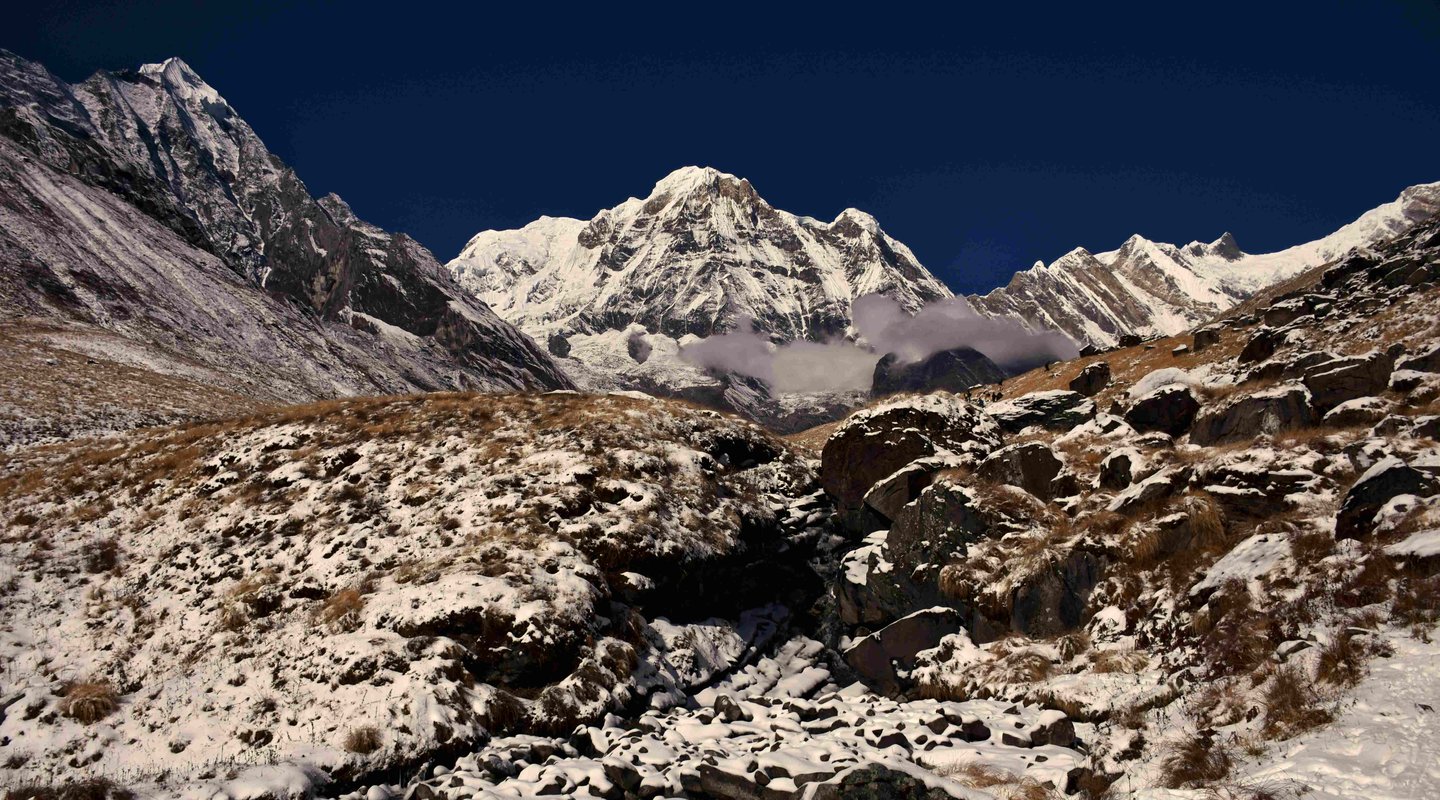
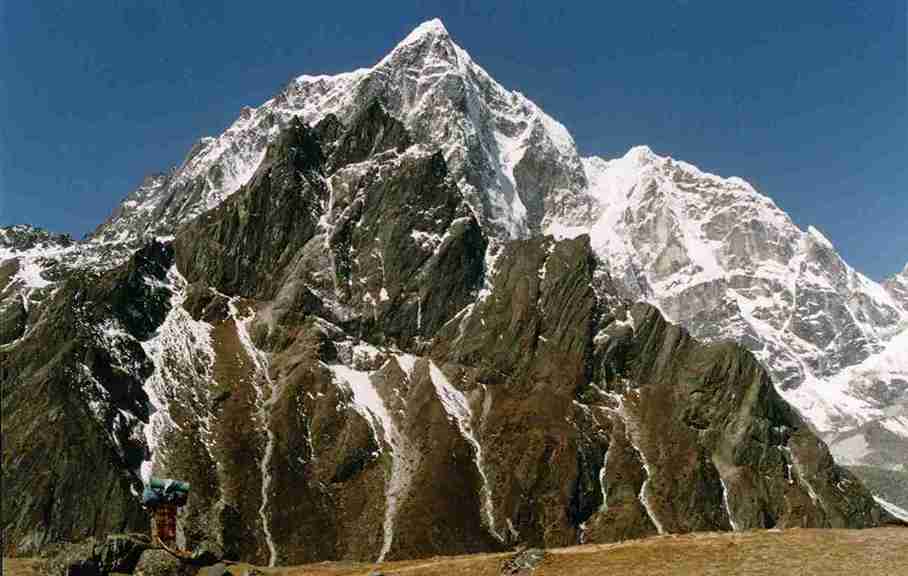
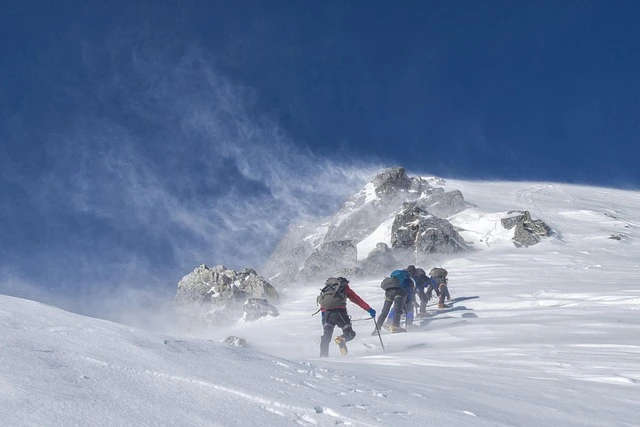
Introduction to the North Annapurna Base Camp Trek
The North Annapurna Base Camp Trek—also known as the North ABC Trek—takes you to where mountaineering history was made. On June 3, 1950, French climbers Maurice Herzog and Louis Lachenal stood atop Annapurna I (8,091m), completing humanity's first successful ascent of an 8,000-meter peak. Today, this remarkable trail follows their approach route to the mountain's dramatic north face, offering an experience vastly different from the crowded southern sanctuary trek.
While the standard Annapurna Base Camp Trek welcomes hundreds of trekkers daily during peak season, the North ABC Trek sees perhaps 20-30 visitors in an entire month. This wilderness camping expedition traverses pristine alpine meadows, passes the sacred Panchakunda Lake (Five Holy Lakes), and delivers intimate views of Annapurna I's imposing north face—the same perspective that greeted Herzog's legendary expedition over seven decades ago.
What makes the North Annapurna Base Camp Trek exceptional:
- Historic Maurice Herzog Trail—the original 1950 expedition route
- First 8,000-meter peak ever climbed in human history
- Dramatic north face views of Annapurna I (8,091m)
- Sacred Panchakunda Lake pilgrimage site
- Genuine wilderness camping experience
- 95% fewer trekkers than the standard ABC route
- No restricted area permit required (unlike Nar Phu Valley)
- Authentic Gurung and Magar village encounters
The North ABC Trek opened to tourism only in 2019, making it one of Nepal's newest trekking routes. This recent development means infrastructure remains minimal—teahouses exist only in lower villages, with camping required for the high-altitude sections. For trekkers seeking the raw Himalayan adventure that defined early mountaineering, this trail delivers experiences impossible to find on established routes.
Trip Highlights: North ABC Trek at a Glance
| Aspect |
Details |
| Duration |
12 Days (9 trekking days) |
| Max Altitude |
4,190m (North ABC) |
| Difficulty |
Moderate to Challenging |
| Best Season |
Mar-May / Sep-Nov |
Iconic Experiences on This Trek:
- Historic Maurice Herzog Trail – Walk the exact route of the 1950 French expedition that made mountaineering history
- North Face Panorama – Witness Annapurna I's dramatic 3,000-meter north wall from base camp
- Sacred Panchakunda Lake – Visit the Five Holy Lakes, a Hindu-Buddhist pilgrimage site at 4,100m
- Wilderness Camping – Experience expedition-style trekking with tented accommodation above the tree line
- Solitary Mountain Experience – Trek for days without seeing another tourist group
- Futfutey Waterfall – Discover this hidden cascade along the Miristi Khola valley
- Tatopani Hot Springs – Recover in natural thermal pools after your descent
- Authentic Village Life – Experience genuine hospitality in Gurung and Magar communities untouched by mass tourism
The Maurice Herzog Story: Why This Trek Matters
Understanding the Maurice Herzog Trail's hidden history transforms this trek from a mountain walk into a pilgrimage through mountaineering's most significant achievement. Before June 1950, no human had ever stood atop an 8,000-meter peak. The fourteen giants above this threshold were considered potentially unclimbable.
The French expedition's success on Annapurna I opened the door for every subsequent 8,000-meter ascent—Everest in 1953, K2 in 1954, and ultimately all fourteen peaks by Reinhold Messner in 1986. Herzog and Lachenal's triumph came at tremendous personal cost; both suffered severe frostbite requiring multiple amputations. Herzog's memoir "Annapurna," published in 1951, became the best-selling mountaineering book ever written.
Historical significance of the North ABC route:
- First successful 8,000-meter summit in human history
- June 3, 1950—a date that changed mountaineering forever
- Maurice Herzog and Louis Lachenal reached the summit
- The expedition approached from the northwest, via today's trekking route
- Herzog's book "Annapurna" documented the achievement for generations
- The north face remains one of mountaineering's most challenging walls
Walking this trail, you traverse the same valleys, camp in the same meadows, and gaze upon the same imposing north face that greeted those pioneering French climbers. Few treks anywhere offer such direct connection to mountaineering history.
North ABC Trek Itinerary Summary
| Day |
Route |
Altitude |
Distance |
| 1 |
Arrive Kathmandu |
1,400m |
— |
| 2 |
Drive to Pokhara |
822m |
200 km |
| 3 |
Drive Tatopani, trek Upper Narchyang |
2,140m |
49.4 km |
| 4 |
Trek to Chhotepa |
2,369m |
9 km |
| 5 |
Trek to Sandhi Kharka |
3,165m |
10 km |
| 6 |
Trek to North ABC |
4,190m |
7 km |
| 7 |
Descend to Sandhi Kharka |
3,165m |
7 km |
| 8 |
Trek to Thulo Bugin |
3,500m |
8 km |
| 9 |
Trek to Lete |
2,010m |
12 km |
| 10 |
Drive to Pokhara |
822m |
123 km |
| 11 |
Drive to Kathmandu |
1,400m |
200 km |
| 12 |
Final Departure |
— |
— |
Understanding North ABC Trek Difficulty
The North ABC Trek difficulty rates as moderate to challenging, demanding greater fitness and experience than the standard Annapurna Base Camp Trek. For comprehensive difficulty assessment, see our detailed guide on how hard the North Annapurna Base Camp Trek really is.
Several factors elevate difficulty beyond typical teahouse treks. The camping requirement means carrying heavier packs (porters handle most weight, but personal gear remains your responsibility). Trail maintenance is minimal compared to established routes. And the wilderness setting means limited emergency evacuation options.
North ABC Trek difficulty factors:
- Maximum altitude: 4,190m (North Annapurna Base Camp)
- Daily walking: 4-7 hours average
- Total trekking distance: Approximately 85-90 kilometers
- Terrain: Mixed trails, some steep sections, moraine crossings
- Accommodation: Camping required above Narchyang
- Technical requirements: None—no climbing skills needed
- Overall rating: Moderate to Challenging
Altitude Considerations
The North ABC Trek reaches 4,190 meters—moderate by Himalayan standards but sufficient for altitude sickness to affect unprepared trekkers. According to CDC guidelines on altitude sickness, symptoms can begin above 2,500 meters.
Our 12-day itinerary provides gradual acclimatization through careful elevation scheduling. The strategic descent on Day 6 (Sandhikharka to Humkhola) allows additional adjustment before pushing to high camps. For detailed prevention strategies, review our guide on how to prevent altitude sickness on the North ABC route.
Altitude sickness prevention:
- Ascend gradually (itinerary manages this)
- Stay well hydrated throughout trek
- Avoid alcohol at higher elevations
- Report symptoms to guide immediately
- Consider acclimatization medication (consult doctor)
Who Should Attempt This Trek?
The North ABC Trek suits experienced trekkers comfortable with camping conditions and multi-day wilderness travel. Previous high-altitude experience is recommended, though not absolutely required, for fit individuals willing to prepare thoroughly.
Choose your ABC trek
| Difficulty Factor |
North ABC |
Standard ABC |
| Max Altitude |
4,190m |
4,130m |
| Accommodation |
Camping |
Teahouses |
| Trail Condition |
Basic |
Well-maintained |
| Crowds |
Very Low |
High |
| Overall Rating |
Moderate-Challenging |
Moderate |
North ABC vs South ABC: Which Trek Should You Choose?
One of the most common questions from trekkers planning Annapurna adventures: should I trek North ABC or the standard southern route? For comprehensive comparison, see our detailed guide on North ABC vs South ABC.
Route and Approach Differences
The standard Annapurna Base Camp Trek (South ABC) approaches through the Annapurna Sanctuary—a glacial amphitheater surrounded by towering peaks on all sides. The route follows the Modi Khola valley through established teahouse infrastructure, offering comfortable accommodation throughout.
North ABC approaches from the opposite direction, following the Miristi Khola valley to reach Annapurna I's north face. This route offers completely different mountain perspectives—instead of being surrounded by peaks, you face the dramatic north wall head-on.
Crowd Levels Comparison
The crowd difference alone justifies serious consideration of North ABC. The standard southern route welcomes 200-400 trekkers daily during October-November peak season. North ABC might see 20-30 trekkers in an entire month.
Choose North ABC if:
- Solitude and wilderness experience matters most
- You prefer camping to teahouse accommodation
- Mountaineering history interests you
- Fewer crowds enhance your experience
- You have previous trekking experience
Choose Standard ABC if:
- Teahouse comfort is important
- You're new to Himalayan trekking
- Time is limited (shorter itinerary possible)
- You prefer well-established infrastructure
- The sanctuary "amphitheater" view appeals more
North ABC VS Standard ABC
| Factor |
North ABC |
Standard ABC |
| Daily Trekkers |
20-30/month |
200-400/day |
| Accommodation |
Camping |
Teahouses |
| Mountain View |
North face, head-on |
Sanctuary amphitheater |
| Historical Significance |
Herzog 1950 route |
Traditional approach |
Best Time for the North Annapurna Base Camp Trek
Choosing the optimal season significantly impacts your North ABC experience. For comprehensive timing guidance, see our detailed best time to trek North ABC: guide, plus our Nepal trekking calendar by month.
Autumn Season (September to November)
Autumn delivers the year's clearest mountain views with stable weather patterns. October and November offer optimal conditions—post-monsoon skies, comfortable temperatures, and minimal precipitation. The north face of Annapurna I appears in stunning definition against deep blue skies.
Autumn advantages:
- Clearest mountain visibility
- Stable weather patterns
- Comfortable trekking temperatures
- Dashain and Tihar festival cultural experiences
- Peak season—best overall conditions
Spring Season (March to May)
Spring offers excellent trekking with the spectacular addition of rhododendron blooms at lower elevations. Visibility remains good through April, though pre-monsoon buildup may bring afternoon clouds by late May. Warmer temperatures make camping more comfortable.
Spring advantages:
- Rhododendron blooms (March-April)
- Warming temperatures
- Good visibility through mid-May
- Fewer trekkers than autumn
- Wildlife more active after winter
Choose your Best time to trek
| Season |
Visibility |
Temperature |
Rating |
| Autumn (Sep-Nov) |
Excellent |
Moderate |
Highly Recommended |
| Spring (Mar-May) |
Good-Excellent |
Warm |
Highly Recommended |
| Winter (Dec-Feb) |
Variable |
Cold |
Experienced Only |
| Monsoon (Jun-Aug) |
Poor |
Wet |
Not Recommended |
North Annapurna Base Camp Trek Cost Explained
Understanding the North ABC Trek cost helps budget appropriately for this wilderness camping expedition. Himalayan Hero's comprehensive 12-day package is priced at USD $1,200 per person, reflecting the enhanced logistics required for camping treks compared to standard teahouse routes.
What Influences Trek Cost?
Several factors elevate North ABC costs above standard teahouse treks. Camping equipment (tents, sleeping mats, cooking gear) requires transport and maintenance. Kitchen staff join the team to prepare meals in wilderness settings. And the remote route demands experienced guides familiar with less-traveled terrain.
Factors affecting North ABC Trek cost:
- Camping equipment and logistics
- Kitchen staff for wilderness meal preparation
- Extended duration (12 days comprehensive)
- Licensed guide services throughout
- Porter support for camping gear
- All meals during trekking portion
- Permit fees (ACAP and TIMS)
- Ground transportation
North ABC Trek Permits and Requirements
The North Annapurna Base Camp Trek requires two permits, both included in our package pricing. For complete documentation guidance, see our guide on getting your permits.
Important clarification: Unlike the nearby Nar Phu Valley restricted area, North ABC does not require a restricted area permit. This makes the trek more accessible and affordable than restricted routes.
Required permits:
- Annapurna Conservation Area Permit (ACAP): NPR 3,000 (~$23 USD) for foreigners
- TIMS Card: NPR 2,000 (~$15 USD)
The Annapurna Conservation Area, managed by Nepal's National Trust for Nature Conservation, protects remarkable biodiversity—101 mammal species and over 1,226 plant species thrive within its boundaries.
Permit essentials:
- Permits processed in Kathmandu or Pokhara
- Two passport photos required
- Valid passport necessary
- All permits included in organized packages
- Checkpoints verify permits along route
The Role of Your North ABC Trek Guide
A knowledgeable guide proves essential for the North Annapurna Base Camp Trek—far more so than established teahouse routes. Since 2023, Nepal requires licensed guides for all Annapurna Conservation Area treks, but on North ABC the practical value extends well beyond regulatory compliance.
Why Guides Are Critical on This Route
The North ABC trail lacks the signage, maintained paths, and regular traffic that characterize popular routes. Your guide navigates through unmarked terrain, identifies safe camping locations, manages camp logistics, and ensures proper acclimatization scheduling.
What experienced guides provide:
- Navigation through unmarked wilderness terrain
- Campsite selection and logistics management
- Altitude sickness monitoring and response
- Weather assessment for safe travel decisions
- Wildlife knowledge (potential snow leopard habitat)
- Emergency response coordination
- Cultural interpretation in local villages
The camping requirement adds complexity that experienced guides manage seamlessly—coordinating with kitchen staff, ensuring adequate water sources, and selecting protected sites when weather threatens.
Preparing for Your North ABC Trek
Proper preparation distinguishes comfortable North ABC experiences from challenging ones. The camping nature demands more thorough gear consideration than teahouse treks. For comprehensive equipment guidance, see our North Annapurna Base Camp gear checklist you can't forget.
Physical Preparation
Begin cardiovascular training 8-12 weeks before departure. The North ABC Trek demands sustained effort over multiple days, including significant elevation gains while carrying a daypack. Hill walking with loaded pack, stair climbing, and general aerobic fitness all contribute to comfortable trekking.
Recommended training activities:
- Cardiovascular exercise 4-5 times weekly
- Hill walking with progressively loaded pack
- Stair climbing for altitude simulation
- Core and leg strength exercises
- Consecutive day training sessions
Essential Gear Considerations
While camping equipment is provided, personal gear requires careful selection. A quality sleeping bag rated to -15°C is essential—nights at 4,000+ meters are cold regardless of season. Layered clothing allows adaptation to dramatic temperature swings between sunny midday and freezing nights.
Personal gear priorities:
- Sleeping bag rated to -15°C (rental available)
- Layered clothing system
- Quality trekking boots (broken in)
- Headlamp with spare batteries
- Water purification system
- Sun protection (high altitude intensity)
Comparing North ABC with Other Annapurna Treks
Understanding how North ABC fits within the Annapurna trekking landscape helps you choose the right adventure.
North ABC vs Mardi Himal Trek
The Mardi Himal Trek offers another "off-the-beaten-path" alternative with fewer crowds than standard ABC. Mardi provides closer approach to Machhapuchhre (Fishtail) through basic teahouse accommodation, while North ABC delivers the historic Maurice Herzog experience through wilderness camping.
North ABC vs Annapurna Circuit
The Annapurna Circuit Trek circumnavigates the entire Annapurna massif over 12-21 days, crossing Thorong La Pass at 5,416m. North ABC focuses specifically on Annapurna I's north face approach. The Circuit offers broader geographic diversity; North ABC delivers deeper historical significance and greater solitude.
North ABC vs Mardi himal VS annapurna Circuit
| Factor |
North ABC |
Mardi Himal |
Annapurna Circuit |
| Duration |
12 days |
6-8 days |
12-21 days |
| Max Altitude |
4,190m |
4,500m |
5,416m |
| Accommodation |
Camping |
Teahouses |
Teahouses |
| Crowds |
Very Low |
Low |
Moderate |
| Historical Value |
Highest |
Low |
Medium |
Final Thoughts: Is the North ABC Trek Right for You?
The North Annapurna Base Camp Trek offers something no other Himalayan journey can—direct connection to mountaineering's most significant achievement. Walking the Maurice Herzog Trail, you follow footsteps that changed human understanding of what's possible in the high mountains.
This trek suits adventurers seeking genuine wilderness over comfortable infrastructure, history over novelty, and solitude over social trail experiences. The camping requirement demands flexibility and appreciation for expedition-style travel. The rewards—standing beneath Annapurna I's north face where Herzog stood in 1950—justify every challenge.
Key considerations before booking:
- Moderate-challenging difficulty requires prior trekking experience
- Camping accommodation above Narchyang village
- Budget for $1,200 package plus personal expenses
- Optimal seasons: autumn (September-November) or spring (March-May)
- Physical fitness for 5-7 hour daily walking with elevation gain
- Interest in mountaineering history enhances the experience
For trekkers ready to step beyond established trails into genuine Himalayan wilderness, the North Annapurna Base Camp Trek delivers authentic adventure rooted in extraordinary history. The north face perspective, the historic route, and the profound solitude create memories that busy teahouse treks simply cannot match.
Your journey to where mountaineering history began awaits.
This guide reflects current conditions and Himalayan Hero Adventures' operational experience on the North Annapurna Base Camp Trek. Trail conditions, permit requirements, and regulations may change—contact us for the latest information before booking.