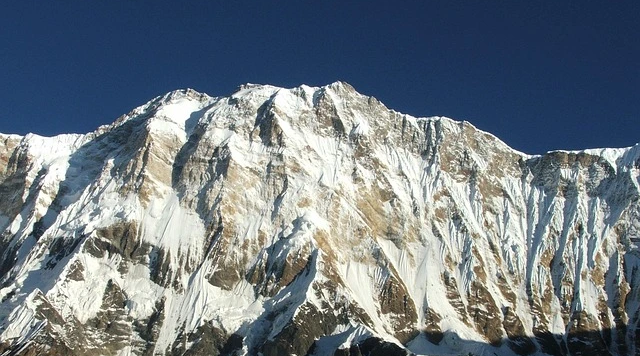
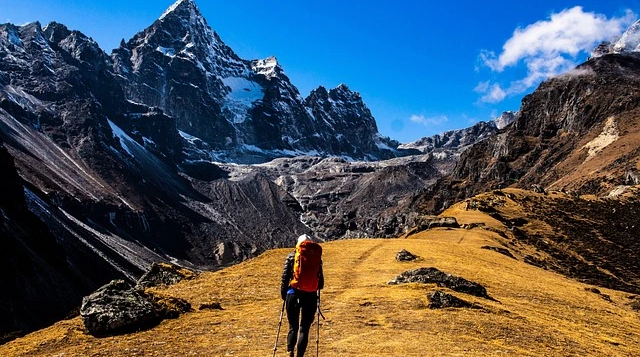
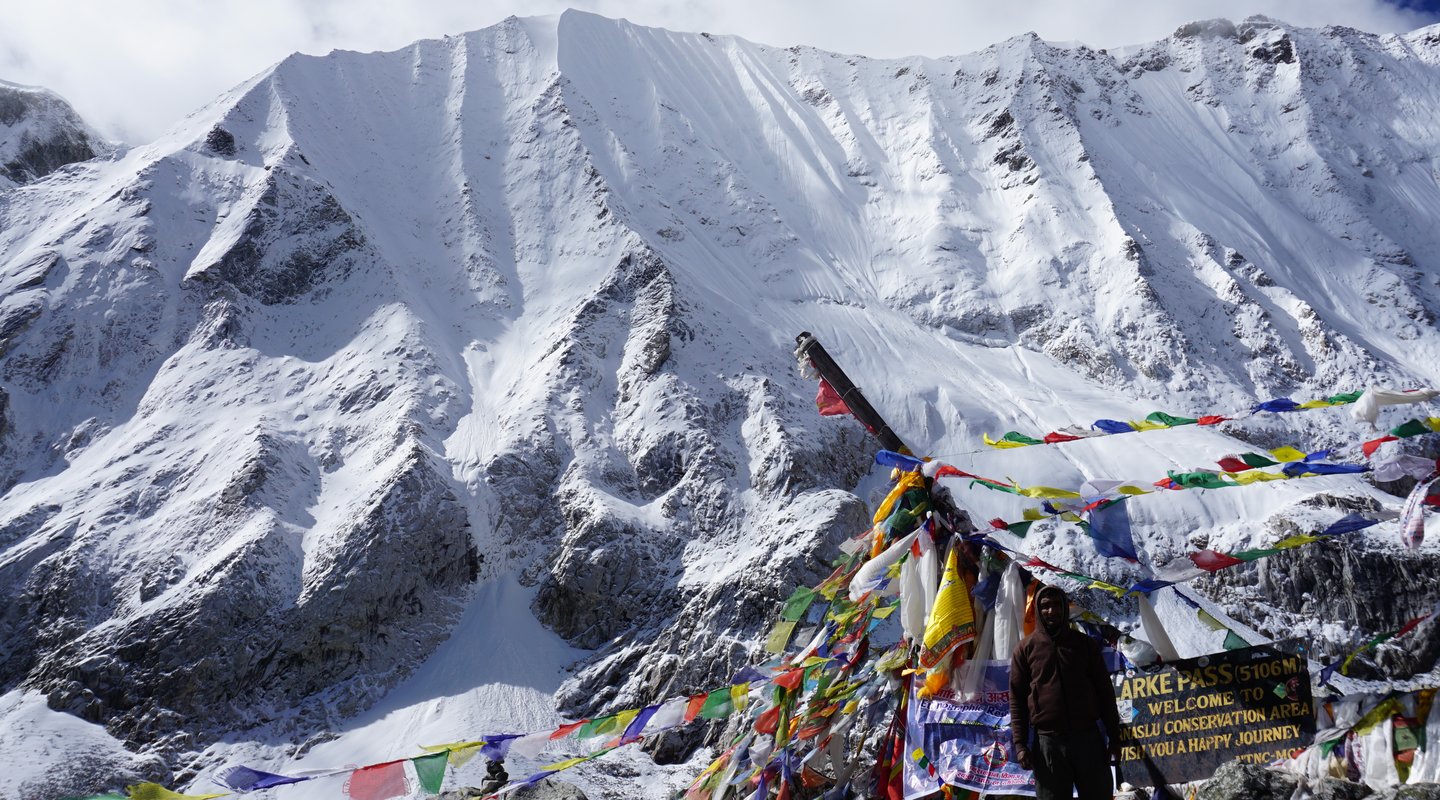
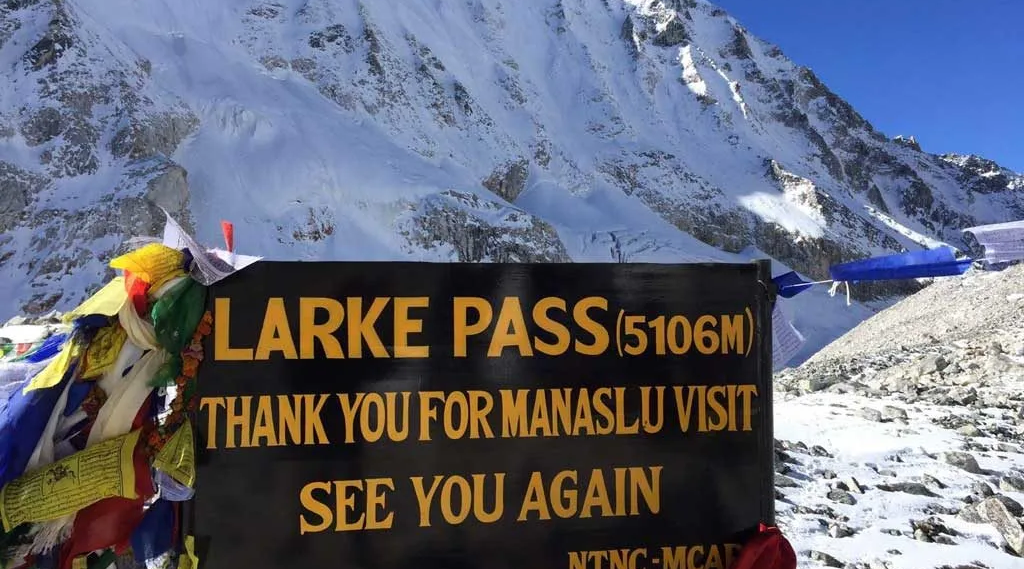
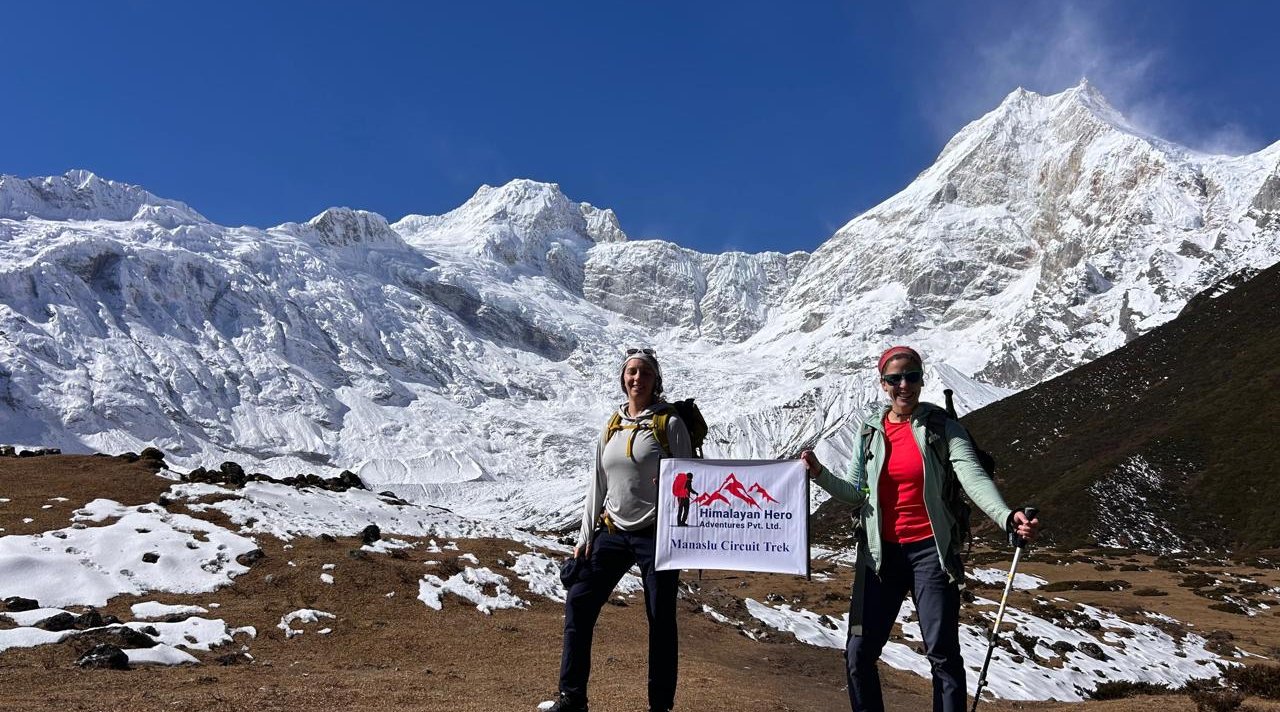
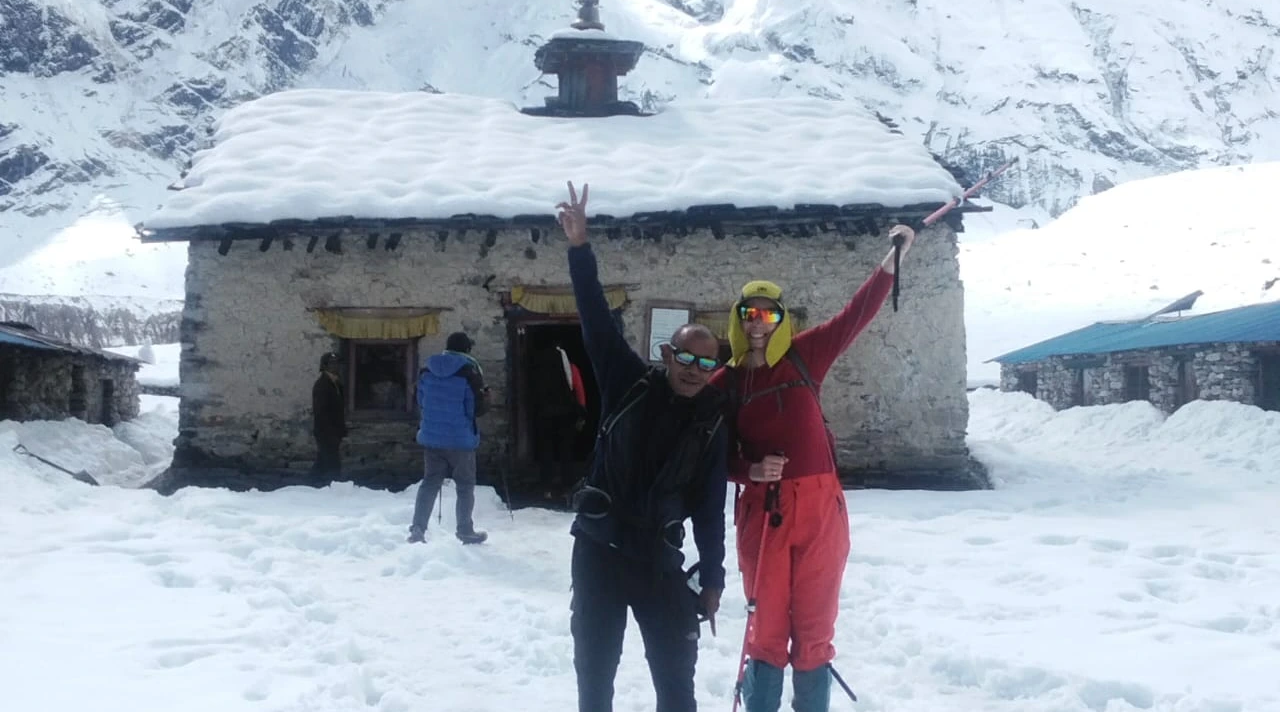
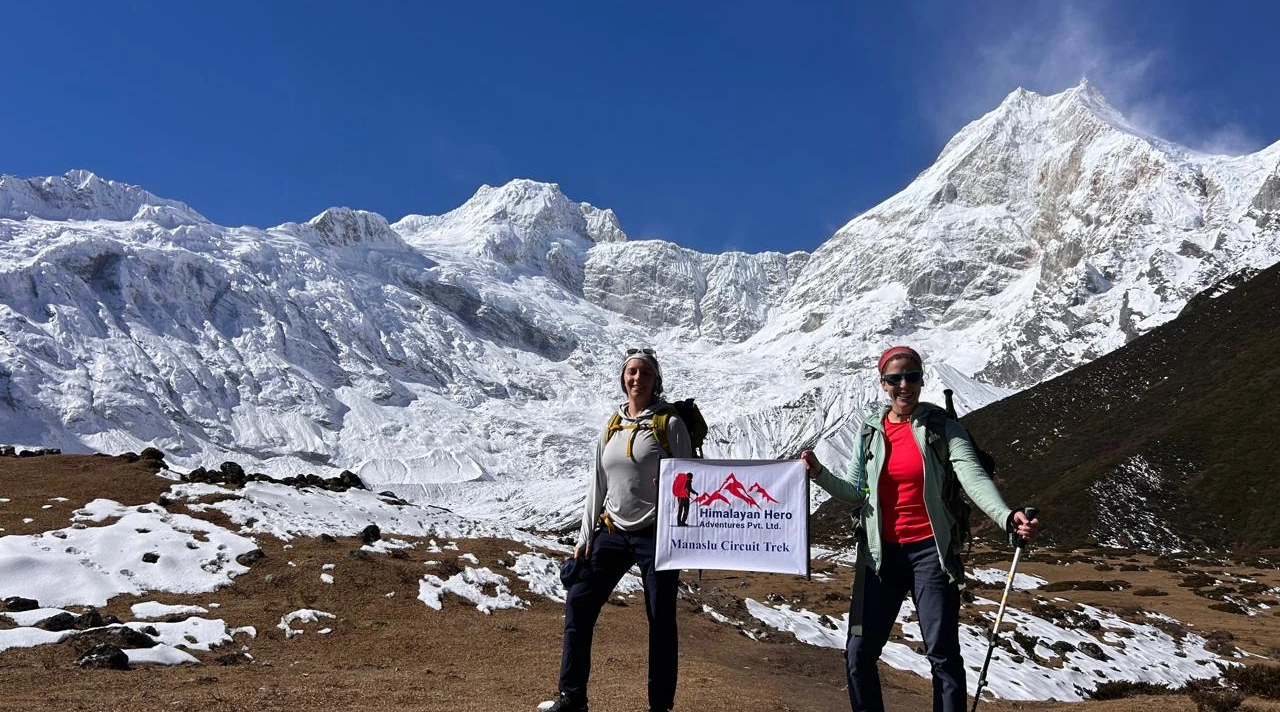
The Manaslu Circuit vs Annapurna Circuit debate represents one of Nepal's most compelling trekking comparisons—choosing between two legendary Himalayan circuits that each circumnavigate 8,000-meter giants through dramatic high-altitude passes. Both the Manaslu vs Annapurna Circuit trek adventures deliver spectacular mountain scenery, challenging pass crossings, and profound cultural immersion, yet they differ fundamentally in remoteness, infrastructure quality, permit requirements, and the very character of the mountain experience.
Understanding Annapurna vs Manaslu differences helps trekkers choose between the classic Annapurna Circuit with its diverse landscapes, established tea house system, and iconic Thorong La Pass at 5,416 meters, or the wild Manaslu Circuit offering pristine solitude, authentic Tibetan Buddhist culture, and the dramatic Larkya La Pass crossing at 5,160 meters. While Annapurna allows independent trekking on well-serviced routes, Manaslu requires mandatory guides and minimum group sizes, creating distinctly different adventure dynamics.
Key Comparison Factors:
- Circuit distance: Annapurna 230km vs Manaslu 177km
- Pass altitude: Thorong La 5,416m vs Larkya La 5,160m
- Permit regulations: Solo-friendly Annapurna vs restricted Manaslu
- Infrastructure: Well-developed Annapurna vs remote Manaslu
- Cost differences and logistics variations
- Crowd levels and wilderness experience
- Cultural encounters and scenic highlights
This comprehensive guide breaks down the which trek is harder, Annapurna or Manaslu question through a detailed comparison across difficulty, distance, permits, cultural richness, scenery, costs, and suitability for different trekker profiles, helping you make an informed decision based on your experience level and adventure priorities.
Quick Comparison: Manaslu vs Annapurna Circuit
| Feature |
Manaslu Circuit Trek |
Annapurna Circuit Trek |
| Total Distance |
~177 km circuit |
~230 km loop (varies by route) |
| Duration |
13-16 days |
14-21 days |
| Maximum Altitude |
5,160m (Larkya La Pass) |
5,416m (Thorong La Pass) |
| Difficulty |
Strenuous (remote, rugged) |
Strenuous (long distances, high pass) |
| Permits Cost |
$160-260 (RAP + MCAP + ACAP) |
$50 (ACAP + TIMS) |
| Solo Trekking |
Forbidden (guide + 2 trekkers) |
Allowed with TIMS |
| Crowd Levels |
Low (restricted area) |
Moderate-High (popular route) |
| Best Season |
Mar-May, Sep-Nov |
Mar-May, Sep-Nov |
| Access |
Road to Soti Khola |
Road to Besisahar or fly Jomsom |
| Average Cost |
$1,500-2,200 guided |
$1,200-1,800 guided |
| Tea Houses |
Basic at higher elevations |
Well-developed throughout |
| Cultural Focus |
Tibetan Buddhist villages |
Hindu-Buddhist transition zones |
Overview of Annapurna Circuit Trek
Annapurna Circuit ranks among the world's most celebrated treks, circumnavigating the Annapurna massif through an extraordinary variety of landscapes, cultures, and climate zones. The Annapurna Circuit trek covers approximately 230 kilometers over 14-21 days (depending on starting point and variations), climbing from subtropical rice paddies through temperate forests to the dramatic Thorong La Pass at 5,416 meters before descending into the arid Trans-Himalayan landscape of Mustang.
The classic route starts from Besisahar (760m) or Ngadi, ascending through diverse ethnic communities—Gurung, Manangi, Thakali—each with distinct languages, customs, and architectural styles. The trail passes through Manang (3,540m) for crucial acclimatization before tackling Thorong La Pass, then descends to the sacred pilgrimage site of Muktinath (3,760m) and continues to Jomsom, Marpha, and eventually Pokhara.
Annapurna Circuit Trek Highlights:
- Thorong La Pass crossing at 5,416 meters with panoramic Himalayan views
- Extraordinary landscape diversity from rice paddies to desert
- Muktinath Temple pilgrimage site sacred to Hindus and Buddhists
- Manang valley's dramatic scenery and acclimatization opportunities
- Tilicho Lake side trip (4,919m), one of world's highest lakes
- Culturally diverse villages spanning Hindu, Buddhist, and Tibetan traditions
- Well-established tea house system with comfortable facilities
- Kali Gandaki Gorge, world's deepest gorge between Dhaulagiri and Annapurna
- Views of Annapurna I (8,091m), Dhaulagiri (8,167m), Manaslu distant views
The Annapurna Circuit emphasizes incredible variety—you experience monsoon forests, alpine meadows, and high-altitude desert within a single journey. The circuit's popularity ensures excellent infrastructure with numerous tea houses, diverse menu options, and established rescue services, though road construction has altered traditional sections, with some trekkers now starting higher to avoid road-affected lower sections.
Overview of Manaslu Circuit Trek
Manaslu Circuit circumnavigates Manaslu (8,163m), the world's eighth-highest mountain, through restricted areas along the Nepal-Tibet border preserving authentic mountain culture and pristine wilderness. The Manaslu Circuit trek covers approximately 177 kilometers over 13-16 days, starting from Soti Khola (700m) and climbing through subtropical forests, terraced farmlands, and remote Tibetan Buddhist villages before crossing the spectacular Larkya La Pass at 5,160 meters.
The circuit enters restricted territory requiring special permits, mandatory licensed guides, and minimum two-trekker groups—regulations that preserve the route's untouched character while limiting visitor numbers. The trek passes through the Manaslu Conservation Area, protecting ecosystems from tropical zones to alpine wilderness while supporting traditional communities that have remained largely unchanged for centuries.
Manaslu Circuit Trek Highlights:
- Larkya La Pass crossing at 5,160m with stunning Manaslu, Himalchuli panoramas
- Circumnavigating the world's eighth-highest mountain (8,163m)
- Authentic Tibetan Buddhist culture in remote villages (Samagaon, Samdo)
- Ancient monasteries preserving centuries-old Buddhist traditions
- Pristine wilderness with minimal trekker traffic and authentic experiences
- Five distinct climate zones from subtropical to alpine
- Traditional Tibetan architecture, prayer flags, and mani walls throughout
- Budhi Gandaki river gorge with dramatic canyon scenery
- Wildlife including Himalayan tahr, blue sheep, occasional snow leopard signs
The Manaslu vs Annapurna trek experience differs fundamentally in remoteness and authenticity—Manaslu offers genuine wilderness where ancient villages retain traditional lifestyles, while Annapurna provides diverse cultural tapestry with modern amenities and established tourism infrastructure creating different but equally rewarding experiences.
Difficulty and Fitness Requirements Comparison
| Difficulty Factor |
Manaslu Circuit |
Annapurna Circuit |
| Technical Difficulty |
Technical sections (pass) |
Moderate-Technical (pass) |
| Daily Walking |
6-9 hours average |
5-8 hours average |
| Longest Day |
10-12 hours (pass day) |
8-10 hours (pass day) |
| Terrain Quality |
Remote, less maintained |
Better maintained trails |
| Fitness Level Needed |
High-Very High |
Moderate-High |
| Previous Experience |
High-altitude recommended |
Multi-day hiking helpful |
| Overall Rating |
Strenuous |
Strenuous |
| Success Rate |
75-85% |
85-90% |
Which trek is harder Annapurna or Manaslu has a nuanced answer—both rate as strenuous, but Manaslu proves slightly more challenging through rougher terrain, more remote conditions, and less infrastructure support. The Manaslu vs Annapurna difficulty comparison shows both demanding serious fitness and altitude tolerance, with Manaslu requiring higher self-sufficiency and technical pass navigation.
Annapurna Circuit Difficulty:
The Annapurna Circuit challenges trekkers through sustained distance (230km total), the high Thorong La Pass crossing (5,416m), and cumulative elevation gain/loss over 14-21 days. However, well-maintained trails, frequent tea houses allowing flexible daily distances, and established rescue infrastructure moderate the difficulty. The longest day—Thorong La crossing from High Camp (4,925m) to Muktinath (3,760m)—requires 8-10 hours but follows clear trails with tea houses providing emergency shelter.
Manaslu Circuit Difficulty:
The Manaslu Circuit trek difficulty proves higher through rougher trail conditions, longer remote sections between tea houses forcing longer daily stages, and the demanding Larkya La Pass crossing requiring 10-12 hours from Dharamsala (4,460m) to Bimthang (3,720m). The pass section can involve snow/ice navigation requiring basic mountaineering skills during certain seasons, while limited tea houses mean less flexibility in daily distances.
Difficulty Comparison Factors:
- Trail maintenance: Annapurna better maintained, Manaslu rugged in sections
- Daily distances: Manaslu often longer stages between stops
- Pass crossings: Thorong La higher (5,416m) but better infrastructure; Larkya La lower (5,160m) but more technical
- Rescue access: Annapurna helicopter access readily available, Manaslu limited
- Altitude sickness risk: Both significant, slightly higher on Annapurna due to greater altitude
- Weather exposure: Both extreme at passes, Larkya La potentially more snow
Fitness Required Manaslu vs Annapurna:
Annapurna suits moderately fit trekkers with 10-12 weeks training including multi-day hiking and cardio conditioning. Manaslu demands higher fitness requiring 12-16 weeks preparation including back-to-back long days, significant elevation training, and ideally previous high-altitude experience above 4,000m. Both require strong legs, excellent cardiovascular endurance, and mental resilience for high-altitude challenges.
Distance, Duration, and Altitude Comparison
| Factor |
Manaslu Circuit |
Annapurna Circuit |
| Total Distance |
~177 km circuit |
~230 km loop (varies) |
| Trek Duration |
11-14 days trekking |
12-18 days trekking |
| With Travel Days |
13-16 days total |
14-21 days total |
| Highest Point |
5,160m (Larkya La) |
5,416m (Thorong La) |
| Starting Elevation |
700m (Soti Khola) |
760m (Besisahar) |
| Total Ascent |
~4,500m elevation gain |
~4,700m elevation gain |
| Acclimatization Days |
2-3 mandatory |
2-3 recommended |
Manaslu vs Annapurna distance and days reveals Annapurna as the longer circuit (230km vs 177km), requiring more total time (14-21 days vs 13-16 days). The which trek is longer, Annapurna or Manaslu Circuit question has a clear answer—Annapurna covers 50+ kilometers more distance, though variations in starting points and optional side trips affect total kilometers on both routes.
Distance and Duration Breakdown:
Annapurna Circuit: The full 230-kilometer circuit from Besisahar to Nayapul (traditional route) requires 14-18 days depending on daily distances and rest days. Many trekkers now start higher (Chame or Manang) to avoid road-affected lower sections, reducing distance to 160-180km over 10-14 days. Optional side trips to Tilicho Lake, Ice Lake, or Poon Hill add 2-4 days.
Manaslu Circuit: The 177-kilometer circuit from Soti Khola to Dharapani covers consistent terrain without road shortcuts, requiring 11-14 days trekking. The route follows a true circuit with limited variation options, creating more predictable timeline. Most trekkers complete in 13-15 days including 2-3 acclimatization days at Samagaon or Samdo.
Altitude Comparison:
Thorong La vs Larkya La which higher shows Thorong La reaching 5,416m versus Larkya La at 5,160m—a 256-meter difference making Thorong La the higher pass. The Manaslu vs Annapurna max altitude comparison favors Annapurna for maximum elevation, creating slightly greater altitude challenges and requiring careful acclimatization planning.
Pass Crossing Details:
- Thorong La Pass (5,416m): Usually crossed west to east from High Camp, 4-6 hours to summit, 3-4 hours descent to Muktinath
- Larkya La Pass (5,160m): Crossed from Dharamsala (4,460m), 5-7 hours to summit, 4-5 hours steep descent to Bimthang
- Technical challenge: Larkya La often more snow/ice despite lower altitude
- Infrastructure: Thorong La has tea houses nearby, Larkya La more remote
- Weather windows: Both require clear weather, early morning starts essential
Scenery and Cultural Experience Comparison
| Scenery Factor |
Manaslu Circuit |
Annapurna Circuit |
| Landscape Variety |
5 climate zones |
Extreme diversity (subtropical to desert) |
| 8,000m Peaks |
1 (Manaslu 8,163m) |
2+ (Annapurna I 8,091m, Dhaulagiri 8,167m) |
| Cultural Diversity |
Tibetan Buddhist villages |
Hindu-Buddhist-Tibetan transitions |
| Sacred Sites |
Ancient monasteries |
Muktinath pilgrimage temple |
| Unique Features |
Pristine wilderness |
Kali Gandaki Gorge, Tilicho Lake |
| Photography |
Remote authentic scenes |
Iconic diverse landscapes |
| Development Level |
Minimal tourism impact |
Established with some road impact |
Annapurna vs Manaslu scenery offers different visual appeals—Annapurna showcases unmatched landscape diversity from lush forests to arid Trans-Himalayan desert, while Manaslu provides pristine wilderness and intimate proximity to an 8,000-meter giant throughout the circuit.
Annapurna Circuit Scenery:
The circuit's greatest strength lies in extraordinary variety—subtropical rice terraces and rhododendron forests transition to pine woods, then alpine meadows, before entering the arid Mustang landscape resembling Tibetan plateau. The Kali Gandaki Gorge between Dhaulagiri and Annapurna creates the world's deepest gorge with dramatic river canyon scenery. Panoramic views include Annapurna I, II, III, IV, Gangapurna, Dhaulagiri, and dozens of 6,000-7,000m peaks.
Manaslu Circuit Scenery:
Manaslu's scenery emphasizes pristine mountain wilderness—the Budhi Gandaki gorge rivals major canyons, Tibetan villages nestle beneath towering peaks, and Larkya La Pass reveals 360-degree panoramas of Manaslu, Himalchuli, Cheo Himal, Kang Guru, and Annapurna II. The route's remoteness preserves untouched landscapes with prayer flag-draped passes, ancient mani walls, and traditional villages unchanged by development.
Cultural Differences:
Annapurna Cultural Tapestry: The circuit traverses multiple ethnic zones—Hindu farming communities in lowlands, Gurung villages in mid-elevations, Buddhist Manangi culture in upper valleys, and Thakali traditions descending toward Jomsom. Muktinath Temple attracts Hindu and Buddhist pilgrims, creating sacred atmosphere. The diversity provides rich cultural education but shows tourism influence in popular villages.
Manaslu Tibetan Authenticity: The Manaslu vs Annapurna culture comparison shows Manaslu preserving authentic Tibetan Buddhist traditions with minimal modern influence. Samagaon, Samdo, and Lo villages practice traditional agriculture, maintain centuries-old monasteries, speak Tibetan dialects, and preserve cultural customs including prayer wheel circuits, sky burial traditions, and polyandry marriage practices. The restricted area status has protected cultural integrity.
Permits and Regulations Comparison
| Permit Factor |
Manaslu Circuit |
Annapurna Circuit |
| Conservation Permit |
MCAP $30 required |
ACAP $30 required |
| Restricted Area Permit |
RAP $100-75 (season dependent) |
Not needed |
| TIMS Card |
Not required (RAP covers) |
$20 required |
| ACAP (if connecting) |
$30 if via Dharapani |
Included above |
| Total Permit Cost |
$160-260 |
$50 total |
| Solo Trekking |
Forbidden by law |
Allowed with TIMS |
| Guide Requirement |
Mandatory licensed guide |
Optional (recommended) |
| Minimum Group |
2 trekkers required |
Solo permitted |
Annapurna vs Manaslu permit cost reveals dramatic differences—Annapurna requires just $50 total (ACAP $30 + TIMS $20) while Manaslu demands $160-260 (RAP $100-75 + MCAP $30 + ACAP $30), making Manaslu permits 3-5x more expensive. The Manaslu RAP MCAP cost represents Nepal's restricted area premium preserving limited visitor numbers.
Annapurna Circuit Permits 2026:
- ACAP (Annapurna Conservation Area Permit): NPR 3,000 (~$30 USD)
- TIMS Card (Trekkers Information Management System): NPR 2,000 (~$20 USD)
- Total cost: Approximately $50 per person
- Solo trekking: Allowed with valid TIMS
- Guide requirement: Optional but recommended
- Processing: Can obtain in Kathmandu or Pokhara, or at entry checkpoints
- Validity: Permits valid for trek duration, no time limits
Manaslu Circuit Permits 2026:
Manaslu Restricted Area Permit (RAP):
- September-November: $100 per person first 7 days, $15/day additional
- December-August: $75 per person first 7 days, $10/day additional
- Issued by: Nepal Immigration Department through agencies only
- Solo restriction: Cannot be obtained individually
Manaslu Conservation Area Permit (MCAP):
- Cost: NPR 3,000 (~$30 USD)
- Purpose: Conservation area entrance fee
Annapurna CAP (if exiting via Dharapani):
- Cost: NPR 3,000 (~$30 USD)
- Required: Most Manaslu trekkers exit through Annapurna region
Total Manaslu Costs:
- Peak season (Sep-Nov): $100 + $30 + $30 = $160 minimum
- Off-season (Dec-Aug): $75 + $30 + $30 = $135 minimum
Guide Requirements:
Are guides required for Manaslu Circuit trek? Yes, mandatory by law with minimum 2 trekkers. Can you trek solo on Annapurna Circuit? Yes, solo trekking permitted with TIMS card.
Cost and Logistics Comparison
| Cost Factor |
Manaslu Circuit |
Annapurna Circuit |
| Permits |
$160-260 |
$50 |
| Guide (mandatory/optional) |
$350-450 mandatory |
$300-420 optional |
| Transportation |
Drive to Soti Khola ($30-50) |
Drive to Besisahar or fly Jomsom |
| Accommodation |
$5-10 per night |
$5-12 per night |
| Meals |
$18-30 daily |
$20-35 daily |
| Total Budget Package |
$1,500-2,200 |
$1,200-1,800 |
| Access Complexity |
Moderate (road access) |
Easy (multiple access options) |
Manaslu vs Annapurna cost comparison 2026 shows Annapurna as generally cheaper ($300-400 less) due to lower permits, optional guide status, and more competitive tea house pricing. The cost difference between Manaslu and Annapurna treks stems primarily from restricted area permits and mandatory guide requirements versus Annapurna's open access and independent trekking options.
Annapurna Circuit Cost Breakdown:
- Permits: $50 (ACAP + TIMS)
- Transportation: Kathmandu-Besisahar bus $10-15, or Jomsom flight $150-200 if starting/ending there
- Guide (optional): $25-30 daily × 14-18 days = $350-540
- Porter (optional): $18-22 daily × 14-18 days = $252-396
- Accommodation: $5-12 per night × 13-17 nights = $65-204
- Meals: $20-35 daily × 14-18 days = $280-630
- Total independent: $405-899 (no guide/porter)
- Total guided package: $1,200-1,800 (includes services)
Manaslu Circuit Cost Breakdown:
- Permits: $160-260 (RAP + MCAP + ACAP)
- Transportation: Kathmandu-Soti Khola drive $30-50
- Guide (mandatory): $25-30 daily × 13-15 days = $325-450
- Porter (optional): $18-22 daily × 13-15 days = $234-330
- Accommodation: $5-10 per night × 12-14 nights = $60-140
- Meals: $18-30 daily × 13-15 days = $234-450
- Total guided package: $1,500-2,200 (guide mandatory)
Logistics Comparison:
Annapurna Access: Multiple starting points—drive to Besisahar (7-8 hours from Kathmandu), fly to Jomsom and trek reverse direction, or start from various points along the circuit. Flexibility in route direction and starting elevation.
Manaslu Access: Single standard route starting Soti Khola after 8-9 hour drive from Kathmandu. Limited route variation, consistent clockwise direction due to pass approach considerations. Exit through Dharapani connects to Annapurna region.
Crowds and Infrastructure Comparison
Annapurna vs Manaslu crowds reveals stark differences—Annapurna remains popular with moderate-high trekker numbers during peak season, while Manaslu maintains quiet trails year-round thanks to restricted area status.
Annapurna Circuit Crowds:
Peak season (October-November, March-April) brings steady trekker traffic with 50-100+ trekkers daily on popular sections. While less crowded than Everest Base Camp, villages like Manang and Muktinath get busy. However, the circuit's length and multiple starting points distribute crowds better than point-to-point routes. Tea house competition ensures availability, though booking ahead recommended during October.
Manaslu Circuit Solitude:
Even during peak season, Manaslu sees perhaps 10-20 groups total on the circuit at any time. Many days pass with minimal trekker encounters, preserving wilderness atmosphere. The restricted area permit system caps visitor numbers, while mandatory guide requirements further limit independent trekkers, creating genuine solitude experience.
Accommodation and Services:
Annapurna: Well-developed tea houses throughout with hot showers (paid), diverse menus including western food, WiFi availability (paid), and comfortable rooms with mattresses and blankets. Medical facilities exist in Manang and larger villages. Helicopter rescue readily accessible.
Manaslu: Basic tea houses at higher elevations with simpler menus, limited hot water, no WiFi in remote sections, and more rudimentary accommodations. Services improve in lower villages but remain basic compared to Annapurna. Medical facilities minimal, rescue more challenging.
Best Season and Weather Comparison
| Season Factor |
Manaslu Circuit |
Annapurna Circuit |
| Best Months |
Mar-May, Sep-Nov |
Mar-May, Sep-Nov |
| Avoid Completely |
Dec-Feb (heavy snow) |
Dec-Feb (extreme cold) |
| Monsoon |
Jun-Aug not recommended |
Jun-Aug challenging |
| Spring Highlights |
Rhododendrons, warming weather |
Clear views, warmer pass |
| Autumn Highlights |
Crystal clarity, stable weather |
Perfect conditions throughout |
| Pass Conditions |
Larkya La snow risk |
Thorong La usually clear |
When is the best season for Manaslu vs Annapurna aligns closely—both excel during spring (March-May) and autumn (September-November) with stable weather, clear visibility, and manageable temperatures. The Annapurna vs Manaslu best time differs slightly in winter feasibility and monsoon challenges.
Autumn Season (September-November):
Both circuits provide excellent conditions with crystal-clear post-monsoon visibility, stable weather patterns, and comfortable temperatures. October represents peak season with maximum crowds on Annapurna but still quiet on Manaslu. Night temperatures at passes drop to -15°C to -25°C requiring serious cold-weather gear.
Spring Season (March-May):
Spring offers warming temperatures, blooming rhododendrons in lower forests, and generally good visibility. Late May approaches monsoon with increasing afternoon clouds potentially obscuring mountain views. Snow conditions at passes improve through spring, with May offering best snow-free pass crossings.
Winter and Monsoon:
Winter (December-February) brings extreme cold and heavy snowfall closing both passes frequently. Larkya La particularly dangerous with deep snow, while Thorong La becomes extremely challenging. Monsoon (June-August) creates heavy rain, leeches in forests, obscured views, and dangerous trail conditions—strongly not recommended for either circuit.
Which Trek Should You Choose?
Choose Annapurna Circuit If:
- You want maximum landscape diversity (subtropical to desert)
- Independent/solo trekking appeals (no mandatory guide)
- You prefer well-developed infrastructure and comfort
- Cultural diversity interests you (Hindu-Buddhist transitions)
- Sacred pilgrimage sites attract you (Muktinath)
- You want lower permit costs ($110-210 savings)
- Longer trek duration acceptable (14-21 days)
- You want multiple route options and flexibility
- First major Himalayan circuit experience
- Higher pass crossing motivates you (Thorong La 5,416m)
Choose Manaslu Circuit If:
- Solitude and pristine wilderness are priorities
- Authentic Tibetan Buddhist culture appeals strongly
- You want minimal tourism impact and remote experience
- You're comfortable with basic tea houses and facilities
- Mandatory guide requirement not a concern
- You have high fitness and previous trekking experience
- Budget allows $160-260 permits plus mandatory guide
- You prefer quieter trails without crowds
- Slightly shorter circuit suits timeline (13-16 days)
- Circumnavigating 8,000m peak specifically interests you
The Honest Assessment:
Annapurna Circuit offers the classic Nepal trekking experience—unmatched landscape diversity, cultural richness, and proven infrastructure allowing independent travel. Perfect for trekkers wanting variety, flexibility, and moderate comfort with lower overall costs.
Manaslu Circuit provides authentic wilderness adventure—pristine solitude, genuine Tibetan culture, and serious mountain challenge. Ideal for experienced trekkers seeking remote routes away from crowds, willing to accept mandatory guide requirements and basic facilities for genuine wilderness experience.
Can You Do Both?
Many trekkers complete both circuits over separate trips—often Annapurna first (established infrastructure, independent option) before advancing to Manaslu (remote conditions, guided requirement). This progression builds circuit trekking experience and high-altitude endurance systematically. Some adventurous trekkers combine portions, exiting Manaslu at Dharapani and continuing on the Annapurna Circuit.
Ready to choose your Himalayan circuit adventure?
Explore our comprehensive Annapurna Circuit Trek package for detailed itineraries with cultural highlights and flexible options, or check our Manaslu Circuit Trek package for remote wilderness trekking with experienced guides ensuring safe, memorable journeys through Nepal's most pristine mountain landscapes.
Frequently Asked Questions
Which trek is more difficult: Annapurna or Manaslu Circuit?
Both circuits rate as strenuous, but the Manaslu Circuit proves slightly more difficult through rougher trail conditions, more remote infrastructure, and potentially more technical pass crossing. Annapurna Circuit challenges through greater total distance (230km vs 177km) and higher maximum altitude (Thorong La 5,416m vs Larkya La 5,160m), but better trail maintenance and facilities moderate the difficulty. Choose Manaslu for wilderness challenge, Annapurna for established circuit experience.
How many days are needed for the Annapurna vs Manaslu Circuit?
Annapurna Circuit requires 14-21 days total, depending on the starting point (Besisahar full circuit 18-21 days, Chame start 14-16 days). Manaslu Circuit needs 13-16 days total from Soti Khola to Dharapani. Both require 2-3 acclimatization days for safe altitude adaptation. Manaslu is slightly shorter in both distance and duration.
What are the highest passes on each trek?
Thorong La Pass on Annapurna Circuit reaches 5,416 meters, making it the higher pass. Larkya La Pass on Manaslu Circuit reaches 5,160 meters—256 meters lower but often more technical with snow/ice conditions. Both require early morning starts, clear weather, and proper acclimatization for safe crossing.
What permits do I need for Manaslu vs Annapurna Circuit (2026)?
Annapurna requires ACAP (Annapurna Conservation Area Permit $30) plus TIMS card ($20) totaling $50. Manaslu requires RAP (Restricted Area Permit $100 peak season, $75 off-season), MCAP (Manaslu Conservation $30), and usually ACAP ($30 when exiting via Dharapani), totaling $160-260 depending on season.
Are guides required for the Manaslu Circuit trek?
Yes, guides are mandatory by law for Manaslu Circuit. All trekkers must hire licensed guides through registered agencies with minimum 2 trekkers per group. Solo trekking is forbidden in this restricted area. The regulation preserves limited visitor numbers and ensures trekker safety in remote terrain.
Can you trek solo on the Annapurna Circuit?
Yes, solo trekking is permitted on Annapurna Circuit with valid TIMS card. Guides are optional though recommended for navigation, altitude monitoring, and cultural interpretation. Many trekkers complete Annapurna independently using tea houses, trail signs, and maps, though solo trekkers should have previous multi-day hiking experience.
Which trek is longer: Annapurna or Manaslu Circuit?
Annapurna Circuit is significantly longer at approximately 230 kilometers total distance (varies by route) versus Manaslu Circuit's 177 kilometers. Annapurna also requires more days (14-21 vs 13-16) due to greater distance. However, road construction allows starting higher on Annapurna, reducing traditional full-circuit distance.
What is the cost difference between Manaslu and Annapurna treks?
Annapurna Circuit costs approximately $300-400 less than Manaslu Circuit. Typical Annapurna packages: $1,200-1,800 guided. Manaslu packages: $1,500-2,200 guided. The difference stems from Manaslu's higher permits ($160-260 vs $50) and mandatory guide requirements. Independent Annapurna trekking (no guide) costs $400-900, while Manaslu cannot be done independently.
When is the best season for Manaslu vs Annapurna?
Both circuits are best in spring (March-May) and autumn (September-November) with stable weather, clear visibility, and moderate temperatures. October represents peak season for both with perfect conditions but higher Annapurna crowds. Avoid winter (December-February) when passes close due to snow, and monsoon (June-August) which brings heavy rain and obscured views.
What are the main highlights of each trek?
Annapurna highlights: Thorong La Pass (5,416m), extreme landscape diversity from rice paddies to desert, Muktinath pilgrimage temple, Kali Gandaki Gorge, Tilicho Lake optional side trip, multiple ethnic cultures. Manaslu highlights: Larkya La Pass (5,160m), circumnavigating Manaslu (8,163m), authentic Tibetan Buddhist villages, pristine wilderness, ancient monasteries, remote solitude away from crowds.
Do I need any special gear for these treks?
Both circuits require standard high-altitude trekking gear: 4-season sleeping bag rated -15°C, down jacket, quality trekking boots, trekking poles, layered clothing system, sun protection, headlamp, and water purification. Manaslu may require additional technical gear (microspikes, gaiters) for Larkya La pass snow/ice during certain seasons. Neither requires technical climbing equipment.
Which trek has more crowds?
Annapurna Circuit experiences moderate-high trekker numbers with 50-100+ trekkers daily during peak season on popular sections. Manaslu Circuit maintains quiet trails year-round with perhaps 10-20 total groups on entire circuit even during peak season. Restricted area permits limit Manaslu visitors, while Annapurna's open access allows unlimited trekkers.
What is the starting point for each trek?
Annapurna Circuit traditionally starts from Besisahar (760m) with 7-8 hour drive from Kathmandu, though many now start higher at Chame or Manang due to road construction. Manaslu Circuit starts from Soti Khola (700m) after 8-9 hour drive from Kathmandu. Both have single primary starting points with limited variation.
How hard is Thorong La pass compared to Larkya La?
Thorong La reaches higher altitude (5,416m vs 5,160m) creating greater altitude stress, but features better trails and tea house infrastructure nearby. Larkya La sits lower but often involves more snow/ice navigation requiring technical skills, with more remote location complicating rescue. Both demand excellent fitness, proper acclimatization, and favorable weather. Thorong La more altitude challenge, Larkya La more technical challenge.
What altitude sickness precautions are needed?
Both circuits require careful acclimatization: 2-3 rest days built into itinerary, "climb high, sleep low" acclimatization hikes, gradual altitude gain (400-600m daily maximum), staying hydrated (3-4 liters daily), recognizing altitude sickness symptoms (headache, nausea, dizziness), carrying Diamox if recommended by doctor, and descending immediately if severe symptoms develop. Both circuits cross 5,000m+ passes requiring serious altitude preparation.