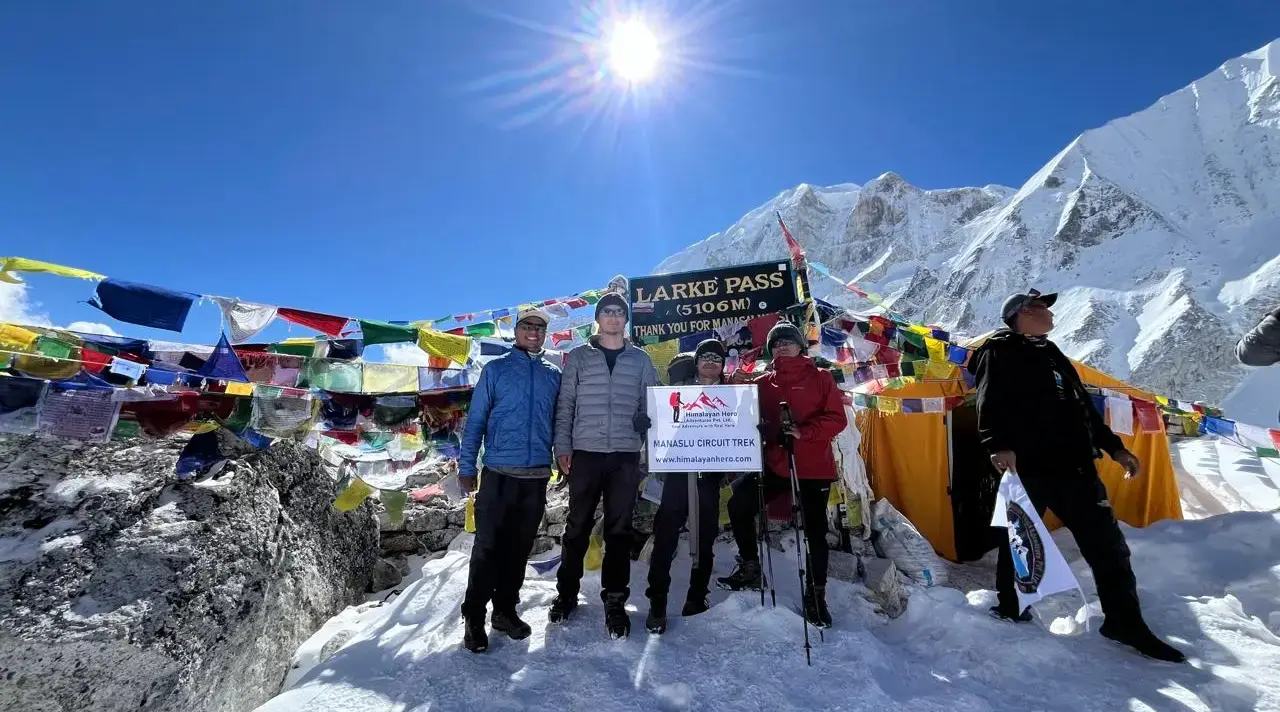
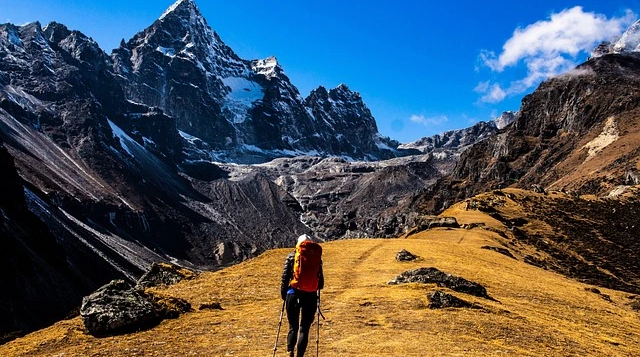
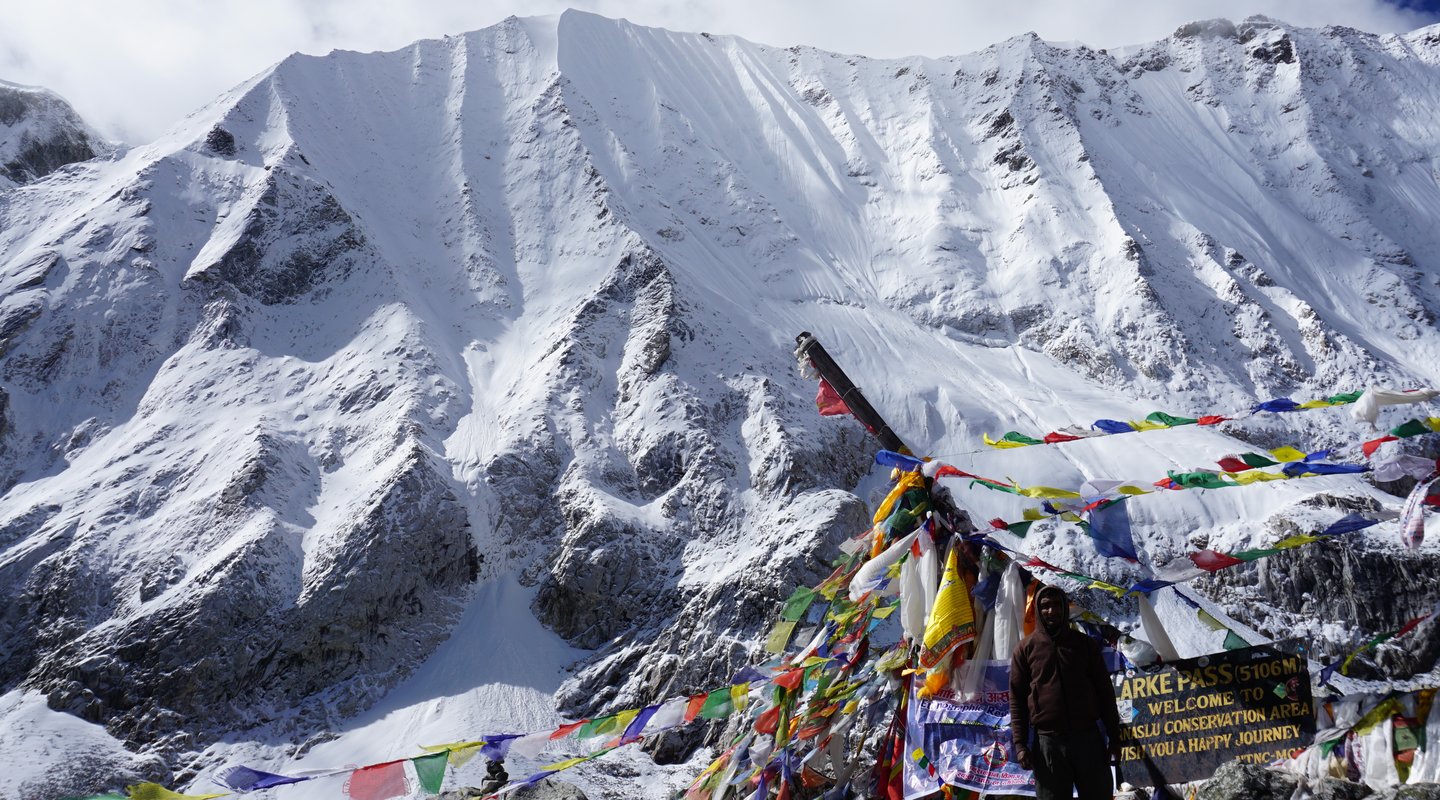
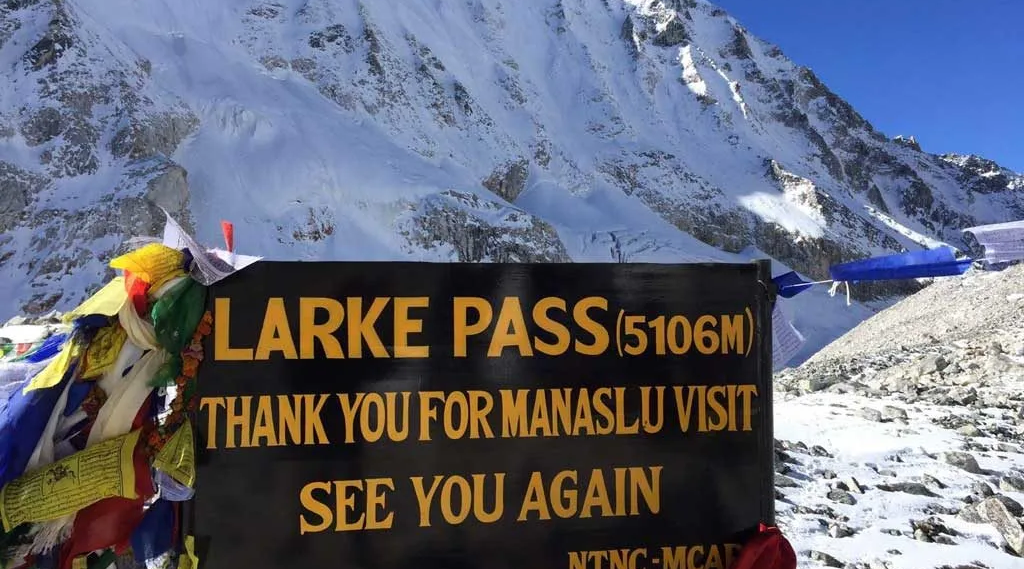
Don’t Let the Wrong Month Ruin Your Nepal Trek (Most First-Time Trekkers Make This Mistake)
I want to be honest with you.
Every year, I meet trekkers in Kathmandu who look excited on the outside—but worried on the inside. They ask the same question in different ways:
“Did I choose the right month?”
Some spent months saving money. Some took rare time off work. And a few quietly admit later:
“I wish someone had explained this properly before I booked.”
Because here’s the truth no one tells you clearly enough:
There is no single ‘best time’ to trek in Nepal.
There is only the best time for you—your body, your budget, your expectations, and your reason for coming.
I’ve seen trekkers disappointed because the mountains stayed hidden behind clouds. I’ve seen others overwhelmed by crowds when they expected peace. And I’ve seen smart travelers quietly enjoy empty trails—simply because they chose the right month.
This guide exists so you don’t have to learn the hard way.
I’m not here to sell you a dream. I’m here to help you make a decision you’ll feel confident about—even months after you return home.
Trekking in Nepal by Season (Quick Overview)
❄️ Winter (December – February)
Best for: Budget trekkers, clear mountain views
Crowd level: Very low
Why you should care:
Lower prices, peaceful trails, and sharp visibility. Perfect if you want a quiet Himalayan experience and don’t mind cold mornings.
🌸 Spring (March – May)
Best for: First-time trekkers, blooming landscapes
Crowd level: High
Why you should care:
Comfortable weather and colorful rhododendron forests make this one of the safest and most enjoyable times to trek Nepal.
🌧️ Monsoon (June – August)
Best for: Green scenery, rain-shadow treks
Crowd level: Very low
Why you should care:
Off-season pricing, dramatic landscapes, and empty trails — if you choose the right region, this is incredible value for money.
🍂 Autumn (September – November)
Best for: Classic treks, festivals, clear skies
Crowd level: Very high
Why you should care:
This is when Nepal looks its best. Expect postcard views, stable weather, and a lively trekking atmosphere.
Why Choosing the Right Month to Trek in Nepal Matters
Most trekking guides list weather facts. What trekkers actually need to know is what each condition does for them. Below is how trekking by the right month directly benefits you as a traveler.
How the Right Trekking Month Benefits You
- Clear skies → Better mountain views → You actually see Everest, Annapurna & Manaslu instead of clouds
- Fewer crowds → Peaceful trails → Better photos, quiet lodges, deeper cultural experience
- Lower season costs → Save hundreds of dollars → Cheaper flights, rooms, and flexible package prices
- Stable weather → Safer trekking → Reduced risk of altitude sickness, delays, and injuries
- Seasonal landscapes → Unique experience → Snowy peaks, blooming forests, or lush green valleys
Choosing the right month isn’t about weather—it’s about maximizing value from your time, money, and effort.
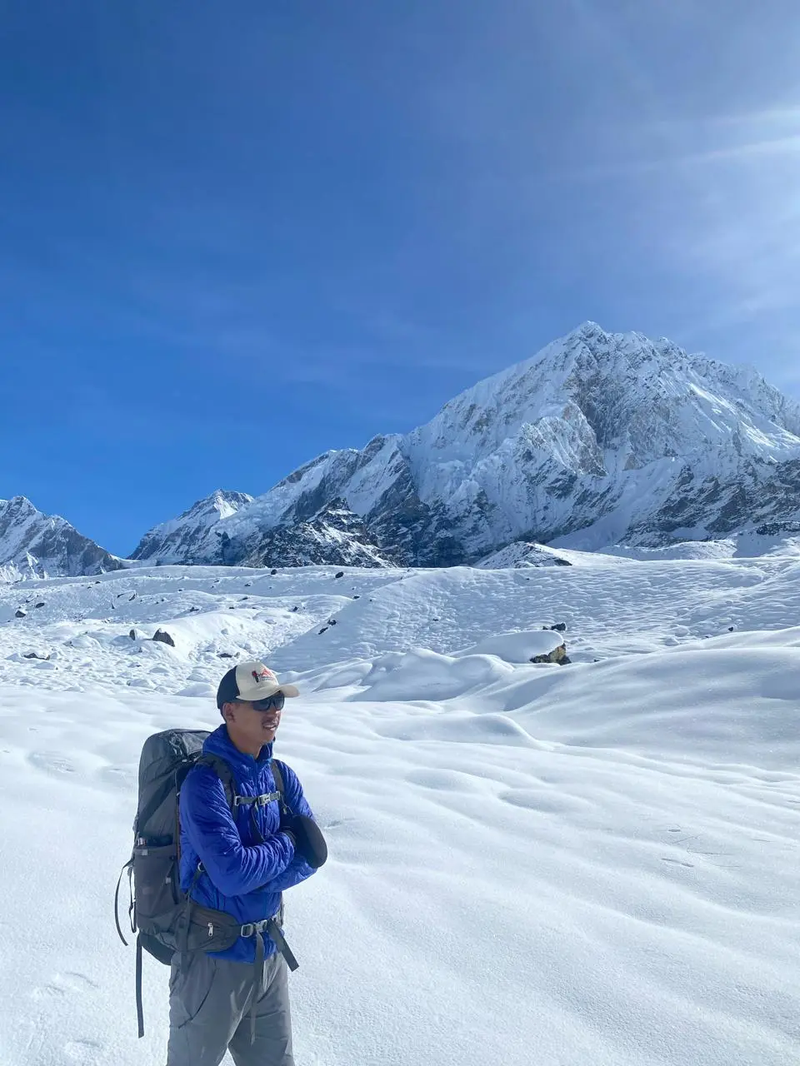
January – Cold, Clear & Quiet
Weather: Cold, especially above 4,000m
January is one of the coldest months for trekking in Nepal, but it also offers crystal-clear mountain views and very few crowds. High passes like Thorong La may be closed due to snow, but lower and moderate-altitude treks are excellent.
Best treks in January:
- Ghorepani Poon Hill Trek
- Langtang Valley (with proper gear)
- Everest View Trek
Pros:
- Very quiet trails
- Lower trekking costs
- Sharp mountain visibility
Cons:
- Extreme cold at high altitude
- Limited lodge availability in remote areas
Recommended for: Budget travelers, photographers, experienced trekkers
February – End of Winter, Fewer Risks
February is slightly warmer than January, and snow starts melting at lower elevations. This is a great shoulder month before peak season begins.
Best treks in February:
Why trek now?
- Fewer crowds than spring
- Cheaper flights and accommodation
- Stable weather compared to January
March – Spring Begins & Rhododendrons Bloom
March marks the start of the spring trekking season. Temperatures rise, snow clears, and rhododendron forests begin to bloom, especially in Annapurna and Langtang regions.
Best treks in March:
Crowds: Moderate
Ideal for: First-time trekkers, nature lovers
April – One of the Best Months to Trek in Nepal
April is widely considered one of the best months to trek in Nepal. The weather is stable, days are warm, nights are tolerable, and mountain views are stunning.
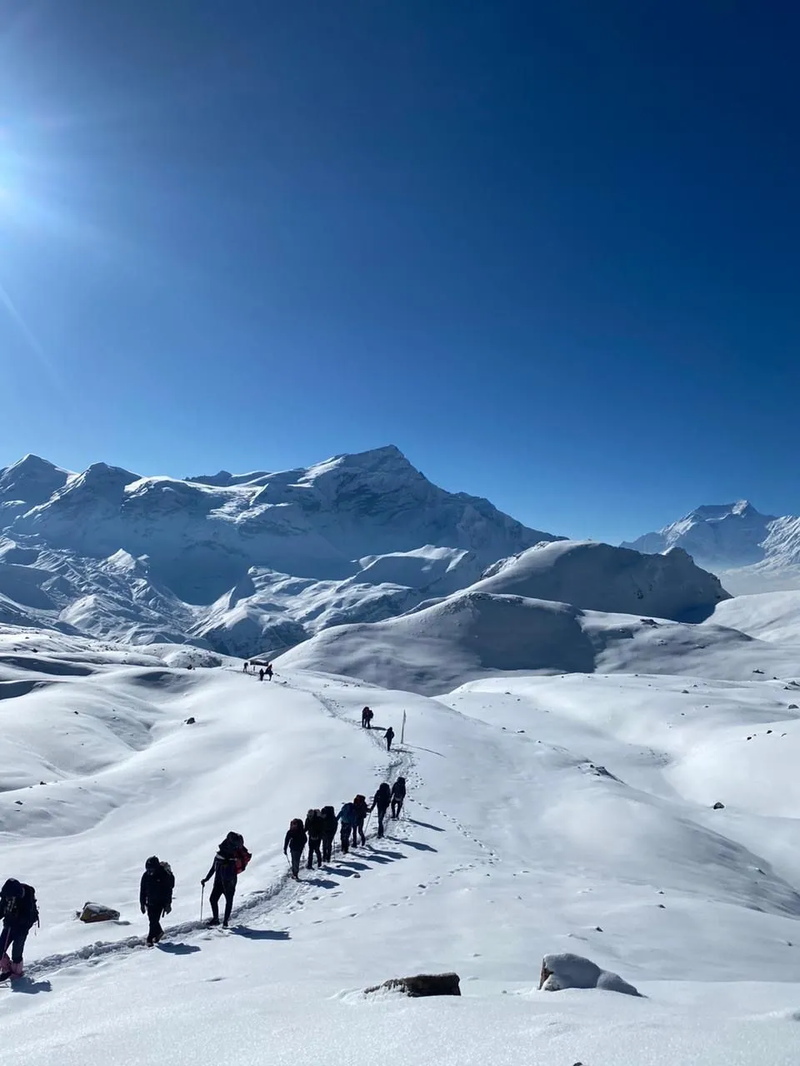
Best treks in April:
Things to note:
- Peak trekking season → book early
- Slight haze in lower regions
May – Warm, Clear & Less Crowded Than April
May offers excellent high-altitude trekking conditions with fewer crowds than April. However, it can get hot at lower elevations.
Best treks in May:
- High-altitude treks (Everest, Manaslu)
- Upper Mustang
- Upper Dolpo
Bonus: Great month for high passes before monsoon arrives
June – Start of Monsoon (Underrated Month)
June marks the beginning of the monsoon, but rainfall is still moderate in early June. Trails are greener, and crowds drop significantly.
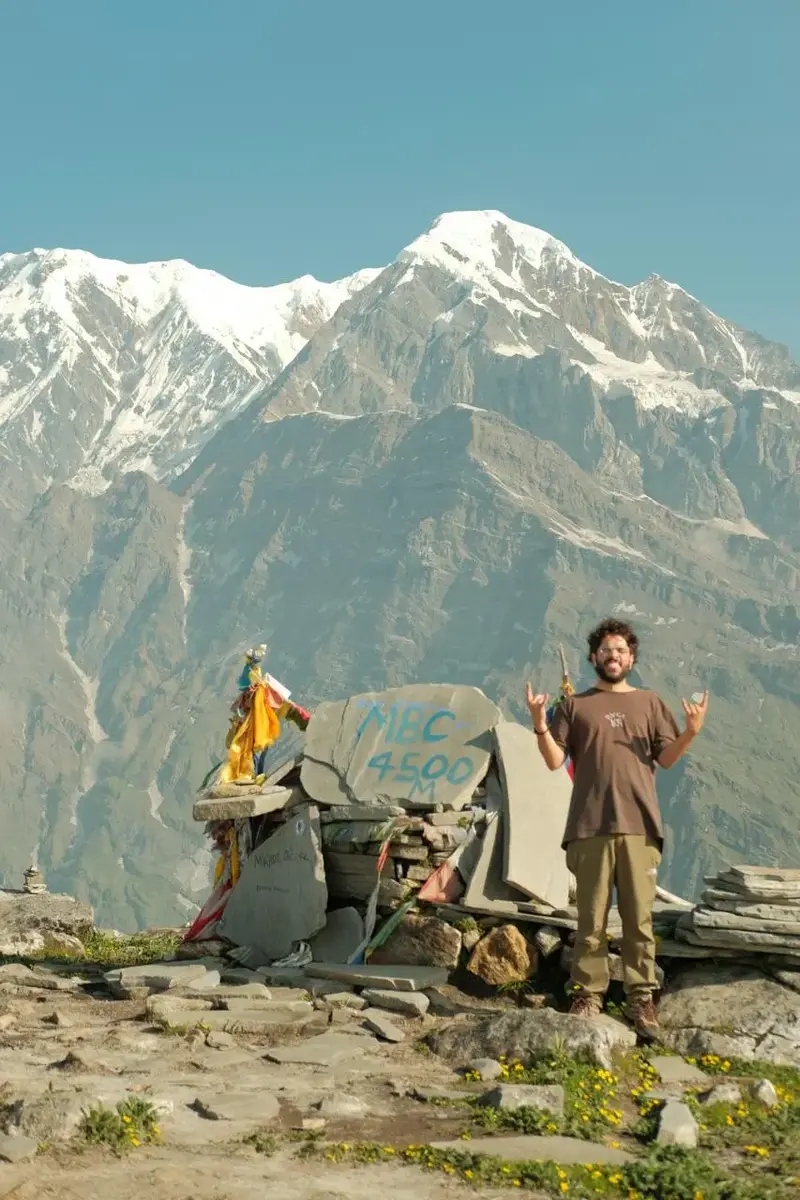
Best treks in June:
- Upper Mustang (rain-shadow area)
- Nar Phu Valley
- Short Annapurna treks
Good for: Budget trekkers and photographers
July – Peak Monsoon, But Not Impossible
July is the wettest month in most trekking regions. Landslides and leeches are common, but rain-shadow treks remain excellent.
Best treks in July:
Avoid: Everest and Annapurna main trails
August – Lush Landscapes & Low Costs
August continues the monsoon pattern but offers incredible greenery and very low trekking costs. Flights and lodges are cheaper.
Best treks in August:
Recommended for: Experienced trekkers, budget travelers
September – Transition Month (Hidden Gem)
September is a transition month. Early September may still see rain, but by mid-to-late September, conditions improve rapidly.
Best treks in late September:
- Everest Base Camp
- Annapurna Circuit
- Langtang Valley
Crowds: Increasing toward October
October – Best Time to Trek in Nepal (Peak Season)
October is the most popular trekking month in Nepal. The monsoon is gone, skies are blue, and temperatures are perfect.
Best treks in October:
- All major treks
- High passes and remote regions
Downside:
- Very crowded trails
- Higher prices
November – Clear Skies & Fewer Crowds
November is another excellent trekking month, especially early to mid-November. It’s slightly colder than October but less crowded.
Best treks in November:
- Everest Base Camp
- Annapurna Circuit
- Manaslu Circuit
December – Start of Winter, Peaceful Trails
December offers clear skies and peaceful trails before heavy snowfall arrives later in the month.
Best treks in December:
- Langtang Valley
- Poon Hill
- Everest View Trek
Ideal for: Trekkers seeking solitude and lower costs
Best Time to Trek in Nepal (Quick Recommendation)
- Best overall: October & April
- Best budget months: January, February, June
- Best for fewer crowds: February, May, November
- Best for photography: October, January, March
How This Guide Helps You Choose the RIGHT Trek Package
At the end of the day, trekking isn’t just about months and weather — you are investing time, money, and effort into a once-in-a-lifetime experience. Choosing the right month ensures you:
- Don’t overpay for peak-season crowds
- Avoid unsafe weather conditions that can ruin itineraries
- Select the trek that performs BEST in that month
- Get maximum value from your trekking package
This guide is designed to help you match the right trekking package with the right month, so you get:
- Better views
- Safer trails
- More comfortable lodges
- A smoother overall experience
Best Trek Packages by Season (Recommended by Himalayan Hero)
🌸 Spring (March–May) – Best for First-Time & Classic Treks
Why book now?
- Stable weather means fewer itinerary changes
- Blooming landscapes = best overall trekking experience
Top Spring Packages:
- Everest Base Camp Trek
- Annapurna Base Camp Trek
- Annapurna Circuit Trek
👉 Best choice if you want a safe, iconic Himalayan trek with predictable conditions.
🍂 Autumn (September–November) – Best for High-Altitude & Bucket-List Treks
Why book now?
- Crystal-clear skies = maximum mountain visibility
- Ideal temperatures = less physical stress
Top Autumn Packages:
- Manaslu Circuit Trek
- Everest Base Camp Trek
- Langtang Valley Trek
👉 Perfect if you want postcard views and don’t mind peak-season demand.
❄️ Winter (December–February) – Best for Budget & Quiet Treks
Why book now?
- Lower prices = save hundreds of dollars
- Fewer trekkers = peaceful trails & lodges
Top Winter Packages:
- Ghorepani Poon Hill Trek
- Everest View Trek
- Langtang Valley Trek
👉 Ideal for travelers who value solitude and affordability over extreme altitude.
🌧️ Monsoon (June–August) – Best for Value & Remote Treks
Why book now?
- Off-season pricing = best value for money
- Rain-shadow areas = surprisingly dry treks
Top Monsoon Packages:
👉 Best for experienced trekkers who want dramatic landscapes without crowds.
Why Book Your Trek with Himalayan Hero?
Choosing the right month is only half the equation — choosing the right local trekking company makes the real difference.
What This Means for You
- Nepal-based local company → better local knowledge, faster support
- Experienced local guides & ethical porters → safer and responsible trekking
- Transparent pricing → no hidden costs, no last-minute surprises
- Custom itineraries by month → your trek is optimized for seasonal conditions
- 24/7 local support → help anytime, anywhere on your trek
- Easy booking & instant confirmation → secure your trek in minutes
- Dedicated team members → personal assistance from planning to completion
👉 Not sure which package fits your travel month?
Talk to a Himalayan Hero trekking expert and get a personalized recommendation based on your dates, fitness level, and budget.
Final Takeaway
The best time to trek in Nepal depends on what you want from your journey — adventure, comfort, budget, or solitude. This guide helps you choose wisely, and Himalayan Hero helps you turn that choice into a perfectly planned trekking experience.