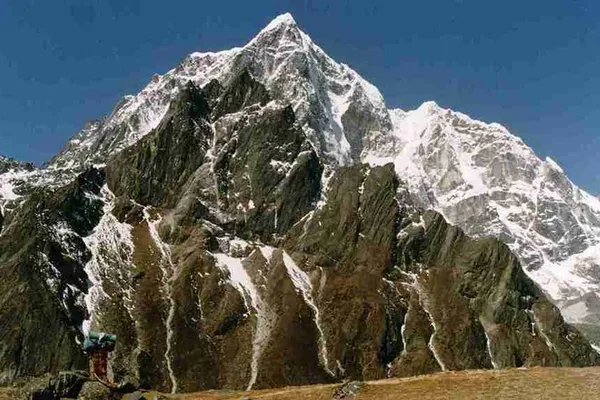
Tsum Valley Trek
Trip Duration
11 Days
Location
Tsum Valley
Grading
Moderate Difficult
Best Season
Oct-Nov-Dec-Mar-Apr-May
Max Altitude
3700m
Starts from
Kathmandu
Ends at
Kathmandu

Tsum Valley Trek – 11 Days: Nepal's Sacred Hidden Buddhist Valley

What if your next Himalayan trek took you beyond the busy trails and into a valley where old Buddhist monasteries, stone villages, and high mountains still feel untouched? The Tsum Valley Trek takes you deep into the Manaslu region, following the Budhi Gandaki River before entering the peaceful Tsum Valley. Often called the “Hidden Valley of Happiness,” Tsum was opened to international trekkers in 2008. Along the way, you can explore Rachen Gompa, Mu Gompa, traditional villages, and the unique Tibetan Buddhist culture of the valley.

In this blog, we cover everything you need to know about the Tsum Valley Trek, including the real cost, permits, best time to trek, route options, difficulty, daily walking conditions, and what to expect from teahouse stays. You’ll also see how Tsum Valley compares with the Manaslu Circuit Trek, so you can understand which route fits your trekking plans before you book.

Tsum Valley Trek at a Glance

Trek Details Information
Duration 11 Days
Maximum Altitude 3,700 m at Mu Gompa
Difficulty Moderate
Best Season March–May and September–November
Group Size Minimum 2 trekkers
Start Point Machha Khola
End Point Dharapani
Accommodation Teahouse
Permits Required Manaslu Restricted Area Permit, Tsum Valley Special Permit, and Manaslu Conservation Area Permit (MCAP)
Trek Style Teahouse trek

Tsum Valley Trek Cost 2026

The Tsum Valley Trek starts from $899 per person with Himalayan Hero. Your final spending can vary depending on the season, group size, porter requirements, personal choices, and extra services. Here is a simple breakdown to help you plan your trekking budget.

Tsum Valley Trek Food, Accommodation and Other Costs

Expense Category Item Estimated Cost
Food Breakfast $5–8/day
Lunch $6–10/day
Dinner $7–12/day
Tea, Coffee & Snacks $3–7/day
Drinking Water $2–5/day
Accommodation Teahouse Accommodation $8–20/night
Wi-Fi & Charging $10–30 total
Hot Shower & Laundry $15–40 total
Guide & Porter Trekking Guide $30–50/day
Porter $20–30/day
Guide/Porter Tips $80–150
Transportation Kathmandu to Machha Khola $30–60
Return Transportation $30–60
Other Expenses Travel Insurance $50–150
Personal Expenses $50–100
Snacks & Drinks $30–70
Emergency Expenses As required

Tsum Valley Trek Permit Cost

The Tsum Valley Trek requires several permits because the valley is a restricted trekking area. Fees vary depending on the season and the number of days covered by the permit.

Permit / Fee September–November December–August
Tsum Valley Special Permit, 7 Days $140 $105
Tsum Valley Special Permit, 12 Days $235 $190
Tsum Valley Special Permit, 14 Days $279 $224
Conservation Area + Chumnubri Fees ~$49–52 ~$49–52

Tsum Valley Trek Itinerary at a Glance

Day Route Altitude Walking / Travel Time
Day 1 Kathmandu → Machha Khola ~900 m 8–9 hrs drive
Day 2 Machha Khola → Jagat via Tatopani 1,410 m 5–6 hrs
Day 3 Jagat → Lokpa 2,200 m 4–5 hrs
Day 4 Lokpa → Chumling 2,386 m 5–6 hrs
Day 5 Chumling → Chhokangparo 3,010 m 5–6 hrs
Day 6 Chhokangparo → Nile via Milarepa Cave 3,361 m 6–7 hrs
Day 7 Nile → Mu Gompa → Nile 3,700 m 4–5 hrs
Day 8 Nile → Chumling 2,386 m 5–6 hrs
Day 9 Chumling → Philim 1,590 m 6–7 hrs
Day 10 Philim → Machha Khola ~900 m 5–6 hrs
Day 11 Machha Khola → Kathmandu — Drive

Note: Permit fees can change according to current government regulations, trekking dates, and the number of days spent in the restricted area. The required permits are normally arranged by the trekking agency before the trek.

Best Time to Visit Tsum Valley

The best time for the Tsum Valley Trek is spring (March to May) and autumn (September to November). These months usually bring clearer mountain views, comfortable daytime temperatures, and better trail conditions. But each season feels different in Tsum Valley, so your choice depends on whether you care more about flowers, quiet trails, stable weather, or winter scenery.

Spring (March–May)

Spring is one of the most enjoyable times for the Tsum Valley Trek. The weather gradually becomes warmer, rhododendrons start blooming, and the mountain views are often clear, especially in the morning.

March can still feel cold at higher elevations, while April and May are generally more comfortable for walking. You may also experience local festivals and cultural events during this period. Lhosar is particularly important in the region, although its date changes each year according to the Tibetan lunar calendar.

Why trek in spring?

  • Rhododendrons and other flowers are in bloom
  • Clear views of the surrounding mountains
  • Comfortable daytime trekking temperatures
  • Good trail conditions
  • Local villages feel lively

Summer/Monsoon (June–August)

Summer and monsoon are not the easiest months for Tsum Valley, but they are not impossible either. Rain is more common, especially on the lower sections of the trail, and muddy paths can make walking slower.

You may also encounter leeches on wetter, lower trails, while clouds can hide the mountain views. On the positive side, the valley becomes very green and peaceful, and there are fewer trekkers compared with spring and autumn.

Pros:

  • Lush green landscapes
  • Fewer trekkers
  • Quieter teahouses
  • Fresh scenery after rainfall

Cons:

  • Frequent rain
  • Muddy and slippery trails
  • Leeches on lower sections
  • Cloudy mountain views
  • Possible road and transportation delays

Autumn (September–November)

Autumn is the peak trekking season in Tsum Valley. After the monsoon rains, the air is generally clearer, giving you better chances of seeing the surrounding mountains and enjoying crisp Himalayan views.

September can still have some leftover monsoon rain, especially early in the month. October and November usually offer more stable conditions. The downside is that popular teahouses can become busy, particularly during the main trekking weeks.

Why autumn is popular:

  • Excellent mountain visibility
  • Stable and dry weather
  • Comfortable trekking temperatures
  • Good trail conditions
  • More reliable transportation
  • Busy but lively trekking atmosphere

Winter (December–February)

Winter brings a completely different experience to Tsum Valley. Temperatures drop sharply, especially at night, and higher sections can receive snow. There are fewer trekkers, which means you can enjoy a much quieter trail.

The main challenge is accommodation and cold. Some teahouses may operate with limited services or close for the winter, so advance planning is important. Snow and freezing temperatures can also make higher sections more demanding.

Winter is suitable if you are prepared for:

  • Very cold mornings and nights
  • Snow at higher elevations
  • Fewer open teahouses
  • Limited services in some villages
  • Shorter daylight hours
  • More challenging trail conditions

Tsum Valley Trek Season at a Glance

Season Weather Trail Crowds Best For
Spring Mild and generally clear Good Moderate Flowers and mountain views
Monsoon Wet and humid Muddy in places Low Green landscapes and quiet trails
Autumn Dry and clear Excellent High Clear views and reliable weather
Winter Very cold Snow possible Low Quiet trails and winter scenery

Tsum Valley Trek Difficulty

The Tsum Valley Trek is generally considered moderate, but it is less demanding than the full Manaslu Circuit because you do not cross a high mountain pass such as Larkya La Pass. The highest point is around 3,700 m at Mu Gompa, but you still need to prepare for long walking days, changing terrain, and altitude.

How Difficult Is the Tsum Valley Trek?

Most trekking days involve around 5–7 hours of walking, depending on the route, pace, and trail conditions. You will walk through forests, stone paths, suspension bridges, villages, and sections with uneven or rocky ground.

The trek is not technically difficult, but some days can feel tiring because of the steady uphill and downhill walking. The higher you go into Tsum Valley, the colder and more basic the trail facilities become.

Is Altitude a Problem on the Tsum Valley Trek?

Altitude is something you should take seriously, even though the trek does not reach extreme elevations. Mu Gompa is around 3,700 m, so your body still needs time to adjust as you gain height.

A sensible pace, enough water, proper sleep, and gradual altitude gain can make the trek more comfortable. If you develop symptoms such as a persistent headache, dizziness, unusual tiredness, or difficulty breathing, tell your guide rather than trying to push through.

Who Is the Tsum Valley Trek Suitable For?

The trek can be a good fit if you are:

  • A first-time high-altitude trekker with reasonable fitness
  • Interested in Tibetan Buddhist culture and traditional villages
  • Comfortable walking 5–7 hours a day
  • Looking for a quieter Himalayan experience
  • Prepared for basic teahouse accommodation

It may not be the right choice if you want a very easy walking holiday, dislike several hours of uphill and downhill walking, or are specifically looking for a high-pass adventure like Larkya La.

Overall verdict: The Tsum Valley Trek is a moderate Himalayan trek rather than an extreme one. You do not need technical climbing skills or experience crossing a 5,000 m pass, but good fitness and sensible altitude preparation are still important.


Tsum Valley Trek vs. Manaslu Circuit Trek

Both treks follow the Budhi Gandaki region and share parts of the approach, but they offer quite different experiences. Tsum Valley focuses more on Tibetan Buddhist culture, monasteries, and quieter villages, while the Manaslu Circuit offers a longer high-altitude journey with the Larkya La Pass crossing.

Factor Tsum Valley Trek Manaslu Circuit Trek None
Duration 11 days Usually 14–18 days None
Max Altitude ~3,700 m at Mu Gompa 5,106 m at Larkya La Pass None
Permits Tsum Valley RAP, required conservation-area permits Manaslu RAP, required conservation-area permits, and other applicable permits None
Difficulty Moderate Moderate to challenging None
Crowd Level Generally quieter Busier during peak seasons None
Cultural Focus Strong Tibetan Buddhist culture, monasteries, and traditional villages Tibetan and Himalayan culture combined with diverse landscapes and villages None
Cost From $899 with Himalayan Hero Depends on itinerary and package None
Best For Cultural travelers, quieter trails, and trekkers who do not want a high-pass crossing Trekkers seeking a longer adventure and a high mountain pass None

Why Choose Himalayan Hero for the Tsum Valley Trek?

Tsum Valley is not a trek where everything works like a busy tourist route. Teahouses are limited in some villages, permits have to be arranged correctly, and conditions can change as you move deeper into the valley. Having a local trekking company handle the logistics can make the trip much simpler.

  • Local trekking support: Travel with a guide familiar with the Manaslu and Tsum Valley region, local trails, villages, and teahouse conditions.
  • Permit arrangements: The required restricted-area and conservation permits are arranged before you start the trek.
  • Small-group experience: Smaller groups can make it easier to maintain a comfortable walking pace and adjust plans when needed.
  • Flexible departures: Choose a departure that fits your travel schedule rather than waiting for a large fixed group.
  • Teahouse coordination: Accommodation can be arranged ahead of time, which matters more in Tsum Valley where lodging options are limited in some sections.
  • Local logistics: Transportation, accommodation, guides, and trekking arrangements can be coordinated through one team.
  • Support on the trail: Your guide can help communicate with local teahouses and deal with practical issues during the trek.

The goal is simple: spend less time worrying about permits, rooms, transport, and trail logistics, and more time enjoying the villages, monasteries, and mountains of Tsum Valley.


Ready to Trek the Hidden Valley?

Tsum Valley still feels wonderfully remote, with quiet trails, old monasteries, stone villages, and mountain views that stay with you long after the trek. But once the main trekking season ends, weather and limited teahouse availability can make the valley much harder to access. Upper Tsum has fewer beds too, so leaving your plans until the last minute may limit your choices.

If this hidden valley has been on your mind, you don't need to decide everything today. Talk to our Tsum Valley trek specialist about the route, dates, permits, and what to expect.

Itinerary


Day 01 Drive from Kathmandu to Machhakhola

Travel Duration: 8–9 hours |
Accommodation: Teahouse |
Meals: Breakfast, Lunch, Dinner

Your Tsum Valley adventure begins with a scenic drive westward from Kathmandu. After breakfast and hotel checkout, we travel through Dhading Besi, the district headquarters, continuing through terraced hillsides, traditional villages, and alongside rushing rivers. The journey offers constantly changing landscapes—from subtropical lowlands to rugged mountain terrain—providing an excellent introduction to rural Nepal. The road follows the Budhi Gandaki River valley, which will be your companion for the trekking days ahead. Arriving at Machhakhola by late afternoon, you'll settle into your first teahouse and meet fellow trekkers over dinner.

Day 02 Trek from Machhakhola to Jagat (1,410m) via Tatopani

Trekking Duration: 5–6 hours |
Accommodation: Teahouse |
Meals: Breakfast, Lunch, Dinner

Today's trek follows the dramatic Budhi Gandaki gorge, crossing multiple suspension bridges that sway above the rushing river below. The trail undulates through Tharo Khola, Dovan, and eventually reaches Tatopani—a village famous for its natural hot springs. Take time to soak in the therapeutic waters, which locals believe cure skin ailments and refresh weary travelers. The hot springs provide a perfect midday break before continuing to Jagat, a historic trading village where Tibetan merchants once exchanged salt and wool for lowland grains. The day introduces you to the rhythm of teahouse trekking, with warm hospitality awaiting at day's end.

Day 03 Trek from Jagat to Lokpa (2,200m)

Trekking Duration: 4–5 hours |
Accommodation: Teahouse |
Meals: Breakfast, Lunch, Dinner

The trail climbs steadily through increasingly beautiful terrain as you ascend toward Tsum Valley's gateway. Beginning with a ridge climb to Salleri, the path then traverses through Sirdibas, crosses Ghatta Khola, and passes the welcoming Gurung village of Philim. Dense forests of rhododendron and pine provide shade, while cascading waterfalls add dramatic beauty to the journey. Chisopani offers a rest stop before the final stretch to Lokpa. This village marks the junction where the trail branches toward Tsum Valley, separating from the main Manaslu Circuit route. You'll notice the landscape beginning to take on a more Tibetan character as you gain elevation.

Day 04 Trek from Lokpa to Chumling (2,386m)

Trekking Duration: 5–6 hours |
Accommodation: Teahouse |
Meals: Breakfast, Lunch, Dinner

Today you officially enter the sacred Tsum Valley, and the change in atmosphere becomes immediately apparent. The trail climbs steadily, offering tantalizing glimpses of snow-capped Himalayan peaks playing hide-and-seek through the clouds. You'll pass through the small settlement of Lungwa Khola before ascending through fragrant pine forests and crossing Siyar Khola. Chumling, your destination, is a traditional village where prayer flags flutter from rooftops and ancient chortens line the pathways. Take time to explore the village, visit the local monastery, and interact with the warm Tsumba people who call this remote valley home.

Day 05 Trek from Chumling to Chhokangparo (3,010m)

Trekking Duration: 5–6 hours |
Accommodation: Teahouse |
Meals: Breakfast, Lunch, Dinner

The journey to Chhokangparo takes you deeper into the cultural heart of Tsum Valley. After crossing a suspension bridge, the trail passes through Gho village, where traditional stone houses and terraced barley fields create a timeless landscape. Chhokangparo itself consists of twin villages connected by agricultural land, representing one of the valley's most photogenic settlements. The mighty Ganesh Himal range dominates the skyline, providing a spectacular backdrop to the ancient village architecture. Spend the afternoon exploring the area, visiting Rachen Gompa perched on the hillside above, and watching the sunset paint the mountains in golden light.

Day 06 Trek from Chhokangparo to Nile (3,361m) with Milarepa Cave Visit

Trekking Duration: 6–7 hours |
Accommodation: Teahouse |
Meals: Breakfast, Lunch, Dinner

This culturally rich day takes you through the upper Tsum Valley's most significant sites. The trail passes through several traditional villages—Lamagoan, Lar, Phurbe, Pangdun, and Chhule—each offering glimpses into authentic Himalayan life. After crossing a rope suspension bridge over Shiar Khola, you'll climb to visit Chhule Monastery perched dramatically atop a hill, followed by the sacred Milarepa Cave where the legendary saint meditated centuries ago.

The spiritual significance of this site is profound:

  • Milarepa is revered as Tibet's greatest yogi and poet
  • The cave retains an atmosphere of deep contemplation
  • Local pilgrims regularly visit seeking blessings
  • The viewpoint offers stunning vistas of Poshyop Glacier, Kipu Himal, and Churke Himal

Continuing upstream, you'll reach Nile village, which serves as the base for tomorrow's Mu Gompa exploration. Breakfast, Lunch, and Dinner Included.

Day 07 Trek to Mu Gompa (3,700m) and Return to Nile

Trekking Duration: 4–5 hours |
Accommodation: Teahouse |
Meals: Breakfast, Lunch, Dinner

Today marks the spiritual pinnacle of your Tsum Valley Trek as you visit Mu Gompa, Nepal's largest Buddhist monastery. The morning walk follows the west bank of the valley through landscapes that feel distinctly Tibetan, with the border just kilometers away. Rows of ancient chortens line the trail, and wide mountain vistas open up as you ascend.

Mu Gompa is extraordinary for several reasons:

  • Over 100 monks reside here in active spiritual practice
  • The monastery dates to the 15th century with original murals intact
  • Morning prayers create an unforgettable soundscape of chanting and horns
  • The remote location has preserved traditions lost elsewhere

En route, you'll visit Dhephu Doma Gompa, perfectly positioned for sunrise views over the narrowing valley walls. After thorough exploration of Mu Gompa's temples, courtyards, and prayer halls, you'll return to Nile for the night, carrying memories that will last a lifetime.

Day 08 Trek from Nile to Chumling (2,386m)

Trekking Duration: 5–6 hours |
Accommodation: Teahouse |
Meals: Breakfast, Lunch, Dinner

Beginning the return journey, you'll retrace the trail through now-familiar landscapes, but the perspective changes when walking in the opposite direction. The descent from Nile takes you back through Chhokangparo, where you might spot details missed on the way up, then continues through dense rhododendron and pine forests alive with bird calls. Crossing the suspension bridge over Sarpu Khola, you'll arrive in Chumling with time to reflect on the sacred sites visited and conversations shared with monks and villagers. The teahouses here provide comfortable rest as you process the profound experiences of the upper valley.

Day 09 Trek from Chumling to Philim (1,590m)

Trekking Duration: 6–7 hours |
Accommodation: Teahouse |
Meals: Breakfast, Lunch, Dinner

Today's longer descent exits Tsum Valley proper and returns you toward the main Budhi Gandaki corridor. The trail passes back through Lokpa, the gateway village where you first entered the sacred valley, then continues descending through subtropical forests. One highlight worth savoring again is the magnificent Samba Falls, which appears even more impressive when viewed from this direction. The Gurung village of Philim provides tonight's accommodation, offering a cultural contrast to the Tibetan-influenced villages of the upper valley. The warmer lower elevation and lush vegetation signal your return toward the lowlands.

Day 10 Trek from Philim to Machhakhola

Trekking Duration: 5–6 hours |
Accommodation: Teahouse |
Meals: Breakfast, Lunch, Dinner

Your final trekking day descends through the lower Budhi Gandaki valley, completing the walking portion of your Tsum Valley adventure. The trail continues its undulating path through riverside forests, past small settlements, and across the suspension bridges that have become familiar features of this journey. The vegetation grows increasingly lush as you lose elevation, and the temperature rises noticeably. Arriving at Machhakhola marks the completion of nine days of trekking through one of Nepal's most remarkable regions. Celebrate with fellow trekkers over a final trail dinner, sharing favorite memories and photographs from the journey.

Day 11 Drive from Machhakhola to Kathmandu

Travel Duration: 8–9 hours |
Accommodation: Hotel in Kathmandu |
Meals: Breakfast, Lunch, Dinner

The final day brings a scenic drive back to Kathmandu, following the Budhi Gandaki, Marsyangdi, and Trishuli rivers through constantly changing landscapes. Snow-capped mountains give way to green hills, farming terraces, and traditional villages as you approach the capital. This journey provides time to decompress and reflect on the experiences of the past eleven days while enjoying the comfortable vehicle after nine days on foot.

Arriving in Kathmandu, you'll transfer to your hotel with time to:

  • Freshen up and rest
  • Explore the touristic Thamel district
  • Purchase gifts and souvenirs for loved ones
  • Enjoy a celebration dinner marking your successful trek completion

The sacred valley's peace and spiritual energy will stay with you long after you've returned to the modern world.

Inclusion

  • Airport - hotel -airport pickup and drop by private vehicle in Kathmandu.
  • Meals on full board (Breakfast, lunch and dinner) during trekking period.
  • 10 Nights clean and Nice accommodations during the trek in a tea house
  • An experienced Government-licensed guide.
  • Food, drinks, accommodation, insurance, salary, equipment, transportation, local tax for guides and porters.
  • Kathmandu to Machhakhola by Bus
  • Machhakhola to Kathmandu by bus
  • All transfer to Bus station by private vehicle
  • All necessary permits and special paperwork
  • All government taxes and our service charges.
  • Farewell Dinner before departure.

Extra Supplement By Himalayan Hero

  • Group medical supplies (First Aid kit).
  • Sleeping Bag if required
  • Himalayan Hero Cap
  • Duffle Bag for Potter
  • Farewell Dinner before departure
  • Seasonal Fruit in the evening for Dessert
  • Manaslu and Tsum Valley area Trekking map
  • Trek Achievement Certificate.

Exclusion

  • Personal trekking Equipment.
  • Potter to carry your bags ( 200 USD for 1 Potter, 11 days)
  • Tips, drinks, and personal expenses
  • Hotel in Kathmandu
  • Client Travel Insurance

FAQs about travel in himalayanhero.com

How much does Tsum Valley trek cost including permits and guide?

The total Tsum Valley trek cost ranges from USD 1,400-3,200 per person. Budget packages start at USD 1,400 including all Tsum Valley permits (approximately USD 130), basic accommodation, meals, and guide services. Standard packages (USD 1,800-2,400) add comfort and flexibility, while premium options reach USD 3,200 with senior guides and best available services. The Tsum Valley guide cost alone runs USD 30-45 daily.

What is Tsum Valley trek difficulty level and fitness requirement?

The Tsum Valley trek difficulty is rated moderate, suitable for reasonably fit individuals. Daily walks average 5-7 hours on good trails with maximum altitude of 3,700m at Mu Gompa monastery. Required fitness includes ability to walk 6 hours daily carrying 5-7kg daypack. Preparation should include 6-8 weeks of cardio training, hill walking, and core strengthening exercises.

Do I need a restricted area permit for Tsum Valley trek?

Yes, the restricted area permit Nepal is mandatory for Tsum Valley Trek. The permit costs USD 40/week (Sep-Nov) or USD 30/week (Dec-Aug), plus USD 7 or USD 5 per additional day. You also need Manaslu Conservation Area permit and ACAP permit. All permits must be arranged through registered agencies with minimum two trekkers required.

How can I see Mu Gompa monastery and Milarepa cave in Tsum Valley?

Mu Gompa monastery sits at 3,700m, reached on day 10 of standard itineraries. Plan minimum two nights for proper exploration. The Milarepa cave hike to Piren Phu requires a half-day detour from main trail near Chhule village. Most Tsum Valley trek itinerary plans include both sites with adequate time for spiritual experiences and photography.

When is the best season to trek Tsum Valley in Manaslu region?

Best seasons for Tsum Valley Trek are autumn (September-November) and spring (March-May). Autumn offers clearest Ganesh Himal views and stable weather. Spring features rhododendron blooms and pleasant temperatures. Winter is possible but very cold. The Manaslu Circuit Tsum Valley combination works best in autumn for optimal conditions.

Can I combine Tsum Valley with Manaslu Circuit trek?

Yes, the Manaslu Circuit Tsum Valley combination creates an comprehensive 24-28 day adventure. This requires additional permits and extends through both valleys. The combined trek offers diverse experiences from Buddhist monasteries Tsum Valley to high Larkya La Pass (5,135m). Plan extra days and budget approximately USD 2,500-3,500 for the complete journey.

What cultural experiences await in Tsum Valley villages?

The village culture Tsumbas offers authentic interactions including homestays, traditional ceremonies, and daily life participation. Visit during festivals for masked dances and celebrations. The nunnery trek Nepal to Rachen Gompa provides unique insights into Buddhist nun life. Expect warm hospitality, butter tea ceremonies, and opportunities to learn traditional crafts.

Is solo trekking allowed in Tsum Valley restricted area?

No, solo trekking is prohibited in Tsum Valley. The restricted area permit Nepal regulations require minimum two trekkers with registered guide. This ensures safety and cultural sensitivity in remote areas. Single travelers can join group departures or find partners through agencies. The guide requirement enhances safety and cultural understanding throughout the trek.

What gear is essential for high altitude Tsum Valley trekking?

Essential gear includes -10°C sleeping bag, layered clothing system, waterproof jacket, sturdy trekking boots, and sun protection. The 3,700m altitude at Mu Gompa monastery demands warm clothing. Bring water purification, headlamp, first aid supplies, and trekking poles. Most gear is rentable in Kathmandu. Pack modest clothing for Buddhist monasteries Tsum Valley visits.

How remote is Tsum Valley compared to other Nepal treks?

Tsum Valley Trek ranks among Nepal's most remote accessible treks. Unlike Everest or Annapurna regions, Tsum sees fewer than 2,000 annual visitors. Limited infrastructure means basic facilities but authentic experiences. The restricted status preserves village culture Tsumbas authenticity. Expect minimal commercialization, genuine hospitality, and pristine natural environments throughout the journey.

How long is the Tsum Valley Trek?

Our standard Tsum Valley Trek is 11 days, including 9 days of trekking and 2 days of driving between Kathmandu and the trailhead. This duration allows comfortable daily distances, proper exploration of cultural sites, and time to reach Mu Gompa at 3,700m. The total trekking distance covers approximately 95 kilometers round trip.

Is Tsum Valley worth it?

Absolutely. Tsum Valley offers Nepal's most authentic Tibetan Buddhist cultural experience outside of restricted Upper Mustang or Dolpo. As the country's only recognized "beyul" (sacred hidden valley), it preserves traditions, architecture, and spiritual practices unavailable elsewhere. The combination of Mu Gompa, Milarepa caves, and traditional villages creates a profoundly meaningful journey for cultural travelers.

How much does it cost to trek the Tsum Valley?

The Tsum Valley Trek costs $1,250–1,650 for our complete 11-day guided package, including all permits ($70–95), transportation, accommodation, meals, guide, and porter. Budget travelers managing their own logistics might reduce costs slightly, but the restricted area permit requires agency booking regardless. Premium private treks with upgraded services range from $1,800–2,200.

How to reach Tsum Valley?

Reach Tsum Valley by driving from Kathmandu to Machhakhola (8–9 hours by jeep), then trekking 3 days through the Budhi Gandaki gorge to Lokpa, where the trail enters Tsum Valley proper. No flights serve the area—road access followed by multi-day trekking is the only option. This actually ensures gradual acclimatization and eliminates weather-related flight disruptions.

What is the best time for Tsum Valley Trek?

October and November offer the best conditions with stable weather, clear skies, and comfortable temperatures. March through May provides an excellent alternative with rhododendron blooms and fewer trekkers. Avoid June through August when monsoon rains make trails dangerous and most teahouses close.

Is Tsum Valley Trek difficult?

The Tsum Valley Trek rates as moderate difficulty, accessible to reasonably fit individuals without prior high-altitude experience. Maximum elevation reaches only 3,700m at Mu Gompa—significantly lower than popular high-pass treks—minimizing altitude sickness risks. Daily walking averages 5–6 hours on well-maintained trails with no technical climbing required.

Do I need a guide for Tsum Valley Trek?

Yes, licensed guides are mandatory for all foreign trekkers in Tsum Valley. The restricted area permit requires agency booking with minimum 2 trekkers and an officially registered guide. This regulation preserves cultural integrity while ensuring visitor safety in this remote region. Independent trekking is not permitted.

Can I combine Tsum Valley with Manaslu Circuit?

Yes, for those with additional time, an 18–22 day combined Manaslu Tsum Valley Trek explores both areas. The trails share the initial approach through Budhi Gandaki gorge before separating at Lokpa. The combination requires higher fitness levels as the Manaslu Circuit portion crosses Larkya La pass at 5,106m. Contact us for customized combination itineraries.

What permits are needed for Tsum Valley?

Three permits are required: Restricted Area Permit ($35–50/week), Manaslu Conservation Area Permit (NPR 3,000), and TIMS card ($10–20). All permits must be arranged through registered trekking agencies—individual applications are not accepted. Our package includes all permit processing and fees.

Are there ATMs on the Tsum Valley Trek?

No ATMs exist anywhere along the Tsum Valley Trek route. Carry sufficient Nepali rupees for the entire journey—approximately NPR 15,000–25,000 for personal expenses beyond package inclusions (hot showers, charging, snacks, drinks, tips). The nearest ATMs are in Kathmandu before departure.

Customer Reviews


E

Emma Richardson — United Kingdom

""Mu Gompa took my breath away—watching the monks' morning prayers with Himalayan peaks in the background was unforgettable. Our guide Pemba's knowledge of Buddhist traditions made every monastery visit deeply meaningful.""

Oct. 12, 2024

M

Marcus Weber — Germany

""After doing EBC and Annapurna, I thought I'd seen Nepal's best, but Tsum Valley proved me wrong. The authentic villages and zero crowds made this feel like stepping back in time.""

Nov. 10, 2024

S

Sarah Chen — Canada

""The moderate altitude and well-paced itinerary made this ideal for my first trek in Nepal. Himalayan Hero's team handled everything perfectly, and the Milarepa caves were a highlight I'll never forget.""

April 28, 2024

USD 899.00 per person

Secure Your Booking with Just 10% Down!