Nepal has revolutionized its trekking permit system with groundbreaking changes announced in March 2026, making restricted area trekking significantly more accessible for solo travelers worldwide. The Department of Immigration's latest policy allows individual trekkers to obtain permits for previously group-only restricted regions, marking the most significant update to Nepal trekking permit rules in over a decade.
This comprehensive guide breaks down everything foreign trekkers need to know about the Nepal restricted area trekking permit 2026 regulations, online application processes, mandatory requirements, and what these changes mean for popular restricted treks like Manaslu Circuit, Tsum Valley, Upper Mustang, and Kanchenjunga Base Camp.
What Changed (Quick Summary):
- Solo trekkers can now obtain restricted area permits (previously required a minimum of 2 trekkers)
- Maximum group size limited to 7 trekkers per permit (down from unlimited)
- Online permit application system launched for foreign tourists
- A visa number is now required for permit applications
- Mandatory guide and agency requirements remain unchanged
- All emergency rescue responsibilities fall on registered agencies
These updates address longstanding frustrations among independent travelers while maintaining safety protocols and supporting Nepal's trekking guide industry. Understanding these Nepal trekking rules for foreigners ensures smooth permit processing and legal compliance for your 2026 Himalayan adventure.
What Has Changed in Nepal Trekking Rules (2026 Update)
The Department of Immigration's March 2026 announcement represents Nepal's most traveler-friendly policy shift in restricted area trekking history. Director and spokesperson Tikaram Dhakal confirmed these changes aim to reduce tourist inconvenience while promoting Nepal's trekking industry without compromising safety standards.
Solo Trekkers Now Permitted in Restricted Areas
The most significant change answers the question "Can solo trekkers trek restricted areas in Nepal?" with a definitive yes. Previously, restricted area permits required a minimum of two-trekker groups, forcing solo travelers to find partners through online forums, agencies, or abandon plans entirely. This restriction particularly frustrated experienced trekkers accustomed to independent hiking who simply wanted to explore Nepal's remote regions alone.
Under the 2026 Nepal trekking permit rules, a single trekker can now obtain Restricted Area Permits (RAP) for regions like Manaslu Circuit, Tsum Valley, Upper Mustang, Dolpo, and Kanchenjunga—provided they meet all other regulatory requirements.
Key Requirements for Solo Trekkers:
- Must apply through a registered Nepali trekking agency (cannot apply individually)
- Mandatory licensed trekking guide throughout the restricted area
- The agency assumes full legal responsibility for trekker safety and emergency rescue
- All standard permit fees and processing requirements apply
- Must provide a valid Nepal tourist visa number during application
Mandatory Guide Requirement Remains Unchanged
While solo permits now exist, the answer to "Do you need a guide for trekking in Nepal" in restricted areas remains: yes, guides are mandatory by law. This requirement stays consistent with Nepal's tourism safety policies and ensures local guide employment in remote regions.
Licensed guides provide navigation, cultural interpretation, altitude monitoring, emergency response coordination, and serve as crucial links between trekkers and local communities. The guide requirement applies regardless of trekker experience level or previous Himalayan trekking history.
Why Guides Remain Mandatory:
- Safety monitoring in remote areas with limited rescue infrastructure
- Cultural mediation and language translation in ethnic minority villages
- Emergency coordination with agencies and rescue services
- Environmental compliance and Leave No Trace principles
- Supporting local employment and tourism economies
For those wondering, "Can I trek alone in Manaslu Circuit 2026?"—yes, you can trek as a solo permit holder, but you must hire a licensed guide who accompanies you throughout the journey.
Agency Application Requirement
All restricted area permits, whether for solo trekkers or groups, must be processed through government-registered trekking agencies. Individual travelers cannot apply directly to the Department of Immigration for Restricted Area Permits, maintaining the agency-mediated system that provides accountability and emergency support infrastructure.
Agencies handle permit paperwork, guide assignments, emergency rescue planning, and serve as legal guarantors of trekker safety. This system ensures rescue coordination exists for medical emergencies, altitude sickness, natural disasters, or other critical situations in regions often 2-5 days from road access.
New Group Size Limit: Maximum 7 Trekkers Per Permit
The Department of Immigration introduced a maximum group size of 7 trekkers per restricted area permit application, citing safety management concerns and guide supervision limitations. This represents a significant departure from previous unlimited group sizes that sometimes saw 15-20+ trekkers with single guides.
Why 7-Trekker Maximum Matters:
The restriction addresses practical realities of high-altitude rescue, group dynamics, and environmental impact. A single guide can effectively monitor 7 trekkers for altitude sickness symptoms, maintain a reasonable pace for varied fitness levels, and manage emergency evacuations if necessary. Larger groups create bottlenecks on narrow trails, strain tea house capacity in remote villages, and complicate rescue logistics if multiple members experience altitude issues simultaneously.
For agencies organizing larger expeditions, the solution involves obtaining multiple permits with separate guide assignments—for example, a 14-person group requires two permits with two guides, each responsible for 7 trekkers.
Online Trekking Permit Application System (Game-Changing Update)
Nepal's trekking permit online application system, launched in March 2026, represents a massive convenience upgrade for international travelers. Foreign nationals can now apply for restricted area trekking permits from their home countries before arriving in Nepal, eliminating Kathmandu permit office queues and rushed pre-trek preparations.
How the Online Permit System Works
The Department of Immigration's digital platform requires applicants to provide their approved Nepal tourist visa number during the permit application. This visa-linking system verifies legal entry authorization before processing trekking permits, streamlining bureaucracy while maintaining immigration oversight.
Online Application Process:
- Obtain Nepal Tourist Visa: Apply online or on-arrival (visa number issued immediately)
- Contact Registered Agency: Choose the trekking agency handling your restricted area trek
- Provide Visa Number: Share the tourist visa number with the agency for the permit application
- Submit Documents: Passport copy, photos, itinerary, insurance details via email
- Agency Processes Permit: Agency submits application through the online immigration portal
- Receive Digital Confirmation: Permit approval notification sent via email
- Collect Physical Permit: Pick up the official permit document in Kathmandu or at the trek starting point
Required Information for Application:
- Full name (as shown on passport)
- Passport number and validity dates
- Nepal tourist visa number (critical new requirement)
- Trekking itinerary with entry/exit dates
- Emergency contact information
- Travel insurance details covering a helicopter rescue
- Passport-size photographs
- Registered agency information and license number
The visa number requirement ensures only tourists with valid legal entry status obtain trekking permits, preventing unauthorized access to restricted border regions and maintaining national security protocols.
Nepal's 13 Restricted Area Districts Explained
Nepal designates restricted trekking areas across 13 districts along borders with Tibet (China) and India, requiring special permits beyond standard conservation area passes. These regions feature sensitive geopolitical locations, fragile ecosystems, and culturally significant areas where government oversight protects both security and heritage.
Restricted Area Districts (2026):
- Gorkha: Manaslu Circuit, Tsum Valley
- Rasuwa: Northern Langtang regions
- Dolpa: Upper Dolpo, Shey Phoksundo
- Mustang: Upper Mustang (Lo Manthang)
- Manang: Nar Phu Valley
- Humla: Simikot and Mt. Kailash routes
- Mugu: Remote northwestern regions
- Taplejung: Kanchenjunga Conservation Area
- Sankhuwasabha: Makalu region approaches
- Solukhumbu: Remote northern sections
- Darchula: Far-western border areas
- Bajhang: Northwestern restricted zones
- Bajura: Western border regions
Popular Restricted Treks Affected by New Rules:
Understanding which treks require Restricted Area Permits helps planning. The most popular restricted area treks include:
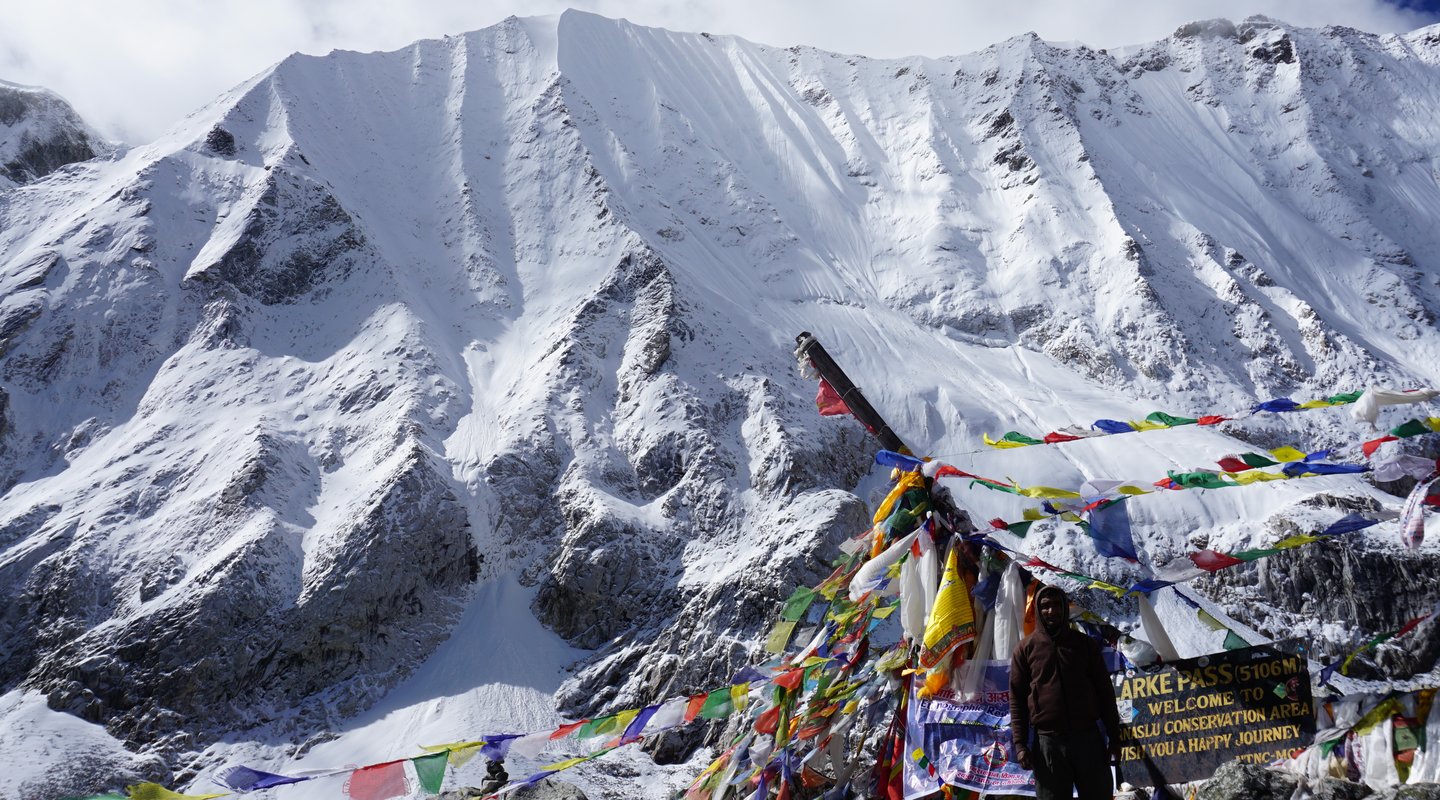
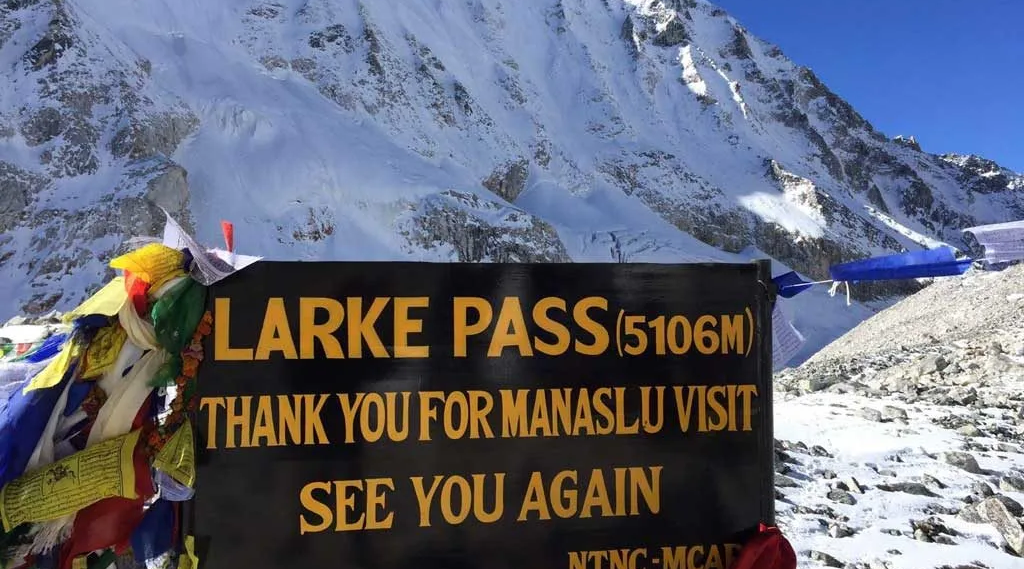
- Manaslu Circuit Trek: Circumnavigates world's 8th highest peak, crosses Larkya La Pass (5,160m)
- Tsum Valley Trek: Sacred valley with ancient Tibetan Buddhist monasteries
- Upper Mustang Trek: Forbidden Kingdom with Tibetan culture and desert landscapes
- Nar Phu Valley Trek: Remote Annapurna region with traditional villages
- Kanchenjunga Base Camp: Nepal's far-eastern trek to the world's 3rd highest peak
- Upper Dolpo Circuit: Remote western Nepal with Shey Phoksundo Lake
- Makalu Base Camp: Approaches through the restricted Barun Valley
For trekkers asking "Do I need a guide for the Tsum Valley trek?"—yes, as Tsum Valley sits within Gorkha's restricted area, requiring both a Restricted Area Permit and a mandatory licensed guide under 2026 regulations.
What This Means for Solo Travelers Planning Nepal Treks
The solo trekking Nepal rules update fundamentally transforms planning for independent adventurers who previously faced partnership-finding challenges or avoided restricted areas entirely despite strong interest.
Benefits for Solo Trekkers:
- Flexible scheduling: Plan treks on your exact desired dates without coordinating with partners
- Independent pacing: Trek at your comfortable speed without group dynamics
- Authentic experience: One-on-one cultural exchanges with a guide and locals
- Privacy: Solitude in remote landscapes (with professional guide support)
- Simplified logistics: No partner searching through forums or last-minute arrangements
Unchanged Requirements:
- Agency application remains mandatory (cannot self-apply)
- Licensed guide required throughout restricted areas
- Standard permit fees apply (no solo surcharges)
- Emergency rescue responsibility falls on the agency
- All conservation and environmental regulations apply
Cost Implications:
Solo trekkers absorb full guide costs ($25-30 daily) rather than splitting with partners, increasing total trek expenses by approximately $350-600, depending on duration. However, this cost buys professional expertise, safety monitoring, cultural interpretation, and eliminates partnership compatibility risks with strangers.
For popular restricted treks, typical solo costs include:
- Manaslu Circuit solo: $1,800-2,400 (vs $1,500-1,800 in 2-person group)
- Tsum Valley solo: $2,200-2,800 (vs $1,800-2,200 in 2-person group)
- Upper Mustang solo: $3,200-4,000 (vs $2,800-3,200 in 2-person group)
The premium reflects undivided guide wages and agency overhead but delivers personalized attention and complete schedule flexibility worth the investment for many independent travelers.
Popular Restricted Area Treks You Can Now Plan as a Solo Traveler (2026)
Nepal's restricted areas contain some of the Himalayan region's most spectacular and culturally rich trekking routes. The 2026 rule changes make these previously partnership-dependent adventures accessible to solo travelers willing to invest in guided experiences.
Manaslu Circuit Trek
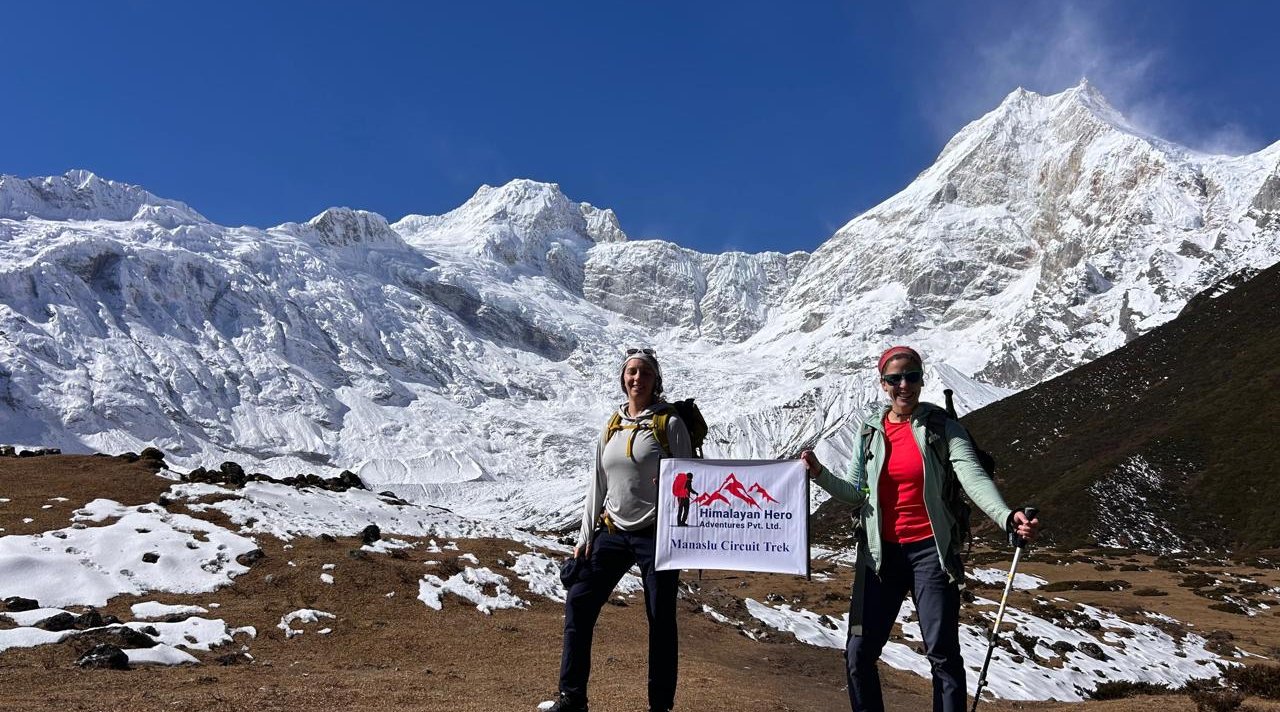
The Manaslu Circuit Trek circumnavigates Manaslu (8,163m), the world's eighth-highest mountain, through pristine wilderness and authentic Tibetan Buddhist villages. This 14-16 day circuit crosses the dramatic Larkya La Pass at 5,160 meters, offering stunning mountain panoramas with far fewer crowds than Annapurna or Everest routes.
Why Solo Trekkers Choose Manaslu:
- Remote wilderness with minimal trekker traffic
- Authentic Tibetan Buddhist culture in Samagaon and Samdo villages
- Spectacular pass crossing with Manaslu views
- Lower costs than the Everest region ($1,800-2,400 solo packages)
Tsum Valley Trek
The sacred Tsum Valley Trek explores a hidden Himalayan valley where ancient Tibetan Buddhism thrives virtually unchanged. This 15-18 day journey visits centuries-old monasteries, traditional villages, and landscapes rich with prayer flags and mani walls, creating profound cultural immersion.
Tsum Valley Appeal:
- Deepest cultural immersion in restricted Nepal
- Ancient monasteries preserving Buddhist traditions
- Combination with Manaslu Circuit possible
- Extremely low trekker numbers even in peak season
Upper Mustang Trek
Upper Mustang's walled city of Lo Manthang sits in Nepal's rain-shadow desert, resembling the Tibetan plateau. This 12-14-day trek through the "Forbidden Kingdom" showcases unique architecture, cave dwellings, and Tibetan culture with minimal monsoon impact, allowing year-round trekking.
Non-Restricted Classic Treks (No RAP Required)
While restricted areas get new attention, Nepal's classic open-area treks remain incredibly popular and don't require Restricted Area Permits or mandatory guides, though guides enhance any trek experience:
These open-area treks allow true solo independent trekking without mandatory guides or agency applications, though many trekkers still hire guides for expertise and cultural insights.
How to Apply for Nepal Trekking Permits (Step-by-Step Guide)
Understanding the Nepal immigration trekking permit rules application process ensures smooth permit acquisition and legal compliance. The process differs between restricted and non-restricted areas.
For Restricted Area Permits (RAP):
Step 1: Choose a Registered Agency. Contact a government-registered Nepali trekking agency specializing in your desired restricted trek. Verify agency credentials through Nepal Tourism Board or TAAN (Trekking Agencies' Association of Nepal).
Step 2: Obtain Nepal Tourist Visa. Apply for a tourist visa online before arrival or obtain on arrival at Kathmandu airport. Note your visa number—essential for permit application.
Step 3: Submit Documents to Agency. Provide a passport copy, 2 passport photos, visa number, detailed itinerary, comprehensive travel insurance, and emergency contacts via email to the chosen agency.
Step 4: Agency Processes Application: The agency submits a permit application through the Department of Immigration online portal using your visa number verification. Processing typically requires 1-3 business days.
Step 5: Permit Approval and Collection. Receive digital confirmation, then collect the physical permit in Kathmandu or at the trek starting point. Permits check at restricted area entry checkpoints throughout the trek.
For Open Area Permits (Non-Restricted):
Open trekking areas like Everest, Annapurna, and Langtang require only conservation area permits obtainable directly:
- Sagarmatha National Park (Everest): $30 at Nepal Tourism Board or Monjo checkpoint
- Annapurna Conservation Area (ACAP): $30 at Nepal Tourism Board or entry checkpoints
- Langtang National Park: $30 at Nepal Tourism Board or entry checkpoint
No visa number requirement or mandatory agency application for open areas—trekkers can obtain these permits independently in Kathmandu or at trailhead entry points.
Frequently Asked Questions (FAQ)
Can I trek alone in Nepal's restricted areas in 2026?
Yes, solo trekkers can now obtain permits for Nepal's restricted areas, including Manaslu, Tsum Valley, Upper Mustang, and others. However, you must apply through a registered trekking agency and hire a mandatory licensed guide. While you trek as a solo permit holder, agency application and guide accompaniment remain legal requirements for all restricted regions.
Do I need a guide for trekking in Nepal's restricted areas?
Yes, licensed guides are mandatory for all restricted area treks regardless of solo or group status. Guides provide safety monitoring, cultural interpretation, emergency coordination, and navigation. This requirement applies even to highly experienced trekkers. Open areas like Everest Base Camp, Annapurna Circuit, and Langtang Valley don't legally require guides, though many trekkers hire them for expertise and support.
How do I apply for a Nepal trekking permit online?
Contact a registered Nepali trekking agency specializing in your desired trek. Provide your Nepal tourist visa number (critical requirement), passport copy, photos, itinerary, and insurance details. The agency submits your application through the Department of Immigration's online portal. You'll receive digital confirmation within 1-3 business days and collect the physical permit in Kathmandu. Individual travelers cannot apply directly—agency application remains mandatory for restricted areas.
What is the maximum group size for restricted area trekking permits?
Nepal now limits restricted area permit groups to a maximum of 7 trekkers per permit application. This ensures effective guide supervision and safety monitoring. Larger expeditions must obtain multiple permits with separate guides—for example, 14 trekkers require two permits and two guides (7 trekkers each). This policy improves safety ratios and environmental impact management in remote regions.
Which Nepal treks require Restricted Area Permits?
Popular restricted treks include Manaslu Circuit, Tsum Valley, Upper Mustang, Nar Phu Valley, Kanchenjunga Base Camp, Upper Dolpo, and remote sections of the Makalu region. These areas span 13 districts along Nepal's northern and western borders. Classic treks like Everest Base Camp, Annapurna Circuit, Annapurna Base Camp, and Langtang Valley are open areas requiring only conservation permits without RAP or mandatory guides.
Start Planning Your Nepal Trek with Updated 2026 Rules
Nepal's revolutionary permit policy removes longstanding barriers for solo travelers while maintaining safety standards that protect both trekkers and remote communities. Whether you're drawn to restricted area adventures like Manaslu Circuit and Tsum Valley, or classic routes like Everest Base Camp and Annapurna Circuit, understanding the new Nepal trekking rules for foreigners ensures smooth permit processing and legal compliance.
The combination of solo permit allowance, online application convenience, and maintained guide requirements creates the ideal balance—accessible independent travel with professional support infrastructure. For 2026 trekking planning, these updates make Nepal more welcoming than ever while preserving the authentic Himalayan experiences that make the country the world's premier trekking destination.
Ready to explore Nepal's mountains under the new regulations? Browse our comprehensive trekking packages designed for solo travelers and groups, with expert guides, complete permit processing, and all logistics handled by our registered agency, ensuring your Himalayan adventure meets every 2026 regulatory requirement.