Introduction – The Ultimate Everest Adventure
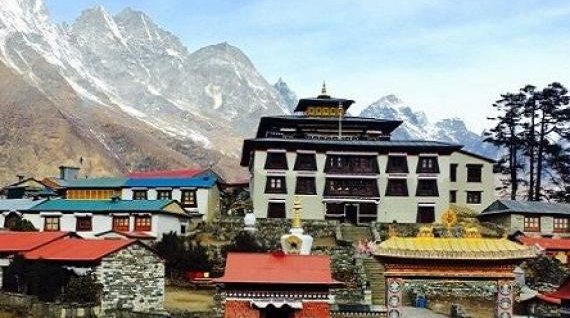
The Everest Tengboche Trek is a 10-day Himalayan adventure designed for trekkers who want breathtaking mountain views, Sherpa culture, and spiritual experiences at Tengboche Monastery. Ideal for first-time trekkers, families, couples, and adventure seekers, this trek provides a compact yet complete Everest region experience.
You’ll trek through the Khumbu region, cross Dudh Koshi River suspension bridges, and stay in tea houses along the trail. Highlights include panoramic views of Everest, Ama Dablam, Lhotse, and Nuptse, visits to Sherpa villages, and wildlife spotting such as musk deer and Nepal’s national bird, the Danphe.
With planned acclimatization days at Namche Bazaar, a moderate daily walking schedule, and expert local guides, the Everest Tengboche Trek is safe, scenic, and unforgettable. Check our Everest Base Camp Trek for a longer, iconic Everest adventure.
Everest Tengboche Trek Highlights
- Tengboche Monastery: Sunrise views over Everest
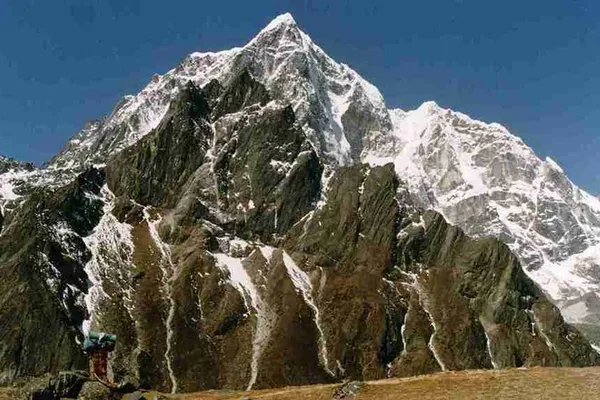
- Ama Dablam & Lhotse Views: Iconic Himalayan peaks
- Sherpa Villages: Cultural insights and traditional lifestyle
- Wildlife: Musk deer, Danphe, snow pheasants
- Photography: Multiple Himalayan viewpoint
- Moderate Trek: Accessible to beginners with proper fitness
For a different perspective of the Khumbu region, see our Everest View Trek package.
Learn more about our Everest Tengboche Trek Itinerary details and daily route tips.
Everest Tengboche Trek Cost – USD 1299
Total Price: USD 1299 per person
The Everest Tengboche Trek – Himalayan Hero Package delivers excellent value for travelers looking to experience the Everest region with added comfort, organized logistics, and reliable support. This thoughtfully planned trekking package covers the essential services needed for a smooth and memorable Himalayan journey while allowing you to focus on the landscapes, mountain culture, and trekking experience.
What’s Included:
- Airport pickup & drop in Kathmandu: Convenient arrival and departure transfers for a seamless start and end to your trip.
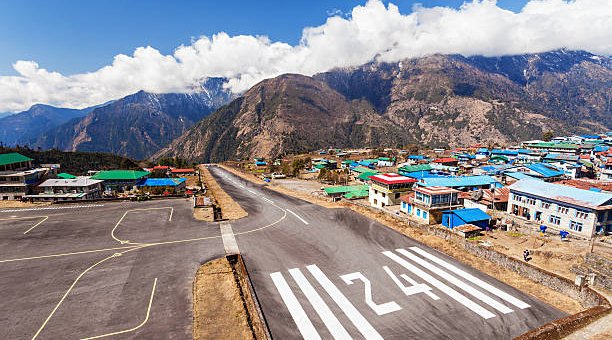
- Domestic flights: Round-trip flights between Kathmandu and Lukla, including spectacular Himalayan views during the journey.
- Twin-sharing tea house accommodation: Comfortable accommodation in local mountain lodges with authentic Sherpa hospitality.
- All meals during the trek: Daily breakfast, lunch, and dinner included throughout the trek, with vegetarian and non-vegetarian meal options available.
- Licensed English-speaking guide: Professional local trekking guide providing route support, safety monitoring, and cultural insights.
- Trekking permits: Includes required permits such as the Sagarmatha National Park Entry Permit and Khumbu region permit.
- First aid kit & emergency oxygen support: Basic emergency preparedness for trekking at higher elevations.
- Ground transportation in Kathmandu: Assistance for airport and hotel-related transfers.
This package is ideal for international trekkers who want a well-organized Everest trekking experience without managing permits, flights, accommodation, and daily logistics independently.
What’s Excluded:
- International flights to and from Kathmandu
- Travel insurance (strongly recommended, including high-altitude coverage)
- Personal expenses such as Wi-Fi, charging, beverages, laundry, and snacks
- Tips for guides and porters (optional but appreciated)
- Additional accommodation outside the itinerary
- Optional sightseeing activities or helicopter tours
These exclusions provide flexibility, allowing trekkers to personalize their trip according to their travel style and budget.
Optional Upgrades:
- Private guide & porter service: More personalized support and flexible trekking pace
- Luxury tea house upgrade: Enhanced comfort with upgraded lodging options where available
- Helicopter evacuation insurance: Added security for high-altitude trekking conditions
- Single room supplement: Extra privacy during the trek (subject to availability)
These upgrades are suitable for trekkers who prefer additional comfort, convenience, and peace of mind during their Everest adventure.
Trek Guide & Porter Details – Everest Tengboche Trek
Your safety, comfort, and experience are our top priorities on the Everest Tengboche Trek. Our licensed guides and professional porters are highly trained to ensure you enjoy the trek with peace of mind, cultural insight, and expert support.
Licensed Guides
- All guides are English-speaking and certified by the Nepal government.
- Trained in high-altitude first aid, emergency response, and altitude sickness management.
- Provide detailed briefings on each day’s trek, cultural highlights, and local customs.
- Assist with route navigation, photography tips, and Himalayan knowledge, ensuring your trek is both safe and memorable.
Professional Porters
- Each porter carries 10–15 kg per 2 trekkers, allowing you to trek comfortably with a light daypack only.
- Experienced in high-altitude trekking logistics and local trail knowledge.
- Help transport your luggage safely between tea houses, and provide on-trail support.
Safety & Emergency Support
- Guides carry oxygen cylinders, first aid kits, and essential emergency gear.
- Experienced in handling altitude-related issues, ensuring prompt response in case of sickness.
- Emergency evacuation arrangements are in place if needed.
Cultural & Local Experience
- Our guides provide insights into Sherpa culture, Buddhist traditions, and local lifestyle.
- Introduce trekkers to Tengboche Monastery rituals, local festivals, and mountain folklore.
- Enhance your trek experience with photography guidance and cultural storytelling.
With our expert guides and supportive porters, you are not just trekking; you are immersed in the Everest region with safety, comfort, and authentic experiences guaranteed.
Accommodation & Meals – Everest Tengboche Trek
On the Everest Tengboche Trek, your comfort and well-being are essential. We provide carefully selected tea houses and lodges along the route, balancing local authenticity with hygiene and comfort.
Tea House Accommodation
- Stay in twin-sharing rooms with clean bedding and warm blankets.
- Rooms are basic but comfortable, giving an authentic Himalayan experience.
- Lodges are strategically located to maximize scenic views, often overlooking rivers, forests, and the towering Himalayas.
- Option to upgrade to private or luxury tea houses in select locations for more comfort and privacy.
Meals During Trek
- Breakfast, lunch, and dinner included at tea houses.
- Choose from Nepali, Tibetan, and Western cuisine, including vegetarian and non-vegetarian options.
- Meals are freshly prepared daily using locally sourced ingredients.
- Sample Sherpa specialties such as Thukpa (noodle soup), Dal Bhat (lentil rice), and Tibetan momo dumplings.
- Hydration is easy: hot drinks, tea, coffee, and soups available at every stop.
Additional Comforts
- Hot showers: Available at select lodges (nominal charge).
- Wi-Fi: Available at some tea houses, perfect for sharing your trek experiences.
- Common areas: Cozy lounges for trekker interaction and socializing, perfect for photography and planning your next day.
Staying in tea houses is part of the Everest trekking experience, giving you a blend of comfort, local culture, and breathtaking views.
Permits & Regulations – Everest Tengboche Trek
Sagarmatha National Park Permit
- TIMS Card (Trekkers’ Information Management System)
- Local Area Permit
Rules & Regulations
- Eco-friendly trekking: Strictly follow Leave No Trace principles; avoid littering and protect water sources.
- Wildlife protection: Do not disturb animals such as musk deer, Danphe (national bird), and Himalayan pheasants.
- Cultural respect: Always seek permission before photographing villagers or entering monasteries.
- Altitude safety: Guides monitor your health and recommend rest or descent if needed.
Why Permits Matter
- Ensure legal and safe trekking in Nepal’s protected areas.
- Contribute to local conservation and community development.
- Give trekkers access to exclusive trekking routes, scenic viewpoints, and cultural sites.
By arranging all permits in advance, our Himalayan Hero Everest Tengboche Trek package ensures a stress-free, legal, and immersive trekking experience.
How difficult is the Everest Tengboche Trek?
The Everest Tengboche Trek is widely classified as a moderate Himalayan adventure, meaning it is physically accessible to regular active individuals, families, and determined beginners. While you do not need any technical mountaineering experience or climbing gear to complete this trail, you should still prepare for several consecutive days of walking on uneven, rocky mountain terrain. The most physically demanding section of the journey is the legendary, steep uphill climb from the riverbed up to the bustling hub of Namche Bazaar, which tests your leg strength and aerobic endurance.
Most daily hiking shifts last between three and six hours, giving you plenty of time to maintain a slow, steady pace while your licensed guide manages the team logistics. The well-marked route features an excellent, highly developed infrastructure of comfortable lodges, meaning you can rest deeply and enjoy hot meals at the end of every active day. To ensure your body adapts smoothly to the thinning mountain air, a mandatory acclimatization day is built directly into the itinerary, making this specific trip significantly safer and far less strenuous than higher alternatives.
Difficulty & Fitness Required – Everest Tengboche Trek
The Everest Tengboche Trek is classified as moderate, making it accessible for beginners, families, and first-time trekkers, while still offering a rewarding Himalayan adventure.
Trek Difficulty
- Duration: 10 days
- Highest Altitude: 3,867 m (Tengboche Monastery)
- Daily Walking Hours: 3–6 hours on average
- Terrain: Moderate trails with gradual ascents, occasional steep sections, suspension bridges, and well-marked paths.
Who Can Do This Trek?
- Beginners and moderate fitness level trekkers
- Adventure travelers seeking a short Everest region experience
- Culture enthusiasts who want to explore Sherpa villages and monasteries
- Photographers and nature lovers seeking panoramic Himalayan views
Training Recommendations
- Cardio exercises: Running, brisk walking, cycling, or swimming 3–4 times per week
- Strength training: Focus on legs, core, and back for backpack trekking
- Hiking practice: Long walks with a loaded backpack.
- Stair climbing: To prepare for uphill trekking and altitude adaptation
With proper preparation, even first-time trekkers can complete this trek safely and comfortably while enjoying every moment.
Best Time to Trek – Everest Tengboche Trek
The Everest region has distinct seasons, and the timing of your trek affects views, weather, and trail conditions.
Spring and Autumn are the best times to trek, offering optimal weather, vibrant landscapes, and clear Himalayan vistas. See our Everest Trek Best Time Guide for detailed seasonal advice.
Packing List – Everest Tengboche Trek
Proper gear is essential for a comfortable and safe trek. Here’s a complete checklist:
Clothing
- Insulated trekking jacket and fleece layers
- Thermal base layers (top & bottom)
- Trekking pants & shorts
- Gloves, hat, and scarf
- Waterproof jacket and pants for rain protection
Footwear
- Sturdy trekking boots (waterproof and broken-in)
- Comfortable trekking socks (wool or synthetic)
- Camp shoes or sandals for lodges
Gear & Essentials
- Trekking backpack (30–40L) with rain cover
- Daypack for daily essentials
- Trekking poles (highly recommended)
- Sleeping bag (for colder nights)
- Water bottle and purification tablets
Electronics & Miscellaneous
- Camera and memory cards
- Power bank / solar charger
- Sunglasses and sunscreen (SPF 50+)
- Personal medication and first aid kit
- Snacks and energy bars
Packing wisely ensures safety, comfort, and enjoyment throughout your Everest Tengboche Trek.
Safety, Guides & Insurance – Everest Tengboche Trek
Safety is our top priority on this trek. Our team ensures you trek responsibly and comfortably.
Guides
- Licensed, English-speaking guides trained in high-altitude first aid
- Knowledgeable about Sherpa culture, trails, and emergency protocols
- Provide guidance on altitude management, trekking pace, and photography spots
Porters
- Ratio: 1 porter per 2 trekkers
- Carry luggage (10–15 kg), allowing you to trek with a light daypack
- Experienced in Himalayan trails and local logistics
Emergency Support
- Guides carry oxygen cylinders, first aid kits, and communication devices
- Helicopter evacuation available if necessary
- Monitored acclimatization to prevent altitude sickness
Insurance Requirement
- Travel insurance is mandatory, covering:
- Trekking up to 5,000 m
- Emergency evacuation (land and air)
- Medical expenses in Nepal
- We recommend insurance that covers high-altitude trekking
With expert guides, supportive porters, and proper safety protocols, your Everest Tengboche Trek is both adventurous and secure.
Why choose the Everest Tengboche Trek over the Everest Base Camp Trek?
You should choose the Everest Tengboche Trek if you want to experience the true essence of the majestic Khumbu region without spending two full weeks battling extreme cold and grueling high-altitude conditions. The standard trek to Everest Base Camp is a strenuous multi-week undertaking that requires hikers to sleep at altitudes well above 5,000 meters, where the risk of acute mountain sickness increases dramatically. In contrast, the shorter journey to the Tengboche Monastery tops out at a manageable 3,867 meters, keeping you safely below the dangerous high-altitude threshold.
This compact alternative requires a total duration of just ten days, making it the perfect choice for time-limited holidaymakers or families traveling with younger adventurers. Despite being shorter and much less physically punishing, it actually delivers superior panoramic views of Mount Everest and Ama Dablam compared to the enclosed, rocky terrain found at the actual base camp. By choosing this route, you get to skip the most grueling glacier walks while still enjoying the exact same flights, cultural highlights, suspension bridges, and premium tea house hospitality for a fraction of the cost.
Book Your Everest Tengboche Trek Today
Don’t miss the chance to experience the Everest Tengboche Trek – 10-day Himalayan Hero Package, one of the most accessible and rewarding treks in Nepal. This trek offers:
- Breathtaking Himalayan scenery: Panoramic views of Mt. Everest, Ama Dablam, Lhotse, and Nuptse.
- Cultural immersion: Visit Sherpa villages, explore the Tengboche Monastery, and witness local Buddhist rituals.
- Expert local guides: Licensed guides trained in high-altitude safety, first aid, and cultural storytelling.
- Comfortable tea house accommodations with fresh meals, hot showers (where available), and warm hospitality.
With our all-inclusive Himalayan Hero package, you can focus entirely on trekking, photography, and local experiences while we handle the logistics, permits, and safety.